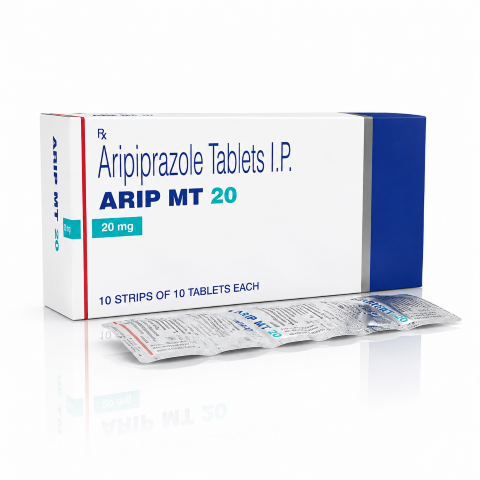
Arip MT 20 Tablet
$0.54 / unit
Available Options
| Pack Size | Price | Price / Unit | Quantity | Action |
|---|---|---|---|---|
| 180 Tablets | $75.00 | $0.42/unit | ||
| 150 Tablets | $64.00 | $0.43/unit | ||
| 120 Tablets | $52.00 | $0.43/unit | ||
| 90 Tablets | $41.00 | $0.46/unit | ||
| 60 Tablets | $30.00 | $0.50/unit | ||
| 30 Tablets | $16.00 | $0.53/unit |
Product Description
What is this medicine?
ARIP MT 20 MG TABLET contains Aripiprazole 20 mg, an atypical antipsychotic medicine.
Current product information identifies Arip MT 20 as:
Brand Name: Arip MT 20
Generic Name: Aripiprazole
Strength: 20 mg
Dosage Form: Tablet
Route: Oral
Manufacturer/Marketer: Torrent Pharmaceuticals Ltd
Prescription Medicine: Yes
Torrent Pharmaceuticals' current official Indian product listing identifies ARIP MT 20 TAB as Aripiprazole Tablets 20 mg. An Indian Railways manufacturer-inspection document also identifies ARIP MT 20 as an uncoated tablet containing aripiprazole 20 mg, marketed by Torrent Pharmaceuticals.
Aripiprazole belongs to a group of medicines called atypical or second-generation antipsychotics.
It works mainly by modifying activity at several brain neurotransmitter receptors, particularly those involving:
dopamine
serotonin
Unlike medicines that simply block dopamine, aripiprazole has partial agonist activity at dopamine D2 and serotonin 5-HT1A receptors and antagonist activity at 5-HT2A receptors. This helps regulate abnormal dopamine and serotonin signaling involved in several psychiatric conditions.
Established aripiprazole indications include:
schizophrenia
acute manic or mixed episodes associated with bipolar I disorder
use with lithium or valproate in bipolar mania
adjunctive treatment of major depressive disorder
irritability associated with autistic disorder in selected pediatric patients
Tourette's disorder in selected pediatric patients
For Arip MT 20 specifically, current Indian pharmacy information commonly lists its use in schizophrenia and mania/bipolar disorder.
Important: Aripiprazole should be taken only for the condition for which it has been prescribed. Do not start, stop, or change the dose without medical supervision.
What should I tell my health care provider before I take this medicine?
Tell your healthcare provider if you have any of these conditions:
allergy to aripiprazole or any tablet ingredient
previous heart attack
previous stroke or transient ischemic attack
high or low blood pressure
irregular heartbeat
high blood sugar
family history of diabetes
abnormal cholesterol or triglycerides
obesity or significant weight problems
seizures or epilepsy
low white blood cell count
previous medicine-related leukopenia or neutropenia
difficulty swallowing
dehydration
problems regulating body temperature
Parkinsonism or significant movement disorders
history of tardive dyskinesia
history of neuroleptic malignant syndrome
dementia
suicidal thoughts or previous suicide attempts
compulsive gambling
compulsive shopping
binge or compulsive eating
unusually strong sexual urges
other impulse-control problems
kidney or liver disease
pregnancy or plans to become pregnant
breastfeeding
Also tell your healthcare provider if you take:
sleeping medicines
benzodiazepines
seizure medicines
blood-pressure medicines
medicines that strongly affect CYP2D6 or CYP3A4 metabolism
herbal products such as St. John's wort
Elderly patients with dementia warning
Aripiprazole carries an important boxed warning.
Elderly patients with dementia-related psychosis who receive antipsychotic medicines have an increased risk of death.
Aripiprazole is not approved for treatment of dementia-related psychosis.
Cerebrovascular events, including:
stroke
transient ischemic attack
have also been reported more often in elderly patients with dementia-related psychosis receiving antipsychotic medicines.
Suicidal thoughts and behavior
When aripiprazole is used as an adjunct to antidepressant treatment, patients—particularly children, adolescents, and younger adults—should be monitored for:
worsening depression
unusual behavioral changes
emergence or worsening of suicidal thoughts
The current aripiprazole prescribing information includes this warning in its boxed safety information.
Seek urgent medical help if you or someone taking the medicine develops:
thoughts of suicide
plans to harm themselves
sudden severe behavioral changes
How should I use this medicine?
Take ARIP MT 20 MG TABLET exactly as prescribed by your healthcare professional.
Aripiprazole tablets are generally administered:
Once daily, with or without food.
Try to take the medicine at approximately the same time each day.
Swallow the tablet according to the directions supplied with your particular Torrent product.
Do not:
take more tablets than prescribed
change from 20 mg to another strength yourself
stop the medicine suddenly without medical advice
take extra doses because symptoms have not improved immediately
Established adult dosing principles
For reference, established aripiprazole prescribing information gives the following adult ranges:
Schizophrenia:
Initial/recommended dose: 10–15 mg once daily
Maximum: 30 mg/day
Bipolar I mania – monotherapy:
Recommended dose: 15 mg/day
Maximum: 30 mg/day
Bipolar I mania with lithium or valproate:
Initial: 10–15 mg/day
Recommended: 15 mg/day
Maximum: 30 mg/day
Adjunctive treatment of major depressive disorder:
Initial: 2–5 mg/day
Recommended: 5–10 mg/day
Maximum: 15 mg/day
Important: These are general aripiprazole prescribing ranges and do not mean that every patient should receive these doses.
Because Arip MT contains 20 mg per tablet, the correct dose depends on:
diagnosis
age
treatment response
other medicines
side effects
CYP2D6 metabolism
CYP3A4 drug interactions
For example, 20 mg may fall within an established treatment range for schizophrenia or bipolar disorder but is above the recommended maximum dose used when aripiprazole is prescribed solely as adjunctive therapy for major depressive disorder.
Do not stop suddenly
Even if you feel better, continue taking the medicine until your healthcare provider advises otherwise.
Stopping antipsychotic treatment abruptly may cause:
return or worsening of psychiatric symptoms
agitation
sleep disturbance
other withdrawal or rebound symptoms
Your prescriber may reduce the dose gradually when appropriate.
What if I miss a dose?
If you miss a dose of Arip MT 20 mg:
take it when you remember
if it is nearly time for your next scheduled dose, skip the missed dose
take your next dose at the normal time
do not take two doses together
do not take extra tablets to make up for a missed dose
If you miss several doses, contact your healthcare professional before restarting your usual schedule.
What may interact with this medicine?
Tell your healthcare provider about all medicines, supplements, vitamins, and herbal products you use.
Important interactions include:
Strong CYP2D6 inhibitors
Medicines that strongly inhibit CYP2D6 can increase aripiprazole levels.
Examples include:
fluoxetine
paroxetine
quinidine
The aripiprazole dose may need to be reduced.
Strong CYP3A4 inhibitors
Medicines that inhibit CYP3A4 can also increase aripiprazole exposure.
Examples include:
clarithromycin
itraconazole
ketoconazole
certain antiviral medicines
Dose adjustment may be necessary.
CYP3A4 inducers
Medicines that strongly increase CYP3A4 activity can reduce aripiprazole levels and potentially make it less effective.
Examples include:
carbamazepine
rifampicin/rifampin
certain seizure medicines
St. John's wort
Dose modification may be required under medical supervision.
CIMS India specifically lists medicines including clarithromycin, quinidine, and St. John's wort among products patients should disclose when taking aripiprazole.
Blood-pressure medicines
Aripiprazole can sometimes lower blood pressure, particularly when standing.
Combining it with antihypertensive medicines may increase:
dizziness
light-headedness
fainting
Sedative medicines
Using aripiprazole with:
benzodiazepines
sleeping medicines
sedating antihistamines
opioid medicines
other CNS depressants
may increase:
drowsiness
dizziness
impaired coordination
Alcohol
Avoid or limit alcohol as instructed by your healthcare professional.
Alcohol may worsen:
dizziness
drowsiness
impaired judgment
CIMS India specifically advises avoiding alcohol during aripiprazole treatment.
What should I watch for while using this medicine?
Your healthcare provider may periodically monitor:
psychiatric symptoms
mood and suicidal thoughts
weight
blood pressure
fasting blood glucose
HbA1c where appropriate
cholesterol
triglycerides
abnormal involuntary movements
white blood cell count in susceptible patients
Neuroleptic malignant syndrome
A rare but potentially life-threatening reaction called neuroleptic malignant syndrome (NMS) can occur with antipsychotic medicines.
Seek emergency medical attention for:
very high fever
severe muscle stiffness
confusion
altered consciousness
rapid or irregular heartbeat
sweating
significant blood-pressure changes
Current aripiprazole prescribing information specifically warns about NMS and recommends immediate discontinuation and close medical management when it occurs.
Tardive dyskinesia
Antipsychotic medicines can cause tardive dyskinesia, a potentially persistent involuntary movement disorder.
Possible symptoms include:
repeated tongue movements
lip smacking
facial grimacing
chewing movements
uncontrolled arm or leg movements
Risk generally increases with:
longer treatment duration
greater cumulative exposure
older age
Report new abnormal movements promptly.
Akathisia and restlessness
Aripiprazole commonly causes akathisia, a feeling of inner restlessness.
Symptoms may include:
inability to sit still
constant pacing
repeatedly moving the legs
feeling intensely restless
Tell your healthcare provider if this becomes severe or distressing.
Blood glucose and diabetes
Atypical antipsychotics may cause metabolic changes including:
increased blood glucose
new or worsening diabetes
weight changes
abnormal cholesterol or triglycerides
Report symptoms of very high blood sugar such as:
excessive thirst
frequent urination
unusual hunger
unexplained weakness
Orthostatic hypotension
Aripiprazole can sometimes cause a fall in blood pressure when standing.
This may lead to:
dizziness
light-headedness
fainting
Rise slowly from sitting or lying positions, especially when first starting treatment.
Pathological gambling and other compulsive behaviors
Rare but potentially serious impulse-control problems have been reported with aripiprazole.
These include:
uncontrollable gambling
compulsive shopping
binge or compulsive eating
unusually strong or uncontrollable sexual urges
other repetitive compulsive behaviors
FDA advises patients and caregivers to report these behaviors promptly. In reported cases, the urges often resolved after the aripiprazole dose was reduced or treatment was discontinued.
Do not stop aripiprazole suddenly on your own if these symptoms occur. Contact the prescriber promptly.
Seizures
Use aripiprazole carefully in people with:
epilepsy
previous seizures
conditions that lower the seizure threshold
Seek medical attention for a new seizure.
Low white blood cell count
Antipsychotic medicines can rarely cause:
leukopenia
neutropenia
severe agranulocytosis
People with a history of low white blood cells may need blood-count monitoring.
Seek medical advice for:
unexplained fever
persistent sore throat
recurrent infection
Body-temperature regulation
Antipsychotic medicines can interfere with the body's ability to regulate temperature.
Take particular care during:
very hot weather
strenuous exercise
dehydration
Drink adequate fluids unless your doctor has advised fluid restriction.
Driving and operating machinery
Aripiprazole may cause:
sleepiness
dizziness
slowed reactions
impaired judgment
Do not drive or operate machinery until you know how the medicine affects you.
What side effects may I notice from this medicine?
Side effects that you should report to your doctor or healthcare professional as soon as possible:
suicidal thoughts or severe worsening of depression
high fever with severe muscle stiffness or confusion
uncontrolled repetitive body or facial movements
seizure
fainting
severe allergic reaction
difficulty breathing or swallowing
severe agitation
severe confusion
very high blood sugar
symptoms of severe infection
new uncontrollable gambling or other compulsive behavior
Side effects that usually do not require immediate medical attention but should be reported if they continue or are bothersome:
restlessness or akathisia
headache
dizziness
sleepiness
difficulty sleeping
anxiety
nausea
vomiting
constipation
indigestion
increased saliva
fatigue
tremor
blurred vision
weight change
Current Indian pharmacy information commonly reports symptoms such as akathisia/restlessness, anxiety, blurred vision, constipation, dizziness, fatigue, headache, increased saliva, nausea, sleepiness, tremor and vomiting with aripiprazole treatment.
Metabolic side effects
Atypical antipsychotic treatment can also affect:
weight
blood glucose
cholesterol
triglycerides
Periodic monitoring may therefore be appropriate, particularly during longer-term treatment.
This list may not describe all possible side effects.
Where should I keep my medicine?
Keep ARIP MT 20 MG TABLETS out of the reach of children.
Current Indian product listings recommend storage:
Below 30°C.
Keep the tablets:
in their original strip and carton
in a dry place
protected from excessive heat
protected from moisture
protected from direct sunlight
away from unauthorized access
Do not use tablets if:
the blister is damaged
the packaging appears tampered with
tablets have changed appearance
the expiration date has passed