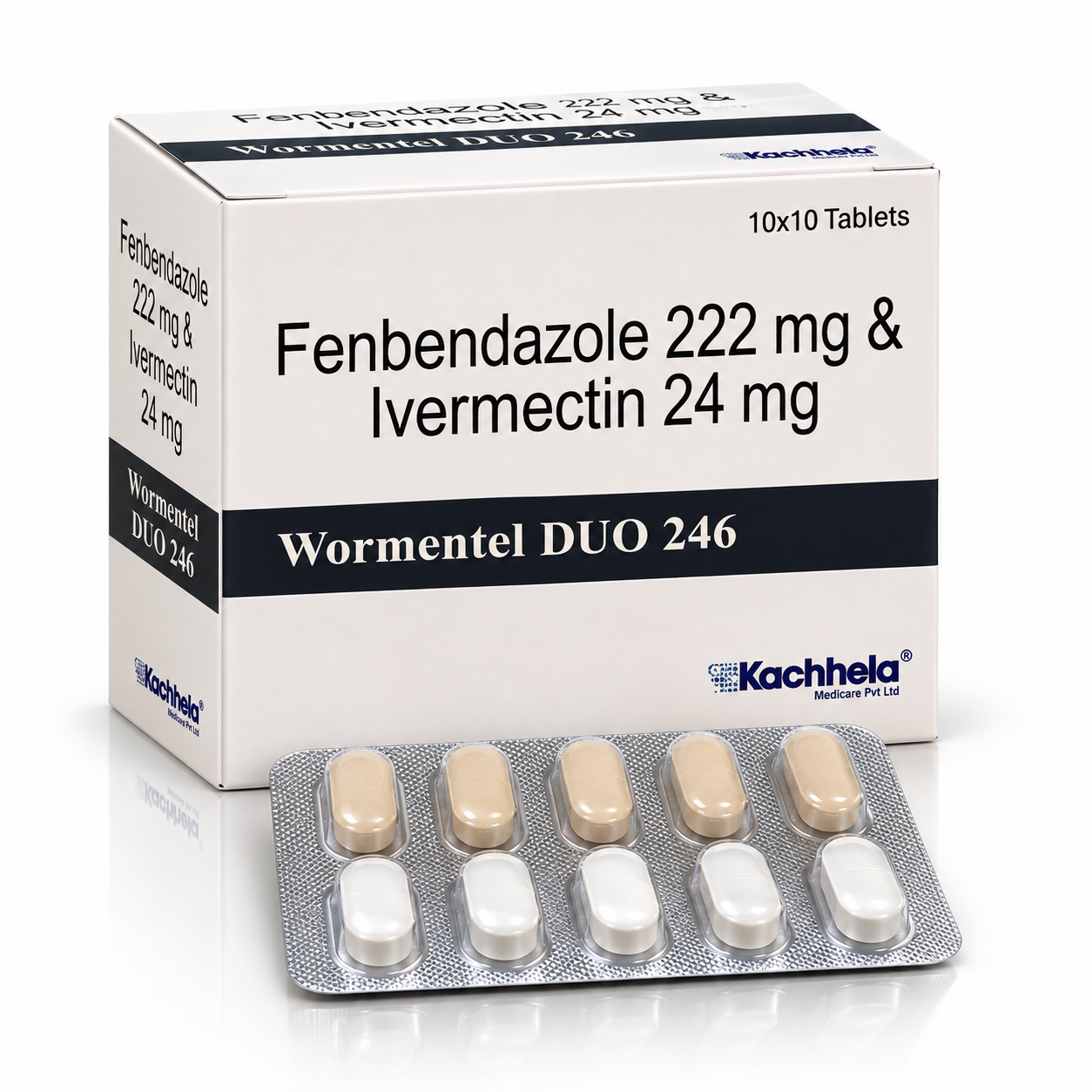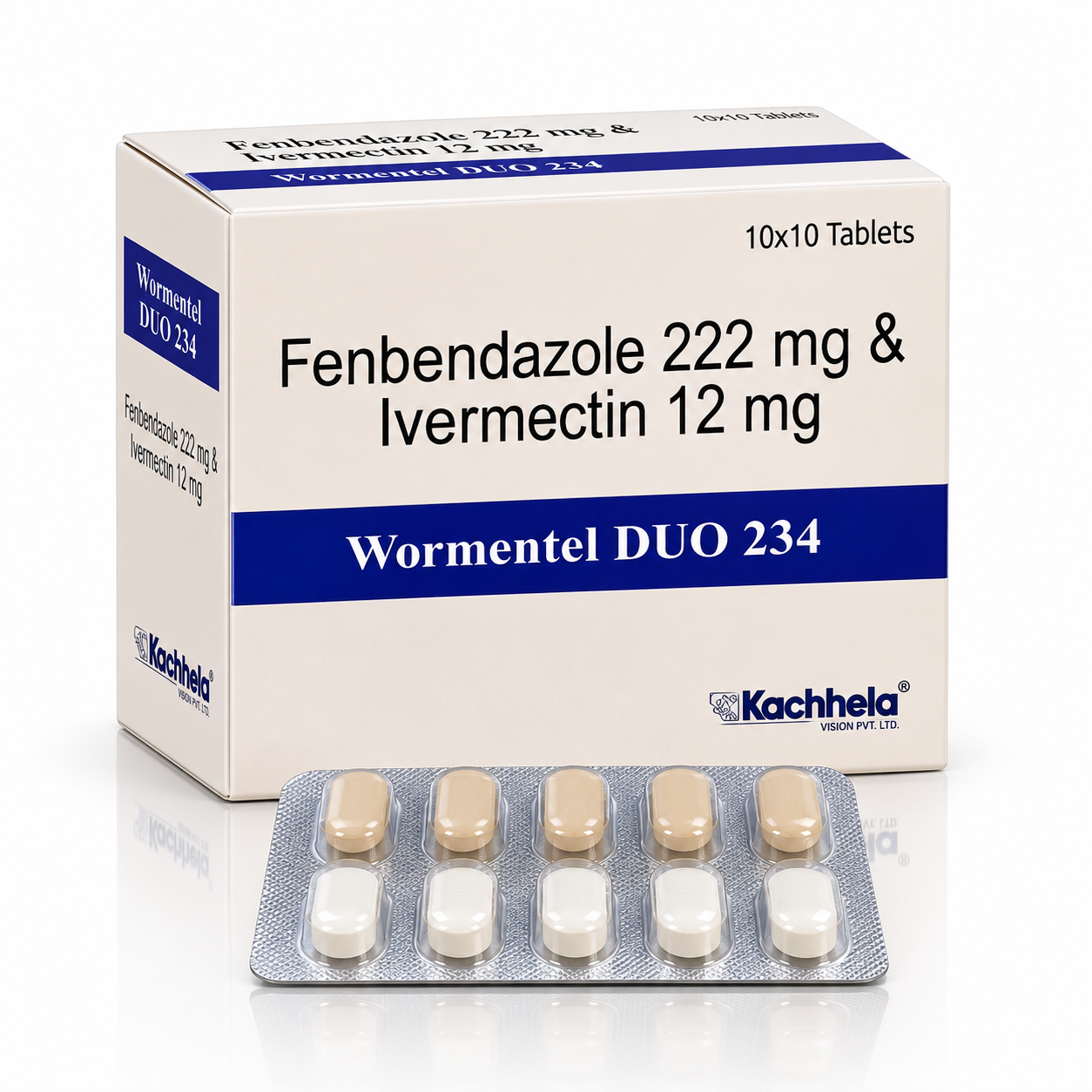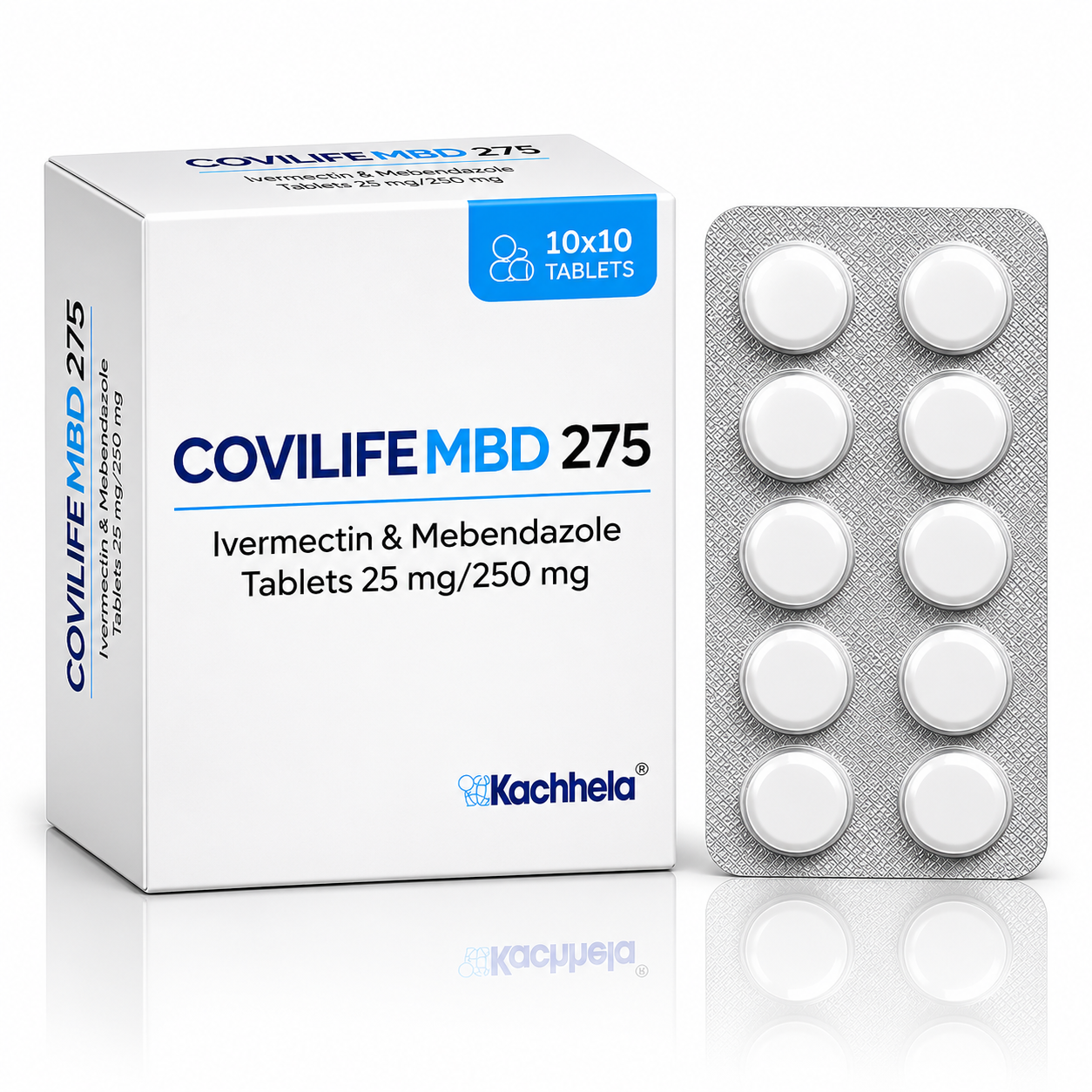
Covilife-MBD 275 MG Tablet
$0.60 / unit
Available Options
| Pack Size | Price | Price / Unit | Quantity | Action |
|---|---|---|---|---|
| 180 Tablets | $108.00 | $0.60/unit | ||
| 150 Tablets | $90.00 | $0.60/unit | ||
| 120 Tablets | $72.00 | $0.60/unit | ||
| 90 Tablets | $54.00 | $0.60/unit | ||
| 60 Tablets | $36.00 | $0.60/unit | ||
| 30 Tablets | $18.00 | $0.60/unit |
Product Description
COVILIFE MBD 275 MG TABLET
What is this medicine?
COVILIFE MBD 275 MG TABLET is a combination antiparasitic preparation containing two active ingredients:
Ivermectin 25 mg
Mebendazole 250 mg
The total strength of 275 mg represents the combined quantity of ivermectin and mebendazole in each tablet.
The product is listed as manufactured or marketed by Kachhela Medex Pvt. Ltd., India. It is commonly offered in strips of 10 tablets, with 10 strips per box.
Manufacturer Details
Brand Name: Covilife MBD 275 mg Tablet
Generic Names: Ivermectin + Mebendazole
Strength: Ivermectin 25 mg + Mebendazole 250 mg
Total Strength: 275 mg
Dosage Form: Oral tablet
Therapeutic Class: Antiparasitic / Anthelmintic
Manufacturer/Marketer: Kachhela Medex Pvt. Ltd.
Pack Size: 10 × 10 tablets (100 tablets per box)
Route of Administration: Oral, subject to verification of the intended formulation
Covilife MBD belongs to a group of preparations called anthelmintics, medicines used to treat infections caused by certain parasitic worms.
Its two active ingredients work through different mechanisms.
Ivermectin 25 mg:
Ivermectin is an antiparasitic medicine belonging to the avermectin group.
It acts on susceptible parasites by interacting with glutamate-gated chloride channels in nerve and muscle cells. This disrupts normal nerve signaling, causing paralysis and eventual elimination of the parasites.
Ivermectin has established human uses for particular infections, including strongyloidiasis and onchocerciasis. It is also used for certain other parasitic conditions under appropriate medical protocols.
Mebendazole 250 mg:
Mebendazole belongs to a group of medicines called benzimidazole anthelmintics.
It interferes with parasite microtubule formation and glucose utilization, reducing the parasite's ability to obtain energy and survive.
Mebendazole is used against several intestinal worms, including roundworms, hookworms, pinworms, and whipworms.
Together, ivermectin and mebendazole provide two different antiparasitic mechanisms. However, the existence of these mechanisms does not establish that this exact fixed-dose combination is safe, effective, or approved for every infection.
Conditions for which the individual ingredients may be used
Depending on the parasite, diagnosis, and locally approved treatment regimen, ivermectin or mebendazole may be used for:
intestinal roundworm infections
hookworm infections
whipworm infections
pinworm infections
strongyloidiasis
onchocerciasis
selected other parasitic worm infections
The exact Covilife MBD 275 mg combination has not been verified as an approved standard treatment for all these conditions.
Different parasites require different medicines, doses, and treatment durations.
For example, ivermectin is an established treatment for strongyloidiasis, whereas mebendazole is commonly used for intestinal soil-transmitted helminths. Treatment guidelines do not recommend automatically combining these agents for every worm infection.
Covilife MBD 275 mg is not an established treatment for cancer, COVID-19, or routine bacterial and viral infections.
It should not be used for self-treatment without confirming that the product is appropriate for the patient and the diagnosed parasite.
What should I tell my health care provider before I take this medicine?
They need to know if you have any of these conditions:
a suspected or confirmed parasitic infection
intestinal worm infestation
persistent abdominal pain
chronic diarrhea
blood or mucus in stools
unexplained weight loss
liver disease
hepatitis
abnormal liver function tests
kidney disease
neurological disorders
a history of seizures
epilepsy
problems with balance or coordination
a history of significant dizziness
meningitis or conditions affecting the blood-brain barrier
immune system disorders
HIV infection
organ transplantation
treatment with corticosteroids or immunosuppressants
a history of severe allergic reactions
known allergy to ivermectin
known allergy to mebendazole
allergy to benzimidazole medicines
a history of low blood cell counts
previous treatment for intestinal parasites
recent exposure to tropical parasitic infections
travel or residence in areas where Loa loa is endemic
pregnancy or plans to become pregnant
breastfeeding
if you are taking warfarin
if you are taking other antiparasitic medicines
if you are taking certain medicines for epilepsy
if you are taking medicines that suppress the immune system
if you are taking medicines that affect liver function
allergy to any other ingredient in the tablet
Important contraindications and precautions
Do not use Covilife MBD 275 mg if you have a known serious allergy to ivermectin, mebendazole, or another component of the formulation.
Unverified human-use status:
Before use in a person, a healthcare professional must establish that the particular product is manufactured and authorized for human administration.
Veterinary formulations should not be substituted for human medicines.
Liver disease:
Mebendazole is metabolized in the liver, and high or prolonged exposure may increase the risk of adverse liver effects.
Tell your doctor if you have significant liver disease or abnormal liver tests.
Neurological conditions:
Ivermectin can rarely cause serious neurological reactions.
Patients with pre-existing neurological disorders or those taking medicines that affect the central nervous system require careful evaluation.
Loiasis:
Patients with heavy Loa loa infections may experience severe neurological complications following ivermectin exposure.
Anyone with relevant travel or residence in endemic areas of West or Central Africa may require screening before ivermectin treatment.
Pregnancy:
Safety information for this exact combination in pregnancy is insufficient.
Pregnant patients should not self-administer it. A clinician should select an appropriate antiparasitic treatment based on the infection and the pregnancy.
Children:
The safety of ivermectin in children weighing less than 15 kg is not established adequately.
A 25 mg ivermectin tablet is unsuitable for routine pediatric administration without specialized assessment.
How should I use this medicine?
Covilife MBD 275 mg Tablet should only be used after a qualified healthcare professional has confirmed the formulation, intended species, regulatory authorization, and appropriate treatment indication.
The product is listed as an oral tablet.
However, no reliable, approved human dosing schedule could be verified for this specific ivermectin 25 mg plus mebendazole 250 mg combination.
The correct dose of antiparasitic treatment depends on:
the parasite causing the infection
the patient's body weight
age
clinical symptoms
immune status
liver function
previous treatment
possible co-infections
the availability of approved human formulations
General dosing information for the individual ingredients
For strongyloidiasis:
Approved human ivermectin prescribing information commonly recommends approximately:
200 micrograms/kg (0.2 mg/kg) orally, with the regimen and follow-up determined by the clinical situation.
The medicine is generally taken with water on an empty stomach under the referenced label.
For comparison, a 25 mg ivermectin dose corresponds to approximately 0.2 mg/kg for a person weighing 125 kg.
That calculation illustrates why a 25 mg fixed-dose tablet cannot be assumed appropriate for every adult.
It is not an instruction to use Covilife MBD in a 125 kg patient.
For onchocerciasis:
Ivermectin is commonly administered according to body weight, with a reference dose of approximately 150 micrograms/kg.
Follow-up and retreatment are often required because ivermectin acts mainly against microfilariae rather than reliably eliminating adult parasites.
For ascariasis (roundworm):
CDC treatment guidance lists mebendazole regimens such as:
100 mg twice daily for 3 days, or
500 mg once.
These regimens apply to mebendazole as an individual medicine and should not be converted automatically into a Covilife MBD dosing schedule.
For hookworm infections:
Mebendazole may be used according to recognized treatment protocols.
Treatment selection depends on the organism, disease severity, and local recommendations.
For whipworm infections:
Mebendazole is one treatment option.
Different regimens and combination strategies may be considered in specific clinical circumstances, but they do not establish routine use of Covilife MBD 275 mg.
For pinworm infections:
Mebendazole may be used to treat pinworm infection.
A repeat dose may be required in standard treatment protocols because medicines may not reliably eliminate pinworm eggs.
Ivermectin is not routinely required for uncomplicated pinworm infection.
Important administration instructions
Confirm that the supplied product is appropriate for human use before administration.
Use only after an appropriate parasite diagnosis.
Follow the exact prescription and product-specific instructions.
Do not assume that one tablet is the correct adult dose.
Do not increase the dose based on symptoms.
Do not take repeated courses without medical advice.
Do not combine it with other antiparasitic medicines independently.
Do not use veterinary-labeled tablets for human treatment.
Do not use it for cancer treatment or general immune support.
Contact your healthcare professional if significant neurological symptoms develop.
Follow recommended stool examinations or other tests to confirm treatment response.
Food administration: Human ivermectin labeling commonly recommends administration on an empty stomach. Mebendazole food instructions vary by formulation. Since a verified label for the combination is unavailable, the appropriate administration timing for Covilife MBD cannot be established reliably.
Overdosage
Excessive ivermectin or mebendazole exposure may cause serious adverse reactions.
Symptoms may include:
severe nausea
vomiting
abdominal pain
diarrhea
marked dizziness
confusion
problems with coordination
tremors
seizures
reduced consciousness
serious neurological toxicity
If an overdose is suspected, seek emergency medical attention immediately.
Treatment generally involves supportive medical care and monitoring.
NOTE: This medicine should not be shared with other people or used without confirming that the specific formulation is appropriate and legally authorized for its intended use.
What if I miss a dose?
If a healthcare professional has prescribed a verified treatment regimen involving ivermectin and mebendazole and a dose is missed, contact the prescriber for guidance.
The correct response depends on the infection and the prescribed schedule.
Do not take a double dose to make up for a missed dose.
Do not take additional Covilife MBD tablets to compensate for a missed administration.
Some antiparasitic treatments involve a single dose, whereas others require several doses or follow-up treatment.
Do not assume that repeating a dose is necessary.
What may interact with this medicine?
The two ingredients in Covilife MBD may interact with certain medicines, although detailed product-specific interaction studies for this fixed-dose combination could not be verified.
Important medicines and treatment considerations include:
warfarin
acenocoumarol
metronidazole
cimetidine
carbamazepine
phenytoin
phenobarbital
rifampicin
certain medicines that affect liver enzymes
other antiparasitic medicines
albendazole
certain sedatives
benzodiazepines
medicines that affect the central nervous system
certain immunosuppressive medicines
Warfarin and other vitamin K antagonists:
Changes in INR and bleeding risk have been reported in association with ivermectin treatment.
Patients taking warfarin may require additional INR monitoring.
Metronidazole:
Some reports have associated concomitant mebendazole and metronidazole exposure with severe skin reactions, including Stevens-Johnson syndrome and toxic epidermal necrolysis.
Avoid combining these medicines unless a healthcare professional has carefully assessed the situation.
Cimetidine:
Cimetidine may increase mebendazole concentrations by affecting its metabolism.
Monitoring may be necessary in patients receiving prolonged treatment.
Carbamazepine and phenytoin:
These medicines can increase the metabolism of certain drugs, potentially reducing mebendazole exposure.
A healthcare professional should evaluate potential treatment interactions.
Rifampicin:
Rifampicin affects multiple drug-metabolizing enzymes and transporters and may alter exposure to susceptible medicines.
The clinical significance for this exact combination is not established.
Other antiparasitic medicines:
Combining ivermectin and mebendazole with albendazole or other anthelmintics may increase treatment complexity and adverse-effect risks.
Certain combination regimens are investigated or used for specific infections, but they require evidence-based prescribing.
Sedatives and central nervous system medicines:
Ivermectin rarely causes neurological adverse effects, and caution is appropriate with medicines that impair alertness or coordination.
Important: Not every medicine listed is a proven direct interaction with this fixed-dose product. Some are included because of established ingredient-specific interactions or clinically relevant monitoring concerns.
This list may not describe all possible interactions.
Tell your healthcare professional about all prescription medicines, non-prescription drugs, vitamins, herbal preparations, and other supplements you use.
What should I watch for while using this medicine?
Covilife MBD 275 mg Tablet contains two antiparasitic ingredients, but this specific high-strength combination requires particular caution because its approved human-use status and dosing have not been independently established.
Correct diagnosis:
Not every intestinal infection is caused by worms, and different parasites require different treatments.
A healthcare professional may recommend:
stool examination for ova and parasites
stool antigen testing
molecular diagnostic tests
complete blood count
eosinophil count
liver function tests
other parasite-specific investigations
The appropriate tests depend on the patient's symptoms, travel history, and suspected infection.
High-strength ivermectin content:
Each tablet contains 25 mg of ivermectin.
Standard human ivermectin treatment is generally calculated by body weight and differs by infection.
Taking 25 mg without an appropriate weight-based prescription may expose some patients to an excessive dose.
Neurological toxicity:
Rare serious neurological complications have been reported with ivermectin.
Seek urgent medical attention for:
confusion
severe dizziness
difficulty walking
loss of coordination
tremors
seizures
altered consciousness
unusual sleepiness
visual disturbances
Loa loa infection:
People with heavy Loa loa infections can experience severe neurological reactions after ivermectin treatment.
If you have lived in or traveled through endemic regions of West or Central Africa, inform your healthcare professional before treatment.
Screening may be necessary.
Skin and allergic reactions:
Both ingredients may cause allergic reactions in susceptible patients.
Contact your doctor if you develop a significant rash, swelling, or persistent itching.
Seek emergency medical assistance for difficulty breathing, facial swelling, or severe skin blistering.
Liver health:
Mebendazole can occasionally cause elevated liver enzymes and liver injury, particularly with higher or prolonged dosing.
Seek medical attention if you develop:
yellowing of the skin or eyes
dark-colored urine
persistent vomiting
significant abdominal pain
unusual tiredness
Blood cell abnormalities:
Rare cases of neutropenia and other blood cell abnormalities have been associated with prolonged or high-dose mebendazole treatment.
Symptoms may include:
persistent fever
recurrent infections
unusual mouth sores
severe weakness
A healthcare professional may recommend blood tests if prolonged therapy is required.
Parasite-related inflammatory reactions:
Treatment of certain parasitic infections can cause inflammatory reactions as parasites die.
Symptoms may include itching, rash, fever, swollen lymph nodes, or worsening inflammatory symptoms.
These reactions require clinical evaluation because they may be difficult to distinguish from medicine-related adverse effects.
Pregnancy:
Human pregnancy data for this exact fixed-dose combination are insufficient.
Pregnant patients should not use it without specialist assessment.
Breastfeeding:
Both the infection being treated and the specific medicines must be considered.
A qualified healthcare professional should determine whether treatment is appropriate during breastfeeding.
Children:
This high-strength combination should not be given to children without specialist direction.
The safety of ivermectin in children weighing less than 15 kg remains uncertain.
Hygiene and reinfection:
For certain intestinal worm infections, the healthcare professional may recommend hygiene measures to reduce reinfection, including handwashing, washing bedding, cleaning shared surfaces, and treating other household members when appropriate.
Follow-up testing:
Some infections require repeat stool tests or clinical reassessment after treatment.
Do not assume parasite eradication solely because symptoms improve.
Cancer and COVID-19:
Ivermectin and mebendazole have been investigated in various experimental research settings, including laboratory cancer studies.
However, Covilife MBD 275 mg is not an established or approved cancer treatment, and it should not replace evidence-based cancer care. It is also not a recommended treatment for COVID-19.
What side effects may I notice from this medicine?
Side effects that you should report to your doctor or healthcare professional as soon as possible:
severe allergic reaction
difficulty breathing or swallowing
swelling of the face, lips, tongue, or throat
severe or widespread skin rash
blistering or peeling of the skin
severe dizziness
confusion
tremors
seizures
significant coordination problems
difficulty walking
severe drowsiness or reduced consciousness
persistent vomiting
severe abdominal pain
yellowing of the skin or eyes
dark-colored urine
unusual bleeding or bruising
unexplained fever or recurrent infections
severe weakness
significant changes in vision
Side effects that may occur and should be reported if persistent or bothersome:
nausea
vomiting
abdominal discomfort
stomach cramps
diarrhea
dizziness
headache
mild itching
mild skin rash
temporary tiredness
reduced appetite
Ivermectin-related side effects
Ivermectin may cause:
dizziness
nausea
diarrhea
itching
skin rash
headache
fatigue
Rare serious adverse effects include severe neurological reactions, significant allergic reactions, and inflammatory responses associated with the parasites being treated.
Mebendazole-related side effects
Mebendazole may cause:
abdominal pain
diarrhea
nausea
vomiting
headache
rash
Rare adverse effects include severe skin reactions, liver abnormalities, and blood cell disorders, particularly with prolonged or higher-dose treatment.
Combination-related considerations
Because Covilife MBD contains both ivermectin and mebendazole, patients may experience adverse effects associated with either active ingredient.
The safety profile and frequency of adverse effects for this exact 25 mg/250 mg fixed-dose combination have not been reliably established.
The overall risk depends on body weight, dose, treatment duration, liver function, other medicines, and the underlying parasitic infection.
This list may not describe all possible side effects.
Contact a healthcare professional promptly if any adverse effect becomes severe, persistent, or unusual.
Where should I keep my medicine?
Keep out of the reach of children and pets.
Store Covilife MBD 275 mg Tablet below 30°C in a dry place protected from excessive heat and sunlight, according to an available supplier listing. Follow the instructions printed on the actual manufacturer packaging.
Keep the tablets in their original blister packaging until needed.
Protect the medicine from:
excessive heat
direct sunlight
moisture
humid environments
physical damage
contamination
accidental exposure to children and animals
Do not store the medicine in a bathroom or near a kitchen sink where temperature and humidity may fluctuate.
Keep the tablets in a cool, dry location.
Do not use Covilife MBD after the expiration date printed on the packaging.
Do not use tablets if the blister pack is damaged or the tablets appear discolored or deteriorated.
Do not transfer the tablets into an unlabeled container.
Keep the product's original labeling intact so its intended human or veterinary use can be verified.
Do not share the medicine with another person or administer it to animals without veterinary guidance.
Dispose of expired or unused tablets according to local pharmacy or healthcare-waste disposal recommendations.