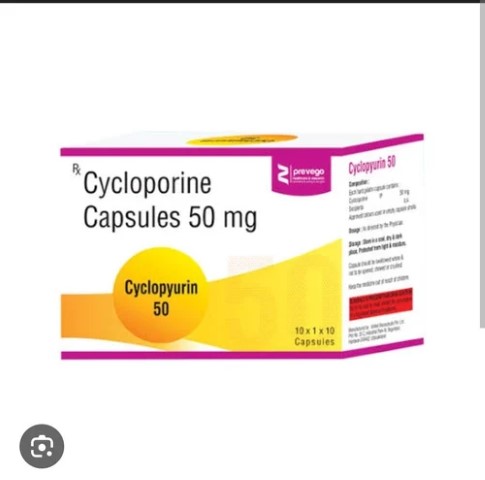
Cyclopyurin 50 MG Capsule
$0.83 / unit
Available Options
| Pack Size | Price | Price / Unit | Quantity | Action |
|---|---|---|---|---|
| 180 Capsule | $150.00 | $0.83/unit | ||
| 150 Capsule | $125.00 | $0.83/unit | ||
| 120 Capsule | $100.00 | $0.83/unit | ||
| 90 Capsule | $75.00 | $0.83/unit | ||
| 60 Capsule | $50.00 | $0.83/unit | ||
| 30 Capsule | $25.00 | $0.83/unit |
Product Description
What is this medicine?
CYCLOPYURIN 50 MG CAPSULE contains Cyclosporine (Ciclosporin) 50 mg. It is a prescription immunosuppressant medicine used mainly to help prevent rejection of transplanted organs and to treat certain severe autoimmune or inflammatory disorders.
Cyclosporine belongs to a group of medicines called calcineurin inhibitors. It suppresses activation of certain immune cells, particularly T lymphocytes. This reduces the immune response that can attack a transplanted organ or contribute to autoimmune disease.
This medicine is commonly used for:
prevention of organ rejection after kidney transplantation
prevention of organ rejection after liver transplantation
prevention of organ rejection after heart transplantation
prevention or treatment of rejection associated with certain bone marrow or stem-cell transplants
severe rheumatoid arthritis in selected patients
severe psoriasis
nephrotic syndrome in selected patients
certain other immune-mediated conditions when prescribed by a specialist
Cyclopyurin is a potent immunosuppressant and should only be taken under close medical supervision.
What should I tell my health care provider before I take this medicine?
They need to know if you have any of these conditions:
an unusual or allergic reaction to cyclosporine/ciclosporin
allergy to any ingredient in the capsule
kidney disease
liver disease
high blood pressure
high potassium levels
low magnesium levels
high cholesterol
high uric acid levels
gout
current or recurrent infections
weakened immune system
history of cancer
history of lymphoma
psoriasis being treated with other immunosuppressive therapies
recent or planned surgery
plans to receive a vaccine
pregnant or trying to get pregnant
breast-feeding
Tell your healthcare provider if you have previously received an organ, bone marrow, or stem-cell transplant.
Because cyclosporine suppresses immune-system activity, it may increase your risk of serious infections and certain cancers, particularly lymphoma and skin cancer.
Tell your healthcare provider about all prescription medicines, non-prescription medicines, vitamins, herbal products, and dietary supplements you use.
How should I use this medicine?
Take CYCLOPYURIN 50 MG CAPSULE by mouth exactly as directed by your doctor or healthcare professional.
Take your doses at regular intervals, preferably at approximately the same time each day.
Cyclosporine should be taken consistently in relation to meals. If you normally take it with food, continue taking it with food; if instructed to take it without food, follow the same routine each day.
Swallow the capsule with water.
Do not:
take your medicine more often than directed
change your dose yourself
stop treatment without medical advice
switch between different cyclosporine formulations or brands without consulting your healthcare provider
Important monitoring information
Cyclosporine dosing is highly individualized. Your dose may depend on:
body weight
type of transplant
condition being treated
cyclosporine blood concentration
kidney function
liver function
other medicines being taken
side effects
individual response to treatment
Your healthcare provider may perform regular blood tests to measure cyclosporine concentrations and adjust the dose accordingly.
Overdosage: If you think you have taken too much of this medicine, contact your doctor or emergency medical service immediately.
NOTE: This medicine is only for you. Do not share this medicine with others.
What if I miss a dose?
If you miss a dose, take it as soon as you remember unless it is almost time for your next dose.
If it is almost time for your next dose, skip the missed dose and continue with your normal schedule.
Do not:
take two doses together
double the next dose
take extra capsules to compensate for a missed dose
If Cyclopyurin is being used to prevent organ-transplant rejection, contact your transplant team if you miss a dose and are uncertain what to do.
Do not stop taking Cyclopyurin simply because you feel well.
What may interact with this medicine?
Cyclosporine has many clinically important drug interactions.
Tell your healthcare provider if you take:
tacrolimus
sirolimus
other immunosuppressive medicines
ketoconazole
itraconazole
fluconazole
voriconazole
erythromycin
clarithromycin
rifampicin
rifabutin
carbamazepine
phenytoin
phenobarbital
certain HIV medicines
certain hepatitis C medicines
certain blood-pressure medicines
digoxin
colchicine
statins and other cholesterol-lowering medicines
potassium supplements
potassium-sparing diuretics
NSAIDs such as ibuprofen or naproxen
St. John's wort
Grapefruit warning
Avoid grapefruit and grapefruit juice while taking cyclosporine.
Grapefruit can interfere with the metabolism of cyclosporine and may increase the amount of medicine in your bloodstream, increasing the risk of side effects.
Vaccines
Tell your healthcare provider before receiving any vaccination.
Live vaccines should generally be avoided during significant immunosuppressive treatment.
This list may not describe all possible interactions. Give your healthcare provider a list of all medicines, herbs, non-prescription drugs, vitamins, and dietary supplements you use.
What should I watch for while using this medicine?
Visit your doctor or healthcare professional for regular checks on your progress.
Your healthcare provider may monitor:
cyclosporine blood concentration
kidney function
liver function
blood pressure
potassium levels
magnesium levels
cholesterol
uric acid
complete blood count
Kidney problems
Cyclosporine can affect kidney function.
Contact your healthcare provider if you develop:
decreased amount of urine
changes in urination
swelling of the feet or ankles
unexplained weight gain
unusual tiredness or weakness
Infection
Because Cyclopyurin suppresses the immune system, infections may occur more easily and can become serious.
Contact your healthcare provider if you develop:
fever
chills
persistent sore throat
persistent cough
painful urination
unusual weakness
wounds that do not heal
other signs of infection
Blood pressure
Cyclosporine may increase blood pressure.
Have your blood pressure checked regularly according to your healthcare provider's instructions.
Gum enlargement
Cyclosporine can cause gingival hyperplasia (gum enlargement).
Maintain good oral hygiene, brush and floss regularly, and attend routine dental examinations.
Sun exposure
Long-term immunosuppressive therapy may increase the risk of skin cancer.
Limit unnecessary sunlight and UV exposure. Wear protective clothing and use appropriate sunscreen when outdoors.
What side effects may I notice from this medicine?
Side effects that you should report to your doctor or health care professional as soon as possible:
decreased amount of urine
significant swelling of the legs or ankles
severe or persistent high blood pressure
fever or other signs of serious infection
unusual bleeding or bruising
severe weakness
seizures
confusion
severe or worsening tremor
unusual lumps or swollen lymph nodes
yellowing of the skin or eyes
severe abdominal pain
severe allergic reaction
swelling of the face, lips, tongue, or throat
difficulty breathing or swallowing
Side effects that usually do not require immediate medical attention but should be reported if they continue or are bothersome:
headache
nausea
vomiting
diarrhea
abdominal discomfort
increased hair growth
gum enlargement
tremor
tiredness
increased blood pressure
Blood tests may also show:
increased creatinine
increased potassium
decreased magnesium
increased cholesterol
increased uric acid
changes in liver enzymes
Because kidney toxicity and other important adverse effects may initially be detected only through laboratory testing, regular medical and laboratory monitoring is essential during cyclosporine treatment.
This list may not describe all possible side effects.
Where should I keep my medicine?
Keep CYCLOPYURIN 50 MG CAPSULES out of the reach of children.
Product information:
Brand Name: Cyclopyurin 50 mg Capsule
Generic Name: Cyclosporine / Ciclosporin
Strength: 50 mg
Dosage Form: Capsule
Therapeutic Class: Immunosuppressant / Calcineurin Inhibitor
Manufacturer/Marketer: Prevego Healthcare & Research Pvt. Ltd.
Route: Oral
Primary Uses: Prevention of organ-transplant rejection and treatment of certain severe autoimmune disorders
Country of Origin: India
Regulatory Status: Prescription medicine
Keep the capsules:
in their original blister or packaging
in a cool, dry place
protected from excessive heat
protected from moisture
away from direct sunlight
Follow the exact storage temperature and conditions printed on the original Cyclopyurin 50 mg package.
Do not use capsules that have changed significantly in colour, appearance, smell, or physical condition.
Do not use Cyclopyurin 50 mg Capsules after the expiration date printed on the blister or outer packaging.