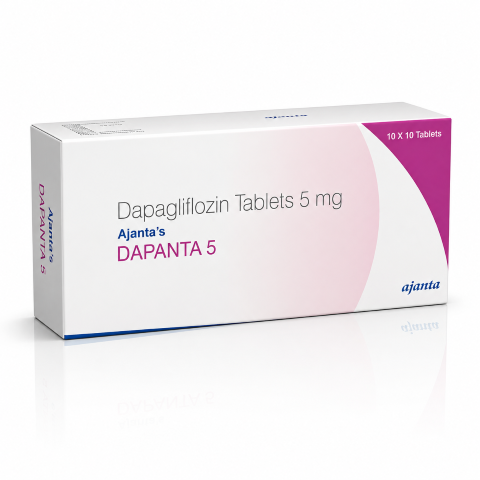
Dapanta 5 MG Tablet
$0.40 / unit
Available Options
| Pack Size | Price | Price / Unit | Quantity | Action |
|---|---|---|---|---|
| 180 tablets | $56.00 | $0.31/unit | ||
| 150 tablets | $48.00 | $0.32/unit | ||
| 120 tablets | $39.00 | $0.33/unit | ||
| 90 tablets | $31.00 | $0.34/unit | ||
| 60 tablets | $22.00 | $0.37/unit | ||
| 30 tablets | $12.00 | $0.40/unit |
Product Description
What is this medicine?
DAPANTA 5 MG TABLET contains Dapagliflozin 5 mg, an oral antidiabetic medicine belonging to the Sodium-Glucose Co-Transporter 2 (SGLT2) inhibitor class. It works by helping the kidneys remove excess glucose from the body through urine, thereby lowering blood sugar levels. In addition to improving glycemic control, it also helps reduce the risk of hospitalization for heart failure and may slow the progression of chronic kidney disease in appropriate patients. It is available only on prescription.
This medicine is commonly used for:
type 2 diabetes mellitus
improving blood sugar control in adults with type 2 diabetes
reducing the risk of hospitalization for heart failure
reducing the risk of cardiovascular complications in selected patients with diabetes
slowing the progression of chronic kidney disease (CKD) in eligible patients
reducing the risk of kidney function decline in appropriate patients
What should I tell my health care provider before I take this medicine?
They need to know if you have any of these conditions:
type 1 diabetes
diabetic ketoacidosis
kidney disease or dialysis
liver disease
dehydration or low blood pressure
recurrent urinary tract infections
recurrent genital fungal infections
history of pancreatitis
heart failure
if you are taking diuretics (water tablets)
an unusual or allergic reaction to dapagliflozin or any other medicines, foods, dyes, or preservatives
pregnant or planning to become pregnant
breast-feeding
How should I use this medicine?
Take this medicine by mouth with a glass of water. It may be taken with or without food, preferably at the same time each day. Take exactly as prescribed by your doctor. Continue taking this medicine even if you feel well, unless your doctor tells you to stop.
Maintain a healthy diet, exercise regularly, and monitor your blood sugar as recommended by your healthcare provider.
Overdosage: If you think you have taken too much of this medicine, contact a poison control center or emergency room immediately.
NOTE: This medicine is only for you. Do not share this medicine with others.
What if I miss a dose?
If you miss a dose, take it as soon as you remember. If it is almost time for your next scheduled dose, skip the missed dose and continue with your regular dosing schedule. Do not take double or extra doses.
What may interact with this medicine?
insulin
sulfonylureas (such as glimepiride or gliclazide)
diuretics (water tablets)
other antidiabetic medicines
lithium
rifampicin
medicines that may affect kidney function
alcohol
This list may not describe all possible interactions. Give your healthcare provider a complete list of all prescription medicines, over-the-counter medicines, herbal products, vitamins, and dietary supplements you use. Also tell them if you smoke, drink alcohol, or use illegal drugs. Some items may interact with this medicine.
What should I watch for while using this medicine?
Visit your doctor regularly to monitor your blood sugar, kidney function, and overall response to treatment.
Drink plenty of fluids to reduce the risk of dehydration unless your doctor advises otherwise.
Maintain good personal hygiene, especially around the genital area, to reduce the risk of fungal infections.
Seek immediate medical attention if you develop symptoms of diabetic ketoacidosis, such as nausea, vomiting, abdominal pain, excessive tiredness, or difficulty breathing, even if your blood sugar is not very high.
Inform your doctor before undergoing surgery or prolonged fasting, as you may need to temporarily stop this medicine.
Monitor for symptoms of urinary tract infections or genital yeast infections and seek treatment promptly if they occur.
What side effects may I notice from this medicine?
Side effects that you should report to your doctor or health care professional as soon as possible:
allergic reactions such as rash, itching, hives, or swelling of the face, lips, tongue, or throat
signs of diabetic ketoacidosis (nausea, vomiting, stomach pain, confusion, difficulty breathing)
severe urinary tract infection
genital fungal infection with severe symptoms
severe dehydration or fainting
decreased urine output
severe dizziness
signs of kidney problems
Side effects that usually do not require medical attention (report to your doctor or health care professional if they continue or are bothersome):
increased urination
nausea
increased thirst
genital yeast infection
urinary tract infection
runny or stuffy nose
sore throat
mild dizziness
This list may not describe all possible side effects.
Where should I keep my medicine?
Keep out of the reach of children.
Store below 30°C (86°F) in a cool, dry place. Protect from moisture, heat, and direct sunlight. Keep the tablets in their original blister pack until ready to use. Do not use the medicine after the expiration date.