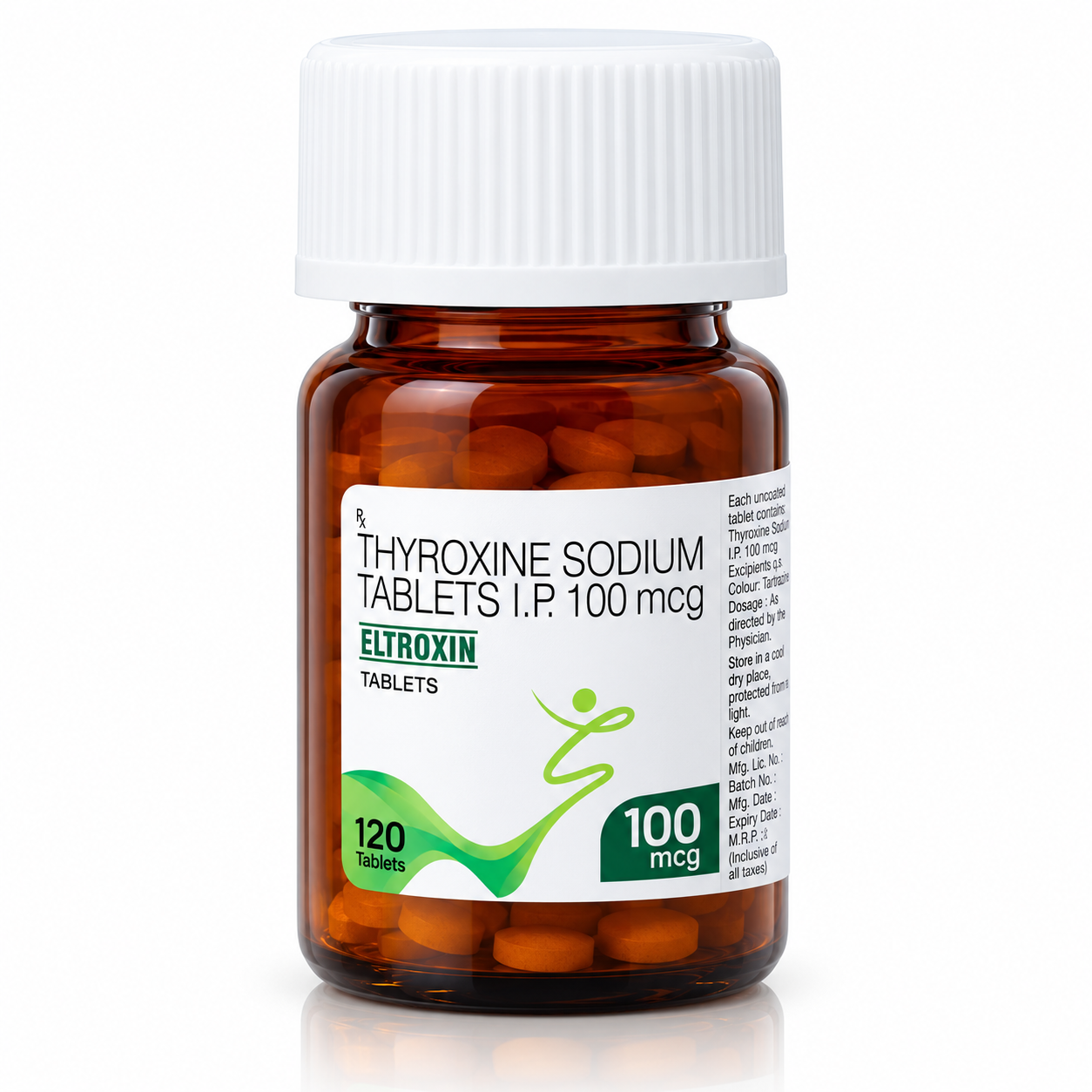
Eltroxin 100 MG Tablet
$0.66 / unit
Available Options
| Pack Size | Price | Price / Unit | Quantity | Action |
|---|---|---|---|---|
| 720 Tablets | $359.00 | $0.50/unit | ||
| 600 Tablets | $308.00 | $0.51/unit | ||
| 480 Tablets | $251.00 | $0.52/unit | ||
| 360 Tablets | $199.00 | $0.55/unit | ||
| 240 Tablets | $142.00 | $0.59/unit | ||
| 120 Tablets | $79.00 | $0.66/unit |
Product Description
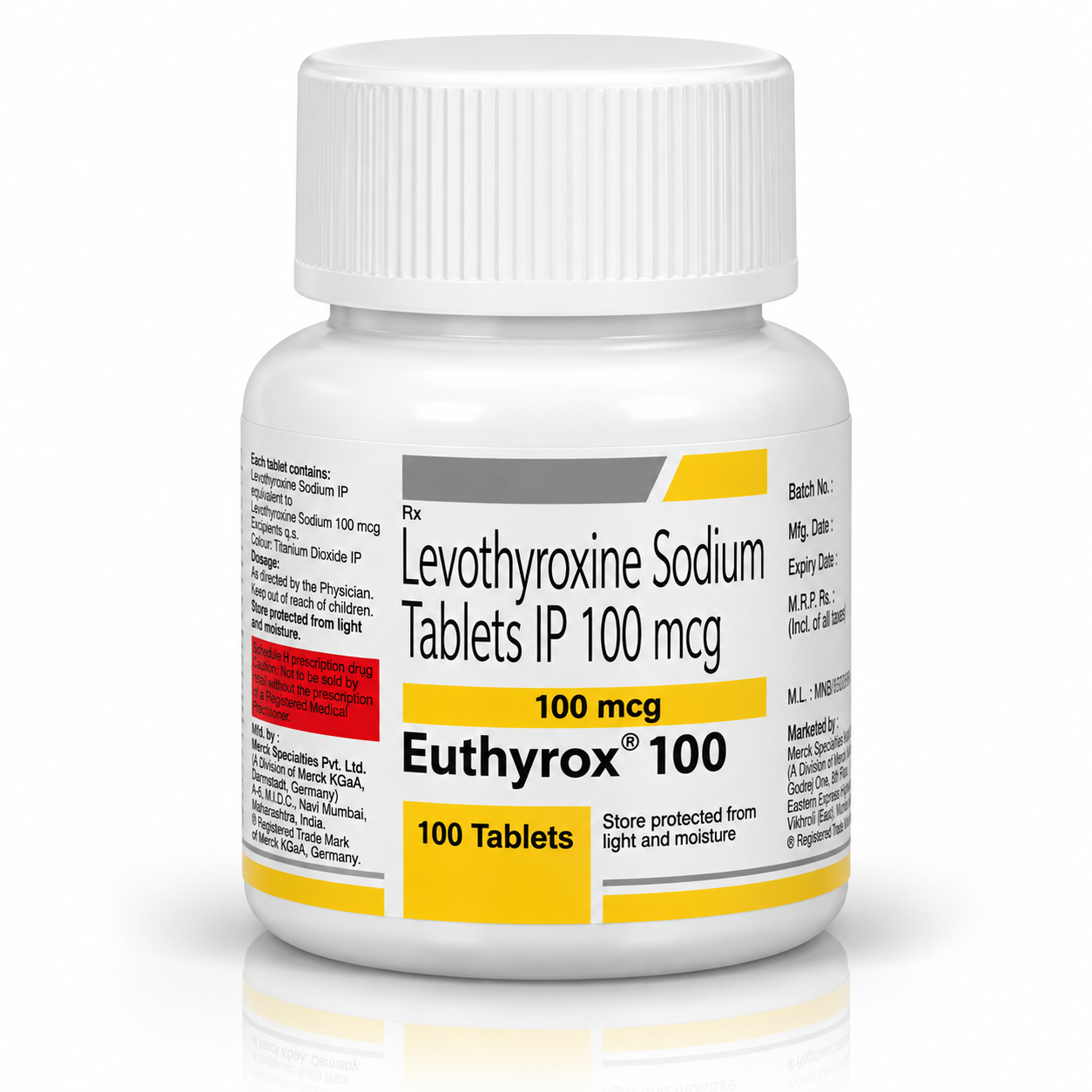
ELTROXIN 100 MCG Tablet
Brand Name: Eltroxin 100 MCG Tablet
Generic Name: Levothyroxine Sodium (Thyroxine Sodium)
Active Ingredient: Levothyroxine Sodium 100 mcg
Strength: 100 micrograms (0.1 mg)
Dosage Form: Uncoated Oral Tablet
Therapeutic Class: Thyroid Hormone Replacement Medicine
Pharmacological Class: Synthetic Thyroxine (T4)
Manufacturer / Marketer in India: GlaxoSmithKline Pharmaceuticals Limited
Pack Size: 1 × 120 Tablets
Country of Origin: India, for the listed Indian presentations
Route of Administration: Oral
Prescription Status: Prescription Medicine
Composition
Ingredient | Strength or Description |
|---|---|
Thyroxine Sodium (Anhydrous) IP | 100 mcg |
Lactose | Excipient |
Sodium Citrate | Excipient |
Methyl Hydroxybenzoate | Preservative |
Propyl Hydroxybenzoate | Preservative |
Maize Starch | Excipient |
Magnesium Stearate | Excipient |
Gelatin | Excipient |
What is this medicine?
ELTROXIN 100 MCG TABLET contains levothyroxine sodium, a synthetic replacement for thyroxine (T4), the principal hormone produced by the thyroid gland.
The thyroid is a small, butterfly-shaped gland located at the front of the neck.
Thyroid hormones help regulate:
Metabolism
Body temperature
Energy production
Heart function
Digestion
Growth and development
Brain function
Normal menstrual and reproductive function
When thyroid hormone production is inadequate, these processes may slow down.
Eltroxin replaces the missing thyroid hormone and helps restore normal physiological function.
How does Eltroxin 100 work?
Levothyroxine provides synthetic T4.
After absorption, some of this T4 is converted into the more biologically active thyroid hormone triiodothyronine (T3).
T3 interacts with thyroid hormone receptors inside cells and influences the expression of genes involved in metabolism, growth and normal organ function.
Replacing deficient thyroid hormone helps correct the metabolic changes associated with hypothyroidism.
Main Effects
1. Restores Thyroid Hormone Levels
Eltroxin provides T4 when the thyroid gland cannot produce enough.
2. Helps Improve Energy Levels
Adequate thyroid replacement may improve tiredness and reduced energy caused by hypothyroidism.
3. Supports Normal Metabolism
Levothyroxine helps restore the body's normal metabolic activity.
4. Helps Regulate Body Temperature
Hypothyroidism can cause cold intolerance. Correcting thyroid hormone deficiency may improve this symptom.
5. Supports Normal Heart and Digestive Function
Thyroid hormones influence heart rate and gastrointestinal motility.
6. Helps Improve Hypothyroid-Related Skin and Hair Changes
Dry skin and hair changes caused by untreated hypothyroidism may improve as thyroid levels normalize.
7. Supports Growth and Brain Development
Adequate thyroid hormone is essential for normal growth and neurological development in children.
Medical Uses
Eltroxin 100 MCG Tablet is primarily used for:
Primary hypothyroidism
Hashimoto's thyroiditis-associated hypothyroidism
Hypothyroidism after thyroid surgery
Hypothyroidism following radioactive iodine treatment
Selected cases of congenital hypothyroidism
Secondary or central hypothyroidism under specialist care
Long-term thyroid hormone replacement when clinically indicated
Levothyroxine may also be used for TSH suppression in selected patients with differentiated thyroid cancer, according to specialist protocols and applicable product authorisation.
Important: GSK's current Indian Eltroxin product information specifically lists hypothyroidism as its therapeutic indication. Thyroid-cancer suppression is a broader levothyroxine clinical use and must not automatically be presented as an India-approved Eltroxin indication.
What Is Hypothyroidism?
Hypothyroidism occurs when the body has insufficient thyroid hormone.
Possible symptoms include:
Persistent tiredness
Feeling unusually cold
Weight gain
Constipation
Dry skin
Hair thinning
Slower thinking
Low mood
Muscle weakness
Menstrual changes
Reduced exercise tolerance
These symptoms are not specific to thyroid disease, so thyroid blood tests are important for diagnosis.
Is Eltroxin Used for Weight Loss?
No.
Eltroxin should not be prescribed for weight reduction in people with normal thyroid function.
Patients with untreated hypothyroidism may lose some excess weight after appropriate thyroid replacement, but this reflects correction of the hormone deficiency rather than a weight-loss treatment.
Can Eltroxin Cure Hypothyroidism?
Eltroxin replaces deficient thyroid hormone but generally does not cure the underlying cause.
Many patients with permanent hypothyroidism need lifelong treatment.
Is Eltroxin a Steroid?
No.
Levothyroxine is a synthetic thyroid hormone, not a corticosteroid or anabolic steroid.
Is Eltroxin the Same as Thyronorm?
Both product ranges contain levothyroxine sodium, but they are different brands.
A change of brand or formulation may affect thyroid hormone control in some patients.
Thyroid function should be reassessed after clinically significant product changes.
What should I tell my health care provider before I take this medicine?
Tell your healthcare provider if you have any of these conditions:
Allergy to levothyroxine or tablet ingredients
Untreated overactive thyroid
Untreated adrenal insufficiency
Pituitary disease
Previous heart attack
Coronary artery disease
Angina
Irregular heartbeat
Heart failure
High blood pressure
Diabetes mellitus
Osteoporosis
History of seizures
Malabsorption disorders
Coeliac disease
Significant gastrointestinal disease
Pregnancy or plans to become pregnant
Breastfeeding
Recent changes in thyroid medicine
Current use of calcium or iron supplements
Current use of anticoagulants
Current use of medicines affecting thyroid hormone absorption
Important Contraindications
GSK's Indian prescribing information identifies several conditions in which Eltroxin should not be used, including:
Hypersensitivity to its ingredients
Untreated thyrotoxicosis
Untreated adrenal insufficiency
Untreated pituitary insufficiency
Acute myocardial infarction
Acute myocarditis
Acute pancarditis
These restrictions are important because thyroid hormone replacement can worsen certain untreated conditions.
Important Heart Disease Precaution
Levothyroxine increases metabolic activity and can increase the heart's oxygen requirements.
Starting at too high a dose or increasing treatment too quickly may worsen:
Angina
Palpitations
Arrhythmias
Heart failure
Myocardial ischaemia
Patients with heart disease commonly require a lower starting dose and gradual adjustment.
Important Adrenal Insufficiency Precaution
Untreated adrenal insufficiency should be corrected before levothyroxine is started.
Thyroid hormone replacement in a patient with untreated adrenal insufficiency can precipitate an adrenal crisis, which is a medical emergency.
Important Diabetes Precaution
Levothyroxine replacement may change blood glucose control and the requirements for insulin or other diabetes medicines.
Blood glucose monitoring may need to be intensified when treatment is started or adjusted.
Important Osteoporosis Precaution
Long-term overtreatment can increase bone turnover and contribute to reduced bone mineral density.
This is especially important in postmenopausal women and patients with osteoporosis risk factors.
Pregnancy Precautions
Adequate thyroid hormone replacement is particularly important during pregnancy.
Untreated hypothyroidism can increase risks for both the mother and developing baby.
Patients who are already taking levothyroxine should continue treatment and contact their healthcare professional promptly when pregnancy is confirmed.
Dose requirements may increase during pregnancy, and TSH monitoring generally needs to be more frequent.
Breastfeeding Precautions
Levothyroxine is generally compatible with breastfeeding at appropriate replacement doses.
Only small amounts pass into breast milk.
Maintaining normal maternal thyroid function is important.
Children's Precaution
Levothyroxine is an established treatment for congenital and acquired hypothyroidism in children.
However, doses depend on age, weight and clinical circumstances.
GSK's Indian information advises that using its specific tablets in neonates and young children unable to swallow them requires the prescriber's judgement because formulation-specific data on crushing are limited.
Elderly Patients
Older patients, especially those with cardiovascular disease, often require lower starting doses and gradual titration.
Starting with a full 100 mcg tablet may be inappropriate.
How should I use this medicine?
Take Eltroxin 100 MCG Tablet exactly as prescribed by your healthcare professional.
Instructions for Oral Administration
Confirm that the prescribed strength is 100 mcg, not 100 mg.
Take the tablet once daily, unless your prescriber gives different instructions.
Take it on an empty stomach.
Swallow it with water.
Wait approximately 30–60 minutes before eating breakfast.
Separate calcium and iron supplements from Eltroxin by at least four hours.
Take the medicine consistently at the same time each day.
Do not change the dose without medical advice.
Attend scheduled thyroid function tests.
Tell your doctor if symptoms of excessive or inadequate thyroid hormone develop.
Dosage Information
Dosage Detail | Reference Information |
|---|---|
Strength per Tablet | Levothyroxine Sodium 100 mcg |
Equivalent Strength | 0.1 mg |
Route | Oral |
Usual Frequency | Once daily |
Administration | On an empty stomach, before breakfast |
General Adult Starting Dose in GSK India Information | 25–50 mcg daily |
General Adult Reference Maintenance Range | 100–200 mcg daily, adjusted individually |
Older Adults / Cardiac Disease | Lower starting doses and gradual titration |
Treatment Duration | Often lifelong |
Monitoring | TSH and, where appropriate, Free T4 |
GSK India's current prescribing information describes initial adult doses of 25–50 mcg daily, with gradual adjustments according to thyroid function and clinical response.
This does not mean every patient should start with 100 mcg or that everyone requires a maintenance dose within the same range.
Important Dose Selection
The appropriate dose depends on:
Age
Body weight
Cause of hypothyroidism
Severity and duration of thyroid deficiency
Heart disease
Pregnancy
Other medicines
TSH and Free T4 results
A dose that is appropriate for one patient may be excessive or inadequate for another.
Why Should Eltroxin Be Taken on an Empty Stomach?
Food can reduce or alter levothyroxine absorption.
Taking it consistently before breakfast helps maintain predictable thyroid hormone levels.
The established recommendation is to take levothyroxine 30–60 minutes before breakfast with water.
Can Eltroxin Be Taken at Night?
Some patients take levothyroxine at bedtime when they can maintain a consistent interval after food.
However, patients should not change from morning to bedtime administration without discussing the change with their healthcare professional.
The prescribing clinician may recommend checking thyroid levels after a significant change in administration routine.
How Long Does Eltroxin Take to Work?
Levothyroxine begins to be absorbed after administration, but clinical benefits develop gradually.
Some symptoms may improve over several weeks.
The full effect of a dose change may take approximately four to six weeks or longer.
How Often Should Thyroid Levels Be Tested?
Thyroid function is commonly reassessed around four to six weeks after a dose or product change, according to GSK's current Indian information.
For many adults with primary hypothyroidism, other clinical guidelines commonly use an interval of approximately six to eight weeks after a dose adjustment.
Once stable, monitoring may be less frequent, often every 6–12 months according to the patient's circumstances.
Important Monitoring Tests
Test | Purpose |
|---|---|
TSH | Main test for many patients with primary hypothyroidism |
Free T4 | Assess circulating thyroid hormone |
Blood glucose, if diabetic | Monitor changing diabetes treatment requirements |
Heart rate and symptoms | Assess possible excessive thyroid replacement |
Bone health assessment, if indicated | Assess osteoporosis-related risk |
Pregnancy-related thyroid tests | Ensure appropriate thyroid hormone levels during pregnancy |
Important: In central hypothyroidism caused by pituitary or hypothalamic disease, TSH may be unreliable for dose adjustment. Free T4 and specialist assessment are especially important.
Can Eltroxin Be Taken With Tea or Coffee?
It is preferable to take the tablet with plain water.
Coffee and certain foods can interfere with levothyroxine absorption when taken too close to the dose.
Wait until the recommended breakfast interval has passed.
Can Eltroxin Be Taken With Calcium or Iron?
Yes, but the timing matters.
Calcium and iron supplements may reduce levothyroxine absorption.
Separate these supplements from Eltroxin by at least four hours.
Overdosage
Excessive levothyroxine can cause symptoms resembling an overactive thyroid, including:
Rapid heartbeat
Palpitations
Chest pain
Nervousness
Tremors
Excessive sweating
Insomnia
Diarrhoea
Fever
Serious overdose can cause dangerous heart complications or neurological symptoms.
Seek urgent medical attention after a significant overdose. Symptoms can be delayed because of the medicine's long duration of action.
What if I miss a dose?
Take the missed tablet when remembered if it is not close to the next scheduled dose.
If the next dose is approaching, skip the missed dose.
Continue the usual schedule.
Do not take additional tablets without professional advice.
Contact your pharmacist or prescriber if you frequently miss doses.
Important: Consistency is particularly important because thyroid hormone replacement depends on stable long-term exposure.
What may interact with this medicine?
Potentially important medicines and products include:
Calcium carbonate
Iron supplements
Aluminium-containing antacids
Magnesium-containing antacids
Sucralfate
Cholestyramine
Colestipol
Sevelamer
Proton pump inhibitors, such as omeprazole
Orlistat
Warfarin
Insulin
Other antidiabetic medicines
Carbamazepine
Phenytoin
Rifampicin
Amiodarone
Lithium
Oestrogen-containing medicines
Certain antiepileptic medicines
Biotin-containing supplements
Important Drug Interaction Considerations
Calcium Supplements
Calcium can bind levothyroxine in the digestive tract and reduce absorption.
Separate administration by at least four hours.
Iron Supplements
Iron can reduce levothyroxine absorption.
A four-hour separation is generally recommended.
Antacids and Sucralfate
Some antacids and gastrointestinal medicines can reduce thyroid hormone absorption.
The prescriber or pharmacist should recommend an appropriate dosing interval.
Proton Pump Inhibitors
Medicines such as omeprazole may affect stomach acidity and alter levothyroxine absorption.
Thyroid function may need reassessment when prolonged treatment is started or stopped.
Warfarin
Levothyroxine may change sensitivity to anticoagulant treatment, particularly when thyroid status changes.
INR monitoring may be needed.
Insulin and Antidiabetic Medicines
Thyroid hormone replacement may alter blood glucose control and diabetes medication requirements.
Amiodarone
Amiodarone can affect thyroid function and thyroid hormone metabolism.
Patients taking both medicines require appropriate monitoring.
Lithium
Lithium may contribute to thyroid dysfunction, potentially changing thyroid hormone replacement requirements.
Oestrogen Therapy
Oral oestrogen can increase thyroid hormone-binding proteins and may increase levothyroxine requirements in some patients.
Biotin
High-dose biotin supplements can interfere with certain thyroid laboratory tests, potentially producing misleading results.
Tell your healthcare professional and laboratory about biotin use before testing.
Important: Many levothyroxine interactions affect absorption or laboratory interpretation rather than causing immediate toxicity. Consistent administration and monitoring help maintain control.
What should I watch for while using this medicine?
Seek immediate medical attention if you experience:
Severe chest pain
Rapid or irregular heartbeat accompanied by fainting
Severe breathing difficulty
Seizures
Severe confusion
Serious allergic reactions
While taking Eltroxin:
Take it consistently.
Monitor thyroid function as advised.
Report persistent palpitations.
Report significant unexplained weight changes.
Tell your doctor about pregnancy.
Inform your clinician about new medicines.
Avoid using thyroid hormone for weight loss.
Do not change brands or strengths without appropriate review.
Keep calcium and iron supplements separated from the dose.
Attend long-term follow-up appointments.
Important Warning: Excess Thyroid Hormone
Excessive replacement can cause iatrogenic hyperthyroidism.
Possible symptoms include:
Palpitations
Anxiety
Tremor
Difficulty sleeping
Heat intolerance
Increased sweating
Diarrhoea
Unintended weight loss
Persistent symptoms require a clinical assessment and thyroid function testing.
Important Warning: Heart Rhythm Problems
Excessive thyroid hormone replacement may trigger arrhythmias, including atrial fibrillation, particularly in older adults and those with underlying heart disease.
Important Warning: Bone Loss
Prolonged overtreatment may increase bone loss and fracture risk.
Appropriate dose adjustment helps avoid unnecessary TSH suppression.
Important Warning: Pregnancy
Thyroid hormone requirements often rise during pregnancy.
Thyroid function should be checked promptly after pregnancy is confirmed, and the dose should be adjusted by the treating clinician if necessary.
Important Warning: Changes Between Brands
Different levothyroxine formulations may not produce identical thyroid hormone exposure in every patient.
GSK recommends checking thyroid function after a product change and considering dose adjustment when needed.
What side effects may I notice from this medicine?
When levothyroxine is taken at the correct replacement dose, it is generally well tolerated.
Many reported adverse effects are associated with an excessive dose rather than an allergy to the medicine itself.
Side effects requiring immediate medical attention
Severe or persistent chest pain
Serious heart rhythm disturbances
Fainting
Severe allergic reactions
Seizures
Significant breathing difficulties
Other Reported Side Effects
Palpitations
Rapid heartbeat
Headache
Tremor
Nervousness
Anxiety
Insomnia
Increased sweating
Heat intolerance
Diarrhoea
Increased appetite
Unintended weight loss
Temporary hair shedding
Menstrual changes
Can Eltroxin Cause Hair Loss?
Temporary hair shedding can occur during changes in thyroid hormone status or treatment.
However, untreated hypothyroidism itself can cause hair thinning.
Persistent hair loss should be assessed rather than automatically attributed to the medicine.
Can Eltroxin Cause Weight Loss?
Correction of hypothyroidism may reverse some weight gain associated with thyroid hormone deficiency.
Significant or rapid weight loss may indicate excessive replacement and requires assessment.
Can Eltroxin Cause Palpitations?
Yes, particularly when the dose is too high.
Persistent or severe palpitations require medical review.
Can Eltroxin Cause Insomnia?
Yes.
Difficulty sleeping may occur when thyroid hormone exposure is excessive.
Do not change the dose independently.
Where should I keep my medicine?
Store below 25°C, according to GSK's current Indian prescribing information.
Keep tablets in their original packaging.
Protect from direct sunlight.
Protect from moisture.
Keep the bottle tightly closed.
Keep out of the reach of children.
Do not use after the expiry date.
Do not use tablets from damaged packaging.
Do not transfer tablets into unlabelled containers.
Important Storage Note: GSK India's prescribing information describes amber glass bottles and notes that the product may be supplied with child-resistant packaging. Follow the opening instructions provided with the bottle.
Manufacturer Details
Field | Information |
|---|---|
Brand Name | Eltroxin 100 MCG Tablet |
Generic Name | Levothyroxine Sodium |
Alternative Generic Name | Thyroxine Sodium |
Active Ingredient | Thyroxine Sodium (Anhydrous) IP |
Strength | 100 mcg (0.1 mg) |
Dosage Form | Uncoated Oral Tablet |
Therapeutic Class | Thyroid Hormone Replacement |
Pharmacological Class | Synthetic T4 Hormone |
Primary Indication in India | Hypothyroidism |
Manufacturer / Marketer | GlaxoSmithKline Pharmaceuticals Limited |
Registered Indian Office | Dr. Annie Besant Road, Worli, Mumbai – 400030, India |
Actual Manufacturing Facility | Verify Original Product Label |
Prescription Status | Prescription Medicine |
Route of Administration | Oral |
Pack Size | 100 or 120 Tablets, According to Presentation |
Country of Origin | India, for Listed Indian Presentations |
Usual Administration | Once Daily on an Empty Stomach |
Treatment Duration | Often Lifelong |
Required Monitoring | TSH and Free T4 as Indicated |
Storage | Below 25°C |
Major Safety Concerns | Overtreatment, Cardiac Complications, Drug Interactions, Adrenal Insufficiency and Bone Loss |