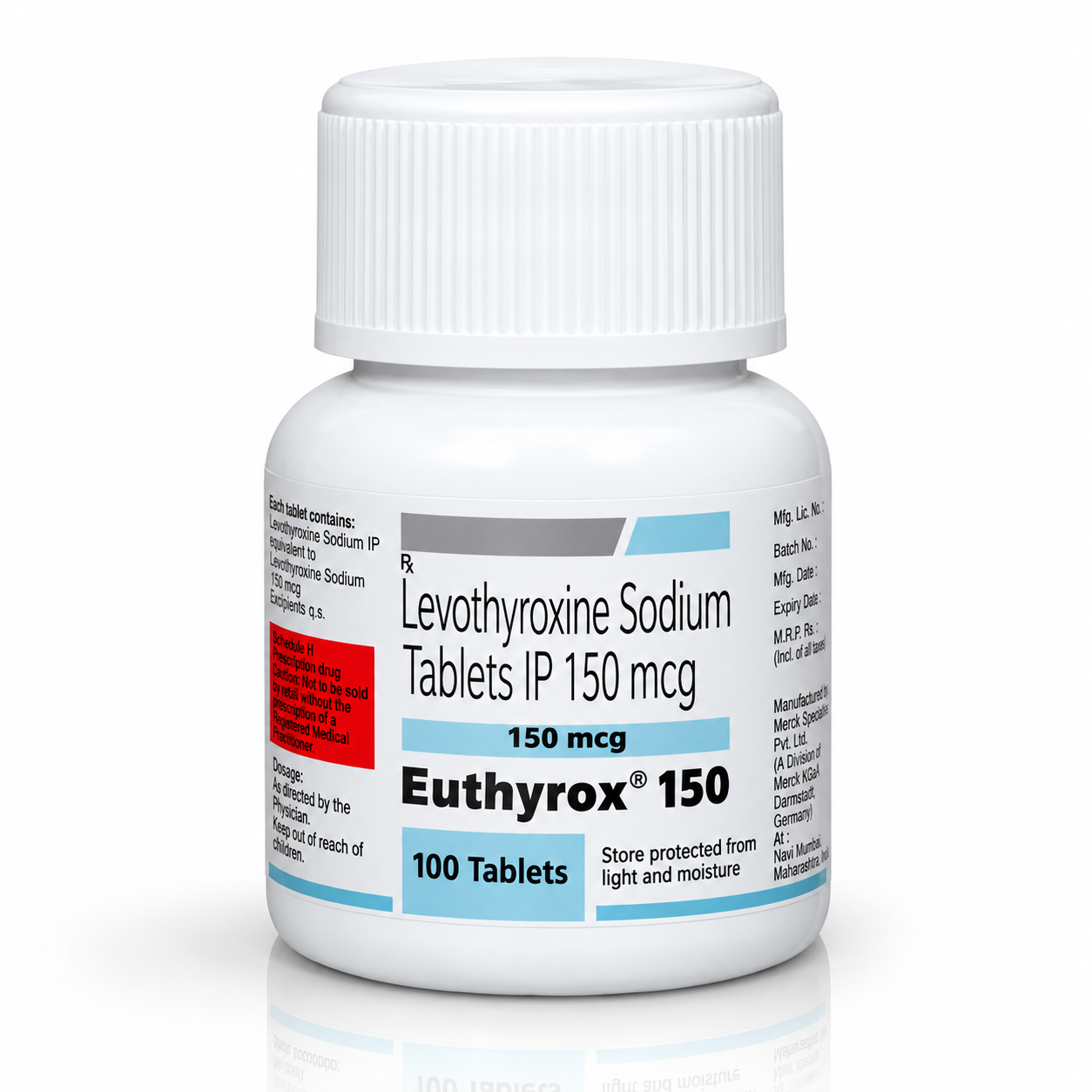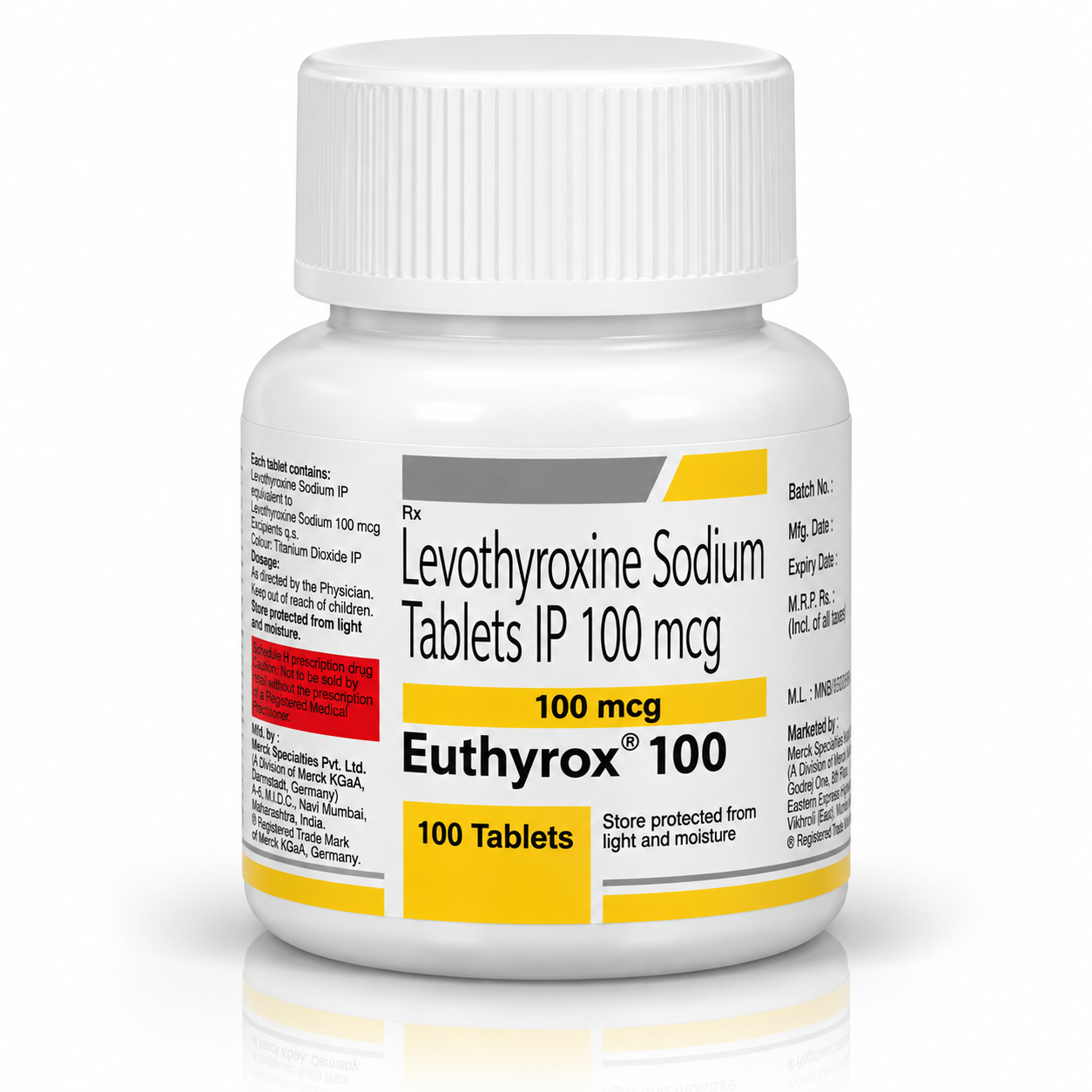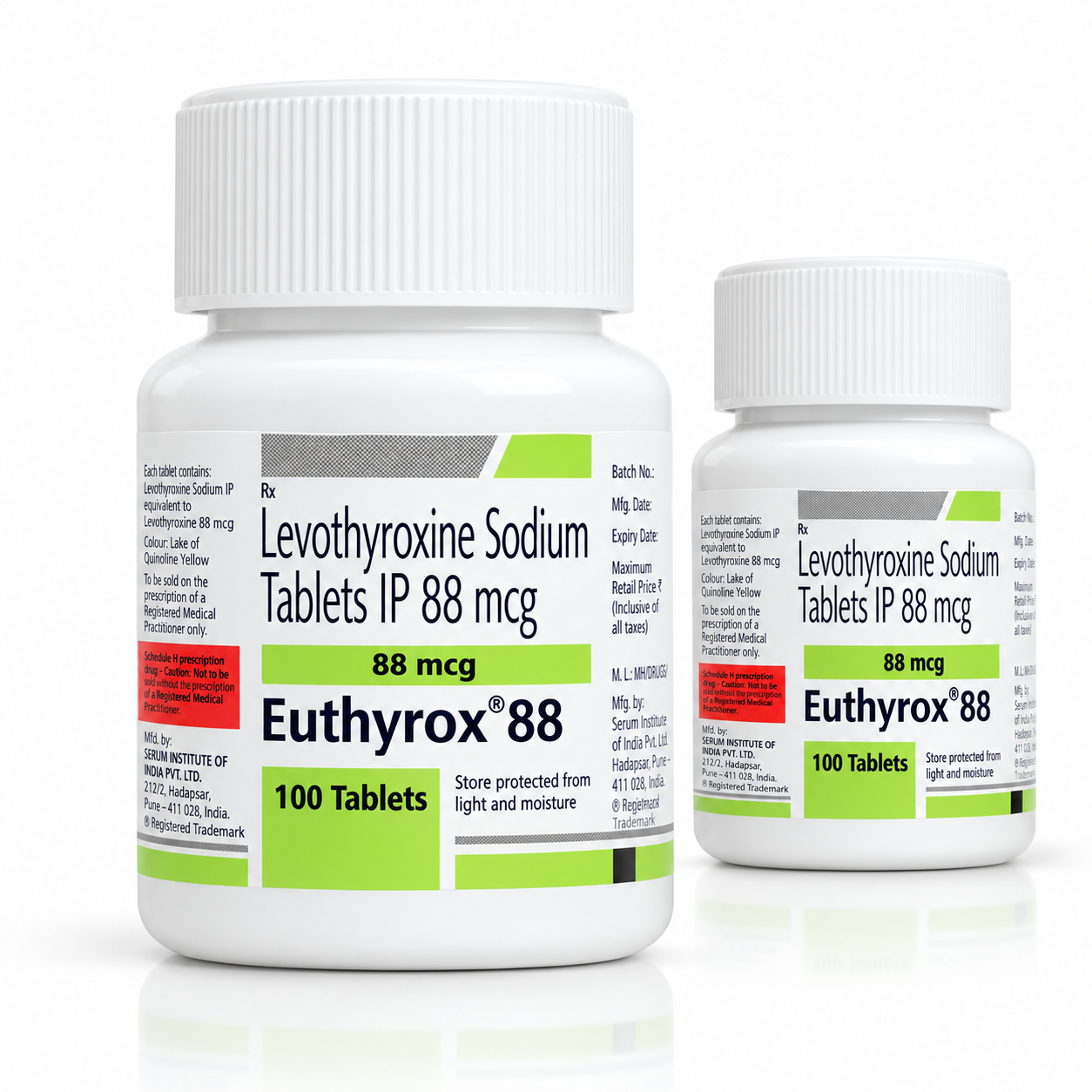
Euthyrox 88 MCG Tablet
$10.00 / unit
Available Options
| Pack Size | Price | Price / Unit | Quantity | Action |
|---|---|---|---|---|
| 10 Bottle | $75.00 | $7.50/unit | ||
| 8 Bottle | $60.00 | $7.50/unit | ||
| 6 Bottle | $45.00 | $7.50/unit | ||
| 4 Bottle | $32.00 | $8.00/unit | ||
| 2 Bottle | $18.00 | $9.00/unit | ||
| 1 Bottle | $10.00 | $10.00/unit |
Product Description
EUTHYROX 88 MCG TABLET
Brand Name: Euthyrox 88 MCG Tablet
Generic Name: Levothyroxine Sodium
Strength: 88 mcg
Dosage Form: Oral Tablet
Therapeutic Class: Thyroid Hormone Replacement / Synthetic Thyroxine (T4) / Anti-Hypothyroidism Medicine
Manufacturer / Marketer: Merck Limited / Merck Healthcare
Pack Size: 1 × 100 Tablets (Bottle)
What is this medicine?
EUTHYROX 88 MCG TABLET contains Levothyroxine Sodium 88 mcg, a synthetic form of thyroxine (T4), a hormone naturally produced by the thyroid gland. It is primarily used to treat hypothyroidism, a condition in which the thyroid gland does not produce sufficient thyroid hormones.
Thyroid hormones play an essential role in regulating metabolism, body temperature, energy production, heart function, growth, and various physiological processes.
Levothyroxine works by replacing deficient thyroid hormone. After absorption, some levothyroxine (T4) is converted into triiodothyronine (T3), the more biologically active thyroid hormone.
By restoring appropriate thyroid hormone levels, levothyroxine helps normalize metabolic functions and reduce symptoms associated with hypothyroidism.
This medicine is commonly used for:
Primary hypothyroidism
Hashimoto's thyroiditis causing hypothyroidism
Hypothyroidism following thyroid surgery
Hypothyroidism following radioactive iodine treatment
Congenital hypothyroidism
Secondary or central hypothyroidism
Thyroid hormone replacement after thyroidectomy
Thyroid-stimulating hormone (TSH) suppression in selected patients with differentiated thyroid cancer
Long-term treatment of diagnosed thyroid hormone deficiency
Management of hypothyroidism during pregnancy under medical supervision
NOTE: Euthyrox 88 MCG Tablet replaces deficient thyroid hormone but does not cure every underlying thyroid disorder.
Many patients with permanent hypothyroidism require lifelong thyroid hormone replacement.
Levothyroxine should not be used for weight loss or obesity treatment in people with normal thyroid function. Excessive thyroid hormone exposure can cause serious cardiovascular complications.
What should I tell my health care provider before I take this medicine?
They need to know if you have any of these conditions:
Allergy to levothyroxine or any ingredient of the tablet
Untreated adrenal insufficiency
Heart disease or previous heart attack
Coronary artery disease
Irregular heartbeat or atrial fibrillation
Heart failure
High blood pressure
History of angina
Diabetes mellitus
Pituitary gland disorders
Central hypothyroidism
Hyperthyroidism or symptoms of excessive thyroid hormone
Thyroid nodules or other thyroid disorders
Osteoporosis
History of bone fractures
Kidney disease
Liver disease
Gastrointestinal conditions affecting medicine absorption
Coeliac disease
Inflammatory bowel disease
Previous difficulty maintaining stable thyroid hormone levels
Pregnancy or planning pregnancy
Breastfeeding
Use of calcium or iron supplements
Use of medicines that interfere with thyroid hormone absorption
Inform your healthcare provider about all prescription medicines, nonprescription medicines, vitamins, supplements, and herbal products you currently take.
Important: Patients with untreated adrenal insufficiency must receive appropriate glucocorticoid treatment before starting levothyroxine because thyroid hormone replacement can precipitate an adrenal crisis.
Patients with heart disease and older adults may require lower starting doses and gradual dose adjustment to reduce cardiovascular risks.
How should I use this medicine?
Take this medicine exactly as prescribed by your healthcare provider.
Swallow the tablet with a glass of water.
Take Euthyrox on an empty stomach.
It is generally taken once daily, 30–60 minutes before breakfast.
Take the medicine at approximately the same time every day.
Avoid taking it together with tea, coffee, milk, or breakfast.
Wait until the recommended interval has passed before eating.
Separate calcium supplements, iron supplements, and certain antacids from levothyroxine by at least 4 hours.
Follow your prescribed dosage carefully.
Do not increase or decrease the dose without medical advice.
Do not discontinue treatment simply because symptoms improve.
Attend regular thyroid function monitoring appointments.
Inform your healthcare provider if you change brands or formulations.
Continue treatment during pregnancy under your doctor's supervision.
Do not share your prescription with another person.
Usual Adult Replacement Dose: In otherwise healthy adults with hypothyroidism, the approximate full replacement dose is 1.6 mcg/kg/day. Actual requirements vary according to body weight, age, thyroid function, medical conditions, and treatment response.
Starting Dose: Some adults may begin treatment with 25–50 mcg daily or another individualized dose, followed by gradual adjustment.
Older Adults or Patients with Heart Disease: Lower starting doses, sometimes 12.5–25 mcg daily, may be prescribed to reduce the risk of cardiovascular complications.
Euthyrox 88 MCG Strength: The 88 mcg strength may be suitable as a maintenance or adjusted replacement dose for patients whose thyroid hormone requirements fall between other available tablet strengths.
Maintenance Dose: The dose is adjusted according to thyroid function tests, clinical response, age, body weight, and individual treatment requirements.
Thyroid Function Monitoring: TSH is generally reassessed approximately 6–8 weeks after starting treatment or changing the dose in patients with primary hypothyroidism.
Central Hypothyroidism: Free T4 rather than TSH is used to guide dosage adjustments because TSH may not accurately reflect thyroid hormone status.
Pregnancy: Levothyroxine requirements often increase during pregnancy. Thyroid function should be assessed promptly after pregnancy is confirmed, and the treating physician may adjust the dose.
Duration of Treatment: Many patients with permanent hypothyroidism require lifelong treatment.
Expected Results: Some symptoms may begin improving within several weeks. Full symptom improvement may take longer, depending on the severity and duration of thyroid hormone deficiency.
Overdosage: Seek immediate medical attention if an overdose is suspected. Symptoms may include rapid heartbeat, chest pain, sweating, tremors, agitation, fever, diarrhoea, seizures, or serious heart rhythm disturbances. Some symptoms may be delayed.
NOTE: Euthyrox 88 MCG Tablet contains 88 micrograms of levothyroxine, equivalent to 0.088 mg.
The dose must be individualized using medical assessment and thyroid hormone measurements. Do not independently increase or decrease the dose.
What if I miss a dose?
Take the missed dose as soon as you remember, unless it is nearly time for your next scheduled dose.
If the next dose is approaching, skip the missed dose.
Continue with your regular dosing schedule.
Do not take extra tablets to compensate for missed doses unless your healthcare provider specifically instructs you to do so.
Avoid changing the prescribed treatment schedule independently.
Contact your healthcare provider if you miss several consecutive doses.
Continue attending recommended thyroid function monitoring appointments.
Important: Levothyroxine has a relatively long half-life, so missing one dose may not immediately cause symptoms.
However, repeated missed doses can lead to inadequate thyroid hormone replacement and abnormal thyroid function tests.
What may interact with this medicine?
Levothyroxine may interact with medicines, supplements, and certain foods that affect its absorption, metabolism, or thyroid hormone activity.
Potential interactions include:
Calcium carbonate and other calcium supplements
Ferrous sulfate and other iron supplements
Aluminium- or magnesium-containing antacids
Sucralfate
Cholestyramine
Colestipol
Sevelamer
Proton pump inhibitors, including omeprazole and esomeprazole
Certain antiepileptic medicines, including carbamazepine and phenytoin
Rifampicin
Warfarin and other oral anticoagulants
Insulin
Oral antidiabetic medicines
Estrogen-containing hormone replacement therapies
Certain oral contraceptives
Amiodarone
Lithium
Sertraline
Certain tyrosine kinase inhibitors
Soy-containing products
High-fibre supplements
Coffee taken close to the dose
Biotin supplements, which can interfere with thyroid laboratory tests
Important Drug Interaction Considerations
Calcium and Iron Supplements: These may reduce levothyroxine absorption and make thyroid hormone replacement less effective. Separate administration by at least 4 hours.
Antacids and Sucralfate: Certain gastrointestinal medicines may bind levothyroxine or reduce its absorption. Follow appropriate dose-separation instructions.
Proton Pump Inhibitors: Medicines such as omeprazole and esomeprazole may alter levothyroxine absorption by increasing stomach pH. Additional thyroid function monitoring may be required.
Anticoagulants: Levothyroxine may increase sensitivity to warfarin as thyroid hormone levels are corrected. INR monitoring and anticoagulant dosage adjustments may be necessary.
Diabetes Medicines: Levothyroxine treatment may alter blood glucose control and change insulin or oral antidiabetic medicine requirements.
Estrogen Therapy: Oral estrogen may increase thyroid-binding globulin and increase levothyroxine requirements in some patients.
Antiepileptic Medicines: Carbamazepine and phenytoin may alter thyroid hormone metabolism and affect treatment requirements.
Amiodarone: Amiodarone may affect thyroid function and thyroid hormone metabolism. Additional monitoring may be necessary.
Coffee and Certain Foods: Coffee, soy, and high-fibre foods may interfere with levothyroxine absorption when consumed close to administration.
Biotin: Biotin supplements may interfere with certain thyroid laboratory tests and produce misleading results. Inform your healthcare provider about biotin use before testing.
Important: Consistent timing of levothyroxine administration is essential.
Inform your healthcare provider whenever you start, stop, or change medicines or supplements that may affect thyroid hormone absorption or metabolism.
What should I watch for while using this medicine?
Seek immediate medical attention if you experience:
Severe chest pain
Rapid or irregular heartbeat accompanied by severe symptoms
Difficulty breathing
Severe dizziness or fainting
Severe allergic reactions
Swelling of the face, lips, tongue, or throat
Severe confusion
High fever with marked agitation or other signs of severe thyroid hormone excess
Seizures
Symptoms of a serious cardiac event
While using this medicine:
Attend regular thyroid function testing appointments.
Monitor changes in energy levels and fatigue.
Report persistent symptoms of hypothyroidism.
Inform your doctor about unexplained weight changes.
Report persistent palpitations or rapid heartbeat.
Monitor for unusual sweating or heat intolerance.
Report tremors, anxiety, or difficulty sleeping.
Follow the same daily administration schedule.
Avoid changing brands without informing your healthcare provider.
Separate calcium and iron supplements appropriately.
Follow recommended monitoring during pregnancy.
Report changes in menstrual patterns.
Inform your healthcare provider about new cardiovascular symptoms.
Discuss bone health during long-term TSH-suppressive treatment.
Do not use additional thyroid hormone for weight loss.
Continue treatment as prescribed even when symptoms improve.
Attend follow-up appointments to evaluate dose requirements.
NOTE: Excessive levothyroxine dosing may cause symptoms resembling hyperthyroidism and increase the risk of atrial fibrillation and reduced bone mineral density.
Insufficient dosing may leave hypothyroidism inadequately controlled.
Regular thyroid hormone monitoring helps maintain the correct treatment balance.
What side effects may I notice from this medicine?
When levothyroxine is taken at an appropriate replacement dose, it is generally well tolerated.
Most dose-related adverse effects occur when thyroid hormone exposure exceeds the body's requirements.
Side effects that should be reported immediately:
Severe chest pain
Serious heart rhythm disturbances
Rapid heartbeat with dizziness or fainting
Severe allergic reactions
Difficulty breathing or swallowing
Swelling of the face, lips, or tongue
Severe agitation or confusion
Seizures
Severe symptoms of thyroid hormone excess
Significant worsening of existing heart disease
Side effects that usually do not require medical attention:
Increased sweating
Mild tremors
Nervousness
Restlessness
Difficulty sleeping
Headache
Increased appetite
Temporary hair shedding
Heat intolerance
Mild diarrhoea
Changes in menstrual periods
Unintended weight loss
Mild palpitations
Nausea
Temporary changes in bowel habits
These symptoms may indicate that the levothyroxine dose is higher than required rather than an unavoidable adverse effect of treatment.
Contact your healthcare provider if symptoms persist, become troublesome, or worsen.
Important: Excessive thyroid hormone replacement can increase the risk of atrial fibrillation, angina, and reduced bone mineral density, particularly in older adults and postmenopausal patients.
Do not independently reduce or discontinue treatment. Contact your healthcare provider for assessment and appropriate dosage adjustment.
Where should I keep my medicine?
Keep out of the reach of children.
Store according to the temperature instructions printed on the original packaging.
The US Euthyrox prescribing information specifies controlled room temperature storage at 20°C–25°C, with permitted excursions from 15°C–30°C.
Protect from excessive heat.
Protect from light and moisture.
Keep tablets in their original manufacturer-supplied bottle or blister packaging.
Close the bottle tightly after use.
Do not transfer tablets into unlabelled containers.
Avoid storing tablets in bathrooms or excessively humid areas.
Do not use after the expiry date.
Do not use tablets if the packaging is damaged.
Store away from direct sunlight.
Dispose of expired or unused tablets according to your pharmacist's instructions.
Storage Note: Storage requirements may differ between international presentations. The current Indian product packaging should be followed for the definitive temperature and storage instructions.
Manufacturer Details
Field | Information |
|---|---|
Brand Name | Euthyrox 88 MCG Tablet |
Generic Name | Levothyroxine Sodium |
Strength | 88 mcg |
Dosage Form | Oral Tablet |
Therapeutic Class | Thyroid Hormone Replacement / Synthetic Thyroxine (T4) |
Indication | Treatment of Hypothyroidism and Other Indicated Thyroid Hormone Replacement Conditions |
Manufacturer / Marketer | Merck Limited / Merck Healthcare |
Prescription Status | Prescription Only Medicine |
Storage | Follow Original Product Label; Protect from Light and Moisture |
Route of Administration | Oral |
Pack Size | 1 × 100 Tablets |
Packaging Type | Bottle |
Country of Origin | India |