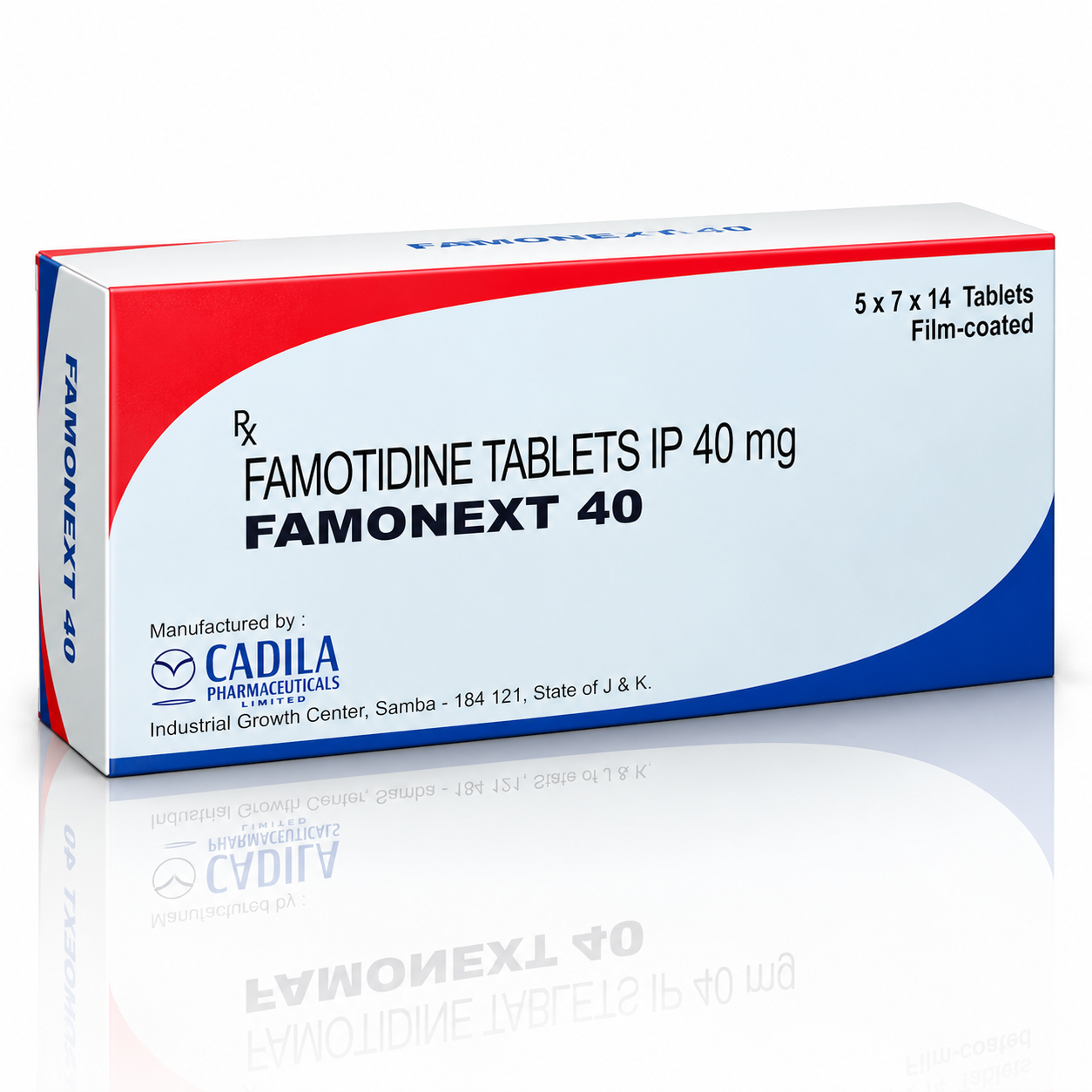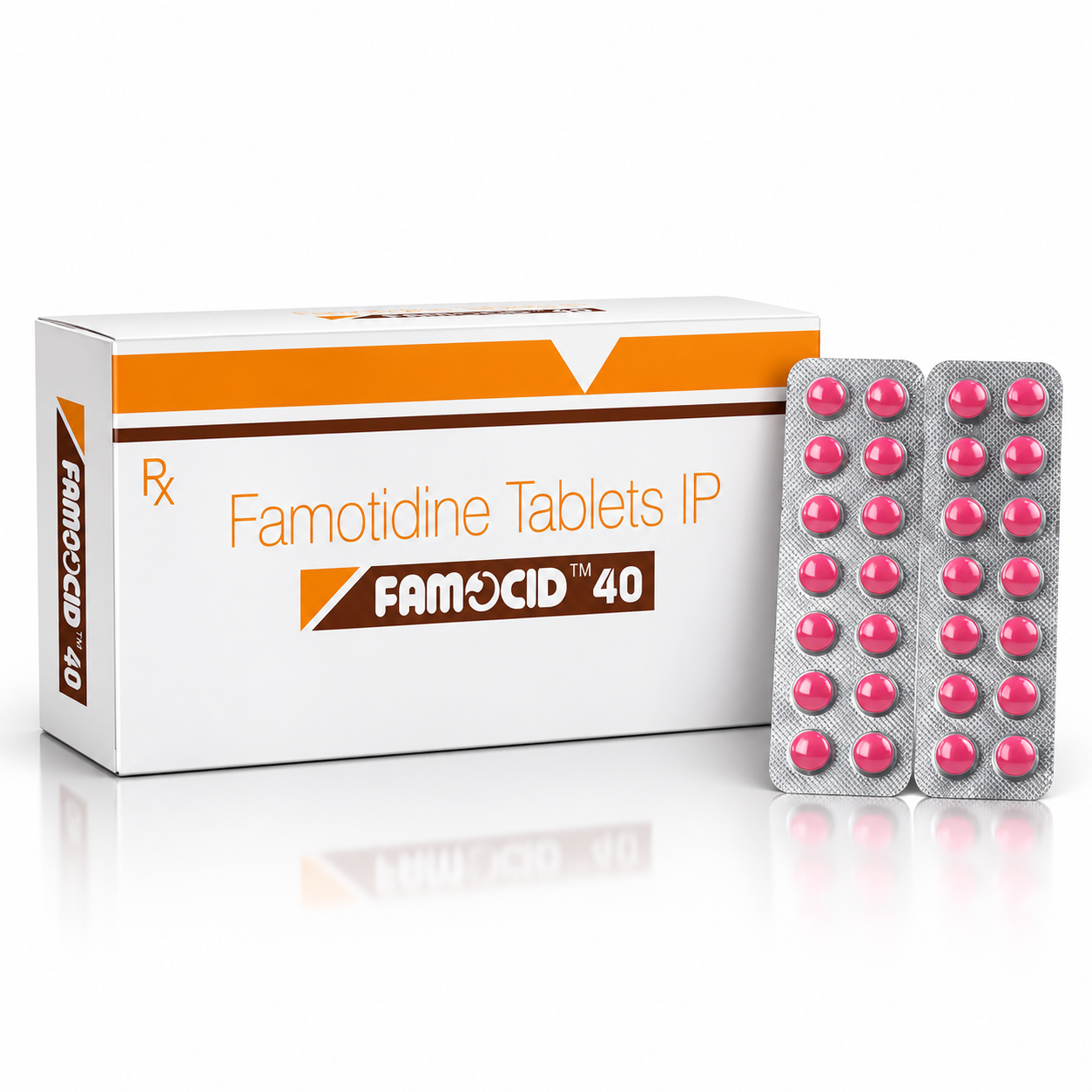
Famocid 40 MG Tablet
$0.03 / unit
Available Options
| Pack Size | Price | Price / Unit | Quantity | Action |
|---|---|---|---|---|
| 180 Tablets | $3.00 | $0.03/unit | ||
| 150 Tablets | $3.00 | $0.03/unit | ||
| 120 Tablets | $2.00 | $0.03/unit | ||
| 90 Tablets | $2.00 | $0.03/unit | ||
| 60 Tablets | $1.00 | $0.03/unit | ||
| 30 Tablets | $1.00 | $0.03/unit |
Product Description
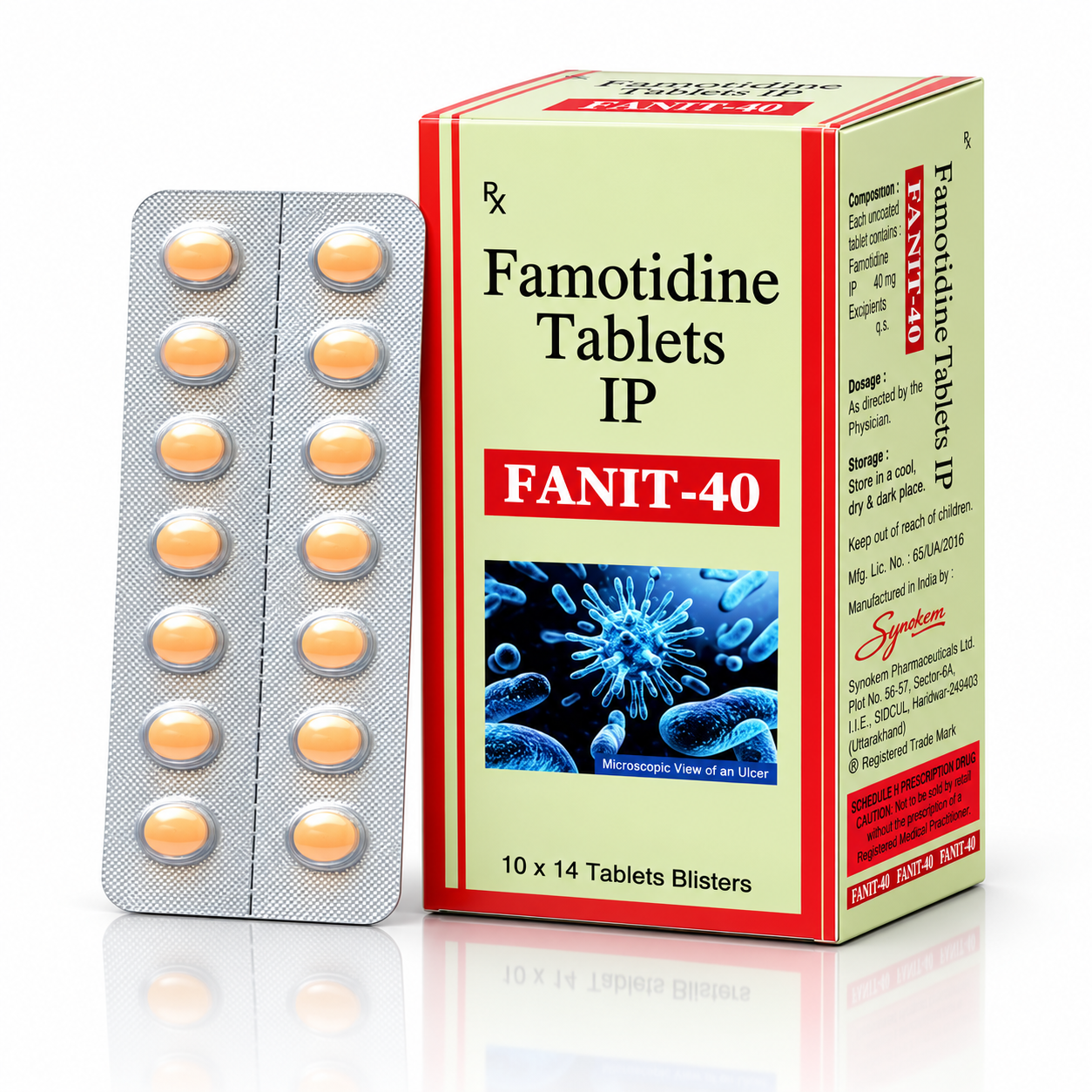
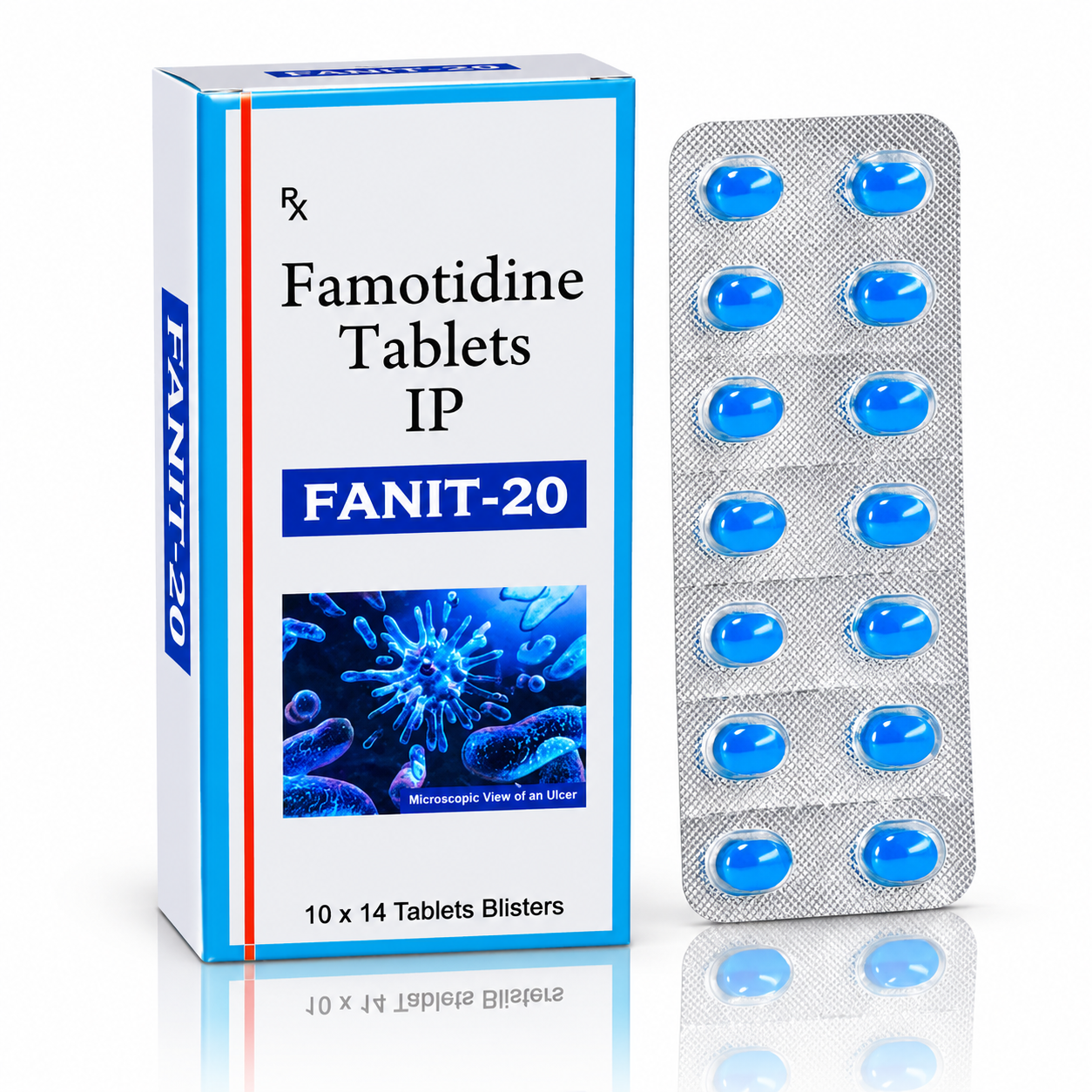
FAMOCID 40 MG TABLET
Brand Name: Famocid 40 MG Tablet
Generic Name: Famotidine
Strength: 40 mg
Dosage Form: Film-Coated Oral Tablet
Therapeutic Class: Histamine H2-Receptor Antagonist / Gastric Acid Suppressant / Antiulcer Medicine
Manufacturer / Marketer: Sun Pharma Laboratories Limited
Pack Size: 1 × 14 Tablets
What is this medicine?
FAMOCID 40 MG TABLET contains Famotidine 40 mg, a prescription medicine belonging to the histamine H2-receptor antagonist group.
It is used to reduce excessive stomach acid production and treat certain acid-related conditions affecting the stomach and food pipe (esophagus).
The stomach naturally produces hydrochloric acid to help digest food. However, excessive acid production or damage to the protective lining of the digestive tract may contribute to ulcers, acid reflux, and irritation.
Famotidine works by blocking histamine H2 receptors on acid-producing cells in the stomach.
This reduces the amount and concentration of gastric acid secreted into the stomach.
By lowering stomach acid production, famotidine helps relieve acid-related symptoms and allows damaged tissues to heal.
Common Uses
Famocid 40 MG Tablet may be prescribed for:
Treatment of active duodenal ulcers
Treatment of active benign gastric ulcers
Gastroesophageal reflux disease (GERD)
Management of erosive esophagitis caused by acid reflux
Healing of acid-related inflammation in the esophagus
Prevention of recurrent duodenal ulcers in selected patients
Zollinger-Ellison syndrome and other pathological acid hypersecretion conditions
Long-term control of excessive stomach acid production when medically indicated
NOTE: Famocid 40 MG Tablet reduces stomach acid but does not directly eradicate Helicobacter pylori, a bacterial infection associated with some peptic ulcers.
If H. pylori infection is confirmed, a separate eradication regimen may be required.
Persistent or recurrent symptoms should be medically evaluated because acid suppression can temporarily relieve symptoms of more serious gastrointestinal conditions.
What should I tell my healthcare provider before I take this medicine?
Inform your healthcare provider if you have any of these conditions:
Allergy to famotidine
Allergy to other H2-receptor antagonists
Previous severe allergic reactions to acid-reducing medicines
Kidney disease
Reduced kidney function
Chronic kidney disease
History of kidney failure
Liver disease
Persistent stomach pain
Difficulty swallowing
Painful swallowing
Unexplained weight loss
Recurrent vomiting
Vomiting blood
Black or tarry stools
History of gastrointestinal bleeding
Recurrent gastric or duodenal ulcers
History of Helicobacter pylori infection
Previous stomach or esophageal cancer
Heart rhythm abnormalities
Prolonged QT interval
Previous confusion or delirium associated with medication
Pregnancy or plans to become pregnant
Breastfeeding
Use of medicines that require stomach acid for absorption
Tell your healthcare provider about all prescription medicines, over-the-counter products, supplements, and herbal preparations you currently take.
Important: Famotidine is primarily eliminated through the kidneys.
Patients with moderate or severe kidney impairment may require a lower dose or a longer interval between doses.
Accumulation of famotidine can increase the risk of neurological adverse effects, including confusion, agitation, hallucinations, or seizures, especially in older adults.
How should I use this medicine?
Take Famocid 40 MG Tablet exactly as prescribed by your healthcare provider.
Swallow the tablet with a glass of water.
Take the medicine according to your prescribed schedule.
It may be taken with or without food.
When prescribed once daily, it is commonly taken at bedtime.
Do not exceed the prescribed dose.
Do not take additional doses without medical advice.
Follow the recommended treatment duration.
Avoid self-medicating for persistent stomach pain.
Limit foods or drinks that trigger your reflux symptoms.
Avoid lying down immediately after large meals.
Maintain an appropriate interval between dinner and bedtime if you have nighttime reflux.
Follow medical advice about alcohol and smoking.
Inform your doctor if symptoms do not improve.
Report difficulty swallowing or unexplained weight loss.
Attend follow-up appointments if you have recurrent ulcers or persistent GERD.
Do not share the medicine with another person.
Usual Adult Dosage
Dosage depends on the condition being treated, kidney function, and the patient's clinical response.
Active Duodenal Ulcer: A commonly recommended regimen is famotidine 40 mg once daily at bedtime or 20 mg twice daily, generally for up to eight weeks.
Active Gastric Ulcer: Famotidine 40 mg once daily at bedtime may be prescribed for up to eight weeks.
Symptomatic Nonerosive GERD: The commonly recommended regimen is 20 mg twice daily for up to six weeks. A lower-strength product may therefore be needed instead of the 40 mg tablet.
Erosive Esophagitis: Famotidine may be prescribed at 20 mg or 40 mg twice daily, depending on the severity and prescribing guidance, for up to 12 weeks.
Prevention of Recurrent Duodenal Ulcers: A maintenance dose of 20 mg once daily may be used in selected patients.
Zollinger-Ellison Syndrome: Treatment is individualized. Some patients require more frequent or higher doses under specialist supervision.
Kidney Impairment: Dose adjustment is recommended when creatinine clearance is below 60 mL/min. Some patients may need lower-strength tablets or longer dosing intervals.
Older Adults: Dosage should take kidney function into account, particularly in older patients with reduced renal clearance.
Pediatric Use: Dosing in children depends on body weight, age, and indication. A 40 mg tablet is not suitable for every pediatric patient.
Duration of Treatment: Most ulcer treatment courses last several weeks, whereas chronic hypersecretory conditions may require longer treatment.
Expected Results: Acid-related symptoms may begin improving within hours of a dose, but healing of an ulcer or inflamed esophagus usually requires a longer course.
Overdosage: Seek medical advice if an overdose is suspected. Possible symptoms may include dizziness, weakness, gastrointestinal discomfort, or neurological disturbances.
NOTE: Famocid 40 MG Tablet contains 40 mg of famotidine.
It should not be assumed that 40 mg is the correct dose for every acid-related condition.
The prescribed dosage must match the diagnosis and kidney function.
What if I miss a dose?
Take the missed dose as soon as you remember, unless it is nearly time for the next scheduled dose.
If your next dose is approaching, skip the missed dose.
Continue with your regular schedule.
Do not take two doses together.
Do not take extra tablets to compensate for a missed dose.
Contact your healthcare provider if you frequently miss doses.
Seek medical advice if symptoms recur or worsen.
Important: Missing an occasional dose may allow acid-related symptoms to return temporarily.
Do not exceed the prescribed daily dosage to compensate.
What may interact with this medicine?
Famotidine may interact with medicines whose absorption depends on stomach acidity or those that affect its elimination.
Potential interactions include:
Atazanavir
Rilpivirine
Dasatinib
Erlotinib
Gefitinib
Certain other tyrosine kinase inhibitors
Ketoconazole
Itraconazole
Certain iron supplements
Probenecid
Tizanidine
Other H2-receptor antagonists
Proton pump inhibitors
Antacids and other acid-reducing preparations
Important Drug Interaction Considerations
Atazanavir: Reduced stomach acidity may decrease atazanavir absorption. Specific timing restrictions and additional precautions may be necessary.
Rilpivirine: Famotidine can substantially reduce rilpivirine absorption if taken at inappropriate intervals. Strict dose-spacing requirements apply.
Dasatinib and Certain Cancer Medicines: Lower stomach acidity can reduce absorption and effectiveness of some targeted cancer therapies. Certain combinations should be avoided.
Ketoconazole and Itraconazole: Acid suppression may reduce absorption of some formulations of these antifungal medicines.
Iron Supplements: Reduced gastric acidity may decrease the absorption of certain forms of oral iron in some patients.
Probenecid: Probenecid can increase famotidine exposure by reducing renal elimination. Concurrent use is generally not recommended.
Tizanidine: Famotidine may increase tizanidine exposure and the risk of adverse effects such as low blood pressure or excessive sedation.
Other Acid-Reducing Medicines: Combining famotidine with other acid-suppressing treatments should be based on a specific clinical reason.
Antacids: Famotidine can sometimes be administered with antacids. Follow the instructions of your healthcare provider or pharmacist.
Important: Famotidine generally has fewer CYP450-mediated drug interactions than cimetidine.
However, significant interactions can still occur through changes in stomach acidity or renal drug elimination.
What should I watch for while using this medicine?
Seek immediate medical attention if you experience:
Severe allergic reactions
Swelling of the face, lips, tongue, or throat
Difficulty breathing
Vomiting blood
Black or tarry stools
Severe or persistent abdominal pain
Severe unexplained weight loss
Difficulty swallowing
Severe confusion or hallucinations
Seizures
Fainting
Fast or irregular heartbeat
Severe skin reactions
While using this medicine:
Monitor heartburn and acid reflux symptoms.
Follow your prescribed treatment schedule.
Report persistent stomach pain.
Seek assessment for recurrent vomiting.
Inform your doctor about difficulty swallowing.
Monitor kidney function if recommended.
Report unusual confusion or drowsiness.
Avoid unnecessary prolonged self-treatment.
Follow dietary advice for GERD.
Avoid large meals shortly before bedtime.
Maintain a healthy weight when appropriate.
Reduce exposure to personal reflux triggers.
Avoid smoking.
Attend follow-up appointments when indicated.
Discuss ongoing symptoms with your healthcare provider.
Report any new or worsening gastrointestinal symptoms.
Important Monitoring Tests
Kidney Function: Particularly important in patients with reduced renal function or older adults.
Clinical Symptom Assessment: Helps evaluate relief of reflux symptoms and response to ulcer treatment.
Endoscopy: May be necessary in patients with persistent symptoms, alarm symptoms, suspected complications, or certain gastric ulcers.
Helicobacter pylori Testing: May be appropriate in patients with peptic ulcer disease.
Electrocardiogram: May be considered in selected patients with relevant heart rhythm concerns or severe renal impairment.
NOTE: Symptom relief from acid suppression does not exclude serious gastrointestinal disease.
Persistent vomiting, gastrointestinal bleeding, progressive difficulty swallowing, or unexplained weight loss requires medical evaluation.
What side effects may I notice from this medicine?
Side effects that should be reported immediately:
Severe allergic reactions
Anaphylaxis
Angioedema
Serious skin reactions
Severe confusion
Hallucinations
Seizures
Significant heart rhythm disturbances
Fainting
Severe liver abnormalities
Jaundice
Severe unexplained muscle pain or weakness
Severe or persistent abdominal symptoms
Side effects that usually do not require medical attention:
Headache
Dizziness
Constipation
Diarrhoea
Mild nausea
Abdominal discomfort
Fatigue
Mild digestive disturbances
These side effects are often mild and may resolve without specific treatment.
Contact your healthcare provider if symptoms persist, worsen, or become troublesome.
Important: Older adults and patients with impaired kidney function may be more susceptible to central nervous system adverse effects when famotidine accumulates.
New confusion, hallucinations, or severe drowsiness requires prompt medical assessment.
Where should I keep my medicine?
Keep out of the reach of children.
Store at the temperature specified on the original packaging.
Keep the medicine in a cool, dry place.
Protect from excessive heat.
Protect from moisture.
Protect from direct sunlight.
Keep tablets in their original blister packaging.
Do not remove tablets until ready for use.
Avoid storing tablets in bathrooms or humid environments.
Do not use after the expiry date.
Do not use tablets from damaged packaging.
Keep away from pets.
Do not transfer tablets into unlabelled containers.
Dispose of expired or unused medicine according to pharmacist instructions.
Storage Note: Follow the original Famocid 40 MG Tablet packaging for the exact storage temperature and conditions.
Manufacturer Details
Field | Information |
|---|---|
Brand Name | Famocid 40 MG Tablet |
Generic Name | Famotidine |
Strength | 40 mg |
Dosage Form | Film-Coated Oral Tablet |
Therapeutic Class | Histamine H2-Receptor Antagonist / Antiulcer Medicine |
Indication | Gastric and Duodenal Ulcers, GERD, Erosive Esophagitis, Pathological Acid Hypersecretion |
Manufacturer / Marketer | Sun Pharma Laboratories Limited |
Manufacturing Facility | Sun Pharma Laboratories Ltd., Ranipool, East Sikkim, as listed in the referenced manufacturer catalogue |
Prescription Status | Prescription Medicine |
Storage | Follow Original Product Label |
Route of Administration | Oral |
Pack Size | 1 × 14 Tablets |
Country of Origin | India |