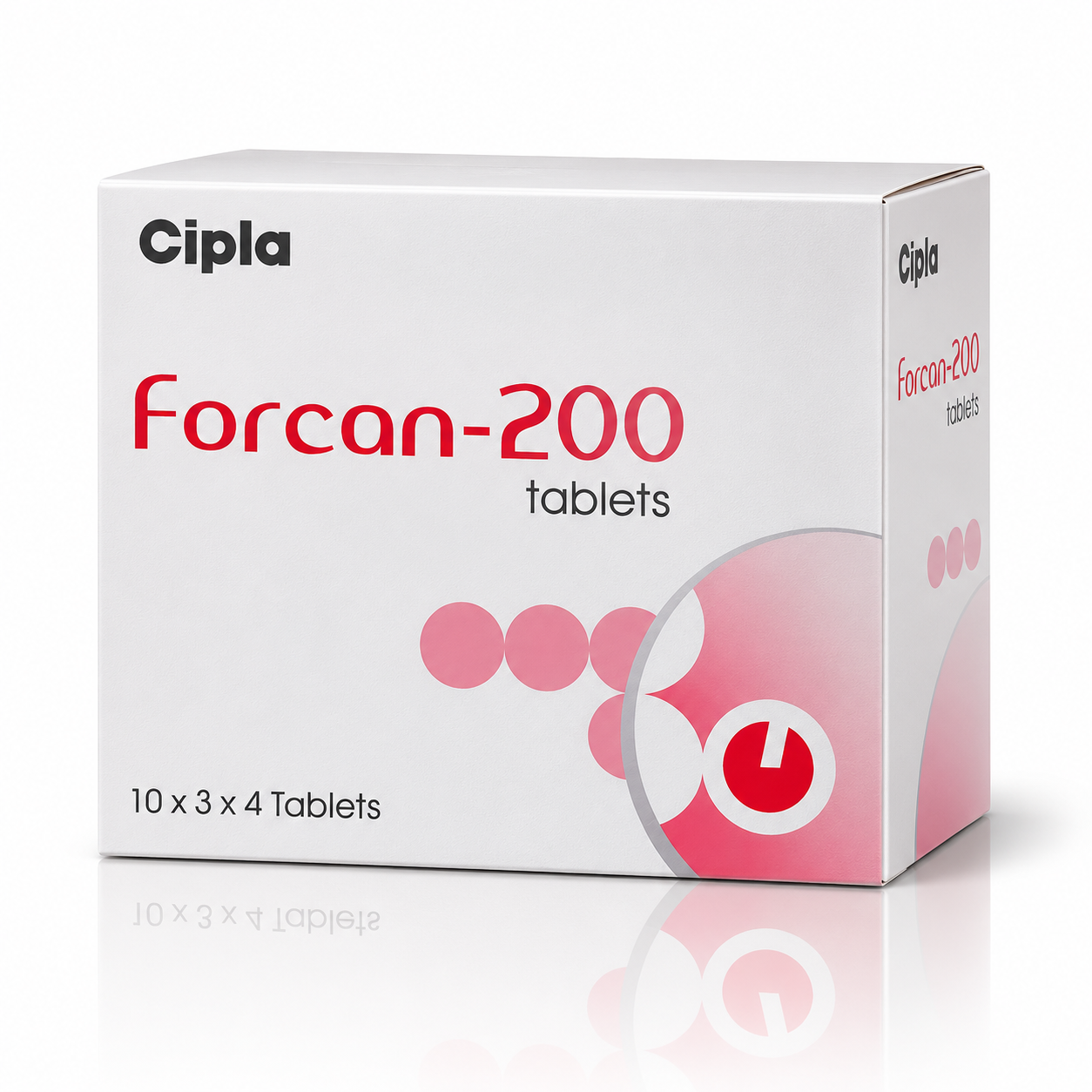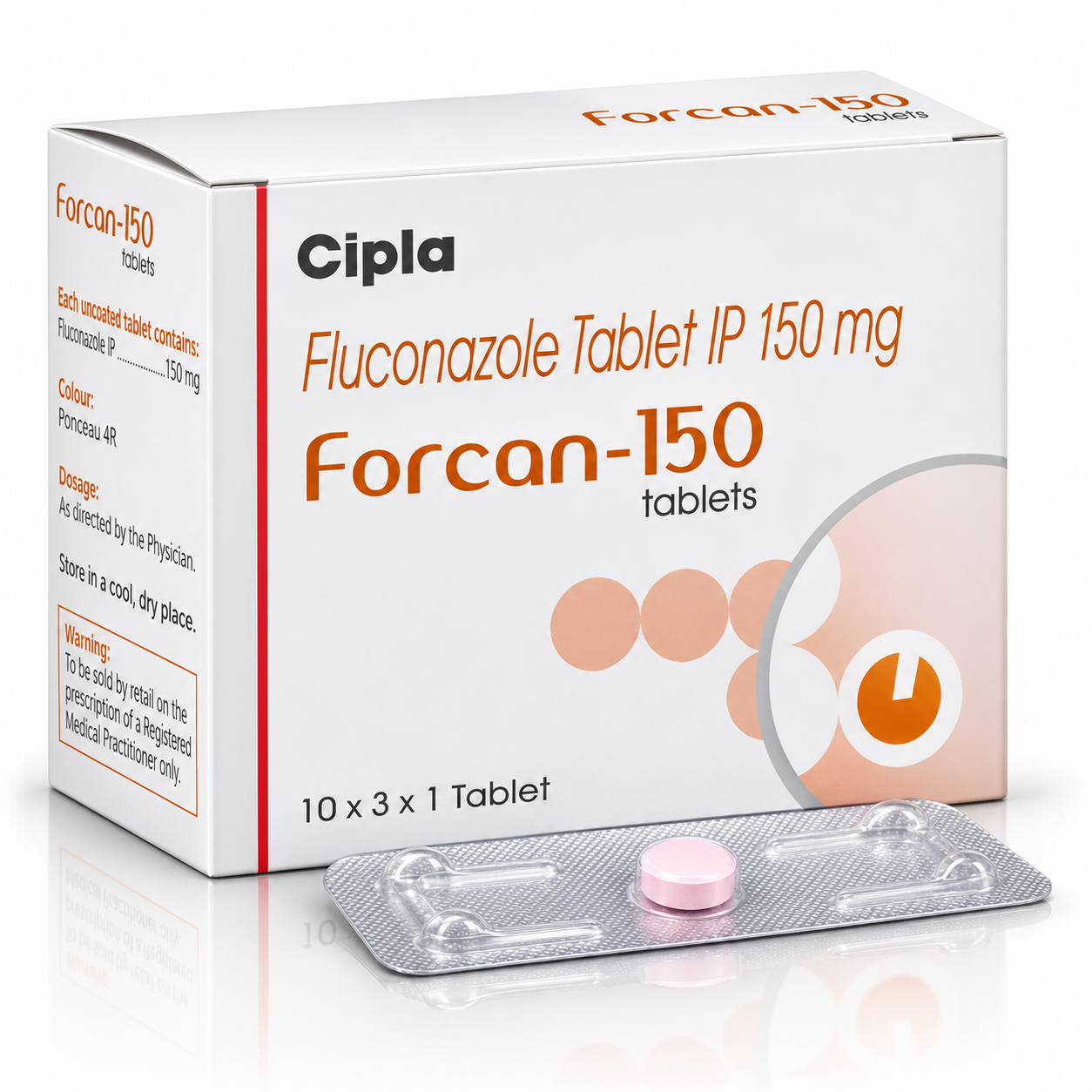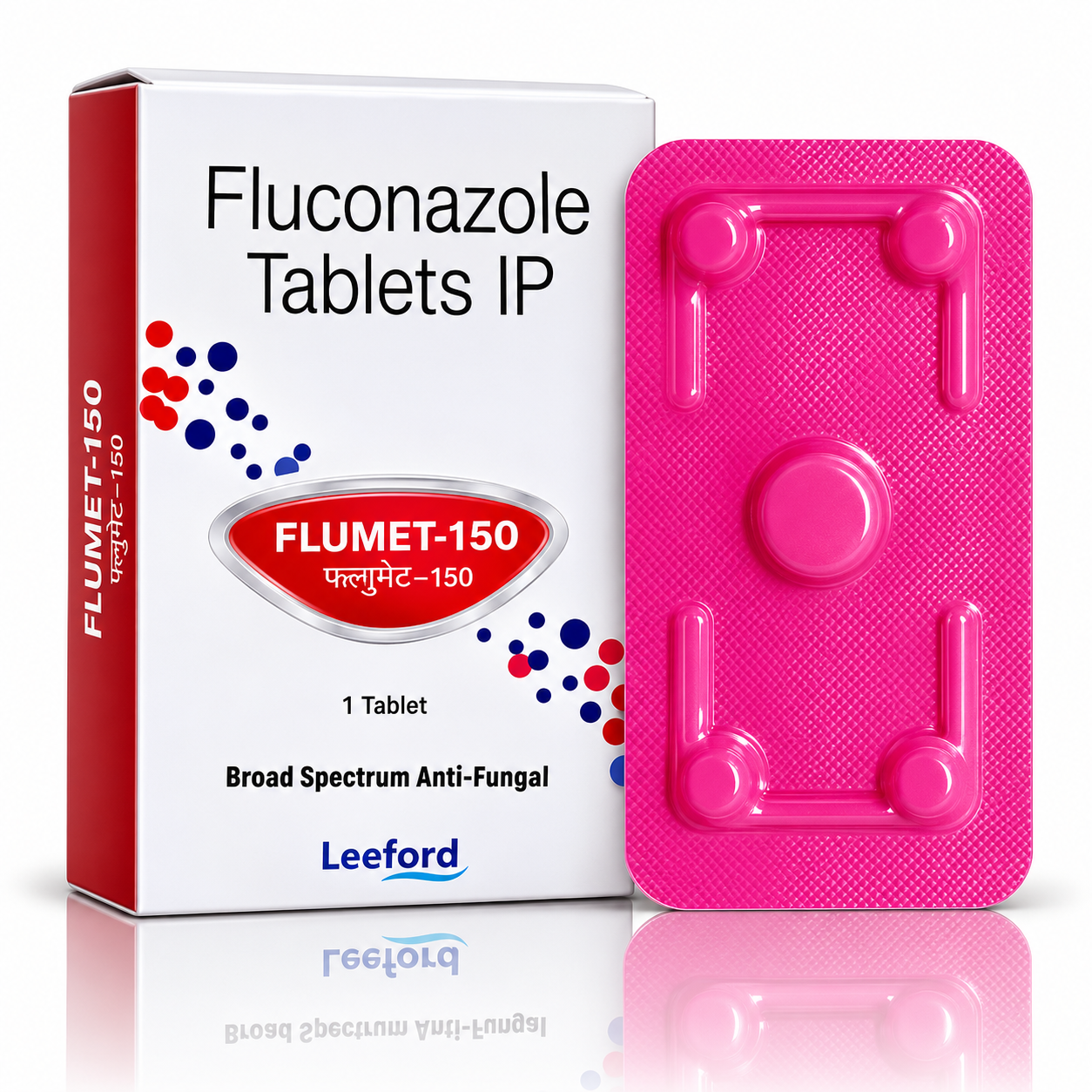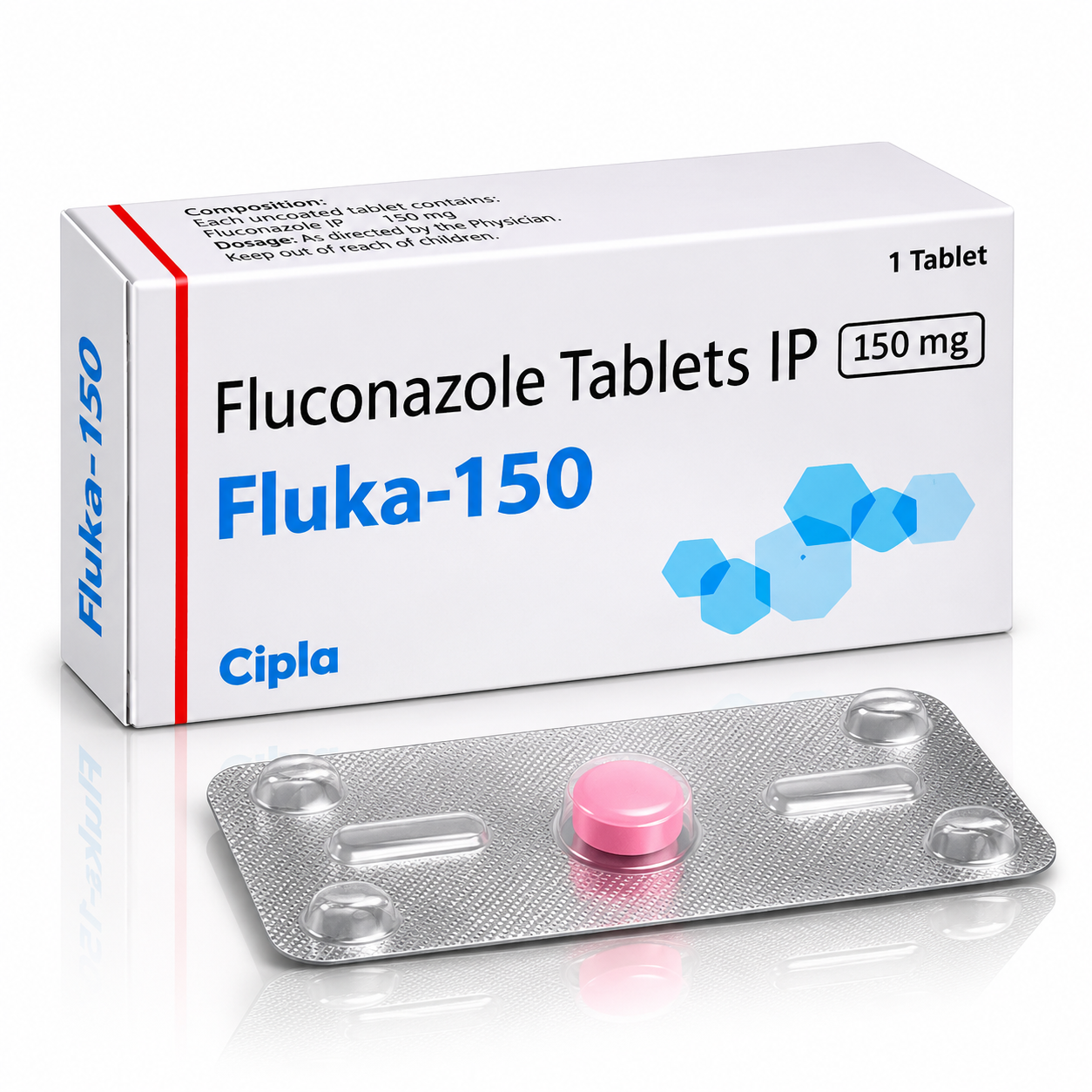
FCN-150 MG Tablet
$1.40 / unit
Available Options
| Pack Size | Price | Price / Unit | Quantity | Action |
|---|---|---|---|---|
| 120 Tablets | $129.00 | $1.08/unit | ||
| 100 Tablets | $111.00 | $1.11/unit | ||
| 80 Tablets | $90.00 | $1.13/unit | ||
| 60 Tablets | $72.00 | $1.20/unit | ||
| 40 Tablets | $51.00 | $1.28/unit | ||
| 20 Tablets | $28.00 | $1.40/unit |
Product Description
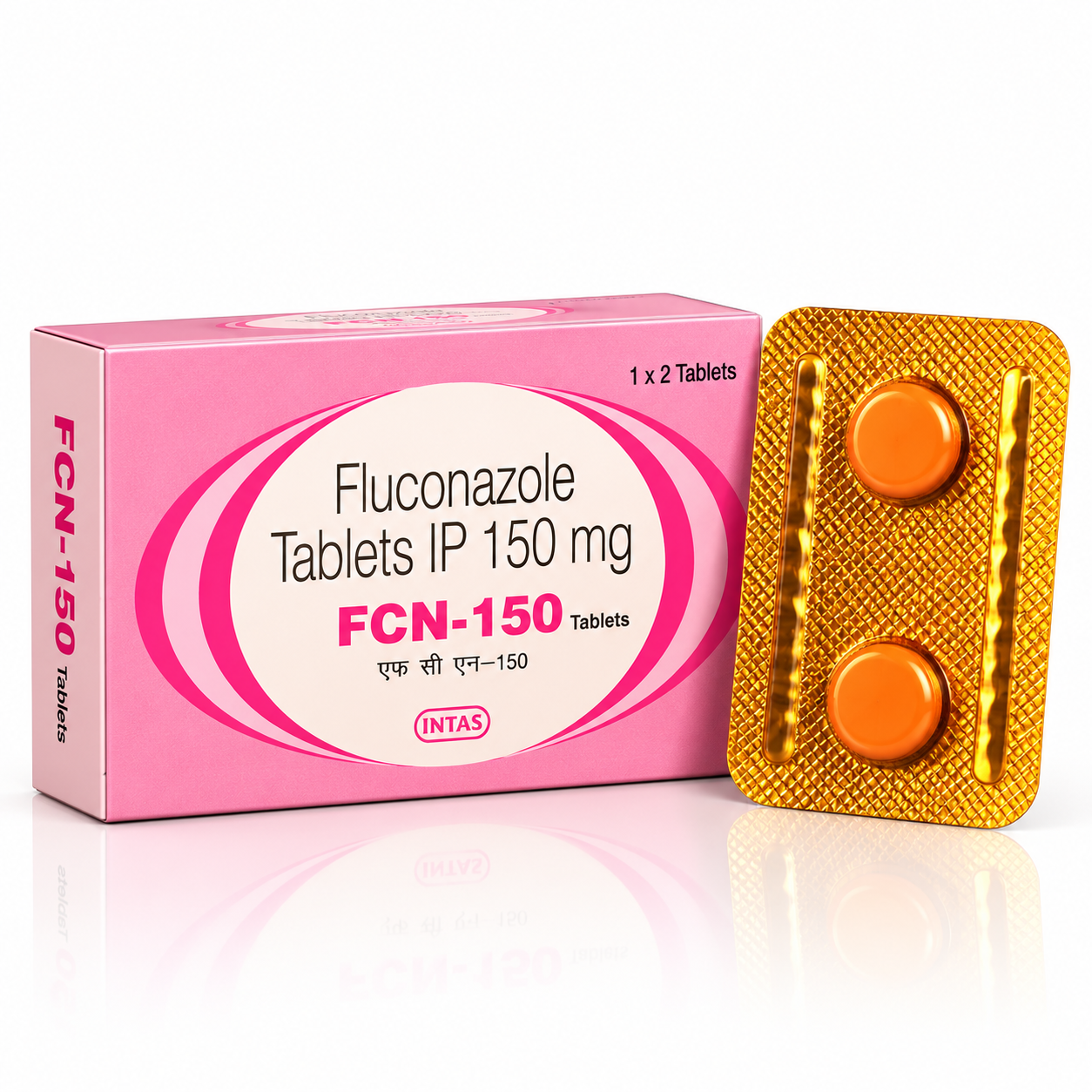
FCN-150 MG TABLET
Brand Name: FCN-150 MG Tablet
Generic Name: Fluconazole
Strength: 150 mg
Dosage Form: Oral Tablet
Therapeutic Class: Triazole Antifungal / Systemic Antimycotic Medicine
Manufacturer / Marketer: Intas Pharmaceuticals Limited
Pack Size: 1 × 2 Tablets
What is this medicine?
FCN-150 MG TABLET contains Fluconazole 150 mg, a prescription antifungal medicine belonging to the triazole class.
It is used to treat certain fungal infections caused by susceptible organisms, particularly yeast infections involving Candida species.
Fungal infections may affect different areas of the body, including the mouth, throat, esophagus, genital region, skin, bloodstream, and internal organs.
Fluconazole works by inhibiting a fungal enzyme called lanosterol 14-alpha-demethylase, which is involved in the production of ergosterol.
Ergosterol is an essential component of fungal cell membranes.
By interfering with ergosterol synthesis, fluconazole disrupts fungal cell membrane formation and inhibits the growth of susceptible fungi.
Common Uses
Fluconazole may be prescribed for:
Vulvovaginal candidiasis (vaginal yeast infection)
Selected cases of recurrent vaginal candidiasis
Oropharyngeal candidiasis (oral thrush)
Esophageal candidiasis
Certain systemic Candida infections
Cryptococcal meningitis as part of an appropriate specialist-directed treatment regimen
Prevention of selected fungal infections in high-risk immunocompromised patients
Certain other susceptible fungal infections under specialist supervision
The appropriate dose and treatment duration vary considerably according to the infection.
NOTE: A single 150 mg dose is commonly used for uncomplicated vaginal candidiasis in nonpregnant adults.
Other fungal infections usually require different dosages, repeated doses, or longer treatment courses.
Fluconazole does not treat bacterial or viral infections. It is also ineffective against some fungal species and strains that are resistant to azole antifungals.
What should I tell my healthcare provider before I take this medicine?
Inform your healthcare provider if you have:
Allergy to fluconazole
Allergy to other azole antifungal medicines
Previous serious reactions to antifungal treatments
Liver disease
Abnormal liver function tests
Previous drug-induced liver injury
Kidney disease
Reduced kidney function
Heart rhythm abnormalities
Congenital or acquired QT prolongation
History of irregular heartbeat
Low potassium levels
Low magnesium levels
Heart failure
Previous severe skin reactions
Pregnancy or suspected pregnancy
Plans to become pregnant
Breastfeeding
Diabetes
HIV infection or another condition affecting immunity
Recurrent fungal infections
Persistent or unexplained genital symptoms
Use of warfarin or other anticoagulants
Use of medicines that affect heart rhythm
Use of medicines metabolized by CYP2C9, CYP2C19, or CYP3A4
Tell your healthcare provider about all prescription medicines, over-the-counter medicines, vitamins, supplements, and herbal products you currently use.
Important Pregnancy Warning
Oral fluconazole should generally be avoided during pregnancy.
For vaginal candidiasis during pregnancy, current CDC guidance recommends topical azole treatment for seven days rather than oral fluconazole.
Even a single 150 mg oral dose has been associated in observational studies with potential pregnancy risks.
Prolonged exposure to high doses during pregnancy has also been associated with serious fetal abnormalities.
Important: Patients who are pregnant or may be pregnant should consult a healthcare professional before using FCN-150 MG Tablet.
How should I use this medicine?
Take FCN-150 MG Tablet exactly as prescribed by your healthcare provider.
Swallow the tablet with a glass of water.
It may be taken with or without food.
Follow the prescribed dose and treatment duration.
Do not increase or decrease the dose independently.
Do not take repeated 150 mg doses without medical advice.
Do not share the medicine with another person.
Inform your doctor about liver or kidney disease.
Report severe skin reactions.
Avoid taking interacting medicines without medical review.
Follow the prescribed schedule for longer treatment courses.
Attend follow-up appointments when recommended.
Complete the prescribed course when multiple doses are required.
Consult your doctor if symptoms persist or recur.
Do not use the medicine for an undiagnosed infection.
Usual Adult Dosage
The appropriate dose depends on the fungal infection, its severity, and the patient's clinical condition.
Uncomplicated Vaginal Candidiasis: Fluconazole 150 mg orally as a single dose in an appropriate nonpregnant patient.
Severe Vaginal Candidiasis: A clinician may prescribe 150 mg followed by a second 150 mg dose 72 hours later, or recommend an appropriate topical treatment.
Recurrent Vaginal Candidiasis: Selected patients may require an initial multidose regimen followed by weekly maintenance treatment for several months. Treatment should be based on clinical evaluation and, where appropriate, fungal testing.
Oropharyngeal Candidiasis: Treatment commonly requires daily fluconazole dosing for at least two weeks. The regimen differs from a single 150 mg dose.
Esophageal Candidiasis: Generally requires systemic antifungal therapy for at least 14–21 days, depending on clinical response.
Systemic Fungal Infections: Require individualized specialist-directed dosing and monitoring.
Kidney Impairment: Repeated-dose regimens may need adjustment according to kidney function. A single dose for uncomplicated vaginal candidiasis generally does not require renal adjustment.
Liver Impairment: Use cautiously and monitor for signs of liver injury.
Pediatric Use: Dosage is based on body weight, the infection being treated, and specialist guidance.
Expected Results: Vaginal yeast infection symptoms may begin improving within a few days. Persistent or worsening symptoms require reassessment.
Overdosage: Seek urgent medical assessment if an overdose is suspected. Reported overdose effects may include nausea, confusion, hallucinations, and other neurological or systemic symptoms.
NOTE: FCN-150 MG Tablet contains 150 mg of fluconazole per tablet.
A two-tablet pack does not mean both tablets should be taken together.
Use only the dose and schedule prescribed for the diagnosed infection.
What if I miss a dose?
For a prescribed repeated-dose treatment regimen:
Take the missed dose when remembered unless it is nearly time for the next scheduled dose.
Skip the missed dose if the next dose is approaching.
Continue the regular dosing schedule.
Do not double the dose.
Do not take extra tablets to compensate.
Contact your healthcare provider if several doses have been missed.
Seek reassessment if fungal infection symptoms persist or worsen.
Important: If a single 150 mg dose has been prescribed, follow the specific instructions for that one-time treatment.
Do not repeat the dose simply because symptoms have not immediately disappeared.
What may interact with this medicine?
Fluconazole can interact with numerous medicines because it inhibits certain liver enzymes, especially CYP2C9, CYP2C19, and CYP3A4.
Potentially important interactions include:
Warfarin
Phenytoin
Carbamazepine
Cyclosporine
Tacrolimus
Sirolimus
Sulfonylurea diabetes medicines
Certain statins, including simvastatin and atorvastatin
Benzodiazepines such as midazolam
Certain opioid medicines
Certain antiarrhythmic medicines
Amiodarone
Erythromycin
Quinidine
Pimozide
Cisapride
Certain other QT-prolonging medicines
Rifampicin
Certain HIV medicines
Important Drug Interaction Considerations
Warfarin: Fluconazole may increase warfarin's anticoagulant effect, increasing the risk of bleeding. Additional INR monitoring may be required.
Phenytoin: Fluconazole can increase phenytoin exposure and the risk of toxicity.
Cyclosporine and Tacrolimus: Drug concentrations may rise, increasing the risk of kidney damage and other adverse effects.
Sulfonylureas: Fluconazole may increase concentrations of medicines such as glimepiride or glipizide, increasing the risk of hypoglycemia.
Certain Statins: Fluconazole can increase exposure to selected statins, potentially increasing the risk of muscle injury.
Benzodiazepines: Fluconazole may increase sedative effects and prolong the action of certain medicines.
QT-Prolonging Medicines: Combining fluconazole with certain medicines may increase the risk of serious heart rhythm disturbances. Some combinations are contraindicated.
Rifampicin: Rifampicin may reduce fluconazole exposure, potentially affecting treatment effectiveness.
Important: Fluconazole's interaction effects can persist for several days after the last dose.
Even a single 150 mg dose may interact with other medicines.
Do not assume that a one-time antifungal dose is free of drug interaction risks.
What should I watch for while using this medicine?
Seek immediate medical attention if you experience:
Severe allergic reactions
Swelling of the face, lips, tongue, or throat
Difficulty breathing
Severe skin blistering or peeling
Yellowing of the skin or eyes
Dark urine with other signs of liver injury
Severe or persistent vomiting
Severe abdominal pain
Fast or irregular heartbeat
Fainting
Severe dizziness
Unusual bleeding or bruising
Significant weakness associated with other concerning symptoms
While using this medicine:
Monitor whether fungal infection symptoms improve.
Report persistent or recurring symptoms.
Inform your doctor about new medicines.
Watch for allergic skin reactions.
Report unusual tiredness or loss of appetite.
Follow liver function monitoring if recommended.
Follow kidney function monitoring for prolonged treatment.
Attend follow-up appointments.
Avoid unnecessary repeated antifungal treatment.
Seek medical advice if you suspect pregnancy.
Report palpitations or fainting.
Follow laboratory testing when treatment is prolonged.
Discuss fungal culture or susceptibility testing for recurrent or treatment-resistant infections.
Important Monitoring Tests
Liver Function: May be appropriate for prolonged treatment, pre-existing liver disease, or suspected liver-related adverse reactions.
Kidney Function: Helps guide dosage adjustment during repeated-dose treatment.
Electrocardiogram: May be considered in patients with QT-related risk factors or interacting medicines.
INR: Important for patients taking warfarin.
Blood Glucose: May require additional monitoring in patients taking interacting diabetes medicines.
Fungal Testing: May be appropriate if symptoms persist, recur frequently, or suggest a resistant fungal species.
NOTE: Persistent vaginal itching, discharge, or irritation is not always caused by a yeast infection.
Repeated self-treatment may delay diagnosis of other infections or skin disorders.
What side effects may I notice from this medicine?
Side effects that should be reported immediately:
Severe allergic reactions
Anaphylaxis
Angioedema
Stevens-Johnson syndrome
Toxic epidermal necrolysis
Serious liver injury
Jaundice
Severe skin reactions
Serious heart rhythm disturbances
Fainting associated with palpitations
Severe or persistent vomiting
Significant unexplained bleeding when taking anticoagulants
Severe hypoglycemia when taking interacting diabetes medicines
Side effects that usually do not require medical attention:
Headache
Nausea
Mild abdominal pain
Diarrhoea
Indigestion
Mild dizziness
Changes in taste
Temporary stomach discomfort
Mild skin rash
These effects do not occur in every patient and are often mild.
Contact your healthcare provider if symptoms persist, become troublesome, or worsen.
Important: Although fluconazole is generally well tolerated, rare serious liver reactions, severe skin reactions, and cardiac rhythm disturbances can occur.
Seek prompt medical advice if concerning symptoms develop.
Where should I keep my medicine?
Keep out of the reach of children.
Store below 25°C according to the available FCN-150 product listing.
Keep tablets in a cool, dry place.
Protect from excessive heat.
Protect from moisture.
Protect from direct sunlight.
Keep tablets in their original blister packaging.
Do not remove tablets until ready for use.
Avoid storing in bathrooms or humid environments.
Do not use after the expiry date.
Do not use tablets from damaged packaging.
Keep away from pets.
Do not transfer tablets into unlabelled containers.
Dispose of expired or unused medicines according to pharmacist instructions.
Storage Note: Tata 1mg lists storage below 25°C for FCN-150 Tablet. Follow the current product strip or carton for exact instructions.
Manufacturer Details
Field | Information |
|---|---|
Brand Name | FCN-150 MG Tablet |
Generic Name | Fluconazole |
Strength | 150 mg |
Dosage Form | Oral Tablet |
Therapeutic Class | Triazole Antifungal / Systemic Antimycotic |
Indication | Treatment of Susceptible Fungal Infections |
Manufacturer / Marketer | Intas Pharmaceuticals Limited |
Actual Manufacturing Facility | Verify from Current Product Packaging |
Prescription Status | Prescription Medicine |
Storage | Store Below 25°C; Follow Original Product Label |
Route of Administration | Oral |
Pack Size | 1 × 2 Tablets |
Country of Origin | India |