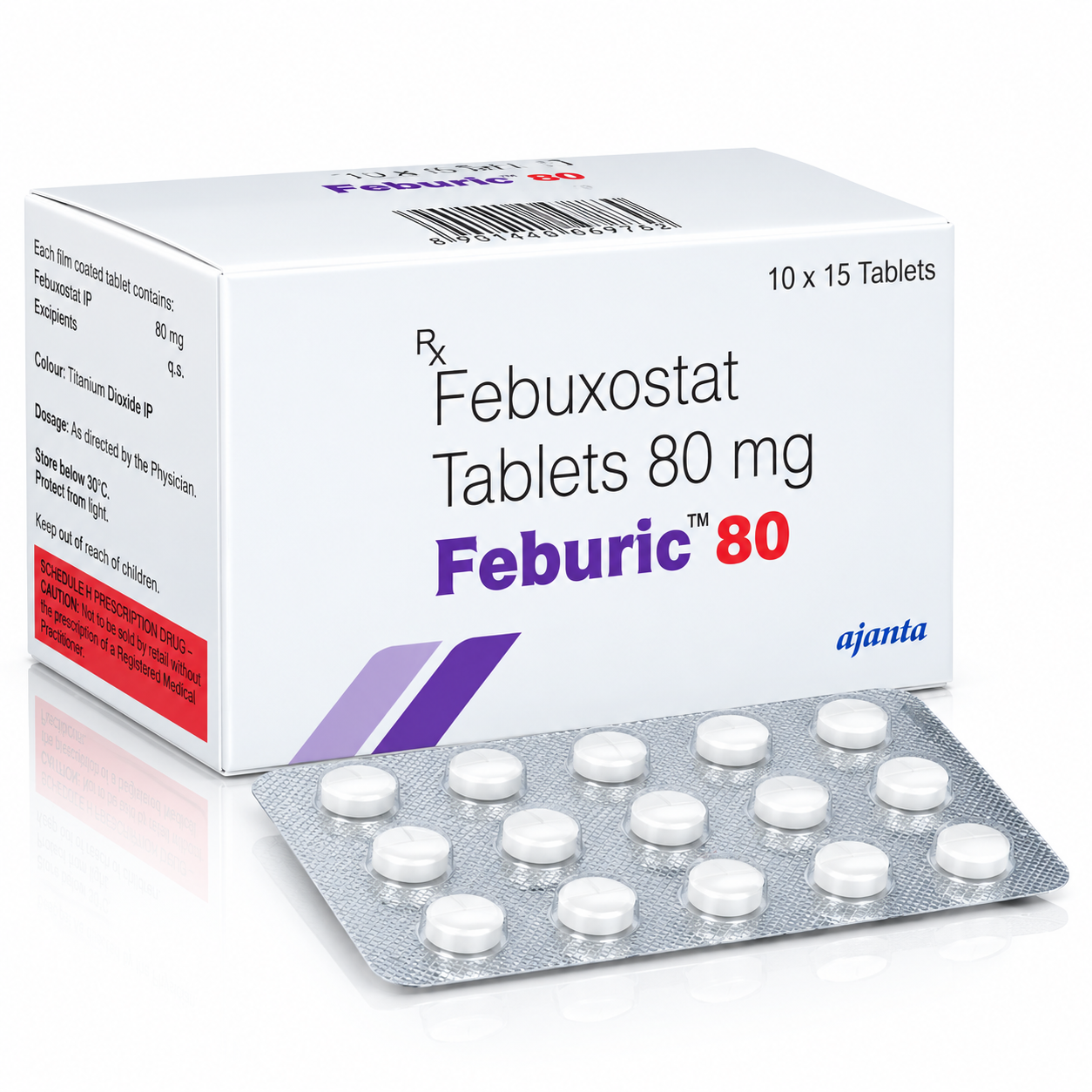
Feburic 80 MG Tablet
$0.19 / unit
Available Options
| Pack Size | Price | Price / Unit | Quantity | Action |
|---|---|---|---|---|
| 90 Tablets | $17.10 | $0.19/unit | ||
| 75 Tablets | $14.25 | $0.19/unit | ||
| 60 Tablets | $11.40 | $0.19/unit | ||
| 45 Tablets | $8.55 | $0.19/unit | ||
| 30 Tablets | $5.70 | $0.19/unit | ||
| 15 Tablets | $2.85 | $0.19/unit |
Product Description
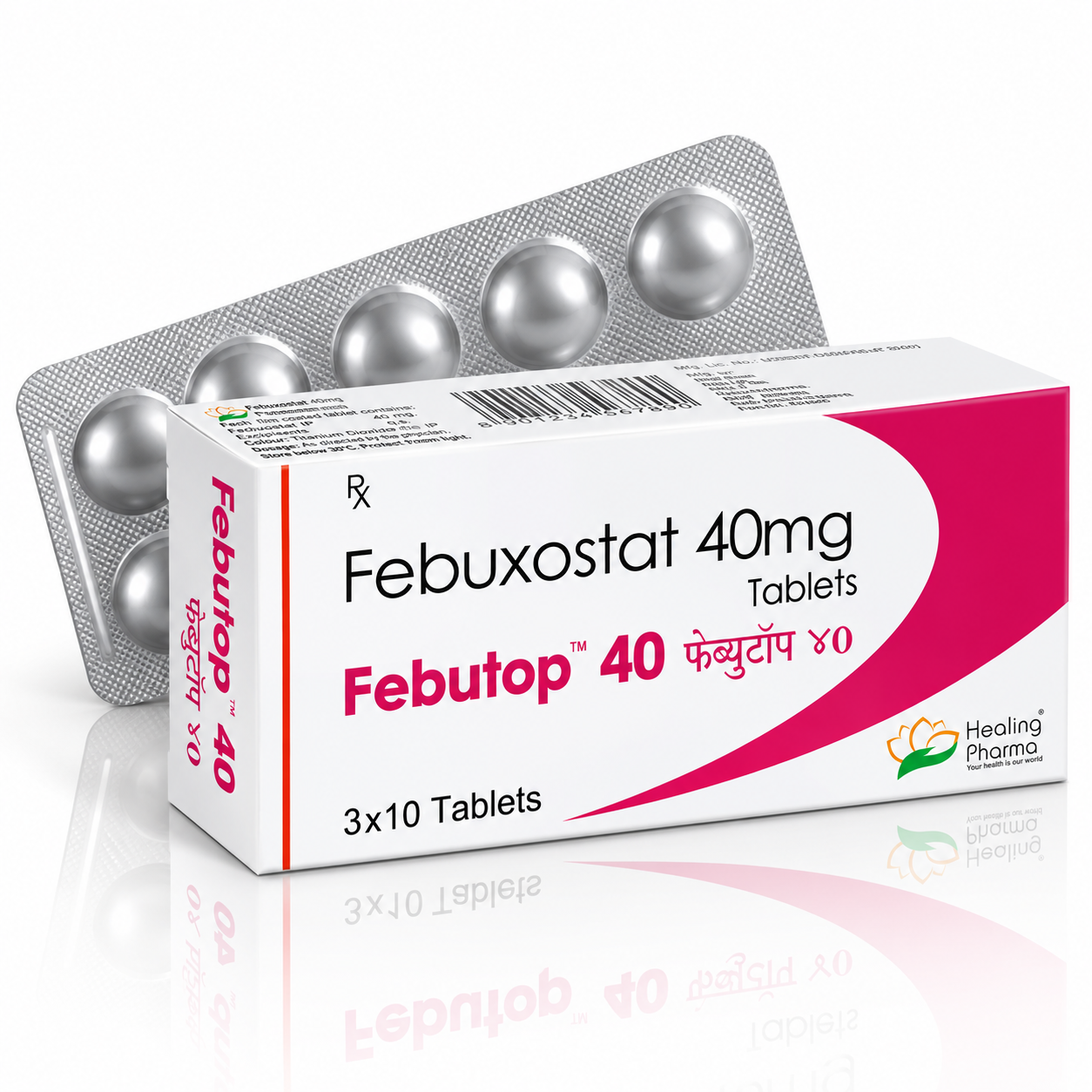
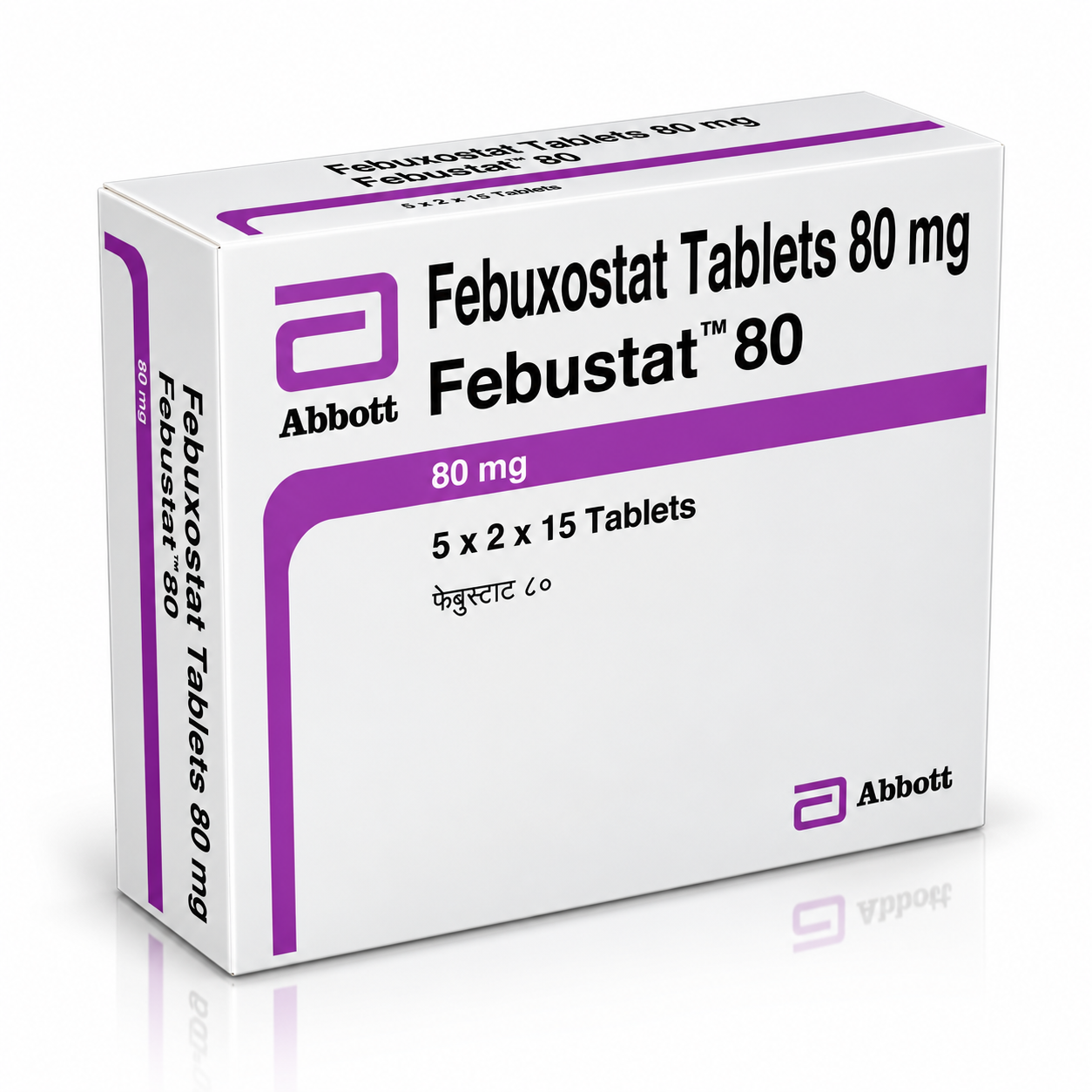
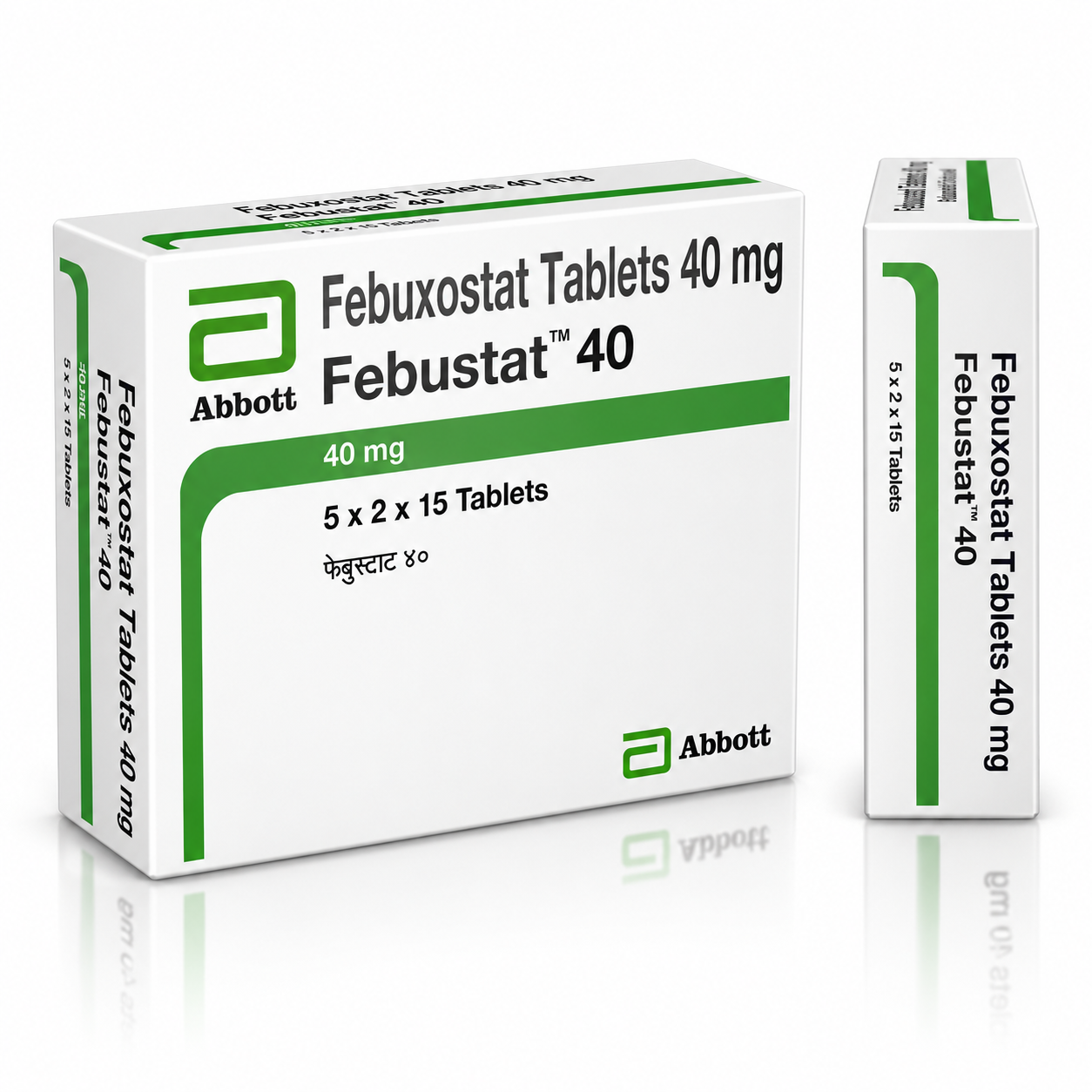
FEBURIC 80 MG TABLET
Brand Name: Feburic 80 MG Tablet
Generic Name: Febuxostat
Strength: 80 mg
Dosage Form: Oral Tablet
Therapeutic Class: Xanthine Oxidase Inhibitor / Antigout Medicine / Uric Acid-Lowering Agent
Manufacturer / Marketer: Ajanta Pharma Limited
Pack Size: 1 × 15 Tablets
What is this medicine?
FEBURIC 80 MG TABLET contains Febuxostat 80 mg, a prescription medicine used to reduce elevated uric acid levels in adults with gout.
Gout is a form of inflammatory arthritis caused by the accumulation of monosodium urate crystals in joints and surrounding tissues.
High uric acid levels may lead to painful gout attacks characterized by swelling, redness, warmth, and severe joint pain.
Over time, uncontrolled gout can cause repeated attacks, the formation of tophi (deposits of urate crystals), and permanent joint damage.
Febuxostat belongs to a group of medicines called xanthine oxidase inhibitors.
It works by blocking xanthine oxidase, an enzyme involved in the body's production of uric acid.
By reducing uric acid production, febuxostat helps lower serum uric acid levels and supports the gradual dissolution of existing urate crystal deposits.
Common Uses
Feburic 80 MG Tablet may be prescribed for:
Long-term management of chronic gout
Reduction of elevated uric acid levels in patients with gout
Prevention of recurrent gout attacks through sustained uric acid control
Management of gout associated with urate crystal deposits
Reduction of tophus formation and progression
Long-term management of tophaceous gout
Patients with gout who cannot tolerate allopurinol
Patients with gout who have an inadequate response to appropriately titrated allopurinol
Patients for whom allopurinol is unsuitable following medical assessment
NOTE: Feburic 80 MG Tablet is not a painkiller and does not provide immediate relief from an acute gout attack.
It is intended for long-term uric acid control.
Febuxostat is generally not recommended for individuals with elevated uric acid levels who do not have symptoms or an appropriate treatment indication.
What should I tell my healthcare provider before I take this medicine?
Inform your healthcare provider if you have:
Allergy to febuxostat
Previous severe reactions to antigout medicines
Heart disease
Previous heart attack
History of stroke
Coronary artery disease
Heart failure
Peripheral artery disease
High blood pressure
High cholesterol
Diabetes
Kidney disease
Severe kidney impairment
Liver disease
Abnormal liver function tests
Previous drug-induced liver injury
History of severe skin reactions
Previous Stevens-Johnson syndrome
Recurrent gout attacks
Tophaceous gout
History of kidney stones
Pregnancy or plans to become pregnant
Breastfeeding
Use of azathioprine
Use of mercaptopurine
Use of theophylline
Recent changes in uric acid-lowering treatment
Tell your healthcare provider about all prescription medicines, nonprescription medicines, vitamins, supplements, and herbal products you currently take.
Important Cardiovascular Warning
Febuxostat has been associated with an increased risk of cardiovascular death compared with allopurinol in a major clinical study involving patients with gout and established cardiovascular disease.
The US prescribing information includes a boxed warning about this risk.
Patients with existing cardiovascular disease should discuss the potential benefits and risks of febuxostat before starting or continuing treatment.
Important: Febuxostat should generally be reserved for patients who cannot use allopurinol, cannot tolerate it, or have an inadequate response to appropriately titrated allopurinol, consistent with applicable guidelines.
Febuxostat must not be taken together with azathioprine or mercaptopurine because potentially life-threatening toxicity can occur.
How should I use this medicine?
Take Feburic 80 MG Tablet exactly as prescribed by your healthcare provider.
Swallow the tablet with a glass of water.
Take the medicine once daily as prescribed.
It may be taken with or without food.
Take the tablet at approximately the same time each day.
Do not increase or decrease the dose independently.
Do not stop treatment without medical advice.
Continue treatment even when you have no gout symptoms.
Follow a gout-management diet recommended by your healthcare provider.
Maintain adequate hydration unless you have been advised to restrict fluids.
Limit excessive alcohol consumption.
Reduce intake of foods that repeatedly trigger your gout attacks.
Attend regular uric acid testing appointments.
Report unusual chest pain or neurological symptoms.
Inform your doctor about liver or kidney disease.
Follow the prescribed treatment for preventing gout flares.
Do not share the medicine with another person.
Usual Adult Dosage
Common Starting Dose: Febuxostat 40 mg once daily is a commonly recommended starting dose in US prescribing information.
Feburic 80 MG Strength: Each tablet contains Febuxostat 80 mg.
Dose Adjustment: A healthcare provider may prescribe 80 mg once daily if serum uric acid levels remain above the treatment goal despite an appropriate lower dose.
Serum Uric Acid Target: A common treatment goal is below 6 mg/dL.
Administration: May be taken with or without food.
Mild to Moderate Kidney Impairment: Dose adjustment is generally not required solely because of mild or moderate renal impairment.
Severe Kidney Impairment: US prescribing information limits the dose to 40 mg once daily in patients with severe renal impairment.
Liver Impairment: Additional precautions are necessary in patients with significant hepatic impairment.
Older Adults: Dose selection should consider kidney function, liver function, cardiovascular risk, and other medicines.
Pediatric Use: Safety and effectiveness have not been established for routine use in children.
Duration of Treatment: Gout often requires long-term or lifelong urate-lowering treatment, depending on clinical circumstances.
Expected Results: Uric acid reduction may be measurable within approximately two weeks. Reduction in gout attacks and urate crystal deposits generally requires sustained treatment over months.
Overdosage: Seek medical attention if an overdose is suspected. Do not take additional tablets to accelerate uric acid reduction.
Gout Flares During Treatment
Gout attacks may become more frequent during the first several months of uric acid-lowering treatment.
This occurs because changing uric acid levels can mobilize existing urate crystals from tissues.
Your doctor may prescribe colchicine or an appropriate anti-inflammatory medicine to prevent gout flares when febuxostat treatment begins.
Important: If an acute gout flare develops, febuxostat generally does not need to be stopped if it is already being taken.
The acute attack should be treated separately according to your healthcare provider's instructions.
NOTE: Feburic 80 MG Tablet is intended for long-term gout management, not immediate pain relief.
What if I miss a dose?
Take the missed dose as soon as you remember, unless it is nearly time for the next scheduled dose.
If the next dose is approaching, skip the missed tablet.
Continue with your regular once-daily schedule.
Do not take two doses together.
Do not increase the next dose to compensate.
Contact your healthcare provider if you frequently miss doses.
Continue attending uric acid monitoring appointments.
Seek medical advice if gout symptoms become difficult to control.
Important: Repeated missed doses may reduce the effectiveness of long-term uric acid control.
Do not stop febuxostat simply because you have not experienced a recent gout attack.
What may interact with this medicine?
Febuxostat can interact with medicines that depend on xanthine oxidase for their metabolism.
Potential interactions or important treatment considerations include:
Azathioprine
Mercaptopurine
Theophylline
Other uric acid-lowering medicines
Colchicine
Nonsteroidal anti-inflammatory drugs (NSAIDs)
Other medicines affecting liver or kidney function
Important Drug Interaction Considerations
Azathioprine: Febuxostat is contraindicated with azathioprine. It can markedly increase exposure to active thiopurine metabolites, causing severe or potentially fatal bone marrow suppression.
Mercaptopurine: Febuxostat must not be combined with mercaptopurine because of the risk of serious toxicity.
Theophylline: Febuxostat may affect the metabolism of theophylline-related compounds. Although some studies have not identified a clinically important change in theophylline exposure, caution and clinical review are appropriate.
Colchicine: Colchicine is frequently prescribed with febuxostat to prevent gout attacks when treatment begins. No clinically significant pharmacokinetic interaction requiring routine dose adjustment has been established.
NSAIDs: Anti-inflammatory medicines may be prescribed to manage gout flares. Their individual kidney, stomach, bleeding, and cardiovascular risks must be considered.
Other Uric Acid-Lowering Medicines: Combination treatment should only be undertaken under specialist guidance.
Important: Azathioprine and mercaptopurine are absolute contraindications with febuxostat under US prescribing information.
Always inform your healthcare provider if you take medicines for autoimmune diseases, inflammatory bowel disease, or organ transplantation.
What should I watch for while using this medicine?
Seek immediate medical attention if you experience:
Chest pain or chest pressure
Sudden shortness of breath
Sudden weakness or numbness on one side of the body
Difficulty speaking
Sudden severe headache with neurological symptoms
Fainting or loss of consciousness
Severe allergic reactions
Swelling of the face, lips, tongue, or throat
Severe skin blistering or peeling
Yellowing of the skin or eyes
Dark urine with other signs of liver injury
Severe unexplained fatigue
Significant abdominal pain
Rapidly worsening rash
While using this medicine:
Monitor serum uric acid levels.
Follow the prescribed once-daily schedule.
Report new cardiovascular symptoms immediately.
Watch for liver-related symptoms.
Attend recommended blood tests.
Report unusual skin reactions.
Follow gout flare prevention treatment if prescribed.
Maintain adequate hydration when appropriate.
Reduce excessive alcohol intake.
Follow medical advice about dietary purines.
Maintain a healthy body weight when appropriate.
Monitor the frequency of gout attacks.
Report persistent joint pain or swelling.
Discuss kidney stone symptoms with your doctor.
Do not independently adjust the dosage.
Attend regular follow-up appointments.
Important Monitoring Tests
Serum Uric Acid: Used to assess treatment effectiveness and guide dosage adjustments.
Liver Function Tests: Recommended before starting treatment and when clinically indicated because febuxostat can cause liver abnormalities.
Kidney Function: Helps guide treatment selection, particularly in patients with severe renal impairment.
Cardiovascular Assessment: Important for patients with existing heart disease, previous stroke, or other cardiovascular risk factors.
Clinical Gout Assessment: Helps monitor flare frequency, tophi, and long-term symptom control.
NOTE: Urate-lowering treatment may initially increase gout flare frequency despite successfully lowering uric acid.
Regular follow-up is important to assess both treatment effectiveness and adverse effects.
What side effects may I notice from this medicine?
Side effects that should be reported immediately:
Symptoms of a heart attack
Symptoms of a stroke
Severe allergic reactions
Anaphylaxis
Angioedema
Stevens-Johnson syndrome
Toxic epidermal necrolysis
Drug reaction with eosinophilia and systemic symptoms (DRESS)
Serious liver injury
Jaundice
Severe widespread rash
Severe or persistent abdominal pain with other concerning symptoms
Significant unexplained weakness
Side effects that usually do not require medical attention:
Nausea
Mild joint pain
Temporary increase in gout flares
Mild skin rash
Mild digestive discomfort
Elevated liver enzymes detected through blood tests
These side effects do not occur in every patient.
Some symptoms, particularly gout flares, may occur more frequently during the first few months of treatment.
Contact your healthcare provider if side effects persist, become troublesome, or worsen.
Important: Serious cardiovascular events, liver injury, and severe skin reactions require prompt medical assessment.
Do not ignore new chest pain, sudden neurological symptoms, jaundice, or severe skin blistering.
Where should I keep my medicine?
Keep out of the reach of children.
Store according to the instructions printed on the original product packaging.
Keep the medicine in a cool, dry place.
Protect from excessive heat.
Protect from moisture.
Protect from direct sunlight.
Keep the tablets in their original blister packaging.
Do not remove tablets until ready for use.
Avoid storing tablets in bathrooms or humid environments.
Do not use after the expiry date.
Do not use tablets from damaged packaging.
Keep away from pets.
Do not transfer tablets into unlabelled containers.
Dispose of unused or expired tablets according to pharmacist instructions.
Storage Note: A reliable brand-specific storage temperature was not established from the listings reviewed. Follow the current Feburic product strip or carton for exact storage conditions.
Manufacturer Details
Field | Information |
|---|---|
Brand Name | Feburic 80 MG Tablet |
Generic Name | Febuxostat |
Strength | 80 mg |
Dosage Form | Oral Tablet |
Therapeutic Class | Xanthine Oxidase Inhibitor / Antigout Medicine |
Indication | Long-Term Management of Elevated Uric Acid in Adults with Gout |
Manufacturer / Marketer | Ajanta Pharma Limited |
Actual Manufacturing Facility | Verify from Current Product Packaging |
Prescription Status | Prescription Only Medicine |
Storage | Follow Original Product Label |
Route of Administration | Oral |
Pack Size | 1 × 10 Tablets |
Alternative Pack | 1 × 15 Tablets |
Country of Origin | India |