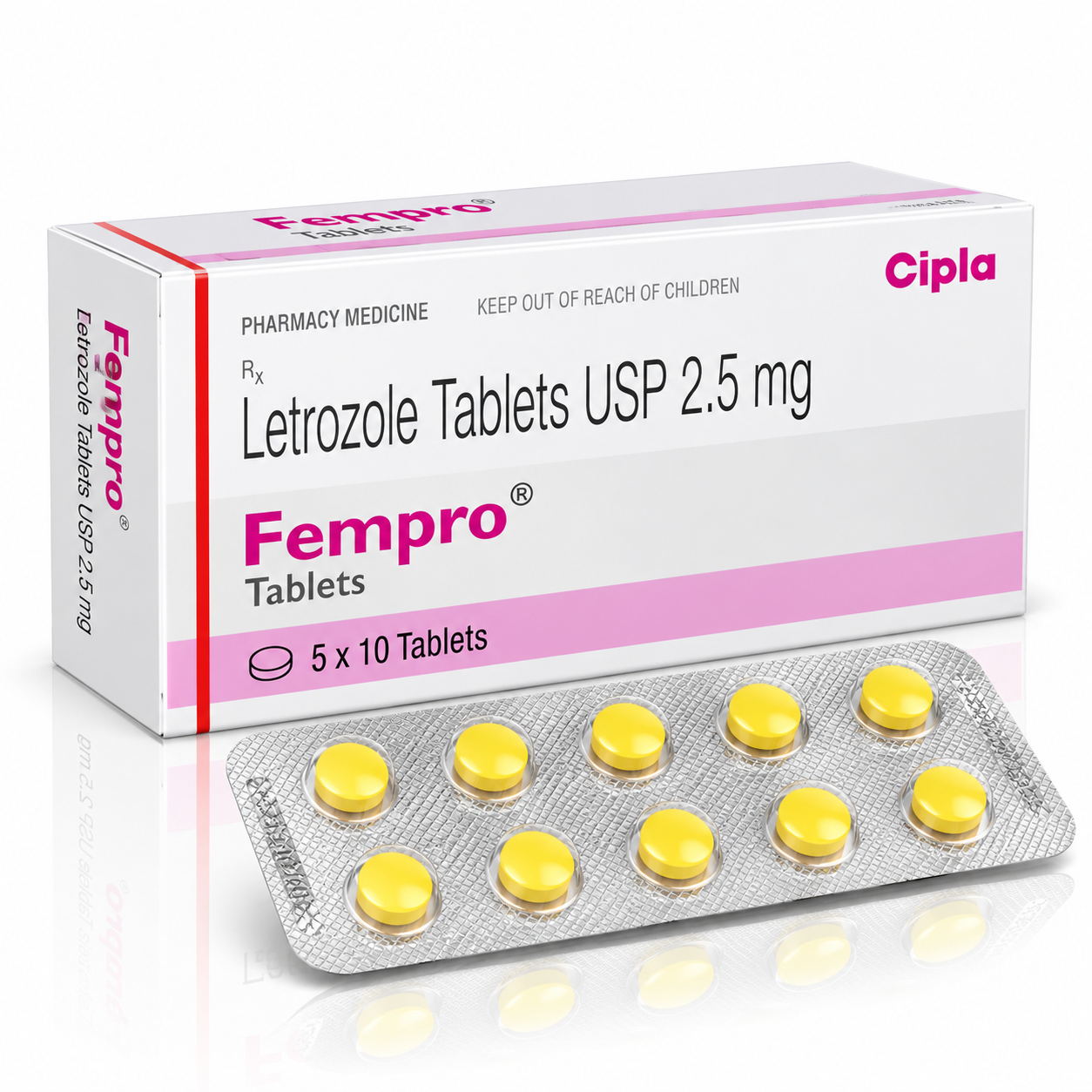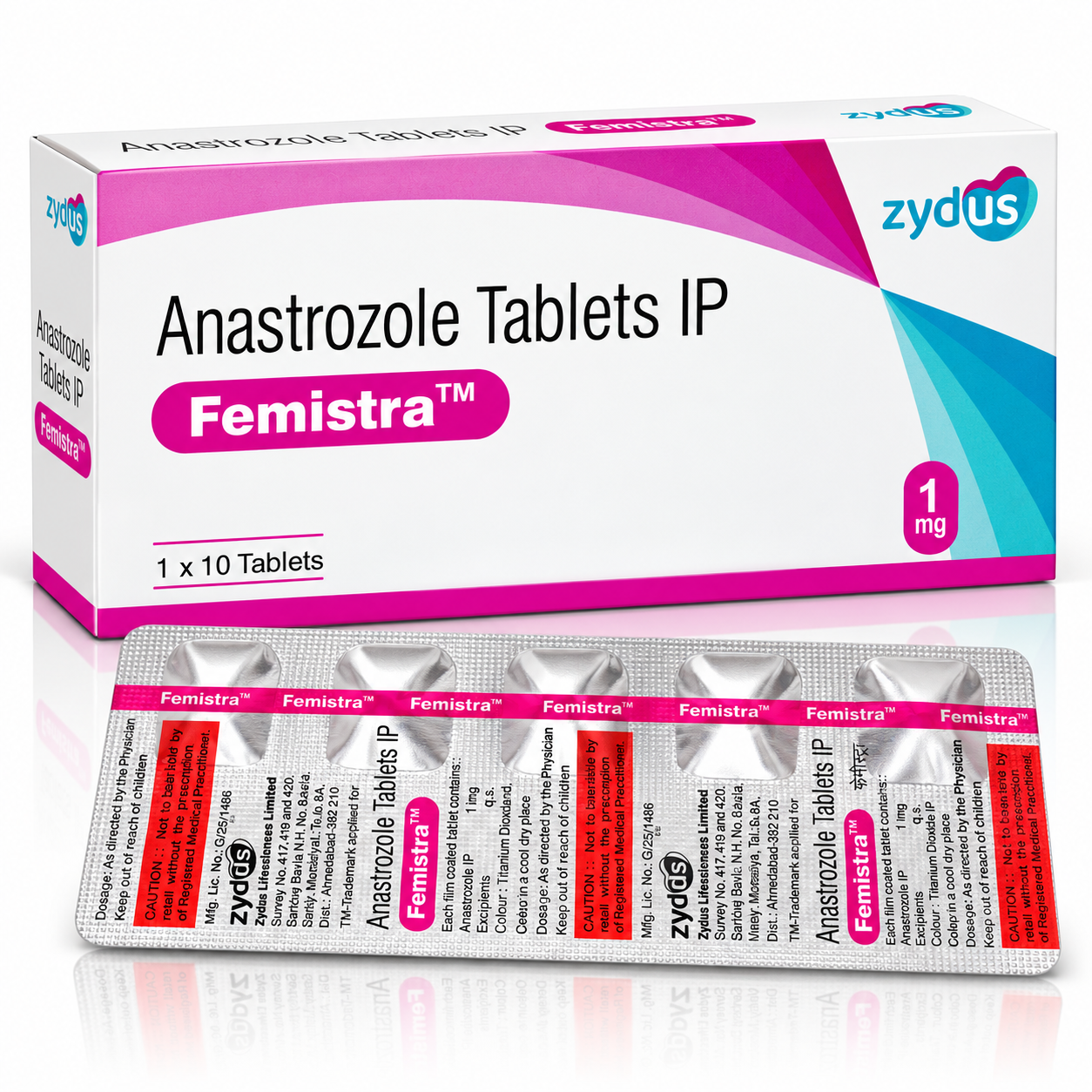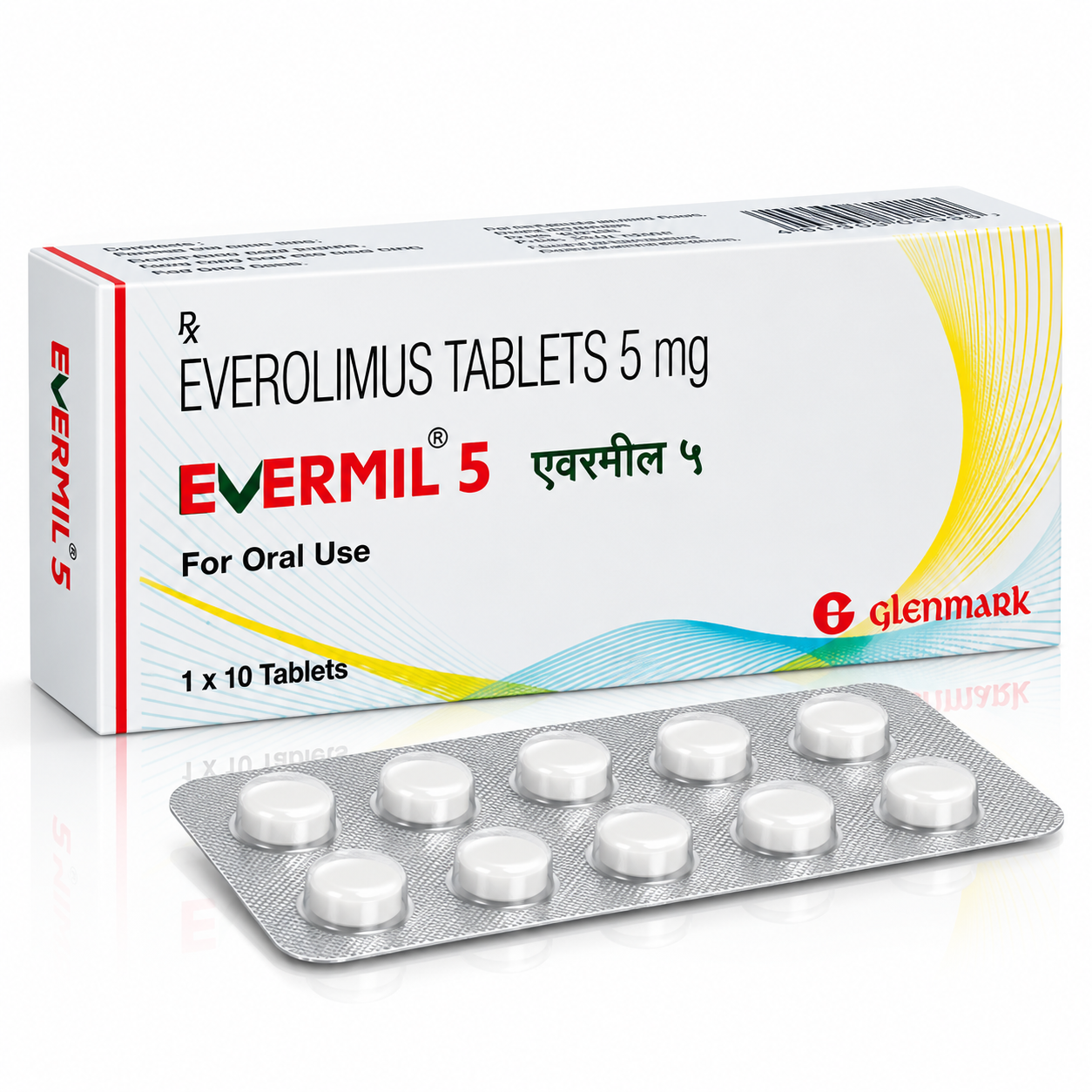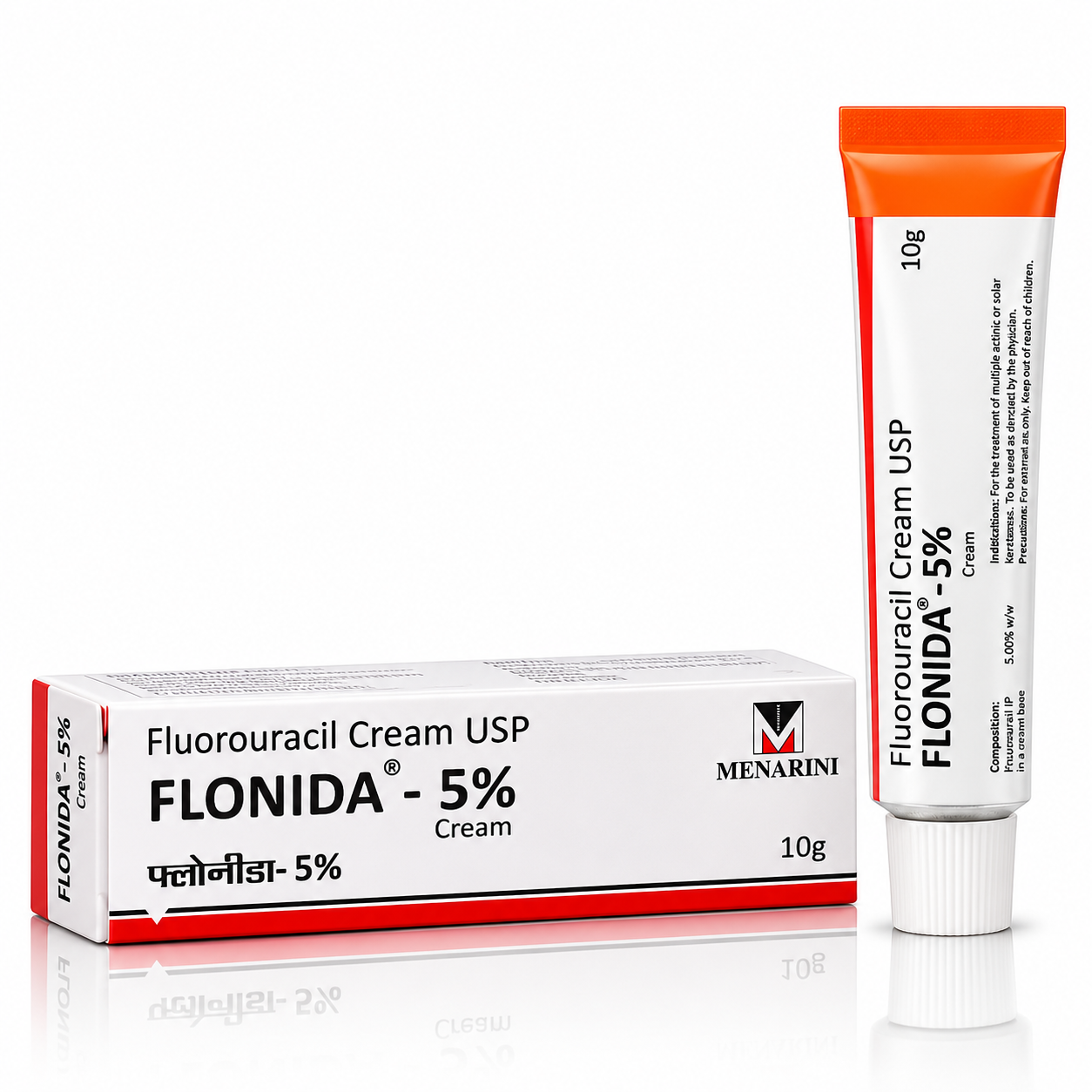
Flonida 5% Cream (10 GM)
$17.00 / unit
Available Options
| Pack Size | Price | Price / Unit | Quantity | Action |
|---|---|---|---|---|
| 10 Cream | $125.00 | $12.50/unit | ||
| 8 Cream | $100.00 | $12.50/unit | ||
| 6 Cream | $76.00 | $12.67/unit | ||
| 4 Cream | $53.00 | $13.25/unit | ||
| 2 Cream | $30.00 | $15.00/unit | ||
| 1 Cream | $17.00 | $17.00/unit |
Product Description
FLONIDA 5% CREAM 10 GM
Brand Name: Flonida 5% Cream
Generic Name: Fluorouracil
Strength: 5% w/w
Dosage Form: Topical Cream
Therapeutic Class: Topical Antineoplastic / Antimetabolite / Dermatological Medicine
Manufacturer / Marketer: A. Menarini India Pvt. Ltd.
Pack Size: 1 × 10 g Tube
What is this medicine?
FLONIDA 5% CREAM contains Fluorouracil 5% w/w, a prescription topical medicine used to treat certain precancerous and cancerous skin conditions.
Fluorouracil belongs to a group of medicines called antimetabolites.
It is a topical chemotherapy medicine that interferes with the growth and multiplication of abnormal skin cells.
Flonida is primarily used to treat actinic keratosis, a precancerous skin condition commonly associated with long-term exposure to ultraviolet radiation from sunlight.
Actinic keratoses may appear as:
Rough or scaly patches
Dry, thickened areas of skin
Red or pink patches
Small crusted lesions
Persistent rough spots on sun-exposed skin
Occasionally tender or irritated patches
These lesions commonly develop on the face, scalp, ears, hands and other sun-exposed areas.
Some actinic keratoses may progress to squamous cell carcinoma if left untreated.
Flonida may also be prescribed for selected superficial basal cell carcinomas when the diagnosis has been confirmed and the dermatologist considers topical treatment appropriate.
How Does Flonida Work?
Fluorouracil interferes with DNA synthesis in rapidly dividing cells.
It inhibits essential processes involved in producing new genetic material.
This affects abnormal skin cells that are actively growing and dividing.
As a result, the treated abnormal cells become inflamed, break down and are gradually replaced as the skin heals.
During treatment, patients may notice:
Redness
Burning
Inflammation
Peeling
Crusting
Erosion
Gradual healing
These reactions are part of the expected treatment response, but severe or unexpected reactions require medical assessment.
Common Uses
Flonida 5% Cream may be prescribed for:
Actinic keratosis
Solar keratosis
Multiple precancerous skin lesions
Sun-damaged areas containing actinic keratoses
Selected superficial basal cell carcinomas
Treatment of abnormal superficial skin cells under dermatological supervision
Important Treatment Consideration
Flonida is not suitable for every type of skin lesion.
It should not be used without a diagnosis.
It is not established as an effective treatment for:
Invasive squamous cell carcinoma
Deep or nodular basal cell carcinoma
Melanoma
Unexplained pigmented lesions
Ordinary acne
Fungal infections
Bacterial skin infections
NOTE: Flonida is a topical chemotherapy medicine, not an ordinary cosmetic cream, moisturizer or general treatment for dark spots.
What should I tell my healthcare provider before I take this medicine?
Inform your healthcare provider if you have:
Allergy to fluorouracil
Allergy to any ingredient in the cream
A history of severe reactions to topical chemotherapy
Dihydropyrimidine dehydrogenase (DPD) enzyme deficiency
Previous serious toxicity from fluorouracil or capecitabine
Open wounds or extensive damaged skin
Severe eczema
Active skin infections
Unexplained skin lesions
A history of skin cancer
Poor wound healing
Significant immune suppression
Pregnancy or plans to become pregnant
Breastfeeding
Use of other prescription skin treatments
Recent dermatological procedures
Recent chemical peels
Recent laser treatments
Regular exposure to intense sunlight
Inform your healthcare provider about all prescription medicines, over-the-counter preparations, supplements and topical products you use.
Important Contraindications
Flonida should not be used in patients with:
Known hypersensitivity to fluorouracil
Serious allergy to another ingredient in the cream
Known DPD enzyme deficiency
Pregnancy
It should also not be used by individuals who may become pregnant during treatment without appropriate medical assessment and pregnancy prevention.
Important Pregnancy Warning
Fluorouracil may cause fetal harm.
It is contraindicated during pregnancy.
Pregnant individuals should not use Flonida.
Patients who become pregnant during treatment should stop treatment and contact their healthcare provider promptly.
Important Breastfeeding Warning
It is not known whether sufficient fluorouracil passes into breast milk after topical application to cause harm.
Because of the medicine's potential toxicity, breastfeeding patients should discuss treatment alternatives or feeding arrangements with their healthcare provider before use.
Important DPD Deficiency Warning
DPD is an enzyme involved in breaking down fluorouracil.
People with DPD deficiency may be at increased risk of severe fluorouracil toxicity.
Although systemic absorption from topical treatment is usually limited, serious systemic toxicity has been reported.
Symptoms can include:
Severe abdominal pain
Persistent vomiting
Bloody diarrhoea
Mouth ulcers
Fever
Chills
Severe weakness
Unusual bleeding or bruising
Important: Stop using Flonida and seek urgent medical attention if serious systemic symptoms develop.
How should I use this medicine?
Use Flonida 5% Cream exactly as prescribed by your dermatologist.
Wash your hands before application.
Clean and gently dry the affected skin.
Apply a thin layer to the prescribed treatment area.
Use only the amount recommended by your doctor.
Follow the prescribed application frequency.
Avoid applying to healthy skin outside the treatment area.
Avoid contact with the eyes.
Avoid applying inside the nose.
Avoid applying inside the mouth.
Do not apply to mucous membranes.
Do not use on the eyelids unless specifically directed by a specialist.
Wash your hands thoroughly after application.
Avoid covering the treated area with an airtight dressing unless instructed.
Limit sun exposure during treatment.
Attend scheduled dermatology reviews.
Do not continue treatment longer than prescribed.
Usual Adult Dosage
Flonida Strength: Fluorouracil 5% w/w.
Route: Topical application to the skin.
Actinic Keratosis: Reference prescribing information for fluorouracil 5% cream commonly recommends application twice daily to the affected lesions.
Typical Treatment Duration for Actinic Keratosis: Approximately two to four weeks, depending on the response and dermatologist's instructions.
Superficial Basal Cell Carcinoma: Reference prescribing information recommends fluorouracil 5% cream twice daily in selected cases where conventional treatment is impractical.
Typical Treatment Duration for Superficial Basal Cell Carcinoma: At least three to six weeks; some cases may require longer treatment, up to approximately 10–12 weeks, under medical supervision.
Treatment Area: Only the lesion or skin field specified by the dermatologist.
Application Quantity: A thin amount sufficient to cover the prescribed area.
Children: Use only if specifically directed by a pediatric specialist.
Older Adults: Treatment should be individualized according to the skin condition and response.
Pregnancy: Contraindicated.
Breastfeeding: Requires specialist assessment.
Overapplication: May increase inflammation and systemic absorption.
Important Dosage Considerations
The treatment regimen depends on:
Skin condition
Lesion size
Lesion location
Number of lesions
Skin sensitivity
Previous treatments
Response to fluorouracil
Severity of inflammation
NOTE: The reference treatment durations are not instructions to continue treatment automatically.
Your dermatologist may recommend a different schedule or stopping point based on the condition being treated.
Important Application Precaution
Do not apply Flonida to a large skin area unless specifically directed.
Application over extensive, severely inflamed or ulcerated skin may increase systemic absorption.
What if I miss a dose?
If you miss an application:
Apply it when remembered unless it is nearly time for the next scheduled application.
If the next application is approaching, skip the missed application.
Continue with the prescribed schedule.
Do not apply a double amount.
Do not increase the frequency to compensate.
Important: Applying more cream will not necessarily improve results and may cause more severe irritation.
What may interact with this medicine?
Topical fluorouracil has limited systemic absorption when used as directed, but interactions and additive skin irritation are possible.
Potential treatment considerations include:
Capecitabine
Systemic fluorouracil
Other fluoropyrimidine medicines
Brivudine
Sorivudine
Other topical chemotherapy medicines
Tretinoin
Adapalene
Benzoyl peroxide
Salicylic acid
Strong exfoliating products
Chemical peels
Other irritating topical treatments
Important Drug Interaction Considerations
Capecitabine and Systemic Fluorouracil: These medicines share related metabolic pathways and toxicities. Combined or recent exposure should be reviewed by the treating healthcare professional.
Brivudine and Sorivudine: These antiviral medicines can interfere with fluoropyrimidine metabolism, potentially causing severe toxicity. Tell your prescriber about any recent exposure.
Tretinoin and Adapalene: These topical retinoids may increase irritation when used on the same treatment area.
Benzoyl Peroxide: May increase redness, dryness and discomfort when used alongside fluorouracil.
Salicylic Acid: Exfoliating products may increase irritation or affect the skin barrier.
Chemical Peels: May significantly increase skin sensitivity and irritation.
Other Topical Medicines: The dermatologist should decide whether other creams or treatments can be used on the same area.
Important Skin Care Consideration
Avoid introducing new active skincare products during treatment without medical advice.
Products containing strong acids, exfoliants or other irritating ingredients may worsen inflammation.
Important: Tell your dermatologist about all skin products you use, including cosmetic treatments.
What should I watch for while using this medicine?
Seek prompt medical attention if you develop:
Severe allergic reactions
Significant swelling of the face
Difficulty breathing
Severe blistering beyond the treatment area
Extensive skin ulceration
Severe uncontrolled pain
Fever
Signs of skin infection
Severe vomiting
Bloody diarrhoea
Mouth ulcers
Unexplained bruising
Severe weakness
While using Flonida:
Monitor the treated area daily.
Avoid unnecessary sun exposure.
Follow the recommended treatment schedule.
Keep the cream away from the eyes and mouth.
Avoid excessive application.
Do not apply to unidentified skin lesions.
Attend follow-up dermatology appointments.
Report unusually severe inflammation.
Inform your doctor if the lesion fails to heal.
Keep the medicine away from children and pets.
Important Monitoring
Dermatological Examination: Helps assess the response of the treated lesions.
Skin Reaction Monitoring: Helps determine whether inflammation is expected or excessive.
Lesion Healing Assessment: Important after completing treatment.
Biopsy: May be necessary for persistent, suspicious or nonresponding lesions.
Systemic Toxicity Assessment: Required if unusual gastrointestinal, neurological or blood-related symptoms develop.
Routine blood tests are not generally required for every patient undergoing a small-area topical treatment, but additional evaluation may be necessary if toxicity is suspected.
Important Sun Exposure Warning
Fluorouracil-treated skin is more sensitive to sunlight.
Ultraviolet exposure can worsen the treatment reaction.
During treatment:
Minimize direct sun exposure.
Wear protective clothing.
Use a wide-brimmed hat when appropriate.
Discuss suitable sunscreen with your dermatologist.
Avoid tanning beds.
Important Eye Contact Warning
Do not apply Flonida inside or directly around the eyes.
Accidental eye exposure may cause severe irritation.
If cream enters the eye, rinse with plenty of water and seek prompt medical advice.
Important Pet Safety Warning
Fluorouracil cream can be fatal to pets, especially dogs and cats, if ingested.
Pets may be exposed by licking treated skin, chewing the tube or contacting contaminated clothing or bedding.
Keep the tube securely stored away from animals.
Prevent pets from licking treated skin.
Clean contaminated surfaces.
Dispose of used applicators safely.
Wash hands after application.
Do not leave the cream where animals can reach it.
If a pet may have ingested fluorouracil or licked treated skin, contact an emergency veterinarian immediately.
What side effects may I notice from this medicine?
Side effects that should be reported immediately:
Severe allergic reactions
Extensive blistering or ulceration
Severe pain
Significant swelling
Signs of secondary infection
Severe skin reactions outside the prescribed area
Persistent vomiting
Severe abdominal pain
Bloody diarrhoea
Mouth ulcers
Unusual bleeding or bruising
Fever with marked weakness
Other signs of systemic toxicity
Side effects that may occur during treatment:
Skin redness
Burning
Itching
Stinging
Dryness
Peeling
Scaling
Crusting
Local inflammation
Skin tenderness
Increased sensitivity to sunlight
Temporary changes in skin colour
These effects are common because fluorouracil destroys abnormal skin cells and triggers a local inflammatory response.
Important Skin Reaction Stages
The treatment response may involve several stages.
Stage 1: Redness
The affected skin may become red or inflamed.
Stage 2: Inflammation
The treated area may become tender, irritated or swollen.
Stage 3: Crusting and Peeling
Damaged skin cells may peel or form crusts.
Stage 4: Healing
New skin gradually develops after treatment is completed.
The appearance of healing skin may continue improving for several weeks.
Important Skin Healing Consideration
For actinic keratosis, complete healing may not become apparent until one to two months after treatment has ended.
Do not restart treatment simply because the area remains red or discoloured without consulting your dermatologist.
Important Severe Irritation Warning
Some inflammation is expected.
However, intense pain, extensive ulceration, spreading redness, pus or signs of infection require clinical assessment.
Important: Do not assume every severe reaction is a normal sign that the medicine is working.
Where should I keep my medicine?
Store according to the current product packaging.
Keep in a cool, dry place.
Protect from excessive heat.
Protect from direct sunlight.
Keep the tube tightly closed.
Keep out of the reach of children.
Keep securely away from pets.
Do not use after the expiry date.
Do not use if the tube is damaged or leaking.
Avoid contaminating the tube opening.
Do not share the medicine with another person.
Dispose of unused cream and contaminated materials safely.
Important Disposal Precaution
Do not leave unused cream, contaminated tissues, used gloves or applicators where children or pets can access them.
Ask your pharmacist about safe disposal.
Storage Note: Reference fluorouracil 5% cream formulations commonly specify controlled room-temperature storage around 20–25°C. Follow the exact storage temperature printed on the current Flonida carton or tube.
Manufacturer Details
Field | Information |
|---|---|
Brand Name | Flonida 5% Cream |
Generic Name | Fluorouracil |
Strength | 5% w/w |
Dosage Form | Topical Cream |
Therapeutic Class | Topical Antineoplastic / Antimetabolite |
Primary Indication | Actinic Keratosis |
Additional Selected Indication | Superficial Basal Cell Carcinoma |
Mechanism of Action | Inhibition of DNA Synthesis in Abnormal Skin Cells |
Manufacturer / Marketer | A. Menarini India Pvt. Ltd. |
Actual Manufacturing Facility | Verify from Current Product Packaging |
Prescription Status | Prescription Only Medicine |
Route of Administration | Topical / External Use Only |
Storage | Follow Original Product Label |
Pack Size | 1 × 10 g Tube |
Country of Origin | India |