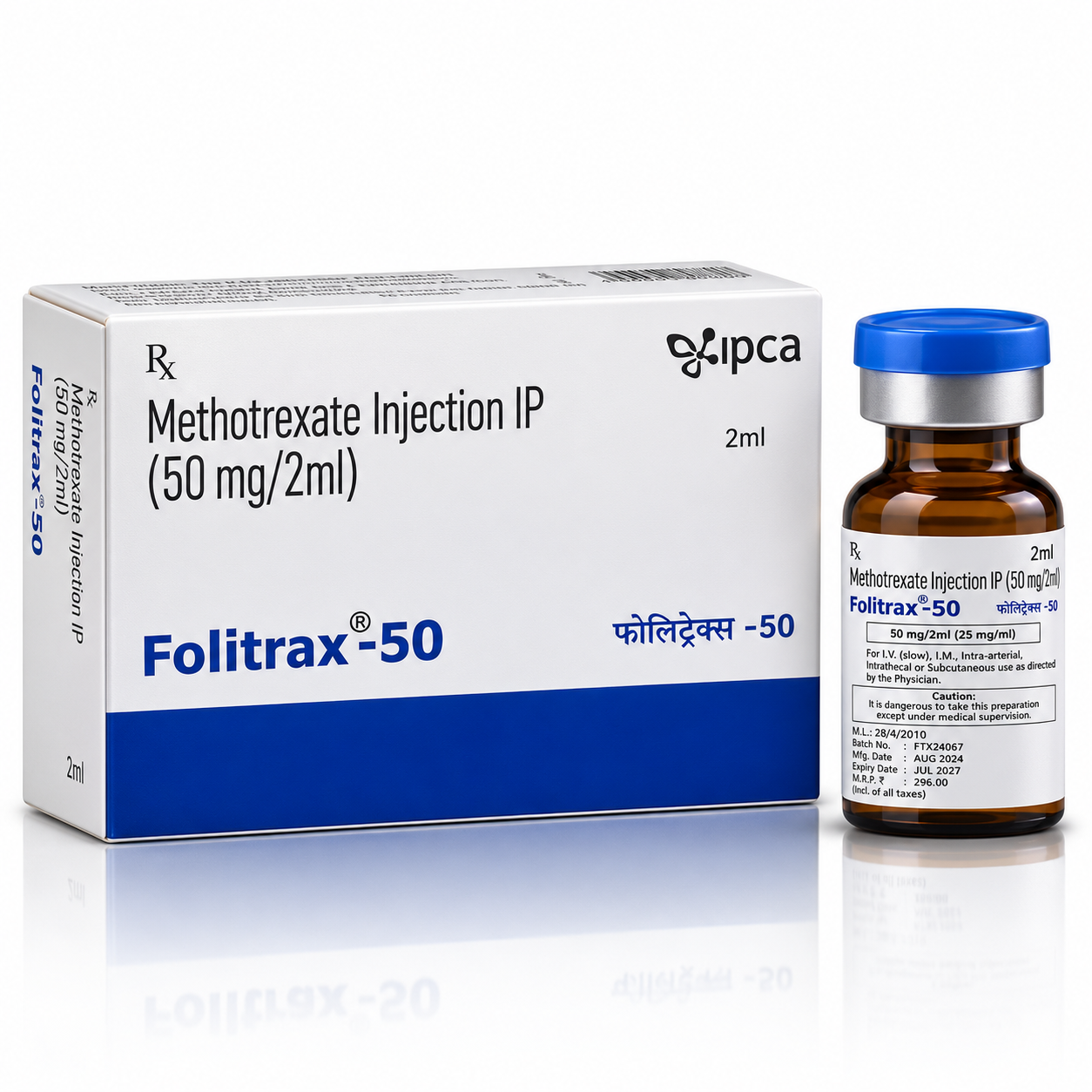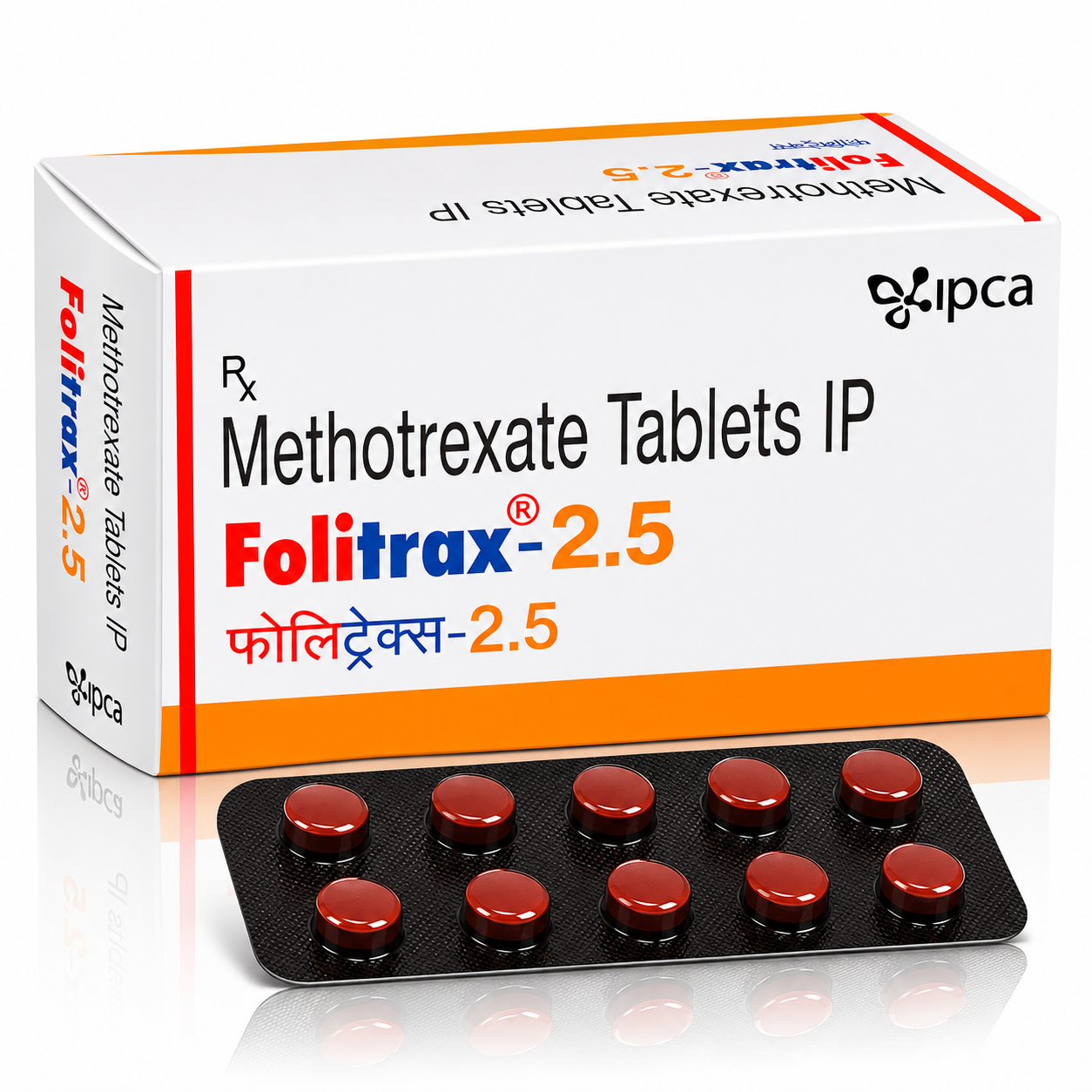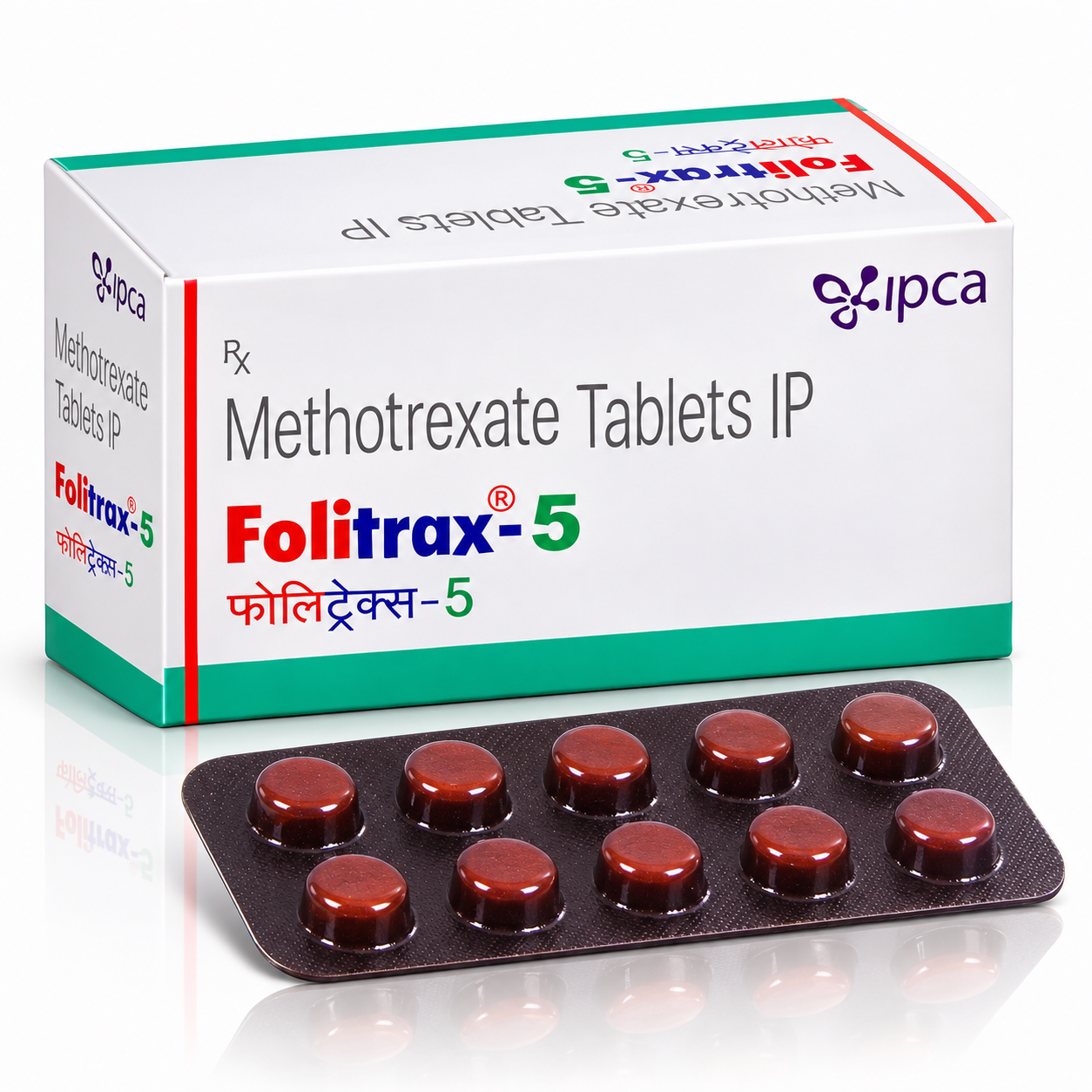
Folitrax 5 MG Tablet
$0.40 / unit
Available Options
| Pack Size | Price | Price / Unit | Quantity | Action |
|---|---|---|---|---|
| 180 Tablets | $56.00 | $0.31/unit | ||
| 150 Tablets | $48.00 | $0.32/unit | ||
| 120 Tablets | $39.00 | $0.33/unit | ||
| 90 Tablets | $31.00 | $0.34/unit | ||
| 60 Tablets | $22.00 | $0.37/unit | ||
| 30 Tablets | $12.00 | $0.40/unit |
Product Description
FOLITRAX 5 MG TABLET
Brand Name: Folitrax 5 MG Tablet
Generic Name: Methotrexate
Strength: 5 mg
Dosage Form: Oral Tablet
Therapeutic Class: Disease-Modifying Antirheumatic Drug (DMARD) / Antimetabolite / Immunosuppressant
Manufacturer / Marketer: Ipca Laboratories Ltd.
Pack Size: 1 × 10 Tablets
What is this medicine?
FOLITRAX 5 MG TABLET contains Methotrexate 5 mg, a prescription medicine used to treat certain autoimmune diseases, inflammatory disorders and selected cancers.
Methotrexate belongs to the class of medicines known as antimetabolites.
At low weekly doses, it functions as a disease-modifying antirheumatic drug (DMARD), helping reduce excessive immune activity and inflammation.
In selected cancer treatment regimens, methotrexate interferes with biochemical processes required for cell growth and DNA synthesis.
Folitrax 5 MG Tablet may be prescribed for:
Rheumatoid arthritis
Severe psoriasis
Selected cases of psoriatic arthritis
Polyarticular juvenile idiopathic arthritis
Certain other inflammatory conditions under specialist supervision
Selected cancers as part of an appropriate oncology treatment regimen
Methotrexate does not provide immediate pain relief. For inflammatory diseases, its effects typically develop over several weeks.
Important: Folitrax 5 MG Tablet is a high-risk prescription medicine requiring careful dosing, regular blood tests and medical supervision.
How Does Folitrax Work?
Methotrexate is a folate antagonist that influences processes involved in cell growth, immune activity and inflammation.
At low doses, its anti-inflammatory effects are partly associated with the increased activity of extracellular adenosine.
These actions may help:
Reduce joint inflammation
Decrease pain and swelling caused by inflammatory arthritis
Reduce morning stiffness
Control abnormal immune activity
Reduce inflammatory skin changes
Slow progression of rheumatoid arthritis
Protect joints from long-term inflammatory damage
Improve physical functioning when disease activity decreases
At higher doses used in oncology, methotrexate inhibits enzymes involved in folate metabolism, including dihydrofolate reductase.
This interferes with DNA synthesis and limits the growth of susceptible cancer cells.
Important: The dose and administration schedule depend on the disease being treated. Rheumatology and oncology regimens must never be interchanged.
Common Uses
Folitrax 5 MG Tablet may be prescribed for:
Active rheumatoid arthritis
Severe or treatment-resistant psoriasis
Selected patients with psoriatic arthritis
Polyarticular juvenile idiopathic arthritis
Other specialist-managed inflammatory disorders
Certain cancers when oral methotrexate is an appropriate component of treatment
Its use depends on the diagnosis, disease severity, previous treatment response and patient-specific safety considerations.
Rheumatoid Arthritis
Rheumatoid arthritis is a chronic autoimmune condition in which the immune system attacks tissues surrounding the joints.
Common symptoms include:
Joint pain
Swelling
Morning stiffness
Reduced movement
Fatigue
Warmth around affected joints
Progressive joint damage
Methotrexate is widely used as a conventional synthetic DMARD for rheumatoid arthritis.
It may help:
Reduce inflammatory activity
Improve joint swelling
Reduce joint tenderness
Improve mobility
Lower the risk of progressive joint damage
Important: Methotrexate helps control rheumatoid arthritis but does not cure the condition.
Psoriasis
Psoriasis is a chronic immune-mediated skin condition characterized by excessive inflammatory activity.
Symptoms may include:
Thickened skin plaques
Red or inflamed patches
Scaling
Itching
Dry skin
Cracking
Nail changes
Methotrexate may be prescribed for severe psoriasis when systemic treatment is required.
It helps control immune-mediated inflammation and excessive skin-cell activity.
Important: Regular liver, kidney and blood count monitoring is necessary during systemic methotrexate treatment.
Psoriatic Arthritis
Psoriatic arthritis is an inflammatory condition affecting joints and sometimes tendons in people with psoriasis.
Possible symptoms include:
Joint swelling
Joint pain
Morning stiffness
Swollen fingers or toes
Reduced flexibility
Nail abnormalities
Methotrexate may be used for selected patients, particularly those with peripheral joint inflammation.
Treatment should be individualized by a rheumatologist.
Juvenile Idiopathic Arthritis
Methotrexate may be prescribed for selected children with polyarticular juvenile idiopathic arthritis.
The medicine can help reduce inflammation and improve disease control.
Pediatric treatment requires:
Specialist supervision
Individualized dosing
Regular blood tests
Liver and kidney monitoring
Careful assessment of treatment response
Important: Children must not be given an adult methotrexate regimen without specialist instructions.
Cancer Treatment
Methotrexate is used in certain chemotherapy protocols.
Approved indications and regimens vary by country and product, and may include selected cases of:
Acute lymphoblastic leukemia
Certain non-Hodgkin lymphomas
Mycosis fungoides
Other malignancies where methotrexate is clinically appropriate
Cancer treatment may involve different doses, administration methods or combinations with other medicines.
Important: Oral Folitrax 5 mg should not be used for cancer without a specialist-prescribed oncology regimen.
Important Treatment Consideration
For inflammatory conditions, Folitrax may be used alongside:
Folic acid supplementation
Other disease-modifying medicines
Physical therapy
Joint protection measures
Skin care for psoriasis
Appropriate pain management
Regular laboratory monitoring
Specialist follow-up
NOTE: Methotrexate treatment should not be started, adjusted or stopped without appropriate medical guidance.
What should I tell my healthcare provider before I take this medicine?
Inform your healthcare provider if you have:
Allergy to methotrexate
Previous severe reactions to antimetabolite medicines
Liver disease
Kidney disease
Hepatitis B or hepatitis C
Significant alcohol consumption
History of fatty liver disease
Severe anemia
Low white blood cell count
Low platelet count
Bone marrow disorders
Active infections
Recurrent infections
Tuberculosis
HIV or another immunodeficiency condition
Lung disease
Persistent cough
Shortness of breath
Stomach ulcers
Mouth ulcers
Severe diarrhea
Dehydration
Nutritional deficiencies
Pregnancy or plans to become pregnant
Breastfeeding
Plans to father a child
Recent or planned vaccinations
Use of trimethoprim
Use of co-trimoxazole
Use of nonsteroidal anti-inflammatory drugs (NSAIDs)
Use of other immunosuppressants
Use of medicines affecting liver or kidney function
Tell your healthcare provider about all prescription medicines, over-the-counter medicines, supplements and herbal products you currently use.
Important Contraindications
Folitrax must not be used for non-cancer inflammatory conditions during pregnancy.
Other important contraindications and restrictions include:
Serious hypersensitivity to methotrexate
Certain severe blood disorders
Significant bone marrow suppression
Severe immunodeficiency
Serious active infections
Certain severe liver conditions
Severe kidney impairment may also make methotrexate unsuitable.
The full list of contraindications depends on the approved prescribing information, treatment indication and individual medical circumstances.
Important Pregnancy Warning
Methotrexate can cause serious harm to an unborn baby.
Possible consequences include:
Miscarriage
Severe congenital abnormalities
Fetal death
Impaired fetal development
Methotrexate is contraindicated during pregnancy for non-cancer inflammatory conditions.
Pregnancy testing may be required before treatment.
The 2026 U.S. methotrexate tablet labeling recommends effective contraception during treatment and for at least six months after the last dose for females who can become pregnant, and for at least three months for males with partners who can become pregnant. Follow local prescribing guidance where it differs.
Important: Patients planning pregnancy or experiencing possible pregnancy exposure should contact their specialist immediately.
Important Liver Warning
Methotrexate can cause liver injury.
Potential complications include:
Elevated liver enzymes
Hepatitis
Liver fibrosis
Cirrhosis
Severe hepatic dysfunction
Risk factors may include:
Existing liver disease
Regular alcohol consumption
Obesity
Diabetes
Fatty liver disease
Prolonged methotrexate exposure
Use of other liver-toxic medicines
Important: Alcohol should be avoided or restricted according to the treating specialist's instructions. Scheduled liver-function testing is essential.
Important Kidney Warning
Methotrexate is primarily eliminated through the kidneys.
Reduced kidney function may increase methotrexate concentrations and toxicity.
Patients with kidney disease may require:
Dose adjustments
Increased monitoring
Temporary withholding of treatment
Alternative therapies
Severe dehydration can also increase toxicity risk.
Important Bone Marrow Suppression Warning
Methotrexate may interfere with normal blood cell production.
This can cause:
Anemia
Leukopenia
Neutropenia
Thrombocytopenia
Pancytopenia
Warning symptoms include:
Persistent fever
Sore throat
Frequent infections
Unusual bruising
Bleeding gums
Severe fatigue
Mouth ulcers
Important: Severe bone marrow suppression can be life-threatening and requires urgent medical evaluation.
Important Lung Warning
Methotrexate may cause inflammatory lung injury, including pneumonitis.
Warning symptoms include:
New dry cough
Shortness of breath
Fever
Chest discomfort
Reduced exercise tolerance
These symptoms require prompt medical assessment.
How should I use this medicine?
Take Folitrax 5 MG Tablet exactly as prescribed by your healthcare provider.
Confirm the prescribed dose and administration day.
For inflammatory conditions, take methotrexate only on the designated weekly schedule.
Swallow the tablet with water.
Take the prescribed number of tablets.
Do not take extra tablets for pain or inflammation.
Do not increase the dose independently.
Follow instructions regarding food.
Take folic acid if prescribed.
Avoid medicines that may interact without professional approval.
Attend recommended laboratory tests.
Report unusual symptoms promptly.
Do not share methotrexate with another person.
Critical Weekly Dosing Instruction
For rheumatoid arthritis, psoriasis and most other non-cancer inflammatory conditions:
Methotrexate must be taken ONCE WEEKLY, NOT DAILY.
Folitrax contains 5 mg of methotrexate per tablet.
A weekly prescribed dose may require one or more tablets.
For example, a prescribed dose of 10 mg once weekly equals two Folitrax 5 mg tablets taken according to the clinician's instructions.
This example explains tablet strength and is not a patient-specific dose recommendation.
Important: Accidental daily administration instead of weekly administration can cause fatal toxicity.
Usual Adult Dosage
Folitrax Strength: Each tablet contains Methotrexate 5 mg.
Administration: Oral.
Usual Frequency for Inflammatory Conditions: Once weekly.
Rheumatoid Arthritis in Adults
A commonly used reference starting regimen is:
Methotrexate 7.5 mg once weekly.
The dose may be increased gradually according to clinical response and tolerability.
Some patients receive weekly doses in the range of 10–25 mg.
The appropriate dose depends on:
Disease activity
Previous treatment response
Blood count results
Liver function
Kidney function
Other medical conditions
Concurrent medicines
Important: Folitrax 5 mg tablets cannot provide every prescribed dose using whole tablets. The prescriber may need to select another strength or formulation.
Psoriasis in Adults
Low-dose methotrexate may be prescribed for severe psoriasis.
Reference oral regimens commonly use weekly doses within a range determined by the prescribing specialist.
The dose is adjusted according to:
Severity of psoriasis
Skin response
Adverse effects
Liver and kidney function
Blood count monitoring
Important: Methotrexate must not be taken daily for psoriasis.
Psoriatic Arthritis
For selected patients with psoriatic arthritis, methotrexate may be given once weekly.
The starting dose and any increases must be determined by the treating rheumatologist.
Juvenile Idiopathic Arthritis
Pediatric methotrexate dosing is generally determined using body surface area or other specialist-directed criteria.
Treatment is typically given once weekly for inflammatory arthritis.
Children require a suitable strength or formulation to ensure accurate dosing.
Cancer Treatment Dosage
Methotrexate dosing in oncology differs from inflammatory-disease treatment.
Cancer protocols may involve:
Different oral schedules
Intravenous therapy
Combination chemotherapy
Intensive laboratory monitoring
Folinic acid rescue in selected protocols
Important: Oncology methotrexate doses must be prescribed and managed by an appropriate specialist.
Folic Acid Supplementation
Folic acid is commonly prescribed with low-dose methotrexate to reduce certain adverse effects.
Potential benefits include reducing:
Mouth ulcers
Nausea
Gastrointestinal discomfort
Folate-related adverse effects
Certain liver enzyme abnormalities
A commonly used regimen is:
Folic Acid 5 mg once weekly on a different day from methotrexate.
Other regimens, including lower daily doses on selected days, may also be used.
The prescriber should determine the exact schedule.
Important: Do not independently substitute folic acid for folinic acid (leucovorin), which is used in certain toxicity and oncology protocols.
Special Patient Populations
Older Adults: May require closer monitoring because kidney function and drug tolerance may change with age.
Kidney Disease: Methotrexate may accumulate, increasing the risk of toxicity. Dosage adjustments or avoidance may be necessary.
Liver Disease: Significant liver impairment may make treatment inappropriate.
Active Infection: Methotrexate may need to be withheld depending on infection severity.
Pregnancy: Contraindicated for non-cancer inflammatory conditions.
Breastfeeding: Not recommended during methotrexate therapy.
Children: Specialist-directed pediatric dosing is required.
Overdosage: Requires emergency medical care, even when symptoms have not yet appeared.
How Long Does Folitrax Take to Work?
Methotrexate works gradually when used for inflammatory conditions.
For rheumatoid arthritis, patients may notice initial improvement after approximately 3–6 weeks.
A fuller response may require 8–12 weeks or longer.
For psoriasis, improvement may also develop over several weeks.
Response depends on:
Disease severity
Prescribed weekly dose
Individual response
Treatment adherence
Concurrent therapy
Other medical conditions
Important: Do not increase the dose simply because symptoms have not improved immediately.
Important Treatment Duration
Methotrexate may be prescribed for long-term disease control.
Treatment duration depends on:
Disease activity
Clinical response
Laboratory monitoring
Adverse effects
Overall medical condition
Specialist recommendations
Long-term treatment requires periodic reassessment.
What if I miss a dose?
If you miss your scheduled weekly Folitrax dose:
Check the instructions from your prescriber.
Contact your healthcare professional if uncertain.
Do not double the next dose.
Do not take extra tablets to compensate.
Do not change your weekly dosing day without guidance.
Some low-dose weekly regimens allow a missed dose to be taken within a short specified period, but this must be confirmed against the patient's actual prescription.
Important: If you accidentally take Folitrax on consecutive days or take more than the prescribed amount, seek emergency medical advice immediately, even if you feel well.
What may interact with this medicine?
Methotrexate may interact with medicines that affect kidney function, folate metabolism, immune activity or drug elimination.
Certain combinations can increase the risk of severe toxicity.
Potential interactions include:
Trimethoprim
Co-trimoxazole (trimethoprim/sulfamethoxazole)
Nonsteroidal anti-inflammatory drugs (NSAIDs)
Aspirin and other salicylates
Penicillin antibiotics
Proton pump inhibitors
Probenecid
Leflunomide
Other immunosuppressant medicines
Certain antiseizure medicines
Other bone marrow-suppressing medicines
Medicines affecting kidney function
Medicines affecting liver function
Alcohol
Live vaccines
Important Drug Interaction Considerations
Trimethoprim: May increase the risk of severe bone marrow suppression and other methotrexate-related toxicity.
Co-trimoxazole: May cause serious or life-threatening toxicity when combined with methotrexate. This combination is generally avoided unless specifically managed by a specialist.
NSAIDs: Ibuprofen, naproxen and diclofenac may increase methotrexate exposure, particularly in patients with kidney impairment.
Aspirin: May affect methotrexate clearance. Prescribed low-dose aspirin should not be stopped without medical advice.
Penicillin Antibiotics: Certain penicillins may reduce renal elimination of methotrexate.
Proton Pump Inhibitors: Omeprazole and related medicines may delay methotrexate elimination in certain circumstances, particularly during high-dose treatment.
Probenecid: May reduce methotrexate clearance and increase toxicity.
Leflunomide: May increase the risk of liver injury and bone marrow suppression.
Other Immunosuppressants: May increase susceptibility to infections.
Alcohol: May increase the risk of liver-related complications.
Live Vaccines: Live vaccination is generally avoided during significant methotrexate-related immunosuppression.
These interactions are described in methotrexate prescribing information, although their significance depends on dose, kidney function and treatment circumstances.
FDA Access Data
Important Trimethoprim and Co-trimoxazole Interaction
These antibiotics interfere with folate-related biochemical processes.
Combining them with methotrexate can increase the risk of:
Severe neutropenia
Pancytopenia
Mouth ulcers
Serious infections
Bone marrow suppression
Kidney-related complications
Important: Always inform the prescribing clinician about methotrexate treatment before receiving antibiotics.
Important NSAID Interaction
NSAIDs are commonly used to reduce pain and inflammation.
Examples include:
Ibuprofen
Naproxen
Diclofenac
Aspirin
Some patients with rheumatoid arthritis receive NSAIDs alongside low-dose methotrexate under medical supervision.
However, the combination can increase toxicity risk in certain circumstances.
Factors influencing this risk include:
Methotrexate dose
Kidney function
Hydration
Patient age
Other prescribed medicines
Duration of treatment
Important: Do not independently start over-the-counter NSAIDs while taking Folitrax without checking with a healthcare professional.
Important Folic Acid Supplementation
Folic acid is frequently prescribed with low-dose methotrexate to reduce certain side effects.
It may help reduce:
Mouth ulcers
Nausea
Gastrointestinal discomfort
Some liver enzyme abnormalities
The correct folic acid schedule should be determined by the treating clinician.
Important: Folic acid is not a substitute for folinic acid (leucovorin) used in certain methotrexate toxicity and oncology treatment protocols.
Important Vaccination Precaution
Methotrexate can affect the immune system's response to vaccination.
Patients should discuss recommended vaccines with their healthcare provider.
Vaccination considerations may include:
Influenza
Pneumococcal infection
Hepatitis B
COVID-19
Other routine immunizations
Live vaccines generally require special consideration or avoidance during methotrexate therapy.
What should I watch for while using this medicine?
Contact your healthcare provider promptly if you experience:
Persistent mouth ulcers
Severe fatigue
Fever
Sore throat
Frequent infections
Unusual bruising
Bleeding gums
Persistent nausea
Repeated vomiting
Severe diarrhea
New skin rash
Persistent cough
Shortness of breath
Dark urine
Yellowing of the skin or eyes
Reduced urine output
Significant weakness
Seek emergency medical attention for:
Difficulty breathing
Severe allergic reactions
Uncontrolled bleeding
Severe skin blistering
High fever with marked weakness
Severe dehydration
Confusion
Loss of consciousness
Suspected methotrexate overdose
Accidental daily dosing instead of weekly dosing
Important Monitoring
Complete Blood Count (CBC): Monitors red blood cells, white blood cells and platelets.
Liver Function Tests: Help detect potential methotrexate-related liver injury.
Kidney Function Tests: Assess kidney function and methotrexate elimination.
Serum Creatinine: Helps evaluate renal function.
Albumin Levels: May be monitored because low albumin can affect drug exposure.
Disease Activity: Evaluates improvement in joint inflammation or psoriasis symptoms.
Infection Monitoring: Helps identify infections during immunosuppressive treatment.
Respiratory Assessment: New cough or breathlessness requires medical evaluation.
Pregnancy Testing: May be required before starting treatment in patients who can become pregnant.
Important Blood Test Schedule
Low-dose methotrexate treatment requires regular laboratory monitoring.
During treatment initiation or after dose changes, monitoring may be required approximately every one to two weeks, depending on specialist guidance.
After treatment becomes stable, testing intervals may be extended, commonly to every two to three months.
The actual schedule depends on:
Treatment indication
Methotrexate dose
Kidney function
Liver function
Blood count results
Other medicines
Individual risk factors
Important: Do not continue methotrexate indefinitely without the recommended monitoring.
Important Infection Warning
Methotrexate may suppress immune activity and increase infection susceptibility.
Symptoms may include:
Fever
Chills
Persistent sore throat
Painful urination
Cough
Unusual weakness
Non-healing wounds
Patients with serious infections may require temporary withholding of treatment under medical direction.
Important Liver Monitoring
Long-term methotrexate treatment can cause liver-related complications.
Potential risk factors include:
Chronic liver disease
Regular alcohol consumption
Obesity
Diabetes
Fatty liver disease
Other hepatotoxic medicines
Liver injury may develop without noticeable early symptoms.
Important: Scheduled laboratory testing is essential even when the patient feels well.
Important Lung Toxicity Warning
Methotrexate-associated pneumonitis is an uncommon but potentially serious complication.
Warning symptoms may include:
Persistent dry cough
Fever
Shortness of breath
Chest discomfort
Reduced exercise tolerance
These symptoms require prompt medical assessment.
Important Bone Marrow Suppression Warning
Methotrexate may reduce the production of normal blood cells.
Possible complications include:
Anemia
Leukopenia
Neutropenia
Thrombocytopenia
Pancytopenia
Warning symptoms may include unexplained bruising, bleeding, severe fatigue or recurrent infections.
Important Methotrexate Overdose Warning
Methotrexate overdose is a medical emergency.
It may occur when patients mistakenly take the medicine daily rather than weekly.
Potential complications include:
Severe mouth ulcers
Gastrointestinal bleeding
Bone marrow failure
Serious infections
Kidney injury
Liver injury
Life-threatening systemic toxicity
Important: A suspected overdose requires emergency evaluation immediately, even without symptoms. Treatment may involve folinic acid (leucovorin), specialized laboratory testing and hospital care.
Important Fertility Considerations
Methotrexate may affect reproductive health.
Patients planning pregnancy or fatherhood should discuss:
Appropriate contraception
Timing of treatment discontinuation
Alternative treatment options
Pregnancy planning
Potential reproductive risks
These considerations are especially important because methotrexate can harm a developing fetus.
What side effects may I notice from this medicine?
Methotrexate can cause mild, moderate or serious side effects.
Risk depends on the prescribed dose, treatment duration, kidney function, drug interactions and individual susceptibility.
Side effects that should be reported promptly:
Severe bone marrow suppression
Low white blood cell count
Low platelet count
Pancytopenia
Serious infections
Persistent mouth ulcers
Severe diarrhea
Gastrointestinal bleeding
Liver injury
Hepatitis
Kidney injury
Methotrexate-induced pneumonitis
Severe allergic reactions
Severe skin reactions
Unusual bruising
Unexplained bleeding
Significant breathing difficulties
Severe weakness
High fever
Serious neurological symptoms
Side effects that usually do not require immediate medical attention:
Nausea
Mild vomiting
Reduced appetite
Fatigue
Mild abdominal discomfort
Headache
Dizziness
Mild mouth irritation
Temporary hair thinning
Mild skin rash
Increased sensitivity to sunlight
Not everyone experiences these adverse effects.
Persistent or worsening symptoms should be discussed with a healthcare professional.
Important Gastrointestinal Side Effects
Methotrexate may cause:
Nausea
Vomiting
Stomach discomfort
Loss of appetite
Diarrhea
Mouth irritation
Folic acid supplementation may help reduce some of these adverse effects.
Important: Severe mouth ulcers, persistent vomiting or significant diarrhea may indicate methotrexate toxicity and require urgent medical assessment.
Important Liver-Related Side Effects
Methotrexate may cause:
Elevated liver enzymes
Liver inflammation
Hepatic fibrosis
Cirrhosis
Serious liver injury
Liver complications may occasionally occur without obvious symptoms.
Regular liver-function monitoring is required.
Important Blood-Related Side Effects
Methotrexate can interfere with blood cell production.
Potential complications include:
Anemia
Leukopenia
Neutropenia
Thrombocytopenia
Pancytopenia
Symptoms may include:
Severe fatigue
Frequent infections
Fever
Easy bruising
Nosebleeds
Bleeding gums
Important: These symptoms require prompt medical attention.
Important Lung-Related Side Effects
Methotrexate may cause inflammatory lung complications.
Symptoms may include:
Dry cough
Shortness of breath
Fever
Chest discomfort
Some reactions can occur even at relatively low doses.
Important Skin-Related Side Effects
Methotrexate may cause:
Skin rash
Itching
Photosensitivity
Hair thinning
Skin irritation
Rare severe skin reactions
Severe blistering, skin peeling or extensive rash requires emergency medical evaluation.
Important Kidney-Related Side Effects
Methotrexate may cause kidney-related complications, particularly when exposure is increased.
Patients with existing kidney impairment may be at greater risk.
Dehydration and interacting medicines can further increase methotrexate toxicity.
Important Fatigue and Weakness
Fatigue may occur during methotrexate treatment.
Possible contributing factors include:
Medication-related effects
Underlying inflammatory disease
Anemia
Nutritional deficiencies
Other medical conditions
Persistent or severe fatigue should be assessed by a healthcare professional.
Important Pregnancy and Breastfeeding Considerations
Pregnancy: Methotrexate is contraindicated for rheumatoid arthritis, psoriasis and other non-cancer inflammatory conditions during pregnancy because it can cause severe fetal harm.
Breastfeeding: Breastfeeding is not recommended during methotrexate treatment. Follow the prescribed post-treatment waiting period before resuming.
Fertility: Methotrexate may affect reproductive health. Patients planning pregnancy or fatherhood should discuss contraception and treatment timing with their specialist.
Important: Suspected pregnancy exposure requires immediate medical advice.
FDA Access Data
Where should I keep my medicine?
Store according to the temperature instructions on the product packaging.
Keep in a cool, dry place.
Protect from excessive heat.
Protect from moisture.
Keep tablets in their original blister packaging.
Protect from direct sunlight where indicated.
Keep out of the reach of children.
Keep away from pets.
Store separately from daily medicines to reduce dosing errors.
Do not use after the expiry date.
Do not use tablets from damaged packaging.
Do not transfer tablets into unlabelled containers.
Do not crush or split tablets unless instructed by a healthcare professional.
Avoid unnecessary handling of broken tablets.
Pregnant individuals should avoid handling crushed or broken methotrexate tablets.
Dispose of unused or expired tablets according to pharmacist instructions.
Storage Note: Follow the exact storage instructions printed on the supplied Folitrax 5 MG Tablet carton or strip.
Manufacturer Details
Field | Information |
|---|---|
Brand Name | Folitrax 5 MG Tablet |
Generic Name | Methotrexate |
Strength | 5 mg |
Dosage Form | Oral Tablet |
Therapeutic Class | DMARD / Antimetabolite / Immunosuppressant |
Primary Indication | Rheumatoid Arthritis and Severe Psoriasis |
Additional Uses | Selected Autoimmune Disorders, Psoriatic Arthritis and Certain Cancers Under Specialist Supervision |
Mechanism of Action | Folate Antagonism; Modulation of Immune Activity and Inflammation |
Manufacturer / Marketer | Ipca Laboratories Ltd. |
Marketer Address | Plot No. 125, M.G. Road, Kandivli Industrial Estate, Kandivli (West), Mumbai, Maharashtra, India |
Historical Contract Manufacturer | BDH Industries Ltd., Maharashtra (listed in Ipca's 2019 product information) |
Actual Manufacturing Facility | Verify from Current Product Packaging |
Prescription Status | Prescription Medicine – High-Risk Medication |
Route of Administration | Oral |
Standard Dosing Frequency for Inflammatory Conditions | Once Weekly |
Storage | Follow Current Product Label |
Retail Pack Size | 1 × 10 Tablets |
Additional Listed Pack Size | 1 × 5 Tablets |
Country of Origin | India |