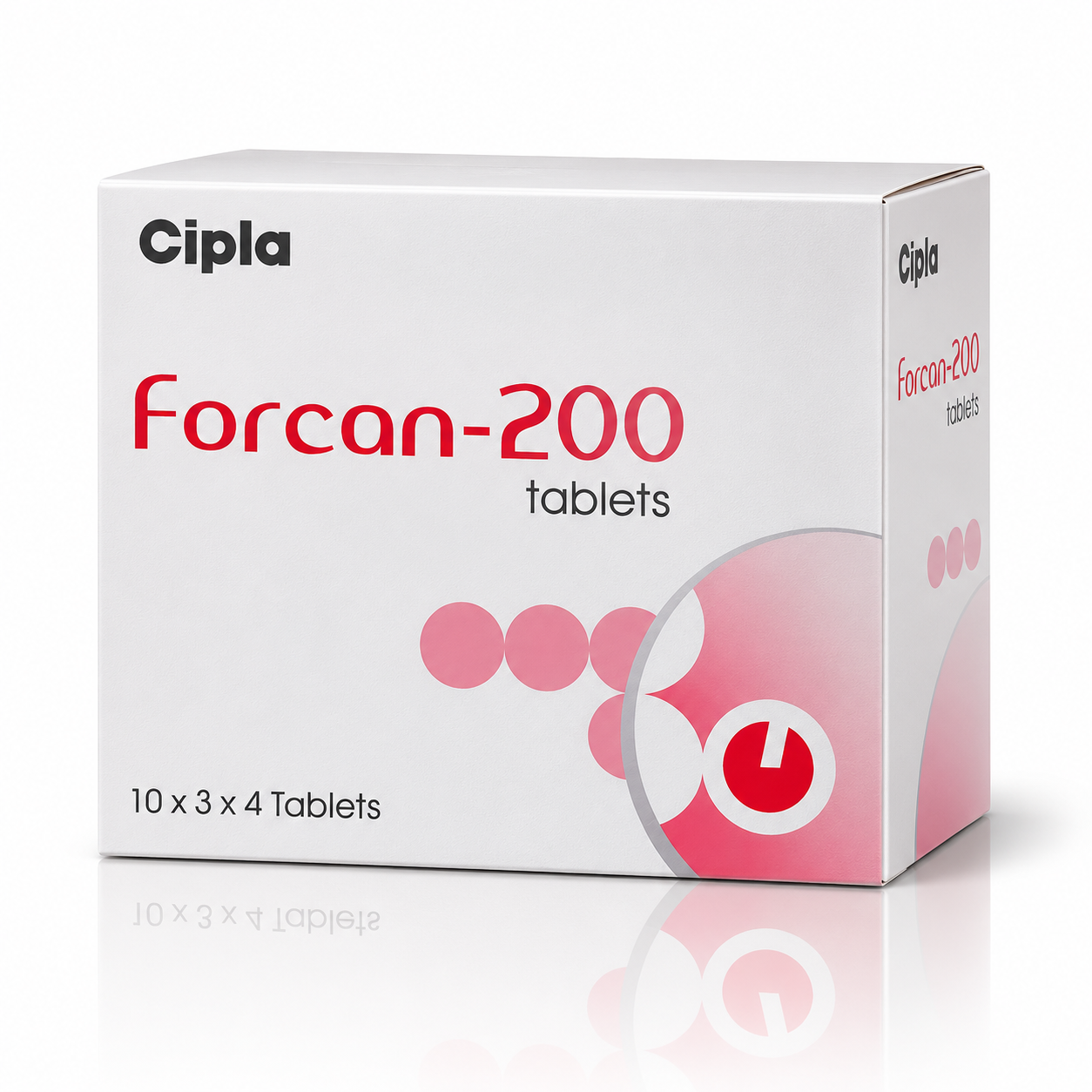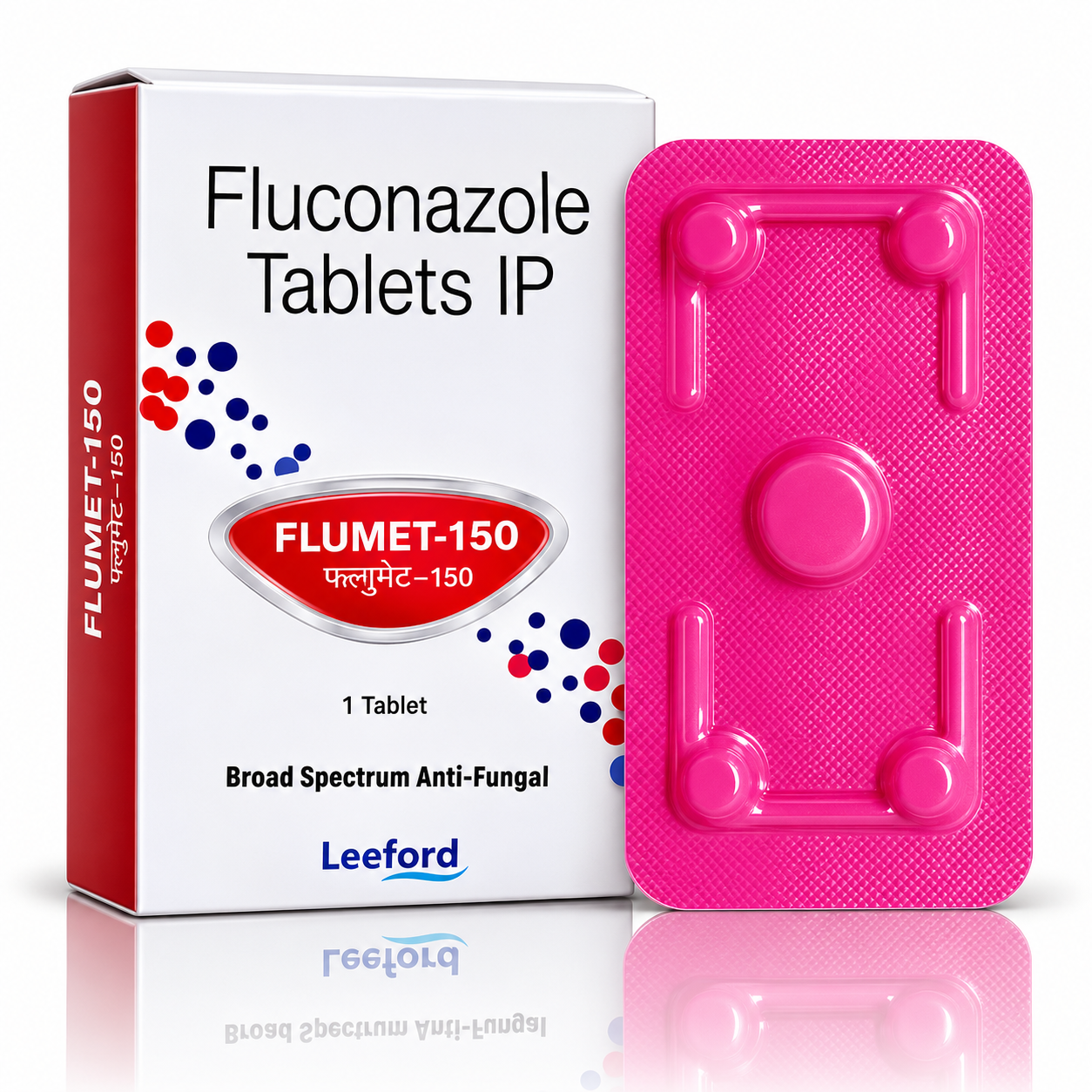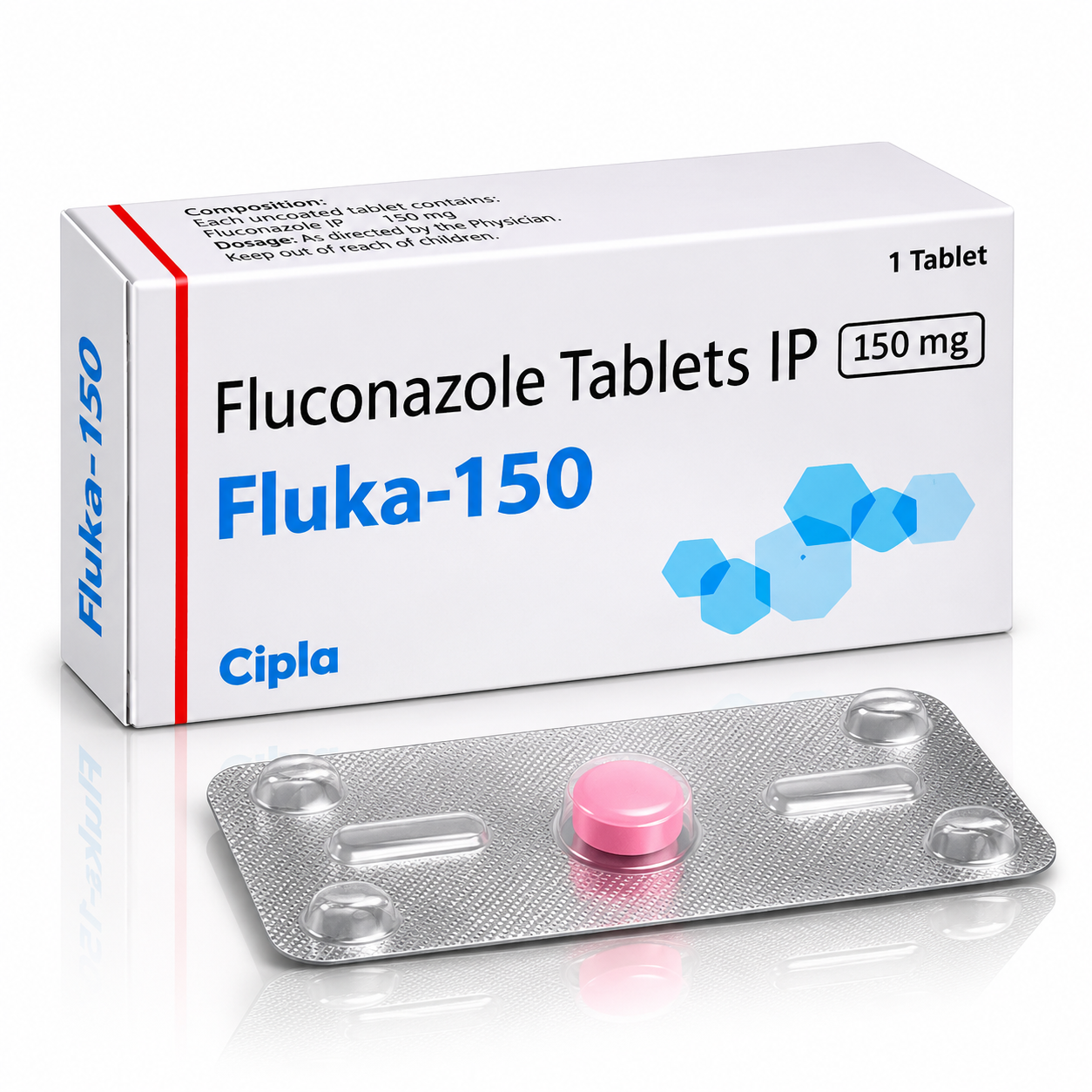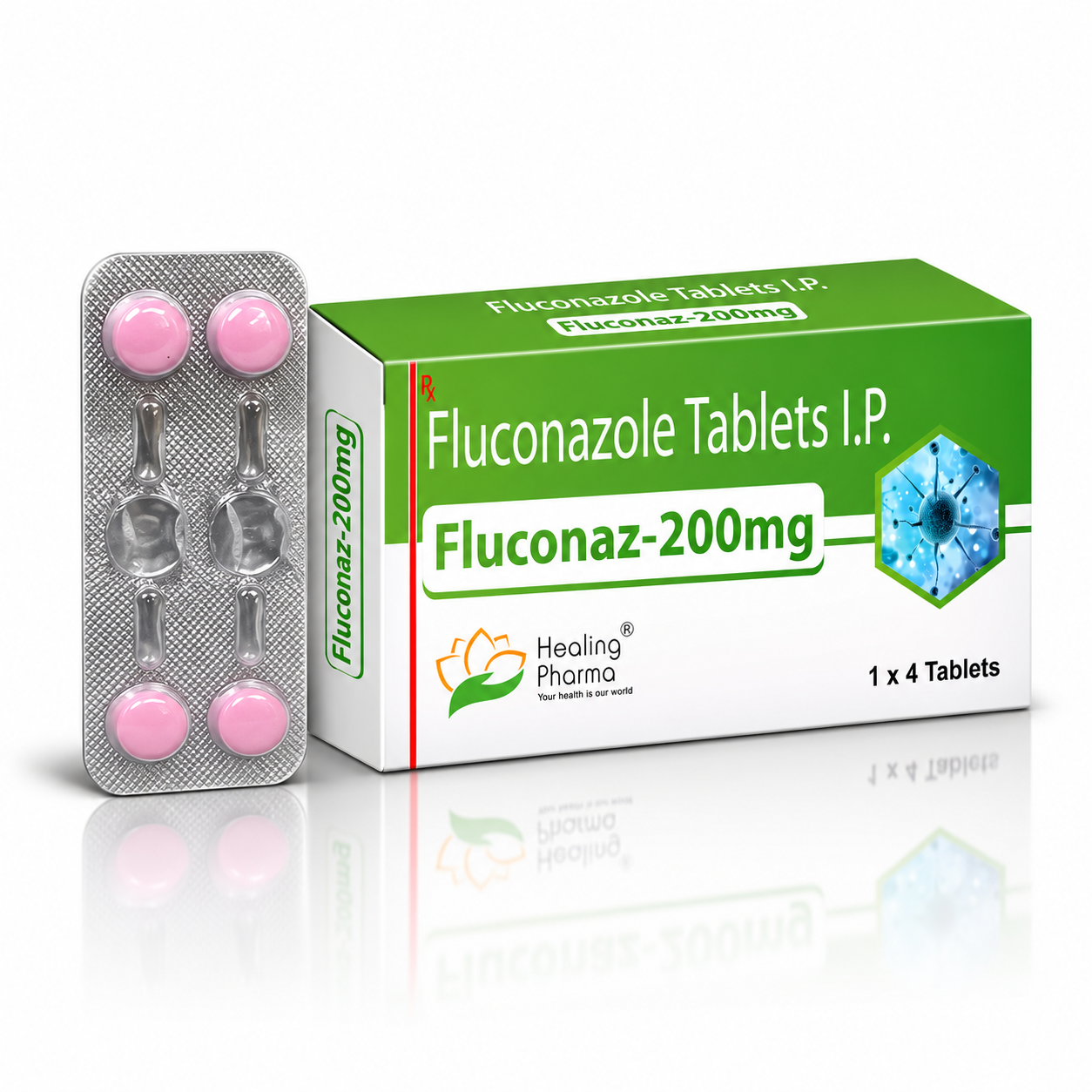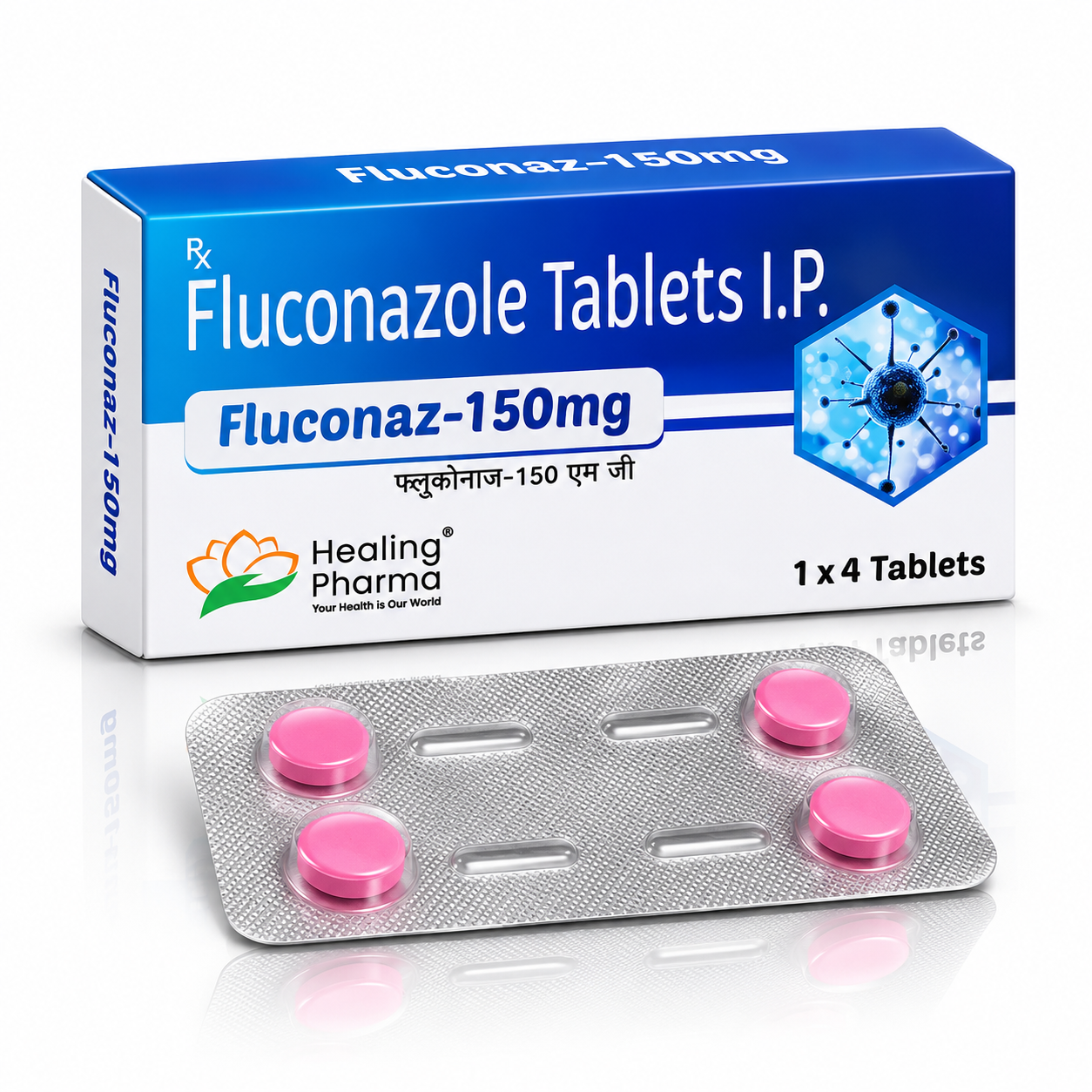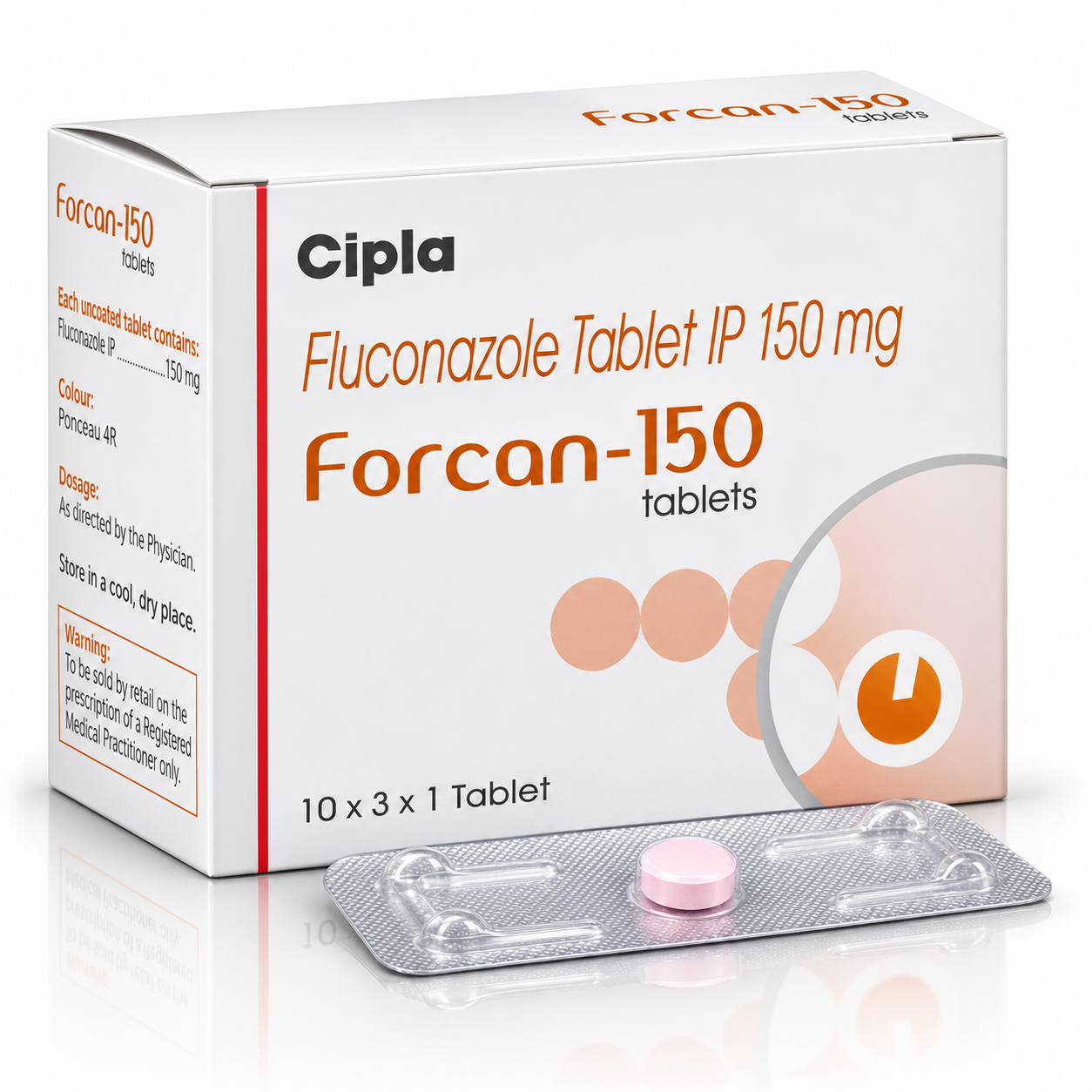
Forcan 150 MG Tablet
$2.80 / unit
Available Options
| Pack Size | Price | Price / Unit | Quantity | Action |
|---|---|---|---|---|
| 60 Tablets | $129.00 | $2.15/unit | ||
| 50 Tablets | $111.00 | $2.22/unit | ||
| 40 Tablets | $90.00 | $2.25/unit | ||
| 30 Tablets | $72.00 | $2.40/unit | ||
| 20 Tablets | $51.00 | $2.55/unit | ||
| 10 Tablets | $28.00 | $2.80/unit |
Product Description
FORCAN 150 MG TABLET
Brand Name: Forcan 150 MG Tablet
Generic Name: Fluconazole
Strength: 150 mg
Dosage Form: Oral Tablet
Therapeutic Class: Triazole Antifungal / Systemic Antifungal Medicine
Manufacturer / Marketer: Cipla Ltd.
Pack Size: 1 × 1 Tablet
Prescription Status: Prescription Medicine
What is this medicine?
FORCAN 150 MG TABLET contains Fluconazole 150 mg, a prescription antifungal medicine used to treat certain infections caused by susceptible fungi and yeasts.
Fluconazole belongs to a group of medicines known as triazole antifungals.
It works by interfering with the production of ergosterol, an important component of fungal cell membranes.
Forcan may be prescribed for selected fungal infections involving:
Vagina
Mouth
Throat
Esophagus
Skin
Certain internal organs
Bloodstream
Central nervous system
The treatment depends on the type of fungal infection, its severity and the organism responsible.
Important: Forcan treats susceptible fungal infections. It does not treat bacterial infections or viral illnesses such as the common cold or influenza.
How Does Forcan Work?
Fluconazole inhibits a fungal enzyme called lanosterol 14-alpha-demethylase, which is involved in ergosterol synthesis.
Ergosterol is an essential component of fungal cell membranes.
When ergosterol synthesis is disrupted, the fungal cell membrane becomes abnormal and fungal growth is inhibited.
Its actions may help:
Inhibit fungal cell membrane formation
Prevent susceptible fungi from multiplying
Reduce fungal infection activity
Support clearance of susceptible yeast infections
Control certain mucosal fungal infections
Treat selected systemic fungal infections
Fluconazole generally acts as a fungistatic medicine against many susceptible Candida species, meaning it primarily inhibits fungal growth.
Important: Not all fungi are susceptible to fluconazole. Certain Candida species may be naturally resistant or may develop resistance.
Common Uses
Forcan 150 MG Tablet may be prescribed for:
Vulvovaginal candidiasis
Recurrent vaginal yeast infections under medical supervision
Oral candidiasis
Oropharyngeal candidiasis
Esophageal candidiasis
Selected fungal skin infections
Certain Candida-related urinary tract infections
Selected invasive Candida infections
Cryptococcal infections under specialist care
Prevention of certain fungal infections in selected high-risk patients
The 150 mg strength is commonly associated with treatment of vaginal yeast infections, but other infections may require different doses, schedules or formulations.
Vaginal Yeast Infection
Vulvovaginal candidiasis is a fungal infection commonly caused by Candida albicans.
Symptoms may include:
Vaginal itching
Vulvar irritation
Redness
Swelling
Thick white discharge
Burning discomfort
Pain during urination when urine contacts inflamed tissue
For uncomplicated vaginal candidiasis in nonpregnant adults, a single 150 mg oral dose of fluconazole is an established treatment option.
Important: Vaginal itching or discharge is not always caused by a yeast infection. Bacterial vaginosis, sexually transmitted infections and other conditions can produce similar symptoms.
Recurrent Vaginal Candidiasis
Some patients experience repeated vaginal yeast infections.
Recurrent vulvovaginal candidiasis is commonly defined as three or more symptomatic episodes within one year.
Treatment may require:
Confirmation of the diagnosis
Identification of the Candida species
Assessment of antifungal susceptibility
An initial treatment phase
Longer-term maintenance treatment
For selected cases of recurrent Candida albicans infection, guidelines describe initial treatment followed by weekly fluconazole maintenance for six months.
Important: Recurrent infections should not be treated by repeatedly taking single tablets without appropriate medical evaluation.
Oral Thrush
Oral candidiasis is a fungal infection involving the mouth.
Symptoms may include:
White patches on the tongue
White patches inside the cheeks
Mouth soreness
Burning discomfort
Altered taste
Difficulty eating
Fluconazole may be prescribed for moderate to severe oral candidiasis or when topical treatment is unsuitable.
Important: Oral thrush usually requires a treatment course rather than a single 150 mg tablet.
Esophageal Candidiasis
Esophageal candidiasis is a fungal infection involving the esophagus.
Symptoms may include:
Painful swallowing
Difficulty swallowing
Chest discomfort when swallowing
Reduced food intake
Systemic antifungal treatment is generally required.
Fluconazole is a commonly used treatment when the responsible organism is susceptible.
However, the prescribed dose and duration are different from those used for uncomplicated vaginal candidiasis.
Fungal Skin Infections
Fluconazole may be used in selected dermatological fungal infections, depending on the organism and clinical circumstances.
Examples may include certain:
Dermatophyte infections
Cutaneous Candida infections
Other susceptible superficial fungal infections
Topical antifungal medicines are often preferred for localized uncomplicated skin infections.
Oral treatment may be considered when appropriate.
Important: Fluconazole is not equally effective against every fungal skin infection, and treatment should be based on the diagnosis.
Cryptococcal Infections
Fluconazole is used in certain treatment and maintenance protocols for cryptococcal infections.
These may include cryptococcal meningitis.
Such infections can be serious and may require:
Hospital treatment
Combination antifungal therapy
Higher fluconazole doses
Long treatment courses
Specialist monitoring
Important: A single Forcan 150 mg tablet is not an appropriate treatment for cryptococcal meningitis.
Important Treatment Consideration
Forcan may be prescribed alongside:
Evaluation of underlying infection risk factors
Diabetes management where relevant
Appropriate hygiene measures
Laboratory confirmation of fungal infection
Antifungal susceptibility testing
Management of immunosuppression
Monitoring of treatment response
NOTE: Fluconazole is not a general treatment for every fungal infection. The choice of medicine depends on the organism and its susceptibility.
What should I tell my healthcare provider before I take this medicine?
Inform your healthcare provider if you have:
Allergy to fluconazole
Previous serious reactions to azole antifungals
Liver disease
Hepatitis
Kidney disease
Heart rhythm disorders
Long QT syndrome
Low blood potassium
Low blood magnesium
Significant heart disease
Previous severe drug reactions
Severe skin disorders
Diabetes
Weakened immune function
Recurrent fungal infections
HIV infection
Pregnancy or plans to become pregnant
Breastfeeding
Use of warfarin
Use of certain cholesterol-lowering medicines
Use of antiarrhythmic medicines
Use of certain antiseizure medicines
Use of immunosuppressants
Use of medicines that prolong the QT interval
Tell your healthcare provider about all prescription medicines, nonprescription medicines, supplements and herbal products you currently use.
Important Contraindications
Fluconazole should not be used in patients with:
Known serious hypersensitivity to fluconazole
Serious allergy to an ingredient in the formulation
Certain medicine combinations are contraindicated because of the risk of serious heart rhythm disturbances.
Examples include:
Erythromycin
Pimozide
Quinidine
Certain other QT-prolonging medicines metabolized through relevant pathways
Additional restrictions apply to specific interacting medicines and fluconazole dosing regimens.
Important: Check the complete medication list before prescribing fluconazole.
Important Liver Warning
Fluconazole can occasionally cause liver injury.
Possible complications include:
Elevated liver enzymes
Hepatitis
Cholestatic liver injury
Severe hepatic dysfunction
Rare liver failure
Warning symptoms include:
Yellowing of the skin or eyes
Dark urine
Pale-colored stools
Persistent nausea
Loss of appetite
Severe fatigue
Abdominal discomfort
Unusual itching
Important: Stop treatment and seek prompt medical assessment if symptoms of serious liver injury develop.
Important Heart Rhythm Warning
Fluconazole may prolong the QT interval in susceptible patients.
This can increase the risk of serious abnormal heart rhythms.
Risk may be greater in people with:
Existing QT prolongation
Significant heart disease
Low blood potassium
Low blood magnesium
Use of other QT-prolonging medicines
Certain interacting prescription medicines
Warning symptoms include:
Severe palpitations
Dizziness
Fainting
Irregular heartbeat
Important: Severe palpitations, fainting or unexplained collapse require urgent medical assessment.
Important Kidney Warning
Fluconazole is eliminated primarily through the kidneys.
Patients with reduced kidney function may require adjustments to repeated-dose regimens.
The need for adjustment depends on:
Kidney function
Infection type
Prescribed dose
Treatment duration
For a single 150 mg dose used for uncomplicated vaginal candidiasis, renal dose adjustment is generally not required.
Important Pregnancy Warning
Oral fluconazole is generally avoided during pregnancy for vaginal yeast infections.
Studies have raised concerns about miscarriage and certain congenital abnormalities following oral fluconazole exposure.
For vaginal candidiasis during pregnancy, guidelines recommend topical azole treatment for seven days rather than oral fluconazole.
Important: Pregnant patients should not self-administer Forcan 150 mg for vaginal candidiasis.
Important Allergy Warning
Fluconazole may rarely cause serious allergic reactions.
Symptoms can include:
Skin rash
Hives
Facial swelling
Swelling of the tongue
Wheezing
Difficulty breathing
Severe reactions require emergency medical attention.
How should I use this medicine?
Take Forcan 150 MG Tablet exactly as prescribed by your healthcare provider.
Swallow the tablet with water.
Take it according to the prescribed schedule.
It may be taken with or without food.
Do not take additional tablets without medical advice.
Follow the complete prescribed course when more than one dose is required.
Do not share the medicine with another person.
Do not use it for an undiagnosed infection.
Inform your clinician if symptoms persist.
Avoid combining it with interacting medicines without professional guidance.
Attend follow-up appointments when necessary.
Usual Adult Dosage
Forcan Strength: Each tablet contains Fluconazole 150 mg.
Administration: Oral.
Dosing Frequency: Depends on the fungal infection and treatment indication.
Uncomplicated Vaginal Candidiasis
A commonly recommended regimen for uncomplicated vulvovaginal candidiasis in nonpregnant adults is:
Fluconazole 150 mg orally as a single dose.
This is equivalent to one Forcan 150 MG Tablet.
No additional tablet is routinely needed for an uncomplicated infection.
The patient should seek reassessment if symptoms persist or return.
Severe Vaginal Candidiasis
Severe vulvovaginal candidiasis may require additional treatment.
A guideline-supported regimen is:
Fluconazole 150 mg orally, followed by a second 150 mg dose 72 hours later.
Alternatively, a longer course of topical antifungal treatment may be prescribed.
Important: This regimen should be used only when severe candidiasis has been appropriately assessed by a clinician.
Recurrent Vaginal Candidiasis
In selected nonpregnant adults with confirmed recurrent Candida albicans infection, a reference treatment plan includes:
Initial Treatment:
Fluconazole 150 mg on days 1, 4 and 7.
Maintenance Treatment:
Fluconazole 150 mg once weekly for six months.
This regimen may be modified according to the Candida species, treatment response and clinical circumstances.
Important: Long-term weekly treatment requires medical supervision, review of interactions and consideration of liver-related risks.
Oral Candidiasis
Oropharyngeal candidiasis generally requires a different regimen.
Reference adult regimens commonly use fluconazole 100–200 mg daily for approximately 7–14 days, depending on severity and clinical guidance.
The initial dose and subsequent doses are determined by the healthcare provider.
Important: Do not assume that a single 150 mg tablet will adequately treat oral candidiasis.
Esophageal Candidiasis
Esophageal candidiasis generally requires systemic antifungal treatment for a longer period.
Reference regimens may involve fluconazole 200–400 mg daily for 14–21 days, depending on the patient's condition.
Such treatment requires professional assessment.
Fungal Skin Infections
Fluconazole dosing for selected skin fungal infections varies.
Some regimens involve daily treatment, while others involve weekly dosing.
The correct regimen depends on:
Fungal organism
Infection location
Disease severity
Previous treatment
Drug susceptibility
Patient's medical history
Important: Forcan 150 mg should not be taken weekly for an arbitrary number of weeks without an established diagnosis and prescription.
Serious Systemic Fungal Infections
Invasive fungal infections may require:
Higher fluconazole doses
Intravenous treatment
Combination antifungal therapy
Hospital admission
Laboratory monitoring
Specialist consultation
A 150 mg single-dose regimen is not appropriate for serious systemic fungal infections.
Children and Adolescents
Pediatric fluconazole dosing depends on:
Age
Body weight
Infection type
Infection severity
Kidney function
Clinical circumstances
A fixed 150 mg tablet may not be suitable for every child.
A pediatrician should select the correct dose and formulation.
Older Adults
Older adults may require additional monitoring because of:
Reduced kidney function
Multiple prescription medicines
Increased interaction risk
Existing heart conditions
Liver disease
Dose adjustment may be necessary for certain repeated-dose regimens.
Special Patient Populations
Kidney Disease: Repeated-dose regimens may require adjustment. A single dose for uncomplicated vaginal candidiasis generally does not.
Liver Disease: Use cautiously because serious liver toxicity can occur rarely.
Heart Disease: Assess QT prolongation and interacting medicines.
Diabetes: Recurrent candidiasis may be associated with poor blood glucose control.
Pregnancy: Oral fluconazole should generally be avoided for vaginal candidiasis; topical azoles are recommended.
Breastfeeding: Fluconazole passes into breast milk. A single 150 mg dose is generally considered compatible with breastfeeding, but professional advice is recommended.
Overdosage: Seek medical advice promptly after taking more than prescribed.
How Long Does Forcan 150 Take to Work?
Fluconazole begins acting against susceptible fungi after absorption.
For uncomplicated vaginal candidiasis, some patients notice symptom improvement within approximately 24–72 hours.
However, complete symptom resolution may take several days.
The response depends on:
Fungal species
Infection severity
Immune function
Underlying medical conditions
Antifungal susceptibility
Correct diagnosis
Important: If symptoms do not improve, become worse or return shortly after treatment, reassessment is necessary. Repeating fluconazole without confirming the diagnosis may delay appropriate care.
Important Treatment Duration
Treatment duration varies significantly.
A single dose may be sufficient for uncomplicated vaginal candidiasis.
Other fungal infections may require days, weeks or longer treatment.
The patient should follow the prescribed treatment schedule rather than independently extending therapy.
What if I miss a dose?
For a single-dose prescription:
Take the prescribed tablet when directed.
If the scheduled dose was forgotten, contact your pharmacist or clinician if the timing is uncertain.
Do not take extra tablets.
For a repeated-dose regimen:
Take the missed dose when remembered unless the next dose is nearly due.
If the next dose is approaching, skip the missed dose.
Continue with the prescribed schedule.
Do not double the next dose.
Important: If you are using fluconazole on a specific weekly or multi-day schedule, confirm any schedule changes with your clinician.
What may interact with this medicine?
Fluconazole can interact with many prescription medicines.
It inhibits several drug-metabolizing enzymes, particularly CYP2C9, CYP2C19 and CYP3A4.
This can increase the concentrations of certain medicines and the risk of adverse effects.
Potential interactions include:
Warfarin
Erythromycin
Pimozide
Quinidine
Amiodarone
Certain statins
Phenytoin
Carbamazepine
Cyclosporine
Tacrolimus
Rifampicin
Rifabutin
Certain benzodiazepines
Certain antidepressants
Sulfonylurea diabetes medicines
Certain calcium channel blockers
Some opioid medicines
Other medicines that prolong the QT interval
Important Drug Interaction Considerations
Warfarin: Fluconazole may increase warfarin's anticoagulant effect and raise bleeding risk. INR monitoring may be required.
Erythromycin: This combination is contraindicated because of the risk of serious heart rhythm disturbances.
Pimozide: May increase the risk of QT prolongation and serious arrhythmias.
Quinidine: Concomitant administration is contraindicated because of potentially dangerous cardiac effects.
Amiodarone: May increase the risk of QT prolongation and requires specialist review.
Simvastatin and Atorvastatin: Fluconazole may increase exposure to certain statins and the risk of muscle toxicity.
Phenytoin: Fluconazole may increase phenytoin concentrations and toxicity risk.
Carbamazepine: May increase carbamazepine exposure.
Cyclosporine: May increase cyclosporine concentrations.
Tacrolimus: May substantially increase tacrolimus exposure and kidney-related toxicity risk.
Rifampicin: May reduce fluconazole concentrations.
Certain Benzodiazepines: May cause increased or prolonged sedation.
Sulfonylureas: Medicines such as glimepiride and glipizide may have increased blood-glucose-lowering effects.
Calcium Channel Blockers: Fluconazole may increase concentrations of certain medicines used for blood pressure control.
The clinical significance depends on dose, treatment duration and patient factors. Some interactions can remain relevant for several days after fluconazole is stopped.
Important Warfarin Interaction
Fluconazole can increase the anticoagulant effects of warfarin.
Possible warning symptoms include:
Easy bruising
Nosebleeds
Bleeding gums
Blood in urine
Black stools
Prolonged bleeding
Important: Patients taking warfarin should consult their prescriber before taking Forcan, even when only one fluconazole tablet is planned.
Important Diabetes Medicine Interaction
Fluconazole may increase the activity of certain sulfonylurea medicines.
These include:
Glimepiride
Glipizide
Gliclazide
This may increase the risk of low blood glucose.
Symptoms may include:
Sweating
Trembling
Dizziness
Hunger
Confusion
Weakness
Patients may require additional blood glucose monitoring.
Important Heart Rhythm Interaction
Combining fluconazole with certain QT-prolonging medicines may increase the risk of serious arrhythmias.
The risk is greater when patients have additional factors such as low potassium or existing heart disease.
Important: Do not combine Forcan with contraindicated QT-prolonging medicines.
Important Drug Interaction Precaution
Tell your healthcare provider about every prescription and nonprescription medicine you take.
A single 150 mg dose can still produce clinically relevant interactions.
What should I watch for while using this medicine?
Contact your healthcare provider promptly if you develop:
Persistent nausea
Severe stomach discomfort
Repeated vomiting
Unusual fatigue
Yellowing of the skin or eyes
Dark urine
Pale-colored stools
Persistent itching
Unexplained skin rash
Palpitations
Dizziness
Fainting
Persistent fungal infection symptoms
Symptoms that return after treatment
Seek emergency medical attention for:
Difficulty breathing
Swelling of the face or throat
Severe allergic reactions
Severe skin blistering
Significant heart rhythm disturbances
Loss of consciousness
Severe liver-related symptoms
Important Monitoring
Treatment Response: Monitor improvement in infection-related symptoms.
Fungal Diagnosis: Persistent or recurrent infection may require fungal microscopy, culture or other testing.
Liver Function: May require monitoring during prolonged treatment or in patients with liver disease.
Kidney Function: Important for patients receiving repeated doses, particularly when renal impairment is present.
Cardiac Health: ECG and electrolyte monitoring may be appropriate in patients at risk of QT prolongation.
Blood Glucose: Patients taking interacting diabetes medicines may require additional monitoring.
Anticoagulation: Patients taking warfarin may need INR monitoring.
Antifungal Susceptibility: Testing may be appropriate when treatment fails.
Important Antifungal Resistance Warning
Some fungal organisms are resistant to fluconazole.
Certain Candida species, including Candida krusei, are intrinsically resistant.
Candida glabrata may have reduced susceptibility.
Recurrent or persistent infections may require:
Laboratory testing
Species identification
Susceptibility testing
Alternative antifungal treatment
Specialist consultation
Important: Repeated fluconazole exposure without confirming the infection may contribute to inappropriate antifungal use.
Important Persistent Infection Warning
If symptoms persist after treatment, possible explanations include:
Incorrect diagnosis
Resistant fungi
Non-albicans Candida infection
Underlying diabetes
Immunosuppression
Another genital or skin condition
Treatment should be reassessed rather than automatically repeated.
Important Liver Monitoring
Fluconazole-related liver injury is uncommon but can be serious.
Seek medical evaluation for:
Jaundice
Persistent nausea
Dark urine
Pale stools
Severe itching
Unusual fatigue
Patients receiving prolonged therapy may require periodic liver function testing.
Important Vaginal Infection Warning Signs
Seek medical assessment if vaginal symptoms are accompanied by:
Fever
Pelvic pain
Lower abdominal pain
Foul-smelling discharge
Abnormal vaginal bleeding
Genital sores
Repeated infections
Symptoms that do not improve
These findings may indicate conditions other than uncomplicated vaginal candidiasis.
Important Diabetes Considerations
Poorly controlled diabetes can increase the risk of recurrent Candida infections.
Patients with frequent fungal infections may benefit from evaluation of:
Blood glucose
HbA1c
Other contributing medical conditions
Forcan treats susceptible fungal infections but does not address the underlying cause of recurrent infections.
What side effects may I notice from this medicine?
Fluconazole is generally well tolerated when appropriately prescribed.
However, mild or serious adverse effects can occur.
Side effects that should be reported promptly:
Severe allergic reactions
Anaphylaxis
Severe skin rash
Stevens-Johnson syndrome
Toxic epidermal necrolysis
Drug-induced liver injury
Severe hepatitis
Jaundice
Serious heart rhythm disturbances
QT prolongation
Fainting
Severe persistent vomiting
Significant hypersensitivity reactions
Side effects that usually do not require immediate medical attention:
Headache
Nausea
Mild vomiting
Stomach discomfort
Abdominal pain
Diarrhea
Indigestion
Mild dizziness
Altered taste
Mild skin rash
Not everyone experiences these effects.
Persistent or worsening symptoms should be discussed with a healthcare professional.
Important Gastrointestinal Side Effects
Fluconazole may cause:
Nausea
Vomiting
Abdominal discomfort
Diarrhea
Indigestion
These symptoms are generally mild.
Forcan may be taken with or without food.
Important Liver-Related Side Effects
Fluconazole may rarely cause serious liver complications.
These include:
Elevated liver enzymes
Hepatitis
Cholestatic liver injury
Severe hepatic dysfunction
Liver failure
Symptoms may include:
Jaundice
Dark urine
Pale stools
Severe fatigue
Persistent nausea
Important: Symptoms suggesting liver injury require prompt medical assessment.
Important Skin-Related Side Effects
Fluconazole may cause:
Mild skin rash
Itching
Hives
Other hypersensitivity reactions
Rare serious skin reactions include Stevens-Johnson syndrome and toxic epidermal necrolysis.
Important: Skin blistering, peeling or a rash accompanied by fever requires urgent medical care.
Important Cardiovascular Side Effects
Fluconazole can occasionally affect cardiac electrical activity.
Potential complications include:
QT prolongation
Palpitations
Serious ventricular arrhythmias
Torsades de pointes in susceptible patients
These risks are especially important when interacting medicines are used.
Important Neurological Side Effects
Some patients may experience:
Headache
Dizziness
Altered taste
Patients who feel dizzy should avoid driving or operating machinery until symptoms resolve.
Important Pregnancy and Breastfeeding Considerations
Pregnancy: Oral fluconazole should generally be avoided for vaginal candidiasis during pregnancy. Topical azole treatment for seven days is recommended instead.
Breastfeeding: A single 150 mg dose of fluconazole is generally considered compatible with breastfeeding, although medical advice is recommended. Repeated or high-dose treatment requires individual assessment.
Important: Patients who are pregnant, planning pregnancy or breastfeeding should consult their healthcare provider before taking Forcan.
Where should I keep my medicine?
Store below 30°C according to available Indian pharmacy listings.
Keep in a cool, dry place.
Protect from excessive heat.
Protect from direct sunlight.
Protect from moisture.
Keep tablets in their original blister packaging.
Keep out of the reach of children.
Keep away from pets.
Do not use after the expiry date.
Do not use tablets from damaged packaging.
Do not transfer tablets into unlabelled containers.
Avoid storing in humid areas.
Dispose of expired or unused medicines according to pharmacist instructions.
Storage Note: Follow the exact temperature and storage instructions printed on the supplied Forcan 150 MG Tablet strip or carton.
Manufacturer Details
Field | Information |
|---|---|
Brand Name | Forcan 150 MG Tablet |
Generic Name | Fluconazole |
Strength | 150 mg |
Dosage Form | Oral Tablet |
Therapeutic Class | Triazole Antifungal / Systemic Antifungal |
Primary Indication | Vulvovaginal Candidiasis |
Additional Uses | Selected Candida Infections, Certain Superficial and Systemic Fungal Infections |
Mechanism of Action | Inhibits Fungal Lanosterol 14-alpha-Demethylase and Ergosterol Synthesis |
Manufacturer / Marketer | Cipla Ltd. |
Corporate Address | Cipla House, Peninsula Business Park, Ganpatrao Kadam Marg, Lower Parel, Mumbai – 400013, Maharashtra, India |
Actual Manufacturing Facility | Verify from Current Product Packaging |
Prescription Status | Prescription Medicine |
Route of Administration | Oral |
Common Reference Regimen for Uncomplicated Vaginal Candidiasis | Single 150 mg Oral Dose in Nonpregnant Adults |
Other Dosing Regimens | Depend on Infection Type and Severity |
Storage | Below 30°C; Protect from Heat and Moisture |
Retail Pack Size | 1 × 1 Tablet |
Additional Retail Pack Size | 1 × 4 Tablets |
Listed Trade Packaging | 5 × 3 × 1 Tablets (Distributor Listing) |
Country of Origin | India |