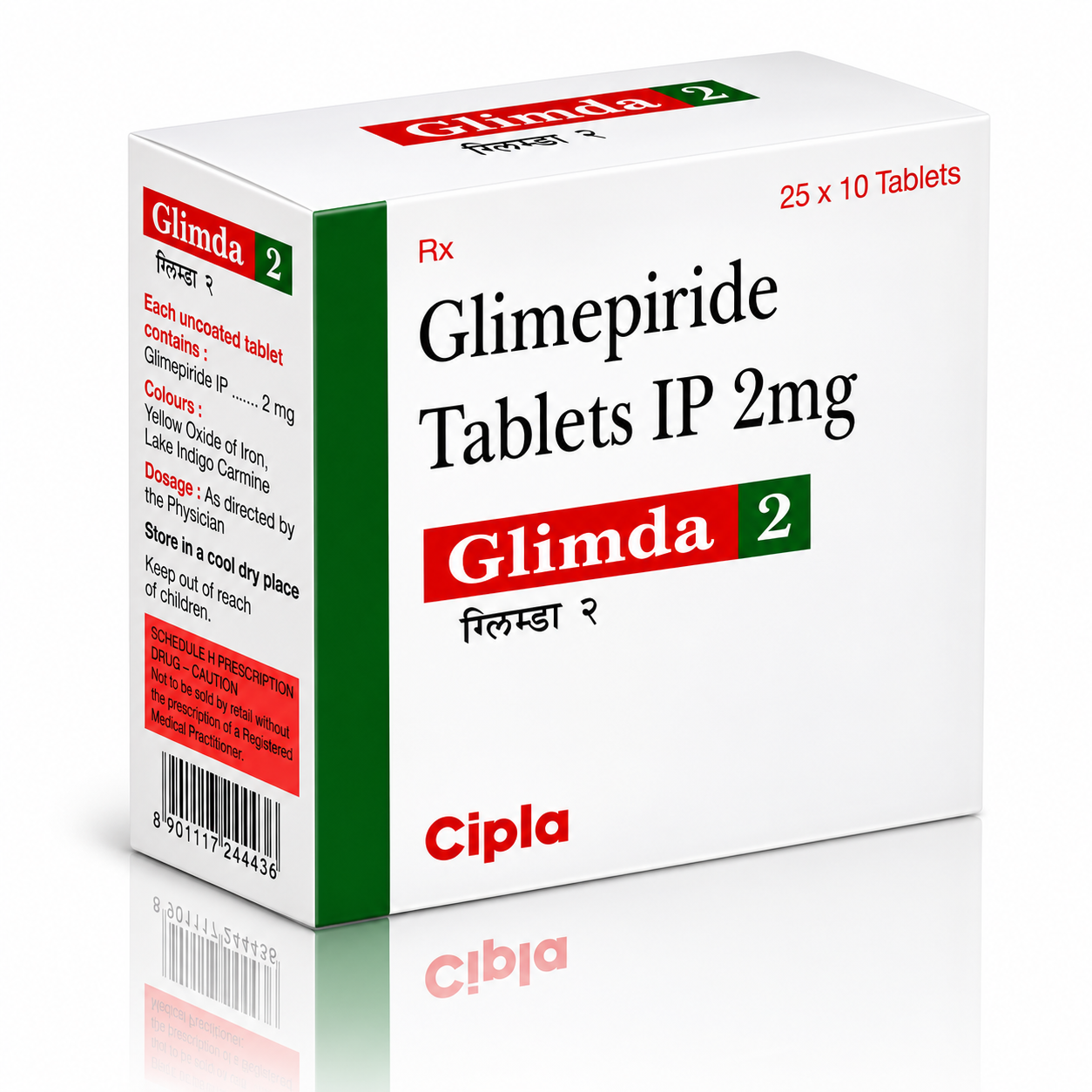
Glimda 2 MG Tablet
Starting at just $0.13
$1.35 / unit
| Pack Size | Price | Price / Unit | Quantity | Action |
|---|---|---|---|---|
| 180 Tablets | $242.64 | $1.35/unit | ||
| 150 Tablets | $202.20 | $1.35/unit | ||
| 120 Tablets | $161.76 | $1.35/unit | ||
| 90 Tablets | $121.32 | $1.35/unit | ||
| 60 Tablets | $80.88 | $1.35/unit | ||
| 30 Tablets | $40.44 | $1.35/unit |
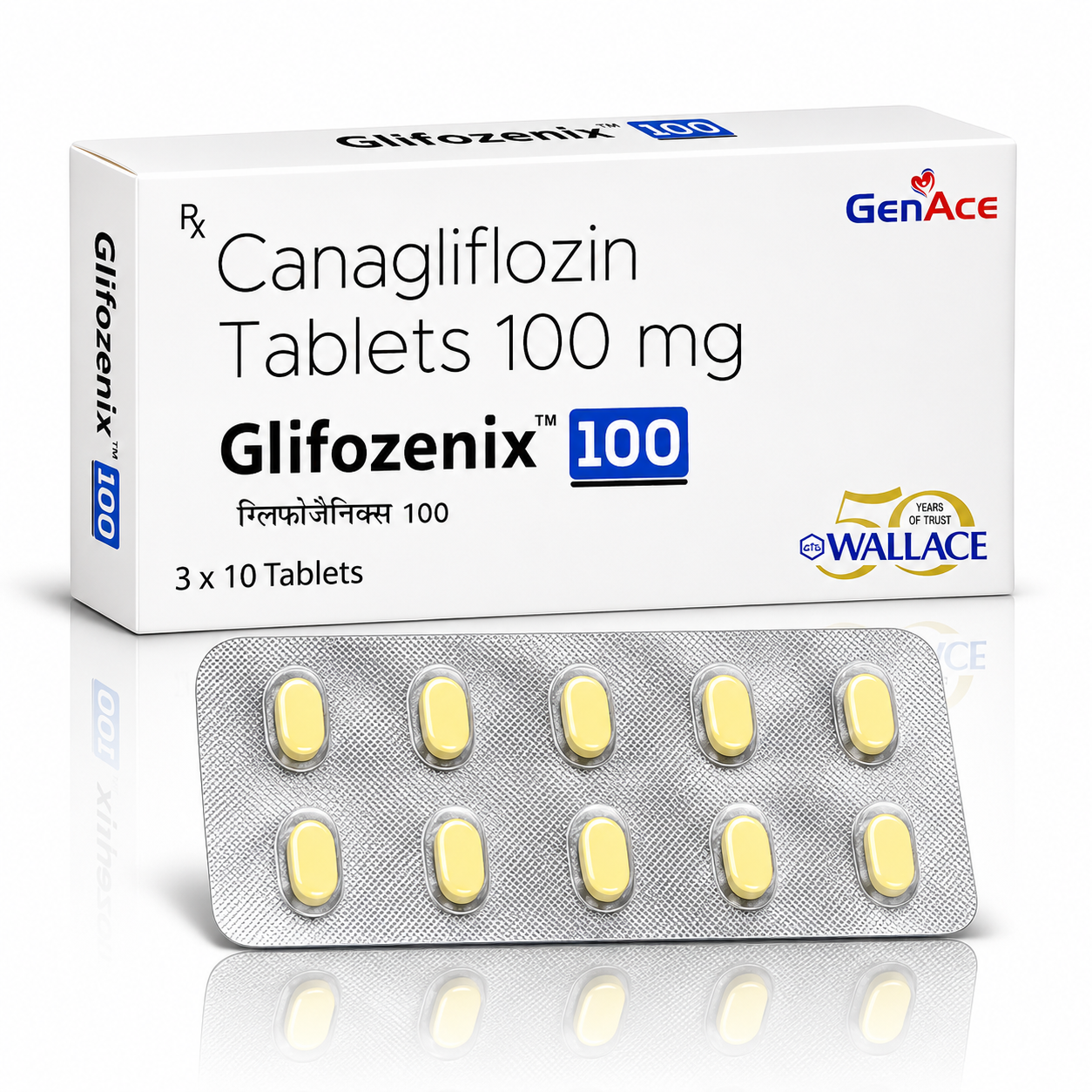
Brand Name: Glifozenix 100 mg Tablet
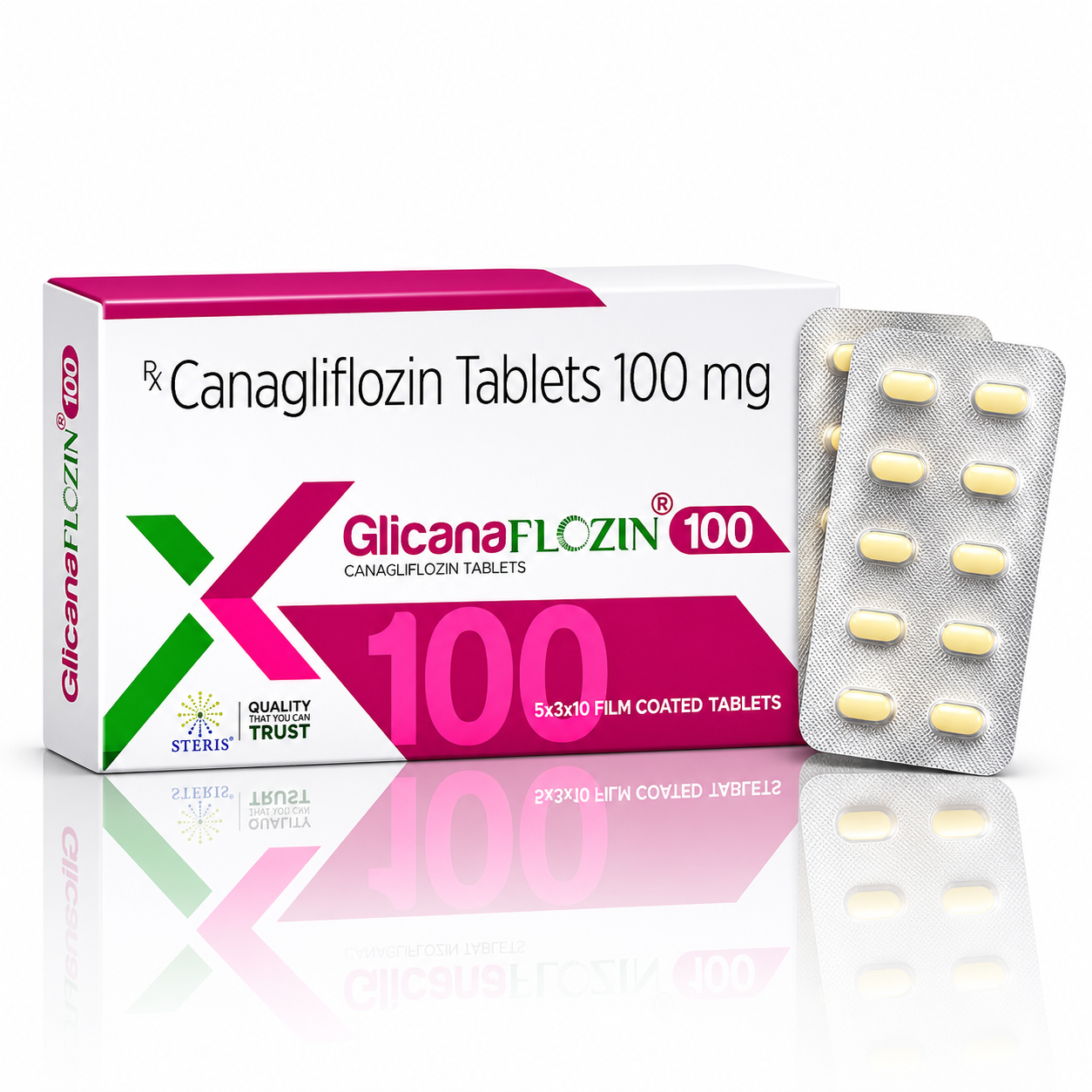
Generic Name: Canagliflozin
Strength: 100 mg
Dosage Form: Oral Film-Coated Tablet
Therapeutic Class: Oral Antidiabetic Agent / Sodium-Glucose Cotransporter-2 (SGLT2) Inhibitor
Manufacturer/Marketer: Wallace Pharmaceuticals Pvt. Ltd.
CANAGLIFLOZIN is an oral antidiabetic medicine used to improve blood sugar control in adults with type 2 diabetes mellitus. It belongs to a class of medicines called sodium-glucose cotransporter-2 (SGLT2) inhibitors.
It works by blocking the SGLT2 protein in the kidneys, reducing the reabsorption of glucose into the bloodstream. This allows excess glucose to be eliminated through urine, helping lower blood sugar levels.
Glifozenix 100 mg Tablet may be prescribed for:
Type 2 Diabetes Mellitus: Helps improve blood glucose control in adults with type 2 diabetes.
Hyperglycemia: Reduces elevated blood glucose levels by increasing urinary glucose excretion.
Inadequate Glycemic Control: May be prescribed when diet, exercise, or existing diabetes medicines do not adequately control blood glucose.
Combination Diabetes Therapy: May be used with metformin, insulin, or other antidiabetic medicines when medically appropriate.
Cardiovascular Risk Reduction: Canagliflozin has demonstrated benefits in reducing certain major cardiovascular events in adults with type 2 diabetes and established cardiovascular disease.
Diabetic Kidney Disease: May help reduce the risk of worsening kidney disease and certain cardiovascular complications in eligible adults with type 2 diabetes and diabetic nephropathy with significant albuminuria.
The cardiovascular and kidney benefits depend on the patient's medical condition and the approved indications in the relevant country.
Canagliflozin may also cause modest weight reduction and lower blood pressure in some patients, but it is not intended primarily as a weight-loss medicine.
Important: Glifozenix 100 mg Tablet is not indicated for treating diabetic ketoacidosis or for routine blood sugar management in patients with type 1 diabetes.
This medicine helps manage type 2 diabetes but does not cure the underlying condition.
This medicine is for oral use only.
They need to know if you have any of these conditions:
kidney disease or impaired kidney function
severe kidney failure or dialysis treatment
liver disease or abnormal liver function tests
type 1 diabetes
diabetic ketoacidosis or a history of ketoacidosis
dehydration or low blood pressure
frequent urinary tract infections
recurrent genital fungal infections
difficulty urinating or urinary tract abnormalities
history of pancreatitis or pancreatic surgery
heart disease or heart failure
peripheral artery disease
diabetic foot ulcers or previous lower-limb amputation
peripheral neuropathy or reduced sensation in the feet
history of bone fractures or osteoporosis
severe infections or recent serious illness
poor nutritional intake or prolonged fasting
a ketogenic or very low-carbohydrate diet
excessive alcohol consumption
upcoming surgery or medical procedures
currently taking insulin or other medicines that lower blood glucose
history of allergic reactions to canagliflozin or other SGLT2 inhibitors
an unusual or allergic reaction to canagliflozin, other medicines, foods, dyes, or preservatives
pregnant or planning to become pregnant
breast-feeding
This medicine is for oral use only.
Take Glifozenix 100 mg Tablet exactly as prescribed by your healthcare provider.
Swallow the tablet whole with a glass of water.
Canagliflozin is generally taken once daily before the first meal of the day.
The usual recommended starting dose for appropriate adults is 100 mg once daily, although treatment must be individualized according to kidney function and other clinical factors.
Do not increase the dose or take the medicine more frequently than prescribed.
Your healthcare provider may adjust your treatment based on blood glucose levels, kidney function, tolerability, and individual medical requirements.
Take the medicine at approximately the same time each day to maintain consistent treatment.
Drink adequate fluids during treatment unless your healthcare provider has advised fluid restriction.
Continue following your recommended diabetes management plan, including balanced nutrition, physical activity, and regular blood glucose monitoring.
Do not skip meals unnecessarily, particularly if you are also taking insulin or sulfonylurea medicines.
Avoid excessive alcohol consumption and prolonged fasting because these may increase the risk of ketoacidosis.
For scheduled surgery, canagliflozin should generally be withheld for at least 3 days before the procedure, when possible, to reduce the risk of ketoacidosis.
During severe illness, dehydration, or prolonged fasting, your healthcare provider may recommend temporarily stopping this medicine.
Do not change your prescribed diabetes treatment without medical advice.
Overdosage: Taking excessive amounts may cause increased urination, dehydration, low blood pressure, or other complications. If an overdose is suspected, seek immediate medical attention or contact a poison control center.
NOTE: This medicine is only for you. Do not share this medicine with others.
If you miss a dose, take it as soon as you remember.
If it is almost time for your next scheduled dose, skip the missed dose and continue your regular dosing schedule.
Do not take two doses together to make up for a missed dose.
If you frequently miss doses or have difficulty following your treatment schedule, consult your healthcare provider.
insulin
sulfonylureas such as glimepiride, gliclazide, and glipizide
other SGLT2 inhibitors
diuretics such as furosemide and hydrochlorothiazide
certain blood pressure medicines
digoxin
rifampicin
phenytoin
phenobarbital
ritonavir
certain medicines that induce UGT enzymes
corticosteroids such as prednisone and prednisolone
other medicines that may increase blood glucose levels
medications that may affect kidney function
excessive alcohol consumption
Insulin and Sulfonylureas: Combining canagliflozin with insulin or insulin-releasing medicines may increase the risk of hypoglycemia. Dosage adjustments may be required.
Diuretics: Canagliflozin increases urinary glucose and fluid excretion. Combining it with diuretics may increase the risk of dehydration and low blood pressure.
Digoxin: Canagliflozin may increase digoxin exposure. Patients taking both medicines may require additional monitoring.
Rifampicin and Other Enzyme Inducers: Certain medicines may reduce canagliflozin exposure and potentially decrease its glucose-lowering effectiveness.
Corticosteroids: These medicines may increase blood glucose levels and make diabetes harder to control.
Alcohol: Excessive alcohol consumption may increase the risk of dehydration and ketoacidosis.
This list may not describe all possible interactions. Inform your healthcare provider about all prescription medicines, over-the-counter medicines, herbal products, supplements, and other medications you use.
Use this medicine regularly as directed by your healthcare provider.
Glifozenix 100 mg Tablet helps manage blood glucose levels in adults with type 2 diabetes. Your healthcare provider may monitor fasting blood glucose, HbA1c, kidney function, blood pressure, and other relevant health indicators.
Diabetic Ketoacidosis: Canagliflozin may increase the risk of ketoacidosis, even when blood glucose levels are not significantly elevated. Symptoms include nausea, vomiting, abdominal pain, unusual tiredness, and rapid breathing.
Stop taking the medicine and seek emergency medical attention if ketoacidosis is suspected.
Dehydration and Low Blood Pressure: Canagliflozin increases glucose and fluid loss through urine. Maintain adequate hydration and report persistent dizziness, weakness, or fainting.
Genital Fungal Infections: Increased glucose in urine may increase the risk of genital yeast infections. Contact your healthcare provider if you develop itching, irritation, redness, or unusual genital discharge.
Urinary Tract Infections: Report burning urination, fever, back pain, or urinary discomfort. Severe urinary tract infections require prompt medical evaluation.
Kidney Function: Kidney function should be assessed before starting treatment and monitored during therapy. The appropriateness of treatment and its glucose-lowering effectiveness depend on kidney function.
Lower-Limb Amputation Risk: An increased risk of lower-limb amputation was observed in certain clinical trials of canagliflozin. Patients with peripheral artery disease, diabetic foot ulcers, neuropathy, or previous amputations require careful monitoring.
Inspect your feet regularly for cuts, wounds, ulcers, infections, or changes in skin color.
Bone Fractures: Canagliflozin has been associated with an increased risk of fractures in certain studies. Patients with osteoporosis or other fracture risk factors should discuss appropriate precautions with their healthcare provider.
Hypoglycemia: Low blood sugar is more likely when canagliflozin is combined with insulin or sulfonylureas.
Symptoms may include sweating, shaking, dizziness, hunger, confusion, and a rapid heartbeat.
Serious Genital Infections: Rare cases of necrotizing fasciitis of the perineum (Fournier's gangrene) have been reported with SGLT2 inhibitors. Seek emergency medical attention for genital or perineal pain, swelling, redness, or tenderness accompanied by fever or feeling unwell.
Surgery and Prolonged Fasting: Canagliflozin should generally be withheld for at least three days before scheduled surgery, when possible. Your healthcare provider should determine when it is safe to restart treatment.
Pregnancy and Breast-feeding: Canagliflozin is not recommended during the second and third trimesters of pregnancy and should generally be avoided during breast-feeding.
If your blood glucose remains uncontrolled or you develop persistent side effects, consult your healthcare provider.
Important: Regular blood glucose monitoring, appropriate nutrition, physical activity, foot care, and kidney function assessment are essential during diabetes treatment.
allergic reactions such as rash, itching, hives, or swelling of the face, lips, tongue, or throat
difficulty breathing or severe allergic reactions
symptoms of diabetic ketoacidosis, including nausea, vomiting, abdominal pain, and rapid breathing
severe dehydration or fainting
persistent vomiting or inability to maintain fluid intake
severe urinary tract infection symptoms
fever accompanied by painful urination or back pain
severe genital pain, redness, or swelling
signs of Fournier's gangrene
significantly reduced urination
severe hypoglycemia, including confusion, seizures, or loss of consciousness
sudden foot pain, ulcers, infection, or discoloration
severe abdominal pain
unusual weakness or confusion
signs of serious kidney problems
severe skin reactions, including blistering or peeling
unusual bone pain or suspected fractures
increased urination
increased thirst
mild dizziness
nausea
constipation
mild genital itching
genital yeast infections
mild urinary discomfort
increased frequency of urination at night
mild dehydration
temporary changes in urination patterns
This list may not describe all possible side effects.
Keep out of the reach of children.
Store Glifozenix 100 mg Tablet below 30°C (86°F) in a cool, dry place, according to available product storage information.
Protect from excessive heat, moisture, and direct sunlight.
Keep the tablets in their original blister packaging until use.
Do not store in bathrooms or areas with excessive humidity.
Keep this medicine in a secure location to prevent accidental ingestion.
Do not use the tablets if the packaging is damaged or the medicine has changed noticeably in appearance.
Throw away any unused medicine after the expiration date.
Field | Information |
|---|---|
Brand Name | Glifozenix 100 mg Tablet |
Generic Name | Canagliflozin (as Canagliflozin Hemihydrate) |
Strength | 100 mg |
Dosage Form | Oral Film-Coated Tablet |
Pack Size | Strip of 10 Tablets |
Therapeutic Class | Oral Antidiabetic Agent / SGLT2 Inhibitor |
Indication | Type 2 Diabetes Mellitus, Hyperglycemia, Improvement of Glycemic Control; Cardiovascular and Renal Risk Reduction in Eligible Patients |
Manufacturer/Marketer | Wallace Pharmaceuticals Pvt. Ltd. |
Prescription Status | Prescription Only Medicine |
Route of Administration | Oral |
Storage | Store below 30°C according to available product information; protect from heat, moisture, and direct sunlight |
Country of Origin | India |
Starting at just $0.13
Starting at just $0.08
Starting at just $0.23
Starting at just $1.39
Starting at just $0.19