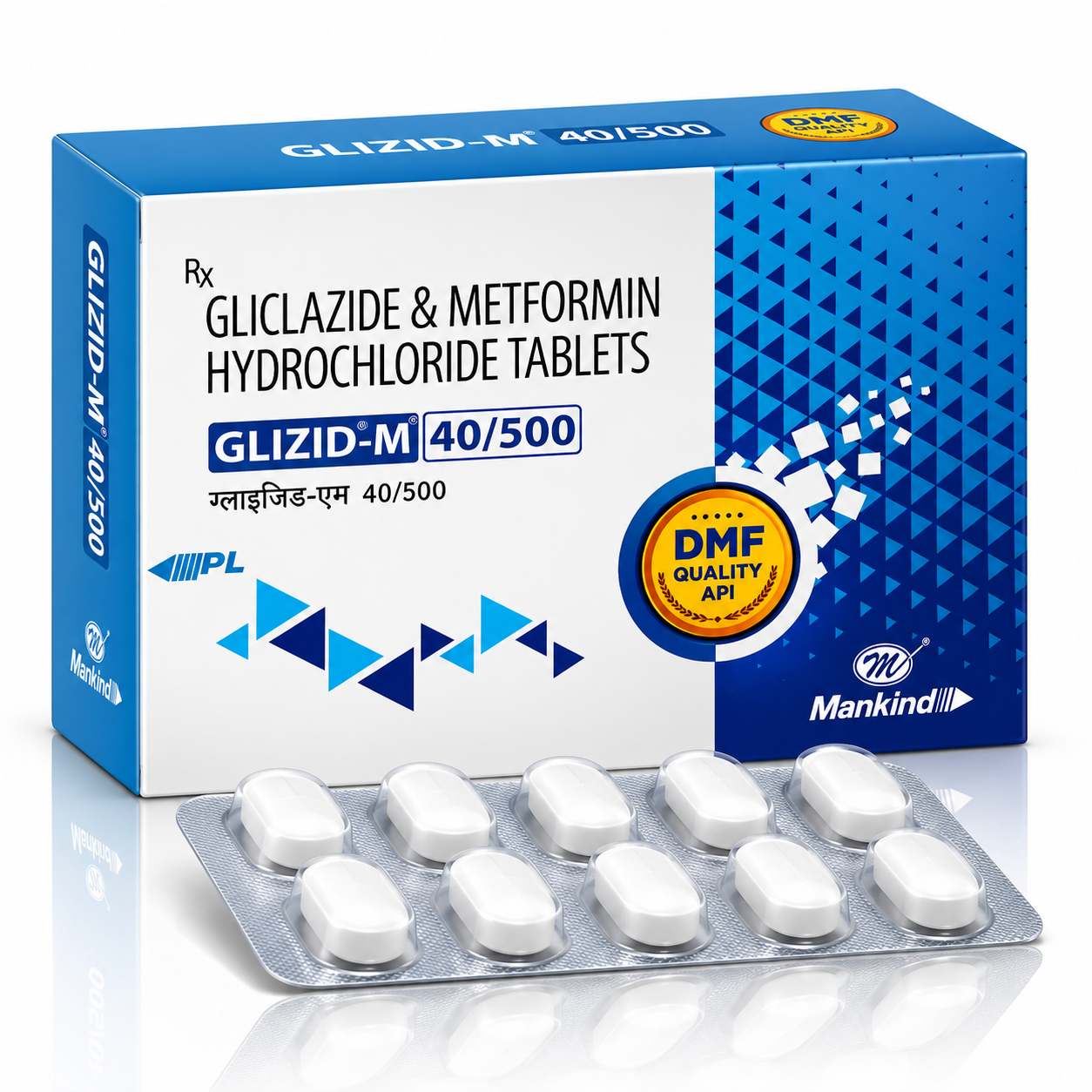
Glizid-M 40/500 MG Tablet
Starting at just $0.14
$0.07 / unit
| Pack Size | Price | Price / Unit | Quantity | Action |
|---|---|---|---|---|
| 180 Tablets | $12.42 | $0.07/unit | ||
| 150 Tablets | $10.35 | $0.07/unit | ||
| 120 Tablets | $8.28 | $0.07/unit | ||
| 90 Tablets | $6.21 | $0.07/unit | ||
| 60 Tablets | $4.14 | $0.07/unit | ||
| 30 Tablets | $2.07 | $0.07/unit |
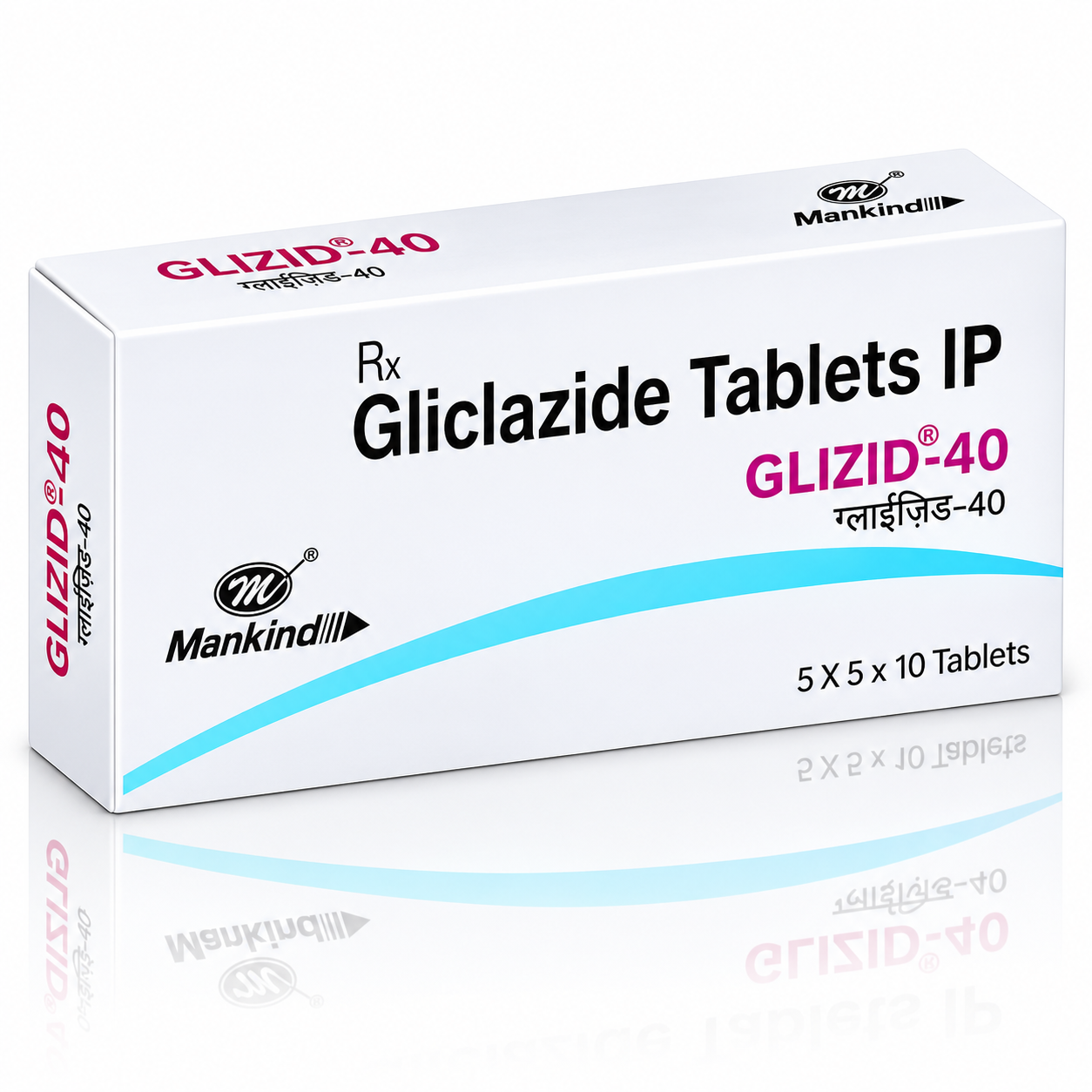
Brand Name: Glizid 40 mg Tablet
Generic Name: Gliclazide
Strength: 40 mg
Dosage Form: Oral Uncoated Tablet
Therapeutic Class: Oral Antidiabetic Agent / Sulfonylurea / Insulin Secretagogue
Manufacturer/Marketer: Mankind Pharma Ltd. (current marketing listings); originally manufactured by Panacea Biotec Ltd.
GLICLAZIDE is an oral antidiabetic medicine used to manage type 2 diabetes mellitus in adults. It belongs to a group of medicines called sulfonylureas, which help lower blood glucose levels by stimulating the pancreas to release insulin.
Glizid 40 mg Tablet contains Gliclazide 40 mg as its active ingredient. It is used when lifestyle modifications, including a balanced diet, regular exercise, and weight management, are insufficient to maintain appropriate blood glucose levels.
Gliclazide works primarily by stimulating insulin secretion from pancreatic beta cells. It interacts with ATP-sensitive potassium channels, promoting insulin release when the pancreas is still capable of producing insulin.
Glizid 40 mg Tablet may be prescribed for:
Type 2 Diabetes Mellitus: Helps improve blood glucose control in adults with type 2 diabetes.
Hyperglycemia: Reduces elevated blood sugar levels associated with inadequate insulin secretion.
Inadequate Glycemic Control: May be prescribed when diet, exercise, and weight management alone do not adequately control blood glucose.
Combination Diabetes Therapy: May be used alongside metformin or other glucose-lowering medicines when clinically appropriate.
Long-Term Diabetes Management: Helps maintain blood glucose levels within the recommended target range.
Reduction of Diabetes-Related Complications: Effective blood glucose control may help reduce the risk of microvascular complications affecting the eyes, kidneys, and nerves.
Glizid 40 mg Tablet can be prescribed alone or as part of a combination diabetes treatment regimen, depending on the patient's condition and treatment response.
Important: Glizid 40 mg Tablet contains only Gliclazide 40 mg. It does not contain metformin and should not be confused with Glizid-M combination tablets.
This medicine is not indicated for type 1 diabetes or diabetic ketoacidosis.
It helps manage type 2 diabetes but does not cure the underlying condition.
This medicine is for oral use only.
They need to know if you have any of these conditions:
kidney disease or impaired kidney function
liver disease or abnormal liver function tests
type 1 diabetes
diabetic ketoacidosis
history of severe hypoglycemia
frequent episodes of low blood sugar
poor nutritional intake or frequent skipping of meals
heart disease or cardiovascular conditions
glucose-6-phosphate dehydrogenase (G6PD) deficiency
adrenal or pituitary gland disorders
thyroid disorders
severe infections or recent serious illness
dehydration or persistent vomiting
significant weight loss or malnutrition
history of seizures associated with low blood sugar
excessive alcohol consumption
upcoming surgery or prolonged fasting
currently taking insulin or other diabetes medicines
history of allergic reactions to gliclazide, other sulfonylureas, or sulfonamide medicines
history of serious reactions to oral antidiabetic medicines
an unusual or allergic reaction to gliclazide, other medicines, foods, dyes, or preservatives
pregnant or planning to become pregnant
breast-feeding
This medicine is for oral use only.
Take Glizid 40 mg Tablet exactly as prescribed by your healthcare provider.
Swallow the tablet with a glass of water.
Glizid 40 mg is a conventional, immediate-release gliclazide formulation. It is generally taken with meals to reduce the risk of low blood sugar.
The dosage and frequency depend on your blood glucose levels, age, kidney function, liver function, existing diabetes treatment, and individual response.
Gliclazide immediate-release tablets may be prescribed once or twice daily depending on the total daily dose and treatment regimen.
Do not assume that every patient should take Glizid 40 mg Tablet only once daily. Follow the specific dosing schedule given by your healthcare provider.
Take this medicine at approximately the same time each day.
Do not skip meals after taking Glizid 40 mg Tablet because gliclazide stimulates insulin release and may cause hypoglycemia.
Swallow the tablet according to the instructions printed on the product packaging.
Do not split, crush, or chew the tablet unless your healthcare provider or pharmacist confirms that this is appropriate.
Do not increase the dose or take the medicine more frequently than prescribed.
Monitor your blood glucose levels according to your healthcare provider's instructions.
Continue following a balanced diet, regular physical activity, and other recommended diabetes management measures.
Avoid excessive alcohol consumption because alcohol may increase the risk of hypoglycemia and make blood glucose control unpredictable.
Your healthcare provider may temporarily adjust your treatment during severe illness, surgery, prolonged fasting, or significant changes in eating habits.
Do not stop or change your diabetes treatment without consulting your healthcare provider.
Overdosage: Taking excessive amounts of gliclazide may cause severe or prolonged hypoglycemia. Symptoms can include sweating, shaking, hunger, headache, dizziness, confusion, seizures, or loss of consciousness. If an overdose is suspected, seek emergency medical attention immediately, even if symptoms have not yet developed.
NOTE: This medicine is only for you. Do not share this medicine with others.
If you miss a dose, take it when you remember if you can take it with an appropriate meal and it is not almost time for your next scheduled dose.
If your next scheduled dose is approaching, skip the missed dose and continue your regular dosing schedule.
Do not take two doses together to make up for a missed dose.
Taking an additional dose of gliclazide may cause severe or prolonged hypoglycemia.
If you are uncertain whether to take a delayed dose, consult your healthcare provider or pharmacist.
If you frequently miss doses, discuss your treatment schedule with your healthcare provider.
insulin and other glucose-lowering medicines
other sulfonylureas, including glimepiride and glipizide
metformin and other antidiabetic medications
miconazole, particularly systemic and oral-mucosal formulations
fluconazole and certain other antifungal medicines
certain antibiotics, including clarithromycin and fluoroquinolones
beta-blockers such as propranolol and metoprolol
corticosteroids such as prednisone and prednisolone
diuretics such as hydrochlorothiazide and furosemide
ACE inhibitors and certain blood pressure medicines
warfarin and other anticoagulants
nonsteroidal anti-inflammatory drugs (NSAIDs)
certain antidepressants
fibrates and other cholesterol-lowering medicines
certain anticonvulsants
thyroid hormone medicines
danazol
alcohol
other medicines that may alter blood glucose levels
Insulin and Other Antidiabetic Medicines: Combining gliclazide with additional glucose-lowering medications may increase the risk of hypoglycemia.
Miconazole: Systemic and oral-mucosal miconazole can cause severe hypoglycemia when used with gliclazide. This combination is contraindicated in relevant product labeling.
Fluconazole: May increase gliclazide exposure and the risk of prolonged low blood sugar.
Beta-Blockers: May mask certain warning symptoms of hypoglycemia, particularly a rapid heartbeat.
Corticosteroids: May increase blood glucose levels and reduce the effectiveness of diabetes treatment.
Danazol: May increase blood glucose levels and interfere with diabetes control.
Warfarin: Gliclazide may enhance the anticoagulant effect of warfarin in some patients, requiring closer monitoring.
Alcohol: May increase the risk of hypoglycemia or cause unpredictable blood glucose changes.
This list may not describe all possible interactions. Inform your healthcare provider about all prescription medicines, over-the-counter medicines, herbal products, supplements, and other medications you use.
Use Glizid 40 mg Tablet regularly as directed by your healthcare provider.
This medicine helps manage blood glucose levels in adults with type 2 diabetes. Your healthcare provider may monitor fasting blood glucose, post-meal glucose, HbA1c, kidney function, liver function, and other relevant health indicators.
Hypoglycemia: Gliclazide can cause low blood sugar, particularly when meals are skipped, physical activity increases unexpectedly, or the medicine is combined with other glucose-lowering drugs.
Symptoms of hypoglycemia may include sweating, shaking, dizziness, hunger, headache, confusion, blurred vision, and a rapid heartbeat.
If your blood glucose is below 70 mg/dL and you are awake and able to swallow, consume approximately 15 grams of fast-acting carbohydrate and recheck your blood glucose after 15 minutes. Repeat if necessary.
Severe hypoglycemia involving unconsciousness or seizures requires emergency medical treatment. Never give food or drinks by mouth to an unconscious person.
Regular Meals: Avoid skipping or delaying meals after taking Glizid 40 mg Tablet. Irregular eating habits may increase the risk of low blood sugar.
Kidney Function: Patients with impaired kidney function may have an increased risk of prolonged hypoglycemia. Severe kidney impairment may make gliclazide treatment unsuitable.
Liver Function: Patients with significant liver disease may have an increased risk of medication-related complications and require careful medical evaluation.
Weight Changes: Gliclazide may contribute to weight gain in some patients because it stimulates insulin secretion.
G6PD Deficiency: Sulfonylurea medicines, including gliclazide, may increase the risk of hemolytic anemia in patients with glucose-6-phosphate dehydrogenase deficiency.
Alcohol Consumption: Avoid excessive alcohol intake because it may increase the risk of hypoglycemia and make blood glucose control unpredictable.
Blood Glucose Monitoring: Regular monitoring helps assess treatment effectiveness and identify the need for dosage adjustments.
Surgery and Medical Procedures: Inform your healthcare provider before surgery, prolonged fasting, or significant changes in eating habits. Temporary adjustments to diabetes treatment may be required.
Pregnancy and Breast-feeding: Gliclazide is generally not recommended during pregnancy or breast-feeding. Your healthcare provider may prescribe insulin or another appropriate treatment.
Driving and Machinery: Hypoglycemia may impair concentration, coordination, and reaction time. Avoid driving or operating machinery when experiencing low blood sugar symptoms.
Drug Interactions: Certain antifungal medicines, antibiotics, and other diabetes medicines may increase the risk of severe hypoglycemia.
Formulation Differences: Glizid 40 mg Tablet is different from Glizid MR 30 mg, Glizid MR 60 mg, and Glizid-M combination tablets. Do not substitute between immediate-release, modified-release, and combination formulations without medical guidance.
If your blood glucose remains uncontrolled or you experience repeated episodes of hypoglycemia, consult your healthcare provider.
Important: Effective diabetes management requires regular monitoring, appropriate nutrition, physical activity, and adherence to prescribed medication.
severe hypoglycemia, including confusion, seizures, or loss of consciousness
persistent or recurrent episodes of low blood sugar
allergic reactions such as rash, itching, hives, or swelling of the face, lips, tongue, or throat
difficulty breathing or severe allergic reactions
severe dizziness or fainting
severe headaches accompanied by confusion or weakness
yellowing of the skin or eyes
dark urine or other signs of liver problems
severe or persistent abdominal pain
unusual bruising or bleeding
severe skin reactions, including blistering or peeling
unusual tiredness accompanied by pale skin or persistent weakness
signs of hemolytic anemia, including fatigue, pallor, or dark urine
signs of serious blood cell disorders, including unexplained fever or frequent infections
significant changes in vision associated with blood glucose disturbances
nausea
mild vomiting
abdominal discomfort
indigestion
mild diarrhea
constipation
headache
dizziness
mild stomach irritation
increased hunger
mild weight gain
temporary changes in bowel movements
mild weakness
increased sweating
temporary blurred vision during changes in blood glucose levels
The frequency and severity of side effects depend on the dose, treatment duration, existing medical conditions, and use of other medicines.
This list may not describe all possible side effects.
Keep out of the reach of children.
Store Glizid 40 mg Tablet in a cool, dry place according to the temperature instructions printed on the product packaging.
Available retail storage guidance generally specifies below 30°C (86°F).
Protect from excessive heat, moisture, and direct sunlight.
Keep the tablets in their original blister packaging until use.
Do not store in bathrooms or areas with excessive humidity.
Keep the medicine in a secure location to prevent accidental ingestion.
Do not use the tablets if the packaging is damaged or the medicine has changed noticeably in appearance.
Throw away any unused medicine after the expiration date.
Ask your pharmacist about appropriate medicine disposal methods.
Field | Information |
|---|---|
Brand Name | Glizid 40 mg Tablet |
Generic Name | Gliclazide |
Strength | 40 mg |
Dosage Form | Oral Uncoated Tablet |
Pack Size | Strip of 10 Tablets |
Therapeutic Class | Oral Antidiabetic Agent / Sulfonylurea / Insulin Secretagogue |
Indication | Type 2 Diabetes Mellitus, Hyperglycemia, Improvement of Glycemic Control |
Current Listed Marketer | Mankind Pharma Ltd. |
Original Documented Manufacturer | Panacea Biotec Ltd. |
Prescription Status | Prescription Only Medicine |
Route of Administration | Oral |
Storage | Follow product labeling; protect from heat, moisture, and direct sunlight |
Country of Origin | India |
Starting at just $0.14
Starting at just $0.02
Starting at just $0.14
Starting at just $0.13
Starting at just $0.08