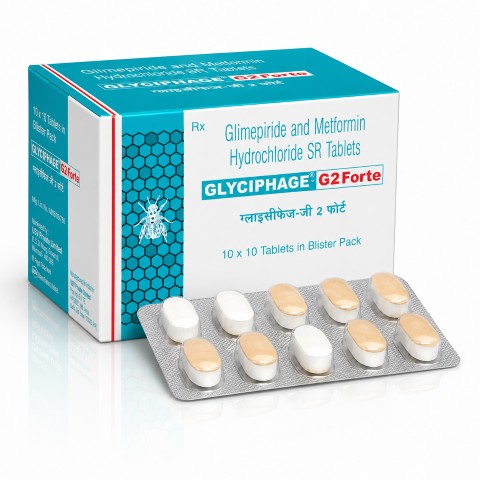
Glyciphage G2 Forte Tablet
$0.33 / unit
Available Options
| Pack Size | Price | Price / Unit | Quantity | Action |
|---|---|---|---|---|
| 180 Tablets | $44.00 | $0.24/unit | ||
| 150 Tablets | $38.00 | $0.25/unit | ||
| 120 Tablets | $31.00 | $0.26/unit | ||
| 90 Tablets | $24.00 | $0.27/unit | ||
| 60 Tablets | $17.00 | $0.28/unit | ||
| 30 Tablets | $10.00 | $0.33/unit |
Product Description
What is this medicine?
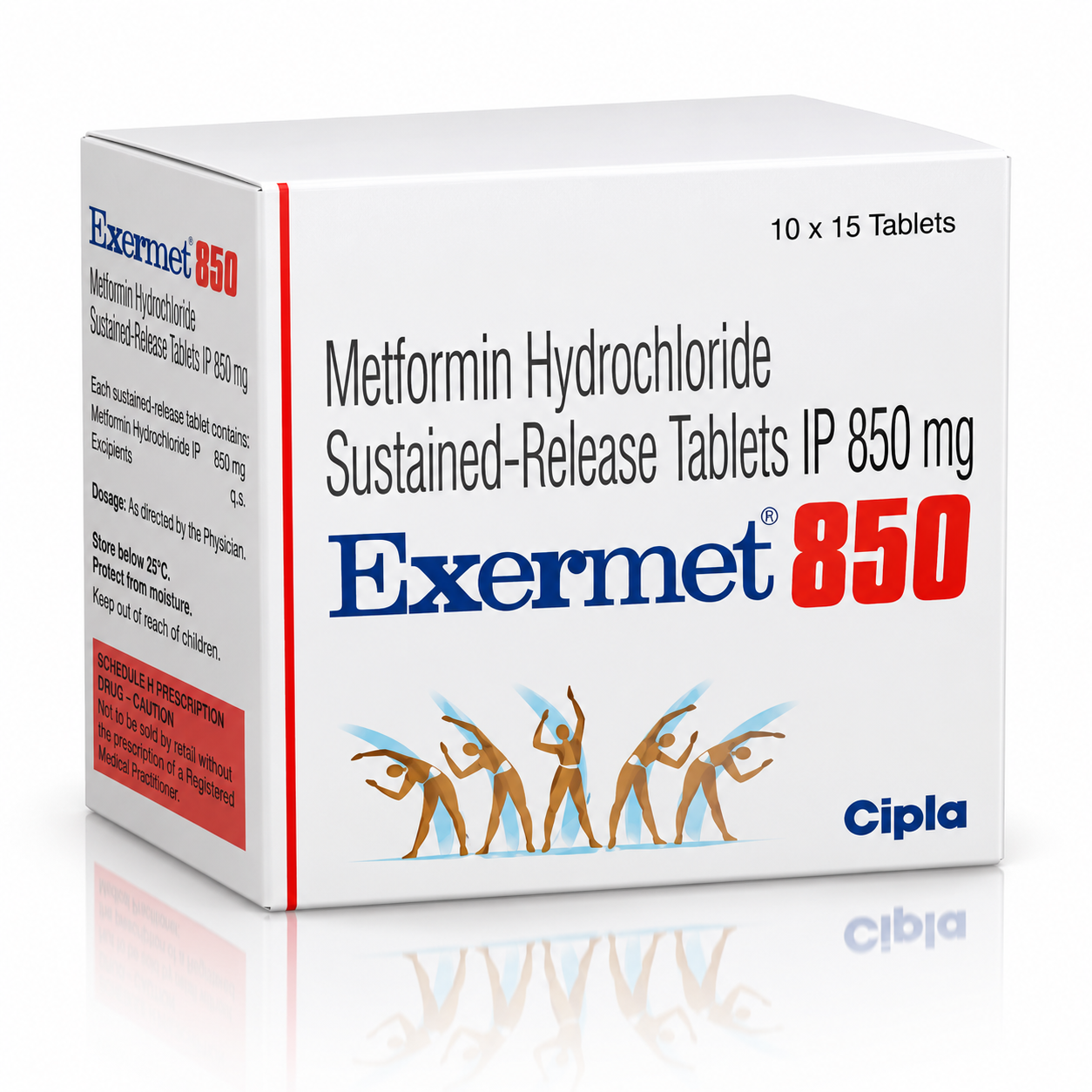
GLYCIPHAGE G2 FORTE TABLET contains Glimepiride 2 mg + Metformin Hydrochloride (Prolonged Release) 1000 mg, a combination of two oral antidiabetic medicines used to improve blood sugar control in adults with type 2 diabetes mellitus. Glimepiride is a sulfonylurea that stimulates the pancreas to release more insulin, while Metformin is a biguanide that decreases glucose production by the liver, reduces glucose absorption from the intestine, and improves the body's sensitivity to insulin. It is used along with a healthy diet and regular exercise to help reduce the risk of diabetes-related complications such as kidney disease, nerve damage, vision loss, heart attack, and stroke. It is not used to treat type 1 diabetes or diabetic ketoacidosis.
What should I tell my health care provider before I take this medicine?
They need to know if you have any of these conditions:
type 1 diabetes
diabetic ketoacidosis
kidney disease or reduced kidney function
liver disease
heart failure or recent heart attack
severe infection or dehydration
breathing problems
glucose-6-phosphate dehydrogenase (G6PD) deficiency
vitamin B12 deficiency
if you drink alcohol excessively
if you are scheduled for surgery or imaging tests using iodinated contrast dye
an unusual or allergic reaction to glimepiride, metformin, sulfonylureas, or any other medicines, foods, dyes, or preservatives
pregnant or trying to get pregnant
breast-feeding
How should I use this medicine?
Take this medicine by mouth with a glass of water. Take it with or immediately after food, preferably with your first main meal of the day or as directed by your doctor. Swallow the prolonged-release tablet whole. Do not crush, chew, or break it.
Take your doses at regular intervals and at the same time each day. Continue following your recommended diet, exercise program, and blood sugar monitoring plan while taking this medicine. Do not stop taking the medicine unless advised by your doctor.
Overdosage: If you think you have taken too much of this medicine, contact a poison control center or emergency room at once.
NOTE: This medicine is only for you. Do not share this medicine with others.
What if I miss a dose?
If you miss a dose, take it as soon as you remember with food. If it is almost time for your next scheduled dose, skip the missed dose and take your next dose at the regular time. Do not take double or extra doses.
What may interact with this medicine?
insulin
other oral antidiabetic medicines
corticosteroids such as prednisolone
diuretics (water pills)
beta-blockers such as atenolol or metoprolol
NSAIDs such as ibuprofen or naproxen
fluconazole
rifampicin
cimetidine
iodinated contrast dyes used for X-ray or CT scans
alcohol
This list may not describe all possible interactions. Give your health care provider a list of all the medicines, herbs, non-prescription drugs, or dietary supplements you use. Also tell them if you smoke, drink alcohol, or use illegal drugs. Some items may interact with this medicine.
What should I watch for while using this medicine?
Visit your doctor or health care professional for regular checks on your progress. Check your blood sugar as directed.
Follow your recommended diet and exercise program. This medicine works best when combined with healthy lifestyle changes.
Learn to recognize the symptoms of low blood sugar (hypoglycemia), such as sweating, shakiness, hunger, dizziness, blurred vision, confusion, or a fast heartbeat. Carry a quick source of glucose, such as glucose tablets or fruit juice.
Seek immediate medical attention if you develop symptoms of lactic acidosis, such as unusual weakness, muscle pain, severe tiredness, difficulty breathing, stomach pain, dizziness, or a slow or irregular heartbeat.
Tell your doctor if you develop symptoms of liver problems, including yellowing of the skin or eyes, dark urine, or persistent nausea.
If you are scheduled for surgery or a medical procedure involving contrast dye, inform your doctor that you are taking this medicine. Your treatment may need to be temporarily stopped.
Your doctor may periodically monitor your kidney function, liver function, vitamin B12 levels, and blood glucose during treatment.
What side effects may I notice from this medicine?
Side effects that you should report to your doctor or health care professional as soon as possible:
allergic reactions such as skin rash, itching, hives, or swelling of the face, lips, tongue, or throat
severe low blood sugar (confusion, seizures, loss of consciousness)
symptoms of lactic acidosis (difficulty breathing, muscle pain, severe weakness, unusual drowsiness)
yellowing of the skin or eyes (jaundice)
decreased amount of urine
severe stomach pain
persistent vomiting
unusual bleeding or bruising
chest pain
Side effects that usually do not require medical attention (report to your doctor or health care professional if they continue or are bothersome):
headache
nausea
diarrhea
stomach discomfort
dizziness
metallic taste in the mouth
mild low blood sugar
This list may not describe all possible side effects.
Where should I keep my medicine?
Keep out of the reach of children.
Store at room temperature below 30°C. Keep the tablets in their original packaging and protect them from moisture, heat, and direct sunlight.
Throw away any unused medicine after the expiration date.