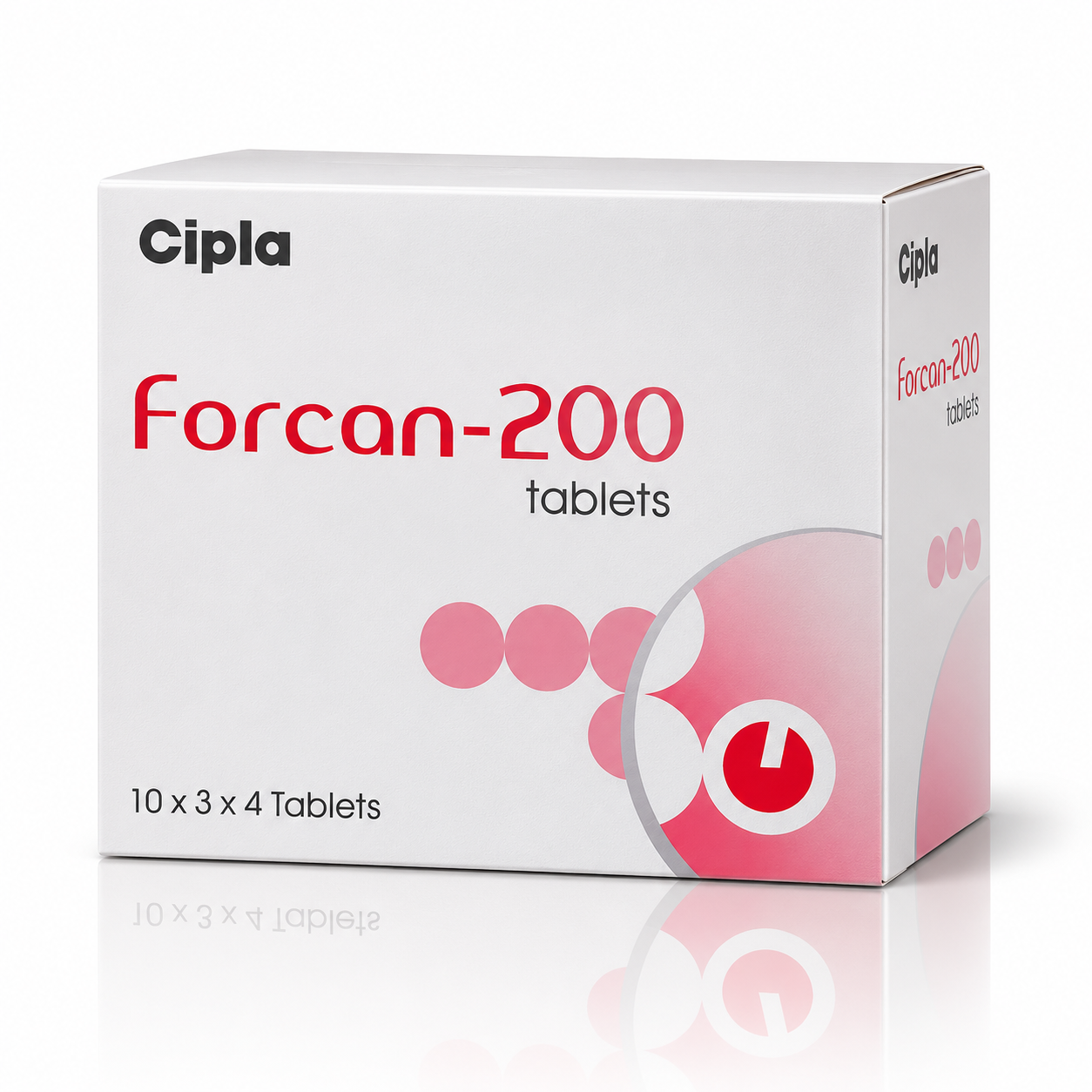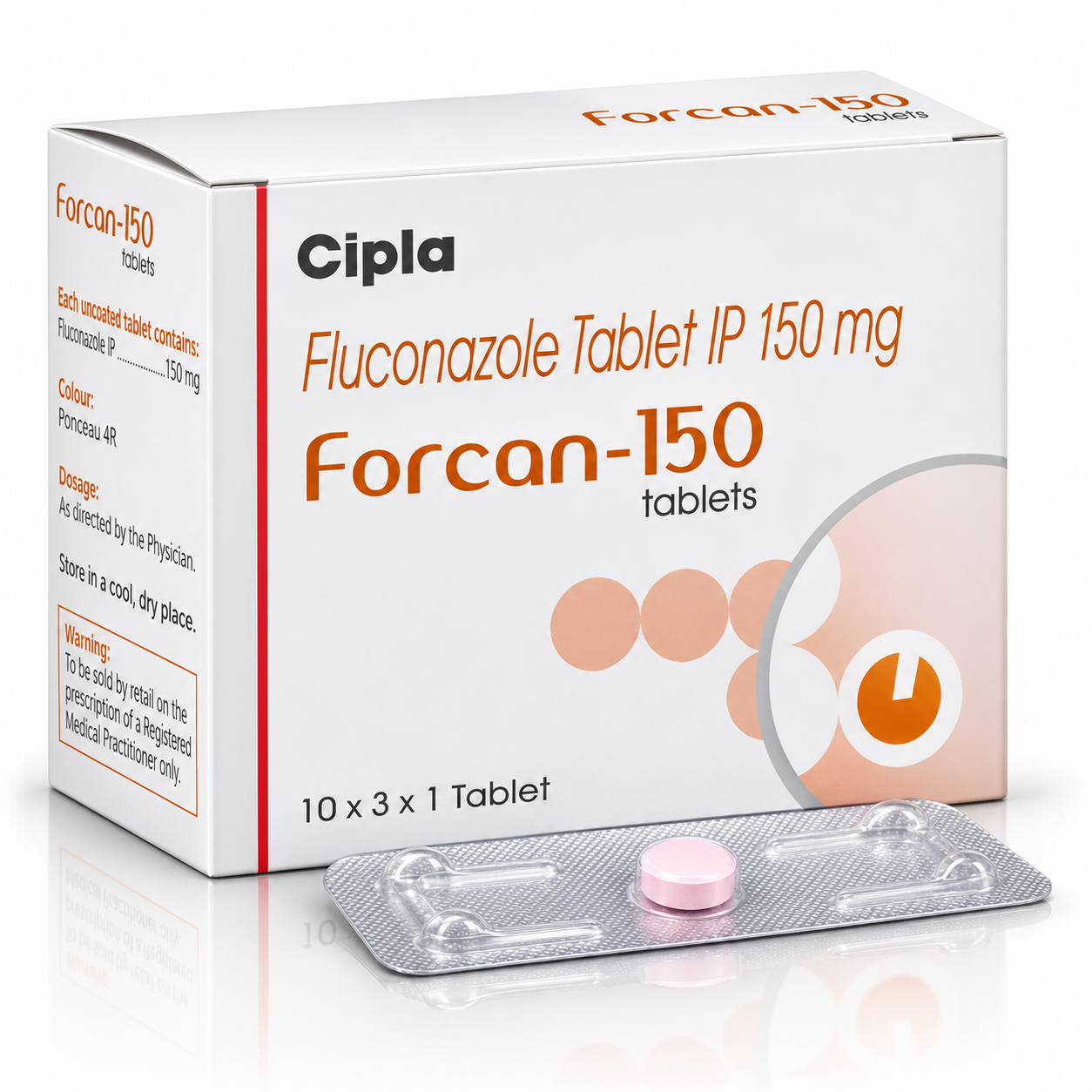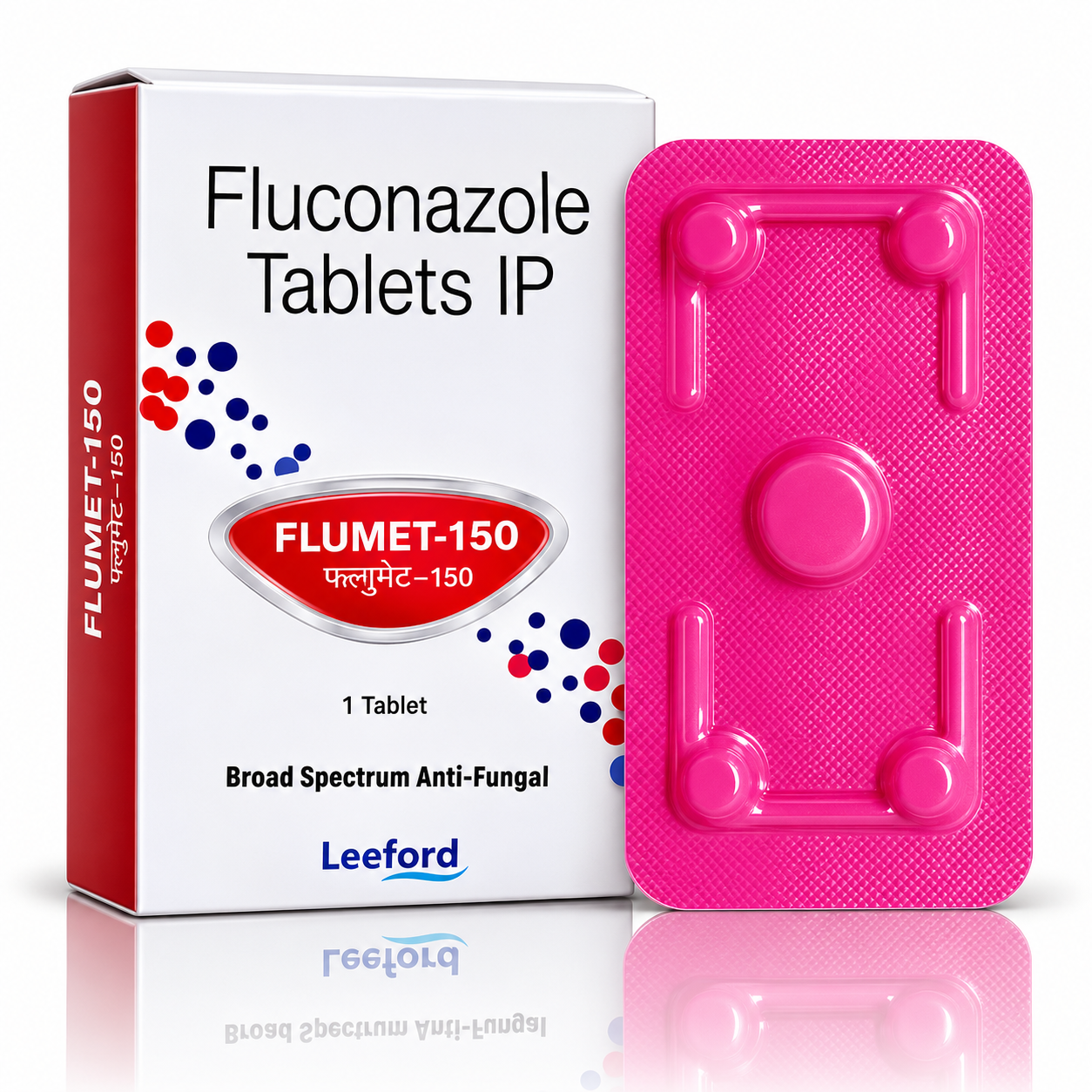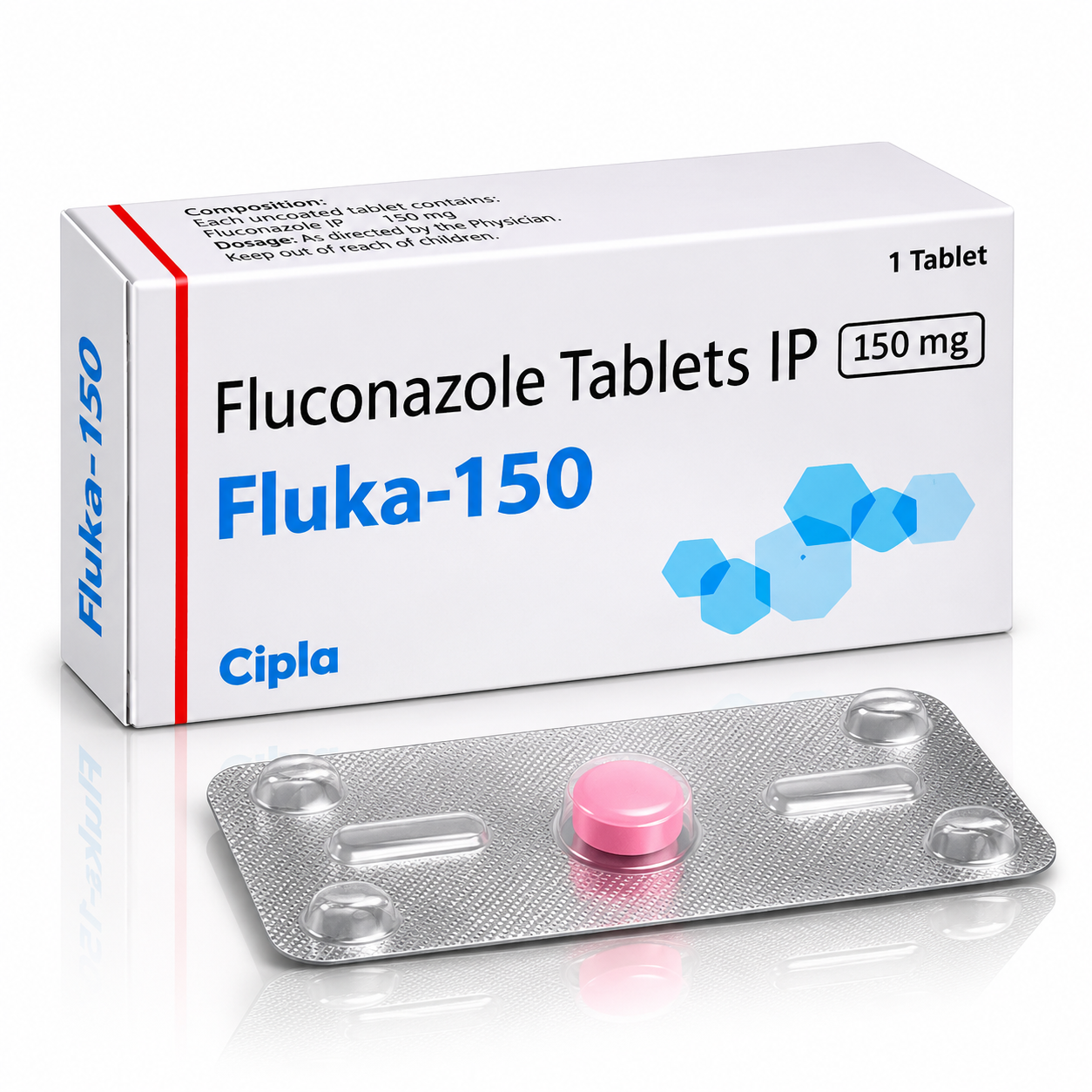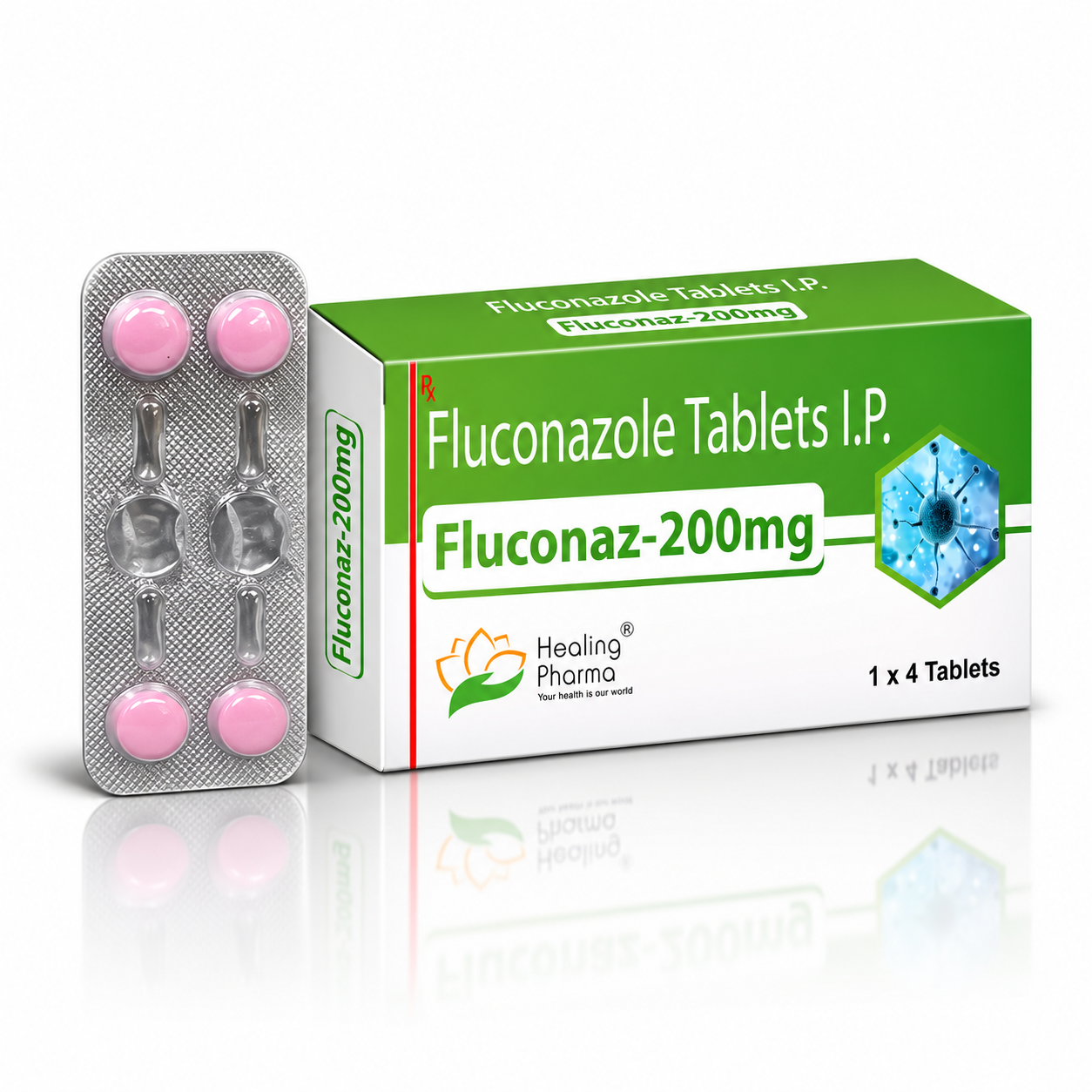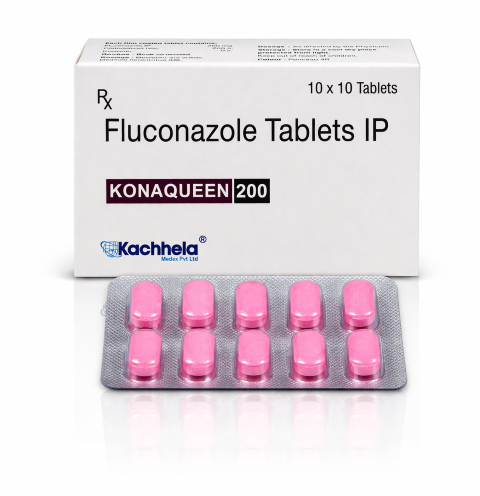
Konaqueen 200 MG Tablet
$0.70 / unit
Available Options
| Pack Size | Price | Price / Unit | Quantity | Action |
|---|---|---|---|---|
| 180 tablets | $101.00 | $0.56/unit | ||
| 150 tablets | $86.00 | $0.57/unit | ||
| 120 tablets | $70.00 | $0.58/unit | ||
| 90 tablets | $56.00 | $0.62/unit | ||
| 60 tablets | $40.00 | $0.67/unit | ||
| 30 tablets | $22.26 | $0.70/unit |
Product Description
What is this medicine?
KONAQUEEN 200 mg contains quinine sulfate, an antimalarial drug. It’s used to treat uncomplicated malaria caused by Plasmodium falciparum—especially when first-line treatments are unavailable or ineffective. In some regions, it’s also prescribed off-label for nighttime leg cramps, though this use is limited due to safety concerns.
What should I tell my health care provider before I take this medicine?
They need to know if you have any of these conditions:
History of heart rhythm problems (e.g., QT prolongation)
Glucose-6-phosphate dehydrogenase (G6PD) deficiency
Myasthenia gravis
History of blackwater fever or hemolytic anemia
Kidney or liver disease
Vision problems (optic neuritis)
Hearing issues (tinnitus)
A history of low blood sugar or diabetes
Allergies to quinine, quinidine, or other antimalarials
Pregnant or trying to become pregnant
Breastfeeding
How should I use this medicine?
Take by mouth with a full glass of water. Typically, it’s dosed every 8 hours for about 7 days when treating malaria. Always follow your doctor’s instructions—don’t take more often, and don’t stop early, even if you feel better.
Overdosage: If you suspect an overdose, contact a poison control center or seek emergency care immediately.
What if I miss a dose?
Take the missed dose as soon as you remember. If it’s nearly time for your next scheduled dose, skip the missed dose. Do not take two doses at once.
What may interact with this medicine?
Antacids (reduce absorption)
Warfarin (blood thinner)
Digoxin
Heart rhythm medications (e.g., amiodarone, sotalol)
Antidepressants (e.g., amitriptyline, fluoxetine)
Antiepileptics (e.g., carbamazepine, phenytoin)
Some antibiotics (e.g., moxifloxacin)
Rifampicin
Other antimalarials (e.g., chloroquine)
This list isn’t exhaustive—provide your full medication list (incl. herbs/supplements) to your provider. Also mention smoking, alcohol, or recreational drug use, as these can affect treatment.
What should I watch for while using this medicine?
Visit your healthcare provider for regular monitoring—especially heart and hearing tests. Watch for signs of low blood sugar (e.g., sweating, confusion), and avoid driving or operating machinery until you know how this drug affects you. Alcohol may worsen dizziness or low blood sugar.
What side effects may I notice from this medicine?
Report to your doctor immediately if you experience:
Severe allergic reactions (rash, swelling, difficulty breathing)
Blurry vision or any change in eyesight
Ringing in ears or hearing loss
Irregular heartbeat or chest pain
Confusion, mood changes, hallucinations
Symptoms of low blood sugar (shakiness, sweating, fast heartbeat)
Severe abdominal pain
Muscle weakness or extreme fatigue
Bleeding or easy bruising
Less serious side effects (report if persistent or bothersome):
Nausea or vomiting
Dizziness
Headache
Mild stomach discomfort
Diarrhea
Where should I keep my medicine?
Keep out of reach of children.
Store at room temperature (20–25 °C / 68–77 °F).
Keep in the original container, protect from moisture and light.
Dispose of unused medicine after the expiration date.