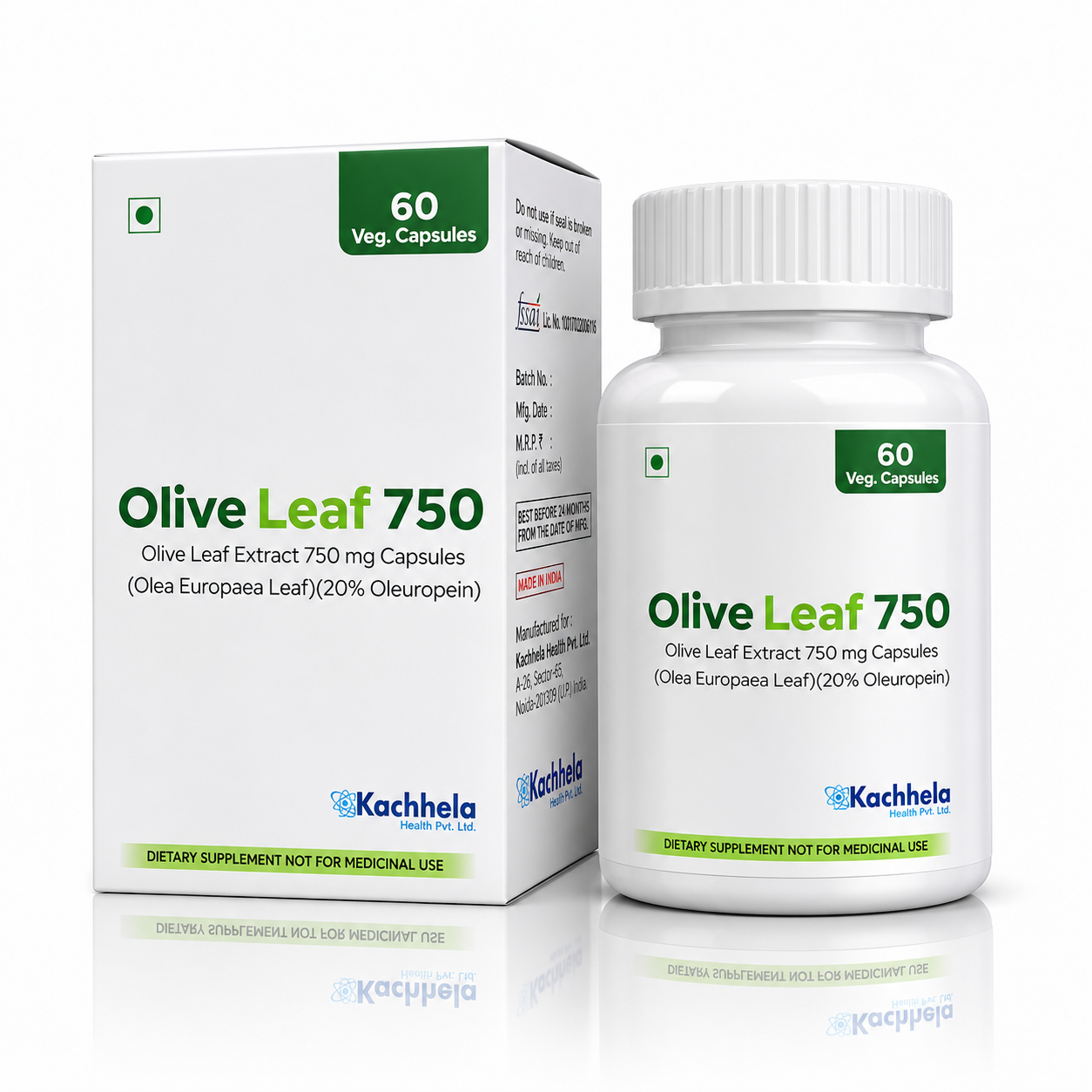
Milk Thistle 800 MG Capsule
$5.00 / unit
Available Options
| Pack Size | Price | Price / Unit | Quantity | Action |
|---|---|---|---|---|
| 360 Capsules | $1365.00 | $3.79/unit | ||
| 300 Capsules | $1170.00 | $3.90/unit | ||
| 240 Capsules | $953.00 | $3.97/unit | ||
| 180 Capsules | $758.00 | $4.21/unit | ||
| 120 Capsules | $540.00 | $4.50/unit | ||
| 60 Capsules | $3.00 | $5.00/unit |
Product Description
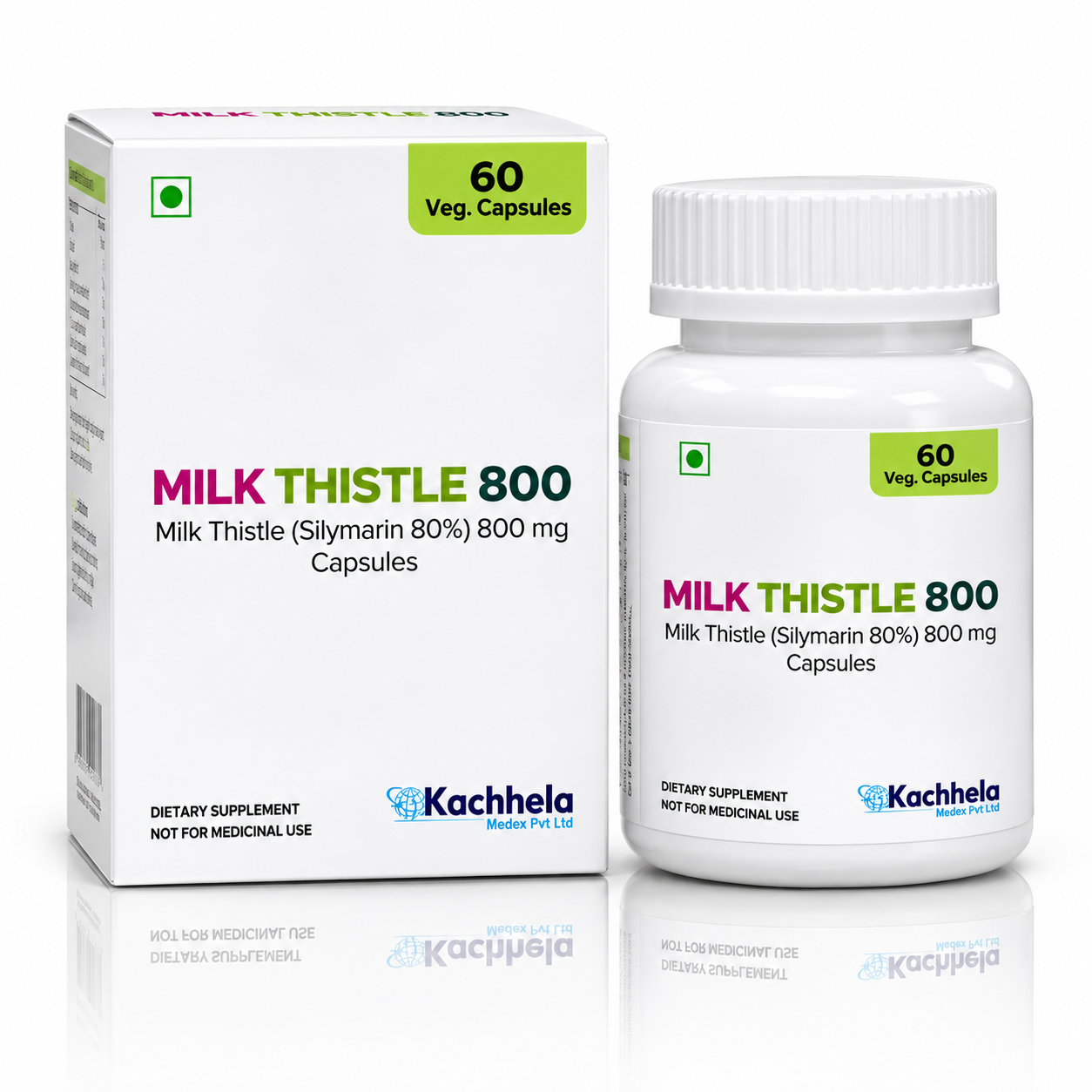
MILK THISTLE 800 MG CAPSULE
Brand Name: Milk Thistle 800 MG Capsule
Generic / Botanical Name: Milk Thistle
Strength: 800 mg
Dosage Form: Oral Capsule
Therapeutic Class: Herbal Dietary Supplement / Botanical Liver Health Supplement
Manufacturer / Marketer: Kachhela Medex Pvt. Ltd.
Pack Size: 60 Capsules per Bottle
Primary Purpose: General Liver Health and Antioxidant Support
Regulatory Category: Herbal / Dietary Supplement
What is this supplement?
MILK THISTLE 800 MG CAPSULE contains a preparation derived from the milk thistle plant, scientifically known as Silybum marianum.
Milk thistle belongs to the Asteraceae (Compositae) plant family.
Its seeds and fruits contain naturally occurring plant compounds collectively called silymarin.
Silymarin includes several flavonolignans, including:
Silybin (also called silibinin)
Isosilybin
Silychristin
Silydianin
These compounds have been studied for their antioxidant and anti-inflammatory properties.
Milk thistle supplements are commonly marketed for:
General liver health support
Antioxidant support
Liver wellness
Support during metabolic health management
General nutritional supplementation
Important: These are marketed or traditional uses, not proof that the supplement treats or prevents liver disease. The US National Institutes of Health states that available human evidence is insufficient to establish clear benefits for liver conditions.
How Does Milk Thistle Work?
Milk thistle contains bioactive plant compounds, particularly silymarin, that have been investigated for several biological activities.
Laboratory and animal research suggests that silymarin may influence:
Oxidative stress
Cellular antioxidant responses
Inflammatory signaling
Cell membrane stability
Certain metabolic pathways
However, these biological effects do not establish that a commercial milk thistle capsule produces meaningful clinical benefits in humans.
1. Antioxidant Activity
Free radicals and other reactive molecules can contribute to oxidative stress.
In experimental studies, silymarin has demonstrated antioxidant activity.
Potential mechanisms include:
Interacting with reactive oxygen species
Influencing antioxidant enzyme systems
Reducing certain oxidative processes
Supporting cellular antioxidant responses
Important: Demonstrating antioxidant activity in laboratory experiments does not prove that milk thistle prevents liver damage in patients.
2. Anti-Inflammatory Activity
Silymarin has been investigated for effects on inflammatory signaling pathways.
Certain experimental studies suggest it may influence molecules involved in inflammation.
These findings have contributed to interest in milk thistle for liver-related research.
However, clinical benefits remain uncertain.
3. Liver Cell Research
Silymarin has been studied for possible effects on liver cells and their responses to certain forms of stress.
Areas of investigation include:
Oxidative injury
Inflammatory processes
Cellular membrane function
Responses to certain toxins
Human trials have not consistently shown improvements in meaningful outcomes such as liver disease progression or survival.
4. Metabolic Health Research
Some small studies have examined whether milk thistle influences blood glucose levels.
Results suggest possible effects in certain people with type 2 diabetes, but the evidence is limited.
Important: Milk thistle is not an approved replacement for diabetes medicine or established metabolic disease treatment.
Common Uses and Areas of Research
General Liver Health Support
Milk thistle is traditionally used as a botanical liver health supplement.
It is commonly marketed to individuals interested in maintaining general liver wellness.
However, healthy liver function primarily depends on:
Avoiding harmful alcohol exposure
Maintaining metabolic health
Managing viral hepatitis when present
Avoiding unnecessary hepatotoxic substances
Appropriate nutrition
Regular physical activity
Medical assessment of abnormal liver tests
Important: A supplement cannot guarantee protection against liver injury.
Fatty Liver Disease
Milk thistle has been studied in people with fatty liver disease, now often classified as metabolic dysfunction-associated steatotic liver disease (MASLD).
Research has examined whether silymarin might influence:
Liver enzyme concentrations
Oxidative stress markers
Metabolic measures
Liver inflammation
However, studies have generally been small or inconsistent.
Major NIH-supported investigations have not established clear clinical benefits for related progressive liver conditions.
Important: Milk thistle should not be marketed as a proven treatment for fatty liver disease.
Alcohol-Related Liver Disease
Milk thistle has been investigated in people with alcohol-related liver disease.
Some studies evaluated liver enzymes and other outcomes, but findings have been inconsistent.
It has not been established that milk thistle can:
Reverse cirrhosis
Prevent alcohol-related liver failure
Neutralize alcohol toxicity
Make heavy alcohol use safe
The most important intervention for alcohol-related liver disease is addressing alcohol exposure with appropriate medical support.
Viral Hepatitis
Silymarin has been studied in people with chronic viral hepatitis.
However, research does not support replacing antiviral treatment with milk thistle.
The NIH reports that milk thistle has not shown meaningful benefit over placebo for hepatitis C treatment.
Important: Patients with hepatitis B or C should follow evidence-based antiviral management when indicated.
Liver Cirrhosis
Cirrhosis is advanced liver scarring that may develop after chronic liver injury.
It can cause serious complications, including:
Ascites
Gastrointestinal bleeding
Hepatic encephalopathy
Portal hypertension
Liver failure
Although milk thistle has been studied in cirrhosis, there is insufficient evidence that it prevents complications or reverses established scarring.
Important: Patients with cirrhosis should not rely on supplements in place of specialist treatment.
Drug-Related Liver Injury
Milk thistle is sometimes promoted as protection against medicine-related liver injury.
Research on this use remains limited.
It should not be assumed to protect against liver injury caused by:
Certain prescription medicines
Excessive paracetamol (acetaminophen)
Anabolic steroids
Toxic herbal products
Alcohol
Other harmful substances
Important: Suspected medication-related liver injury requires prompt medical assessment, not self-treatment with supplements.
Cancer Research
Silymarin and its components have been investigated in laboratory and limited clinical oncology research.
However, milk thistle is not an approved cancer treatment and has not been established to prevent cancer, shrink tumors or improve cancer survival.
Patients receiving chemotherapy should discuss any supplement with their oncology team because product quality and potential interactions require consideration.
Important Treatment Limitations
Milk Thistle 800 MG Capsule should not be used as a substitute for treatment of:
Hepatitis B
Hepatitis C
Liver cirrhosis
Liver failure
Severe fatty liver disease
Alcohol poisoning
Paracetamol overdose
Mushroom poisoning
Liver cancer
Other serious liver conditions
NOTE: The term “liver detoxification” is often used in supplement marketing, but there is no convincing clinical evidence that taking this product detoxifies the liver or removes toxins from the body.
What should I tell my healthcare provider before I take this supplement?
Inform your healthcare provider if you have:
Allergy to milk thistle
Allergy to ragweed
Allergy to chrysanthemums
Allergy to daisies or marigolds
Other allergies to plants in the Asteraceae family
Diabetes
Episodes of low blood sugar
Liver disease
Kidney disease
Gallbladder disease
History of hormone-sensitive conditions
Breast, uterine or ovarian cancer
Endometriosis
Uterine fibroids
Pregnancy or plans to become pregnant
Breastfeeding
Planned surgery
Current cancer treatment
Use of anticoagulants
Use of diabetes medicines
Use of other herbal supplements
Tell your healthcare provider about all prescription medicines, nonprescription medicines and dietary supplements you use.
Important Allergy Warning
Milk thistle belongs to the Asteraceae plant family.
Individuals allergic to related plants may develop an allergic reaction.
Possible symptoms include:
Itching
Rash
Hives
Swelling
Breathing difficulties
Important: Avoid the supplement if you have a known serious allergy to milk thistle or its ingredients.
Important Diabetes Warning
Milk thistle extracts have shown possible blood-glucose-lowering effects in some studies.
Patients receiving diabetes treatment may need additional monitoring.
This is particularly important for patients taking medicines that can cause hypoglycemia.
Important Liver Disease Warning
Patients with abnormal liver tests or diagnosed liver disease should not assume milk thistle is an appropriate treatment.
Potentially serious symptoms include:
Yellowing of the skin or eyes
Dark urine
Persistent vomiting
Increasing abdominal swelling
Significant confusion
Gastrointestinal bleeding
These symptoms require medical evaluation.
Important Pregnancy Warning
There is insufficient high-quality information to establish the safety of milk thistle during pregnancy.
Avoid use unless a qualified healthcare professional specifically recommends it.
Important Breastfeeding Warning
Milk thistle has historically been promoted to increase breast milk production.
However, convincing clinical evidence supporting this use is lacking.
Breastfeeding patients should seek professional advice before using it for this purpose.
How should I use this supplement?
Take Milk Thistle 800 MG Capsule according to the directions on the actual Kachhela product label or those provided by a qualified healthcare professional.
General precautions include:
Swallow the capsule with water.
Follow the labeled serving size.
Do not exceed the recommended daily quantity.
Take with food if recommended or if it causes stomach discomfort.
Avoid combining multiple milk thistle supplements.
Do not use it as a substitute for prescribed treatment.
Inform your healthcare professional if you develop adverse effects.
Keep the product away from children.
Do not share supplements prescribed or recommended for your individual circumstances.
Understanding the Capsule Strength
Botanical Ingredient: Milk Thistle (Silybum marianum)
Listed Strength: 800 mg
Dosage Form: Oral capsule
Route of Administration: Oral
Important: The label should be checked to determine whether 800 mg represents whole milk thistle powder, an extract, or an equivalent botanical amount.
Difference Between Milk Thistle and Silymarin
Milk thistle refers to the plant, while silymarin is a mixture of compounds found in its seeds or fruit.
These terms should not automatically be treated as equivalent.
For example:
Milk thistle powder contains a variable amount of silymarin.
Standardized milk thistle extract contains a stated percentage of silymarin.
Purified silybin or silibinin preparations have a different composition.
An 800 mg milk thistle capsule does not necessarily contain 800 mg of silymarin.
The standardized silymarin percentage in this Kachhela product could not be verified.
Usual Adult Dosage
There is no universally established, evidence-based daily dose of milk thistle for treating or preventing liver disease.
Different clinical studies have used different types of extracts and doses.
For Kachhela Milk Thistle 800 MG Capsule, the precise daily serving has not been independently verified.
Patients should follow the actual product label rather than adopting doses from unrelated milk thistle preparations.
Can Milk Thistle Be Taken With Food?
Many oral herbal supplements can be taken with food.
Taking milk thistle with a meal may help reduce gastrointestinal discomfort in some individuals.
However, the exact instructions should follow the supplied capsule label.
How Long Does Milk Thistle Take to Work?
Milk thistle does not have a well-established clinical onset of action for liver-health benefits.
Some laboratory effects may be observed experimentally, but these do not establish a predictable timeline for benefits in people.
There is no reliable evidence that users will experience:
Liver detoxification within a few days
Rapid reversal of fatty liver
Immediate reduction in liver enzymes
Recovery from alcohol-related liver injury
Regeneration of damaged liver tissue
Important: If an individual has abnormal liver enzymes, repeat testing and clinical assessment should be based on medical advice rather than a supplement timeline.
Important Duration of Use
The appropriate duration depends on the reason for using the supplement and the manufacturer's directions.
Long-term safety information for this exact 800 mg formulation is limited.
Periodic review is advisable, particularly when the user has:
Diagnosed liver disease
Diabetes
Multiple prescription medicines
Chronic medical conditions
Children and Adolescents
There is insufficient evidence to establish an appropriate dose and safety profile for routine use in children.
Do not administer Milk Thistle 800 MG Capsule to children without professional advice.
Older Adults
Older adults may have multiple medical conditions and take several medicines.
They should review the supplement with their healthcare provider before use.
Special Patient Populations
Liver Disease: Medical evaluation is necessary; the supplement is not established treatment.
Kidney Disease: Safety and dosing data are limited.
Diabetes: Monitor for possible blood glucose effects.
Cancer Patients: Consult the oncology team before use.
Pregnancy: Generally avoid because of limited safety evidence.
Breastfeeding: Use requires professional assessment.
What if I miss a dose?
If you miss a scheduled serving:
Skip it if the next scheduled serving is approaching.
Otherwise, follow the manufacturer's directions.
Do not take double the quantity.
Continue with the usual recommended schedule.
Do not increase the dose to compensate.
Because milk thistle is a supplement rather than an essential replacement treatment, missing one serving generally does not require special corrective action.
What may interact with this supplement?
Milk thistle has been investigated for effects on drug-metabolizing enzymes and transporters.
Although many laboratory interactions have not been shown to be clinically significant in human studies, caution is warranted with certain medications.
Potential interaction considerations include:
Diabetes medicines
Warfarin and other anticoagulants
Certain medicines with narrow therapeutic ranges
Raloxifene
Certain cancer medicines
Other herbal supplements
Important Drug Interaction Considerations
Diabetes Medicines: Milk thistle may contribute to lower blood glucose and potentially increase the effects of some diabetes medicines.
Warfarin: Limited reports suggest possible changes in anticoagulant response. Patients taking warfarin should discuss supplementation with their clinician and monitor INR as directed.
Raloxifene: Milk thistle constituents may influence pathways involved in raloxifene metabolism, although clinical significance remains uncertain.
Cancer Medicines: Potential interactions are incompletely studied. Patients receiving chemotherapy should consult their oncology team.
Medicines With Narrow Therapeutic Ranges: Additional caution may be appropriate because relatively small changes in drug exposure can affect safety.
Other Herbal Supplements: Combining multiple supplements may increase adverse-effect risks and make reactions more difficult to identify.
The clinical importance of many proposed interactions remains uncertain.
Important Diabetes Medicine Interaction
Patients using medicines such as insulin or sulfonylureas may be vulnerable to low blood sugar.
Possible symptoms of hypoglycemia include:
Sweating
Trembling
Hunger
Palpitations
Dizziness
Confusion
Important: Patients with diabetes should inform their healthcare provider before adding milk thistle.
Important Warfarin Interaction
Milk thistle may influence anticoagulation in some circumstances.
Patients using warfarin should:
Inform their prescriber
Avoid unsupervised supplement changes
Follow INR monitoring instructions
Report unusual bruising or bleeding
Important Cancer Treatment Interaction
Milk thistle has been investigated alongside certain cancer treatments.
However, potential interactions with chemotherapy medicines remain insufficiently characterized.
Important: Do not start the supplement during active cancer treatment without approval from the oncology team.
Important Drug Interaction Precaution
Tell your healthcare provider about every supplement you use, even if the product is marketed as natural or herbal.
Natural products can still cause adverse effects and interactions.
What should I watch for while using this supplement?
Contact your healthcare provider if you experience:
Persistent nausea
Abdominal pain
Significant bloating
Diarrhea
Skin rash
Itching
Unusual weakness
Possible low blood sugar
Unexpected bruising
New symptoms after starting the supplement
Seek urgent medical attention for:
Difficulty breathing
Swelling of the tongue or throat
Severe allergic reactions
Severe abdominal pain
Vomiting blood
Black stools
Significant confusion
Rapidly worsening jaundice
Important Monitoring
Supplement Tolerance: Monitor digestive symptoms or allergies.
Blood Glucose: Relevant for people with diabetes.
Medicine Interactions: Review other prescribed treatments.
Liver Function: Patients with diagnosed liver disease should follow their clinician's recommended monitoring schedule.
Underlying Symptoms: Persistent fatigue, jaundice or abdominal pain should be assessed independently of supplement use.
Product Quality: Verify the actual extract, ingredient standardization, batch number and expiry date.
Important Liver Function Monitoring
Blood tests commonly used in the evaluation of liver disease include:
ALT
AST
Alkaline phosphatase
Bilirubin
Albumin
INR, when indicated
These measurements should be interpreted in clinical context.
An improvement in a single liver enzyme does not necessarily mean underlying liver disease has resolved.
Important Supplement Quality Warning
Milk thistle products may differ substantially in:
Botanical preparation
Silymarin content
Extraction method
Ingredient purity
Contaminant testing
Capsule excipients
NIH notes that some milk thistle supplements have been found to contain silymarin amounts differing from their labels or contaminants such as pesticides, microorganisms and mycotoxins.
Important: Check the product's actual ingredient list and regulatory information before use.
What side effects may I notice from this supplement?
Milk thistle is generally well tolerated when taken orally, but side effects can occur.
Side effects that require prompt medical attention:
Serious allergic reactions
Significant swelling of the face or throat
Severe rash
Severe or persistent gastrointestinal symptoms
Possible symptomatic hypoglycemia
Unusual bleeding in patients taking anticoagulants
Side effects that may not require immediate medical attention:
Nausea
Bloating
Gas
Mild abdominal discomfort
Loose stools
Diarrhea
Indigestion
Mild headache
The most commonly reported adverse effects involve the digestive system.
Important Gastrointestinal Side Effects
Milk thistle may cause:
Bloating
Flatulence
Nausea
Diarrhea
Stomach discomfort
Symptoms may improve after discontinuation.
Persistent or severe symptoms should be evaluated.
Important Allergic Reactions
Individuals sensitive to Asteraceae plants may be more likely to develop allergic reactions.
Symptoms can include:
Itching
Rash
Hives
Swelling
Breathing difficulties
Important: Severe allergic symptoms require immediate medical attention.
Important Blood Sugar Effects
Some studies suggest milk thistle may influence blood glucose.
Patients taking diabetes medicines should monitor for symptoms of low blood sugar.
Important Liver Safety
Milk thistle itself has not been convincingly implicated as a cause of clinically apparent acute liver injury in LiverTox evaluations.
However, this does not guarantee the safety of every commercial supplement or establish therapeutic efficacy.
Important Pregnancy and Breastfeeding Considerations
Pregnancy: Safety information is insufficient. Avoid unless specifically recommended by a healthcare professional.
Breastfeeding: Milk thistle has been promoted to support milk production, but reliable evidence is insufficient to establish its effectiveness. Seek medical advice before use.
Where should I keep my supplement?
Follow the storage temperature on the supplied bottle.
Keep in a cool, dry location.
Protect from direct sunlight.
Protect from excessive heat and humidity.
Close the bottle tightly after opening.
Keep capsules in the original container.
Keep out of the reach of children.
Keep away from pets.
Do not use after the expiry date.
Avoid using damaged or discolored capsules.
Do not use if the safety seal is broken before first opening.
Dispose of expired or unused supplements according to pharmacist instructions.
Storage Note: The exact temperature requirement for Kachhela Milk Thistle 800 MG Capsule was not independently confirmed. Follow the current product bottle label.
Manufacturer Details
Field | Information |
|---|---|
Brand Name | Milk Thistle 800 MG Capsule |
Botanical Name | Silybum marianum |
Listed Ingredient | Milk Thistle |
Strength | 800 mg |
Silymarin Content | Not Independently Verified |
Extract Standardization | Not Independently Verified |
Dosage Form | Oral Capsule |
Therapeutic Category | Herbal Dietary Supplement |
Primary Marketed Purpose | General Liver Health Support |
Additional Marketed Purpose | Antioxidant Support |
Botanical Compound of Interest | Silymarin |
Mechanism Investigated | Antioxidant and Anti-Inflammatory Effects in Experimental Studies |
Manufacturer / Marketer | Kachhela Medex Pvt. Ltd. |
Manufacturing Facility | Verify from Current Product Packaging |
Manufacturer Address | Verify from Current Product Packaging |
Regulatory Status | Exact Indian Supplement Registration Not Independently Verified |
Route of Administration | Oral |
Daily Serving | Follow Actual Product Label |
Onset of Benefit | No Established Clinical Timeline |
Important Precautions | Allergies, Diabetes Medicines, Anticoagulants and Pregnancy |
Storage | Follow Product Label |
Listed Pack Size | 60 Capsules per Bottle |
Alternative Supplier-Listed Pack | 120 Capsules per Bottle |
Packaging Type | Bottle |
Supplier-Listed Shelf Life | 24 Months for the 120-Capsule Listing |
Country of Origin | India |