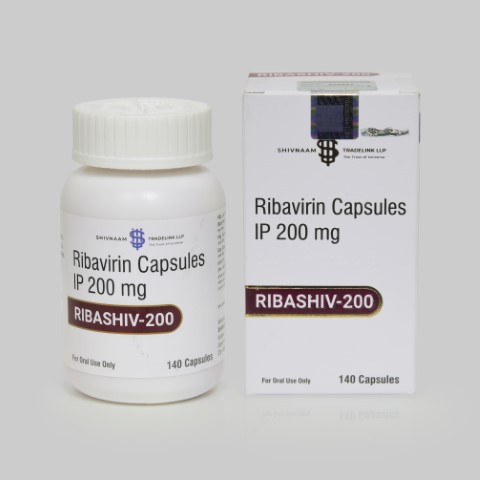
Ribashiv 200 MG Capsules
$4.25 / unit
Available Options
| Pack Size | Price | Price / Unit | Quantity | Action |
|---|---|---|---|---|
| 840 Capsule | $2715.00 | $3.23/unit | ||
| 700 Capsule | $2328.00 | $3.33/unit | ||
| 560 Capsule | $1895.00 | $3.38/unit | ||
| 420 Capsule | $1507.00 | $3.59/unit | ||
| 280 Capsule | $1074.00 | $3.84/unit | ||
| 140 Capsule | $597.00 | $4.26/unit |
Product Description
What is this medicine?
RIBASHIV 200 MG CAPSULE contains Ribavirin 200 mg, an antiviral medicine (nucleoside analogue) used in the treatment of chronic hepatitis C virus (HCV) infection. It is always used in combination with other antiviral medicines, such as peginterferon alfa or direct-acting antiviral agents, and should not be used alone. Ribavirin works by preventing the hepatitis C virus from multiplying, helping to reduce the amount of virus in the body, improve liver function, and decrease the risk of long-term liver damage. It is not a cure for hepatitis C but helps control the infection when used as part of combination therapy.
What should I tell my health care provider before I take this medicine?
They need to know if you have any of these conditions:
severe anemia or other blood disorders
kidney disease or reduced kidney function
liver disease other than hepatitis C
HIV infection or hepatitis B co-infection
autoimmune disorders
history of depression, anxiety, or suicidal thoughts
organ transplant recipient
an unusual or allergic reaction to ribavirin or any other medicines, foods, dyes, or preservatives
pregnant or planning to become pregnant
if your sexual partner is pregnant or planning pregnancy
breast-feeding
How should I use this medicine?
Take this medicine by mouth with food and a full glass of water. Swallow the capsule whole. Take your doses at regular intervals and exactly as prescribed by your doctor.
This medicine should always be used together with other medicines prescribed for hepatitis C. Do not stop taking it unless your doctor tells you to.
Drink plenty of fluids during treatment to help reduce the risk of dehydration and kidney problems.
Because ribavirin can cause serious birth defects, both men and women must use effective contraception during treatment and for at least 6 months after the last dose.
Overdosage: If you think you have taken too much of this medicine, contact a poison control center or emergency room at once.
NOTE: This medicine is only for you. Do not share this medicine with others.
What if I miss a dose?
If you miss a dose, take it as soon as you remember with food. If it is almost time for your next scheduled dose, skip the missed dose and continue with your regular dosing schedule.
Do not take double or extra doses to make up for a missed dose.
What may interact with this medicine?
didanosine
azathioprine
zidovudine
stavudine
interferon alfa or peginterferon alfa
medicines that suppress the bone marrow
vaccines (consult your doctor before receiving any vaccines)
This list may not describe all possible interactions. Give your health care provider a complete list of all the medicines, herbs, non-prescription drugs, or dietary supplements you use. Also tell them if you smoke, drink alcohol, or use illegal drugs. Some items may interact with this medicine.
What should I watch for while using this medicine?
Visit your doctor or health care professional regularly for checks on your progress. You will need regular blood tests to monitor your blood cell counts, liver function, kidney function, and hepatitis C viral load.
Ribavirin may cause hemolytic anemia, which can worsen heart disease. Contact your doctor immediately if you experience unusual tiredness, pale skin, chest pain, shortness of breath, or a rapid heartbeat.
This medicine can cause serious birth defects or miscarriage. Women should have a negative pregnancy test before starting treatment, monthly during treatment, and for 6 months after treatment ends. Both male and female patients should use effective contraception during this period.
Drink plenty of fluids throughout treatment to reduce the risk of dehydration.
Tell your doctor immediately if you develop depression, mood changes, aggressive behavior, or suicidal thoughts during treatment.
What side effects may I notice from this medicine?
Side effects that you should report to your doctor or health care professional as soon as possible:
allergic reactions such as skin rash, itching, hives, or swelling of the face, lips, tongue, or throat
severe anemia (extreme tiredness, pale skin, dizziness, shortness of breath)
chest pain or irregular heartbeat
severe depression, suicidal thoughts, or unusual mood changes
persistent fever or signs of infection
unusual bruising or bleeding
yellowing of the skin or eyes (jaundice)
severe stomach pain
vision changes
difficulty breathing
Side effects that usually do not require medical attention (report to your doctor or health care professional if they continue or are bothersome):
headache
fatigue
muscle pain
weakness
nausea
decreased appetite
fever
cough
difficulty sleeping
This list may not describe all possible side effects.
Where should I keep my medicine?
Keep out of the reach of children.
Store at 25°C to 30°C in the original container. Protect from moisture, excessive heat, and direct sunlight.
Keep the container tightly closed when not in use.
Throw away any unused medicine after the expiration date.