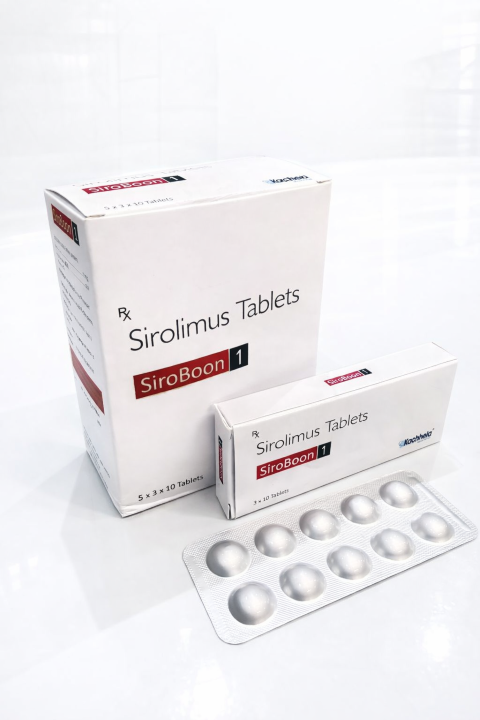
Siroboon 1 MG Tablet
$5.20 / unit
Available Options
| Pack Size | Price | Price / Unit | Quantity | Action |
|---|---|---|---|---|
| 180 tablets | $711.00 | $3.95/unit | ||
| 150 tablets | $609.00 | $4.06/unit | ||
| 120 tablets | $496.00 | $4.13/unit | ||
| 90 tablets | $395.00 | $4.39/unit | ||
| 60 tablets | $282.00 | $4.70/unit | ||
| 30 tablets | $156.51 | $5.20/unit |
Product Description
What is this medicine?
SIROBOON 1 MG TABLET contains Sirolimus 1 mg, also known as rapamycin, an immunosuppressant belonging to the mTOR (mammalian target of rapamycin) inhibitor class.
Sirolimus suppresses specific immune-cell responses by inhibiting the mTOR pathway. This reduces activation and proliferation of T lymphocytes and helps prevent the immune system from attacking a transplanted organ.
This medicine is primarily used for:
prevention of organ rejection after kidney transplantation
immunosuppression following kidney transplantation
use with other immunosuppressive medicines as part of a transplant regimen
maintaining acceptance of a transplanted kidney when prescribed by a transplant specialist
Current Siroboon product information specifically describes it for preventing organ rejection in transplant patients.
Important: Sirolimus has a narrow therapeutic range and can cause serious adverse effects. It should be taken only under specialist supervision with appropriate laboratory monitoring.
What should I tell my health care provider before I take this medicine?
They need to know if you have any of these conditions:
allergy to sirolimus, rapamycin, or any tablet ingredient
liver disease
kidney disease
high cholesterol
high triglycerides
high blood pressure
diabetes
anemia
low platelet or white blood cell counts
current or recurrent infections
tuberculosis or previous serious infections
lung disease
unexplained cough or shortness of breath
history of cancer
delayed or poor wound healing
mouth ulcers
if you recently had surgery
if you are scheduled for surgery
if you recently received or plan to receive a vaccine
if you take other immunosuppressive medicines
if you are pregnant or planning pregnancy
if you are breastfeeding
Tell your transplant specialist about all medicines and supplements you use because changes in sirolimus blood concentrations can result in toxicity or inadequate immunosuppression.
How should I use this medicine?
Take Siroboon 1 mg Tablet exactly as prescribed by your transplant specialist or healthcare professional.
Sirolimus dosing is individualized according to factors such as the transplanted organ, other immunosuppressants being used, laboratory results, and sirolimus blood trough concentrations.
Siroboon can generally be taken with or without food, but it should be taken consistently in the same manner each day to reduce variation in absorption.
For appropriate use:
swallow the tablet whole with water
do not chew, crush, or break it
take it at approximately the same time each day
take it consistently either with food or without food
do not change your dose yourself
attend all scheduled blood tests
do not stop taking sirolimus without consulting your transplant specialist
The correct dose cannot be determined from the 1 mg tablet strength alone. Your healthcare professional may adjust your dose based on sirolimus blood concentrations and clinical response.
Overdosage: An overdose can cause serious adverse effects. Contact a healthcare professional or seek urgent medical attention if significantly more than the prescribed dose is taken.
NOTE: This medicine is only for you. Do not share it with anyone else.
What if I miss a dose?
If you miss a dose of Siroboon, follow the instructions provided by your transplant team.
Do not routinely take a double dose to compensate for a missed dose.
Because maintaining appropriate immunosuppression is important after transplantation, contact your transplant specialist or pharmacist if you are unsure what to do after a missed dose.
Repeatedly missing doses can increase the risk of inadequate immunosuppression and transplant rejection.
What may interact with this medicine?
Sirolimus has numerous clinically important interactions, including with:
cyclosporine
tacrolimus and other immunosuppressants
clarithromycin
erythromycin
rifampicin
rifabutin
ketoconazole
itraconazole
voriconazole
fluconazole
diltiazem
verapamil
certain anticonvulsant medicines
certain HIV antiviral medicines
certain hepatitis medicines
St. John's wort
other medicines affecting CYP3A4 or P-glycoprotein
Avoid grapefruit and grapefruit juice unless your healthcare professional specifically says otherwise, because grapefruit can alter sirolimus concentrations.
Do not receive live vaccines without discussing them with your transplant specialist because your immune response is suppressed.
Give your healthcare provider a complete list of all prescription medicines, nonprescription medicines, vitamins, herbal preparations, and dietary supplements you use.
What should I watch for while using this medicine?
Your healthcare professional may regularly monitor:
sirolimus blood levels
kidney function
liver function
complete blood count
platelet count
cholesterol and triglycerides
blood pressure
urine protein
signs of infection
Contact your healthcare professional promptly if you develop:
fever or chills
persistent sore throat
signs of infection
unusual bruising or bleeding
severe or persistent mouth ulcers
severe diarrhea
significant swelling
unexplained weight gain
persistent cough
shortness of breath
chest discomfort
slow or poor wound healing
Because sirolimus suppresses the immune system, it can increase susceptibility to serious infections and may increase the risk of certain malignancies, particularly lymphoma and skin cancer.
Limit excessive sun and ultraviolet exposure and use appropriate sun protection.
What side effects may I notice from this medicine?
Side effects that you should report to your doctor or healthcare professional as soon as possible:
fever or signs of serious infection
severe or persistent cough
difficulty breathing
severe swelling or edema
unusual bleeding or bruising
severe abdominal pain
significantly reduced urine output
severe diarrhea
severe mouth ulcers
poor wound healing
severe allergic reaction
swelling of the face, lips, tongue, or throat
difficulty breathing or swallowing
Side effects that usually do not require immediate medical attention (report them if persistent or bothersome):
swelling or edema
increased cholesterol or triglycerides
high blood pressure
abdominal pain
diarrhea
headache
nausea
joint pain
fever
mouth sores
anemia
low platelet count
urinary tract infection
Current Siroboon information lists edema, increased blood lipids, hypertension, abdominal pain, diarrhea, headache, fever, urinary tract infection, anemia, nausea, joint pain, and thrombocytopenia among reported adverse effects.
Where should I keep my medicine?
Keep out of the reach of children.
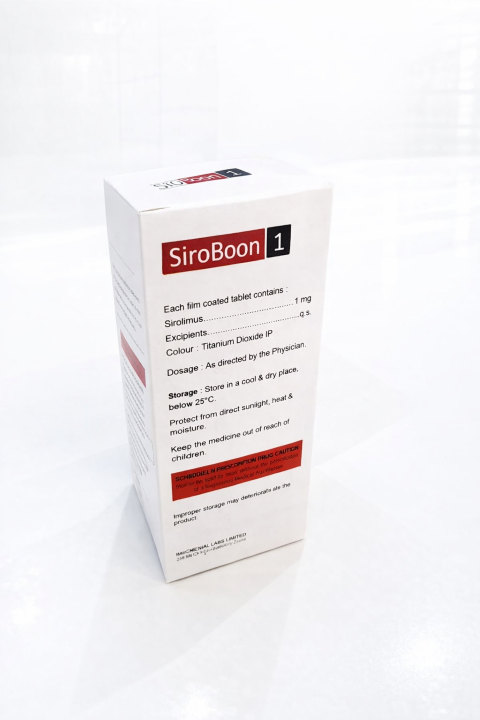
Store Siroboon 1 mg Tablet below 30°C, protected from excessive heat and moisture.
Keep the tablets in their original blister packaging until ready for use.
Do not use the tablets after their expiration date or if the packaging has been damaged.