Testo E 250 MG Injection
$4.00 / unit
Available Options
| Pack Size | Price | Price / Unit | Quantity | Action |
|---|---|---|---|---|
| 180 Ampoules | $546.00 | $3.03/unit | ||
| 150 Ampoules | $468.00 | $3.12/unit | ||
| 120 Ampoules | $381.00 | $3.18/unit | ||
| 90 Ampoules | $303.00 | $3.37/unit | ||
| 60 Ampoules | $216.00 | $3.60/unit | ||
| 30 Ampoules | $120.00 | $4.00/unit |
Product Description
What is this medicine?
Current product information identifies Testo-E as:
Brand Name: Testo-E
Active Ingredient: Testosterone Enanthate
Strength: 250 mg/mL
Ampoule Size: 1 mL
Amount per Ampoule: 250 mg
Dosage Form: Injectable oily solution
Route: Intramuscular (I.M.)
Manufacturer/Brand: Powerbolic Lab / Powerbolic Labs
Common Pack: 10 × 1 mL ampoules
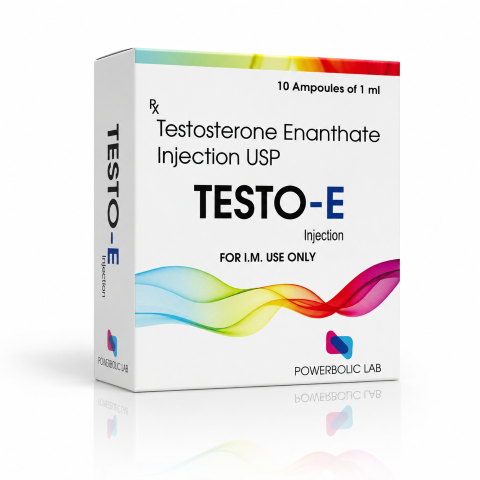
Current product photographs show “TESTO-E,” “Testosterone Enanthate Injection USP,” “10 Ampoules of 1 ml,” “FOR I.M. USE ONLY,” and “POWERBOLIC LAB.”
A separate current listing identifies the product specifically as TESTO-E 1ML Injection, Testosterone Enanthate 250 mg/mL, manufactured by Powerbolic Labs.
Testosterone enanthate is an esterified, longer-acting form of testosterone, the principal naturally occurring male androgen. After injection, testosterone enanthate is gradually released and hydrolyzed to active testosterone in the body.
Testosterone contributes to:
development and maintenance of male sexual characteristics
libido and sexual function
muscle and bone maintenance
red blood cell production
normal androgen-dependent physiological functions
maintenance of male reproductive tissues
Established prescription testosterone enanthate products are used as replacement therapy in males with deficiency or absence of endogenous testosterone, including:
primary hypogonadism
hypogonadotropic hypogonadism
Current FDA information confirms that testosterone products are approved for men with low or absent testosterone associated with an underlying medical condition.
Important: Testosterone treatment should be based on a properly established diagnosis. Symptoms alone do not prove testosterone deficiency.
Testo-E should not be used simply for:
bodybuilding
athletic-performance enhancement
cosmetic muscle gain
rapid strength enhancement
increasing testosterone above physiological levels
Abuse of testosterone at supratherapeutic doses, particularly when combined with other anabolic-androgenic steroids, can cause serious cardiovascular, psychiatric, endocrine and reproductive adverse effects.
What should I tell my health care provider before I take this medicine?
Tell your healthcare provider if you have:
allergy to testosterone enanthate or any ingredient in the injection
known or suspected prostate cancer
male breast cancer
enlarged prostate
difficulty passing urine
elevated PSA
high haemoglobin or haematocrit
polycythaemia
previous blood clot
deep-vein thrombosis
pulmonary embolism
previous heart attack
previous stroke
high blood pressure
uncontrolled hypertension
heart failure
kidney disease
liver disease
significant swelling or fluid retention
sleep apnoea
abnormal cholesterol or triglycerides
high calcium levels
fertility problems
plans to father a child
if you take warfarin or another anticoagulant
if you take corticosteroids or ACTH
if you use other testosterone products
Current testosterone-enanthate prescribing information and related FDA-approved testosterone labels identify important precautions involving polycythaemia, venous thromboembolism, prostate disease, blood-pressure increases, edema and abuse.
Prostate and breast cancer warning
Testosterone therapy is generally contraindicated in men with:
carcinoma of the breast
known or suspected prostate carcinoma
Patients with prostate symptoms require appropriate clinical evaluation.
Fertility warning
External testosterone suppresses normal pituitary reproductive-hormone signaling.
Possible consequences include:
reduced LH and FSH
decreased natural testosterone production
reduced sperm production
oligospermia
azoospermia
testicular shrinkage
reduced fertility or infertility
Current testosterone labeling warns that exogenous androgens can suppress spermatogenesis, including causing azoospermia.
Tell your healthcare professional before treatment if maintaining fertility is important to you.
Pregnancy warning
Testosterone is not intended for use during pregnancy.
Androgen exposure can cause virilization of a female fetus.
How should I use this medicine?
Current Testo-E packaging states:
FOR I.M. USE ONLY.
Each 1 mL ampoule contains:
Testosterone Enanthate 250 mg
Important: The fact that each ampoule contains 250 mg does not mean that one complete ampoule is automatically the correct dose for every patient.
The medically appropriate testosterone dose depends on:
confirmed diagnosis
baseline testosterone concentration
age
symptoms
treatment response
serum testosterone during treatment
haemoglobin and haematocrit
blood pressure
fertility considerations
prostate health
adverse effects
applicable local prescribing information
For comparison, a current regulated intramuscular testosterone-enanthate label at 200 mg/mL describes individualized replacement doses ranging from 50–400 mg every 2–4 weeks for male hypogonadism. These instructions apply to that approved product and should not automatically be transferred to Powerbolic Testo-E 250 mg/mL.
For safer medically supervised administration:
use only the amount prescribed
administer by the intramuscular route
use appropriate sterile technique
do not inject intravenously
do not increase the dose yourself
do not shorten injection intervals
do not use bodybuilding-cycle schedules as medical instructions
do not combine testosterone with other anabolic steroids without medical supervision
Before an injection, inspect the ampoule for:
cracks or damage
unexpected particles
unusual discoloration
signs of contamination
The concentration should always be checked carefully before calculating the prescribed injection volume.
Diagnosis and monitoring
Before testosterone replacement is started, a healthcare professional should establish that testosterone deficiency is genuine and determine the underlying cause.
During treatment, monitoring may include:
serum testosterone
haemoglobin
haematocrit
blood pressure
PSA and prostate evaluation where appropriate
cholesterol
triglycerides
blood glucose
liver function where clinically indicated
There is no medically appropriate universal “Testo-E cycle” for bodybuilding or performance enhancement that should be presented as therapeutic dosing.
What if I miss a dose?
Testosterone enanthate is generally administered according to a scheduled injection plan.
If you miss a medically prescribed Testo-E injection:
contact your healthcare provider
arrange the next appropriate injection
do not inject two doses together
do not use an extra ampoule
do not double the next dose
do not shorten the interval between injections yourself
Do not use bodybuilding schedules or online steroid calculators to compensate for a missed injection.
What may interact with this medicine?
Tell your healthcare provider if you take:
warfarin
other oral anticoagulants
insulin
oral diabetes medicines
corticosteroids
ACTH
other testosterone products
other anabolic-androgenic steroids
medicines affecting blood pressure
medicines affecting fluid balance
Anticoagulants
Androgens may alter sensitivity to oral anticoagulants.
People taking warfarin or similar medicines may require closer:
INR monitoring
prothrombin-time monitoring
assessment for unusual bleeding
particularly when testosterone treatment is started, changed, or stopped.
Diabetes medicines
Testosterone may alter:
blood glucose
insulin sensitivity
insulin requirements
People taking insulin or other glucose-lowering medicines may require closer blood-glucose monitoring.
Corticosteroids and ACTH
Combining testosterone with corticosteroids or ACTH can increase:
sodium retention
water retention
swelling
edema
This may be especially important in people with:
heart disease
kidney disease
liver disease
Other anabolic steroids
Combining testosterone with:
can substantially increase total androgen exposure and may compound:
high blood pressure
abnormal cholesterol
elevated haematocrit
cardiovascular risk
hormonal suppression
infertility
psychiatric adverse effects
Give your healthcare provider a complete list of all medicines, hormones, injections, vitamins, supplements, and herbal products you use.
What should I watch for while using this medicine?
Your healthcare professional may monitor:
serum testosterone
haemoglobin
haematocrit
complete blood count
blood pressure
PSA
prostate symptoms
cholesterol
LDL cholesterol
HDL cholesterol
triglycerides
blood glucose
fertility parameters where relevant
Polycythaemia
Testosterone can increase red blood cell production.
This may cause:
elevated haemoglobin
elevated haematocrit
increased red blood cell mass
polycythaemia
Excessively elevated haematocrit can increase the risk of thromboembolic complications.
Current testosterone-enanthate prescribing information recommends monitoring for polycythaemia, and current testosterone labels emphasize periodic haematocrit measurement.
Blood clots
Testosterone products have been associated with:
deep-vein thrombosis
pulmonary embolism
Seek prompt medical attention if you develop:
pain in one leg
swelling in one leg
redness or warmth of a limb
sudden unexplained shortness of breath
chest pain
Current testosterone labeling specifically warns about venous thromboembolism.
Blood pressure
Testosterone can increase blood pressure.
FDA required class-wide testosterone labeling changes after ambulatory blood-pressure studies confirmed increased blood pressure with testosterone products.
Blood pressure should therefore be monitored periodically, particularly in people who already have hypertension.
Seek medical attention for:
severe or persistent headache
marked dizziness
chest pain
very high blood-pressure readings
Cardiovascular health
FDA's review of the large TRAVERSE cardiovascular trial did not find an increased rate of major cardiovascular events compared with placebo in appropriately treated hypogonadal men, leading FDA to remove an older class-wide boxed cardiovascular warning. However, the blood-pressure warning remains.
This finding should not be interpreted as evidence that supratherapeutic bodybuilding doses or anabolic-steroid abuse are cardiovascularly safe.
Fluid retention
Testosterone can cause retention of:
sodium
water
other electrolytes
Possible symptoms include:
swollen ankles
swollen legs
rapid weight gain
worsening shortness of breath
Edema may be especially serious in people with pre-existing:
heart disease
kidney disease
liver disease
Prostate health
Testosterone can worsen urinary symptoms in men with benign prostate enlargement.
Tell your healthcare provider if you develop:
difficulty starting urination
weak urine stream
frequent urination
increased nighttime urination
inability to pass urine
Appropriate prostate monitoring may be necessary.
Sleep apnoea
Testosterone can worsen sleep apnoea, particularly in susceptible individuals.
Report:
worsening loud snoring
witnessed breathing pauses
severe daytime sleepiness
Fertility and hormonal suppression
Testosterone therapy can suppress sperm production and natural testosterone production.
Possible effects include:
oligospermia
azoospermia
testicular shrinkage
reduced fertility
infertility
Women
Androgen exposure in women may cause:
facial or body-hair growth
acne
scalp hair loss
menstrual changes
deepening of the voice
clitoral enlargement
Some virilizing effects, particularly voice changes, may not completely reverse.
Children and adolescents
Excessive androgen exposure can accelerate bone maturation and may cause premature closure of growth plates, potentially reducing adult height.
Use in adolescents requires specialist supervision for an established medical indication.
Misuse warning
Testosterone is sometimes abused at doses substantially higher than medical replacement doses.
Testosterone abuse, especially in combination with other anabolic steroids, has been associated with serious:
cardiovascular reactions
psychiatric effects
endocrine suppression
reproductive effects
dependence
Current testosterone-enanthate labeling specifically warns about abuse and the serious cardiovascular and psychiatric reactions associated with anabolic-steroid misuse.
What side effects may I notice from this medicine?
Side effects that you should report to your doctor or healthcare professional as soon as possible:
chest pain
sudden shortness of breath
fainting
severe rise in blood pressure
symptoms of a blood clot
major swelling
severe difficulty passing urine
prolonged or painful erection
yellowing of the skin or eyes
severe mood or behavioral changes
severe allergic reaction
Side effects that usually do not require immediate medical attention but should be reported if they continue or are bothersome:
acne
oily skin
injection-site pain
inflammation at the injection site
headache
nausea
increased or decreased libido
frequent erections
breast enlargement or tenderness
fluid retention
ankle swelling
weight gain
anxiety
depressed mood
scalp hair loss in susceptible individuals
In men, testosterone may cause:
gynecomastia
oligospermia
reduced fertility
testicular shrinkage
excessive or prolonged erections
Current testosterone-enanthate labeling reports adverse reactions including gynecomastia, excessive erections, oligospermia, acne, male-pattern baldness, fluid retention, myocardial infarction, stroke, polycythaemia, venous thromboembolism, anxiety, depression and injection-site inflammation or pain.
This list may not describe all possible adverse effects.
Where should I keep my medicine?
Keep TESTO-E 250 MG/ML INJECTION out of the reach of children.
Current commercial Testo-E listings commonly state storage below 25°C or below 30°C, but the exact instructions printed on the original Powerbolic carton should take priority.
For comparison, current regulated testosterone-enanthate injection labeling recommends storage at:
20°C–25°C (68°F–77°F).
Protect the ampoules from:
excessive heat
direct sunlight
freezing
physical damage
contamination
unauthorized access
Keep ampoules in their original packaging.
Do not use an ampoule if:
it is cracked or damaged
packaging appears tampered with
the solution contains unexpected particles
the solution has significantly changed appearance
contamination is suspected
the expiration date has passed
product authenticity cannot be verified
Never share needles or syringes.