Testoboon-CP 250 MG Ampoules (1*10)
$7.50 / unit
Available Options
| Pack Size | Price | Price / Unit | Quantity | Action |
|---|---|---|---|---|
| 60 Ampoules | $450.00 | $7.50/unit | ||
| 50 Ampoules | $375.00 | $7.50/unit | ||
| 40 Ampoules | $300.00 | $7.50/unit | ||
| 30 Ampoules | $225.00 | $7.50/unit | ||
| 20 Ampoules | $150.00 | $7.50/unit | ||
| 10 Ampoules | $75.00 | $7.50/unit |
Product Description
TESTOBOON-CP 250 MG AMPOULES
What is this medicine?
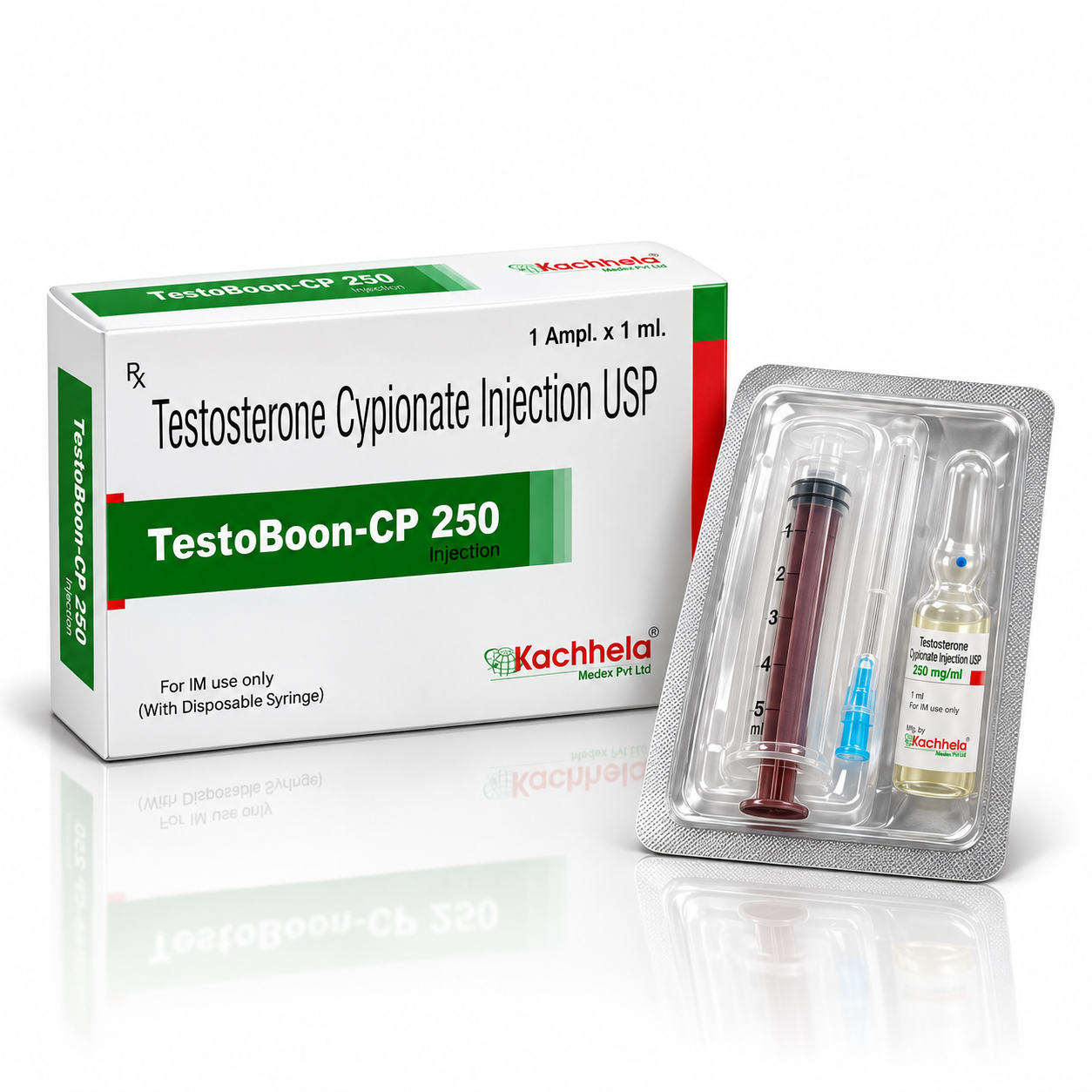
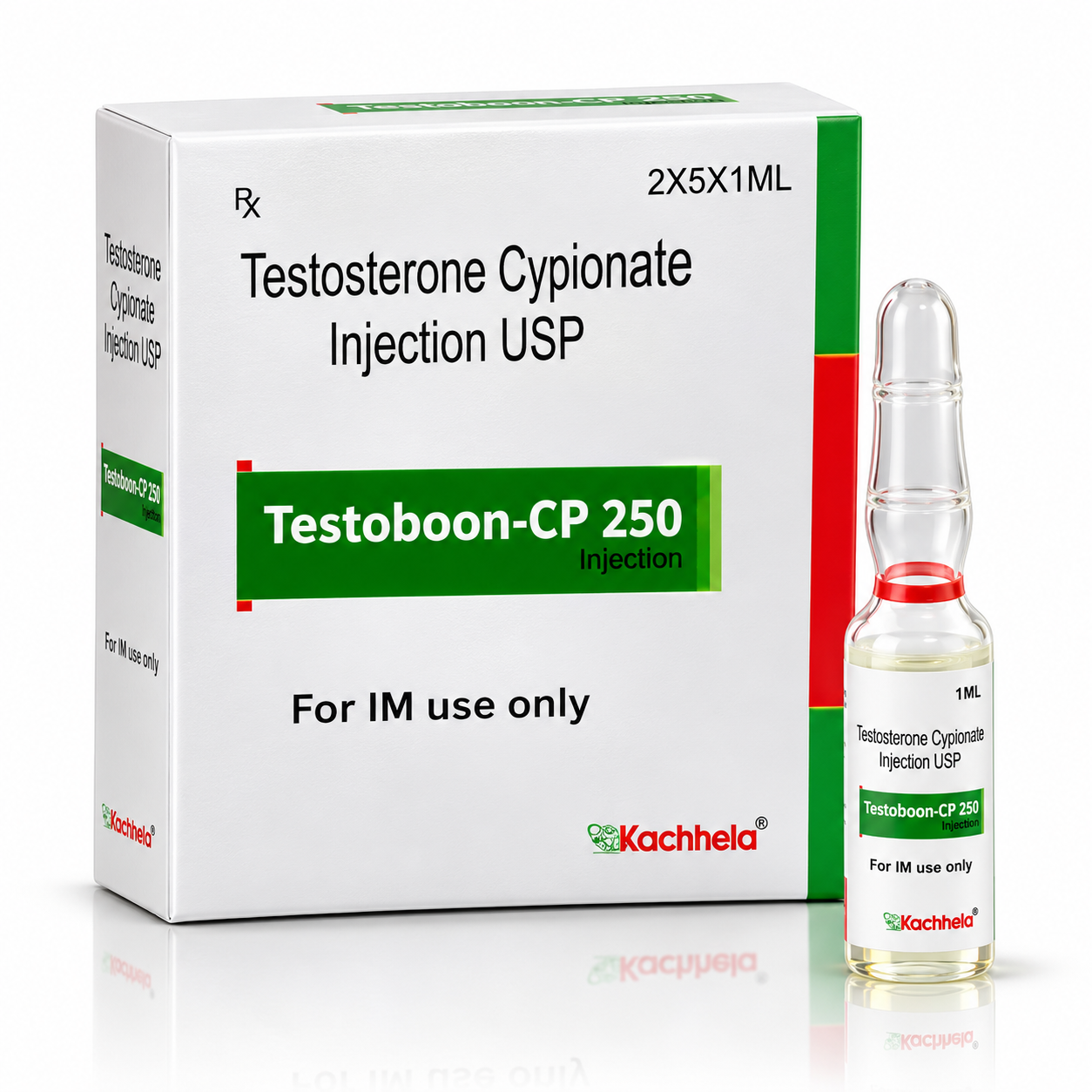
TESTOBOON-CP 250 MG AMPOULES contains Testosterone Cypionate USP 250 mg/mL and is marketed by Kachhela Medex Pvt. Ltd., India.
It is available as a sterile, oil-based injectable solution intended for intramuscular (IM) administration only.
The requested presentation is 1 × 10 × 1 mL ampoules, containing 10 individual 1 mL ampoules, each with 250 mg of testosterone cypionate.
The verified product packaging identifies testosterone cypionate 250 mg per mL in an arachis oil (peanut oil) base. The available carton image confirms an individual 1 mL ampoule; the exact 10-ampoule outer-pack configuration should be checked against the supplied pack.
Manufacturer Details
Brand Name: Testoboon-CP 250 mg Injection
Generic Name: Testosterone Cypionate
Strength: 250 mg/mL
Dosage Form: Oil-based solution for injection
Therapeutic Class: Androgen / Testosterone replacement therapy / Anabolic-androgenic steroid
Marketed By: Kachhela Medex Pvt. Ltd.
Manufacturer: Confirm the actual manufacturing license holder on the supplied ampoule or carton
Requested Pack Size: 1 × 10 ampoules × 1 mL
Total Quantity: 10 mL across 10 individual ampoules
Route of Administration: Intramuscular injection only
Testosterone cypionate belongs to a class of medicines called androgens, or male sex hormone preparations.
It is a long-acting ester of testosterone used for testosterone replacement therapy in patients with clinically confirmed testosterone deficiency.
Testosterone is naturally produced primarily by the testes and plays an essential role in maintaining:
male sexual development and secondary sexual characteristics
sexual desire
reproductive function
muscle and bone health
normal red blood cell production
fat distribution
general physical development
Testosterone cypionate is converted into testosterone after injection. The released testosterone binds to androgen receptors in different tissues, helping restore androgen activity in individuals with deficient testosterone production.
This medicine is commonly used for:
testosterone replacement therapy in adult men with confirmed hypogonadism
treatment of primary hypogonadism caused by testicular dysfunction
treatment of secondary or hypogonadotropic hypogonadism
management of testosterone deficiency caused by certain pituitary or hypothalamic disorders
treatment of testosterone deficiency following testicular injury or removal
management of certain congenital or acquired disorders affecting testosterone production
improvement of symptoms associated with medically confirmed low testosterone, when treatment is appropriate
Testosterone therapy may help improve low libido, certain sexual symptoms, bone density, anemia, and other effects of testosterone deficiency in appropriately selected patients.
However, benefits vary and not every symptom is caused by low testosterone.
Testoboon-CP 250 mg is not intended for bodybuilding, athletic performance enhancement, or treating ordinary tiredness in people with normal testosterone levels.
Testosterone treatment should generally begin only after appropriate symptoms have been evaluated and low testosterone has been confirmed using reliable blood tests, usually including repeat early-morning testosterone measurements.
Important: Exogenous testosterone suppresses the body's own testosterone production and can reduce sperm production, sometimes causing temporary or prolonged infertility.
What should I tell my health care provider before I take this medicine?
They need to know if you have any of these conditions:
confirmed low testosterone levels
primary hypogonadism
secondary hypogonadism
pituitary gland disorders
hypothalamic disorders
infertility
low sperm count
a desire to have children
prostate enlargement
benign prostatic hyperplasia (BPH)
prostate cancer
a history of elevated prostate-specific antigen (PSA)
male breast cancer
breast enlargement
heart disease
heart failure
a previous heart attack
a previous stroke
high blood pressure
high cholesterol
a history of blood clots
deep vein thrombosis
pulmonary embolism
elevated hematocrit
polycythemia
high hemoglobin levels
sleep apnea
severe obesity
kidney disease
liver disease
diabetes mellitus
uncontrolled fluid retention
swelling in the legs or ankles
severe acne
androgen-related hair loss
depression or other significant mood disorders
a history of aggressive behavior or mania
a history of substance misuse
breast tenderness
elevated calcium levels
if you are taking anticoagulant medicines
if you are taking insulin or diabetes medicines
if you are taking corticosteroids
if you are using other testosterone preparations
if you are using anabolic-androgenic steroids
an allergy to testosterone cypionate
an allergy to peanut or arachis oil
an allergy to any other ingredient in the injection
Important contraindications
Do not use Testoboon-CP 250 mg if you have a known serious allergic reaction to testosterone cypionate or any ingredient in the product.
The verified Testoboon-CP formulation contains arachis oil. Anyone with a peanut allergy must inform their healthcare professional before receiving the injection, because the suitability and allergenic risk of the specific oil preparation require assessment.
Testosterone cypionate is contraindicated in patients with:
known or suspected prostate cancer
male breast carcinoma
certain serious cardiac, liver, or kidney conditions, according to applicable product labeling
pregnancy, because testosterone may harm fetal development
Prostate health:
Testosterone can worsen urinary symptoms associated with prostate enlargement.
A healthcare professional may recommend prostate assessment and PSA testing before and during treatment, according to age and individual risk.
Cardiovascular disease:
Tell your healthcare professional about high blood pressure, previous heart attack, stroke, heart failure, or blood clots.
Testosterone may increase blood pressure, hematocrit, fluid retention, or thromboembolic risk.
Sleep apnea:
Testosterone therapy may worsen existing obstructive sleep apnea in susceptible patients.
Fertility:
Patients planning to conceive should discuss alternatives because testosterone replacement can suppress sperm production.
Important: Testoboon-CP should only be administered after an appropriate medical assessment and a review of relevant laboratory results.
How should I use this medicine?
Testoboon-CP 250 mg Ampoule must be administered exactly as prescribed by a qualified healthcare professional.
The injection is intended for intramuscular administration only, as specified on the verified brand packaging.
Do not inject Testoboon-CP intravenously.
The medicine is typically administered by a trained healthcare professional into an appropriate intramuscular injection site.
The exact dose and injection interval depend on:
the cause of testosterone deficiency
baseline testosterone levels
age
medical history
treatment response
hemoglobin and hematocrit levels
blood pressure
adverse effects
fertility considerations
General dosing information
For adult male hypogonadism:
Reference prescribing information for testosterone cypionate describes a broad intramuscular dose range of:
50–400 mg every 2–4 weeks, individualized according to the patient's condition and response.
This is a historical label-based reference range, not a recommendation to inject a full Testoboon-CP 250 mg ampoule at a particular interval.
Modern testosterone replacement regimens are often individualized using smaller, more frequent doses to reduce fluctuations in testosterone levels.
The full 250 mg ampoule is not necessarily the correct dose for every patient.
Your healthcare professional must determine the appropriate amount and timing.
For primary hypogonadism:
Testosterone cypionate may be prescribed when the testes cannot produce adequate testosterone because of congenital disorders, injury, or other medical conditions.
Treatment requires individualized dosing and monitoring.
For secondary hypogonadism:
Testosterone replacement may be prescribed in selected patients with pituitary or hypothalamic disorders.
The underlying cause should be evaluated before treatment.
For age-related low testosterone:
Testosterone treatment is not automatically recommended for normal age-related declines.
The safety and effectiveness of testosterone cypionate specifically for age-related hypogonadism have not been established in the referenced product labeling.
For children and adolescents:
Testosterone therapy for certain developmental conditions requires specialist supervision.
This high-strength 250 mg/mL formulation should not be used for pediatric treatment without individualized specialist assessment.
For older adults:
Older patients may require closer monitoring of hematocrit, blood pressure, prostate symptoms, and cardiovascular health.
General administration instructions
Confirm the prescription and required dose.
Check the medicine name, concentration, ampoule integrity, and expiry date.
Inspect the oil-based solution for unusual discoloration or particles.
Have a trained healthcare professional prepare the prescribed injection using sterile equipment.
Administer the medicine by the prescribed intramuscular route.
Follow appropriate infection-control and injection-site precautions.
Monitor for immediate allergic or injection-related reactions.
Dispose of used needles and ampoules in approved sharps containers.
Important administration precautions:
Use only under medical supervision.
Do not inject into a vein.
Do not change the dose yourself.
Do not increase injection frequency without medical advice.
Do not combine it with other testosterone injections without specialist instruction.
Do not use a cracked or leaking ampoule.
Do not use the solution if visible particles or unusual cloudiness are present.
Do not reuse needles or syringes.
Do not share the medicine.
Attend recommended blood tests and follow-up appointments.
Treatment monitoring
Your healthcare professional may check:
total testosterone
free testosterone when indicated
hemoglobin
hematocrit
PSA when appropriate
blood pressure
lipid profile
liver function when clinically indicated
symptoms and adverse effects
Testosterone measurements should be timed appropriately in relation to the injection schedule.
Overdosage
Excessive testosterone exposure may increase the risk of:
elevated hematocrit
high blood pressure
fluid retention
severe acne
mood and behavioral changes
worsening sleep apnea
reduced sperm production
abnormal blood lipid levels
cardiovascular complications
If an excessive dose has been administered, seek medical advice promptly.
Because testosterone cypionate is a long-acting oil-based preparation, adverse effects may persist beyond the day of injection.
NOTE: This medicine is only for you. Do not share it with others.
What if I miss a dose?
If you miss a scheduled Testoboon-CP 250 mg injection, contact your healthcare professional to arrange the next appropriate administration.
Do not administer a double dose to make up for a missed injection.
Do not inject extra testosterone or shorten the interval between injections without medical advice.
Because testosterone cypionate is a long-acting preparation, the correct timing of a replacement dose depends on your established treatment schedule and clinical circumstances.
If several doses have been missed, your doctor may review symptoms and testosterone levels before resuming treatment.
Do not restart at a higher dose to compensate for an interruption.
What may interact with this medicine?
Testosterone cypionate may interact with medicines that affect blood clotting, blood glucose, fluid retention, hormone activity, or cardiovascular function.
Important interactions and treatment considerations include:
warfarin
acenocoumarol
insulin
metformin
sulfonylureas
other diabetes medicines
prednisone
prednisolone
dexamethasone
other systemic corticosteroids
adrenocorticotropic hormone (ACTH)
other testosterone injections
testosterone gels or patches
anabolic-androgenic steroids
medicines that affect blood pressure
medicines that affect fluid balance
Warfarin and other oral anticoagulants:
Testosterone may increase sensitivity to certain oral anticoagulants.
Patients taking warfarin may require additional INR monitoring, particularly when testosterone treatment begins, changes, or stops.
Diabetes medicines:
Testosterone therapy may alter insulin sensitivity and blood glucose regulation.
Patients taking insulin or other glucose-lowering medicines may require closer blood sugar monitoring and treatment adjustment.
Corticosteroids:
Combining testosterone with systemic corticosteroids may increase fluid retention.
This may be particularly concerning in patients with heart failure, kidney disease, or other conditions associated with edema.
ACTH:
The combination may increase fluid retention in susceptible patients.
Other testosterone products:
Using multiple testosterone preparations can cause excessive androgen exposure.
Do not combine Testoboon-CP with another testosterone injection, gel, patch, or implant unless specifically directed.
Anabolic-androgenic steroids:
Combining testosterone with other anabolic steroids may increase the risk of cardiovascular, reproductive, hormonal, and psychiatric complications.
Important: The listed medicines are not all prohibited combinations. Some may be used together when medically necessary, but monitoring and dose adjustments may be required.
This list may not describe all possible interactions.
Give your healthcare professional a complete list of prescription medicines, non-prescription drugs, vitamins, herbal preparations, hormones, and dietary supplements you use.
What should I watch for while using this medicine?
Testoboon-CP 250 mg Ampoules helps restore testosterone levels in patients with medically confirmed testosterone deficiency, but regular monitoring is essential because testosterone treatment can affect blood counts, cardiovascular health, fertility, and hormone balance.
Elevated hematocrit and red blood cell count:
Testosterone stimulates red blood cell production.
This may increase hemoglobin and hematocrit levels, a condition sometimes referred to as erythrocytosis or polycythemia.
Excessively high hematocrit may increase blood viscosity and contribute to thrombotic complications.
Your doctor should monitor your hematocrit before treatment and periodically during therapy.
If hematocrit rises significantly, your healthcare professional may reduce the dose, temporarily discontinue treatment, or investigate contributing conditions.
Clinical guidelines commonly recommend withholding testosterone treatment when hematocrit reaches 54% or higher, followed by reassessment and appropriate management.
High blood pressure:
Testosterone can increase blood pressure in some patients.
Your healthcare professional may recommend regular blood pressure monitoring.
Report persistent headaches, dizziness, or consistently elevated readings.
Blood clots:
Testosterone products have been associated with venous thromboembolic events, including deep vein thrombosis and pulmonary embolism.
Seek emergency medical attention if you develop:
sudden chest pain
unexplained shortness of breath
coughing blood
swelling or pain in one leg
sudden fainting
Cardiovascular health:
Cardiovascular risks should be assessed individually before testosterone therapy begins.
Patients with existing cardiovascular disease may require additional monitoring.
Seek immediate medical attention for symptoms of a heart attack or stroke.
Prostate monitoring:
Testosterone may worsen symptoms associated with benign prostatic hyperplasia.
Tell your doctor if you experience:
difficulty starting urination
weak urine flow
increased urinary frequency
repeated nighttime urination
incomplete bladder emptying
Your doctor may recommend PSA testing and prostate assessment when appropriate.
Fertility and sperm production:
Exogenous testosterone suppresses pituitary secretion of luteinizing hormone (LH) and follicle-stimulating hormone (FSH).
This can reduce the body's natural testosterone production and suppress sperm production.
Possible consequences include:
reduced sperm count
reduced testicular volume
temporary infertility
prolonged difficulty recovering sperm production after discontinuation
Testoboon-CP is not a fertility treatment.
Patients planning to have children should discuss their goals with a healthcare professional before treatment.
Sleep apnea:
Testosterone therapy may worsen obstructive sleep apnea in susceptible patients.
Report loud snoring, breathing interruptions during sleep, or worsening daytime sleepiness.
Fluid retention:
Testosterone may cause sodium and water retention.
Tell your doctor if you develop:
swelling of the ankles or feet
unexplained rapid weight gain
increasing shortness of breath
worsening symptoms of heart failure
Acne and oily skin:
Testosterone may stimulate sebaceous glands and increase skin oil production.
Some patients may develop new or worsening acne.
Breast enlargement:
Testosterone can be converted to estradiol through the aromatase enzyme.
Some patients may experience breast tenderness or gynecomastia.
Report persistent breast enlargement, pain, or nipple discharge.
Mood and behavioral changes:
Hormonal treatment may affect mood.
Possible changes include:
irritability
emotional fluctuations
agitation
changes in sleep
increased aggression, particularly with excessive androgen exposure
Report significant psychiatric or behavioral symptoms.
Lipid changes:
Testosterone therapy may affect cholesterol levels, including HDL cholesterol.
Your doctor may recommend periodic lipid testing.
Pregnancy and breastfeeding:
Testosterone cypionate is not intended for use during pregnancy and may cause masculinization of a developing fetus.
Patients who are pregnant or breastfeeding should not use this product unless a relevant specialist has evaluated the treatment and applicable product guidance.
Dependence and misuse:
Misuse of testosterone for bodybuilding or performance enhancement can lead to serious adverse effects.
These may include cardiovascular disease, hormonal suppression, infertility, and psychiatric complications.
Abrupt discontinuation after prolonged high-dose misuse may result in symptoms of androgen deficiency, including fatigue, depressed mood, and reduced libido.
Long-term treatment:
Testosterone replacement may require ongoing monitoring and periodic reassessment.
The prescribed dose should be adjusted according to symptoms, laboratory findings, and treatment tolerability.
Do not change the dose or injection schedule without medical advice.
What side effects may I notice from this medicine?
Side effects that you should report to your doctor or healthcare professional as soon as possible:
severe allergic reaction
difficulty breathing or swallowing
swelling of the face, lips, tongue, or throat
chest pain
sudden shortness of breath
symptoms of deep vein thrombosis
symptoms of pulmonary embolism
sudden weakness or numbness
difficulty speaking
severe or persistent high blood pressure
significant swelling of the legs or ankles
worsening heart failure symptoms
severe or persistent headache
marked elevation in hematocrit
difficulty passing urine
persistent or painful erections
an erection lasting four hours or longer
severe mood or behavioral changes
major depressive symptoms
severe injection-site reactions
signs of infection at the injection site
serious allergic symptoms related to the oil-based formulation
Side effects that usually do not require immediate medical attention (report them if they continue or are bothersome):
mild injection-site pain
redness or soreness around the injection site
mild swelling or bruising
acne
oily skin
increased sweating
changes in sexual desire
mild fluid retention
breast tenderness
changes in mood
mild headache
changes in hair growth
androgen-related hair loss
changes in cholesterol levels
Hormonal and reproductive side effects
Testosterone cypionate may cause:
suppression of natural testosterone production
reduced sperm production
decreased fertility
testicular shrinkage
breast enlargement
altered estradiol levels
changes in sexual function
Some reproductive effects may improve after stopping treatment, but recovery is not guaranteed to be immediate or complete.
Blood-related side effects
Testosterone may increase:
hemoglobin
hematocrit
red blood cell count
These changes require regular monitoring.
Cardiovascular side effects
Possible serious complications include:
elevated blood pressure
blood clots
worsening fluid retention
adverse cardiovascular events in susceptible patients
Injection-related side effects
Oil-based testosterone injections may cause:
injection-site pain
swelling
irritation
localized inflammation
rarely, infection or abscess formation
An immediate reaction after injection involving coughing, chest discomfort, dizziness, or breathing difficulty requires prompt medical assessment.
Important: Serious adverse effects may occur without obvious early symptoms. Regular blood testing and medical supervision are essential.
The likelihood and severity of side effects depend on the administered dose, injection frequency, duration of treatment, underlying medical conditions, and other medicines.
This list may not describe all possible side effects.
Contact your healthcare professional if any side effect becomes persistent, severe, or unusual.
Where should I keep my medicine?
Keep out of the reach of children and pets.
Store Testoboon-CP 250 mg Ampoules in a cool, dry place protected from light, according to the verified product carton.
Available Indian pharmacy product information additionally lists storage below 25°C. Follow the instructions printed on the actual supplied package.
Keep each ampoule in its original protective packaging until needed.
Protect the medicine from:
excessive heat
direct sunlight
moisture
freezing temperatures
physical damage
contamination
unauthorized access
Do not freeze the injection.
Testosterone cypionate is an oil-based injectable preparation. Low temperatures may sometimes cause crystallization in certain testosterone formulations.
If visible crystals, suspended particles, unusual cloudiness, or other changes appear, do not use the ampoule until a pharmacist or healthcare professional has confirmed that it is suitable.
Important storage and handling precautions
Keep the ampoules in their original packaging.
Protect them from direct sunlight.
Do not use a cracked or leaking ampoule.
Check the expiry date before use.
Do not use discolored or visibly contaminated solutions.
Do not reuse needles or syringes.
Do not share injection equipment.
Do not transfer the medicine into another container for storage without appropriate pharmaceutical instructions.
Single-use ampoules:
A 1 mL glass ampoule is generally intended for single-use administration.
The product carton contains instructions regarding limited storage of unused portions, but safe reuse depends on maintaining sterility and the specific approved instructions.
Any unused solution from an opened single-use ampoule should ordinarily be discarded rather than stored for later self-administration.
Ask a pharmacist or healthcare professional before considering any handling procedure that differs from this precaution.
Safe disposal
Used needles, syringes, and broken ampoules should be discarded in an approved puncture-resistant sharps container.
Do not dispose of exposed needles or broken glass in ordinary household waste.
Do not use Testoboon-CP after the expiry date printed on the original packaging.
Keep the medicine securely stored because testosterone is a prescription androgen with potential for misuse.
Dispose of expired or unused products according to local pharmacy and healthcare-waste regulations.