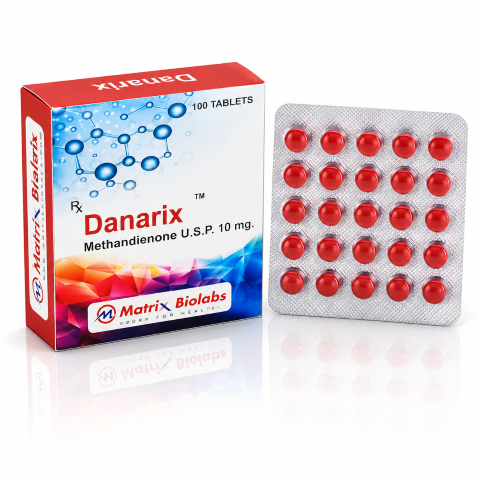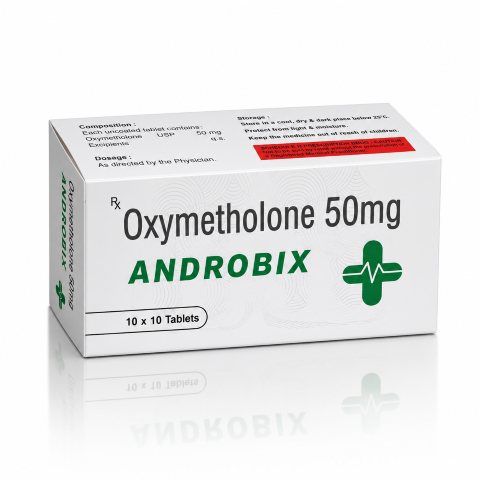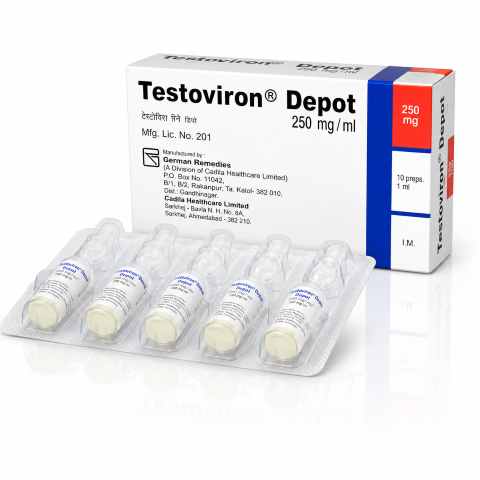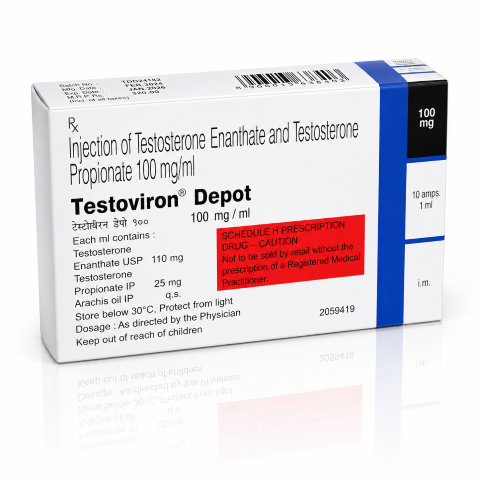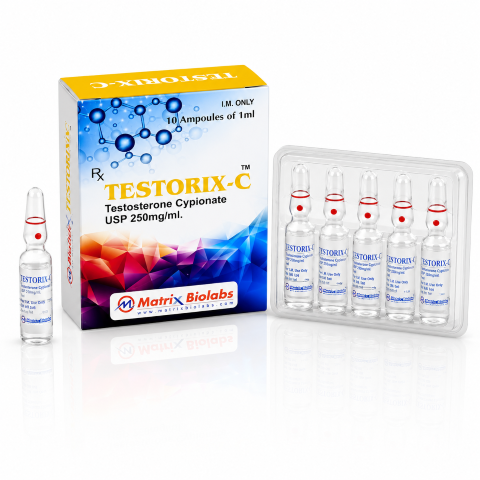
Testorix C-250 MG Injection (10*1)
$3.40 / unit
Available Options
| Pack Size | Price | Price / Unit | Quantity | Action |
|---|---|---|---|---|
| 60 Ampoules | $204.00 | $3.40/unit | ||
| 50 Ampoules | $170.00 | $3.40/unit | ||
| 40 Ampoules | $136.00 | $3.40/unit | ||
| 30 Ampoules | $102.00 | $3.40/unit | ||
| 20 Ampoules | $68.00 | $3.40/unit | ||
| 10 Ampoules | $34.00 | $3.40/unit |
Product Description
What is this medicine?
TESTORIX-C 250 MG/ML INJECTION contains Testosterone Cypionate USP 250 mg in each 1 mL ampoule. It is a long-acting injectable androgen/testosterone preparation.
Current product listings identify Testorix-C as a Matrix Biolabs product supplied as 1 mL ampoules containing Testosterone Cypionate 250 mg/mL. A commonly listed presentation contains 10 ampoules of 1 mL each.
Testosterone cypionate is an ester of the naturally occurring male hormone testosterone. After intramuscular injection, testosterone cypionate is gradually released and converted to testosterone in the body.
Testosterone supports:
development and maintenance of male sexual characteristics
sexual function and libido
muscle and bone maintenance
red blood cell production
normal androgen-dependent physiological functions
Medically prescribed testosterone cypionate is primarily used for testosterone replacement in males with confirmed hypogonadism, including certain forms of primary or hypogonadotropic hypogonadism.
This medicine may be prescribed for:
confirmed testosterone deficiency in adult men
primary male hypogonadism
hypogonadotropic hypogonadism
selected cases of delayed puberty under specialist supervision
Important: Symptoms alone are not enough to diagnose testosterone deficiency. Established testosterone-cypionate prescribing guidance recommends confirming hypogonadism with low morning serum testosterone measurements on at least two separate days, together with compatible clinical symptoms.
Testosterone should not be used simply for bodybuilding, athletic performance, or increasing muscle mass in people without medically diagnosed testosterone deficiency. Misuse of testosterone and other anabolic-androgenic steroids has been associated with serious cardiovascular, psychiatric, reproductive, and other adverse effects.
What should I tell my health care provider before I take this medicine?
They need to know if you have any of these conditions:
allergy to testosterone cypionate or any ingredient in the injection
known or suspected prostate cancer
male breast cancer
enlarged prostate
difficulty passing urine
elevated prostate-specific antigen (PSA)
high red blood cell count or polycythaemia
high haematocrit
history of blood clots
deep-vein thrombosis
pulmonary embolism
thrombophilia
previous heart attack or stroke
heart failure
uncontrolled high blood pressure
kidney disease
liver disease
significant fluid retention or swelling
high cholesterol or abnormal blood lipids
sleep apnoea
epilepsy
high calcium levels
infertility or plans to father a child
if you take anticoagulant medicines
if you take insulin or other diabetes medicines
if you use corticosteroids
if you use other testosterone or anabolic steroid products
Testosterone cypionate is contraindicated in men with known or suspected prostate cancer or male breast cancer, and caution is necessary in people with serious cardiac, kidney, or liver disease.
Testosterone can increase blood pressure, so blood pressure should be monitored periodically. Testosterone products are generally not recommended in people with uncontrolled hypertension.
Tell your healthcare provider if fertility is important to you. External testosterone can suppress the body's hormonal signals to the testes and may reduce sperm production, sometimes causing oligospermia, subfertility, or infertility.
How should I use this medicine?
Testosterone cypionate is intended for intramuscular administration. It should not be injected intravenously. Established prescribing information recommends deep intramuscular administration, traditionally into the gluteal muscle.
The appropriate testosterone dose depends on:
confirmed diagnosis
baseline testosterone level
age
symptoms
clinical response
laboratory results
adverse effects
other medical conditions
For approved testosterone-cypionate replacement therapy, established prescribing information gives a broad medical dosage range of approximately 50–400 mg every 2–4 weeks, with the exact dose and interval individualized by the healthcare professional.
Because Testorix-C contains 250 mg in each 1 mL ampoule, this does not automatically mean that every patient should receive the entire 250 mg ampoule at a fixed interval. The prescribed amount and frequency must be determined medically.
Before and during therapy, your healthcare provider may monitor:
morning testosterone concentrations
haemoglobin
haematocrit
blood pressure
PSA
prostate health
cholesterol and triglycerides
liver function
blood glucose when appropriate
For safe use:
use only the prescribed amount
have the injection administered using appropriate sterile technique
inject intramuscularly as directed
never inject it intravenously
do not increase the dose or shorten the interval yourself
do not combine it with other testosterone or anabolic steroids unless specifically prescribed
attend all scheduled blood tests and medical reviews
The injection solution should be checked for unexpected particles, discoloration, or container damage before administration.
What if I miss a dose?
Testosterone cypionate is normally given according to a scheduled injection interval, rather than taken every day.
If you miss a scheduled Testorix-C injection:
contact your healthcare provider to arrange the next dose
do not inject a double dose
do not take an additional injection to compensate
do not shorten the interval between injections without medical advice
continue with the schedule recommended by your healthcare professional
Your doctor may adjust the next injection according to your testosterone level, symptoms, and the length of time since your previous dose.
What may interact with this medicine?
Tell your healthcare provider if you take:
warfarin
other oral anticoagulants
insulin
corticosteroids
ACTH
other testosterone preparations
other hormonal medicines
medicines that affect fluid balance
Androgens such as testosterone can increase sensitivity to oral anticoagulants, so the anticoagulant dose and clotting tests may require closer monitoring.
Testosterone may also reduce blood glucose in some people with diabetes and can therefore alter insulin requirements or the effects of other glucose-lowering treatments.
Combining androgens with medicines that promote fluid retention, including certain corticosteroids, may increase the risk of swelling, particularly in patients with underlying heart, kidney, or liver disease.
This list may not describe all possible interactions. Give your healthcare provider a complete list of:
prescription medicines
non-prescription medicines
hormones
supplements
injectable products you use
What should I watch for while using this medicine?
Your healthcare provider should periodically monitor your response to testosterone treatment.
Monitoring may include:
testosterone levels
haemoglobin and haematocrit
red blood cell count
blood pressure
PSA
prostate symptoms
cholesterol
triglycerides
blood glucose
liver function
Long-term androgen therapy can increase haemoglobin and haematocrit, resulting in polycythaemia. Periodic haemoglobin and haematocrit testing is recommended.
Seek medical attention promptly if you develop:
pain, warmth, swelling, or redness in one leg
sudden shortness of breath
chest pain
fainting
sudden weakness or numbness
severe or unusual headache
significant rise in blood pressure
severe ankle or leg swelling
rapid unexplained weight gain
difficulty passing urine
prolonged or painful erection
severe allergic reaction
Testosterone products have been associated with venous thromboembolism, including deep-vein thrombosis and pulmonary embolism. Sudden shortness of breath or a painful swollen leg requires prompt medical assessment.
Testosterone can cause fluid retention and oedema, which may be particularly important in people with pre-existing heart, kidney, or liver disease.
Fertility warning
Testosterone replacement is not a treatment for male infertility. Exogenous testosterone can suppress sperm production and may cause:
reduced sperm count
testicular shrinkage
subfertility
infertility
These effects are particularly associated with prolonged or excessive androgen exposure.
Misuse warning
Using testosterone at doses higher than medically prescribed, particularly together with other anabolic steroids, can cause serious complications including:
heart attack
stroke
cardiomyopathy
heart failure
liver injury
severe cholesterol abnormalities
infertility
psychiatric symptoms
dependence
Testosterone abuse and anabolic-androgenic steroid misuse have been associated with major cardiovascular and psychiatric adverse reactions.
What side effects may I notice from this medicine?
Side effects that you should report to your doctor or health care professional as soon as possible:
signs of a blood clot
chest pain
sudden shortness of breath
fainting
symptoms of a heart attack or stroke
severe increase in blood pressure
marked swelling or fluid retention
very high red blood cell count
difficulty passing urine
worsening prostate symptoms
prolonged or painful erection
severe allergic reaction
significant mood or behavioral changes
yellowing of the skin or eyes
signs of serious liver problems
Testosterone-related adverse reactions reported in prescribing information include polycythaemia, venous thromboembolism, myocardial infarction, stroke, fluid retention, and hypersensitivity reactions.
Side effects that usually do not require immediate medical attention but should be reported if they continue or are bothersome:
pain or inflammation at the injection site
acne
oily skin
headache
nausea
increased or decreased sexual desire
increased frequency of erections
breast enlargement or tenderness
fluid retention
swelling of the ankles
weight gain
anxiety
mood changes
changes in cholesterol
increased blood pressure
reduced sperm production
Androgen therapy can cause gynecomastia, acne, changes in libido, oligospermia, fluid retention, headache, mood effects, and injection-site pain or inflammation.
Your healthcare provider may also detect changes that you cannot easily feel, including:
increased haematocrit
increased red blood cell count
changes in cholesterol
altered blood glucose
changes in PSA
This is why regular laboratory monitoring is important during ongoing testosterone replacement.
This list may not describe all possible side effects.
Where should I keep my medicine?
Keep TESTORIX-C 250 MG/ML INJECTION out of the reach of children.
Current Testorix-C product listings describe the product as a 1 mL oil-based ampoule. Product-specific seller information lists storage below approximately 25°C, while packaging for other Matrix Biolabs testosterone ampoules instructs storage in a cool, dry place, protected from light and not refrigerated. The instructions printed on your actual Testorix-C carton should take priority.
Protect the ampoules from:
excessive heat
direct sunlight
freezing
physical damage
unauthorized access
Keep ampoules in their original outer carton until required.
Do not use the injection if:
the ampoule is cracked
the seal or packaging appears damaged
the liquid has unexpected discoloration or particles
the product has passed its expiration date
the authenticity of the medicine cannot be established
Do not share injectable testosterone with another person.
Dispose of used needles and broken ampoules safely in an appropriate sharps container.