Erectile dysfunction (ED) can have many causes, ranging from cardiovascular disease and diabetes to stress, hormonal problems, medications, and lifestyle factors. One factor that is sometimes overlooked is excess body weight.
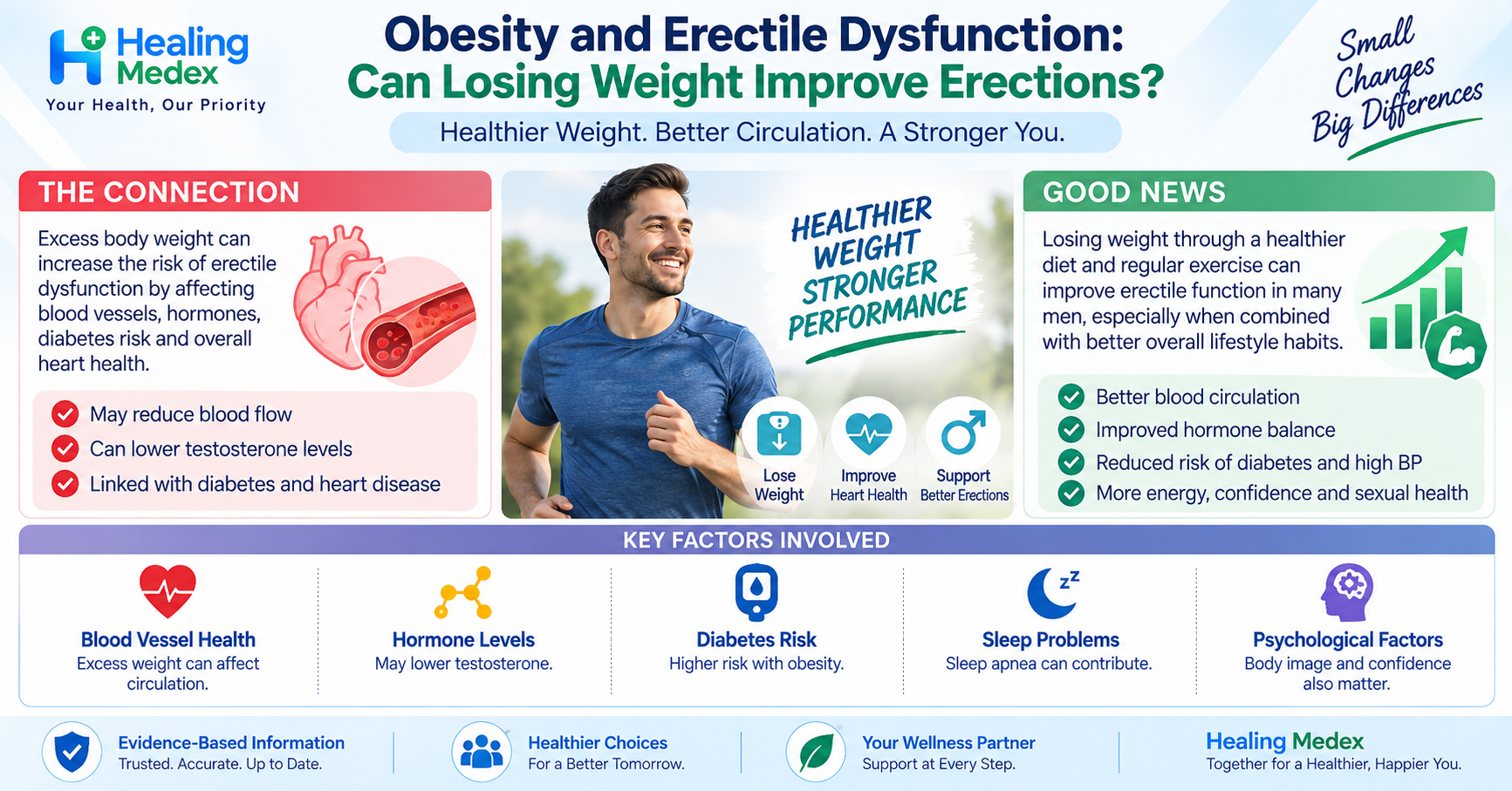
Research suggests that overweight and obesity can increase the likelihood of developing erectile dysfunction. The encouraging part is that, for some men, losing excess weight and becoming more physically active may improve erectile function.
That does not mean weight loss is a guaranteed cure for ED. Erectile dysfunction is often caused by several factors at the same time. However, improving metabolic and cardiovascular health may address some of the underlying problems that interfere with normal erections.
According to the National Institute of Diabetes and Digestive and Kidney Diseases (NIDDK), overweight and obesity are associated with a higher risk of erectile dysfunction, while healthy eating, increased physical activity, and weight management may help improve sexual function.
What Is Erectile Dysfunction?
Men with ED may:
Be able to get an erection sometimes but not consistently.
Get an erection that does not remain firm long enough.
Have difficulty achieving an erection at all.
Occasional erection difficulties can happen to almost anyone. Persistent erectile dysfunction, however, may indicate an underlying medical or psychological condition.
ED can be associated with conditions including diabetes, cardiovascular disease, obesity, hormonal disorders, neurological problems, certain medications, anxiety, depression, smoking, and excessive alcohol use.
Is Obesity Linked to Erectile Dysfunction?
Yes. Having overweight or obesity is associated with an increased risk of erectile dysfunction.
An erection depends heavily on healthy blood vessels, nerves, hormones, and blood circulation. Obesity can negatively affect several of these systems simultaneously.
Obesity is also strongly associated with conditions that themselves increase ED risk, including:
Metabolic syndrome
Sleep problems
Reduced physical fitness
For this reason, erectile dysfunction in a person with obesity may sometimes be part of a broader cardiovascular or metabolic health problem rather than an isolated sexual-health issue.
How Can Obesity Affect Erections?
There is no single mechanism connecting excess body weight and ED. Several biological and psychological factors may contribute.
1. Reduced Blood Vessel Function
Strong erections depend on sufficient blood entering the erectile tissue of the penis.
Obesity is associated with endothelial dysfunction, meaning that the inner lining of blood vessels does not function as efficiently as it should.
Poor vascular function can reduce the ability of blood vessels to relax and increase blood flow when sexual stimulation occurs.
Because the penile arteries are relatively small, problems affecting blood vessels may sometimes become noticeable as erection difficulties.
2. Reduced Nitric Oxide Activity
Nitric oxide is an important chemical messenger involved in erections.
During sexual stimulation, nitric oxide helps relax smooth muscle within penile blood vessels so that more blood can enter the erectile tissue.
Metabolic and vascular problems associated with obesity may interfere with normal endothelial and nitric oxide function, potentially making it more difficult to achieve a firm erection.
3. Obesity Increases the Risk of Diabetes
Obesity is one of the major risk factors for type 2 diabetes.
Chronically elevated blood glucose can damage both blood vessels and nerves, including those involved in erectile function.
Men with diabetes therefore have a substantially increased risk of developing ED.
Maintaining a healthier weight may help reduce the risk of developing type 2 diabetes and may improve metabolic health in people who already have insulin resistance.
4. High Blood Pressure Can Affect Blood Flow
Obesity is commonly associated with hypertension.
Over time, high blood pressure can damage arteries and reduce their ability to dilate normally.
Because erections depend on rapid increases in penile blood flow, poor arterial health can contribute to ED.
Some blood-pressure medications may also contribute to sexual side effects in certain individuals, although medications should never be stopped or changed without medical advice.
5. Obesity May Affect Testosterone Levels
Excess body fat can also influence hormone balance.
Some men with obesity have lower testosterone levels than men at healthier weights.
Low testosterone does not always directly cause erectile dysfunction, but it can contribute to symptoms such as:
Reduced sexual desire
Fatigue
Lower motivation
Reduced muscle mass
Changes in mood
NIDDK notes that maintaining a healthy weight may help improve testosterone levels while also reducing the likelihood of diabetes and high blood pressure.
6. Chronic Inflammation May Affect Blood Vessels
Obesity can be associated with a persistent state of low-grade inflammation.
Inflammatory processes may negatively affect vascular health and endothelial function.
Because erection quality depends strongly on healthy blood vessels, reducing excess body weight and improving metabolic health may indirectly support erectile function.
7. Sleep Apnea May Contribute
Obstructive sleep apnea is more common among people with obesity.
Repeated interruptions in breathing during sleep can affect oxygen levels, cardiovascular health, energy, and hormonal regulation.
Poor sleep may also reduce libido and worsen fatigue.
Men who snore heavily, wake up gasping, experience morning headaches, or remain extremely tired during the day should consider discussing possible sleep apnea with a healthcare professional.
8. Psychological Factors Can Play a Role
Body image concerns, low confidence, depression, anxiety, and relationship stress can influence sexual function.
When erection difficulties occur repeatedly, a cycle can develop:
Difficulty getting an erection → worry about sexual performance → increased anxiety → greater difficulty getting an erection.
Improving physical health may help confidence for some men, but psychological causes of ED sometimes require counseling or other appropriate treatment as well.
Can Losing Weight Improve Erectile Function?
For some men, yes.
Clinical research suggests that weight loss achieved through healthier eating and increased physical activity can improve erectile function, particularly among men with overweight or obesity.
A meta-analysis of five randomized controlled trials involving 619 participants found that weight-loss interventions were associated with improvements in erectile-function scores compared with control groups. The researchers concluded that weight loss may be a useful additional strategy for treating ED in men with overweight or obesity.
One frequently cited randomized trial followed 110 men with obesity and ED. Participants assigned to an intensive lifestyle program were encouraged to reduce calorie intake, increase physical activity, and lose at least 10% of their initial body weight. After two years, erectile-function scores improved significantly in the lifestyle-intervention group, and approximately one-third regained erectile function according to the study's criteria.
These findings are encouraging, but they should not be interpreted as meaning that losing a specific amount of weight will cure ED in every man.
How Much Weight Do You Need to Lose to Improve Erections?
There is no universal amount of weight loss guaranteed to restore erections.
The amount needed may depend on factors such as:
Starting body weight
Age
Blood glucose control
Testosterone levels
Smoking
Physical activity
Medications
Psychological health
Some clinical studies have used lifestyle programs targeting around 5–10% or more of initial body weight, but individual responses vary.
Rather than focusing only on a number on the scale, improving waist circumference, fitness, blood pressure, glucose control, cholesterol, sleep, and overall cardiovascular health may be equally important.
Can Exercise Improve Erections Even Without Major Weight Loss?
Potentially, yes.
Regular physical activity improves cardiovascular fitness and circulation and may help improve blood-vessel function.
NIDDK specifically recommends increased physical activity as one of the lifestyle approaches healthcare professionals may suggest for ED. Physical activity increases circulation throughout the body and also helps with weight management.
Useful forms of exercise may include:
Brisk walking
Cycling
Swimming
Jogging
Resistance training
Other regular aerobic activities
Someone who has significant obesity, cardiovascular disease, chest pain, severe breathlessness, or has been inactive for a long period should discuss an appropriate exercise program with a healthcare professional before beginning strenuous activity.
What Diet Is Best for Erectile Health?
There is no special "erection diet."
Instead, dietary patterns that protect cardiovascular and metabolic health appear most appropriate.
NIDDK notes that healthy eating patterns, including Mediterranean-style diets, have been associated with a lower risk of ED and improvement in ED symptoms.
A heart-healthy eating pattern generally emphasizes:
Vegetables
Fruits
Whole grains
Beans and legumes
Nuts and seeds
Fish
Sources of unsaturated fats
Minimally processed foods
At the same time, limiting excessive amounts of added sugar, refined carbohydrates, highly processed foods, saturated fat, excess sodium, and alcohol can support overall metabolic health.
The goal should be a sustainable eating pattern rather than an extreme or rapidly restrictive diet.
Does Weight Loss Replace ED Medication?
Not necessarily.
Lifestyle changes and medical treatment can be complementary.
Weight loss may improve some of the health conditions contributing to ED, but it does not address every possible cause.
For example, ED may also result from:
Neurological disease
Prostate surgery
Certain medications
Hormonal disorders
Peyronie's disease
Significant psychological factors
Advanced vascular disease
For this reason, persistent ED should be medically evaluated rather than managed solely through weight loss.
Other Lifestyle Changes That May Help Erectile Function
Weight management works best as part of a broader approach to cardiovascular and sexual health.
Stop Smoking
Smoking damages blood vessels and increases cardiovascular risk.
Because good erections require healthy circulation, stopping smoking can benefit both cardiovascular and erectile health.
Limit Excessive Alcohol
Large amounts of alcohol can interfere with erections and sexual performance.
Reducing excessive drinking may improve sexual function while supporting weight management.
Improve Sleep
Consistent, good-quality sleep supports energy, hormone regulation, mental health, and cardiovascular function.
Manage Blood Sugar
If you have diabetes or prediabetes, keeping blood glucose within an appropriate range may reduce further damage to blood vessels and nerves.
Control Blood Pressure and Cholesterol
High blood pressure and unhealthy cholesterol levels can damage arteries over time.
Treating these conditions may help protect the vascular system responsible for normal erections.
Reduce Stress
Chronic stress and performance anxiety may make erectile problems worse.
Exercise, adequate sleep, counseling, relaxation techniques, and communication with a partner can sometimes help.
When Should You See a Doctor About Erectile Dysfunction?
Consider speaking with a healthcare professional if erection problems:
Happen regularly.
Have continued for several weeks or months.
Are becoming progressively worse.
Occur alongside reduced sexual desire.
Are accompanied by significant fatigue or other hormonal symptoms.
Began after starting a new medication.
Occur alongside symptoms of diabetes or cardiovascular disease.
Erectile dysfunction should not automatically be dismissed as a normal consequence of aging.
In some men, ED can occur alongside underlying cardiovascular or metabolic disease. A clinician may therefore evaluate factors such as blood pressure, blood glucose, cholesterol, medications, cardiovascular risk, hormone levels when appropriate, and psychological health.
Frequently Asked Questions
1.Can obesity cause erectile dysfunction?
Obesity can contribute to ED and is associated with several conditions that increase ED risk, including diabetes, hypertension, cardiovascular disease, vascular dysfunction, and hormonal changes.
2.Will losing belly fat improve erections?
Reducing excess abdominal fat may improve metabolic and cardiovascular health. This could improve erectile function in some men, although there is no guarantee that losing abdominal fat alone will resolve ED.
3.Can losing 10% of body weight improve ED?
Some clinical lifestyle studies have targeted weight reductions of approximately 10% and reported improvements in erectile function. However, there is no single percentage of weight loss that guarantees ED improvement for everyone.
4.How quickly can erections improve after losing weight?
There is no standard timeline. Improvements may occur gradually as cardiovascular fitness, blood pressure, blood glucose, hormonal health, and body weight improve. Studies assessing lifestyle changes have generally followed participants for months rather than days or weeks.
5.Can exercise help erectile dysfunction?
Regular exercise may help by improving circulation, cardiovascular fitness, weight management, and metabolic health. Exercise is included among lifestyle approaches recommended for men with ED.
6.Can ED completely disappear after weight loss?
It can improve substantially in some men, but complete recovery is not guaranteed. The outcome depends on the underlying cause and severity of ED.
The Bottom Line
Obesity and erectile dysfunction are closely connected through many of the same cardiovascular and metabolic pathways.
Excess weight can contribute to poor blood-vessel function, diabetes, hypertension, inflammation, hormonal changes, sleep problems, and psychological stress—all of which may affect erections.
Research indicates that weight loss combined with regular physical activity and healthier eating can improve erectile function in some men with overweight or obesity.
However, weight loss should not be viewed as a guaranteed cure.
Persistent erectile dysfunction deserves proper medical evaluation because it may have multiple causes and can sometimes occur alongside cardiovascular, metabolic, neurological, hormonal, or psychological conditions.
A sustainable approach that improves weight, physical fitness, blood pressure, blood sugar, cholesterol, sleep, and overall cardiovascular health is likely to offer benefits that extend far beyond sexual function.