Erectile dysfunction medicines such as sildenafil (Viagra), tadalafil (Cialis), vardenafil, and avanafil help many men achieve and maintain erections. These medications belong to a group known as phosphodiesterase type 5 inhibitors, or PDE5 inhibitors.
But what happens when a medicine that once worked well suddenly seems weaker—or stops producing satisfactory erections altogether?
This does not necessarily mean that your body has become resistant to the medicine. In many cases, the problem can be traced to how the medication is being used, changes in your underlying health, progression of erectile dysfunction, other medications, hormone levels, or psychological factors.
Understanding why the response has changed is important because worsening erectile dysfunction can sometimes signal another health problem that deserves medical attention.
How Do Viagra-Type ED Medicines Work?
PDE5 inhibitors do not automatically create an erection.
During sexual stimulation, the body releases nitric oxide. This activates chemical pathways that relax smooth muscle in penile blood vessels and allow more blood to enter the penis.
PDE5 inhibitors help strengthen and prolong this natural process. Sexual stimulation is therefore still necessary for the medicine to work properly.
The commonly used PDE5 inhibitors include sildenafil, tadalafil, vardenafil, and avanafil.
Although they work through a similar mechanism, they differ in how quickly they begin working, how long their effects last, how food affects them, and their potential side effects.
Why Can Viagra-Type Medicines Seem to Stop Working?
There are several possible explanations.
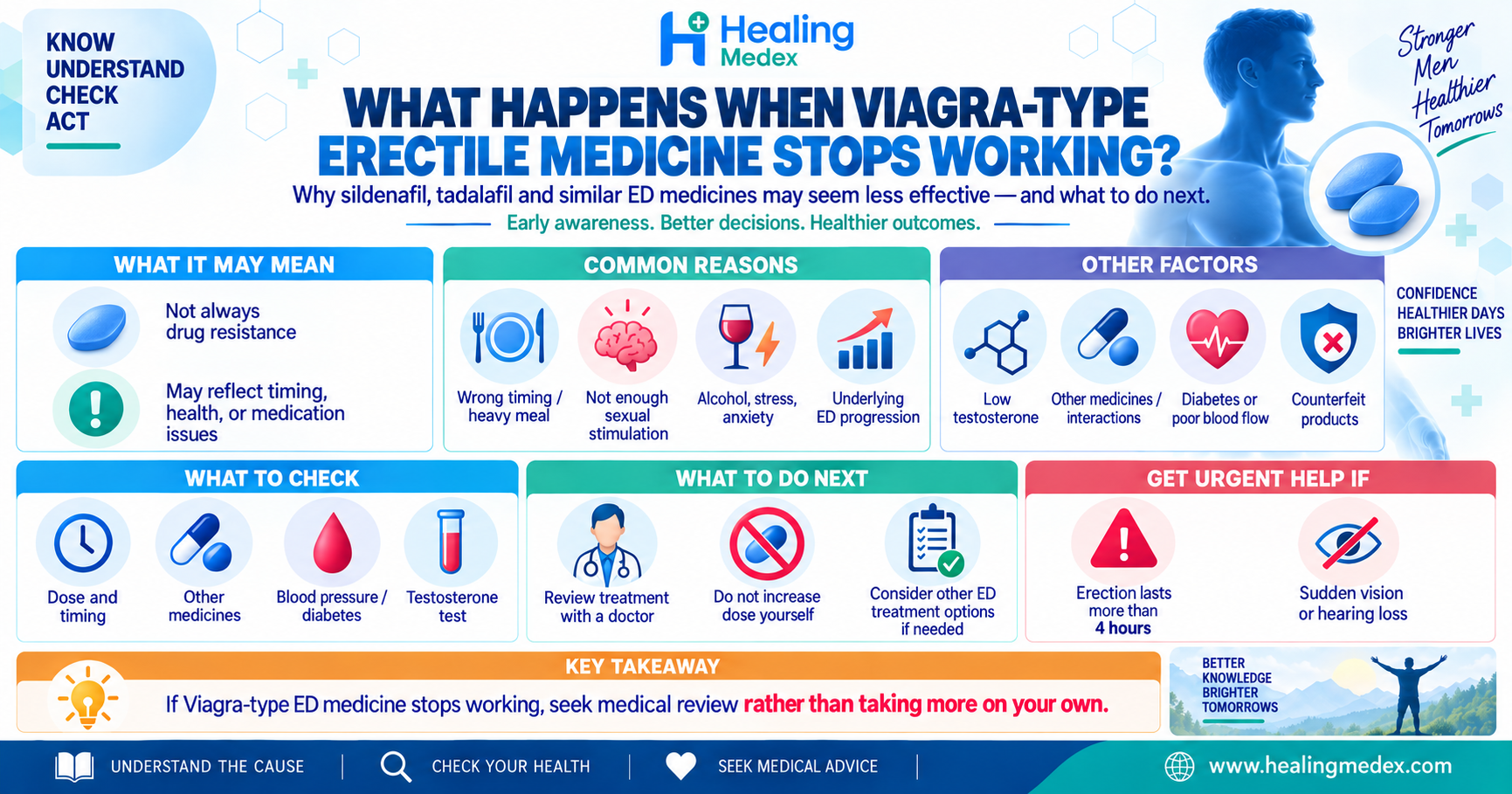
1. The Medicine May Not Be Taken Correctly
Incorrect use is one of the most important causes of apparent PDE5 inhibitor treatment failure.
The European Association of Urology recommends checking whether the medicine has been properly prescribed, taken correctly, and obtained from a legitimate source before labeling someone a treatment non-responder.
For example, sildenafil generally works best when taken before anticipated sexual activity. A large or high-fat meal can delay its absorption and make the response slower or less predictable.
The NHS also notes that a large meal can make sildenafil take longer to work.
2. Not Enough Sexual Stimulation Is Occurring
Viagra-type medicines assist the body's natural erectile response; they do not replace sexual arousal.
If stimulation is limited, an erection may not develop even when the medication is present in the bloodstream.
Current guidelines specifically emphasize explaining the need for adequate sexual stimulation to men who appear not to respond to PDE5 inhibitors.
3. Erectile Dysfunction May Have Progressed
ED sometimes becomes more severe over time.
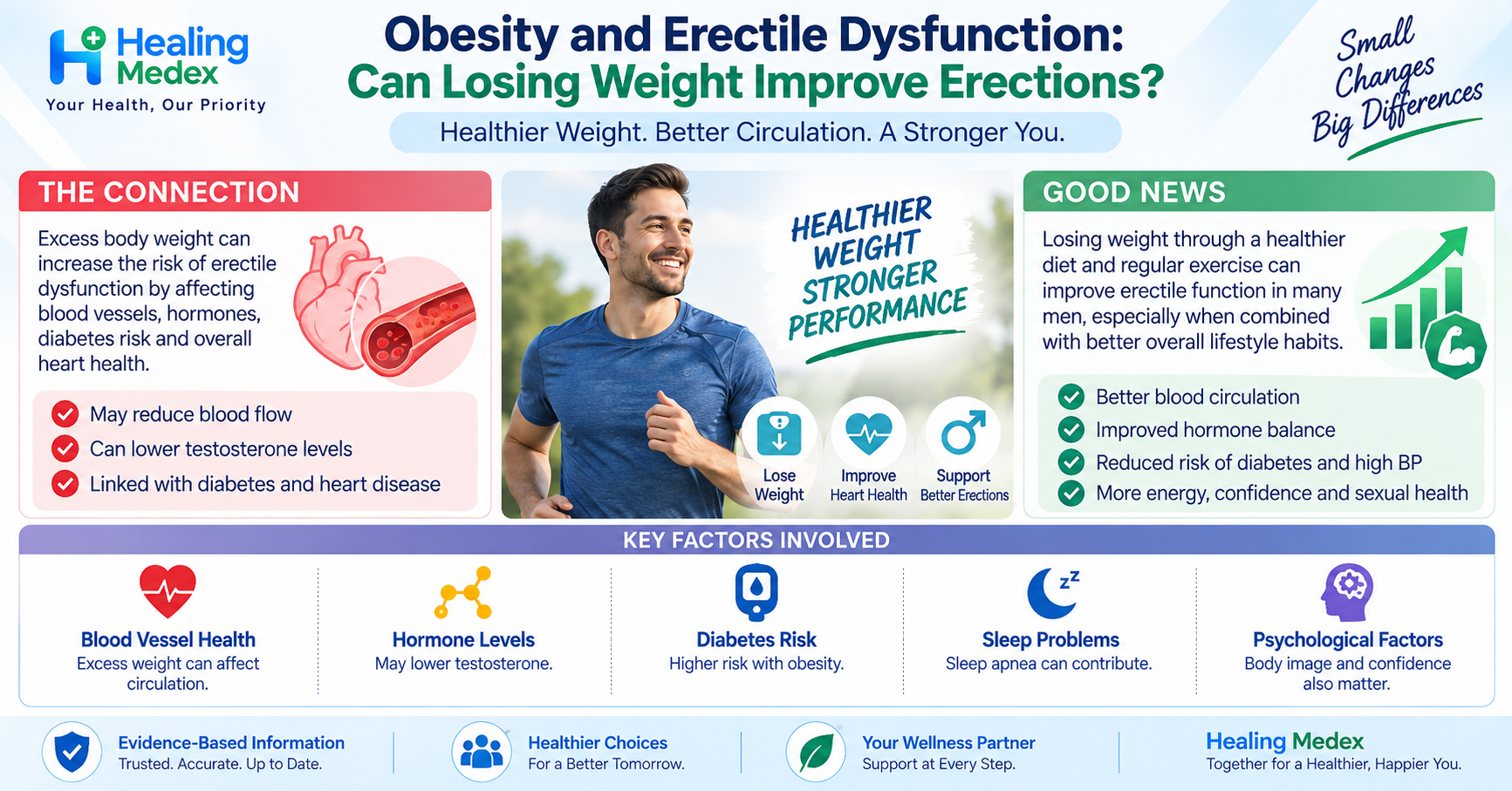
Conditions that damage blood vessels or nerves may progressively interfere with the ability to achieve an erection. These include diabetes, cardiovascular disease, high blood pressure, high cholesterol, obesity, smoking-related vascular damage, and some neurological conditions.
Mayo Clinic identifies cardiovascular disease, diabetes, obesity, hypertension, high cholesterol, tobacco use, certain medicines, and low testosterone among recognized contributors to erectile dysfunction.
As the underlying condition becomes more significant, a medication that previously provided sufficient assistance may no longer produce the same result.
4. Diabetes or Poor Blood-Vessel Health May Reduce the Response
Healthy erections depend heavily on adequate blood flow.
Long-term diabetes can damage both blood vessels and nerves involved in erections. Atherosclerosis and other cardiovascular conditions can similarly reduce penile blood flow.
Men with diabetes or a history of pelvic surgery are among those who may have a lower response to oral ED medicines.
A change in erectile function may therefore be a reason to review cardiovascular and metabolic health rather than simply increasing the ED medicine.
5. Testosterone Levels May Be Low
Testosterone is not the only hormone involved in erections, but clinically significant testosterone deficiency can contribute to erectile dysfunction and reduced sexual desire.
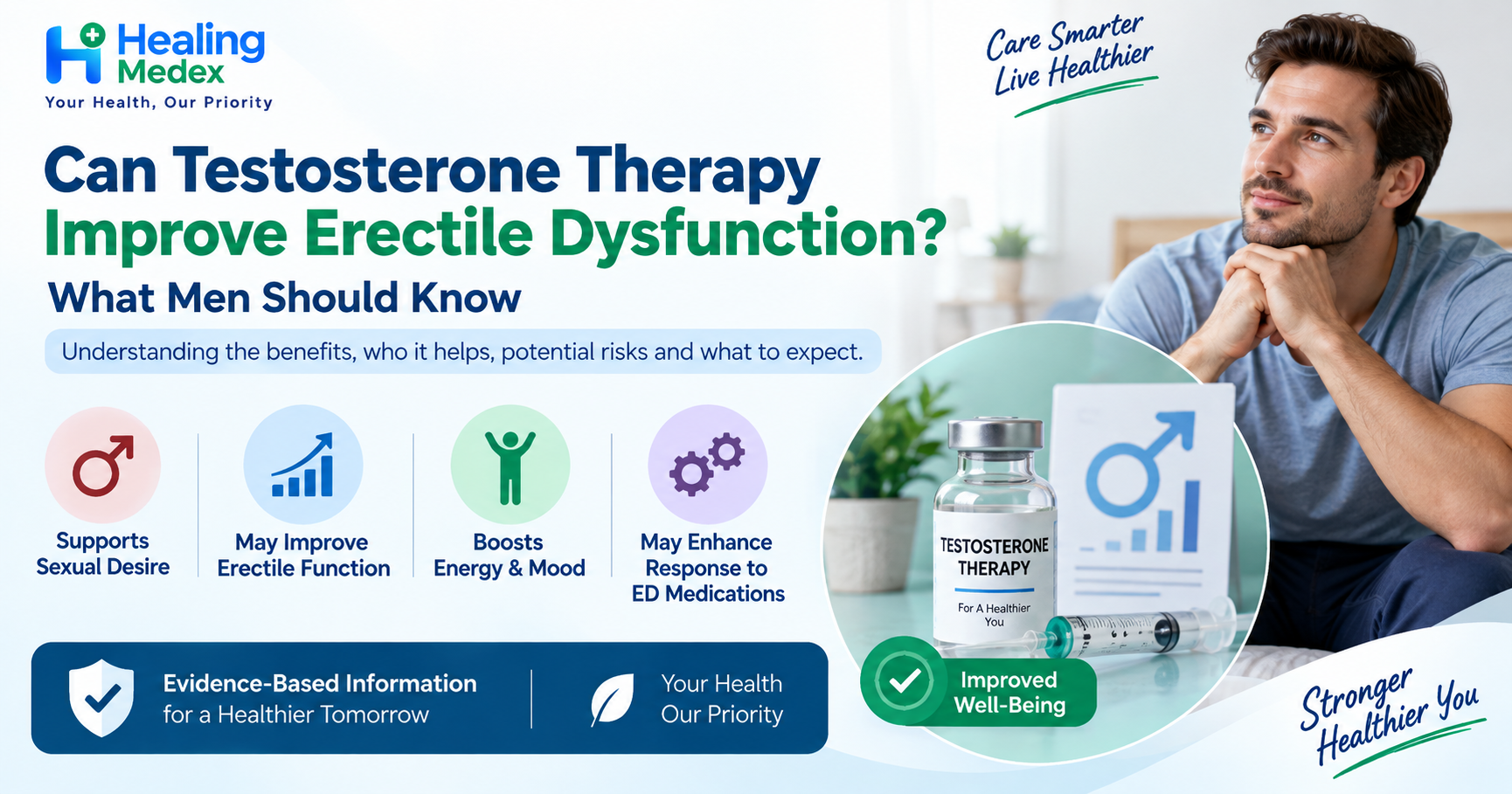
The European Association of Urology notes that some men with confirmed hypogonadism who respond poorly to PDE5 inhibitors may experience an improved response after appropriately prescribed testosterone treatment.
This does not mean testosterone should automatically be added whenever Viagra stops working.
Testosterone deficiency should be assessed using appropriate symptoms, medical evaluation, and laboratory testing before treatment is considered.
6. Another Medicine May Be Affecting Sexual Function
Some prescription medicines can contribute to erection problems.
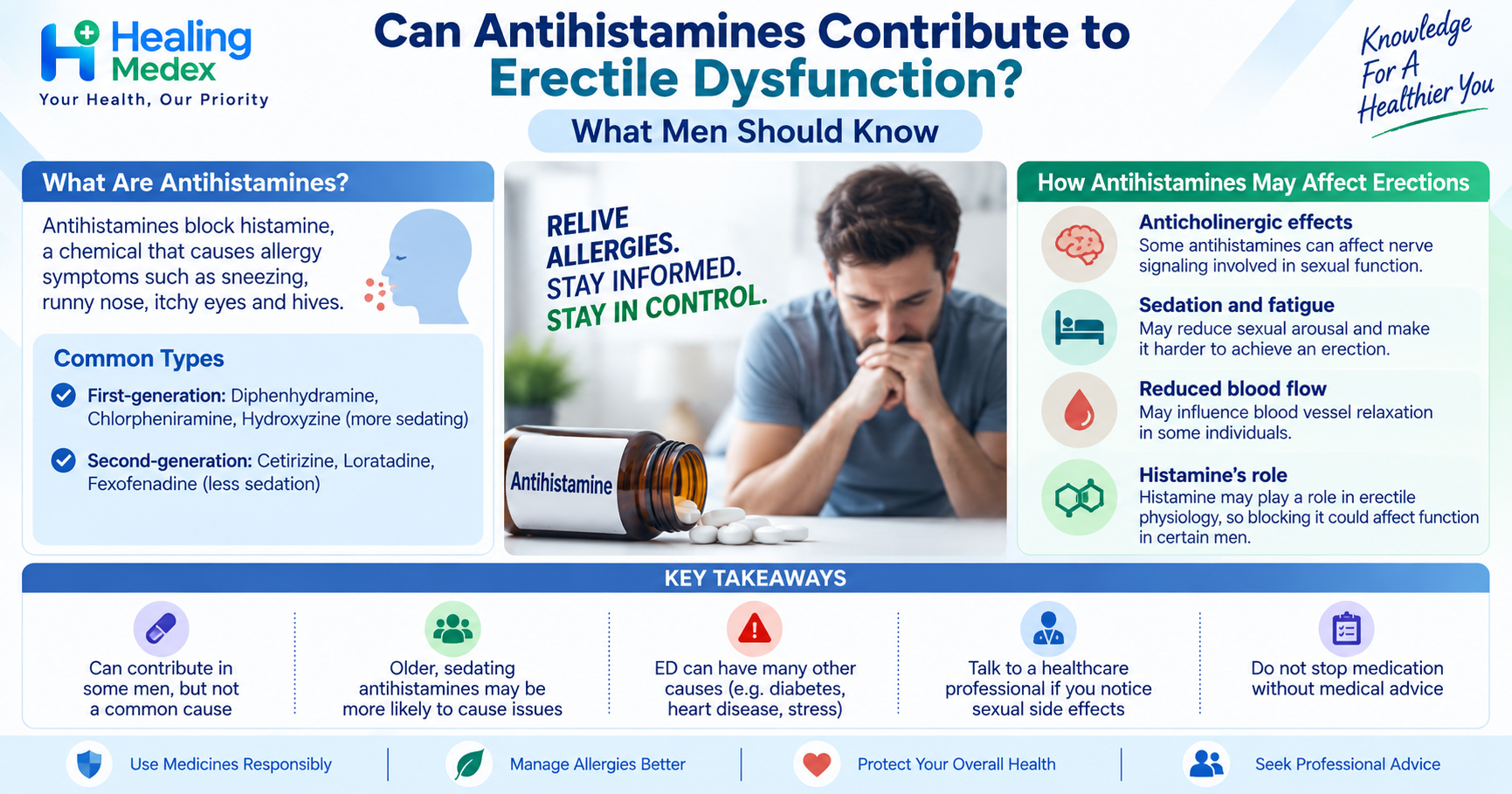
Certain antidepressants, antihypertensive medicines, antihistamines, prostate treatments, and other drugs have been associated with sexual dysfunction.
If erection quality changed after starting or changing another medication, discuss the timing with your healthcare professional.
Do not stop a prescription medication yourself simply because you suspect it is affecting erections.
7. Alcohol Can Interfere With Erections
Drinking a significant amount of alcohol can make it harder to achieve or maintain an erection even when an ED medicine has been taken.
The NHS advises avoiding excessive alcohol when using sildenafil because alcohol itself can make getting an erection more difficult.
This can sometimes create the impression that the medication has stopped working when the underlying problem is reduced sexual responsiveness caused by alcohol.
8. Stress and Performance Anxiety Can Reduce the Effect
Erections involve the brain as well as hormones, nerves and blood vessels.
An episode in which a medication fails can lead to worry about whether it will work the next time. That anxiety may itself make subsequent erections more difficult.
Stress, anxiety, depression and relationship difficulties can all cause or worsen erectile dysfunction.
When psychological factors contribute significantly, counseling or sex therapy may be considered alongside medical treatment.
9. The Product May Not Contain What You Think It Does
Medication quality matters.
Unregulated online products marketed as Viagra, sildenafil, tadalafil or herbal sexual-enhancement products may contain incorrect doses, undeclared ingredients, or completely different substances.
Mayo Clinic warns that illegal online businesses may sell counterfeit versions of ED medicines that may be ineffective or dangerous.
Using medicine obtained through a legitimate, regulated source helps reduce this risk.
10. True Drug Tolerance Is Not the Only—or Most Likely—Explanation
Men sometimes assume they have developed tolerance because they need a stronger effect than they did previously.
Research on true sildenafil tolerance has produced mixed findings. An older study suggested that some men experienced declining effectiveness, while longer-term studies found maintained effectiveness and argued against significant tachyphylaxis developing in most users.
For this reason, clinicians generally investigate incorrect use, progression of ED and underlying medical factors rather than automatically assuming the body has become resistant to sildenafil.
What Should You Do If Sildenafil or Another ED Medicine Stops Working?
The first step should usually be a treatment review rather than taking increasingly larger doses.
A healthcare professional may review when you take the medicine, whether food affects it, how much sexual stimulation occurs, the dose being used, other medicines and supplements, alcohol consumption, cardiovascular risk factors, diabetes control, testosterone levels when appropriate, and psychological or relationship factors.
Guidelines indicate that patient education about dose, timing and stimulation can restore effectiveness in some apparent PDE5 inhibitor non-responders.
Can You Simply Increase the Dose?
Do not increase the dose or frequency on your own.
Different PDE5 inhibitors have different recommended dose ranges, dosing schedules, interactions and medical precautions.
Taking more than recommended can increase the risk of headache, flushing, dizziness, low blood pressure, indigestion, visual disturbances and other adverse effects.
A healthcare professional can determine whether a dose adjustment is appropriate.
Can Switching From Sildenafil to Tadalafil Help?
Sometimes another PDE5 inhibitor may be considered.
A person who has difficulty with the timing requirements of sildenafil, for example, may prefer the longer treatment window associated with tadalafil.
However, switching medications is not guaranteed to solve the problem. The European Association of Urology notes that although some patients may appear to respond better to one PDE5 inhibitor than another, strong randomized-trial evidence demonstrating a benefit from switching remains limited.
The underlying cause of the poor response should still be investigated.
What Happens If Viagra-Type Pills No Longer Work?
Oral medication is not the only treatment for erectile dysfunction.
Depending on the cause and severity of ED, clinicians may consider treatments such as vacuum erection devices, prescription penile injection therapy, intraurethral medication, psychological or sex therapy when appropriate, treatment of confirmed testosterone deficiency, or penile implants when other treatments are unsuccessful or unsuitable.
Mayo Clinic lists injection therapy, vacuum erection devices and penile implants among established options when oral medication is ineffective or inappropriate.
The most appropriate option depends on the cause of ED, other health conditions, treatment preferences and potential risks.
Could Worsening ED Be a Warning Sign of Heart Disease?
Sometimes.
Erectile dysfunction and cardiovascular disease share several risk factors and both depend on healthy blood vessels.
ED does not mean that every man has heart disease. However, persistent or worsening erection problems can sometimes provide an opportunity to identify cardiovascular risk factors such as hypertension, high cholesterol, diabetes, smoking and obesity.
This is another reason not to treat declining medication effectiveness simply by taking more tablets.
Important Safety Warning About Nitrates
PDE5 inhibitors must not be combined with nitrate medicines used for conditions such as angina because the combination can cause a dangerous fall in blood pressure.
Recreational nitrate drugs such as amyl nitrate or "poppers" can also interact dangerously with sildenafil.
Tell your healthcare professional about all prescription medicines, over-the-counter products and supplements you use before taking ED medication.
When Should You Seek Medical Advice?
Arrange a medical evaluation when erectile dysfunction becomes persistent, when an ED medicine that previously worked repeatedly stops providing an adequate response, or when the problem occurs alongside symptoms such as reduced sexual desire or other new health changes.
Seek urgent medical care for an erection lasting more than four hours or sudden loss of vision or hearing after taking an ED medication.
Frequently Asked Questions
1. Can Viagra suddenly stop working?
It can appear to. Incorrect timing, food, excessive alcohol, insufficient stimulation, anxiety, worsening vascular disease, diabetes, hormonal problems or another medication may change the response.
2. Does using sildenafil regularly cause tolerance?
True tolerance has not been clearly established as a common explanation for treatment failure. Longer-term clinical data show that many men maintain their response over extended treatment, although individual responses can change.
3. Should I take two Viagra tablets if one no longer works?
No. Do not take extra doses unless a healthcare professional specifically changes your prescription. Excessive doses may increase side effects and can be dangerous in certain medical situations.
4. Can low testosterone make ED medicines less effective?
It can contribute in some men with genuine testosterone deficiency. Testing and treatment should be based on appropriate medical evaluation rather than symptoms alone.
5. Can another ED medicine work if sildenafil does not?
Possibly. Sildenafil, tadalafil, vardenafil and avanafil differ in timing and duration, and clinicians may consider another option. However, switching medicines does not replace evaluating why the original treatment is failing.
The Bottom Line
When Viagra-type erectile dysfunction medicine stops working, it does not necessarily mean the medication has permanently lost its effect.
Incorrect timing, large meals, excessive alcohol, insufficient sexual stimulation, psychological stress, medication interactions, low testosterone and progression of conditions such as diabetes or cardiovascular disease can all contribute.
Instead of increasing the dose yourself, speak with a qualified healthcare professional. A proper evaluation can identify why the treatment response has changed and determine whether adjusting treatment, addressing an underlying condition, changing medication or using another ED treatment is appropriate.