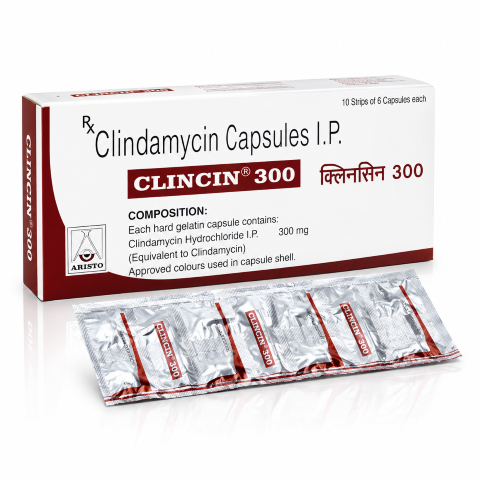
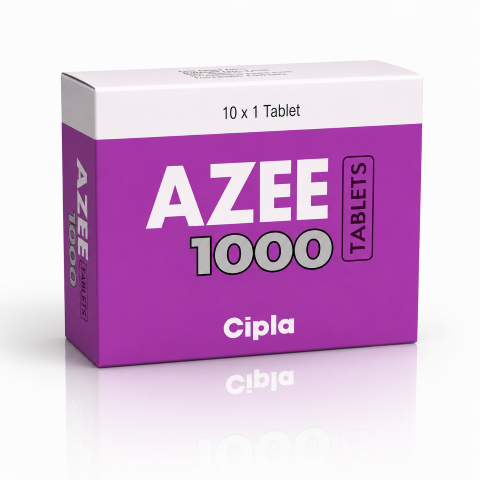
Azee 1000 MG Tablet
$1.61 / unit
Available Options
| Pack Size | Price | Price / Unit | Quantity | Action |
|---|---|---|---|---|
| 60 Tablet | $96.60 | $1.61/unit | ||
| 50 Tablet | $80.50 | $1.61/unit | ||
| 40 Tablet | $64.40 | $1.61/unit | ||
| 30 Tablet | $48.30 | $1.61/unit | ||
| 20 Tablet | $32.20 | $1.61/unit | ||
| 10 Tablet | $16.10 | $1.61/unit |
Product Description
What Is This Medicine?
AZEE 1000 MG TABLET contains Azithromycin 1000 mg , a macrolide antibiotic used to treat certain bacterial infections. Current product listings identify Azee 1000 Tablet as an azithromycin 1000 mg prescription medicine marketed by Cipla Ltd. Azithromycin works by interfering with bacterial protein production, which prevents susceptible bacteria from growing and multiplying. This allows the body's immune system to clear the infection. This medicine may be prescribed for certain bacterial infections affecting the: throat and respiratory tract lungs ears nose and sinuses skin and soft tissues genital or urinary tract certain sexually transmitted infections when azithromycin is clinically appropriate Azithromycin has an established single 1 g (1000 mg) regimen for certain uncomplicated infections caused by Chlamydia trachomatis , such as nongonococcal urethritis and cervicitis. However, the appropriate dose and duration vary significantly according to the infection being treated. Important: Azee 1000 mg is a high-strength azithromycin tablet . A 1000 mg dose is not the standard dose for every bacterial infection and should only be taken when specifically prescribed by a healthcare professional. Azithromycin does not treat viral infections such as the common cold or influenza. Unnecessary antibiotic use contributes to antibiotic resistance.
What Should I Tell My Health Care Provider Before I Take This Medicine?
They need to know if you have any of these conditions: allergy to azithromycin allergy to erythromycin or another macrolide antibiotic previous serious reaction to azithromycin history of liver problems caused by azithromycin
- liver disease
- kidney disease
- heart disease heart rhythm disorder prolonged QT interval history of torsades de pointes unusually slow heartbeat low potassium levels low magnesium levels myasthenia gravis history of severe antibiotic-associated diarrhea hearing problems if you take medicines that affect heart rhythm if you take
- warfarin or another anticoagulant if you are pregnant or planning to become pregnant if you are
- breastfeeding Azithromycin should not be used in people with a known serious allergy to azithromycin, erythromycin, macrolide, or ketolide antibiotics , or in patients with a history of cholestatic jaundice or liver dysfunction caused by previous azithromycin treatment . Azithromycin can affect the electrical activity of the heart and may increase the risk of QT prolongation and potentially serious abnormal heart rhythms , particularly in susceptible patients. Tell your healthcare provider about all of your medical conditions and all medicines you use before starting treatment.
How Should I Use This Medicine?
Take AZEE 1000 MG TABLET exactly as prescribed by your healthcare professional . The correct azithromycin dose depends on: the type of bacterial infection the site and severity of infection age body weight kidney and liver health other medicines being taken local antibiotic-treatment guidelines Azithromycin tablets may generally be taken with or without food . Taking the medicine with food may improve gastrointestinal tolerability in some people. For proper use: swallow the prescribed dose with water take it exactly at the time directed by your healthcare provider take only the prescribed number of tablets do not increase or reduce the dose yourself do not share antibiotics with another person complete the prescribed treatment course unless your healthcare professional tells you otherwise For certain uncomplicated infections caused by Chlamydia trachomatis , an established regimen is azithromycin 1 g (1000 mg) as a single oral dose . This does not mean that every infection should be treated with 1000 mg as a single dose . Many other bacterial infections require entirely different azithromycin doses and treatment schedules. Do not self-medicate with Azee 1000 mg Tablet simply because symptoms resemble a previous infection.
What If I Miss A Dose?
If Azee 1000 mg has been prescribed as part of a multi-dose treatment schedule and you miss a dose: take the missed dose when you remember if it is almost time for the next dose, skip the missed dose continue with your normal prescribed schedule do not take two doses together do not take extra tablets to compensate for a missed dose MedlinePlus recommends taking a missed azithromycin dose when remembered unless the next dose is approaching; a double dose should not be taken. If your doctor prescribed Azee 1000 mg as a single-dose treatment and you did not take it as directed, contact your healthcare provider or pharmacist for advice rather than taking additional doses on your own.
What May Interact With This Medicine?
Tell your healthcare provider if you take:
- warfarin or other anticoagulants digoxin nelfinavir medicines used to control abnormal heart rhythms amiodarone sotalol quinidine procainamide medicines that can prolong the QT interval certain
- antidepressants certain antipsychotic medicines other antibiotics medicines that lower potassium or magnesium levels aluminum- or magnesium-containing antacids other prescription medicines herbal products or supplements Azithromycin used with
- warfarin may increase anticoagulant effects in some patients, so monitoring of coagulation measurements such as prothrombin time may be appropriate. Nelfinavir can increase azithromycin exposure, and patients receiving the combination may require closer monitoring for adverse reactions such as liver abnormalities or hearing problems. Extra caution is required when azithromycin is combined with medicines that can prolong the QT interval , because the combination may increase the risk of abnormal heart rhythms. This list may not describe all possible interactions. Give your healthcare provider a complete list of all prescription medicines, non-prescription medicines, vitamins, herbal remedies, and supplements you use.
What Should I Watch For While Using This Medicine?
Take the medicine for the exact infection and duration prescribed . Seek medical attention promptly if you develop: fast or irregular heartbeat fainting severe
- dizziness chest discomfort severe allergic reaction swelling of the face, lips, tongue, or throat difficulty breathing severe or persistent diarrhea bloody or watery diarrhea severe abdominal cramps yellowing of the skin or eyes dark urine unusual tiredness severe skin rash blistering or peeling skin new or worsening muscle weakness significant hearing changes Azithromycin has been associated with QT prolongation and potentially serious cardiac arrhythmias , especially in patients who already have heart-rhythm risk factors. Antibiotics including azithromycin can also cause Clostridioides difficile-associated diarrhea . Severe or persistent watery or bloody diarrhea should be medically evaluated, including when it develops after the antibiotic course has finished. Azithromycin may worsen muscle weakness in people with myasthenia gravis . Do not stop treatment early solely because you feel better unless your healthcare provider tells you to do so.
What Side Effects May I Notice From This Medicine?
Side effects that you should report to your doctor or health care professional as soon as possible: severe allergic reaction difficulty breathing or swallowing swelling of the face, lips, tongue, or throat severe rash blistering or peeling of the skin fast, pounding, or irregular heartbeat fainting severe
- dizziness severe or persistent diarrhea bloody or watery diarrhea yellow skin or eyes dark urine signs of serious liver problems unusual muscle weakness significant hearing loss or ringing in the ears Serious allergic reactions, severe skin reactions, abnormal heart rhythms, and other significant adverse effects can occur and require prompt medical evaluation. Side effects that usually do not require medical attention (report to your doctor if they continue or are bothersome): diarrhea
- nausea
- vomiting stomach pain abdominal discomfort
- headache indigestion decreased appetite mild
- dizziness The most commonly reported azithromycin adverse effects include diarrhea,
- nausea, abdominal pain, and
- vomiting . Because Azee 1000 mg contains a relatively large amount of azithromycin in a single tablet , gastrointestinal effects such as
- nausea, abdominal discomfort,
- vomiting, or diarrhea may be noticeable in some patients. This list may not describe all possible side effects.
Where Should I Keep My Medicine?
Keep AZEE 1000 MG TABLETS out of the reach of children. Current product information for Azee 1000 Tablet recommends storage below 30°C . Keep the medicine: in its original packaging protected from excessive heat protected from moisture away from direct sunlight in a secure place Do not use the tablet after the expiration date printed on the strip or carton. Do not share leftover antibiotics with another person. Do not save unused tablets to self-treat a future infection unless specifically advised by a healthcare professional.
Recommended Products
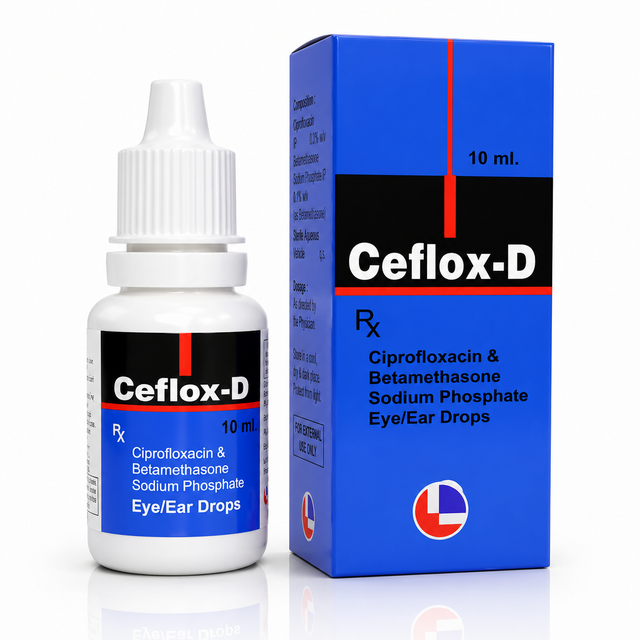

Ciprofloxacin + Zinc Sulphate + Chlorpheniramine Maleate
Ceflox Eye/Ear Drop 10 ML
Starting at just $0.70