
Latest Blog Articles
Erectile Dysfunction
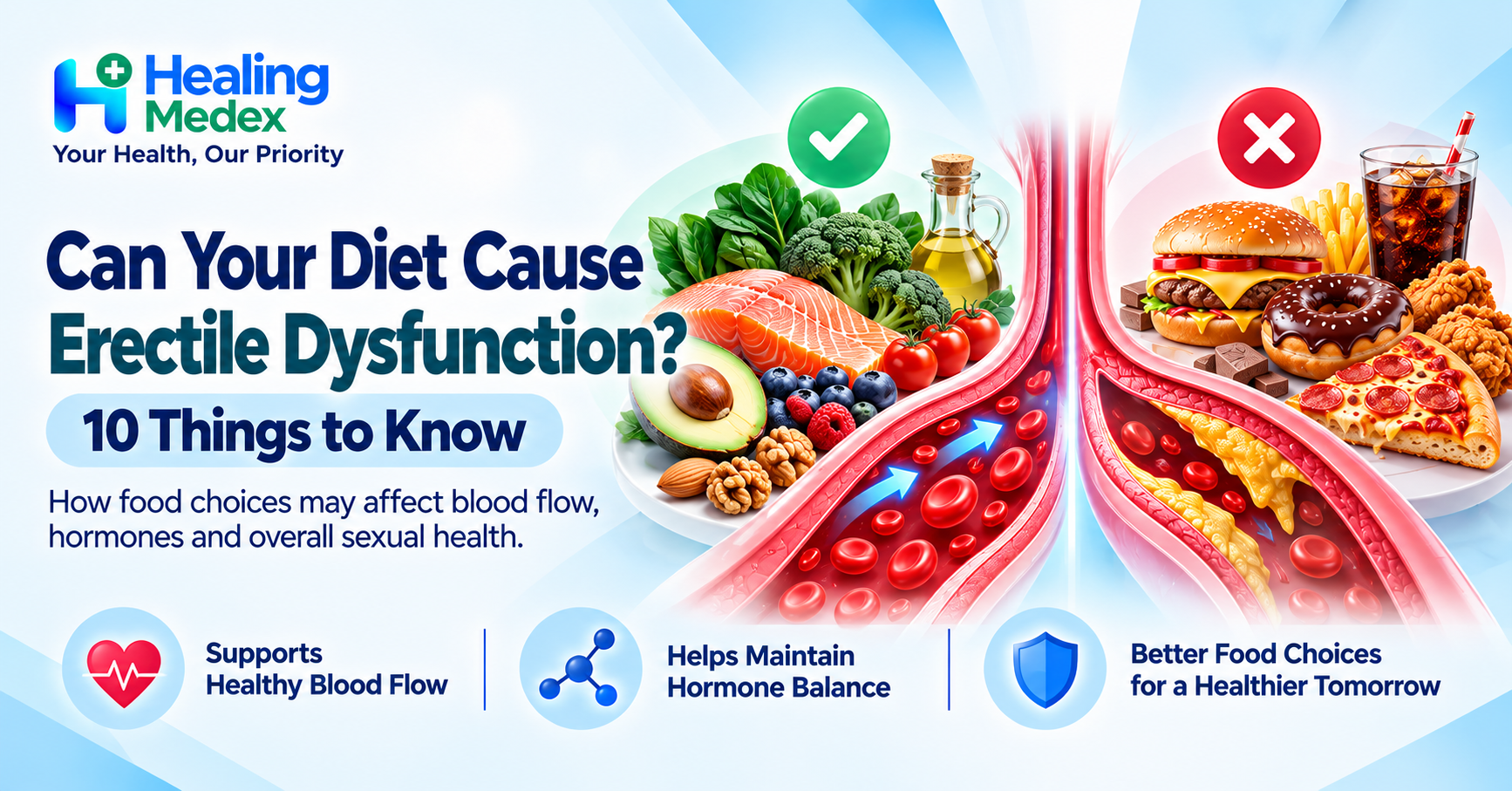
Can Your Diet Cause Erectile Dysfunction? 10 Things to Know – A UK Guide
Erectile dysfunction (ED) is a common men's health concern that can affect confidence, relationships and overall quality of life. While stress, ageing, medical conditions and certain medications are recognised contributors, many men overlook another important factor: their everyday diet. What you eat can influence blood circulation, cholesterol levels, blood pressure, body weight and metabolic health. All these factors can affect your ability to achieve and maintain an erection. For men in the United Kingdom, diets containing too many highly processed foods, sugary drinks, salty snacks and saturated fats may contribute to health problems associated with erectile dysfunction. However, no single food automatically causes ED, and no particular diet guarantees a cure. The relationship between nutrition and erectile function is complex. This Healing Medex UK guide explains 10 important ways dietary habits may influence erectile health, which foods deserve attention and how healthier eating patterns may help. How Does Your Diet Affect Erectile Function? An erection depends on several systems working together, including the brain, nerves, hormones and blood vessels. During sexual arousal, nerve signals encourage the release of nitric oxide, a substance that helps relax smooth muscle in penile blood vessels. This allows more blood to enter the erectile tissue. Healthy blood vessels and adequate blood circulation are therefore essential for normal erectile function. Diet can influence this process indirectly by affecting: Cardiovascular health and blood vessel function Blood pressure and cholesterol levels Blood glucose regulation and insulin sensitivity Body weight and metabolic health Nutritional status and, in some circumstances, hormone production Research suggests that healthier dietary patterns are associated with better erectile health, although studies do not prove that changing diet alone will resolve ED in every individual. 10 Things to Know About Diet and Erectile Dysfunction 1. Eating Too Much Saturated Fat May Affect Blood Circulation A diet consistently high in saturated fat can increase LDL cholesterol, often called bad cholesterol. Over time, elevated cholesterol can contribute to atherosclerosis, a condition in which fatty deposits accumulate inside artery walls. Because erections depend on healthy blood flow, vascular disease may make it more difficult to achieve or maintain an erection. Foods to limit: Bacon, sausages and fatty cuts of meat Butter, cream and excessive amounts of full-fat cheese Pastries, cakes and certain takeaway meals Foods frequently prepared with large quantities of ghee or butter Healthier alternatives: Choose fish, beans, lentils, lean meats, unsalted nuts and modest amounts of olive or rapeseed oil. The NHS recommends that the average adult man consume no more than 30 g of saturated fat per day. 2. Excess Sugar May Increase the Risk of Diabetes-Related ED Frequently consuming sugary drinks and high-calorie foods can contribute to weight gain and increase the risk of type 2 diabetes. Diabetes is an established cause of erectile dysfunction because prolonged high blood glucose can damage nerves and blood vessels involved in erections. Importantly, eating sugar does not directly mean that someone will develop ED. Risk depends on overall dietary habits, genetics, activity levels and metabolic health. Foods and drinks to reduce: Sugary fizzy drinks Energy drinks containing added sugar Sweets and confectionery Cakes, biscuits and sweetened cereals Large portions of sugary desserts What may help: Replace sugar-sweetened drinks with water or unsweetened alternatives, and choose whole fruits more often than fruit juice. Men who already have diabetes should follow an individualised nutrition plan to help manage blood glucose. 3. Too Much Salt May Contribute to High Blood Pressure High blood pressure is a recognised risk factor for erectile dysfunction. Blood vessels need to relax and widen appropriately for an erection to occur. Long-term hypertension can damage blood vessel function and contribute to cardiovascular problems. A high-salt diet can increase blood pressure, particularly in people who are sensitive to sodium. Common sources of excess salt in UK diets include: Crisps and salted snacks Processed meats Ready meals Takeaway foods Some sauces, soups and packaged foods Practical advice: Read nutrition labels, compare products and gradually reduce the amount of salt added during cooking. UK guidance generally recommends that adults consume no more than 6 g of salt per day. Reducing excess salt may benefit cardiovascular health, although it is not a direct treatment for every cause of ED. 4. Being Overweight Can Increase Erectile Dysfunction Risk Dietary habits that regularly provide more calories than the body needs can contribute to excess weight. Obesity is associated with several health conditions that increase ED risk, including: Type 2 diabetes High blood pressure Abnormal cholesterol levels Cardiovascular disease Hormonal disturbances Excess body fat can also affect testosterone regulation in some men, although not everyone with obesity has low testosterone. Can weight loss improve erections? For men who are overweight, gradual and sustainable weight loss may improve erectile function, particularly when combined with exercise and management of underlying medical conditions. A balanced diet with suitable portions, adequate protein, whole grains, vegetables and healthy fats may support this goal. Extreme calorie restriction or crash dieting is not recommended. 5. Not Eating Enough Fruits and Vegetables May Affect Vascular Health Fruits and vegetables provide vitamins, minerals, fibre and beneficial plant compounds that support overall cardiovascular health. Some vegetables, particularly leafy greens and beetroot, contain dietary nitrates that the body can convert into nitric oxide through several biological pathways. Nitric oxide contributes to normal blood vessel relaxation, which is important for erectile function. Useful choices include: Spinach and rocket Beetroot Broccoli Tomatoes Oranges and other citrus fruits Berries Apples and pears However, eating nitrate-containing foods does not guarantee improved erections, and clinical evidence for specific foods treating ED remains limited. UK recommendation: Aim for at least five portions of varied fruits and vegetables each day, as advised by the NHS Eatwell Guide. 6. Unhealthy Fat Choices May Affect Heart and Erectile Health Not all dietary fats have the same effects on cardiovascular health. Replacing some saturated fats with unsaturated fats can help improve blood cholesterol levels. This matters because the arteries supplying blood to the penis and heart are both affected by vascular health. Sources of healthier fats include: Olive oil Rapeseed oil Walnuts and almonds Avocados Salmon, sardines and mackerel Seeds such as flaxseed and chia seeds Oily fish provides omega-3 fatty acids, which support cardiovascular health. UK dietary guidance generally recommends at least two portions of fish weekly, including one portion of oily fish. These foods can be part of an overall heart-healthy diet, but omega-3 supplements and individual foods should not be regarded as proven treatments for ED. 7. Excessive Alcohol Consumption Can Interfere With Erections Alcohol is another important dietary factor that may influence erectile function. Drinking large amounts of alcohol can temporarily affect communication between the brain and nervous system, making it more difficult to achieve or maintain an erection. Long-term heavy alcohol consumption can also contribute to: Liver disease High blood pressure Nerve damage Hormonal disturbances Relationship and psychological difficulties These problems may increase the likelihood of persistent ED. UK alcohol guidance The NHS recommends drinking no more than 14 units of alcohol per week on a regular basis, spread over three or more days if drinking that much. Drinking less, or avoiding alcohol, may be beneficial for men experiencing alcohol-related erection problems. People who drink heavily every day and may be physically dependent on alcohol should seek medical advice before stopping suddenly, because withdrawal can be dangerous. 8. Nutritional Deficiencies May Affect General and Sexual Health Adequate intake of essential nutrients supports normal metabolism, nerve function and hormone production. Nutritional deficiencies may contribute to fatigue, poor general health or hormonal abnormalities, which can sometimes affect sexual function. Nutrients worth considering include: Zinc: Involved in normal testosterone production and many metabolic processes. Sources include meat, shellfish, beans, nuts and seeds. Vitamin D: Important for bone, muscle and overall health. Low vitamin D levels have been associated with ED in some studies, but a direct causal relationship has not been established. Vitamin B12: Supports normal nerve function and red blood cell production. Sources include fish, meat, eggs, dairy products and fortified foods. Magnesium: Supports muscle and nerve function. Sources include nuts, whole grains, legumes and leafy greens. A deficiency should be confirmed and treated appropriately when clinically indicated. Taking high-dose supplements without medical advice is not a reliable ED treatment and may cause unwanted effects. 9. A Mediterranean-Style Diet May Support Erectile Health The Mediterranean diet is one of the dietary patterns studied in relation to cardiovascular and erectile health. It emphasises: Vegetables and fruits Whole grains Beans and lentils Nuts and seeds Olive oil Fish Smaller amounts of highly processed foods and red or processed meat This eating pattern may help improve several cardiovascular risk factors associated with erectile dysfunction. Some studies have linked Mediterranean-style eating with better erectile function, particularly when combined with physical activity and weight management. However, research findings vary, and the evidence does not establish that a Mediterranean diet alone prevents or cures ED. A UK-friendly Mediterranean-style meal might include: Grilled salmon or chickpeas, wholegrain rice, roasted vegetables and a small amount of olive oil, followed by fresh fruit. This approach can provide a practical foundation for improving overall dietary quality without relying on restrictive eating plans. 10. Long-Term Dietary Habits Matter More Than Individual Foods Many online articles promote individual foods as natural erectile dysfunction cures. Examples include watermelon, beetroot, dark chocolate, pomegranate and various nuts. Although some contain nutrients associated with vascular health, evidence that any single food reliably treats ED is limited. What matters more is the overall eating pattern maintained over months and years. A balanced diet can help with: Managing blood pressure Maintaining healthier cholesterol levels Supporting blood glucose control Achieving a healthy body weight Reducing cardiovascular risk Dietary improvements are most useful when combined with regular physical activity, sufficient sleep, smoking cessation and appropriate medical care. Key takeaway: A consistently healthy eating pattern is more meaningful than searching for one food that promises stronger erections. What Foods Should Men With Erectile Dysfunction Eat More Often? The following table summarises practical choices for men in the UK who want to improve their overall diet and support cardiovascular health. Food group Examples Potential benefit Leafy vegetables Spinach, kale, rocket Provide nitrates and micronutrients Fruits Berries, oranges, apples Supply fibre and beneficial plant compounds Whole grains Oats, wholemeal bread, brown rice Support fibre intake and metabolic health Oily fish Salmon, sardines, mackerel Provide omega-3 fatty acids Nuts and seeds Walnuts, almonds, pumpkin seeds Supply unsaturated fats and minerals Pulses Lentils, chickpeas, beans Provide fibre and plant protein Healthy oils Olive oil, rapeseed oil Can replace some saturated fats Water Plain water Supports normal hydration These foods support a healthy diet but should not be presented as guaranteed erectile dysfunction treatments. Foods and Dietary Habits Worth Limiting Men concerned about erectile health may benefit from reducing frequent intake of foods that contribute to poor cardiovascular or metabolic health. Dietary habit Why it deserves attention Frequent processed meats Can be high in salt and saturated fat Sugary drinks Can contribute to excess calorie intake and metabolic problems High-salt ready meals May make blood pressure management more difficult Large portions of fried takeaway food May increase saturated fat and calorie intake Excessive alcohol Can interfere with erections and harm long-term health Regular overeating Can contribute to excess weight and metabolic disease No food needs to be labelled as the sole cause of ED. Frequency, portion size, overall diet and existing health conditions are more important. Can Changing Your Diet Reverse Erectile Dysfunction? Dietary improvements may help some men experience better erectile function, especially when ED is associated with obesity, metabolic problems or poor cardiovascular health. However, improvement is not guaranteed. Erectile dysfunction may also result from: Diabetes-related nerve damage Hormonal disorders Side effects of prescribed medicines Anxiety, depression or relationship difficulties Neurological conditions Significant vascular disease In these circumstances, dietary changes alone may not be sufficient. A GP can help identify underlying causes and recommend suitable treatment. How Long Does It Take for Dietary Changes to Improve Erections? There is no established timeline for erectile improvements after changing diet. Some cardiovascular and metabolic improvements can begin within weeks, while meaningful changes in body weight and long-term risk factors may take months. Whether erections improve depends on the cause of ED, the severity of any existing health conditions and the individual's response to lifestyle changes. Men should avoid expecting immediate results from particular foods or supplements. If erectile difficulties persist, professional assessment is preferable to relying on dietary changes alone. Can Diet Work Alongside Erectile Dysfunction Medicines? Yes. A healthy diet can be part of a broader ED treatment plan. In the UK, commonly used erectile dysfunction medicines include: Sildenafil: Helps increase blood flow to the penis during sexual stimulation. Tadalafil: Has a longer duration of action than sildenafil. Vardenafil: Another PDE5 inhibitor used to treat ED. Avanafil : A PDE5 inhibitor that may act relatively quickly in some patients. These medicines are not suitable for everyone. In particular, PDE5 inhibitors must not be combined with nitrate medicines used for certain heart conditions because the combination can cause a dangerous fall in blood pressure. Some ED medicines may also be affected by food or alcohol. For example, a high-fat meal can delay the onset of sildenafil's effects. Follow the instructions supplied with the specific medicine and seek advice from a qualified pharmacist or prescriber. UK patients should use appropriately regulated pharmacies and healthcare services. When Should You See a GP About Erectile Dysfunction? Occasional erection difficulties are common and do not necessarily indicate a serious medical problem. However, repeated or persistent ED deserves medical attention, particularly because it can sometimes be an early sign of cardiovascular disease or diabetes. Consider booking a GP appointment if: Erection difficulties happen repeatedly. You have diabetes, high cholesterol or high blood pressure. You have noticed reduced libido or other possible hormonal symptoms. Symptoms began after starting a new medicine. Erectile problems are affecting your wellbeing or relationship. Lifestyle changes have not improved persistent symptoms. A GP may assess blood pressure, cardiovascular risk, blood glucose, cholesterol and, where clinically appropriate, hormone levels. Treatment may include lifestyle advice, management of underlying conditions, ED medication or psychological support. Frequently Asked Questions 1. Can eating unhealthy food cause erectile dysfunction? A consistently unhealthy diet may contribute to conditions such as obesity, diabetes, high blood pressure and cardiovascular disease, all of which are associated with ED. However, an occasional unhealthy meal does not directly cause persistent erectile dysfunction. 2. Can eating too much sugar affect erections? Excess sugar intake, particularly from sugary drinks and high-calorie foods, can contribute to metabolic problems over time. Poorly controlled diabetes can damage nerves and blood vessels involved in erections. 3. Does eating fatty food cause Ed? Eating a single fatty meal does not usually cause lasting ED. However, a long-term diet high in saturated fat may increase cholesterol and cardiovascular risk, which can contribute to erectile difficulties. 4. What is the best diet for erectile dysfunction? There is no single proven ED-curing diet. A balanced, Mediterranean-style eating pattern rich in vegetables, fruits, whole grains, legumes and unsaturated fats is a reasonable choice for supporting overall cardiovascular health. 5. Can losing weight improve erectile function? Yes, some men who are overweight may experience improvements in erectile function after sustainable weight loss, especially when combined with regular exercise and treatment of underlying medical conditions. 6. Can dehydration cause erectile problems? Severe dehydration can affect physical wellbeing and circulation. However, evidence that mild everyday dehydration directly causes persistent ED is limited. Maintaining adequate hydration is sensible, but persistent ED should not automatically be attributed to insufficient water intake. 7. Does a vegetarian diet help erectile dysfunction? A balanced vegetarian diet can support cardiovascular health when it includes sufficient protein, healthy fats and essential nutrients. Some research associates plant-rich diets with better erectile outcomes, but vegetarian eating does not guarantee protection against ED. Final Thoughts Yes, your diet can contribute to erectile dysfunction, particularly through its long-term effects on blood vessels, blood pressure, cholesterol, diabetes risk and body weight. A dietary pattern dominated by sugary drinks, high-salt foods, excessive saturated fat and frequent overeating may increase health risks associated with erection problems. Conversely, a balanced eating pattern containing fruits, vegetables, whole grains, healthy fats, legumes and fish may help support cardiovascular and metabolic health. For men in the UK, following the NHS Eatwell Guide is a practical starting point. Nevertheless, erectile dysfunction has many possible causes, and dietary changes should not replace medical evaluation when symptoms persist. The most effective approach often combines healthy eating, regular exercise, appropriate management of medical conditions and evidence-based treatment where necessary. Medical Disclaimer This article is for general educational purposes only and does not replace advice from a qualified doctor or pharmacist. Medical guidance, approved medicines and prescribing rules differ between countries. Always follow the advice of a healthcare professional licensed in your country of residence. See another version
 Dr. Marcus Vance, PharmD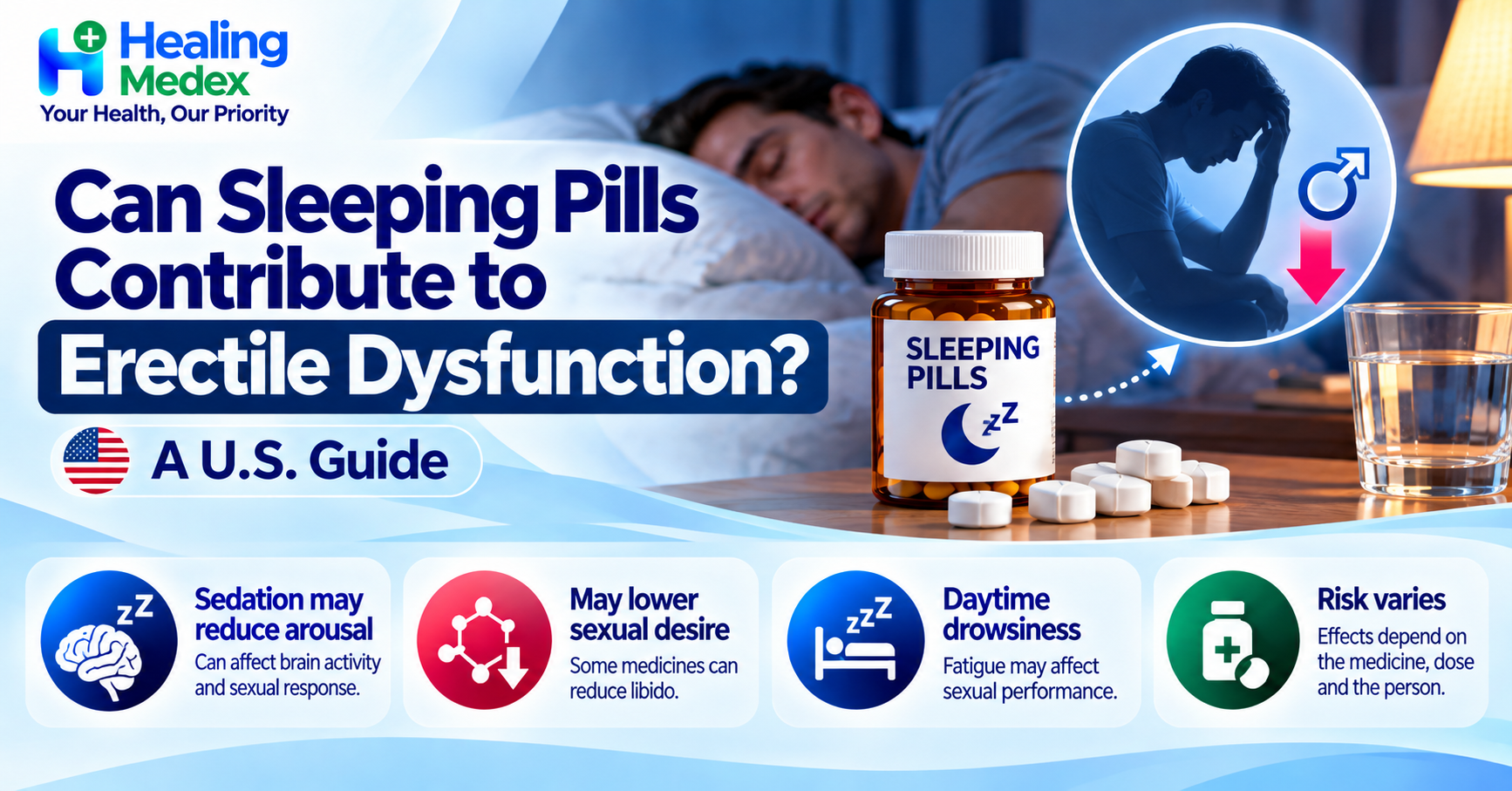
Erectile Dysfunction
Can Sleeping Pills Contribute to Erectile Dysfunction? A U.S. Guide
Sleep is essential for physical health, mental well-being, hormone regulation, and healthy sexual function. However, millions of American adults struggle with insomnia, difficulty staying asleep, or poor sleep quality. To manage these problems, some people turn to prescription sleeping pills or over-the-counter (OTC) sleep aids. Although these medicines can help certain individuals sleep, they may also produce unwanted side effects. One concern is whether sleeping pills can contribute to erectile dysfunction (ED). The short answer is yes. Certain sleeping pills and sedative medications may contribute to erectile dysfunction , but not all sleep medicines carry the same risk. The relationship depends on the type of medication, its sedative effects, the person's underlying health, and other medicines being taken. Importantly, insomnia itself can also contribute to sexual difficulties, making it challenging to determine whether the medication or the sleep problem is responsible. This Healing Medex U.S. guide explores how sleeping pills may affect erections, which medications deserve particular attention, possible warning signs, and ways to protect both sleep quality and sexual health. What Is Erectile Dysfunction? Erectile dysfunction is the persistent or recurring difficulty getting or maintaining an erection firm enough for satisfactory sexual activity. An erection requires coordination between the brain, nerves, blood vessels, hormones, and psychological responses. When any part of this process is disrupted, erectile difficulties can occur. Common symptoms include: Difficulty achieving an erection. Trouble maintaining an erection during sexual activity. Erections that are less firm than usual. Inconsistent erectile performance. Reduced sexual desire, which may occur alongside ED but is a separate symptom. According to the U.S. National Institute of Diabetes and Digestive and Kidney Diseases (NIDDK), certain medicines, including sedatives, may contribute to erectile dysfunction How Can Sleeping Pills Affect Erectile Function? Sleeping medications generally work by influencing brain activity, promoting relaxation, or regulating sleep-related pathways. However, some medicines may also affect alertness, sexual arousal, and other processes involved in erectile function. 1. Reduced Central Nervous System Activity Many sleeping pills act as central nervous system depressants. They reduce brain activity to promote sleep and relaxation. In some individuals, these effects may also interfere with sexual responsiveness. Possible consequences include reduced arousal, delayed sexual responses, and difficulty maintaining an erection. This effect is especially relevant to certain sedative medications, including benzodiazepines. 2. Reduced Sexual Desire Some individuals taking sedating medications report a decrease in libido. Sexual desire and erectile function are not the same, but they are closely related. When interest in sexual activity decreases, achieving and maintaining an erection may become more difficult. 3. Daytime Drowsiness and Fatigue Some sleeping pills produce residual sedation after waking. This may cause: Daytime sleepiness. Reduced energy. Difficulty concentrating. Lower motivation. Reduced interest in sexual activity. These effects can indirectly influence sexual performance, particularly when sedation continues into the following day. 4. Possible Effects on Hormonal Regulation Healthy sleep plays an important role in normal testosterone regulation. Persistent sleep disruption may be associated with hormonal changes that affect sexual desire and function. However, there is insufficient evidence to conclude that all sleeping pills directly lower testosterone levels. The effects vary between medications, and other health conditions may be involved. 5. Interaction With Other Medications People using sleeping pills may also take medications for anxiety, depression, chronic pain, or high blood pressure. Some of these medicines are independently associated with sexual side effects. When several medications are used together, identifying the cause of erectile dysfunction may become more complicated. A healthcare professional can review possible interactions and determine whether any medication changes are appropriate. Which Sleeping Pills May Contribute to Erectile Dysfunction? Not all sleeping medications affect sexual function in the same way. Some have a more established association with sexual dysfunction, while evidence for others remains limited. 1. Benzodiazepines Examples include: Temazepam (Restoril). Triazolam (Halcion). Lorazepam (Ativan), sometimes used for anxiety-related sleep problems. Diazepam (Valium), which may cause sedation but is not generally a preferred insomnia treatment. Benzodiazepines increase the activity of gamma-aminobutyric acid (GABA), a neurotransmitter that reduces nervous system activity. Although this promotes relaxation, it may also reduce sexual arousal in some individuals. A 2025 observational study of adults aged 65 and older found associations between benzodiazepine use, insomnia, and erectile dysfunction. However, because the study was observational, it could not establish that benzodiazepines directly caused ED. 2. Z-Drugs Common examples include: Zolpidem (Ambien). Eszopiclone (Lunesta). Zaleplon (Sonata). These medications are commonly prescribed for certain types of insomnia in the United States. They promote sleep by acting on brain receptors involved in sedation. Sexual side effects have been reported with some medications in this group, but a direct causal relationship with erectile dysfunction is not consistently established. Some individuals may experience fatigue, reduced alertness, or other effects that indirectly interfere with sexual activity. 3. Sedating Antidepressants Examples include: Trazodone. Doxepin. Mirtazapine. Certain antidepressants are sometimes prescribed to individuals who experience sleep difficulties. Antidepressants can affect sexual function, although the risk and type of side effects vary considerably between medications. Possible effects include reduced libido, delayed ejaculation, or erectile difficulties. Importantly, low-dose doxepin used specifically for insomnia does not necessarily carry the same sexual side-effect profile as higher antidepressant doses. Trazodone also deserves special attention because it has been associated with rare cases of priapism, a prolonged erection requiring emergency treatment. 4. Over-the-Counter Antihistamine Sleep Aids Common ingredients include: Diphenhydramine. Doxylamine. These substances are found in some OTC nighttime sleep products sold in the United States. They produce drowsiness by blocking histamine activity in the brain. Although some antihistamines are listed among medicines that may contribute to ED, evidence directly linking typical short-term use of OTC antihistamine sleep aids to erectile dysfunction is limited. These medications can also cause next-day drowsiness, dry mouth, constipation, and urinary difficulties, particularly in older adults. 5. Melatonin and Melatonin Receptor Medicines Melatonin is a hormone involved in regulating the sleep-wake cycle. Melatonin supplements and prescription medicines such as ramelteon work through sleep-related hormonal pathways. Currently, there is no strong clinical evidence that typical melatonin use commonly causes erectile dysfunction. However, supplement quality, dosage, and individual responses may vary. Melatonin should not automatically be considered a treatment for ED. Can Insomnia Itself Cause Erectile Dysfunction? Yes. Poor sleep may contribute to erectile difficulties even in people who do not take sleeping pills. Insomnia can affect sexual health through several mechanisms. Sleep deprivation and hormonal changes: Insufficient or disrupted sleep may affect normal testosterone regulation, which can influence sexual desire. Stress and anxiety : Difficulty sleeping may increase psychological distress, making sexual arousal and erectile performance more difficult. Fatigue : Persistent tiredness can reduce interest in sexual activity and interfere with sexual responsiveness. Associated health conditions : Sleep difficulties may occur alongside obesity, depression, cardiovascular disease, diabetes, or sleep apnea, which may also contribute to ED. A study published in European Urology Focus in 2024 examined associations between insomnia, insomnia medications, and erectile dysfunction, emphasizing the importance of considering both sleep problems and medication use when evaluating erectile symptoms. 10 Things to Know About Sleeping Pills and Erectile Dysfunction No. Important point What it means 1 Some sleeping pills may contribute to ED Sedatives can affect sexual responsiveness. 2 Not all sleeping pills carry equal risk Effects vary by medication. 3 Benzodiazepines deserve attention Some studies link them with sexual dysfunction. 4 Daytime sedation may affect sexual activity Fatigue can reduce arousal and energy. 5 Poor sleep itself may contribute to ED Insomnia can affect physical and mental health. 6 Other medicines may be involved Antidepressants and some blood pressure medicines can contribute. 7 Testosterone is not always the cause ED can occur with normal testosterone levels. 8 OTC sleep aids are not risk-free Antihistamine products can produce unwanted side effects. 9 Stopping medication suddenly can be dangerous Some sedatives require medically supervised tapering. 10 ED can often be evaluated and treated Addressing sleep, medicines, and underlying conditions may help. How Do You Know If Sleeping Pills Are Causing ED? It can be difficult to determine whether erectile dysfunction is related to sleeping pills or another health problem. However, certain patterns may suggest a possible medication-related effect. Common Signs to Watch For Erectile difficulties begin after starting a new sleeping medication. Sexual desire decreases after a medication change. Increased daytime drowsiness occurs alongside erectile problems. Erectile difficulties appear after a prescribed dosage increase. Sexual function changes despite otherwise stable health and lifestyle habits. These signs do not prove that sleeping pills are responsible. A healthcare professional may review the timing of symptoms, medical history, medications, and relevant health conditions before identifying a possible cause. Can Erectile Dysfunction Improve After Stopping Sleeping Pills? In some cases, erectile function may improve after a healthcare professional adjusts, changes, or gradually discontinues a medication associated with sexual side effects. The outcome depends on several factors, including the type of medicine, duration of use, underlying health conditions, and other possible causes of ED. Some individuals may experience improvement after medication-related sedation decreases. Others may continue experiencing erectile difficulties because of cardiovascular disease, diabetes, hormonal problems, psychological stress, or untreated sleep disorders. Never stop prescription sleeping pills abruptly without professional guidance. The U.S. Food and Drug Administration (FDA) warns that suddenly stopping benzodiazepines or reducing their dosage too quickly can cause serious withdrawal reactions, including potentially life-threatening seizures. How to Manage Sleep Problems Without Worsening Erectile Dysfunction Improving sleep quality while minimizing medication-related side effects requires an individualized approach. 1. Consider Cognitive Behavioral Therapy for Insomnia Cognitive behavioral therapy for insomnia (CBT-I) is a structured treatment designed to improve sleep habits and address thoughts and behaviors that contribute to chronic insomnia. The American College of Physicians recommends CBT-I as the initial treatment for adults with chronic insomnia. It may help reduce dependence on sleeping medications for some individuals. 2. Maintain a Consistent Sleep Schedule Try to go to bed and wake up at approximately the same time each day. Consistent sleep patterns support the body's natural circadian rhythm and may improve overall sleep quality. 3. Reduce Evening Caffeine and Alcohol Caffeine consumed late in the day may delay sleep onset. Alcohol can make some people feel sleepy initially but may disrupt sleep later in the night. Alcohol can also worsen erectile difficulties and increase the sedating effects of certain sleeping pills. 4. Exercise Regularly Regular physical activity supports cardiovascular health, sleep quality, and overall well-being. Walking, swimming, cycling, and moderate aerobic exercise may be beneficial. Improved cardiovascular health can also support erectile function. 5. Review Current Medications If erectile problems began after starting sleeping pills, discuss the symptoms with your prescribing clinician. Depending on the circumstances, they may consider adjusting the medication, investigating other causes, or recommending non-medication insomnia treatments. 6. Address Stress and Anxiety Stress and anxiety may contribute to both insomnia and erectile dysfunction. Relaxation techniques, counseling, mindfulness, and appropriate psychological treatment may help individuals experiencing these concerns. 7. Get Evaluated for Sleep Apnea Obstructive sleep apnea can cause repeated interruptions in breathing during sleep. Symptoms may include loud snoring, witnessed breathing pauses, morning headaches, and excessive daytime sleepiness. Sleep apnea is also associated with erectile dysfunction . Individuals experiencing these symptoms should speak with a healthcare professional about sleep-apnea screening. What Are the Treatment Options for ED Related to Sleeping Pills? Treatment depends on the suspected cause and the individual's overall health. Medication Review A doctor may evaluate whether a sleeping pill or another medicine could be contributing to erectile problems. Possible approaches include changing medications, adjusting treatment under supervision, or addressing untreated insomnia. Erectile Dysfunction Medicines In the United States, healthcare professionals may prescribe PDE5 inhibitors such as: Sildenafil (Viagra). Tadalafil (Cialis). Vardenafil. Avanafil (Stendra). These medicines improve the body's erectile response by supporting blood flow to the penis during sexual stimulation. They do not directly treat insomnia or necessarily reverse medication-related changes in sexual desire. PDE5 inhibitors are not suitable for everyone. They must not be combined with nitrate medications used for conditions such as angina because the combination can cause a dangerous drop in blood pressure. A doctor or pharmacist should also assess other medications, including sleeping pills, for potential interactions and safety concerns. Lifestyle and Psychological Support Managing anxiety, improving sleep habits, reducing excessive alcohol consumption, and increasing physical activity may help improve erectile function. If ED is related to more than one condition, addressing several contributing factors may provide better results than focusing on sleeping pills alone. When Should You See a Doctor? Seek medical advice if: Erectile difficulties begin after starting a sleeping medication. ED continues or repeatedly occurs. Sexual desire decreases significantly. Sleeping pills cause troublesome daytime sedation. You experience symptoms suggesting low testosterone or another hormonal problem. You have diabetes, hypertension, cardiovascular disease, or suspected sleep apnea. You want to reduce or stop a prescription sleeping medication. ED can sometimes be an early sign of an underlying cardiovascular or metabolic condition. Therefore, persistent symptoms deserve medical evaluation rather than being automatically attributed to sleeping pills. In the United States, patients can begin with a primary care physician, sleep medicine specialist, or urologist. Important safety warning: If you experience sleepwalking, sleep-driving, or other activities while not fully awake after taking zolpidem, eszopiclone, or zaleplon, the FDA advises stopping the medicine and contacting a healthcare professional immediately. Frequently Asked Questions 1. Can sleeping pills cause erectile dysfunction permanently? There is no strong evidence that commonly used sleeping pills routinely cause permanent erectile dysfunction. Some medication-related sexual difficulties may improve after supervised treatment changes. Persistent ED should be investigated for other causes. 2. Does Ambien (zolpidem) cause erectile dysfunction? Zolpidem may cause side effects that indirectly interfere with sexual activity, such as drowsiness or reduced alertness. However, evidence that zolpidem commonly causes ED directly is limited. 3. Can benzodiazepines lower sexual desire? Yes. Benzodiazepines have been associated with reduced libido and other sexual difficulties in some patients, although effects vary between individuals. 4. Does melatonin cause ED? Current clinical evidence does not establish melatonin as a common cause of erectile dysfunction. More research is needed to understand its potential effects on male sexual health. 5. Can lack of sleep cause erectile dysfunction without medication? Yes. Poor sleep may affect hormonal regulation, energy, mood, and sexual responsiveness. It may also coexist with health conditions that increase ED risk. 6. Can taking sleeping pills every night increase ED risk? The answer depends on the medication, dose, medical history, and duration of use. Some sedative medications may contribute to sexual side effects, but nightly use does not automatically mean ED will occur. 7. Can I take Viagra while using sleeping pills? Some individuals may be prescribed both an ED medication and a sleeping medicine, but their safety must be assessed individually. Consult a healthcare professional before combining them, especially if you take other medications or have cardiovascular problems. 8. Should I stop sleeping pills if I develop ED? Do not stop prescription sleeping pills without medical guidance. Your doctor can help determine whether the medication is contributing to symptoms and whether a change is appropriate. Conclusion Sleeping pills can contribute to erectile dysfunction in some individuals, particularly when medications affect central nervous system activity, sexual desire, or daytime alertness. Benzodiazepines have been associated with sexual dysfunction, while the evidence for a direct link between ED and many other sleep medications remains less certain. Poor sleep itself may also contribute to erectile problems, meaning both insomnia and its treatment should be considered when evaluating sexual health. For individuals in the United States experiencing erectile difficulties while taking sleeping medication, consulting a qualified healthcare professional is the safest approach. The key takeaway is that sleeping pills do not automatically cause ED, and erectile difficulties should not be attributed to medication without considering other possible causes. Improving sleep quality, reviewing medications, and addressing underlying health conditions may help protect both sleep and sexual function. Medical Disclaimer This article is for general educational purposes only and does not replace advice from a qualified doctor or pharmacist. Medical guidance, approved medicines and prescribing rules differ between countries. Always follow the advice of a healthcare professional licensed in your country of residence.
Dr. Marcus Vance, PharmD
Erectile Dysfunction
10 Heart-Healthy Foods That May Also Support Erectile Function: A Japan Guide
Heart health and erectile function are closely connected. While many people associate erectile dysfunction (ED) with ageing, stress or hormonal changes, the condition can also be influenced by blood circulation, blood pressure, cholesterol levels and overall cardiovascular health. An erection depends partly on healthy blood vessels and sufficient blood flow. When circulation is affected by conditions such as high blood pressure, diabetes or atherosclerosis, achieving or maintaining an erection may become more difficult. The good news is that a balanced, heart-healthy diet may support vascular health and help reduce some of the risk factors associated with erectile dysfunction. In Japan, traditional foods such as oily fish, tofu, natto, green vegetables and seaweed offer practical ways to support cardiovascular health through everyday meals. However, no single food can cure erectile dysfunction, and dietary changes should not replace medical treatment when it is needed. This Healing Medex guide explores 10 heart-healthy foods, their nutritional benefits, how they may indirectly support erectile function and simple ways to include them in a Japanese diet. How Are Heart Health and Erectile Dysfunction Connected? The heart, blood vessels and erectile system all depend on healthy circulation. During sexual arousal, nerves trigger the release of nitric oxide, a molecule that helps relax smooth muscle within penile blood vessels. This allows more blood to enter the erectile tissues. Several cardiovascular conditions can interfere with this process: High blood pressure : Can damage blood vessels and impair normal circulation. High cholesterol : May contribute to plaque buildup in the arteries. Diabetes : Can damage blood vessels and nerves involved in erections. Obesity: Is associated with metabolic and cardiovascular problems that increase ED risk. Atherosclerosis: Can narrow arteries and reduce blood supply. Erectile dysfunction may sometimes appear before other symptoms of cardiovascular disease. The Princeton IV Consensus recommendations identify ED as an important marker of cardiovascular risk. Maintaining healthy blood pressure, blood sugar levels and cholesterol can therefore benefit both cardiovascular and sexual health. 10 Heart-Healthy Foods That May Also Support Erectile Function 1. Salmon (Sake) – A Source of Omega-3 Fatty Acids Salmon is a popular fish in Japan and an excellent source of protein and omega-3 fatty acids. Omega-3 fats are important components of a heart-healthy eating pattern and may help improve certain cardiovascular risk factors. Heart-health benefits: Provides beneficial unsaturated fats. Supports a balanced cardiovascular diet. Supplies high-quality protein and vitamin D. How it may support erectile function: Healthy blood vessels are important for erections. By contributing to cardiovascular health, salmon may indirectly support the circulation necessary for normal erectile function. However, research has not established that eating salmon alone improves ED symptoms. How to include it in a Japanese diet: Enjoy grilled salmon (shiozake), preferably with minimal added salt, alongside brown rice, steamed vegetables and a small serving of tofu. 2. Mackerel (Saba) – Supports Cardiovascular Health Mackerel is another commonly eaten fish in Japan, available fresh, grilled or canned. It contains omega-3 fatty acids, vitamin B12 and high-quality protein. Heart-health benefits: Supplies EPA and DHA omega-3 fatty acids. Can replace protein sources higher in saturated fat. Fits into a heart-healthy dietary pattern. How it may support erectile function: Since vascular problems can contribute to ED, choosing omega-3-rich fish instead of heavily processed meats may help protect long-term cardiovascular health. There is no reliable evidence that mackerel works as an immediate erection enhancer. How to include it in a Japanese diet: Try saba shioyaki with less salt, grilled mackerel with grated daikon or canned mackerel in water with vegetables. 3. Natto – A Traditional Japanese Soybean Food Natto is made from fermented soybeans and is a traditional Japanese breakfast food. It provides plant protein, fibre and several important nutrients. Heart-health benefits: Supplies plant-based protein. Contains fibre that supports a healthier diet. Can help replace some foods higher in saturated fat. How it may support erectile function: A dietary pattern rich in legumes may improve cardiovascular risk factors that are also associated with erectile dysfunction. Although natto contains compounds such as isoflavones, there is insufficient clinical evidence that natto directly treats ED or increases testosterone. How to include it in a Japanese diet: Serve natto with brown rice, chopped spring onions and vegetables. Use less of the salty sauce packet when possible. Important: Natto is particularly rich in vitamin K. People taking warfarin should discuss natto consumption with their prescribing clinician because it can interfere with anticoagulation management. 4. Spinach and Komatsuna – Nutrient-Rich Leafy Vegetables Spinach (horenso) and komatsuna (Japanese mustard spinach) are common leafy greens in Japanese cooking. They provide folate, potassium, fibre and various plant compounds. Some leafy vegetables also contain naturally occurring dietary nitrates. Heart-health benefits: Contribute nutrients needed for normal cardiovascular function. Provide fibre and antioxidants. Help increase daily vegetable consumption. How they may support erectile function: Dietary nitrate can be converted through biological pathways into nitric oxide, which has a role in blood vessel relaxation. However, consuming nitrate-containing vegetables does not guarantee improved erectile performance. How to include them in a Japanese diet: Prepare spinach ohitashi, lightly steamed komatsuna or vegetable stir-fries using modest amounts of oil and reduced-sodium seasoning. 5. Walnuts and Almonds – Sources of Healthy Fats Nuts provide unsaturated fats, plant protein, fibre and minerals. Walnuts also contain alpha-linolenic acid (ALA), a plant-based omega-3 fatty acid. Heart-health benefits: Provide beneficial unsaturated fats. May support healthier cholesterol levels when replacing less healthy snacks. Offer fibre and essential nutrients. How they may support erectile function: A healthy cholesterol profile and better vascular health are important for maintaining normal circulation. Nuts may support erectile health indirectly as part of a balanced diet, but are not a proven standalone ED treatment. How to include them in a Japanese diet: Choose a small handful of unsalted almonds or walnuts as a snack, or add chopped nuts to salads and vegetable dishes. 6. Tomatoes – A Source of Lycopene Tomatoes are widely available in Japan and can easily be added to meals. They contain vitamin C, potassium and lycopene, a plant pigment with antioxidant properties. Heart-health benefits: Supply antioxidants and potassium. Contribute to greater fruit and vegetable intake. Can replace less nutritious side dishes. How they may support erectile function: Tomatoes contribute to a healthy dietary pattern that may protect vascular health. Although lycopene has been investigated for cardiovascular benefits, evidence does not establish that tomatoes or lycopene supplements treat ED. How to include them in a Japanese diet: Add fresh tomatoes to salads, prepare tomato-based vegetable soups or serve them with grilled fish. 7. Tofu and Edamame – Heart-Friendly Plant Proteins Soy foods are important ingredients in Japanese cuisine. Tofu, edamame and unsweetened soy milk provide protein and can be useful alternatives to fatty or processed meats. Heart-health benefits: Offer plant-based protein. Generally contain less saturated fat than fatty meats. Support a varied diet that includes legumes. How they may support erectile function: Improving overall dietary quality can help manage cardiovascular and metabolic risk factors associated with ED. Normal consumption of soy foods has not been shown to provide a reliable treatment for erectile dysfunction or a meaningful boost in testosterone. How to include them in a Japanese diet: Enjoy chilled tofu (hiyayakko), boiled edamame without excess salt, tofu soup or stir-fried tofu with vegetables. 8. Brown Rice (Genmai) – Supports Metabolic Health White rice is a major staple in Japan, but brown rice provides more fibre and retains more of the grain's natural nutrients. Whole grains are recommended as part of a heart-healthy eating pattern. Heart-health benefits: Provides more dietary fibre than refined white rice. Supports healthier cholesterol and metabolic profiles. Can contribute to better long-term blood sugar management. How it may support erectile function: Diabetes, obesity and cardiovascular disease are important risk factors for ED. Choosing whole grains regularly may help support metabolic health and indirectly benefit erectile function. How to include it in a Japanese diet: Try genmai rice or a mixture of brown and white rice with grilled fish, vegetables and soybean dishes. Portion size still matters, particularly for individuals managing diabetes. 9. Seaweed (Wakame and Nori) – A Traditional Japanese Ingredient Seaweed is commonly found in Japanese soups, salads and rice dishes. Different varieties provide fibre and minerals, although their nutritional composition varies considerably. Heart-health benefits: Adds variety and fibre to meals. Can be part of a nutritious, vegetable-rich dietary pattern. Offers a low-calorie ingredient when prepared without excessive salt or sugar. How it may support erectile function: Seaweed can contribute to overall dietary quality, which supports cardiovascular health. However, there is insufficient evidence that eating seaweed directly improves erections. How to include it in a Japanese diet: Use small portions of wakame in salads, nori with rice or seaweed in vegetable soups. Important: Some seaweeds, particularly kombu, contain very high amounts of iodine. Excessive iodine intake can affect thyroid function. People with thyroid disorders should discuss appropriate intake with a healthcare professional. 10. Berries and Citrus Fruits – Sources of Antioxidants Strawberries, blueberries, mikan (Japanese mandarins) and other fruits supply vitamin C, fibre and a variety of plant compounds. Berries contain anthocyanins, while citrus fruits provide other flavonoids. Heart-health benefits: Contribute vitamins, fibre and antioxidants. Support a varied, plant-rich diet. Can replace desserts or snacks high in added sugar. How they may support erectile function: Fruit-rich dietary patterns are associated with better cardiovascular health and may help lower ED risk. Some observational research has explored relationships between flavonoid intake and erectile function, but this does not prove that individual fruits prevent or reverse ED. How to include them in a Japanese diet: Choose fresh strawberries, mikan or blueberries as a snack or dessert. Whole fruit is generally preferable to sweetened fruit juice. Which Foods Have the Strongest Evidence for Supporting Erectile Health? Although each food listed above offers nutritional benefits, it is important to distinguish heart-health evidence from direct erectile dysfunction evidence. Research supports eating patterns rich in vegetables, fruits, legumes, whole grains, fish, nuts and unsaturated fats. The US National Institute of Diabetes and Digestive and Kidney Diseases (NIDDK) notes that healthy eating patterns, including Mediterranean-style diets, may reduce the risk of developing ED and improve symptoms in some people. However, most studies investigate entire dietary patterns rather than proving that a particular food improves erection quality. For Japanese adults, a balanced diet incorporating traditional Japanese ingredients can provide many of the same nutritional features. How to Build a Heart-Healthy Japanese Diet Japan has a wide variety of nutritious traditional foods, making it possible to follow a heart-healthy diet without relying on expensive supplements or unusual ingredients. A practical daily meal plan could look like this: Meal Heart-healthy Japanese food ideas Breakfast Brown rice, natto, spinach and unsweetened green tea Lunch Grilled salmon, tofu, vegetables and a small serving of rice Afternoon snack Unsalted almonds and fresh mikan Dinner Grilled mackerel, komatsuna, wakame salad and brown rice Drinks Water and unsweetened tea These meals provide a combination of fibre, protein, unsaturated fats and vegetables. The American Heart Association's 2026 dietary guidance also emphasises a variety of vegetables and fruits, whole grains, healthy protein sources, unsaturated fats, and reduced sodium and added sugar. A Note About Sodium in Japanese Meals Some Japanese foods and seasonings can contain substantial amounts of sodium, including soy sauce, miso, pickles, instant noodles and salted fish. Frequent excessive sodium intake may contribute to high blood pressure. To protect cardiovascular health, consider choosing reduced-sodium soy sauce, using smaller amounts of miso, limiting very salty pickles and avoiding drinking all the broth from high-sodium soups. The goal is not to eliminate traditional Japanese foods but to prepare balanced meals with appropriate portions and less added salt. Foods and Eating Habits That May Worsen Cardiovascular Risk Just as certain foods can support heart health, regularly consuming excessive amounts of some foods can increase cardiovascular and metabolic risk. 1. Highly Processed Meats Processed sausages, bacon and similar products may be high in sodium and saturated fat. Eating them frequently can make it harder to follow a heart-healthy diet. 2. Deep-Fried Foods Tempura, karaage and other fried foods can fit occasionally into a balanced diet, but large portions and frequent consumption may increase overall calorie intake. 3. Excessive Salt High-sodium foods may contribute to elevated blood pressure, which is associated with erectile dysfunction. 4. Sugary Drinks Sweetened beverages and excessive added sugar can contribute to unwanted weight gain and poor metabolic health. 5. Excessive Alcohol Heavy alcohol consumption can affect cardiovascular health, hormones and erectile function. Reducing alcohol intake may be beneficial, especially for individuals experiencing ED. Rather than avoiding entire food groups unnecessarily, focus on moderation, variety and the overall quality of your diet. Can a Heart-Healthy Diet Reverse Erectile Dysfunction? A healthier diet may improve erectile function in some men, particularly when ED is associated with obesity, poor cardiovascular health or metabolic conditions. Dietary improvements may help by: Supporting blood vessel health and circulation. Improving cholesterol and blood pressure management. Helping maintain a healthy body weight. Supporting blood sugar control. Reducing certain cardiovascular risk factors. However, diet alone cannot reliably reverse every case of erectile dysfunction. ED can also result from nerve damage, hormonal disorders, medication side effects, psychological factors or other underlying medical conditions. A healthcare professional can help identify the cause and determine whether lifestyle changes, counselling, medication or other treatments are appropriate. Other Lifestyle Habits That May Support Erectile Function Eating a balanced diet is only one aspect of cardiovascular and sexual health. Exercise Regularly Walking, cycling, swimming and other forms of aerobic exercise can support cardiovascular fitness and healthy circulation. Maintain a Healthy Weight Managing excess body weight may improve metabolic health and reduce some risk factors associated with ED. Get Adequate Sleep Consistent, sufficient sleep supports overall health, hormone regulation and psychological well-being. Stop Smoking Smoking damages blood vessels and is an established risk factor for cardiovascular disease and erectile dysfunction. Manage Stress Stress and anxiety can interfere with sexual arousal and may contribute to temporary or persistent erection problems. Combining these habits with a nutritious diet is generally more beneficial than focusing on a single food or supplement. When Should You See a Doctor About Erectile Dysfunction in Japan? Occasional difficulty getting or maintaining an erection can happen for many reasons, including fatigue, stress or alcohol consumption. However, persistent or recurring ED deserves medical attention. Consider speaking with a doctor if: Erectile difficulties occur repeatedly or continue over time. You have diabetes, high blood pressure or high cholesterol. You notice a significant change in erectile function. You experience reduced sexual desire or other possible hormonal symptoms. ED is affecting your relationships or emotional well-being. In Japan, people can consult a general physician, internal medicine specialist (naika) or urologist (hinyokika) for an assessment. A doctor may recommend checking blood pressure, blood glucose, cholesterol and, when clinically appropriate, hormone levels. Because erectile dysfunction can sometimes be an early sign of cardiovascular disease, ignoring persistent symptoms may delay the diagnosis of an underlying health condition. Frequently Asked Questions 1. What is the best Japanese food for erectile dysfunction? There is no single Japanese food proven to treat erectile dysfunction. Oily fish, soy foods, vegetables, whole grains and nuts are nutritious choices that support cardiovascular health and may indirectly benefit erectile function. 2. Can eating salmon improve erections? Salmon contains omega-3 fatty acids that support a heart-healthy diet. However, evidence does not show that consuming salmon directly produces stronger erections. 3. Is natto good for men's sexual health? Natto provides plant protein and fibre, making it a useful part of a balanced diet. However, there is insufficient evidence that natto directly improves erectile dysfunction or testosterone levels. 4. Does green tea improve erectile function? Unsweetened green tea contains polyphenols and can be a suitable alternative to sugary beverages. Although researchers have investigated its possible cardiovascular benefits, there is not enough clinical evidence to recommend green tea as a treatment for ED. 5. Is brown rice better than white rice for erectile health? Brown rice contains more fibre and generally provides more whole-grain nutrients than white rice. Replacing some refined grains with whole grains can support metabolic and cardiovascular health, but brown rice has not been proven to directly treat ED. 6. Can a Japanese-style diet help prevent erectile dysfunction? A well-balanced Japanese-style diet rich in fish, soy foods, vegetables, fruits and whole grains may help reduce cardiovascular and metabolic risk factors associated with ED. However, prevention is not guaranteed, and other factors such as age, smoking, medication use and existing medical conditions also matter. 7. How long does a healthy diet take to improve erectile function? There is no guaranteed timeline. Changes in blood pressure, cholesterol, weight and metabolic health may develop over weeks or months. Whether erectile function improves depends on the underlying cause, the severity of ED and other health factors. 8. Can food replace erectile dysfunction medicines? No. Nutritious foods support general health but should not be considered substitutes for medically indicated treatment. People experiencing persistent erectile difficulties should seek advice from a qualified healthcare professional rather than relying solely on foods or supplements. Final Thoughts Heart health and erectile function share an important connection: both depend in part on healthy blood vessels and circulation. A Japanese diet that includes salmon, mackerel, natto, leafy vegetables, nuts, tomatoes, tofu, brown rice, seaweed and fresh fruits can provide nutrients that support cardiovascular and metabolic health. These foods may help reduce some of the risk factors associated with erectile dysfunction, especially when combined with physical activity, adequate sleep, stress management and avoiding smoking. However, no individual food is a guaranteed treatment for ED. The strongest dietary evidence supports long-term healthy eating patterns rather than specific foods marketed as natural erection boosters. For men in Japan experiencing ongoing erection difficulties, a balanced diet can be a valuable part of a broader health strategy, but proper medical evaluation remains important. Medical Disclaimer This article is for general educational purposes only and does not replace advice from a qualified doctor or pharmacist. Medical guidance, approved medicines and prescribing rules differ between countries. Always follow the advice of a healthcare professional licensed in your country of residence.
Dr. Marcus Vance, PharmD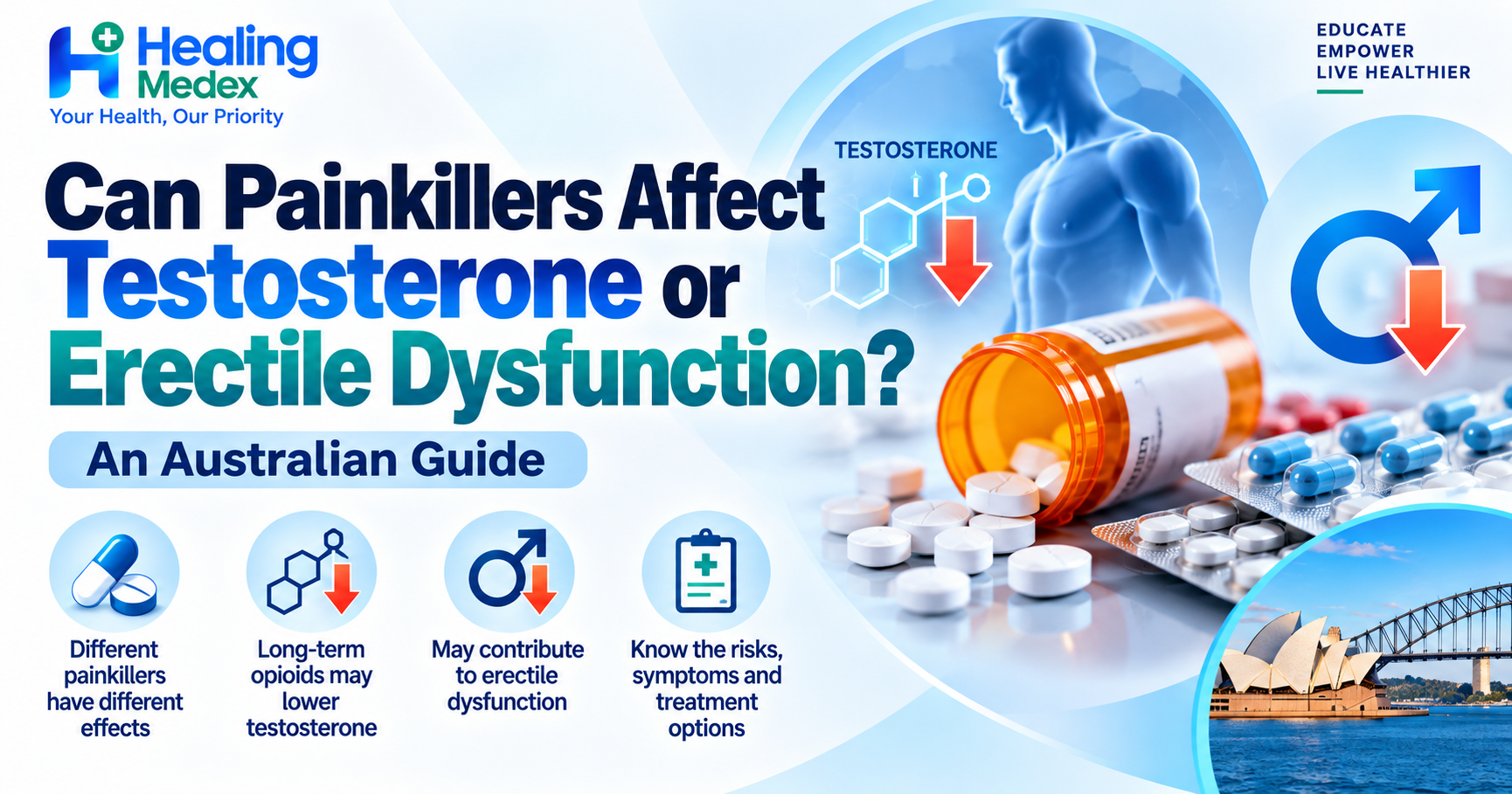
Erectile Dysfunction
Can Painkillers Affect Testosterone or Erectile Dysfunction? An Australian Guide
Painkillers are among the most commonly used medicines in Australia. Many people take them to manage headaches, muscle pain, arthritis, injuries or ongoing medical conditions. While these medicines can provide important pain relief, some men wonder whether frequent painkiller use could affect testosterone levels, sexual desire or erectile function. The answer is yes, certain painkillers may affect testosterone production and contribute to erectile dysfunction (ED), particularly when opioid medicines are used for extended periods. However, not all painkillers have the same effects, and taking an occasional dose of paracetamol or ibuprofen does not automatically cause sexual problems. Research suggests that long-term opioid use can interfere with the body's hormone-regulating system. Evidence involving common over-the-counter painkillers is less conclusive. This Australian guide from Healing Medex explains how different pain medicines may influence testosterone, which symptoms to recognise, and when to seek medical advice. Understanding the Connection Between Painkillers, Testosterone and Erectile Dysfunction Testosterone is an important male sex hormone involved in several bodily functions, including: Maintaining sexual desire or libido Supporting normal sperm production Maintaining muscle mass and bone strength Contributing to energy and general wellbeing Supporting aspects of healthy sexual function Erectile dysfunction occurs when a man repeatedly has difficulty achieving or maintaining an erection firm enough for sexual activity. Although low testosterone can contribute to ED, erections also depend on healthy blood vessels, nerve signals, psychological wellbeing and adequate blood flow. Some medicines may interfere with one or more of these processes. Painkillers can potentially affect sexual health through hormonal changes, sedation, changes in sexual desire or their effects on the nervous system. Importantly, chronic pain itself may also contribute to sexual difficulties through stress, poor sleep, reduced mobility and depression. According to the Endocrine Society, opioid-induced testosterone deficiency is a recognised complication of opioid use, particularly with long-term treatment. Which Painkillers May Affect Testosterone or Erectile Function? Different pain medicines work in different ways. Their potential effects on hormones and erectile function also vary. 1. Opioid Painkillers Opioids are strong pain-relieving medicines commonly prescribed for severe pain following surgery, serious injuries and certain medical conditions. Examples used in Australia include: Codeine Tramadol Oxycodone Morphine Fentanyl Tapentadol Methadone Buprenorphine Long-term opioid use has the strongest established association with reduced testosterone levels among commonly used pain medicines. These medicines can interfere with hormonal signals between the brain and the testicles. Over time, this may contribute to: Reduced testosterone production Lower sexual desire Erectile dysfunction Fatigue and reduced energy Mood changes Fertility problems in some men This condition is commonly called opioid-induced androgen deficiency (OPIAD). Not everyone taking an opioid will develop low testosterone. The risk varies according to the medicine, dose, duration of treatment and individual health factors. Australian healthdirect guidance explains that opioids are not generally recommended for long-term use in most people with chronic non-cancer pain because of their potential risks. 2. Ibuprofen and Other Anti-Inflammatory Painkillers Ibuprofen belongs to a group of medicines called non-steroidal anti-inflammatory drugs (NSAIDs). Other examples include: Naproxen Diclofenac Celecoxib These medicines are commonly used for inflammatory conditions, joint pain, muscle injuries and arthritis. Some research has investigated whether regular NSAID use could affect male reproductive hormones. A small clinical study published in 2018 found that sustained ibuprofen use altered hormonal signalling in healthy young men. Researchers observed increased luteinising hormone (LH) relative to testosterone, a pattern described as compensated hypogonadism. However, this study did not establish that occasional ibuprofen use causes erectile dysfunction or clinically significant testosterone deficiency. The long-term implications of these hormonal changes remain uncertain. Men who require frequent NSAIDs should discuss their treatment with a healthcare professional, particularly because these medicines can also carry gastrointestinal, kidney and cardiovascular risks. 3. Paracetamol Paracetamol is widely used in Australia to relieve mild to moderate pain and reduce fever. It is commonly taken for: Headaches Toothaches Muscle pain Cold and flu symptoms General aches Currently, there is insufficient reliable clinical evidence to conclude that occasional paracetamol use lowers testosterone or directly causes erectile dysfunction in adult men. Researchers have explored possible reproductive effects of analgesics, but laboratory findings and observational associations do not establish that normal therapeutic use causes ED. Men should nevertheless follow the recommended dose and avoid using paracetamol more frequently than necessary. Taking excessive amounts can cause serious liver damage, especially when multiple medicines containing paracetamol are used together. 4. Aspirin Aspirin is another medicine that belongs to the NSAID family. It may be used for pain relief, while low-dose aspirin is prescribed to certain patients to reduce cardiovascular risks. There is no strong clinical evidence that appropriately prescribed low-dose aspirin directly causes testosterone deficiency or erectile dysfunction. Its potential effects should not be confused with those of long-term opioid use. Men taking aspirin for cardiovascular protection should not stop treatment because of concerns about sexual function without consulting their doctor. How Do Opioid Painkillers Lower Testosterone? The body controls testosterone production through a communication system called the hypothalamic-pituitary-gonadal axis. This system involves the brain, pituitary gland and testicles. Hypothalamus Releases GnRH Pituitary gland Releases LH and FSH Testicles Produce testosterone in response to LH Long-term opioid exposure can suppress hormonal signalling, resulting in lower testosterone production. Normally, the hypothalamus releases gonadotropin-releasing hormone (GnRH), which stimulates the pituitary gland. The pituitary gland then releases hormones that regulate testosterone production. Opioids can suppress this communication system. As a result, the testicles may receive weaker hormonal signals and produce less testosterone. The degree of suppression varies, and it may improve after opioid doses are reduced or treatment is discontinued under medical supervision. Recovery is not guaranteed or immediate. Can Painkillers Cause Erectile Dysfunction Even When Testosterone Is Normal? Yes. Sexual difficulties can occur even when testosterone blood tests show levels within the normal range. Potential contributing factors include: Sedation and tiredness: Some stronger pain medicines cause drowsiness, which may reduce sexual interest or responsiveness. Reduced sexual desire: Certain medicines may affect libido without causing measurable testosterone deficiency. Chronic pain: Persistent pain can make sexual activity uncomfortable and affect sexual confidence. Depression and anxiety: Psychological conditions frequently associated with chronic pain can interfere with arousal and erections. Other medical conditions: Diabetes, hypertension, cardiovascular disease and neurological disorders may contribute independently to ED. This means erectile problems should not automatically be attributed to a particular painkiller. A full medical assessment can help identify whether medication, underlying illness or a combination of factors is responsible. Australian healthdirect identifies cardiovascular, hormonal, psychological and medication-related factors among the possible causes of ED. What Are the Warning Signs of Low Testosterone From Painkiller Use? Men who have been taking opioid painkillers for an extended period should be aware of potential signs of testosterone deficiency. Common symptoms may include: Reduced interest in sexual activity Difficulty achieving or maintaining erections Fewer spontaneous or morning erections Persistent tiredness Reduced muscle strength Mood changes or irritability Difficulty concentrating Reduced physical stamina Fertility difficulties Reduced bone density with prolonged deficiency These symptoms are not specific to low testosterone. They may also occur because of poor sleep, depression, chronic illness, medication side effects or other hormonal conditions. A blood test and medical evaluation are necessary to determine whether testosterone deficiency is present. Does Taking Painkillers Every Day Increase the Risk of Erectile Dysfunction? The potential risk depends on the type of painkiller, how much is taken and how long treatment continues. Pain medicine What the evidence suggests Opioids Long-term use can suppress testosterone and contribute to sexual dysfunction. Ibuprofen and other NSAIDs Some hormonal effects have been studied, but a causal relationship with ED remains uncertain. Paracetamol Insufficient evidence that normal therapeutic use directly causes ED. Aspirin No convincing evidence that prescribed low-dose use directly causes ED. Long-term opioid exposure deserves particular attention. A 2024 Endocrine Society Scientific Statement highlighted opioid-related hypogonadism as a recognised hormonal complication. However, researchers also emphasised gaps in the available evidence, including the long-term consequences of certain endocrine effects. Therefore, it is inaccurate to assume that all daily pain medicines will reduce testosterone or cause erectile dysfunction. Can Testosterone Levels Return to Normal After Stopping Painkillers? Testosterone production may improve after opioid treatment is reduced or discontinued. However, recovery depends on several factors: Duration of opioid treatment Dose and type of opioid Age and underlying hormone health Other medical conditions Use of additional medicines Some men experience hormonal improvement after changing treatment, while others require further investigation. Men who are physically dependent on prescribed opioids should never stop them suddenly. Abrupt discontinuation may cause withdrawal symptoms, worsening pain and other complications. The Therapeutic Goods Administration (TGA) advises that opioid treatment should be reviewed regularly and tapered carefully when discontinuation is appropriate. How Is Painkiller-Related Testosterone Deficiency Diagnosed in Australia? If low testosterone is suspected, an Australian general practitioner (GP) may recommend a combination of medical history, physical examination and blood testing. Step 1: Review Current Medicines Your GP may ask about the types of painkillers you use, their doses, how frequently you take them and how long you have been receiving treatment. It is important to mention prescription medicines, over-the-counter products, supplements and other substances. Step 2: Check Testosterone Levels A morning blood test may be recommended to measure testosterone. Because testosterone levels naturally fluctuate, a second morning test is generally needed to confirm an unexpectedly low result. Step 3: Investigate Other Hormones Depending on the results, your doctor may request additional tests, including: Luteinising hormone (LH) Follicle-stimulating hormone (FSH) Prolactin Other tests based on symptoms and medical history These investigations help determine whether reduced testosterone production may be related to opioid-associated hormonal suppression or another condition. Step 4: Evaluate Erectile Dysfunction Your GP may also assess blood pressure, blood glucose, cholesterol and other cardiovascular risk factors. Erectile dysfunction can sometimes be an early indication of an underlying health condition that requires treatment. Healthdirect Australia recommends repeat testing to confirm low testosterone and supports investigating other potential causes of symptoms. How Can Men Reduce the Risk of Sexual Side Effects While Taking Painkillers? There are several practical steps men in Australia can take to support their sexual and hormonal health while managing pain. 1. Use Pain Medicines Only as Directed Follow the prescribed dose and treatment duration. Do not increase opioid doses or combine different painkillers without professional advice. 2. Discuss Long-Term Pain Management If you need pain relief for several weeks or months, ask your GP whether other treatment approaches may be appropriate. Depending on the condition, these may include physiotherapy, graded exercise, psychological pain-management strategies or non-opioid medicines. 3. Maintain Regular Physical Activity Appropriate exercise may support cardiovascular health, mood, weight management and overall sexual wellbeing. Activities should be adapted to your pain condition and physical abilities. 4. Prioritise Sleep Poor sleep can influence testosterone regulation, fatigue, mood and sexual function. Maintaining a consistent sleep schedule may support general hormonal health. 5. Limit Alcohol and Avoid Smoking Excessive alcohol consumption and smoking may contribute to erectile difficulties. Alcohol can also interact dangerously with opioid medicines by increasing sedation and the risk of breathing problems. 6. Maintain a Balanced Diet A balanced eating pattern containing vegetables, fruits, whole grains, healthy fats and adequate protein can support metabolic and cardiovascular health. However, no specific food has been proven to reverse opioid-induced testosterone deficiency. 7. Seek Medical Advice About Persistent Symptoms If reduced libido or erectile difficulties continue, ask your GP whether your treatment or underlying health conditions could be contributing. Avoid starting testosterone supplements or hormonal medicines without testing and medical supervision. What Treatments Are Available for Painkiller-Related Erectile Dysfunction in Australia? Treatment depends on whether sexual difficulties are caused by low testosterone, medication effects, chronic pain, cardiovascular conditions or psychological factors. Reviewing Pain Medicines A doctor may consider adjusting the pain treatment plan if opioid-associated sexual side effects are suspected. Options may include reducing exposure, changing treatment or introducing additional non-medicine pain-management strategies. Any opioid changes should be supervised. Erectile Dysfunction Medicines Doctors in Australia may prescribe phosphodiesterase type 5 (PDE5) inhibitors when appropriate. These include: Sildenafil Tadalafil Vardenafil Avanafil These medicines help increase blood flow to the penis during sexual stimulation. However, they do not directly correct testosterone deficiency and may not resolve reduced sexual desire. PDE5 inhibitors must not be used with nitrate medicines prescribed for conditions such as angina because the combination can cause a dangerous fall in blood pressure. Testosterone Replacement Therapy Testosterone replacement therapy may be considered in selected men with clinically confirmed testosterone deficiency. It is not recommended simply because someone is taking opioid painkillers or experiencing occasional erectile problems. Testosterone treatment requires medical assessment, including consideration of fertility plans and potential adverse effects. External testosterone can suppress sperm production and may not be appropriate for men trying to conceive. Psychological Support Counselling, cognitive behavioural therapy or sex therapy may help when stress, chronic pain, anxiety or relationship concerns contribute to ED. Treatment may involve a combination of approaches rather than a single medicine. According to healthdirect, ED medicines in Australia require a prescription, and the most suitable treatment depends on the underlying cause and individual medical history. When Should You See a Doctor? Consider booking an appointment with an Australian GP if you experience: Erectile difficulties that persist or become more frequent Reduced sexual desire after beginning long-term pain medication Unexplained fatigue or loss of muscle strength Fewer morning erections alongside other symptoms Fertility concerns Persistent mood changes Concerns about the effects of long-term opioid use Seek urgent medical help if someone taking opioids becomes unresponsive, experiences severe breathing difficulties or appears to have overdosed. In Australia, call 000 for an ambulance. Frequently Asked Questions 1. Can ibuprofen lower testosterone? A small clinical study found changes in hormonal signalling during sustained ibuprofen use. However, it did not prove that occasional use causes clinically significant testosterone deficiency or ED. More research is needed. 2. Can tramadol cause erectile dysfunction? Yes. Tramadol is an opioid, and prolonged opioid exposure can contribute to reduced libido, hormone suppression and sexual dysfunction. Individual risk varies. 3. Does paracetamol cause erectile dysfunction? There is insufficient evidence that paracetamol taken occasionally at recommended doses directly causes erectile dysfunction. 4. Can oxycodone reduce testosterone levels? Yes. Long-term oxycodone use has been associated with opioid-induced androgen deficiency. Men experiencing symptoms should discuss testing and treatment options with their doctor. 5. Can painkiller-related erectile dysfunction be reversed? Some men experience improvement after the contributing medicine is reduced, changed or discontinued under medical supervision. However, recovery depends on the underlying cause and is not guaranteed. 6. Can I take sildenafil while using painkillers? Some combinations may be suitable, but this depends on the exact painkiller, other medicines and medical conditions. A doctor or pharmacist should check for interactions and contraindications before sildenafil is used. 7. Should I stop taking painkillers if I develop ED? Do not stop prescribed medicines without medical advice, especially opioids taken regularly. A healthcare professional can help determine whether treatment changes are appropriate. 8. How long does it take for testosterone to recover after opioid use? There is no single recovery timeline. Some men improve after opioid exposure is reduced, while others may need additional testing or specialist care. Final Thoughts Painkillers are important medicines for managing acute and chronic pain, but certain types may influence male hormonal and sexual health. The strongest evidence concerns long-term opioid use, which can suppress testosterone production and contribute to reduced libido, erectile dysfunction and other symptoms of androgen deficiency. Research involving ibuprofen and other non-opioid painkillers is less conclusive. Occasional use of common over-the-counter pain relief should not automatically be considered a cause of low testosterone or ED. For men in Australia, the most appropriate approach is to use medicines as directed, review long-term pain treatments regularly and speak with a GP if sexual or hormonal symptoms develop. Understanding the cause of erectile difficulties is essential, because treatment may require addressing chronic pain, cardiovascular health, psychological wellbeing, medication effects or a confirmed hormonal disorder. Medical Disclaimer This article is for general educational purposes only and does not replace advice from a qualified doctor or pharmacist.medical guidance,approved medicines and prescribing rules differ between countries.always follow the advice of a healthcare professional licensed in your country of residence.
Dr. Marcus Vance, PharmD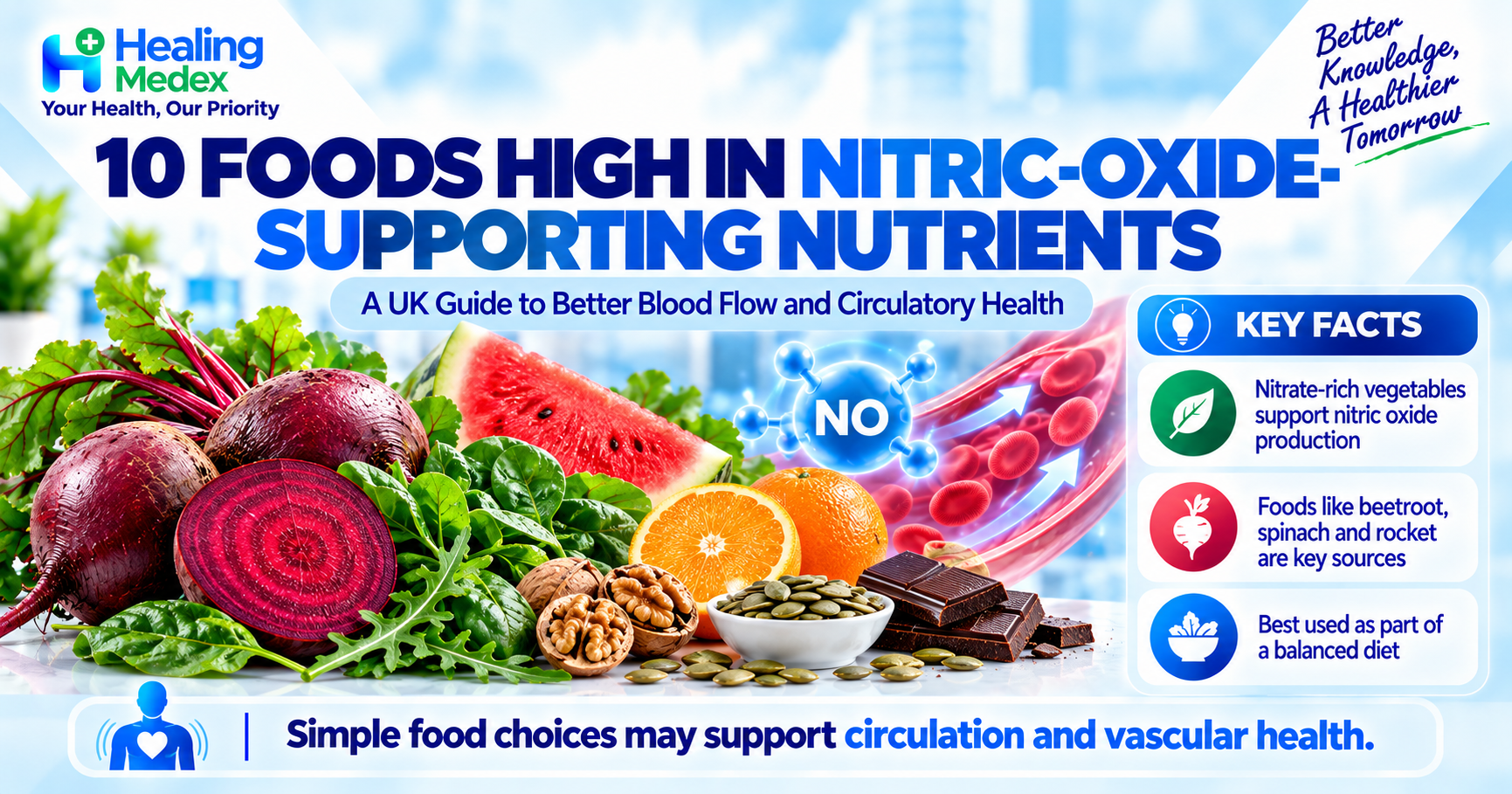
Erectile Dysfunction
10 Foods High in Nitric-Oxide-Supporting Nutrients: A UK Guide to Better Blood Flow and Circulatory Health
Nitric oxide is an important molecule produced naturally by the human body. It helps blood vessels relax, supports healthy circulation and plays a role in cardiovascular health. It is also involved in erectile function because healthy blood flow is essential for achieving and maintaining an erection. Although the body produces nitric oxide naturally, certain foods provide nutrients that support its production or help maintain healthy blood vessel function. Vegetables such as beetroot, spinach and rocket contain dietary nitrates, which the body can convert into nitric oxide. Other foods, including watermelon, citrus fruits and nuts, provide amino acids, vitamins and antioxidants that may support nitric oxide-related processes. For people living in the United Kingdom, these foods are generally easy to find in supermarkets and can be included in everyday meals. In this Healing Medex guide, we explore 10 foods containing nitric-oxide-supporting nutrients, their potential health benefits and practical ways to include them in a balanced diet. What Is Nitric Oxide and Why Is It Important? Nitric oxide (NO) is a signalling molecule produced by cells throughout the body, including cells lining the blood vessels. One of its main functions is to help blood vessels relax and widen, a process known as vasodilation. This allows blood to flow more easily and helps regulate blood pressure. Key Functions of Nitric Oxide 1. Supports healthy blood circulation Nitric oxide relaxes the smooth muscles surrounding blood vessels, helping blood travel more efficiently around the body. 2. Helps regulate blood pressure By supporting blood vessel relaxation, nitric oxide contributes to normal blood pressure regulation. 3. Plays a role in erectile function Nitric oxide is involved in the signalling process that allows increased blood flow into penile tissue during sexual arousal. 4. Supports exercise performance Dietary nitrate may improve exercise efficiency in certain situations, although results vary between individuals and activities. 5. Contributes to blood vessel health Nitric oxide helps maintain endothelial function, which refers to the ability of the inner lining of blood vessels to regulate circulation. Research discussed by the British Heart Foundation suggests that nitrate-rich vegetables may improve some measures of vascular function. However, they should not be considered a replacement for prescribed treatment. 10 Foods High in Nitric-Oxide-Supporting Nutrients 1. Beetroot – A Rich Natural Source of Dietary Nitrates Beetroot is one of the most widely researched vegetables for its potential effects on nitric oxide production and blood pressure. It contains naturally occurring dietary nitrates, which the body converts into nitrite and subsequently nitric oxide. Potential Benefits Supports nitric oxide production through the nitrate pathway. May help reduce blood pressure in some individuals. Supports normal blood vessel function. May improve exercise efficiency under certain conditions. Provides fibre, folate and other useful nutrients. Research supported by the British Heart Foundation has found that nitrate-rich beetroot juice can lower blood pressure in some adults with hypertension. However, more research is needed to establish long-term benefits and specific dietary recommendations. How to include beetroot in your diet: Add roasted beetroot to salads, mix grated beetroot into sandwiches or enjoy steamed beetroot alongside dinner. Whole beetroot provides more fibre than beetroot juice. 2. Spinach – A Leafy Green That Supports Nitric Oxide Production Spinach contains naturally occurring nitrates and several vitamins and minerals important for overall health. It is also a source of folate, which contributes to normal cellular function. Potential Benefits Provides dietary nitrates that can contribute to nitric oxide formation. Supplies folate and other essential nutrients. Supports a balanced, heart-healthy eating pattern. Contains antioxidants that contribute to overall health. Provides fibre and important minerals. Spinach is a practical food choice for people wanting to increase their consumption of nitrate-rich vegetables. How to include spinach in your diet: Add fresh spinach to salads, omelettes, lentil dishes or wholemeal wraps. Lightly cooked spinach can also be served with fish, chicken or beans. 3. Rocket – A Nitrate-Rich Salad Vegetable Rocket, also known as arugula, is a leafy vegetable commonly used in British salads. It can contain substantial concentrations of dietary nitrates, although the amount varies depending on growing conditions and storage. Potential Benefits Supplies natural dietary nitrates. Supports the nitrate-to-nitric-oxide pathway. Contributes to a varied vegetable intake. Provides vitamins and plant compounds. Supports a balanced diet associated with cardiovascular health. Rocket offers a convenient way to incorporate nitrate-rich vegetables into everyday meals without relying on concentrated vegetable juices. How to include rocket in your diet: Add rocket to salads, sandwiches and wraps. It also works well with tomatoes, olive oil and grilled vegetables. 4. Celery – A Hydrating Vegetable With Natural Nitrates Celery is another vegetable that provides naturally occurring nitrates. It also contains water, fibre and plant compounds, making it a useful addition to a balanced diet. Potential Benefits Provides dietary nitrates that may contribute to nitric oxide formation. Supports hydration through its high water content. Provides small amounts of vitamins and minerals. Offers fibre for digestive health. Can replace higher-salt snacks when eaten fresh. Although celery is sometimes promoted as a natural blood pressure remedy, there is insufficient evidence that eating celery alone produces a meaningful therapeutic effect. How to include celery in your diet: Eat celery sticks with hummus, add chopped celery to soups or mix it into salads and homemade vegetable dishes. 5. Watermelon – A Natural Source of Citrulline Watermelon differs from nitrate-rich vegetables because it contains the amino acid citrulline. The body can convert citrulline into arginine, which is used to produce nitric oxide. This process has attracted research interest in cardiovascular and exercise health. Potential Benefits Provides citrulline, a precursor involved in nitric oxide production. Contributes to hydration. Contains vitamin C and other antioxidants. Supports overall fruit intake. May contribute to vascular health as part of a balanced diet. Some small studies have investigated citrulline supplementation for circulation and erectile function. However, eating watermelon has not been shown to reliably treat erectile dysfunction, and ordinary portions contain much less citrulline than many research supplements. How to include watermelon in your diet: Enjoy fresh watermelon as a snack, add it to fruit salads or combine it with mint for a refreshing dessert. 6. Oranges and Other Citrus Fruits – Rich in Vitamin C Oranges, lemons, grapefruits and other citrus fruits provide vitamin C, an antioxidant involved in maintaining normal cellular function. Vitamin C may help protect nitric oxide from oxidative breakdown, although this does not mean that eating citrus fruits will directly increase nitric oxide levels in every person. Potential Benefits Provide vitamin C and other antioxidants. Support normal blood vessel health. Help protect cells from oxidative stress. Contribute to a balanced, heart-healthy eating pattern. Supply fibre when eaten as whole fruit. Citrus fruits can support cardiovascular health as part of a diet rich in fruit and vegetables. How to include citrus fruits in your diet: Eat whole oranges as snacks, add lemon juice to salads or include citrus segments in fruit bowls. Whole fruit is generally preferable to juice because it provides more fibre. Grapefruit can interact with certain medicines, so check with your pharmacist if you take regular medication. 7. Pomegranate – A Fruit Rich in Polyphenols Pomegranate contains polyphenols, including compounds with antioxidant activity. Researchers have explored whether pomegranate extracts and juice can improve markers of blood vessel function. Potential Benefits Provides antioxidant polyphenols. May help protect nitric oxide-related signalling from oxidative stress. Supports overall vascular health through a varied diet. Supplies vitamins and beneficial plant compounds. Can contribute to daily fruit intake. Although some studies suggest potential cardiovascular benefits, research has not established that pomegranate directly improves erections or reliably increases nitric oxide availability in humans. How to include pomegranate in your diet: Sprinkle pomegranate seeds over porridge, yoghurt or salads. Choose whole seeds more often than sweetened pomegranate drinks. 8. Walnuts – A Source of Arginine and Healthy Fats Walnuts provide the amino acid arginine, which the body uses to produce nitric oxide. They also contain unsaturated fats, fibre and plant-based omega-3 fatty acids. Potential Benefits Supply arginine, a nitric oxide precursor. Provide heart-healthy unsaturated fats. Support a balanced cholesterol-conscious diet. Contribute fibre and minerals. Support overall cardiovascular health when replacing foods high in saturated fat. The arginine contained in walnuts participates in normal physiological processes, but eating walnuts should not be expected to cause a measurable immediate improvement in nitric oxide or erectile function. How to include walnuts in your diet: Add a small handful of unsalted walnuts to porridge, yoghurt or salads. They can also be eaten as a snack. 9. Pumpkin Seeds – A Plant-Based Source of Arginine Pumpkin seeds are a convenient source of plant protein, arginine, magnesium and other nutrients. Arginine is one of the building blocks the body uses for nitric oxide production. Potential Benefits Provide arginine for normal nitric oxide synthesis. Supply magnesium and zinc. Contribute to healthy protein intake. Support a varied, nutrient-rich diet. Offer an alternative to highly processed snacks. While pumpkin seeds contain nutrients involved in blood vessel function, direct evidence that eating them raises nitric oxide levels or improves erectile dysfunction is limited. How to include pumpkin seeds in your diet: Sprinkle unsalted pumpkin seeds over soup, yoghurt, porridge or salads. They can also be mixed with other nuts and seeds. 10. Dark Chocolate – Contains Cocoa Flavanols Dark chocolate made with cocoa-rich ingredients contains flavanols, a group of plant compounds studied for their effects on blood vessel function. Certain cocoa flavanols may support endothelial nitric oxide-related signalling. Potential Benefits Contains cocoa flavanols that may support endothelial function. May improve certain measures of blood vessel responsiveness. Provides antioxidant plant compounds. Can be enjoyed occasionally within a balanced diet. Offers an alternative to some lower-cocoa confectionery products. However, the flavanol content varies substantially between products. A high cocoa percentage does not guarantee a high flavanol concentration, and ordinary dark chocolate can contain substantial calories, sugar and saturated fat. How to include dark chocolate in your diet: Enjoy a small portion occasionally, choosing products with less added sugar where possible. It should not be treated as a nitric oxide supplement or a treatment for circulation problems. Which Foods Are Best for Supporting Nitric Oxide? Different foods support nitric oxide-related processes through different nutrients. Food Key supporting nutrient Main role Beetroot Dietary nitrates Nitric oxide formation Spinach Dietary nitrates Nitrate-to-nitric-oxide pathway Rocket Dietary nitrates Nitric oxide formation Celery Dietary nitrates Contributes dietary nitrate Watermelon Citrulline Precursor to arginine Oranges Vitamin C Antioxidant support Pomegranate Polyphenols Vascular antioxidant support Walnuts Arginine Nitric oxide synthesis precursor Pumpkin seeds Arginine Nitric oxide synthesis precursor Dark chocolate Cocoa flavanols Endothelial function support Important: These foods should not be ranked as equally effective. The strongest direct evidence for increasing nitric oxide through diet relates to nitrate-rich vegetables such as beetroot and leafy greens. Evidence for the other foods is more indirect or preliminary. Can Nitric-Oxide-Supporting Foods Improve Erectile Function? Nitric oxide plays an essential role in the body's normal erectile response. During sexual arousal, nitric oxide helps activate processes that relax smooth muscle within erectile tissue. This allows increased blood flow, which is necessary for an erection. Because of this relationship, nitric oxide is frequently discussed in connection with erectile dysfunction (ED). How Diet May Support Erectile Health A balanced diet may contribute to better erectile health by supporting cardiovascular function, healthy blood pressure, blood sugar regulation and weight management. Research suggests that dietary patterns containing vegetables, fruits, wholegrains, legumes, nuts and unsaturated fats may reduce the risk of erectile dysfunction or help improve symptoms in some individuals. However, there are important limitations: Eating nitrate-rich foods does not guarantee stronger erections. Increasing nitric oxide through diet is not the same as treating ED. Erectile dysfunction may involve cardiovascular, hormonal, neurological, psychological or medication-related factors. No individual food has been proven to cure erectile dysfunction. Persistent erectile difficulties deserve medical assessment rather than relying exclusively on dietary changes. How to Include Nitric-Oxide-Supporting Foods in a UK Diet Improving your diet does not require expensive supplements or complicated meal plans. Most of the foods discussed above can be incorporated into familiar meals using ingredients available in UK supermarkets. Sample One-Day Meal Plan Meal Suggested foods Breakfast Porridge topped with walnuts and orange slices Mid-morning snack Watermelon or another seasonal fruit Lunch Wholemeal sandwich with spinach, rocket and roasted beetroot Afternoon snack Unsalted pumpkin seeds Dinner Grilled fish, lentils or tofu with steamed spinach and vegetables Evening treat A small portion of dark chocolate This is an illustrative menu rather than a prescribed eating plan. Portions and food choices should be adjusted according to individual needs. The NHS Eatwell Guide recommends consuming at least five portions of varied fruit and vegetables each day, alongside higher-fibre starchy foods, suitable protein sources and small amounts of unsaturated fats. Other Natural Ways to Support Healthy Nitric Oxide Function Food is only one part of maintaining healthy blood vessel function. 1. Exercise regularly Walking, cycling, swimming and other forms of aerobic exercise can help support endothelial function and cardiovascular health. 2. Maintain a healthy weight Managing excess body weight may improve blood pressure, insulin sensitivity and overall vascular health. 3. Avoid smoking Smoking damages blood vessels and can impair the normal processes involved in nitric oxide signalling. 4. Manage blood pressure and cholesterol High blood pressure and unhealthy cholesterol levels can damage the blood vessels over time. 5. Get adequate sleep Good sleep supports general cardiovascular and metabolic health. 6. Follow a balanced dietary pattern A diet containing vegetables, fruit, wholegrains, legumes, nuts and healthy fats has broader evidence for cardiovascular benefit than focusing on any single nitric oxide-related food. Are There Any Risks to Eating Nitric-Oxide-Supporting Foods? For most healthy adults, the foods listed above are safe when consumed in normal dietary amounts. However, certain health conditions and medicines require additional care. People taking blood pressure medication: Concentrated nitrate-rich products, particularly beetroot juice, may contribute to lower blood pressure. Discuss regular use with a healthcare professional if you take blood pressure-lowering medicines. People with kidney disease: Some people need to limit potassium or other dietary components. Food choices should follow their individual renal dietary advice. People prone to calcium oxalate kidney stones: Spinach and beetroot contain oxalates and may need to be limited according to medical advice. People with food allergies: Nuts and seeds can cause allergic reactions. People considering nitric oxide supplements: High-dose arginine, citrulline or nitrate supplements should not be assumed to have the same safety profile as ordinary foods. The British Heart Foundation advises caution with regular beetroot juice intake in people taking blood pressure-lowering medication because excessive blood pressure reduction can be harmful. Frequently Asked Questions 1. What food is highest in nitric oxide? Foods generally do not supply significant amounts of nitric oxide itself. Instead, vegetables such as beetroot, rocket and spinach provide nitrates that the body can convert into nitric oxide. 2. Can beetroot increase nitric oxide naturally? Yes. Beetroot contains dietary nitrates, which can be converted to nitric oxide through processes involving bacteria in the mouth and chemical reactions within the body. 3. Is watermelon good for nitric oxide production? Watermelon contains citrulline, which can be converted to arginine, a precursor used to make nitric oxide. However, the clinical impact of eating normal amounts of watermelon remains uncertain. 4. Can nitric oxide improve blood circulation? Nitric oxide is essential for normal blood vessel relaxation and blood flow regulation. Increasing nitric oxide availability can influence vascular function, but outcomes depend on an individual's health and the intervention used. 5. Can eating these foods cure erectile dysfunction? No. A nutritious diet can support cardiovascular and erectile health, but no single food has been proven to cure ED. Persistent symptoms should be discussed with a GP or another qualified healthcare professional. 6. How quickly do nitrate-rich foods work? Dietary nitrate can influence certain physiological markers within hours, depending on the food, quantity and individual. However, this does not mean that eating a nitrate-rich meal will immediately improve erectile function or provide a guaranteed clinical benefit. 7. Are nitric oxide supplements better than food? Not necessarily. Supplements may contain concentrated doses that differ substantially from normal dietary intake. They may also cause side effects or interact with medicines. A varied, balanced diet is generally the preferred starting point unless a clinician recommends otherwise. 8. How many portions of vegetables should UK adults eat daily? The NHS recommends at least five portions of fruit and vegetables combined each day. For adults, a typical portion of fresh, frozen or canned fruit or vegetables is 80 g. When Should You Speak to a GP? If you experience persistent erectile dysfunction, unusually high or low blood pressure, chest discomfort or other circulatory symptoms, dietary changes alone may not be sufficient. A UK-based GP can assess potential causes, review medication use and recommend appropriate investigations or treatment. Erectile dysfunction can sometimes be an early indicator of underlying cardiovascular or metabolic disease, so repeated symptoms should not be ignored. Sudden or severe chest pain, particularly with breathlessness, sweating or faintness, requires emergency medical help. In the UK, call 999. Conclusion Nitric oxide is an essential molecule involved in blood vessel relaxation, circulation and normal erectile function. Foods such as beetroot, spinach, rocket and celery provide dietary nitrates that the body can convert into nitric oxide. Watermelon, citrus fruits, pomegranate, walnuts, pumpkin seeds and cocoa-containing foods supply additional nutrients associated with nitric oxide production or vascular health. For people in the UK, these foods can be incorporated into everyday meals without relying on expensive supplements. However, no single food can guarantee increased nitric oxide levels, improve erections or reverse cardiovascular disease. The most reliable dietary approach is to eat a varied, balanced diet, remain physically active and manage underlying health conditions with appropriate medical guidance. At Healing Medex, we encourage readers to make informed decisions about nutrition, circulation and sexual health based on credible medical evidence and advice from qualified healthcare professionals. Medical Disclaimer This article is for general educational purposes only and does not replace advice from a qualified doctor or pharmacist. Medical guidance, approved medicines and prescribing rules differ between countries. Always follow the advice of a healthcare professional licensed in your country of residence
Dr. Marcus Vance, PharmD
Erectile Dysfunction
Can You Become Dependent on Erectile Dysfunction Medicines?
Erectile dysfunction (ED) medicines such as Viagra (sildenafil), Cialis (tadalafil), Levitra (vardenafil), and Stendra (avanafil) have helped many men improve their erectile function and sexual confidence. However, one common concern among men using these medications is whether regular use can lead to dependence. Can you become addicted to erectile dysfunction medicines? Will your body stop producing natural erections if you use Viagra or Cialis too often? The short answer is that commonly prescribed ED medicines are not generally considered physically addictive. However, some men may develop psychological reliance, meaning they feel unable to perform sexually without taking medication. Understanding the difference between physical addiction, psychological dependence, and an ongoing medical need for treatment is essential. This U.S. guide from Healing Medex explains how ED medicines work, whether they cause dependence, what happens when you stop using them, and how to maintain healthy erectile function. What Are Erectile Dysfunction Medicines? Erectile dysfunction medicines are treatments designed to help men achieve and maintain erections suitable for sexual activity. Most commonly prescribed oral ED medications belong to a group called phosphodiesterase type 5 (PDE5) inhibitors. These medications improve blood flow to the penis by helping blood vessels relax during sexual stimulation. Common ED medicines available by prescription in the United States include: Generic medicine Well-known U.S. brand Approximate duration of effect Sildenafil Viagra 4–5 hours Tadalafil Cialis Up to 36 hours Vardenafil Levitra (brand discontinued in the U.S.) 4–5 hours Avanafil Stendra Up to 6 hours These durations describe potential windows of effectiveness, not the length of an erection. Actual results vary between individuals. Unlike addictive substances, PDE5 inhibitors do not typically produce euphoria or a drug-induced reward response. They also do not automatically create an erection without sexual stimulation. The National Institute of Diabetes and Digestive and Kidney Diseases (NIDDK) describes PDE5 inhibitors as established oral treatments for erectile dysfunction. Can You Become Physically Addicted to ED Medicines? No, sildenafil, tadalafil, vardenafil, and avanafil are not generally associated with physical addiction. Physical addiction involves changes in the body's response to a substance, often including compulsive use and difficulty stopping despite harmful consequences. Commonly prescribed PDE5 inhibitors are not known to cause the typical physical dependence and withdrawal syndrome associated with substances such as opioids. For example, taking sildenafil regularly does not normally mean your body will require progressively larger doses to avoid withdrawal symptoms. However, several important distinctions should be understood: Regular ED medicine use does not automatically indicate addiction. A person may continue needing treatment because the underlying ED remains. Some men may feel psychologically dependent on medication for sexual confidence. Increasing the dose without medical supervision can increase health risks. An ongoing need for prescribed medication is different from addiction. For men with persistent erectile dysfunction caused by diabetes, vascular disease, or other medical conditions, continued medication may be appropriate. What Is Psychological Dependence on ED Medicines? Psychological dependence occurs when a person begins to believe they cannot achieve or maintain an erection without medication, even when their natural erectile function may still be adequate. For example, a man may successfully use sildenafil during several sexual encounters. Over time, he may begin worrying that sex will be unsuccessful unless he takes a tablet. This worry can increase performance anxiety, making erections more difficult without medication. A cycle may develop: Concern about erectile performance Taking ED medicine for reassurance Confidence becomes linked to the medicine Greater anxiety about sex without medication This does not mean every man using ED medication will develop psychological reliance. Men with performance anxiety, stress, relationship difficulties, or previous negative sexual experiences may be more vulnerable to this pattern. Importantly, anxiety itself can contribute to erectile dysfunction, according to the NIDDK. Does Taking Viagra Regularly Make Natural Erections Weaker? There is no convincing evidence that properly prescribed sildenafil permanently damages the body's natural ability to achieve erections. Sildenafil temporarily helps enhance the physiological response to sexual stimulation. It does not normally switch off natural erection mechanisms or suppress testosterone production. However, men sometimes report difficulty achieving erections after stopping medication. Possible explanations include: The original cause of erectile dysfunction has not improved. Performance anxiety returns without medication. Blood circulation problems have progressed. Diabetes, hypertension, or other health conditions remain uncontrolled. Age-related changes affect erectile function. Therefore, experiencing difficulty after discontinuing ED medication does not necessarily mean the medicine caused the problem. A healthcare professional can help determine whether symptoms reflect persistent ED, psychological factors, or another medical issue. Can You Develop Tolerance to Sildenafil or Tadalafil? Tolerance occurs when repeated exposure to a medicine reduces its effects, potentially requiring a higher dose to achieve the same response. For standard PDE5 inhibitors, clinically significant pharmacological tolerance has not been consistently demonstrated with appropriate use. However, some men may notice that their usual medication seems less effective over time. This may happen because of changes in their health rather than because the body has become resistant to the medicine. Possible contributing factors include: Progression of diabetes or cardiovascular disease. Worsening blood vessel function. Increased stress or anxiety. Changes in prescription medications. Incorrect administration or timing. Alcohol consumption. Hormonal problems, including testosterone deficiency in some men. Men should not increase their ED medicine dosage without professional guidance. A healthcare provider can assess whether the treatment remains appropriate or whether another approach is needed. What Happens If You Suddenly Stop Taking ED Medicines? For men taking sildenafil or tadalafil specifically to treat erectile dysfunction, stopping the medication does not usually cause a physical withdrawal syndrome. However, the erection-supporting effect of the medication will no longer be present. What happens next depends largely on the underlying reason for ED. If ED is mainly related to temporary anxiety: Natural erections may remain satisfactory when anxiety improves. If ED is associated with diabetes or cardiovascular disease: Erectile difficulties may return because the underlying condition persists. If medication has become a source of psychological reassurance: A person may feel less confident without it, even if natural erections are possible. If erectile function has improved through treatment of underlying causes: Medication may become less necessary for some individuals. Men taking tadalafil for other prescribed indications, such as benign prostatic hyperplasia or pulmonary arterial hypertension, should discuss treatment changes with their prescriber. Different tadalafil products and regimens have different approved uses. Stopping a medicine may allow symptoms of the condition being treated to return, even though this is not drug withdrawal. Is It Safe to Take Erectile Dysfunction Medicine Every Day? Daily ED medication use can be appropriate for certain patients when prescribed by a qualified healthcare professional. However, not all ED medicines are intended to be used in the same way. Daily Tadalafil In the United States, tadalafil is FDA-approved for once-daily treatment of erectile dysfunction at certain doses. Commonly prescribed daily doses include 2.5 mg and 5 mg. Daily tadalafil may be considered for men who prefer not to plan medication use around sexual activity. Taking tadalafil every day under medical supervision does not automatically indicate dependence. Sildenafil and Other ED Medicines Sildenafil, vardenafil, and avanafil are generally prescribed for use as needed before sexual activity. Patients should follow the prescribed dosing instructions and should not take extra doses to improve their results. The FDA-approved tadalafil prescribing information specifically distinguishes daily treatment from as-needed treatment. 7 Signs You May Be Psychologically Reliant on ED Medicines Although ED medicines are not generally physically addictive, certain behaviors may indicate that medication has become an important source of emotional reassurance. 1. Feeling Anxious Without Medication You experience significant anxiety about sexual activity whenever you do not have an ED tablet available. 2. Believing Natural Erections Are Impossible You assume that an erection cannot occur without medication, even though you may still experience spontaneous or morning erections. 3. Using ED Medicines Mainly for Confidence You take medication primarily because you fear disappointing your partner rather than because of a diagnosed erectile problem. 4. Excessive Worry About Sexual Performance You constantly monitor erection firmness and become distressed by normal fluctuations in sexual response. 5. Taking More Than Prescribed You increase your dosage or frequency without consulting your healthcare provider because you worry that your current treatment will not work. This is particularly concerning because inappropriate doses increase the risk of adverse effects. 6. Avoiding Intimacy Without Medication You refuse or avoid sexual activity when ED medicine is unavailable because you fear erectile difficulties. 7. Feeling Unable to Discuss Medication Use You feel embarrassed about your reliance on ED medicine and avoid discussing concerns with your partner or healthcare provider. These signs do not establish a medical diagnosis of addiction. They may reflect performance anxiety, persistent ED, or other psychological factors requiring evaluation. Can ED Medicines Affect Testosterone or Natural Sexual Desire? A common misconception is that frequent Viagra or Cialis use reduces testosterone production or weakens natural sexual desire. PDE5 inhibitors primarily affect blood flow rather than directly controlling testosterone production. They are not testosterone replacement medicines. In general, standard use of sildenafil or tadalafil is not known to suppress the body's natural testosterone production. However, erectile dysfunction and reduced sexual desire are different problems. A man may experience difficulty achieving an erection while maintaining normal sexual desire. Another individual may have low libido because of hormonal, psychological, or medical factors. When appropriate, a healthcare provider may investigate testosterone levels and other possible causes. The American Urological Association recommends evaluating men with ED for underlying medical conditions, including relevant hormonal problems. How Can You Reduce Psychological Reliance on ED Medicines? Men concerned about becoming psychologically reliant on ED treatment can consider several strategies. 1. Identify the Original Cause of Erectile Dysfunction ED may result from physical, psychological, or combined factors. A healthcare professional may evaluate cardiovascular health, diabetes, hormones, medications, and emotional well-being. Identifying the cause can help determine whether medication remains necessary. 2. Address Performance Anxiety Stress and fear of sexual failure can worsen erectile difficulties. Counseling, cognitive behavioral therapy, or sex therapy may help some men reduce anxiety and build confidence. 3. Exercise Regularly Regular physical activity supports cardiovascular health, circulation, weight management, and emotional well-being. These benefits may improve erectile function, particularly when ED is associated with modifiable health factors. 4. Follow a Heart-Healthy Diet A balanced diet containing vegetables, fruits, whole grains, legumes, nuts, and healthy fats supports cardiovascular health. Healthy blood vessels are important for normal erectile function. 5. Improve Sleep Quality Poor sleep can contribute to stress, fatigue, and other health problems that affect sexual function. Maintaining a consistent sleep routine may support general health and sexual well-being. 6. Limit Alcohol and Avoid Smoking Excessive alcohol consumption and smoking can contribute to vascular problems and erectile difficulties. Reducing alcohol intake and quitting smoking may improve overall health and, for some men, erectile function. 7. Discuss Medication Changes With Your Doctor If you believe you no longer need ED medicine, discuss your symptoms and treatment history with your prescriber. A clinician may recommend reassessment, treatment adjustments, psychological support, or a supervised trial without medication. The NIDDK recommends lifestyle changes, counseling when appropriate, and treatment of underlying conditions as part of comprehensive ED management. What Are the Risks of Taking Too Much ED Medication? Although PDE5 inhibitors do not commonly cause addiction , inappropriate use can lead to serious health problems. Potential side effects include: Headaches Facial flushing Nasal congestion Dizziness Indigestion Low blood pressure Vision disturbances Back pain or muscle aches, particularly with tadalafil Rare but serious adverse effects include prolonged erections, sudden vision loss, and sudden hearing loss. Important safety warning: ED medicines must not be combined with nitrate medications such as nitroglycerin or recreational nitrites known as poppers, because the combination can cause dangerously low blood pressure. PDE5 inhibitors are also contraindicated with guanylate cyclase stimulators such as riociguat. Patients taking alpha-blockers or certain blood pressure medicines may also require additional precautions. An erection lasting more than four hours requires immediate emergency medical care. Sudden vision or hearing loss after taking an ED medicine also requires urgent evaluation. Are Natural ED Supplements Safer Than Prescription Medicines? Some men use herbal supplements marketed for sexual performance because they believe these products are safer or less likely to cause dependence. However, natural products are not necessarily safer than prescription medicines. The U.S. Food and Drug Administration has identified multiple sexual enhancement supplements containing undeclared prescription drug ingredients, including sildenafil. These hidden ingredients can cause dangerous interactions with other medicines. Additionally, many supplements promoted for erectile dysfunction lack high-quality evidence demonstrating reliable benefits. For these reasons, men should consult a qualified healthcare professional before taking sexual enhancement supplements. When Should You See a Doctor About ED Medicine Dependence? A medical consultation is recommended if: You experience persistent erectile dysfunction. Your ED medicine becomes less effective. You feel significant anxiety about sex without medication. You take higher doses than prescribed. You experience troublesome side effects. You have diabetes, high blood pressure, or cardiovascular disease. Your erectile difficulties affect relationships or emotional well-being. Erectile dysfunction can sometimes be an early indicator of cardiovascular disease. A healthcare professional may recommend blood pressure assessment, blood glucose testing, lipid evaluation, or hormonal testing based on individual symptoms and medical history. The American Urological Association recognizes ED as a potential marker of underlying cardiovascular health problems. Frequently Asked Questions 1. Can Viagra become addictive if taken frequently? Viagra (sildenafil) is not generally considered physically addictive. However, some individuals may become psychologically reliant on it for sexual confidence. 2. Does Cialis cause dependence? Cialis (tadalafil) does not typically cause physical dependence or withdrawal symptoms. Daily tadalafil may be prescribed as a legitimate treatment for erectile dysfunction. 3. Can you have normal erections after stopping sildenafil? Yes. Many men can still experience natural erections after stopping sildenafil, particularly when their underlying erectile function is adequate. However, persistent medical conditions or anxiety may continue to cause difficulties. 4. Can taking ED medicines for years cause permanent ED? There is no convincing evidence that appropriately prescribed PDE5 inhibitors directly cause permanent erectile dysfunction. However, underlying health conditions may progress over time. 5. Do ED medicines stop working after long-term use? Not necessarily. Some patients experience changes in effectiveness, but this may be related to medical conditions, medication interactions, incorrect use, or psychological factors rather than true drug tolerance. 6. Is psychological dependence on Viagra common? Some men report feeling dependent on ED medicine for confidence, but the exact prevalence of clinically significant psychological reliance is not well established. 7. Is it possible to stop using ED medicine naturally? Some men can reduce their need for ED medication after improving cardiovascular health, managing stress, addressing underlying medical conditions, or receiving psychological treatment. Others may continue to need medication. 8. Can younger men become dependent on ED medicines? Younger men may also develop psychological reliance, particularly when medication is used primarily for reassurance or performance anxiety. This does not mean that all younger users experience dependence. 9. Should I use sildenafil even if I do not have erectile dysfunction? Sildenafil should not be used recreationally or without appropriate medical evaluation. Unnecessary use exposes individuals to potential adverse effects and drug interactions without an established medical benefit. 10. Can you use erectile dysfunction medicines for the rest of your life? Some men use prescribed ED medicines for many years. Long-term treatment may be appropriate when it remains effective, well tolerated, and medically suitable. Periodic reassessment is important. Final Thoughts: Can ED Medicines Cause Dependence? Erectile dysfunction medicines such as sildenafil, tadalafil, vardenafil, and avanafil are not generally associated with physical addiction. These medicines do not normally cause the withdrawal symptoms seen with addictive drugs, nor do they inherently eliminate the body's ability to produce natural erections. However, psychological reliance can develop in some individuals, particularly when medication becomes closely connected with sexual confidence and performance anxiety. The most important distinction is between needing medication to treat an ongoing medical condition and believing that sexual performance is impossible without it. For men experiencing persistent erectile dysfunction, a complete medical assessment is essential. Improving cardiovascular health, managing psychological stress, addressing underlying conditions, and following an appropriate treatment plan can all support long-term sexual health. At Healing Medex, we encourage informed decisions about erectile dysfunction treatment, responsible medicine use, and professional medical guidance. Medical Disclaimer This article is for general educational purposes only and does not replace advice from a qualified doctor or pharmacist.medical guidance,approved medicines and prescribing rules differ between countries.always follow the advice of a healthcare professional licensed in your country of residence.
Dr. Marcus Vance, PharmD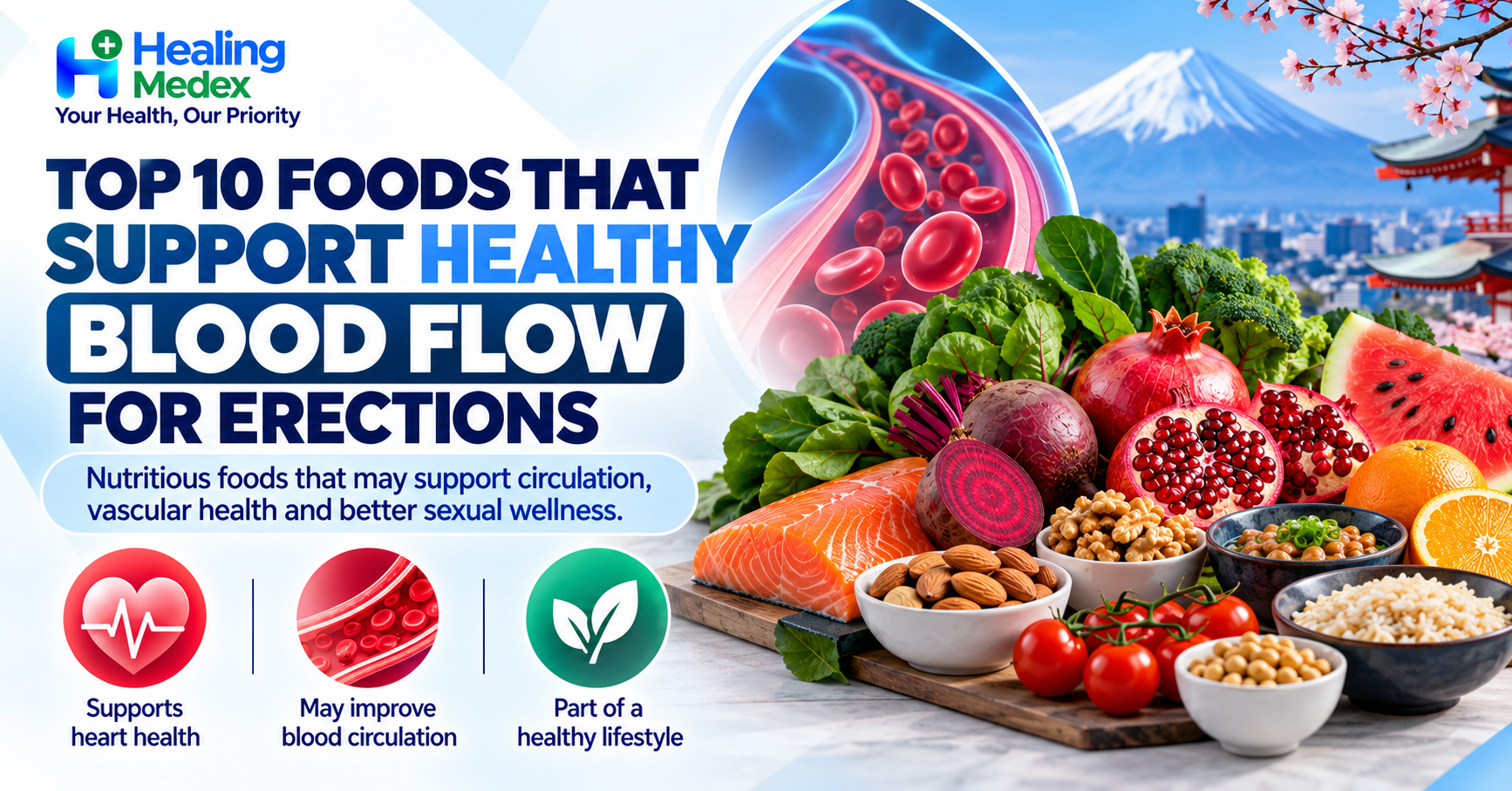
Erectile Dysfunction
Top 10 Foods That Support Healthy Blood Flow for Erections
Healthy blood circulation is essential for maintaining normal erectile function. When blood vessels work properly, they allow sufficient blood to reach the penis during sexual arousal, helping men achieve and maintain an erection. However, poor circulation, high blood pressure, diabetes, obesity, and cardiovascular problems may interfere with this process and increase the risk of erectile dysfunction (ED). For men in Japan, adopting a balanced diet that includes fish, vegetables, fruits, soy products, and whole grains may help support cardiovascular health and erectile function. But can certain foods actually improve blood flow for erections? Research suggests that healthy dietary patterns, particularly those rich in vegetables, fruits, nuts, whole grains, and unsaturated fats, may reduce the risk of erectile dysfunction and improve symptoms in some men. However, no individual food has been proven to reliably produce an erection or cure ED. In this Healing Medex Japan guide, we explore 10 foods that may support healthy blood circulation, explain how they contribute to vascular health, and discuss practical ways to include them in your daily diet. How Does Blood Flow Affect Erections? An erection occurs when the brain, nerves, blood vessels, and hormones work together. During sexual stimulation, nerves release signals that increase the availability of nitric oxide, a molecule that helps relax smooth muscle within the blood vessels of the penis. As these muscles relax, more blood flows into the erectile tissues, allowing the penis to become firm. Healthy erectile function depends on several factors, including: Proper blood circulation and flexible blood vessels. Healthy nitric oxide signalling. Normal nerve function and adequate hormonal health. Controlled blood pressure, cholesterol, and blood sugar. Psychological well-being and sexual stimulation. When arteries become narrowed or damaged, sufficient blood may not reach the penis. This can contribute to difficulty achieving or maintaining an erection. Because penile blood vessels are relatively small, erectile difficulties may sometimes appear before other symptoms of cardiovascular disease. A heart-healthy diet cannot correct every cause of ED, but it can support the vascular and metabolic health needed for normal erections. Top 10 Foods That May Support Healthy Blood Flow for Erections 1. Beetroot – Supports Nitric Oxide Production Beetroot contains naturally occurring dietary nitrates, which the body can convert into nitric oxide through several biological pathways. Nitric oxide helps blood vessels relax, supporting healthy blood circulation and blood pressure regulation. Potential benefits: Supports nitric oxide availability. May contribute to healthy blood pressure. Provides fibre and antioxidants. How to eat it in Japan: Add roasted beetroot to salads, vegetable bowls, or smoothies. Beetroot juice is another option, preferably without added sugar. Beetroot has been studied for effects on blood pressure and exercise performance, but evidence that it directly improves erections remains limited. 2. Salmon and Mackerel – Rich in Omega-3 Fatty Acids Fatty fish such as salmon (sake), mackerel (saba), and sardines (iwashi) are common in Japanese cuisine. They contain omega-3 fatty acids, which support cardiovascular health. Potential benefits: Provide beneficial unsaturated fats. Support healthy triglyceride levels. Form part of a heart-healthy dietary pattern. How to eat them in Japan: Choose grilled salmon, saba shioyaki with moderate salt, or sardines prepared with vegetables. Omega-3-rich fish may support vascular health over time, although eating fish does not directly or immediately improve erectile performance. 3. Spinach and Leafy Greens – Provide Folate and Dietary Nitrates Spinach (hourensou), komatsuna, and other leafy greens contain vitamins, minerals, and beneficial plant compounds. Some leafy vegetables also contain dietary nitrates that may support nitric oxide production. Potential benefits: Provide folate for normal cellular function. Supply potassium and antioxidants. Support cardiovascular health. How to eat them in Japan: Prepare spinach ohitashi, lightly stir-fried komatsuna, or vegetable-rich soups. Regular vegetable consumption is associated with better overall metabolic and cardiovascular health, which may indirectly benefit erectile function. 4. Pomegranate – Provides Antioxidants Pomegranate is rich in polyphenols, including compounds with antioxidant activity. These compounds may help protect cells from oxidative stress, which is involved in blood vessel damage. Potential benefits: Provides antioxidant compounds. May contribute to vascular health. Supports fruit variety in a balanced diet. How to eat it in Japan: Eat fresh pomegranate seeds or add them to yoghurt and salads. Choose unsweetened juice in modest quantities if preferred. Although pomegranate has been studied for cardiovascular benefits, there is insufficient high-quality evidence that it reliably treats erectile dysfunction. 5. Walnuts and Almonds – Support Heart and Blood Vessel Health Nuts contain unsaturated fats, fibre, minerals, and other nutrients that support cardiovascular health. Walnuts also provide plant-based omega-3 fatty acids, while almonds are a source of vitamin E. Potential benefits: Help support healthy cholesterol levels when replacing foods high in saturated fat. Provide antioxidants and minerals. Contribute to a heart-healthy eating pattern. How to eat them in Japan: Choose a small handful of unsalted walnuts or almonds as a snack, or sprinkle chopped nuts over salads. Nuts may help protect long-term vascular health, but they are not an immediate treatment for erection difficulties. 6. Watermelon – Contains Citrulline Watermelon contains an amino acid called L-citrulline, which the body can convert into L-arginine. L-arginine is involved in nitric oxide production, an important process for blood vessel relaxation. Potential benefits: Provides citrulline involved in nitric oxide pathways. Contributes to daily hydration. Contains lycopene and other antioxidants. Supports a varied, fruit-rich diet. How to eat it in Japan: Watermelon (suika) is especially popular during the Japanese summer. Enjoy fresh slices as a snack or add watermelon to fruit salads without added sugar. Important: Although citrulline has been investigated for erectile function, the amount obtained from ordinary watermelon servings has not been shown to reliably treat ED. 7. Tomatoes – Rich in Lycopene Tomatoes contain lycopene, a carotenoid antioxidant that may help protect cells against oxidative stress. Since oxidative stress can contribute to vascular dysfunction, tomatoes are a useful addition to a heart-healthy diet. Potential benefits: Provide lycopene and vitamin C. Support overall antioxidant intake. Contribute to cardiovascular health. Offer a low-calorie vegetable option. How to eat them in Japan: Include tomatoes in Japanese salads, vegetable soups, or grilled vegetable dishes. Cooked tomatoes served with a small quantity of healthy oil can improve the absorption of lycopene. Although tomatoes support healthy eating, there is no strong clinical evidence that they directly improve erection firmness. 8. Soybeans, Tofu and Natto – Plant-Based Protein Sources Soy products are an important part of traditional Japanese cuisine. Foods such as tofu, edamame, natto, and unsweetened soy milk provide plant protein, while whole soybeans also contain fibre and unsaturated fats. Replacing some processed or fatty meats with soy products may support cardiovascular health. Potential benefits: Provide high-quality plant protein. Contain beneficial unsaturated fats. Support healthy cholesterol management as part of a balanced diet. Offer nutritious alternatives to processed meat. How to eat them in Japan: Enjoy tofu with vegetables, edamame as a snack, or natto with rice. People taking warfarin should follow medical advice about natto because it contains vitamin K, which can interfere with anticoagulant treatment. Soy foods are not established treatments for ED, and normal dietary soy consumption has not been shown to cause clinically meaningful testosterone reductions in men. 9. Brown Rice and Oats – Support Blood Sugar and Weight Management Whole grains provide fibre, vitamins, and minerals that help support metabolic and cardiovascular health. This is particularly relevant because diabetes, insulin resistance, and obesity can increase the risk of erectile dysfunction. Potential benefits: Help support healthy cholesterol levels. Provide fibre for digestive and metabolic health. May improve blood sugar control when replacing refined grains. Support healthy weight management. How to eat them in Japan: Replace some white rice with brown rice (genmai) or mixed-grain rice (zakkokumai). Oatmeal is another practical breakfast option, especially when combined with fruit or unsweetened yoghurt. Brown rice does not directly increase penile blood flow, but whole grains can contribute to a dietary pattern that protects blood vessel health. 10. Citrus Fruits – Provide Vitamin C and Flavonoids Citrus fruits such as oranges, mandarins (mikan), and grapefruit contain vitamin C and various plant compounds. Vitamin C contributes to normal collagen formation, which is important for maintaining healthy blood vessels. Citrus flavonoids have also been investigated for potential cardiovascular benefits. Potential benefits: Provide vitamin C and antioxidants. Support normal blood vessel structure. Contribute to a fruit-rich eating pattern. Offer a nutritious alternative to sugary desserts. How to eat them in Japan: Enjoy fresh mikan as a snack, add orange segments to salads, or choose whole citrus fruits instead of sweetened juices. Whole fruits provide more fibre than fruit juice. Important: Grapefruit can interact with certain prescription medicines, including some medicines for blood pressure and cholesterol. Check with a pharmacist before consuming grapefruit if you take medication. Which Foods Are Best for Erectile Dysfunction? No single food can be considered the best treatment for erectile dysfunction. Research generally supports the benefits of an overall healthy dietary pattern rather than relying on individual ingredients. A 2026 systematic review of 16 randomised controlled trials involving 1,477 participants found that dietary changes, exercise, or their combination were associated with modest improvements in erectile function. However, the benefits varied, and lifestyle interventions should be considered supportive rather than guaranteed treatments. For men living in Japan, a practical approach is to combine traditional Japanese foods with principles of heart-healthy eating. Food group Examples Main nutritional benefit Fatty fish Salmon, mackerel, sardines Omega-3 fats Leafy vegetables Spinach, komatsuna Folate, nitrates, antioxidants Soy products Tofu, natto, edamame Plant protein Whole grains Brown rice, oats Fibre and metabolic health Fruits Mikan, berries, watermelon Vitamins and antioxidants Nuts Walnuts, almonds Unsaturated fats Choosing a variety of these foods regularly may be more useful than consuming large amounts of any one food. A Japanese Diet Plan to Support Healthy Blood Flow Traditional Japanese meals can provide a foundation for cardiovascular health when prepared with appropriate portions and moderate salt. Japan's dietary guidance encourages a balanced combination of staple foods, main dishes, side dishes, vegetables, fruit, and other food groups. Here is an example of a balanced daily meal plan. Meal Suggested foods Breakfast Brown rice, natto, spinach and fresh mikan Mid-morning A small handful of unsalted almonds Lunch Grilled salmon, mixed vegetables and rice Afternoon Unsweetened yoghurt with fruit Dinner Grilled mackerel, tofu, steamed komatsuna and brown rice Drinks Water and unsweetened green tea This is an illustrative meal plan rather than an individual medical diet. Portions and food choices should be adjusted according to personal nutritional needs and any medical conditions. Foods and Dietary Habits That May Harm Blood Vessel Health While nutritious foods can support circulation, certain eating habits may increase cardiovascular risk when followed regularly. 1. Excessive salt intake High sodium intake can contribute to elevated blood pressure. In Japan, common sources of salt include: Instant ramen and its broth. Salty pickles and processed foods. Large amounts of soy sauce. Salted snacks and convenience meals. Choose lower-sodium products, use smaller portions of sauces, and avoid regularly drinking all the broth from noodle dishes. 2. Frequent fried and processed foods Regularly consuming foods high in saturated fats and excess calories may contribute to obesity, unhealthy cholesterol levels, and cardiovascular problems. Choose grilled, steamed, or lightly cooked dishes more often. 3. Excessive sugary drinks Frequent consumption of high-sugar beverages can contribute to weight gain and poor blood sugar control. Water and unsweetened drinks are generally preferable. 4. Excessive alcohol consumption Heavy alcohol consumption may contribute to erectile difficulties through effects on the nervous system, hormones, and overall health. Reducing alcohol intake may benefit both cardiovascular and sexual health. Dietary improvements that reduce the risk of diabetes, heart disease, and obesity may also help lower the likelihood of ED. Can These Foods Improve Erections Naturally? Healthy foods may support erectile function indirectly by improving the underlying conditions necessary for normal circulation. A balanced diet may help: Maintain healthier blood pressure. Support cholesterol and blood sugar control. Reduce the risk of excess body weight. Protect long-term cardiovascular health. Support normal vascular function. However, it is important to distinguish between supporting vascular health and directly treating erectile dysfunction. For example, eating beetroot may support nitric oxide pathways, but this does not mean it will produce an erection. Similarly, eating fish or nuts regularly may contribute to cardiovascular health, but neither is a substitute for clinically appropriate ED treatment. A 2025 systematic review and meta-analysis found associations between healthier dietary patterns and better erectile function, particularly for diets containing fruits, vegetables, and nuts. The findings do not establish that any particular food cures ED. How Long Does It Take for a Healthy Diet to Benefit Erectile Function? There is no fixed timeline. Some cardiovascular measurements, such as blood pressure, may respond to dietary changes within weeks. Improvements in weight, cholesterol, and metabolic health may take longer. Changes in erectile function depend on several factors, including: The underlying cause of ED. Age and cardiovascular health. Presence of diabetes or high blood pressure. Smoking, alcohol intake, sleep, and physical activity. Consistency with healthy lifestyle changes. Meaningful improvements, when they occur, may take weeks to months. Men should not delay medical evaluation while waiting for dietary changes to work, especially if erection problems are persistent or worsening. Other Natural Ways to Support Healthy Blood Flow Diet is only one part of maintaining normal erectile function. Exercise regularly Walking, cycling, swimming, and other moderate aerobic activities may improve cardiovascular fitness and circulation. Maintain a healthy body weight Excess body fat is associated with insulin resistance, inflammation, and cardiovascular risk factors that may contribute to ED. Stop smoking Smoking damages blood vessels and is a recognised risk factor for erectile dysfunction. Get adequate sleep Poor sleep may affect hormonal regulation, metabolic health, and sexual well-being. Manage stress Anxiety and chronic stress can affect sexual arousal and make erection difficulties more likely. Combining healthy eating with regular physical activity and other lifestyle improvements may provide greater benefits than dietary changes alone. When Should You See a Doctor in Japan? Occasional erection difficulties can happen because of tiredness, stress, alcohol consumption, or other temporary factors. However, frequent or persistent problems deserve medical attention. Consider consulting a healthcare professional if: You regularly struggle to achieve or maintain an erection. Erectile difficulties develop suddenly or progressively worsen. You also experience reduced sexual desire or other hormonal symptoms. You have diabetes, high blood pressure, or cardiovascular disease. Erectile difficulties affect your confidence, relationships, or quality of life. In Japan, a urologist (泌尿器科 — hinyoukika) can assess erectile dysfunction. Depending on your symptoms, a general medical clinic (内科 — naika) may also be an appropriate starting point. Your doctor may review medications, blood pressure, blood sugar, cholesterol, hormonal health, and psychological factors. For suitable patients, prescription medicines such as sildenafil or tadalafil may be considered following a medical assessment. These medicines should not be used with nitrate medications because the combination can cause a dangerous fall in blood pressure. Frequently Asked Questions 1. What foods are good for blood flow to the penis? Vegetables, fruits, fatty fish, nuts, soy products, and whole grains are beneficial components of a heart-healthy diet. They may support the blood vessel health necessary for normal erectile function, but no food specifically targets penile circulation. 2. Can beetroot juice improve erections? Beetroot contains nitrates that can contribute to nitric oxide production. However, direct evidence that drinking beetroot juice improves erectile dysfunction is insufficient. 3. Is salmon good for erectile dysfunction? Salmon contains omega-3 fatty acids that support cardiovascular health. Regularly including fatty fish in a balanced diet may indirectly benefit erectile function, but salmon is not an ED treatment. 4. Does eating watermelon help with erections? Watermelon provides citrulline, which is involved in nitric oxide production. However, ordinary servings of watermelon have not been proven to produce meaningful improvements in erectile function. 5. Is a traditional Japanese diet good for erectile health? A balanced Japanese-style diet containing fish, vegetables, soy products, fruits, and whole grains can support cardiovascular and metabolic health. Benefits depend on the overall balance of the diet, including adequate variety and avoiding excessive salt intake. 6. Can food completely cure erectile dysfunction? No. Dietary improvements may help some men, especially where erectile difficulties are related to cardiovascular or metabolic risk factors. However, ED may also arise from nerve damage, medication effects, hormonal problems, or psychological causes requiring specific treatment. 7. What is the best drink for healthy erectile function? Water is a good everyday choice because adequate hydration supports normal physiological function. Unsweetened tea can also fit into a healthy diet. No beverage has been shown to reliably cure erectile dysfunction. Final Thoughts Healthy blood circulation plays an important role in erectile function, and everyday food choices can influence the cardiovascular health that supports normal erections. For men living in Japan, including nutrient-rich foods such as salmon, mackerel, leafy greens, beetroot, tomatoes, nuts, soy products, whole grains, and citrus fruits can help create a balanced diet. These foods provide beneficial nutrients, including antioxidants, omega-3 fatty acids, fibre, and compounds involved in nitric oxide metabolism. However, no single food can guarantee stronger erections or replace medical treatment for erectile dysfunction. The most practical approach is to maintain a varied, heart-healthy diet alongside regular exercise, sufficient sleep, stress management, and appropriate medical care. If you experience ongoing erectile difficulties, consult a qualified healthcare professional in Japan to identify the underlying cause and discuss suitable treatment options. Medical Disclaimer This article is for general educational purposes only and does not replace advice from a qualified doctor or pharmacist. Medical guidance, approved medicines and prescribing rules differ between countries. Always follow the advice of a healthcare professional licensed in your country of residence.
Dr. Marcus Vance, PharmD
Erectile Dysfunction
Does Sleeping Late Affect Testosterone and Erections?
Sleep is essential for maintaining hormonal balance, physical health and sexual well-being. However, many men in the UK regularly stay awake until late at night because of work commitments, stress, screen time or irregular daily routines. One concern is whether sleeping late can lower testosterone levels or contribute to erectile dysfunction (ED). The answer is that poor sleep, particularly when it reduces total sleeping hours or disrupts normal sleep patterns, may affect testosterone production, sexual desire and erectile function. However, going to bed late does not automatically cause low testosterone or erectile dysfunction. The amount, quality and consistency of sleep are important factors. This guide from Healing Medex explains how sleeping late may influence testosterone and erections, what scientific research suggests and how men in the UK can improve their sleep habits to support sexual health. What Happens to Your Body When You Sleep Late? Sleep helps regulate several important biological processes, including hormone production, metabolism, nervous system activity and cardiovascular function. Your body follows an internal biological clock known as the circadian rhythm, which helps control when you feel awake or sleepy. When you regularly stay awake late into the night, particularly while waking early for work, you may experience: Reduced total sleep duration Increased daytime tiredness Difficulty concentrating Changes in mood and stress responses Disruption of normal hormone patterns Reduced sexual interest These effects may become more noticeable when insufficient sleep continues for several days or weeks. According to the NHS, most healthy adults need approximately 7–9 hours of sleep each night, although individual requirements vary. Can Sleeping Late Lower Testosterone Levels? Testosterone is an important male sex hormone involved in sexual desire, sperm production, muscle development, bone health and overall well-being. Testosterone levels naturally fluctuate throughout the day and are influenced by sleep. How sleep affects testosterone production A substantial proportion of daily testosterone release occurs during sleep. In men with a typical day–night routine, testosterone levels tend to rise during sleep and are generally higher in the morning. Regular sleep deprivation may interfere with these normal hormonal patterns. For example, a small study published in JAMA in 2011 investigated testosterone levels in 10 healthy young men. After approximately one week of restricted sleep, with only five hours allocated for sleeping each night, daytime testosterone levels decreased compared with the rested condition. The study provides evidence that insufficient sleep can affect testosterone, although its small sample size means the findings should not be applied to every man. Does sleeping after midnight reduce testosterone? Not necessarily. A man who sleeps from 1 am to 9 am may receive enough sleep, while someone sleeping from 11 pm to 5 am receives only six hours. The second person may be more sleep-deprived despite going to bed earlier. There is no established universal bedtime after which testosterone suddenly decreases. The main concerns are chronic sleep restriction, disrupted sleep quality and inconsistent sleeping patterns. Research examining sleep timing has also shown that testosterone responses can vary depending on when sleep is lost. Does Sleeping Late Cause Erectile Dysfunction? Sleeping late does not directly cause erectile dysfunction in every man. However, consistently poor sleep may contribute to erection difficulties through several pathways. An erection depends on healthy blood circulation, functioning nerves, psychological well-being and appropriate hormonal activity. If insufficient sleep affects these systems, erectile function may also be affected. 1. Reduced sexual desire Poor sleep can leave men feeling physically exhausted and less interested in sexual activity. Although low testosterone may contribute to reduced libido, tiredness alone can also decrease sexual interest. 2. Increased stress and anxiety Insufficient sleep can make stress harder to manage. Stress and anxiety can interfere with the psychological and nervous-system processes involved in achieving an erection. The NHS identifies stress and tiredness as common reasons why men occasionally experience difficulty getting or maintaining erections. 3. Hormonal disruption When inadequate sleep affects testosterone levels, some men may notice reduced libido or changes in sexual function. However, testosterone is only one factor involved in erections. Many men with erectile dysfunction have testosterone levels within the normal range. 4. Cardiovascular and metabolic health Healthy erections depend on adequate blood flow. Long-term poor sleep is associated with health problems that may also affect erectile function, including obesity, hypertension and metabolic disorders. These connections are important because erectile dysfunction can sometimes indicate an underlying cardiovascular or metabolic condition. 5. Reduced energy and mood changes Sleeping poorly can contribute to irritability, low motivation and reduced emotional well-being. These changes may affect confidence, intimacy and sexual performance. Can Lack of Sleep Affect Morning Erections? Morning erections are a normal physiological occurrence in many men. They are associated with spontaneous erections during sleep, particularly during rapid eye movement (REM) sleep. When sleep becomes shorter or more fragmented, the timing and frequency of sleep-related erections may change. A man may also notice fewer morning erections simply because he wakes at a different stage of his sleep cycle. However, consistently reduced morning erections can sometimes be associated with hormonal, vascular or other health conditions. The British Society for Sexual Medicine identifies reduced morning erections, low sexual desire and erectile dysfunction among symptoms that may warrant assessment for testosterone deficiency. Important: Occasionally waking without an erection does not necessarily mean testosterone levels are low or that erectile dysfunction is present. How Many Hours Should Men Sleep for Healthy Testosterone? For most adults in the UK, the NHS recommends approximately 7–9 hours of sleep per night. The following table illustrates how sleep duration may relate to overall health. Sleep duration General considerations Less than 5 hours Significant sleep restriction; may affect energy, hormonal regulation and general health 5–6 hours May be insufficient for many adults, especially when habitual 7–9 hours Recommended range for most healthy adults More than 9 hours May be appropriate for some people; persistent excessive sleepiness deserves assessment These ranges are general guidance rather than individual testosterone targets. Sleeping eight hours does not guarantee optimal testosterone levels, and sleeping six hours does not automatically result in erectile dysfunction. Sleep quality, medical conditions and individual needs also matter. Does Sleeping Late Every Night Increase the Risk of ED? A single late night is unlikely to cause persistent erectile dysfunction. However, repeatedly staying awake late while receiving inadequate or poor-quality sleep may contribute to several health problems. Possible effects include: Persistent fatigue Difficulty managing stress Reduced sexual interest Changes in normal hormone patterns Reduced concentration and motivation Worsening of existing sleep disorders Over time, these problems may affect sexual well-being. The relationship is not always straightforward, because poor sleep and erectile dysfunction can share underlying causes, such as anxiety, depression, obesity or chronic illness. Can Shift Work Affect Testosterone and Sexual Health? Many people in the UK work night shifts or rotating schedules in healthcare, transportation, manufacturing and other industries. These working patterns can make it difficult to maintain consistent sleeping hours. Shift workers may experience: Irregular sleep timing Reduced sleep duration Difficulty sleeping during daylight hours Daytime fatigue Disruption of circadian rhythms These problems may influence overall well-being and potentially sexual health. However, evidence does not establish that every man working night shifts will develop low testosterone or erectile dysfunction . For shift workers, obtaining sufficient, uninterrupted sleep and maintaining a routine whenever possible are particularly important. Can Improving Sleep Increase Testosterone Naturally? Improving sleep may help support normal testosterone regulation, especially in men who regularly experience sleep deprivation. However, the benefits depend on the underlying cause of hormonal changes. For example, someone whose testosterone levels are affected by inadequate sleep may benefit from improving their sleeping habits. In contrast, a man with testosterone deficiency caused by a testicular or pituitary disorder may require specific medical treatment. There is also limited evidence that simply sleeping longer will produce a large or predictable testosterone increase in otherwise healthy men. Good sleep should therefore be considered part of a healthy lifestyle rather than a guaranteed treatment for low testosterone. 10 Ways to Improve Sleep and Support Sexual Health Naturally 1. Maintain a consistent sleep schedule Try to sleep and wake at approximately the same time every day, including weekends. A regular routine supports your body’s natural sleep–wake cycle. 2. Create a relaxing sleeping environment Keep your bedroom quiet, dark and comfortably cool. Minimise unnecessary disturbances during the night. 3. Reduce screen use before bedtime Avoid prolonged phone use, gaming or television immediately before sleeping. Bright light and stimulating activities can make it harder to fall asleep. 4. Limit caffeine later in the day Coffee, energy drinks and other caffeinated beverages may disrupt sleep, particularly when consumed during the evening. 5. Exercise regularly Walking, cycling, swimming and other physical activities may support sleep quality, cardiovascular health and general well-being. 6. Maintain a balanced diet Include vegetables, fruits, whole grains, adequate protein and healthy fats. Avoid regularly eating large meals immediately before bedtime. 7. Manage stress Relaxation exercises, meditation and breathing techniques may help reduce stress and support better sleep. 8. Limit alcohol consumption Alcohol may initially make you feel sleepy but can disturb sleep later in the night. Excessive alcohol intake may also contribute to erection difficulties. 9. Get natural daylight Spending time outdoors during the day can help reinforce your natural circadian rhythm, particularly when combined with consistent sleep times. 10. Seek help for persistent sleep problems Consult a GP if insomnia, excessive daytime sleepiness or disrupted sleep continues despite lifestyle changes. Treating an underlying sleep disorder may improve overall health. These suggestions are consistent with general NHS recommendations for better sleep. Can Sleep Apnoea Contribute to Low Testosterone and ED? Obstructive sleep apnoea is a sleep-related breathing disorder that causes repeated interruptions to breathing during sleep. Common symptoms include loud snoring, gasping or choking while asleep, frequent awakening and excessive daytime tiredness. Sleep apnoea is associated with erectile dysfunction and can coexist with low testosterone, although factors such as obesity and other health conditions may contribute to these associations. Men who experience both poor sleep and erection problems should not assume that bedtime habits are the only explanation. According to the NHS, people experiencing symptoms of sleep apnoea should speak to a GP, as assessment and treatment may be necessary. When Should You Check Your Testosterone Levels? A testosterone blood test may be appropriate when symptoms suggest possible testosterone deficiency. These may include: Persistently reduced sexual desire Frequent erectile difficulties Fewer spontaneous morning erections Unexplained fatigue alongside sexual symptoms Reduced muscle strength or other signs of hormonal deficiency These symptoms are not specific to low testosterone and may have other causes. UK clinical guidance recommends measuring testosterone during the morning, generally between 7 am and 11 am, with repeat testing when needed to confirm a low result. For men who work night shifts or have unusual sleep patterns, testing times should be discussed with their healthcare professional. A diagnosis of testosterone deficiency requires compatible symptoms and appropriately confirmed low testosterone levels, rather than a single isolated result. What Treatments Are Available in the UK for Erectile Dysfunction? If erectile dysfunction persists despite improved sleep, a healthcare professional may recommend further assessment and treatment. The most suitable approach depends on the underlying cause. 1. Lifestyle changes Lifestyle improvements may include regular exercise, better sleep, weight management where appropriate, stopping smoking and reducing excessive alcohol intake. These measures support cardiovascular health and may improve sexual function. 2. Counselling or psychological support When stress, anxiety or relationship concerns contribute to erectile dysfunction, psychological therapies or psychosexual counselling may be beneficial. 3. Erectile dysfunction medicines Medicines such as sildenafil and tadalafil belong to a group called phosphodiesterase type 5 (PDE5) inhibitors. They improve the blood-flow response involved in achieving an erection when sexual stimulation occurs. These medicines do not directly correct sleep deprivation or automatically increase testosterone. They may not be suitable for everyone, particularly people taking nitrates for chest pain. Combining PDE5 inhibitors with nitrate medicines can cause a dangerous fall in blood pressure. In the UK, suitability should be assessed by an appropriately qualified prescriber or pharmacist, and medicines should be obtained through legitimate, regulated sources. 4. Testosterone replacement therapy Testosterone replacement therapy (TRT) may be considered for men with confirmed testosterone deficiency when clinically appropriate. However, it is not recommended simply because someone sleeps late or experiences occasional erectile difficulties. Testosterone treatment requires medical supervision and may affect fertility, so a proper diagnosis and discussion of potential risks are essential. When Should You See a GP in the UK? Occasional erection problems after a poor night's sleep are common and do not always indicate a serious medical condition. However, you should arrange a GP appointment if: Erection difficulties happen repeatedly. Sexual desire remains unusually low. Persistent tiredness affects daily activities. You experience loud snoring, gasping or interrupted breathing during sleep. You suspect a hormonal problem. Sleep difficulties continue despite improving your routine. Your GP may assess medical history, medicines, blood pressure, cardiovascular risk factors and potential hormonal or metabolic causes. Persistent erectile dysfunction should not be attributed to poor sleep alone, because it can sometimes be an early sign of another treatable medical condition. Frequently Asked Questions 1. Does sleeping at 2 am lower testosterone? Sleeping at 2 am does not automatically lower testosterone. The effect depends on factors such as total sleeping hours, sleep quality and the consistency of your schedule. Regularly getting insufficient sleep may interfere with normal hormonal regulation. 2. Can sleeping only five hours cause erectile dysfunction? Habitually sleeping five hours may contribute to tiredness, stress and hormonal changes that can affect sexual function. However, it does not mean that every man sleeping five hours will develop erectile dysfunction. 3. Can getting eight hours of sleep improve erections? Adequate sleep may improve energy, mood and overall well-being, which can support sexual function. However, it may not resolve erectile dysfunction caused by diabetes, vascular disease, medication effects or other medical conditions. 4. Does lack of sleep reduce morning erections? Poor or disrupted sleep may affect the timing and occurrence of sleep-related erections. However, occasionally waking without an erection is normal and does not necessarily indicate a medical problem. 5. Can sleeping late reduce sperm count? Sleep disturbances and short sleep duration have been associated with changes in some measures of semen quality. However, the evidence is mixed, and sleeping late alone has not been established as a direct cause of reduced sperm count. 6. Is sleeping before midnight necessary for healthy testosterone? There is no established medical rule that every man must fall asleep before midnight to maintain healthy testosterone. Sufficient, good-quality and consistent sleep is more important than following one universal bedtime. 7. How long does it take testosterone to improve after better sleep? There is no guaranteed timeframe. Hormonal responses depend on the severity of sleep deprivation, general health and the underlying cause of any low testosterone levels. Improving sleep may help support normal regulation, but it does not guarantee a measurable increase. 8. Can sleeping pills affect erections? Some sleep medicines can cause sedation or other side effects that may affect sexual well-being. The effects depend on the specific medicine. Do not stop prescribed sleeping medication without consulting your healthcare professional. 9. Can young men experience ED because of poor sleep? Yes. Young men may experience temporary erection difficulties associated with tiredness, stress or inadequate sleep. Persistent symptoms still deserve medical assessment, regardless of age. 10. Should I take testosterone supplements if I sleep late? No. Sleeping late is not, by itself, a reason to take testosterone supplements or begin testosterone treatment. If you have symptoms suggesting testosterone deficiency, consult a GP for appropriate assessment. Final Thoughts Sleeping late may affect testosterone regulation and erectile function, particularly when it results in chronic sleep deprivation, poor sleep quality or irregular sleeping patterns. Research suggests that insufficient sleep can influence testosterone levels, while tiredness, stress and underlying health conditions may also contribute to erection difficulties. However, going to bed late does not automatically cause low testosterone or erectile dysfunction. For men in the UK, maintaining a consistent sleep routine, aiming for around 7–9 hours of quality sleep, staying physically active and managing stress can help support overall sexual well-being. If erectile problems, low libido or persistent tiredness continue, consulting a GP is important to identify possible underlying causes. At Healing Medex, we encourage informed, evidence-based decisions about men's sexual health, sleep and hormonal well-being. Medical Disclaimer This article is for general educational purposes only and does not replace advice from a qualified doctor or pharmacist. Medical guidance, approved medicines and prescribing rules differ between countries. Always follow the advice of a healthcare professional licensed in your country of residence.
Dr. Marcus Vance, PharmD
Erectile Dysfunction
Can Hot Showers or Hot Baths Affect Erectile Dysfunction?
Taking a hot shower or relaxing in a warm bath is a common part of everyday life. Many people use hot water to relax their muscles, reduce stress and unwind after a busy day. However, some men wonder whether frequent hot showers or hot baths can affect erectile function, testosterone levels or sexual health. Can hot showers or hot baths cause erectile dysfunction (ED)? The short answer is that normal hot showers and warm baths are not known to cause permanent erectile dysfunction . However, excessive heat can temporarily affect blood pressure, circulation and physical comfort. Frequent exposure to high temperatures may also affect sperm production, although fertility and erectile function are different aspects of male reproductive health. For men in Australia, understanding how heat affects the body can help distinguish temporary physical changes from erectile dysfunction that requires medical attention. This guide from Healing Medex explains the relationship between hot water, blood circulation, testosterone, sperm health and erectile function, along with practical precautions and treatment options available in Australia. What Is Erectile Dysfunction? Erectile dysfunction is the persistent or recurring difficulty getting or maintaining an erection firm enough for satisfactory sexual activity. An erection depends on several systems working together, including blood circulation, nerve signalling, hormones and psychological responses. According to Australia's healthdirect Australia, erectile dysfunction can result from physical conditions, psychological factors or a combination of both. Common contributing factors include: Reduced blood flow associated with cardiovascular disease. Diabetes and high blood pressure . Stress, anxiety and depression. Hormonal problems, including low testosterone. Obesity, smoking and excessive alcohol consumption. Certain prescription medicines. Neurological conditions. Occasional erection difficulties are common and do not necessarily indicate a long-term medical problem. Can Hot Showers Cause Erectile Dysfunction? There is no convincing clinical evidence that ordinary hot showers directly cause persistent erectile dysfunction. However, hot water can produce temporary physiological changes that may influence how someone feels immediately afterwards. 1. Hot Water Changes Blood Circulation When the body is exposed to heat, blood vessels near the skin expand. This process, called vasodilation, helps release excess body heat. As these blood vessels widen, blood pressure may decrease temporarily. A 2021 systematic review found that repeated heat therapy could improve certain measures of vascular function and reduce blood pressure. However, these findings do not establish that hot showers improve erections. Although erections depend on healthy blood flow, the circulation changes caused by hot water are not equivalent to the mechanisms involved in maintaining an erection. 2. Excessive Heat May Cause Dizziness or Fatigue Very hot showers, particularly when prolonged, can cause some people to experience dizziness, weakness or light-headedness. These symptoms may be more likely in people who already have low blood pressure, dehydration or certain cardiovascular conditions. Australian healthdirect guidance identifies hot showers as a possible trigger for symptoms associated with low blood pressure. If someone feels physically uncomfortable or exhausted after heat exposure, they may temporarily feel less interested in sexual activity. However, this should not be confused with an established diagnosis of erectile dysfunction. 3. Warm Showers May Reduce Stress Stress and anxiety can interfere with the brain's ability to initiate and maintain an erection. A comfortably warm shower may help some people relax, particularly after a demanding day. Relaxation may indirectly support sexual wellbeing when stress is contributing to erection difficulties. However, hot showers have not been clinically established as a treatment for psychological or physical erectile dysfunction. Can Hot Baths Affect Erectile Function? Hot baths expose a larger portion of the body to warm water, often for longer periods than a shower. This can produce more substantial effects on body temperature and circulation. Temporary Changes in Blood Pressure Immersion in hot water can cause blood vessels to widen, potentially reducing blood pressure. Some people experience dizziness or light-headedness when standing up after a hot bath. These effects are usually temporary but can be more concerning in individuals with cardiovascular conditions or low blood pressure. Relaxation and Psychological Wellbeing A warm bath may help reduce physical tension and encourage relaxation. Because psychological stress is a recognised contributor to erectile dysfunction , relaxation can form part of a broader approach to sexual wellbeing. Nevertheless, a hot bath cannot reliably correct erectile dysfunction caused by diabetes , vascular disease, nerve damage or hormonal disorders. Prolonged Exposure to High Temperatures Very hot baths can increase body temperature and contribute to dehydration or overheating. Although these effects may cause temporary discomfort, there is insufficient evidence that ordinary hot bathing independently causes lasting erectile dysfunction . Do Hot Showers or Baths Lower Testosterone? Testosterone is an important male hormone involved in sexual desire, reproductive function, muscle development and other physiological processes. Low testosterone can contribute to reduced libido and, in some individuals, erectile dysfunction. However, the relationship between hot water exposure and testosterone is often misunderstood. What Does Research Show? There is insufficient evidence that routine hot showers or warm baths cause clinically significant, sustained reductions in testosterone. Research examining sauna exposure has identified changes in sperm production without necessarily finding significant changes in circulating sex hormones. For example, a small study included in a systematic review reported impaired sperm measurements after repeated sauna exposure, but no significant changes in plasma sex hormone levels. Importantly, this research involved sauna exposure rather than ordinary household showers. Therefore, it would be inaccurate to conclude that taking hot showers regularly causes testosterone deficiency. Men experiencing symptoms such as persistent low libido, fatigue and reduced morning erections should discuss appropriate medical assessment with their GP rather than assuming hot water is responsible. Can Frequent Hot Baths Affect Sperm Health? One of the better-established concerns about repeated excessive heat exposure involves sperm production rather than erectile function. The testicles normally remain slightly cooler than the body's internal temperature because sperm production is sensitive to heat. Repeated exposure to high temperatures may temporarily interfere with this process. Research has associated activities such as frequent sauna use and prolonged hot-tub exposure with increased testicular temperature and changes in sperm quality. Possible effects include: Reduced sperm concentration. Lower sperm motility. Changes in sperm production. Temporary reductions in certain fertility measures. Some heat-related sperm changes appear reversible after the exposure stops, although recovery can take several months. Important distinction: Reduced sperm quality does not automatically mean a man has erectile dysfunction. It is possible to have normal erections while experiencing fertility problems. Men who are trying to conceive may benefit from limiting prolonged exposure to very hot baths, spas and saunas. Hot Showers vs Hot Baths: Which Has a Greater Effect? The effects of hot water depend on the temperature, duration of exposure, individual health and how much of the body is immersed. Factor Hot showers Hot baths Heat exposure Often shorter Often longer Body immersion Limited More extensive Circulatory effects Usually temporary May be more pronounced Relaxation May help May help Sperm health concerns Generally less concerning with brief exposure Greater concern with frequent, prolonged high heat Proven ED risk No established direct link No established direct link Neither ordinary hot showers nor warm baths have been proven to cause permanent erectile dysfunction. Can Warm Baths Improve Erections Naturally? A warm bath may offer indirect benefits by supporting relaxation, but it should not be considered an erectile dysfunction treatment. There are three possible reasons someone might feel better after a comfortably warm bath. 1. Relaxation May Reduce Performance Anxiety Performance anxiety can make erections difficult even when blood circulation and hormone levels are normal. Relaxing activities may help reduce tension and improve emotional wellbeing. 2. Warm Water Temporarily Changes Circulation Heat promotes the widening of blood vessels. Although healthy blood circulation is essential for erections, temporary heat-related vasodilation does not demonstrate that warm baths improve penile blood flow sufficiently to treat ED. 3. Better Relaxation May Support Sleep Some people find that bathing in comfortably warm water before bedtime helps them unwind. Healthy sleep is important for general health, mood and hormonal regulation. However, improved relaxation or sleep should not be interpreted as proof that hot baths directly improve erectile function. Can Cold Showers Improve Erectile Dysfunction? Cold showers are sometimes promoted online as a natural way to improve testosterone, circulation or sexual performance. However, there is insufficient clinical evidence that cold showers can prevent or treat erectile dysfunction. Cold exposure causes blood vessels near the skin to constrict temporarily. This response differs from the blood vessel relaxation associated with warm-water exposure. Neither response establishes a reliable treatment for erectile dysfunction. Cold showers should also be approached cautiously by people with cardiovascular problems because sudden cold exposure can place additional stress on the circulatory system. Who Should Be Careful With Very Hot Baths or Showers? Certain individuals may be more vulnerable to the effects of excessive heat. These include men who have: Low blood pressure or frequent dizziness. Heart disease or other cardiovascular conditions. Dehydration or heat intolerance. A history of fainting. Fertility concerns. Medical conditions affecting temperature regulation. People taking blood-pressure-lowering medicines should also seek advice if they experience light-headedness after hot bathing. Men using erectile dysfunction medicines, including sildenafil or tadalafil, should be mindful of symptoms such as dizziness because these medicines can also lower blood pressure. A pharmacist or doctor can advise whether medication use or an underlying medical condition requires additional precautions. How to Bathe Safely Without Affecting Sexual Health Most healthy adults can enjoy warm showers and baths without worrying about permanent erectile dysfunction. Practical precautions include: Choose comfortably warm water. Avoid temperatures that cause discomfort, overheating or dizziness. Avoid prolonged exposure to extreme heat. Take breaks if you become excessively hot. Stay hydrated. Drink sufficient water, particularly during hot Australian weather. Stand up slowly. Rising suddenly from a hot bath may cause light-headedness. Limit excessive heat when trying to conceive. Avoid frequent prolonged exposure to very hot baths, spas and saunas. Consider existing medical conditions. Seek medical advice if you have cardiovascular disease or recurrent low blood pressure. There is no scientifically established bathing temperature or duration specifically required to prevent erectile dysfunction . Comfort and individual medical circumstances are more important than following an arbitrary temperature rule. What Actually Helps Improve Erectile Dysfunction? If erectile problems occur repeatedly, addressing established underlying causes is more useful than changing shower temperature alone. Regular Physical Activity Exercise supports cardiovascular health, circulation and weight management . Walking, swimming, cycling and resistance training can contribute to overall health. Regular physical activity may improve erectile function, particularly when ED is associated with cardiovascular risk factors or physical inactivity. A Balanced Diet A heart-healthy diet containing vegetables, fruits, whole grains, legumes, nuts and healthy fats supports vascular health. The Mediterranean-style dietary pattern may be helpful as part of broader cardiovascular risk management. Weight Management Excess body weight is associated with conditions that increase the risk of erectile dysfunction, including diabetes and cardiovascular disease . Achieving and maintaining a healthy weight can improve overall metabolic health. Stress Management Psychological factors can contribute significantly to erectile difficulties. Stress management, adequate sleep, counselling and psychological therapies may help when anxiety or emotional stress is involved. Smoking and Alcohol Reduction Smoking can damage blood vessels and contribute to impaired circulation. Excessive alcohol consumption can also affect sexual performance. Reducing these risk factors may support erectile and cardiovascular health. Medical Treatment Options for Erectile Dysfunction in Australia If lifestyle changes do not resolve persistent erection problems, professional medical evaluation is recommended. Australian healthcare professionals may recommend treatment based on the underlying cause, medical history and individual needs. 1. Prescription ED Medicines Medicines commonly used for erectile dysfunction in Australia include: Sildenafil (Viagra): A PDE5 inhibitor that helps increase blood flow to the penis during sexual stimulation. Tadalafil (Cialis): A longer-acting PDE5 inhibitor that may be prescribed for daily or as-needed use. Vardenafil: Another PDE5 inhibitor used to treat erectile dysfunction. Avanafil (Spedra): A PDE5 inhibitor that may be suitable for certain patients. According to healthdirect, these medicines require a prescription in Australia and should be used under medical supervision. Important: PDE5 inhibitors must not be taken with nitrate medicines used for conditions such as angina because the combination can cause a dangerous reduction in blood pressure. 2. Psychological or Sex Therapy Counselling may be appropriate when erection difficulties are related to stress, anxiety, relationship problems or performance concerns. 3. Managing Underlying Medical Conditions A GP may recommend assessment for conditions such as: Diabetes. High blood pressure. High cholesterol. Cardiovascular disease. Hormonal disorders. Treating underlying conditions can improve overall health and may also help erectile function. 4. Other Medical Treatments For men who cannot use oral ED medicines or do not respond adequately, specialist-directed alternatives may include vacuum erection devices, prescribed injections or other medical interventions. Treatment should always be tailored to the individual's condition. When Should You See a Doctor? Experiencing an occasional erection problem after feeling overheated, tired or stressed does not necessarily indicate a serious condition. However, medical evaluation is appropriate if: Erectile difficulties happen repeatedly or persist. Erections become consistently weaker. Morning erections become noticeably less frequent. Sexual desire decreases significantly. Symptoms occur alongside fatigue or other hormonal concerns. You have diabetes, heart disease or other cardiovascular risk factors. Erectile problems begin after starting a new medicine. Persistent erectile dysfunction can sometimes be an early sign of a cardiovascular or metabolic health problem. In Australia, a GP can assess your symptoms, review medicines, arrange appropriate testing and recommend treatment. For general health guidance, Australians can also access healthdirect Australia or call 1800 022 222. Frequently Asked Questions 1. Can taking a hot shower every day cause erectile dysfunction? There is no reliable clinical evidence that normal daily hot showers cause permanent Erectile dysfunction. Extremely hot or prolonged showers can temporarily affect blood pressure and physical comfort. 2. Can hot baths weaken erections? Hot baths have not been established as a direct cause of persistent erectile dysfunction. Excessive heat may cause temporary dizziness, fatigue or discomfort, which can affect how someone feels physically. 3. Do hot showers reduce testosterone levels? Routine hot showers have not been shown to cause clinically significant long-term testosterone reductions. Anyone experiencing symptoms of low testosterone should seek medical assessment. 4. Can hot baths affect male fertility? Frequent exposure to excessive heat, particularly prolonged hot baths, hot tubs or saunas, may temporarily impair sperm production or sperm quality. This is different from erectile dysfunction. 5. Are cold showers better than hot showers for erections? There is insufficient evidence that cold showers are more effective than warm showers for improving erectile function. Neither is an established ED treatment. 6. Can a warm bath help with stress-related erectile dysfunction? A warm bath may promote relaxation, which could be helpful when stress contributes to sexual difficulties. However, it is not a proven standalone treatment for ED. 7. Can hot showers improve blood flow to the penis? Hot water causes blood vessels near the skin to widen, but there is insufficient evidence that this effect specifically improves erectile function. 8. Should men taking sildenafil or tadalafil avoid hot baths? Not everyone taking these medicines needs to avoid warm baths. However, very hot water may contribute to dizziness or low blood pressure in susceptible individuals. Ask a doctor or pharmacist for personalised advice. 9. Can frequent sauna use cause erectile dysfunction? Research has identified possible effects of repeated high heat on sperm production, but evidence that sauna use directly causes persistent erectile dysfunction is insufficient. 10. When should erection problems be medically investigated? Seek medical advice if erection problems are persistent, worsening or causing concern, especially if you have diabetes, high blood pressure or cardiovascular risk factors. Final Thoughts Hot showers and warm baths are generally safe for most healthy adults and are not known to cause permanent erectile dysfunction . Although excessive heat can temporarily influence blood pressure, circulation and physical comfort, there is insufficient evidence that ordinary bathing directly damages erectile function. The clearest reproductive concern associated with repeated high-temperature exposure involves sperm production rather than erections. For Australian men experiencing persistent ED, the most effective approach is to evaluate cardiovascular health, hormonal factors, lifestyle habits, psychological wellbeing and possible medication effects. A comfortable warm shower or bath can remain part of a healthy relaxation routine, but it should not replace evidence-based medical treatment when erectile dysfunction persists. Medical Disclaimer This article is for general educational purposes only and does not replace advice from a qualified doctor or pharmacist. Medical guidance, approved medicines and prescribing rules differ between countries. Always follow the advice of a healthcare professional licensed in your country of residence.
Dr. Marcus Vance, PharmD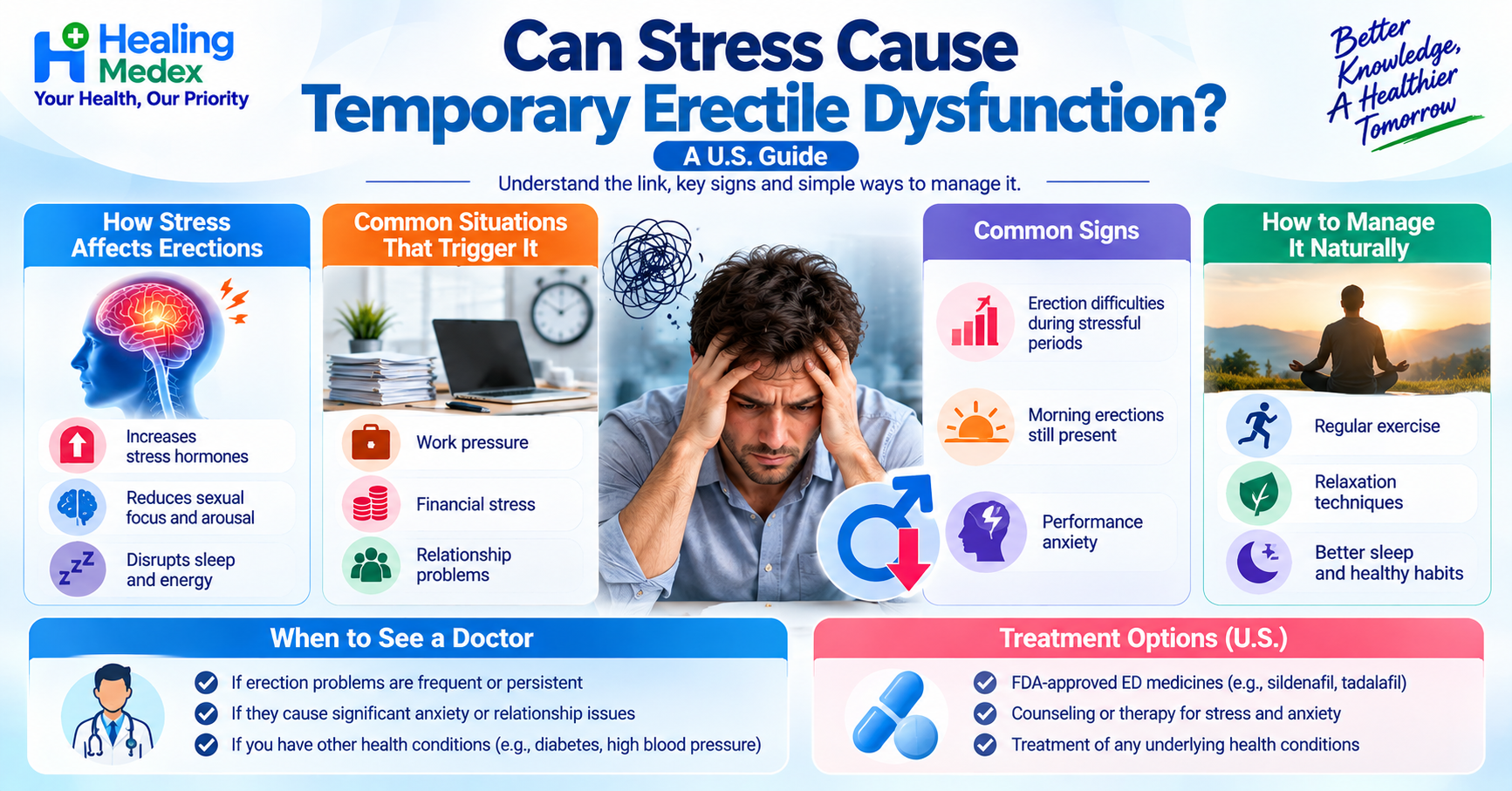
Erectile Dysfunction
Can Stress Cause Temporary Erectile Dysfunction? A U.S. Guide
Erectile dysfunction (ED) is often associated with physical health conditions such as diabetes, high blood pressure, and cardiovascular disease. However, emotional and psychological factors can also affect sexual performance. One of the most common contributors is stress. Can stress cause temporary erectile dysfunction? Yes. Stress, anxiety, emotional pressure, and mental exhaustion can interfere with the body's normal erection process, making it difficult to achieve or maintain an erection. For some men, these difficulties occur only during stressful periods and improve when stress levels decrease. However, recurring erection problems should not automatically be attributed to stress because physical and psychological causes can occur together. Understanding how stress affects erections, recognizing possible symptoms, and knowing when to seek medical advice can help men manage their sexual health. What Is Stress-Related Erectile Dysfunction? Stress-related erectile dysfunction occurs when psychological or emotional stress interferes with the ability to achieve or maintain an erection firm enough for sexual activity. Unlike ED caused primarily by blood vessel damage, nerve disorders, or hormonal conditions, stress-related ED may occur even when the physical structures involved in erections are functioning normally. Common situations associated with stress-related erection difficulties include: Work-related pressure and professional responsibilities. Financial difficulties or uncertainty. Relationship conflicts or communication problems. Anxiety about sexual performance. Lack of sleep and emotional exhaustion. Major life changes or family responsibilities. Persistent worry, depression, or psychological distress. Stress-related ED can affect men of different ages, including younger adults without known cardiovascular conditions. Although it may be temporary, ongoing psychological stress can contribute to repeated erection difficulties. How Does Stress Affect Erections? Achieving an erection requires coordination between the brain, nerves, blood vessels, hormones, and muscles. Sexual stimulation normally triggers nerve signals that encourage the release of nitric oxide. This helps relax smooth muscle tissue and allows increased blood flow into the penis. Stress can interfere with this process through several mechanisms. 1. Activation of the Fight-or-Flight Response When a person experiences stress, the sympathetic nervous system becomes more active. This response prepares the body to react to a perceived threat by increasing alertness and releasing stress-related hormones, including adrenaline. Heightened sympathetic nervous system activity can make it more difficult for the body to produce or maintain an erection. 2. Increased Stress Hormone Activity Cortisol is a hormone involved in the body's stress response. Short-term increases in cortisol are normal. However, prolonged stress may contribute to sleep disturbances, mood changes, and other health problems that indirectly affect sexual function. Stress-related hormonal changes do not necessarily mean that a man has low testosterone. 3. Reduced Sexual Focus and Arousal Stress can make it difficult to concentrate on sexual stimulation. When the mind is occupied with worries about work, finances, relationships, or sexual performance, normal arousal responses may become less effective. 4. Sleep Disturbances and Fatigue Stress frequently affects sleep quality. Poor sleep may cause fatigue, irritability, decreased sexual desire, and difficulty concentrating. These effects can contribute to erection problems. 5. Performance Anxiety A single unsuccessful sexual experience may create concern about future performance. This worry can increase anxiety during subsequent encounters, creating a cycle in which anxiety contributes to further erection difficulties. 10 Signs That Stress May Be Contributing to Temporary Erectile Dysfunction Stress-related ED does not have a single definitive symptom pattern. However, certain experiences may suggest that psychological factors are involved. 1. Sudden Erection Difficulties During Stressful Periods Erection problems may begin during periods of increased workload, financial difficulties, or emotional distress. 2. Normal Erections at Other Times Some men continue to experience normal erections during masturbation or at other times but have difficulty during partnered sexual activity. This pattern can suggest a psychological contribution, although it does not rule out physical causes. 3. Morning Erections Are Still Present Men with stress-related ED may continue to experience spontaneous morning erections. However, the presence or absence of morning erections cannot reliably establish the cause of ED. 4. Fear of Losing an Erection Persistent concern about maintaining an erection may increase performance anxiety and interfere with arousal. 5. Reduced Sexual Interest Ongoing stress can reduce sexual desire, making sexual activity less appealing. 6. Difficulty Relaxing During Intimacy Excessive worry or emotional tension may prevent a person from feeling comfortable and mentally engaged. 7. Sexual Performance Changes Depending on the Situation Erection quality may vary depending on mood, environment, relationship circumstances, or perceived expectations. 8. Fatigue and Poor Sleep Sleep disturbances and exhaustion may accompany temporary erection difficulties. 9. Increased Irritability or Anxiety Stress-related emotional symptoms may occur alongside sexual difficulties. 10. Improvement During Relaxed Periods Some men notice better erections while on vacation, after resolving stressful situations, or when feeling more relaxed. Important: These signs are clues rather than diagnostic criteria. A healthcare professional may need to assess physical and psychological factors to determine the underlying cause. Can Temporary Erectile Dysfunction From Stress Go Away? Yes. Stress-related erectile dysfunction may improve when the contributing stressors are reduced or managed effectively. For example, a person experiencing erection difficulties during a demanding work period may notice improvement after their workload decreases and sleep quality improves. However, recovery varies depending on factors such as: The severity and duration of psychological stress. The presence of anxiety or depression. Sleep quality and general physical health. Relationship circumstances. Underlying medical conditions. Medication use and lifestyle habits. There is no fixed recovery timeline. Some men experience improvement relatively quickly, while others require psychological support or additional medical treatment. If erection difficulties continue, medical evaluation is important even when stress appears to be the main trigger. Can Chronic Stress Cause Long-Term Erectile Dysfunction? Chronic stress can contribute to persistent erection difficulties, particularly when it is associated with anxiety, depression, poor sleep, excessive alcohol consumption, or unhealthy lifestyle habits. Long-lasting stress may also contribute to cardiovascular risk factors that can affect erectile health. However, chronic stress does not automatically cause permanent erectile dysfunction . In many cases, addressing psychological factors and treating coexisting medical conditions can improve sexual function. How to Improve Stress-Related Erectile Dysfunction Naturally Several lifestyle and psychological approaches may help men manage stress and support healthier erectile function. 1. Practice Relaxation Techniques Deep breathing, mindfulness meditation, and progressive muscle relaxation may help reduce psychological tension. These techniques can be particularly useful when anxiety contributes to sexual performance difficulties. 2. Exercise Regularly Physical activity supports cardiovascular health , helps manage stress, and may improve erectile function. U.S. physical activity recommendations generally encourage adults to obtain at least 150 minutes of moderate-intensity aerobic activity each week, alongside muscle-strengthening activities. Walking, swimming, cycling, and other enjoyable forms of exercise can be beneficial. 3. Improve Sleep Quality Most adults should aim for approximately 7–9 hours of sleep per night. Maintaining a consistent sleep schedule, reducing late-night screen exposure, and limiting excessive caffeine may support better sleep. 4. Reduce Performance Pressure Constantly monitoring erection quality can increase anxiety. Focusing on communication, comfort, and intimacy rather than achieving a particular sexual outcome may help reduce performance-related worries. 5. Communicate With Your Partner Open communication can reduce misunderstandings and help couples manage concerns about sexual performance. Stress-related erection difficulties do not necessarily indicate reduced attraction or relationship dissatisfaction. 6. Limit Excessive Alcohol Consumption Alcohol may temporarily reduce feelings of anxiety, but excessive drinking can interfere with sexual function. Reducing alcohol intake may improve overall health and help prevent alcohol-related erection difficulties. 7. Avoid Smoking and Recreational Drugs Smoking and certain recreational drugs can harm blood vessels, affect nervous system function, and contribute to ED. Avoiding these substances supports both cardiovascular and erectile health. 8. Consider Professional Counseling Cognitive behavioral therapy (CBT), counseling, or psychosexual therapy may help men who experience persistent anxiety or performance-related concerns. A qualified mental health professional can help identify negative thought patterns and develop more effective coping strategies. 9. Maintain a Balanced Diet A heart-healthy diet containing vegetables, fruits, whole grains, legumes, nuts, and healthy fats can support cardiovascular health. Healthy blood vessel function is important for normal erections. 10. Seek Medical Advice When Needed Lifestyle changes may help, but they are not a substitute for medical evaluation when erection difficulties persist or recur. Stress-Related ED vs. Physical Erectile Dysfunction: What Is the Difference? Stress-related and physically caused erectile dysfunction can overlap. Feature Stress-Related ED ED With a Physical Cause Onset May appear suddenly May develop gradually Symptoms May vary by situation May be more consistent Morning erections May remain present May be reduced Common factors Anxiety, emotional stress, performance pressure Diabetes, vascular disease, hormonal or nerve problems Treatment Stress management, counseling, sometimes medication Treatment of underlying conditions, medication, lifestyle changes These are general patterns, not reliable diagnostic rules. A man can have both psychological and physical contributors to erectile dysfunction. Can Stress-Related Erectile Dysfunction Be Treated With Medication? In the United States, healthcare professionals may prescribe medications for erectile dysfunction when appropriate. Common FDA-approved oral ED medications include: Sildenafil (Viagra): A phosphodiesterase type 5 (PDE5) inhibitor that increases blood flow to the penis during sexual stimulation. Tadalafil (Cialis): Another PDE5 inhibitor that may be prescribed for use as needed or once daily, depending on the patient's circumstances. Vardenafil: An ED medicine that helps support erectile function by increasing blood flow during sexual arousal. Avanafil (Stendra): A PDE5 inhibitor used to treat erectile dysfunction in appropriate patients. These medications may improve erection quality but do not directly treat the psychological causes of stress-related ED. Counseling or stress management may still be necessary. Important safety information: PDE5 inhibitors must not be combined with nitrate medicines, such as nitroglycerin, or recreational nitrites known as poppers because this combination can cause a dangerous drop in blood pressure. They are also contraindicated with riociguat. Other medical conditions and medication interactions require professional assessment. Men should not start ED medication without appropriate medical guidance. When Should You See a Doctor? Occasional erection difficulties during periods of stress do not always indicate an ongoing medical condition. However, men should speak with a healthcare professional when: Erection difficulties occur repeatedly or persist. Symptoms begin suddenly without an obvious explanation. ED causes significant anxiety or relationship difficulties. Morning erections become noticeably less frequent. Sexual desire decreases significantly. There is a history of diabetes, high blood pressure, or heart disease. Erection difficulties begin after starting a new medication. ED may sometimes be an early sign of cardiovascular disease, making medical assessment important. A healthcare professional may review medical history, medication use, psychological well-being, blood pressure, and relevant laboratory tests. How Is Stress-Related Erectile Dysfunction Diagnosed in the United States? A primary care physician or urologist may evaluate erection difficulties using several approaches. Medical history: Questions about symptoms, existing medical conditions, lifestyle, and medications. Sexual history: Discussion of erection quality, morning erections, sexual desire, and when difficulties occur. Mental health assessment: Evaluation of stress, anxiety, depression, and relationship factors. Physical examination: Assessment for possible cardiovascular, hormonal, neurological, or genital conditions. Laboratory testing: Blood glucose or HbA1c, lipid testing, and selected hormonal tests may be recommended depending on the patient's history and symptoms. A testosterone test may be appropriate when symptoms suggest testosterone deficiency. Not every patient requires extensive testing, and treatment depends on the findings. Frequently Asked Questions 1. Can stress cause erectile dysfunction suddenly? Yes. Acute emotional stress, anxiety, or performance pressure may cause erection difficulties even in men who previously had normal erectile function. 2. How long does temporary erectile dysfunction from stress last? There is no universal timeline. Symptoms may improve as stress decreases, but persistent difficulties can require counseling or medical treatment. 3. Can anxiety cause erectile dysfunction in young men? Yes. Anxiety and performance-related concerns can contribute to ED in younger adults . However, physical conditions should still be considered when symptoms recur. 4. Can overthinking affect erections? Yes. Excessive worry about sexual performance may interrupt arousal and increase anxiety, making erections more difficult to achieve or maintain. 5. Can stress lower testosterone? Chronic stress and poor sleep may affect hormonal regulation, but stress-related ED does not necessarily mean testosterone levels are low. Blood testing is needed when testosterone deficiency is suspected. 6. Does exercise help with stress-related erectile dysfunction? Exercise can support cardiovascular health and stress management. It may improve erectile function, particularly when physical inactivity or cardiovascular risk factors are involved. 7. Can stress cause ED even when morning erections are normal? Yes. Morning erections may remain present when psychological factors contribute to erection difficulties. However, this observation alone cannot confirm the cause. 8. Should men take Viagra for temporary stress-related ED? Not necessarily. Medication may help some men, but treatment should depend on medical history, symptom severity, and the underlying cause. A licensed healthcare professional can advise whether medication is appropriate. Final Thoughts Stress can cause temporary erectile dysfunction by interfering with psychological arousal, nervous system activity, sleep, and sexual confidence. For many men, erection difficulties associated with short-term stress may improve through relaxation, adequate sleep, regular exercise, healthier habits, and reduced performance pressure. However, persistent or recurring ED should not be dismissed as a psychological problem without appropriate evaluation. Addressing both emotional well-being and physical health offers a more comprehensive approach to maintaining erectile function. At Healing Medex , we aim to provide accessible educational information about erectile dysfunction, men's health, and available treatment approaches to help readers make informed decisions in consultation with qualified healthcare professionals. Medical Disclaimer This article is for general educational purposes only and does not replace advice from a qualified doctor or pharmacist. Medical guidance, approved medicines and prescribing rules differ between countries. Always follow the advice of a healthcare professional licensed in your country of residence.
Dr. Marcus Vance, PharmD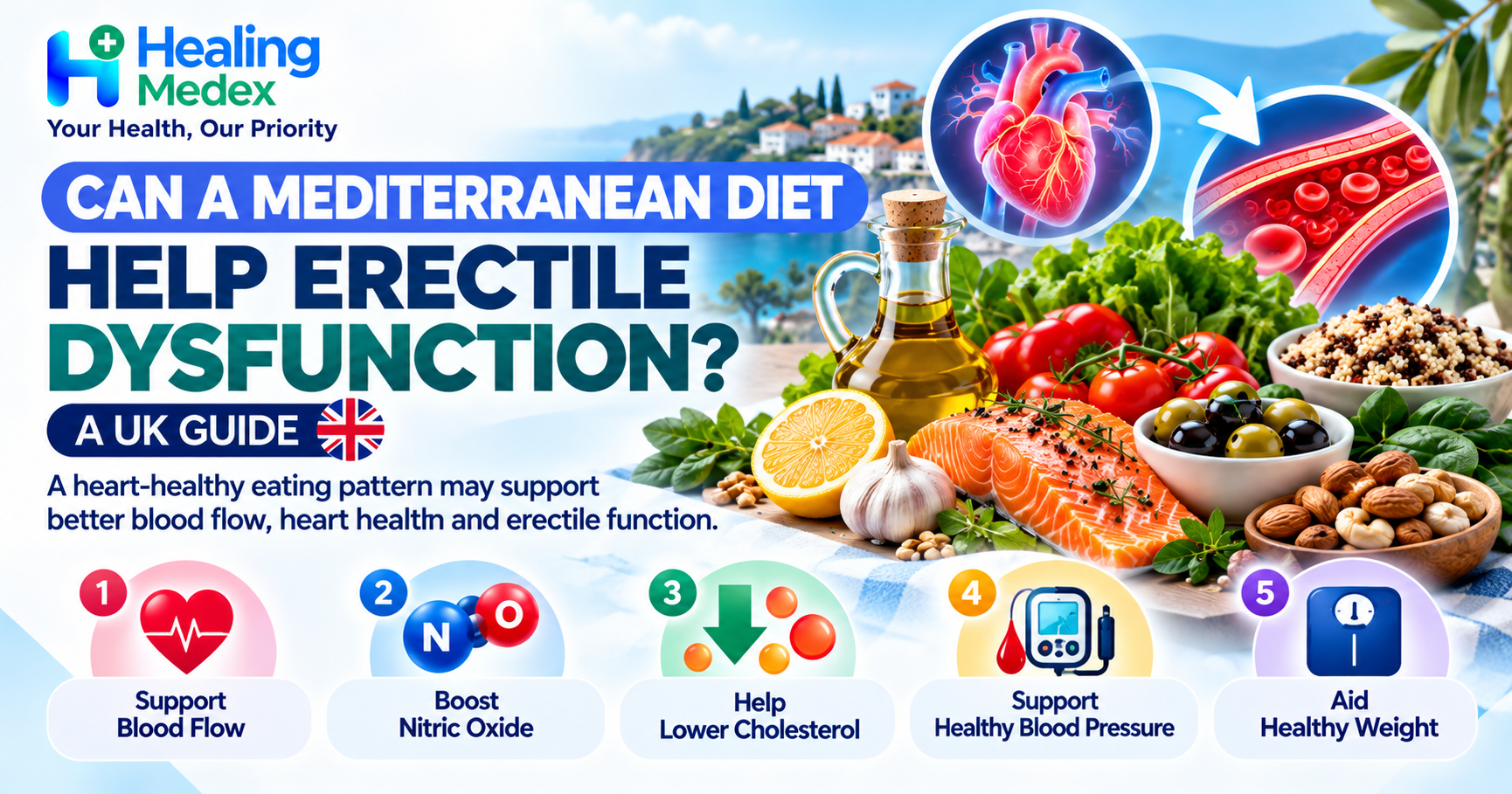
Erectile Dysfunction
Can a Mediterranean Diet Help Erectile Dysfunction?
Erectile dysfunction (ED) is a common condition in which a man has difficulty getting or maintaining an erection firm enough for sexual activity. Although occasional erection problems can happen because of stress, tiredness or alcohol, persistent ED may be associated with health conditions such as high blood pressure, high cholesterol, diabetes, obesity or cardiovascular disease. Because erections depend heavily on healthy blood flow, lifestyle factors that support the heart and blood vessels may also support erectile function. One eating pattern that has attracted particular attention is the Mediterranean diet . Research suggests that following a Mediterranean-style diet may be associated with better erectile function, particularly in men who also have cardiovascular or metabolic risk factors. However, diet should be viewed as part of an overall ED management plan rather than as a guaranteed cure. What Is a Mediterranean Diet? The Mediterranean diet is based on traditional eating patterns found in countries such as Greece, Italy and Spain. It generally emphasises: Vegetables and fruit Beans, peas, chickpeas and lentils Wholegrain bread, pasta and rice Nuts and seeds Fish, especially oily fish Olive oil and other unsaturated fats Moderate amounts of poultry, eggs and dairy Smaller amounts of red and processed meat Fewer highly processed foods Less added sugar and foods high in saturated fat The British Heart Foundation describes Mediterranean-style eating as being broadly consistent with healthy eating principles recommended in the UK, including plenty of plant foods, whole grains and unsaturated fats. Can a Mediterranean Diet Help Erectile Dysfunction? Potentially, yes. Research has found an association between greater adherence to Mediterranean-style diets and a lower likelihood of erectile dysfunction or better erectile function. A recent review also found that healthier dietary patterns, including Mediterranean-style diets, were associated with improvements in sexual function. However, this does not mean that eating Mediterranean foods will immediately restore erections. ED has many possible causes, including: Cardiovascular disease High blood pressure High cholesterol Diabetes Obesity Hormonal problems Certain medicines Smoking Excess alcohol Anxiety, stress or depression The effectiveness of dietary changes therefore depends partly on what is causing the erectile problem. How Could a Mediterranean Diet Support Erections? 1. It May Support Healthy Blood Flow An erection occurs when blood vessels supplying the penis widen and allow increased blood flow. Conditions that damage or narrow blood vessels can interfere with this process. A Mediterranean diet is associated with cardiovascular benefits and can help support healthier cholesterol, blood pressure, blood sugar and body weight. Because cardiovascular and erectile health share many of the same risk factors, improving vascular health may also benefit erections. 2. It May Support Nitric Oxide Function Nitric oxide is a signalling molecule that helps blood vessels relax and widen. This process is important for increasing blood flow during an erection. Mediterranean diets contain plenty of foods rich in antioxidants and plant nutrients, including: Leafy vegetables Beetroot Tomatoes Berries Citrus fruits Nuts Olive oil Research examining Mediterranean diets and ED has proposed improved nitric oxide activity as one possible mechanism linking this eating pattern with better erectile function. 3. It May Improve Cholesterol High LDL cholesterol can contribute to fatty deposits developing inside the arteries. Over time, narrowed arteries can reduce blood flow throughout the body, including blood flow to the penis. The British Heart Foundation notes that Mediterranean-style eating can help improve cardiovascular risk factors, including cholesterol levels. Replacing foods high in saturated fat with foods containing unsaturated fats may be particularly useful. For example, consider replacing: Butter or ghee → olive or rapeseed oil Processed meats → fish, beans or lentils Biscuits and pastries → fruit or unsalted nuts 4. It May Help Control Blood Pressure High blood pressure can damage blood vessels and is one of the health conditions associated with ED. Mediterranean-style diets naturally emphasise foods such as fruit, vegetables, pulses, whole grains and nuts while limiting heavily processed and salty foods. This pattern can help support cardiovascular health and healthier blood pressure. 5. It May Help People With Type 2 Diabetes Diabetes can damage both blood vessels and nerves involved in producing an erection. Research involving men with type 2 diabetes has found that those who followed Mediterranean-style diets more closely had a lower prevalence of ED compared with men with lower adherence. This does not prove that the diet alone prevented ED, because men following healthier diets may also have other healthier lifestyle habits. Nevertheless, Mediterranean-style eating can also support blood glucose management and cardiovascular health. 6. It May Help With Weight Management Being overweight or obese is associated with cardiovascular and metabolic conditions that can contribute to erectile problems. A Mediterranean diet is not specifically a rapid weight-loss programme. Instead, it promotes a sustainable pattern based largely on whole and minimally processed foods. If it helps an overweight person achieve gradual weight loss, the improvement in cardiovascular and metabolic health may also contribute to better erectile function. Current European urology guidance recognises weight loss, exercise and management of cardiovascular risk factors as lifestyle measures that may improve sexual function in some men with ED. 7. It May Reduce Inflammation and Oxidative Stress Chronic metabolic disease and cardiovascular disease are often associated with inflammation and oxidative stress, both of which may affect the lining of blood vessels. Mediterranean-style diets contain antioxidants and anti-inflammatory nutrients from foods such as: Extra-virgin olive oil Vegetables Fruit Nuts Seeds Whole grains Fish A recent review suggested that improvements in vascular health, inflammation and metabolic health may partly explain the association between Mediterranean-style diets and better sexual function. Which Mediterranean Foods May Be Particularly Helpful? No single food has been shown to cure erectile dysfunction. The strongest evidence relates to the overall dietary pattern , rather than one individual “ED superfood.” Useful foods to include regularly include: Leafy Green Vegetables Examples include: Spinach Rocket Kale Lettuce These provide vitamins, minerals and naturally occurring dietary nitrates. Tomatoes Tomatoes contain antioxidants including lycopene and are easy to include in soups, salads, pasta dishes and sauces. Berries Blueberries, strawberries, raspberries and blackberries provide polyphenols and other antioxidants . Frozen berries can be a convenient and affordable UK option. Nuts Walnuts, almonds and pistachios provide unsaturated fats, fibre and minerals. Choose unsalted varieties where possible. Olive Oil Olive oil is one of the main fat sources used in Mediterranean-style eating. Using olive or rapeseed oil instead of butter or other fats high in saturated fat can fit well within a heart-healthy eating pattern. Oily Fish Examples commonly available in the UK include: Salmon Sardines Mackerel Trout These provide omega-3 fatty acids and can be incorporated into a heart-healthy diet. Beans and Lentils Kidney beans, chickpeas, lentils and other pulses are inexpensive sources of fibre and plant protein. Whole Grains Examples include: Wholemeal bread Brown rice Wholewheat pasta Oats Barley Whole grains generally provide more fibre than highly refined alternatives. A Simple Mediterranean-Style Day for Someone in the UK You do not need to eat traditional Greek or Italian dishes at every meal. A Mediterranean-style pattern can easily be adapted to foods available in UK supermarkets. Breakfast: Porridge topped with blueberries, walnuts and plain yoghurt. Lunch: Wholegrain wrap containing chicken, mixed salad, tomato, cucumber and hummus. Snack: A piece of fruit with a small handful of unsalted almonds. Dinner: Grilled salmon with roasted vegetables, chickpeas and brown rice. Dessert: Fresh fruit or plain yoghurt. Water can be the main drink throughout the day. Foods to Eat Less Often Following a Mediterranean diet does not require completely banning particular foods. However, it generally involves reducing: Processed meats Large amounts of red meat Fried fast foods Pastries Cakes Biscuits Sugary drinks Highly processed snacks Foods high in salt Foods high in saturated fat The overall pattern matters much more than eating perfectly at every meal. What About Alcohol? Some traditional descriptions of Mediterranean eating include wine. That does not mean alcohol should be started to improve erections. Excessive alcohol consumption can itself contribute to erectile problems. The NHS advises adults who drink alcohol not to regularly exceed 14 units per week . Someone who does not drink alcohol does not need to start because they are following a Mediterranean-style diet. How Quickly Could Diet Improve Erectile Function? There is no fixed timeline. Changes in cardiovascular health , body weight, blood pressure, cholesterol and blood glucose generally occur gradually. Some men may notice improvement after making sustained lifestyle changes, whereas others may still require specific ED treatment. Diet is therefore better viewed as a long-term cardiovascular and metabolic health strategy rather than a quick erectile dysfunction treatment. Is the Mediterranean Diet Better Than ED Medicines? They serve different purposes. Medicines such as sildenafil, tadalafil, vardenafil and avanafil belong to a group called PDE5 inhibitors and directly help increase blood flow involved in producing an erection. Diet works much more gradually by potentially improving some of the health factors contributing to ED. European urology guidelines recommend lifestyle and cardiovascular risk-factor modification alongside, rather than necessarily instead of, established ED treatments. PDE5 inhibitors remain a standard first-line treatment for many men with ED. Can You Combine a Mediterranean Diet With Sildenafil or Tadalafil? In general, following a healthy Mediterranean-style diet does not prevent someone from using prescribed ED medication. However, ED medicines are not appropriate for everyone. Certain combinations can be dangerous, particularly PDE5 inhibitors with nitrate medicines used for angina or certain heart conditions. Speak with a doctor or pharmacist before starting ED medication, especially if you: Have cardiovascular disease Take medicines for blood pressure Use nitrate medicines Have experienced a recent serious cardiovascular event Take several prescription medicines Never stop prescribed heart or blood-pressure medication simply because you think it may be contributing to ED. Discuss it with your prescriber first. Mediterranean Diet + Exercise May Be Even More Helpful Diet is only one part of lifestyle management. Evidence reviewed in current ED guidelines supports lifestyle measures including: Regular physical activity Weight loss when appropriate Smoking cessation Cardiovascular risk-factor management Healthy eating The NHS also recommends healthy eating, regular exercise, losing excess weight and reducing stress as lifestyle measures that may help with ED. Combining these approaches is likely to provide greater overall health benefits than focusing on one food or supplement alone. When Should You Speak to a GP About Erectile Dysfunction? Occasional erection problems are common. However, the NHS advises seeing a GP or attending a sexual health clinic when erection problems keep happening. Persistent ED can sometimes be associated with: High blood pressure High cholesterol Diabetes Hormonal disorders Cardiovascular disease ED can also sometimes be an early sign of problems affecting the arteries. The British Heart Foundation notes that because penile arteries are relatively narrow, problems with erections can sometimes appear before more obvious cardiovascular symptoms. A healthcare professional may therefore check factors such as your: Blood pressure Blood glucose Cholesterol Weight Current medicines Lifestyle Hormonal health when appropriate The Bottom Line A Mediterranean diet may help support erectile function, particularly when ED is associated with cardiovascular or metabolic risk factors. It may help by supporting healthier blood vessels, cholesterol, blood pressure, blood glucose, body weight and overall cardiovascular health. Research generally shows an association between greater adherence to Mediterranean-style eating and better erectile health, but it should not be considered a guaranteed cure for ED. For someone in the UK, a practical Mediterranean-style diet can include plenty of vegetables, fruit, beans, whole grains, nuts, olive or rapeseed oil and fish while reducing processed foods, processed meats, excess sugar and saturated fat. Most importantly, persistent erectile dysfunction deserves medical assessment rather than relying solely on dietary changes. Medical Disclaimer THIS ARTICLE IS FOR GENERAL EDUCATIONAL PURPOSES ONLY AND DOES NOT REPLACE ADVICE FROM A QUALIFIED DOCTOR OR PHARMACIST. MEDICAL GUIDANCE, APPROVED MEDICINES AND PRESCRIBING RULES DIFFER BETWEEN COUNTRIES. ALWAYS FOLLOW THE ADVICE OF A HEALTHCARE PROFESSIONAL LICENSED IN YOUR COUNTRY OF RESIDENCE.
Dr. Marcus Vance, PharmD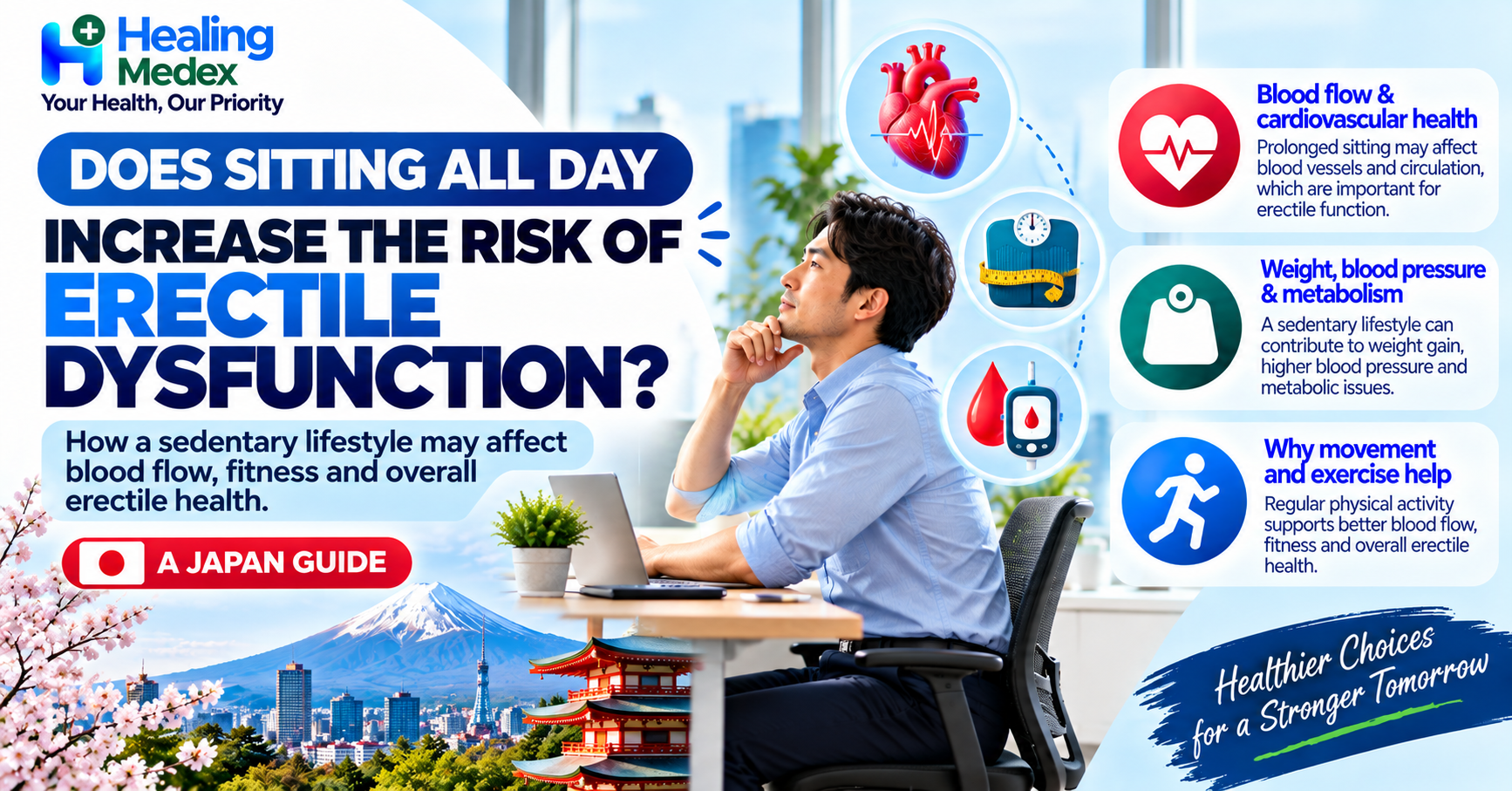
Erectile Dysfunction
Does Sitting All Day Increase the Risk of Erectile Dysfunction?
What Is Erectile Dysfunction? Erectile dysfunction is the persistent difficulty getting or maintaining an erection firm enough for satisfactory sexual activity. Occasional difficulty with erections can happen because of stress, tiredness, alcohol consumption or other temporary factors. Persistent ED, however, may sometimes be connected with underlying health conditions. Possible contributors include: cardiovascular disease high blood pressure diabetes obesity high cholesterol smoking low physical activity hormonal disorders certain medicines anxiety, depression or relationship stress neurological conditions increasing age ED is therefore often multifactorial , meaning more than one factor may be involved. Does Sitting All Day Cause Erectile Dysfunction? There is not enough evidence to say that sitting itself directly causes erectile dysfunction . A more accurate way to describe the relationship is that prolonged sedentary behaviour and insufficient physical activity may contribute to conditions that are also associated with ED . Studies have repeatedly found an association between greater physical activity and a lower prevalence or risk of erectile dysfunction. A meta-analysis of population-based studies found moderate and high levels of physical activity were associated with a lower likelihood of ED, although observational research cannot by itself prove that inactivity directly causes ED. A study involving younger men also found that sedentary participants reported poorer erectile-function measures than more physically active participants. The important message is therefore: Sitting does not automatically cause ED, but spending most of the day inactive may form part of a lifestyle that increases ED risk. 1. Prolonged Sitting May Affect Cardiovascular Health An erection depends heavily on healthy blood vessels. During sexual stimulation, blood vessels supplying the penis need to relax and allow increased blood flow. Conditions that damage blood vessels or reduce cardiovascular health can therefore interfere with erections. Long periods of sedentary behaviour have been associated with cardiovascular and metabolic health risks. Japan's Ministry of Health, Labour and Welfare advises adults to avoid excessive prolonged sitting and replace sedentary time with physical activity where possible. Because cardiovascular health and erectile health are closely connected, maintaining an active lifestyle may support both. 2. Physical Inactivity Can Contribute to Weight Gain Sitting itself does not automatically cause obesity. However, low daily energy expenditure combined with excess calorie intake can make weight gain more likely. Being overweight or obese is associated with several ED risk factors, including: insulin resistance type 2 diabetes high blood pressure abnormal cholesterol cardiovascular disease inflammation Weight Management and regular physical activity are therefore often included as part of lifestyle management for men experiencing erectile difficulties. 3. Sitting Too Much May Be Associated With Poorer Blood-Sugar Control Periods of prolonged inactivity can affect how the body processes glucose. Japan's health guidance notes that frequently interrupting prolonged sitting—for example, approximately every 30 minutes—may have favourable effects on factors such as post-meal glucose, triglycerides and insulin resistance. This matters for erectile health because diabetes is an important risk factor for ED. Chronically high blood glucose can damage both: blood vessels supplying the penis nerves involved in erections For someone with diabetes , improving glucose management and cardiovascular health can therefore be particularly important. 4. An Inactive Lifestyle May Affect Blood Pressure High blood pressure can gradually damage the lining of blood vessels and reduce their ability to dilate effectively. Because erections rely on increased arterial blood flow, vascular damage may contribute to ED. Some medications used for hypertension may also affect sexual function in certain people, although patients should never stop prescribed blood-pressure medicine without speaking to their doctor . Regular physical activity can form part of an overall strategy for maintaining healthier blood pressure. 5. Physical Activity Supports Healthy Blood Vessel Function Exercise improves several aspects of cardiovascular function. Aerobic activities such as: brisk walking cycling swimming jogging hiking can improve cardiovascular fitness and vascular health when performed regularly. A 2023 systematic review and meta-analysis of 11 randomized controlled trials found that aerobic exercise produced a statistically significant improvement in erectile-function scores compared with control groups. Another 2024 meta-analysis similarly reported improvements in erectile function from physical-activity interventions, with particularly favourable findings for aerobic exercise. Exercise should nevertheless be viewed as one component of ED management rather than a guaranteed cure. 6. Sitting and Testosterone: Is There a Connection? It is sometimes claimed online that sitting for long periods directly lowers testosterone and therefore causes ED. The relationship is more complicated. Physical inactivity, obesity, poor sleep and metabolic disease can be associated with hormonal changes, but sitting at a desk does not necessarily cause clinically low testosterone. Furthermore, normal erections do not depend on testosterone alone . A man can have ED with normal testosterone because erections also depend on: blood vessels nerves psychological wellbeing medications cardiovascular health Men with symptoms that could suggest testosterone deficiency should discuss appropriate testing with a healthcare professional rather than assuming sedentary behaviour is responsible. 7. Does Sitting Reduce Blood Flow to the Penis? Sitting changes circulation and muscle activity in the lower body, but claims that ordinary desk sitting permanently blocks blood flow to the penis are misleading. The greater concern is the overall health effect of prolonged inactivity over months and years , particularly when someone gets very little exercise outside working hours. Standing up and moving periodically is therefore useful for general health even though there is no established rule saying that a particular number of sitting hours will directly produce ED. 8. How Much Should Adults in Japan Move? Japan's Physical Activity Guide for Health Promotion 2023 , published by the Ministry of Health, Labour and Welfare, encourages adults to increase everyday movement and avoid prolonged sitting. For adults, Japanese guidance recommends aiming for approximately: 60 minutes or more of physical activity each day , such as walking or activities of equivalent or greater intensity. This corresponds roughly to 8,000 steps per day . The guidance also recommends approximately 60 minutes per week of exercise intense enough to make you breathe harder and sweat , along with strength training around 2–3 days per week . Recommendations should be adjusted according to a person's age, health, fitness and physical abilities. Importantly, Japan's guidance also advises people to avoid spending excessive periods continuously sitting . How Can Office Workers Reduce Sitting Time? You do not necessarily need to replace a desk job to become more active. Small changes throughout the day can help. Stand up regularly Try to interrupt prolonged periods of sitting periodically. Even short standing or walking breaks help increase daily movement. Japan's health guidance discusses breaking up prolonged sitting frequently, with approximately 30-minute intervals given as an example in relation to cardiometabolic health. Walk during your commute Japan's public transport system already gives many commuters opportunities to walk. Consider: walking to the station using stairs instead of escalators when practical getting off one stop earlier walking during part of your lunch break Small amounts accumulate throughout the day. Take short walking breaks at work A 2–5 minute walk around the office, building or outside can break up prolonged sitting. Consider standing while doing certain tasks Standing during telephone calls, brief meetings or routine desk tasks can reduce uninterrupted sitting time. Standing all day is not necessary; the objective is to vary your position and move regularly . Exercise outside working hours Someone who has a desk job can still be physically active. Regular walking, swimming, cycling, jogging or another form of exercise can help improve overall cardiovascular health. Can Exercise Reverse Erectile Dysfunction? Sometimes exercise can improve erectile function, particularly when cardiovascular risk factors and physical inactivity are contributing to ED. Exercise studies have demonstrated measurable improvements in erectile-function scores, especially with aerobic exercise. However, exercise will not correct every cause of ED. For example, ED caused primarily by: significant nerve damage certain medications severe vascular disease hormonal disorders prostate surgery neurological disease may require additional treatment. Lifestyle changes and medical treatment are often complementary rather than alternatives. What Type of Exercise Is Best for Erectile Health? Evidence currently supports regular aerobic exercise particularly well. Good options include: brisk walking cycling jogging swimming aerobic gym exercise Resistance training is also valuable for general metabolic and musculoskeletal health. The ideal programme depends on your fitness level and medical history. People with cardiovascular disease or other significant medical conditions should discuss major increases in exercise intensity with a healthcare professional. What Else Can You Do to Reduce Your Risk of ED? Reducing sitting time is only one part of maintaining erectile health. Other helpful lifestyle measures may include: Exercise regularly. Maintain a healthy body weight. Avoid smoking. Limit excessive alcohol consumption. Manage diabetes appropriately. Keep blood pressure controlled. Manage cholesterol. Get adequate sleep. Address persistent stress, anxiety or depression. Attend regular health checks where appropriate. European clinical guidance on ED likewise identifies lifestyle and cardiovascular risk-factor modification—including physical activity and weight management—as potentially beneficial for erectile function. When Should You See a Doctor About Erectile Dysfunction? Temporary erection problems do not always indicate a medical condition. However, consider speaking with a healthcare professional if erection problems: happen repeatedly continue for several weeks or months are becoming progressively worse occur alongside reduced libido or other hormonal symptoms are associated with diabetes, hypertension or cardiovascular disease started after beginning a new medication are causing significant personal or relationship distress In Japan, a urologist (泌尿器科) is commonly an appropriate specialist for assessing persistent ED. Depending on the suspected cause, evaluation may also involve internal medicine, cardiology, endocrinology or mental-health care. A medical assessment may include discussion of symptoms and medications as well as checks for blood pressure, diabetes, cholesterol, cardiovascular risk and, when clinically appropriate, hormone levels. Why Persistent ED Should Not Simply Be Ignored ED is not always an isolated sexual-health issue. The penile arteries are relatively small, and vascular problems may sometimes become noticeable as erectile difficulties before more obvious cardiovascular symptoms appear. This does not mean that everyone with ED has heart disease. However, persistent or unexplained ED provides a useful reason to assess cardiovascular and metabolic risk factors. Can ED Medicines Help? Prescription treatments may be appropriate for some men with ED after medical assessment. Medicines cannot replace management of underlying conditions such as diabetes, hypertension, cardiovascular disease or obesity. Someone experiencing ED should also avoid purchasing medicines from unreliable or unverified sources. The appropriate treatment, contraindications and prescribing requirements depend on the individual's medical history and the regulations applicable in Japan. Frequently Asked Questions 1. Can sitting for 8 hours cause erectile dysfunction? There is no established threshold at which sitting for eight hours automatically causes ED. The concern is prolonged sedentary behaviour combined with insufficient physical activity over time. Regularly breaking up sitting and maintaining adequate overall physical activity are more useful targets. 2. Can standing more improve erections? Standing by itself has not been proven to treat ED. However, replacing some sedentary time with standing and, preferably, movement can contribute to a more active lifestyle and better metabolic health. 3. Is walking good for erectile dysfunction? Yes, walking can form part of an ED-friendly exercise programme. Physical activity, particularly regular aerobic exercise, has been associated with better erectile function. 4. How many steps should adults in Japan aim for? Japan's Physical Activity Guide for Health Promotion 2023 uses approximately 8,000 steps per day as a practical equivalent of its adult recommendation of around 60 minutes of daily physical activity. Individual targets should be adjusted according to health and physical ability. 5. Should I stand up every 30 minutes? There is no ED-specific requirement to stand every 30 minutes. However, Japanese health guidance notes evidence supporting frequent interruption of prolonged sitting, with approximately every 30 minutes given as an example for improving certain cardiometabolic markers. 6. Will exercise cure ED permanently? Not necessarily. Exercise may improve erectile function, particularly when inactivity and cardiovascular risk factors contribute, but ED can have many causes. Persistent symptoms should be medically evaluated. The Bottom Line Sitting all day does not automatically cause erectile dysfunction, but a sedentary lifestyle may increase the likelihood of health problems that contribute to ED. Erectile function depends strongly on vascular, metabolic, neurological and psychological health. Regular physical activity can support cardiovascular health, weight management, blood-pressure control and blood-sugar regulation—all of which may also benefit erectile function. For people with desk-based lifestyles in Japan, practical steps such as breaking up prolonged sitting, walking more throughout the day, exercising regularly and following Japan's physical-activity recommendations can support both general and sexual health. If erection difficulties persist, however, increasing activity should not replace medical assessment. A doctor can investigate cardiovascular, metabolic, hormonal, medication-related and psychological factors and recommend appropriate treatment. Medical Disclaimer THIS ARTICLE IS FOR GENERAL EDUCATIONAL PURPOSES ONLY AND DOES NOT REPLACE ADVICE FROM A QUALIFIED DOCTOR OR PHARMACIST.MEDICAL GUIDANCE, APPROVED MEDICINES AND PRESCRIBING RULES DIFFER BETWEN COUNTRIES.ALWAYS FOLLOW THE ADVICE OF A HEALTHCARE PROFESSIONAL LICENSED IN YOUR COUNTRY OF RESIDRNCE.
Dr. Marcus Vance, PharmD