
Latest Blog Articles
Anabolic Steriod
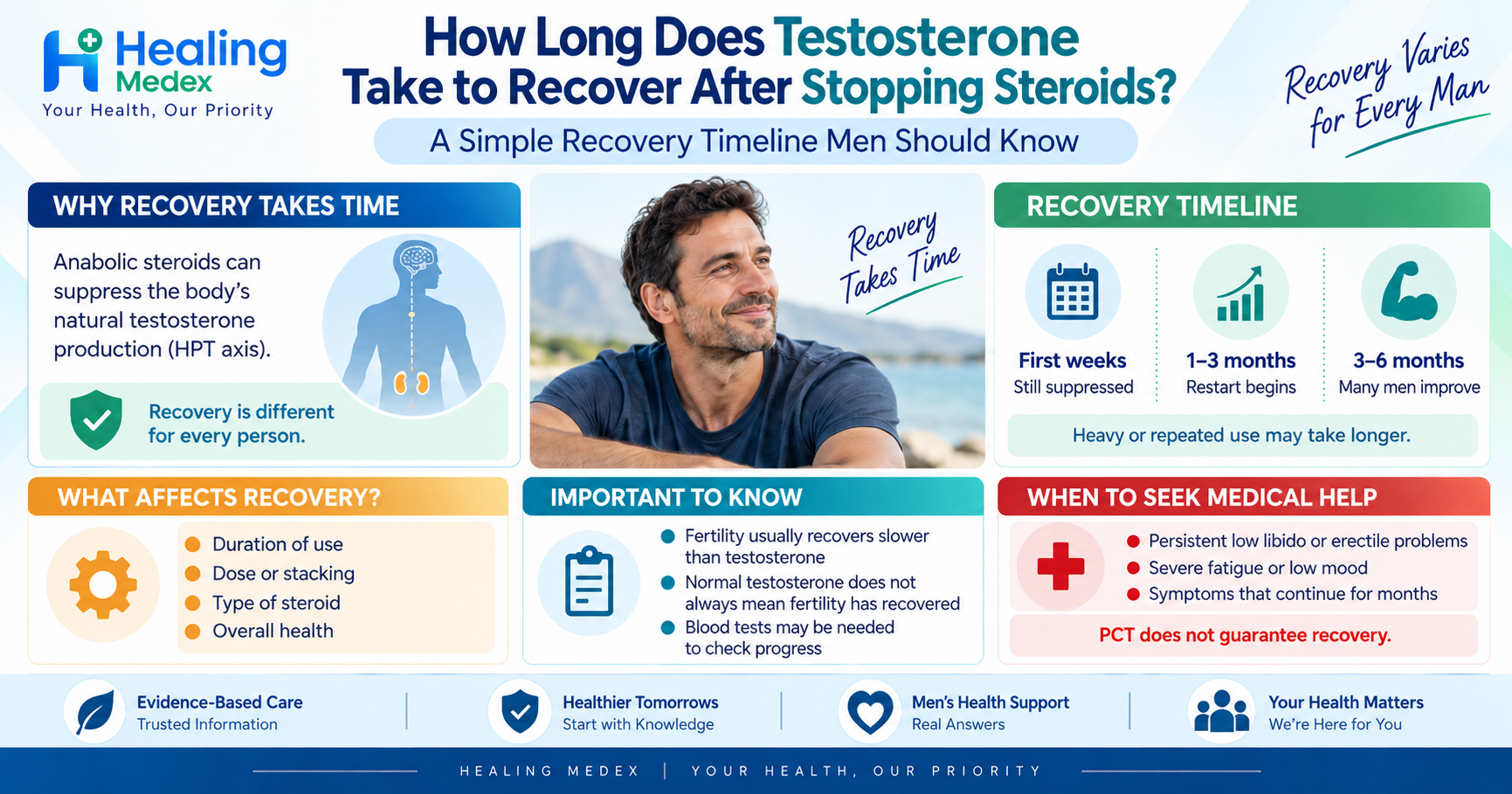
How Long Does Testosterone Take to Recover After Stopping Steroids?
Anabolic-androgenic steroids (AAS) can significantly increase androgen levels while they are being used. However, they can also suppress the body’s own testosterone production. After steroids are stopped, the hypothalamic-pituitary-testicular (HPT) axis needs time to restart normal signaling and testosterone production. For some men, this happens within a few months. For others — particularly after prolonged or repeated steroid use — recovery may take much longer. Research suggests that testosterone levels may recover within approximately 3–6 months in many men after stopping anabolic steroids , particularly following shorter periods of use. However, recovery is highly individual, and prolonged high-dose steroid use can lead to low testosterone lasting a year or longer. This article explains what happens to testosterone after stopping steroids, the typical recovery timeline, factors that can slow recovery, and when medical evaluation may be necessary. Why Do Steroids Lower Natural Testosterone? The body normally controls testosterone through the hypothalamic-pituitary-testicular axis . The hypothalamus signals the pituitary gland, which releases: Luteinizing hormone (LH) Follicle-stimulating hormone (FSH) LH stimulates the testicles to produce testosterone, while FSH plays an important role in sperm production. When anabolic steroids introduce large amounts of external androgens into the body, the brain detects that androgen levels are already high. It therefore reduces the signals responsible for natural testosterone production. As a result: Anabolic steroids → increased external androgens → reduced LH and FSH → reduced natural testosterone production During heavy steroid use, LH and FSH can become extremely low or even undetectable. Once steroids are stopped, these hormonal signals must gradually recover. How Long Does Testosterone Take to Recover After Steroids? There is no single recovery time that applies to everyone. A useful general timeline is: First Few Weeks After Stopping During the first several weeks, steroid hormones may still remain in the body, especially after long-acting injectable steroids. At the same time, natural testosterone production may remain suppressed. Some people experience symptoms such as: Fatigue Reduced motivation Low libido Erectile difficulties Mood changes Reduced training performance Loss of strength Difficulty maintaining muscle mass The Endocrine Society notes that withdrawal after prolonged high-dose AAS use can involve markedly suppressed endogenous testosterone together with sexual dysfunction, fatigue and depressed mood. Around 1–3 Months The pituitary gland may begin producing more LH and FSH, allowing the testicles to resume testosterone production. The prospective HAARLEM study , which followed 100 male amateur athletes, found that testosterone concentrations had normalized within approximately 3 months after stopping androgen use in most participants . However, individual responses varied considerably. Around 3–6 Months For many people who have not used anabolic steroids for prolonged periods, substantial hormonal recovery may occur during this period. A 2023 review of anabolic steroid-induced hypogonadism concluded that near-complete testosterone recovery over several months is likely , while LH and FSH recovery is generally expected within approximately 3–6 months. An earlier clinical review similarly reported that many men who had used AAS for less than one year recovered normal hypothalamic-pituitary-testicular function within several months after stopping. Around 6–12 Months People with heavier or repeated steroid exposure may require considerably longer. Some may have testosterone within the laboratory reference range but still have levels lower than their previous baseline. The recovery process can therefore involve more than simply obtaining one “normal” testosterone test. One Year or Longer Long-term or repeated high-dose AAS use increases concern for prolonged testosterone suppression. Clinical reports have documented men experiencing symptoms of hypogonadism and low testosterone for years after discontinuing prolonged high-dose anabolic steroid use. Therefore, someone who has used steroids repeatedly for several years should not assume that their recovery timeline will be the same as someone completing a single short cycle. What Factors Affect Testosterone Recovery? Recovery differs substantially between individuals. Several factors may influence the process. 1. Duration of Steroid Use Generally, longer exposure to anabolic steroids produces more prolonged suppression of the reproductive hormone system. Using steroids continuously or repeatedly for years may therefore produce a different recovery pattern from relatively short exposure. 2. Previous Steroid Cycles Repeated cycles can increase cumulative exposure. The HAARLEM researchers found that men who remained testosterone-deficient later in follow-up tended to have substantial previous androgen exposure. 3. Steroid Dose Anabolic steroid users may take androgen doses far above normal physiological testosterone production. Higher exposure may produce greater suppression, although research has not identified a simple dose-based formula that accurately predicts how long an individual will need to recover. 4. Type of Steroid Different anabolic steroids have different durations of action. Long-acting injectable esters may remain biologically active for considerably longer than shorter-acting preparations, which can delay the point at which natural hormonal signaling begins recovering. 5. Stacking Multiple Steroids Using several anabolic agents simultaneously can make hormonal suppression and subsequent recovery more complicated. 6. Age Hormonal recovery may differ with age and underlying testicular function. A younger person with healthy testosterone production before steroid use may experience a different recovery pattern from someone who already had borderline-low testosterone. 7. Testosterone Levels Before Steroid Use Pre-existing low testosterone can be important. Some individuals who develop persistently low testosterone after steroid cessation may have already had impaired gonadal function before their latest cycle. 8. Overall Health Sleep, obesity, metabolic health, medications, alcohol use, chronic illness and other medical conditions can also influence testosterone levels. Testosterone Recovery Is Not the Same as Fertility Recovery This distinction is extremely important. Blood testosterone can recover much earlier than sperm production. In the HAARLEM study, testosterone normalized within approximately three months in most participants, but recovery of sperm production took much longer — roughly one year on average . Another clinical review reported that recovery of sperm concentration after externally administered testosterone may take approximately 12–16 months , although recovery after real-world anabolic steroid use can vary substantially. Therefore: Normal testosterone does not automatically mean normal fertility. Men concerned about fertility may require semen testing in addition to hormone testing. What Are the Signs Testosterone Has Not Recovered? Persistent low testosterone after stopping steroids can cause symptoms such as: Low sexual desire Erectile difficulties Fatigue Reduced energy Poor motivation Depressed mood Difficulty concentrating Reduced muscle mass Loss of strength Increased body fat Reduced testicular size Fertility problems Symptoms alone cannot confirm low testosterone because many other medical conditions can cause similar problems. Blood testing is needed for proper evaluation. What Blood Tests May Be Checked? A healthcare professional evaluating testosterone suppression after steroid use may consider tests such as: Total testosterone LH FSH SHBG Estradiol Prolactin Depending on the individual’s symptoms and history, additional testing may also be appropriate. When fertility is a concern, semen analysis can provide important information that testosterone testing alone cannot. Does PCT Guarantee Faster Testosterone Recovery? No. Post-cycle therapy, commonly called PCT , often involves medications intended to stimulate hormonal recovery after anabolic steroid use. However, there is no guarantee that PCT will restore testosterone production , and evidence supporting many PCT practices used outside medical supervision remains limited. The HAARLEM study did not demonstrate a clear beneficial effect of commonly used PCT medications on recovery and emphasized that natural recovery itself can make uncontrolled observations difficult to interpret. Medications sometimes used in this setting can also have risks and should not be self-prescribed. Anyone experiencing persistent symptoms after stopping steroids should discuss them openly with a qualified healthcare professional rather than relying on an unverified PCT protocol. Can Testosterone Stay Low Permanently After Steroids? Most individuals recover at least substantially after stopping anabolic steroids , but persistent suppression is possible. The Endocrine Society notes that after prolonged use of highly supraphysiological doses, recovery of the HPT axis can take months or even years and may occasionally remain incomplete . Similarly, long-term AAS users have been reported to experience hypogonadal symptoms and low testosterone years after cessation. Persistent low testosterone does not automatically mean permanent damage. It does mean that proper medical investigation is warranted. When Should You See a Doctor? Consider medical evaluation if significant symptoms continue after stopping anabolic steroids, particularly symptoms such as: Persistent low libido Erectile dysfunction Severe fatigue Persistent depressed mood Significant loss of strength or muscle Testicular changes Difficulty conceiving Persistently low testosterone on blood testing Tell the healthcare professional about previous steroid use, including approximately how long the substances were used. Accurate information helps clinicians interpret hormone results correctly. Severe depression, suicidal thoughts or other major psychological symptoms during steroid withdrawal require urgent medical attention. How Long Does Full Recovery Take? A simplified estimate based on current evidence is: First weeks: Natural testosterone may remain strongly suppressed. 1–3 months: Hormonal signaling and testosterone commonly begin recovering. 3–6 months: Many shorter-term users experience substantial or near-complete testosterone recovery. 6–12 months: Recovery may continue, particularly after heavier or repeated steroid exposure. More than 12 months: Some long-term or high-dose users can remain hormonally suppressed and may require medical evaluation. Fertility: Sperm production usually takes longer to recover than blood testosterone and can require roughly a year or more. These ranges are estimates rather than deadlines. Individual recovery can be substantially faster or slower. Can You Speed Up Natural Testosterone Recovery? There is no universally proven method that guarantees rapid recovery after anabolic steroid use. Basic health measures may support normal hormonal function, including adequate sleep, appropriate nutrition, maintaining a healthy body weight, avoiding excessive alcohol, managing stress and allowing adequate recovery from training. However, these measures cannot necessarily reverse significant steroid-induced hypogonadism. Self-medicating with additional hormones or PCT drugs may complicate the hormonal picture and can carry additional risks. Medical testing is preferable when symptoms persist. The Bottom Line How long testosterone takes to recover after stopping steroids varies considerably from person to person. In many individuals — particularly those with normal hormonal function before shorter-term anabolic steroid exposure — testosterone may recover substantially within 3–6 months . Recovery can take 6–12 months or longer after repeated, prolonged or high-dose anabolic steroid use, and a minority of individuals can experience persistent testosterone suppression for years. It is also important to remember that testosterone recovery and fertility recovery are not the same thing . Testosterone can normalize months before sperm production fully recovers. If symptoms such as low libido, erectile dysfunction, fatigue, depressed mood or fertility problems persist after stopping anabolic steroids, appropriate hormone testing and medical evaluation can help determine whether the HPT axis is recovering normally. Frequently Asked Questions 1.How long does low testosterone last after steroids? For many shorter-term users, testosterone substantially recovers within several months. Longer or repeated steroid use may cause suppression lasting a year or longer. 2.Can testosterone recover naturally after steroids? Yes. Spontaneous recovery occurs in many people after anabolic steroids are discontinued, although the recovery time varies considerably. 3.Is three months enough for testosterone to recover? It can be for some individuals. In the HAARLEM study, most participants had normalized testosterone concentrations approximately three months after stopping androgen use. That result should not be interpreted as a guarantee for every steroid user. 4.Can steroids permanently lower testosterone? Persistent or incomplete recovery has been reported, particularly following prolonged exposure to high doses of anabolic steroids. 5.Does normal testosterone mean fertility has recovered? No. Sperm production generally recovers more slowly than testosterone and may take approximately a year or longer. 6.Should I use PCT after stopping steroids? PCT should not be assumed to guarantee recovery. Evidence for commonly used unsupervised PCT strategies remains limited, and medications used for PCT can have risks. Discuss persistent hormonal symptoms with a qualified healthcare professional.
 Dr. Marcus Vance, PharmD
Anabolic Steriod
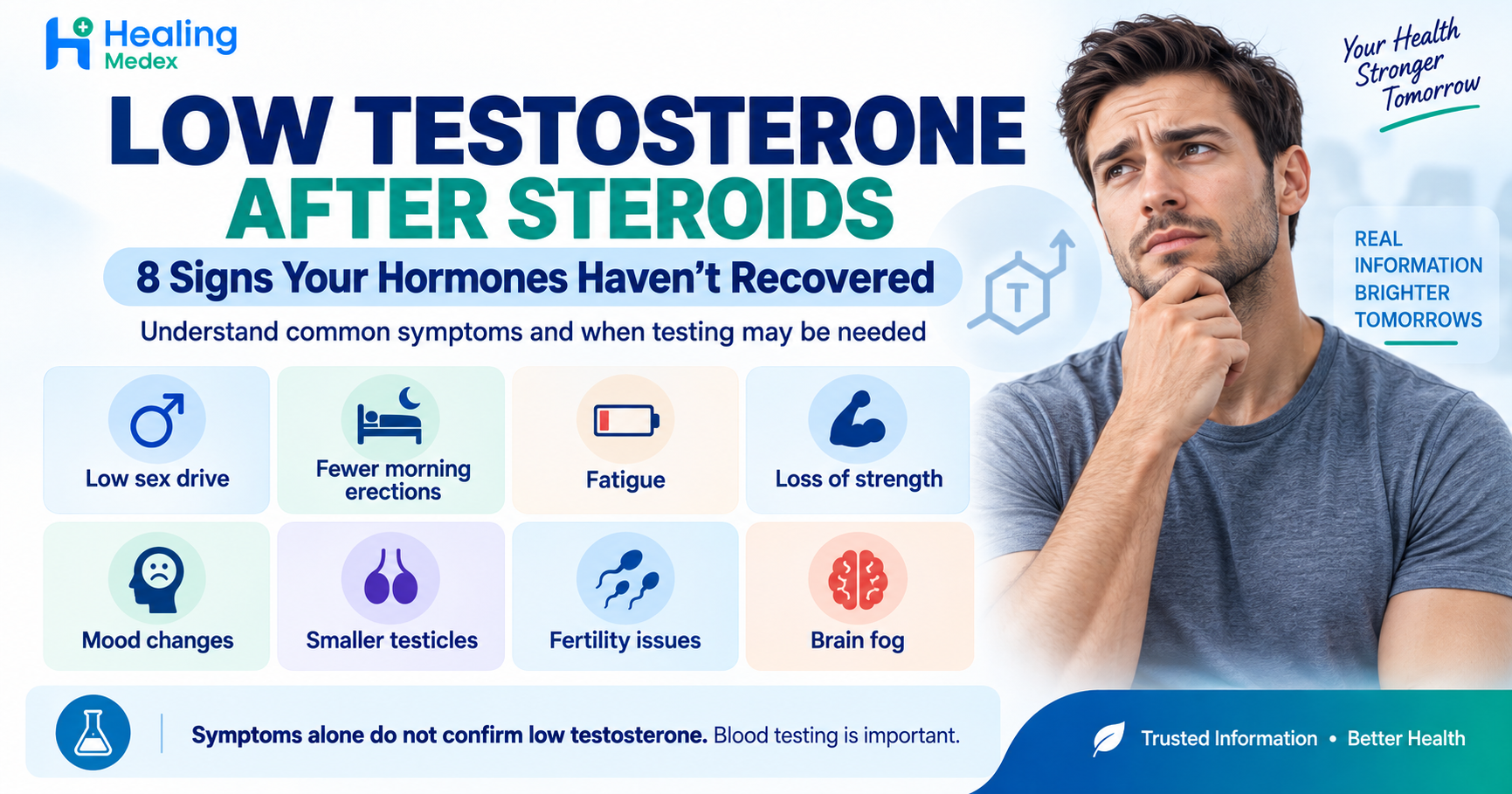
Low Testosterone After Steroids: 8 Signs Your Hormones Haven’t Recovered
Anabolic steroids can dramatically increase androgen levels while they are being used. However, these externally supplied hormones can also suppress the body's own testosterone production. After anabolic steroids are stopped, natural testosterone production does not necessarily return to normal immediately. Some men experience a period of anabolic steroid-induced hypogonadism (ASIH) , during which testosterone and the hormones controlling testosterone production remain suppressed. Recovery varies considerably from one person to another. Research suggests that testosterone may recover over several months in many former anabolic steroid users, while fertility, testicular size, and other aspects of reproductive function can take much longer. Some people may experience persistent symptoms. So how can you tell if your hormonal system may still be recovering? Here are 8 signs that may occur when testosterone production has not fully recovered after anabolic steroid use . Important: Symptoms alone cannot diagnose low testosterone. A diagnosis requires appropriate symptoms together with consistently low testosterone levels confirmed through medical testing. Why Can Testosterone Drop After Stopping Steroids? Natural testosterone production is controlled by the hypothalamic-pituitary-testicular (HPT) axis . Normally: The hypothalamus signals the pituitary gland. The pituitary releases luteinizing hormone (LH) and follicle-stimulating hormone (FSH). LH stimulates the testes to produce testosterone. FSH helps support sperm production. When someone takes anabolic-androgenic steroids, the body detects unusually high levels of androgen. In response, the brain reduces its hormonal signals to the testes. LH and FSH can fall, causing the testes to decrease their own testosterone and sperm production. After steroids are discontinued, the HPT axis needs time to restart. This recovery may occur gradually rather than immediately. 1. Your Sex Drive Is Much Lower Than Before A noticeable reduction in libido is one of the more recognizable symptoms associated with testosterone deficiency. Someone who had a strong sex drive while using anabolic steroids may experience a significant decline after stopping. This does not necessarily mean testosterone is permanently damaged. During steroid withdrawal, circulating androgen levels can fall significantly while natural hormone production is still recovering. You may notice: Less interest in sexual activity Fewer sexual thoughts Reduced sexual responsiveness A significant change from your normal libido Research on anabolic steroid -induced hypogonadism suggests that libido generally improves during recovery, although the timeframe varies considerably between individuals. 2. Morning Erections Have Decreased or Erectile Dysfunction Has Appeared Testosterone isn't the only factor involved in erections, but adequate androgen levels are important for normal sexual function. After stopping steroids, some men notice fewer spontaneous or morning erections. Others may experience erectile dysfunction (ED) , such as difficulty: Getting an erection Maintaining an erection Achieving the same erection quality they previously experienced Low testosterone is only one possible explanation for erectile dysfunction. Stress, anxiety, cardiovascular disease, medication, sleep problems, diabetes, and other hormonal problems can also contribute. Former anabolic steroid users experiencing persistent ED should therefore avoid assuming testosterone is automatically responsible. Both testosterone levels and other potential causes should be medically evaluated. 3. Persistent Fatigue and Low Energy Feeling unusually tired after stopping anabolic steroids can be another sign that the hormonal system has not yet stabilized. You might notice that normal activities require more effort or that your overall energy is significantly lower than it was previously. Possible symptoms include: Low daytime energy Feeling physically drained Reduced motivation to exercise Needing more recovery between workouts Difficulty maintaining normal activity levels Fatigue is not specific to testosterone deficiency. Poor sleep, overtraining, calorie restriction, depression, thyroid disorders, anemia, infections, and many other health conditions can cause similar symptoms. However, persistent fatigue combined with several other symptoms of testosterone deficiency warrants medical investigation. 4. You Are Losing Muscle or Strength Anabolic steroids increase androgen activity well beyond normal physiological levels, which can promote muscle growth and strength. After stopping steroids, some reduction in performance or muscle fullness should not automatically be interpreted as abnormal hormone recovery. However, persistently low testosterone may make maintaining muscle mass and strength more difficult. Possible changes include: Reduced strength Loss of muscle mass Slower workout recovery Reduced training performance Increased body fat There is an important distinction here. Not maintaining the extreme muscularity achieved while using supraphysiological doses of anabolic steroids does not necessarily mean someone has abnormally low testosterone. The goal of hormonal recovery is a return toward normal physiological function—not maintaining steroid-enhanced hormone levels. 5. Your Mood Has Changed Significantly The hormonal changes that occur after stopping anabolic steroids can also affect psychological well-being. Some former steroid users report: Low mood Irritability Anxiety Reduced motivation Loss of interest in activities Emotional instability Research examining anabolic steroid withdrawal has found depressive and anxious symptoms during the recovery period, although the severity and duration differ considerably between individuals. Mental-health symptoms should never automatically be attributed to testosterone. Severe depression, thoughts of self-harm, suicidal thoughts, extreme anxiety, or major behavioral changes require urgent professional medical or mental-health support. 6. Your Testicles Still Appear Smaller One effect of anabolic steroid use can be testicular atrophy , or shrinkage of the testes. This happens because externally supplied androgens suppress LH and FSH signals from the pituitary gland. With less hormonal stimulation, the testes reduce their own testosterone production. After stopping steroids, testicular size may gradually improve as the hormonal axis recovers. However, recovery can be slow. A review of anabolic steroid -induced hypogonadism found that testicular volume may recover over months to years , and recovery may not always be completely predictable. Persistent testicular changes should be discussed with a healthcare professional rather than being used as the sole measure of testosterone recovery. 7. Fertility Has Not Returned to Normal Anabolic steroids do not just suppress testosterone. They can also significantly suppress sperm production . When LH and FSH levels are reduced, intratesticular testosterone falls and spermatogenesis can decline dramatically. Some anabolic steroid users may temporarily develop very low sperm counts or even have no measurable sperm in semen. Fertility recovery often takes longer than improvements in blood testosterone. Research suggests sperm production can recover after anabolic steroid cessation, but recovery may take months or sometimes years , depending on factors such as previous steroid exposure and individual biology. Men who are trying to conceive should consider medical evaluation and semen analysis rather than assuming that a normal testosterone blood test automatically means fertility has returned. Exogenous testosterone can itself suppress sperm production, so men who are planning fertility should discuss treatment options carefully with a qualified clinician. The Endocrine Society advises against starting testosterone therapy in men planning fertility in the near term. 8. Poor Concentration, Motivation or Mental Clarity Continues Some people describe a period of reduced mental sharpness after stopping anabolic steroids. Possible complaints include: Difficulty concentrating Poor motivation Reduced productivity Problems focusing Feeling mentally sluggish Sleep disturbances These symptoms are sometimes described as "brain fog." They are not specific to testosterone deficiency and can occur for many reasons, including poor sleep, anxiety, depression, nutritional problems, stress, medication use, and other medical conditions. However, when these symptoms occur alongside low libido, sexual dysfunction, fatigue, testicular changes, and other features of androgen deficiency, hormone testing may be appropriate. How Long Does Testosterone Take to Recover After Steroids? There is no universal recovery timeline. A 2023 review of anabolic steroid -induced hypogonadism found that recovery varies considerably depending on the person's age, degree of androgen exposure, duration and pattern of steroid use, and other individual factors. Available research suggests that in many cases: LH and FSH: may recover over approximately several weeks to months, with recovery commonly occurring within roughly 3–6 months in available studies. Testosterone: often improves over several months, although recovery can be incomplete or take substantially longer in some individuals. Libido and sexual function: may gradually improve over several months. Sperm production: may take several months to years to completely recover. Testicular size: may take months or years to recover. These are general observations rather than deadlines. Men who used high doses, multiple anabolic steroids , or steroids for long periods may experience a different recovery pattern. Some research has documented persistent low testosterone and symptoms for considerably longer periods after prolonged anabolic steroid exposure. How Do You Know Whether Testosterone Has Actually Recovered? Symptoms can provide clues, but blood testing is necessary . The Endocrine Society recommends diagnosing male hypogonadism only when a man has compatible symptoms or signs together with consistently and unequivocally low testosterone levels. Testing may include: Total Testosterone Testosterone normally varies throughout the day. Current Endocrine Society guidance emphasizes confirming suspected hypogonadism using repeated early-morning testosterone measurements , rather than relying on a single test. LH Luteinizing hormone helps determine whether the pituitary gland is appropriately signaling the testes to produce testosterone. FSH FSH plays an important role in sperm production and provides additional information about pituitary and testicular function. The Endocrine Society recommends measuring LH and FSH in men with confirmed hypogonadism to help distinguish primary testicular dysfunction from secondary hypothalamic or pituitary causes. Depending on symptoms and clinical history, a healthcare professional may also consider additional tests such as free testosterone, prolactin, estradiol, thyroid function, blood counts, or semen analysis. Can You Tell Testosterone Recovery From Symptoms Alone? No. Symptoms such as fatigue, low libido, erectile dysfunction , low mood, and poor concentration occur in numerous medical conditions. Similarly, feeling physically strong or having a normal sex drive does not guarantee that testosterone, LH, FSH, and sperm production have completely recovered. Laboratory testing combined with medical assessment provides a much more reliable picture. Should You Use PCT to Restore Testosterone? Some anabolic steroid users use medications commonly referred to as post-cycle therapy (PCT) in an attempt to restart natural testosterone production. However, recovery after anabolic steroid use is highly variable, and there is no self-directed PCT protocol that can guarantee recovery. Medications sometimes used in this context can have adverse effects and may not be appropriate for everyone. Persistent symptoms after steroid cessation should therefore be evaluated by an endocrinologist, urologist, or another clinician experienced in male reproductive hormones instead of relying on unsupervised hormone manipulation. When Should You See a Doctor? Consider seeking medical evaluation if symptoms remain persistent or significantly affect your health after stopping anabolic steroids. Medical attention is particularly important if you experience: Persistent loss of libido Erectile dysfunction Significant fatigue Reduced testicular size Difficulty conceiving Persistent low mood or anxiety Significant loss of strength or muscle Symptoms lasting longer than expected Previous prolonged or high-dose anabolic steroid use Tell your healthcare professional about any anabolic steroids, testosterone, hormones, supplements, or PCT medications you have used. Providing accurate information can help them interpret hormone tests correctly and recommend appropriate follow-up. The Bottom Line Anabolic steroid use can suppress the body's natural testosterone-producing system. After steroids are stopped, the hypothalamic-pituitary-testicular axis may require weeks or months to restart, while fertility and testicular recovery may take substantially longer. Eight possible signs that hormones may not have fully recovered include: Reduced sex drive Fewer morning erections or erectile dysfunction Persistent fatigue and low energy Loss of muscle or strength Depression, anxiety, irritability, or low motivation Persistent reduction in testicular size Reduced fertility or sperm production Difficulty concentrating or persistent mental sluggishness However, none of these symptoms proves that testosterone remains low. The most reliable way to determine whether your hormones have recovered is through an appropriate medical evaluation with repeated morning testosterone testing and, when indicated, LH, FSH and other laboratory tests. Hormonal recovery after anabolic steroid use is highly individual. Avoid comparing your recovery timeline with someone else's or attempting to correct persistent symptoms with additional steroids or unsupervised hormonal medications. If symptoms continue, proper testing and medical supervision can identify whether testosterone is still suppressed and whether another condition could be responsible.
Dr. Marcus Vance, PharmD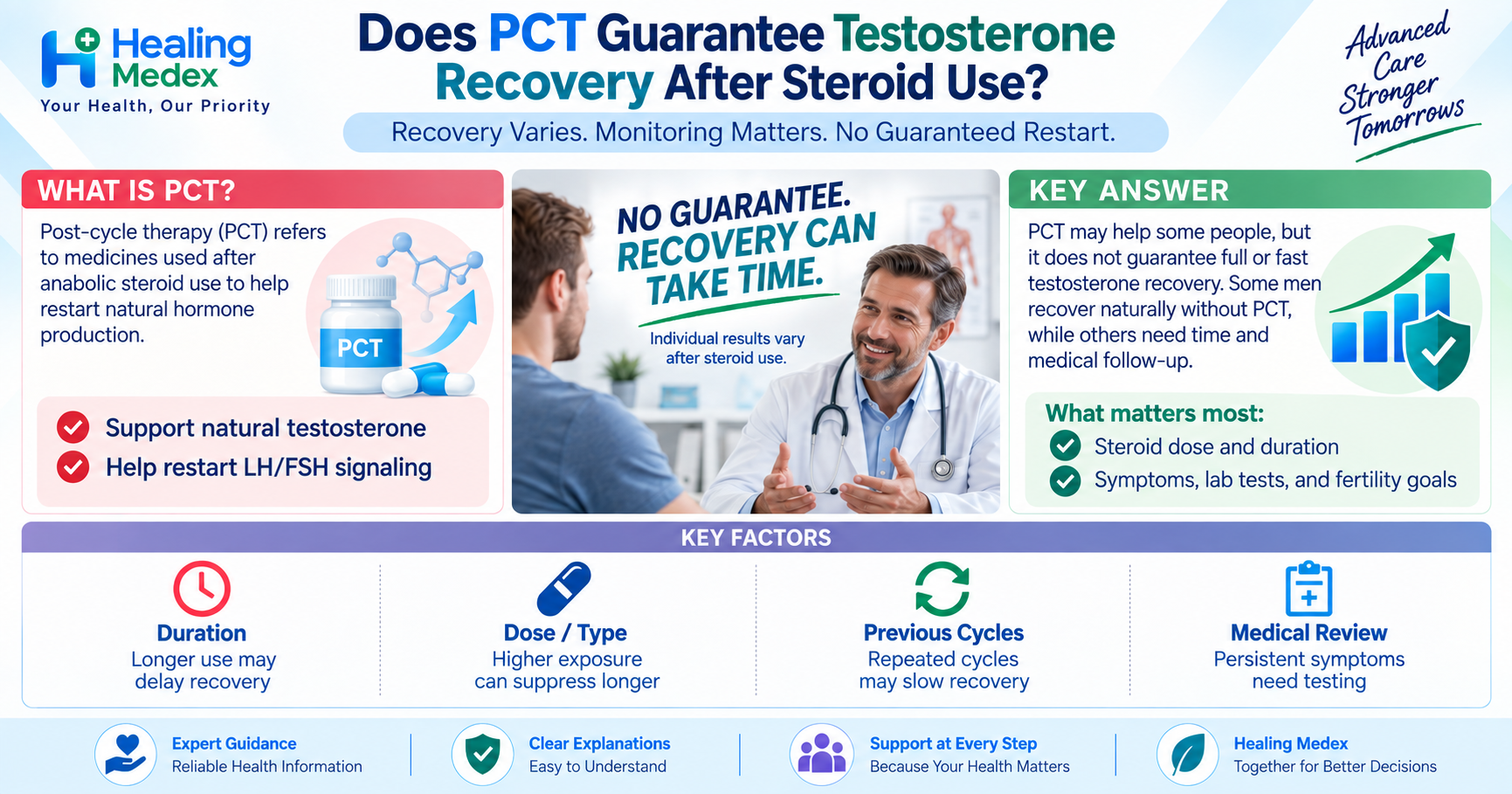
Anabolic Steriod
Does PCT Guarantee Testosterone Recovery After Steroid Use?
Post-cycle therapy, commonly called PCT , is frequently discussed among people who stop using anabolic-androgenic steroids (AAS) . The idea behind PCT is to help the body restart its natural production of testosterone after steroids have suppressed the hormonal system. But an important question remains: Does PCT guarantee that natural testosterone levels will fully recover? The short answer is no . PCT does not guarantee testosterone recovery. Some research suggests that certain medically used hormonal treatments may be associated with faster hormonal recovery in selected men. However, recovery varies considerably from person to person, spontaneous recovery is common, and there is currently no universally accepted or evidence-based PCT protocol that guarantees restoration of normal testosterone production after anabolic steroid use. Why Can Testosterone Drop After Steroid Use? The body normally regulates testosterone through the hypothalamic-pituitary-gonadal (HPG) axis . The process involves signals between the: Hypothalamus Pituitary gland Testicles The pituitary releases luteinizing hormone (LH) and follicle-stimulating hormone (FSH) . LH stimulates testosterone production, while FSH plays an important role in sperm production. When large amounts of testosterone or other anabolic-androgenic steroids enter the body from an external source, the brain detects high androgen levels. It responds by reducing signals to the testicles. As a result: LH and FSH decrease → natural testosterone production falls → sperm production may decrease → the testicles may shrink. After steroids are stopped, the HPG axis needs time to begin functioning normally again. Research confirms that exogenous anabolic steroids can suppress both natural testosterone production and spermatogenesis. What Is Post-Cycle Therapy? Post-cycle therapy refers to the use of medications after stopping anabolic steroids with the aim of helping restore normal hormonal function. Drugs sometimes associated with PCT include: Selective estrogen receptor modulators (SERMs) Human chorionic gonadotropin (hCG) Aromatase inhibitors These medications affect hormones in different ways and may influence testosterone, LH, FSH or estrogen levels. However, PCT is not one standardized medical treatment . Different users may take completely different combinations, durations and doses. A 2026 review noted that while PCT is widely used after androgen abuse, evidence supporting it remains limited. Most evidence comes from observational studies rather than large randomized controlled trials. Does PCT Guarantee Testosterone Recovery? No. PCT cannot guarantee testosterone recovery. Testosterone recovery depends on many factors beyond whether someone uses PCT. One retrospective study involving men who had stopped anabolic steroids found that only 48.2% had normalization of testosterone, LH and FSH at the time they were evaluated. PCT use was associated with faster biochemical recovery shortly after steroid cessation, but the researchers emphasized that PCT remains poorly defined and that further research is required. More recent research has also suggested that medically supervised hormonal treatments may accelerate recovery in some short-term steroid users. However, spontaneous recovery also occurred, and researchers stressed the need for prospective randomized trials before standardized treatment protocols can be established. Therefore: PCT may influence recovery in some individuals, but it cannot promise that testosterone will return to normal—or determine exactly how quickly recovery will occur. Why Does Testosterone Recovery Differ Between People? Several factors can influence how quickly the hormonal system recovers. 1. Duration of Steroid Use Someone who used anabolic steroids for a relatively short period may recover differently from someone who has used steroids repeatedly for several years. Long-term exposure can cause more prolonged suppression of the HPG axis. Research has found that men with shorter periods of steroid exposure generally have a better chance of faster hormonal recovery than long-term users. 2. Number of Steroids Used Using multiple anabolic steroids simultaneously may cause greater endocrine suppression. One study found that hormonal recovery became less likely as the number of anabolic steroids used increased. 3. Type and Dose of Steroids Different anabolic steroids have different potencies, half-lives and effects on the hormonal system. High-dose or long-acting compounds may produce prolonged suppression even after the final dose. 4. Previous Steroid Cycles Repeated cycles may expose the HPG axis to repeated periods of suppression and recovery. The effects can therefore differ significantly from those experienced after a single short exposure. 5. Age Age can influence natural testosterone production and reproductive function. A review of anabolic-steroid -induced hypogonadism concluded that recovery appears to depend partly on age and the extent of previous androgen exposure. 6. Individual Hormonal Health Some people may already have an underlying hormonal or reproductive condition that becomes apparent after steroid use stops. Persistently low testosterone should therefore not automatically be assumed to be caused entirely by steroids. How Long Can Testosterone Recovery Take After Steroids? There is no exact recovery timeline that applies to everyone. A major clinical review reported that many men who had used anabolic steroids for less than approximately one year recovered normal HPG-axis function within several months after stopping, although recovery was not universal. Longer-term users may experience suppressed testosterone for considerably longer. A separate review found that: Gonadotropins such as LH and FSH may recover over approximately 3–6 months Testosterone often recovers over several months Sperm production may take months to years Testicular size can take months to years to recover Individual variation remains substantial. This means someone should not assume that testosterone has permanently failed to recover simply because levels remain low several weeks after stopping steroids. At the same time, persistent symptoms or abnormal laboratory results deserve medical evaluation. Can Testosterone Recover Without PCT? Yes. Natural hormonal recovery can occur after anabolic steroids are discontinued. A recent clinical review noted that most men gradually recover without pharmacological intervention and recommended structured monitoring and supportive care rather than routine hormonal stimulation for everyone stopping anabolic steroids . This is another reason PCT should not be viewed as mandatory or as a guaranteed solution. The appropriate approach depends on symptoms, hormone measurements, duration of steroid exposure, fertility goals and other medical factors. Signs Testosterone May Still Be Low After Steroid Use During hormonal recovery, some men may experience symptoms associated with low testosterone or steroid withdrawal. Possible symptoms include: Reduced sex drive Erectile difficulties Fatigue Low energy Reduced motivation Loss of muscle mass Reduced strength Mood changes Depression or anxiety Difficulty concentrating Reduced sperm production or infertility Withdrawal symptoms can also include sleep problems, restlessness and steroid cravings. Depression can occasionally become severe and requires prompt medical attention. Symptoms alone cannot confirm low testosterone because many other medical and psychological conditions can cause similar problems. How Is Testosterone Recovery Checked? Hormonal recovery should ideally be assessed using appropriate blood testing rather than symptoms alone. Depending on the individual situation, a healthcare professional may evaluate: Total testosterone This measures the amount of testosterone circulating in the blood. LH LH can provide information about whether the pituitary gland is signaling the testicles to produce testosterone. FSH FSH is particularly important when evaluating sperm production and fertility. Additional tests may sometimes include: SHBG Estradiol Prolactin Complete blood count Liver function Kidney function Lipid profile Men concerned about fertility may also require a semen analysis . Testing should be interpreted by a healthcare professional because hormone values can change depending on timing, medications and recent steroid exposure. What About Fertility After Steroids? Testosterone recovery and fertility recovery are not necessarily the same thing. Even after blood testosterone begins returning toward normal, sperm production may take considerably longer to recover. The American Urological Association and American Society for Reproductive Medicine note that external testosterone suppresses gonadotropins and can substantially reduce or completely stop sperm production. Recovery after stopping testosterone can take months and occasionally years . Men hoping to conceive should therefore discuss previous steroid or testosterone use with a doctor, endocrinologist, urologist or fertility specialist. Starting testosterone replacement therapy without considering fertility goals may also be problematic because external testosterone can suppress sperm production further. Is Self-Administered PCT Safe? Not necessarily. Drugs frequently used for PCT affect powerful hormonal pathways and may cause side effects or complications. Problems can include inappropriate estrogen suppression, changes in sexual function and other medication-specific adverse effects. The Endocrine Society has specifically cautioned that self-medicating with PCT is not recommended and may be hazardous , particularly when medications come from unregulated or illicit sources. Taking more medications or combining several hormonal drugs also does not necessarily mean testosterone will recover faster. Ideally, persistent symptoms after steroid cessation should be evaluated medically rather than treated using an internet-based PCT protocol. When Should You Speak With a Doctor? Medical evaluation is particularly important when someone experiences: Persistent symptoms of low testosterone Severe fatigue or weakness Persistent erectile difficulties Very low sexual desire Testicular shrinkage Infertility Breast enlargement Significant depression or anxiety Symptoms that continue for several months after stopping steroids Anyone experiencing severe depression, suicidal thoughts or thoughts of self-harm should seek urgent medical care. A healthcare professional can determine whether symptoms are related to steroid withdrawal, persistent hypogonadism or another health condition. Can Low Testosterone Become Long Lasting? For many people, hormonal function improves after steroids are discontinued. However, recovery is not always rapid or complete. Studies have documented prolonged impairment of testicular function in some former anabolic steroid users, and long-term or heavy steroid exposure may increase the likelihood of delayed recovery. Persistently abnormal testosterone should therefore be investigated rather than assuming another PCT cycle is required. The Bottom Line PCT does not guarantee testosterone recovery after anabolic steroid use. Some studies suggest that certain medically used hormonal therapies may accelerate biochemical or fertility recovery in selected individuals, especially shortly after steroid cessation. However, the evidence remains limited, PCT protocols are not standardized, and spontaneous recovery occurs in many men. Recovery may take several months and, particularly for sperm production or after prolonged steroid exposure, sometimes considerably longer. Factors such as the duration of steroid use, number and type of steroids used, age, previous cycles and underlying hormonal health can all influence recovery. Rather than relying on an unsupervised PCT protocol, people experiencing persistent symptoms should consider medical evaluation with appropriate hormone testing. Frequently Asked Questions 1. Does everyone need PCT after steroids? No. There is currently no evidence-based recommendation that everyone who stops anabolic steroids requires PCT. Many people experience spontaneous hormonal recovery. 2. Can PCT restart natural testosterone? Certain medications can stimulate parts of the reproductive hormonal system and may increase testosterone in appropriately selected patients. However, this does not guarantee complete or permanent recovery. 3. How long does low testosterone last after steroids? It varies considerably. Testosterone may improve over several months, while some long-term users can remain suppressed for much longer. 4. Can natural testosterone recover without medication? Yes. Spontaneous recovery occurs in many men after anabolic steroids are stopped. 5. Can fertility take longer to recover than testosterone? Yes. Sperm production frequently takes longer to recover than circulating testosterone levels and may require many months or occasionally years. 6. Should I start testosterone replacement therapy if testosterone is low after a steroid cycle? Not automatically. Exogenous testosterone can continue suppressing LH, FSH and sperm production. Persistent low testosterone should first be evaluated by a qualified healthcare professional, particularly when future fertility is important.
Dr. Marcus Vance, PharmD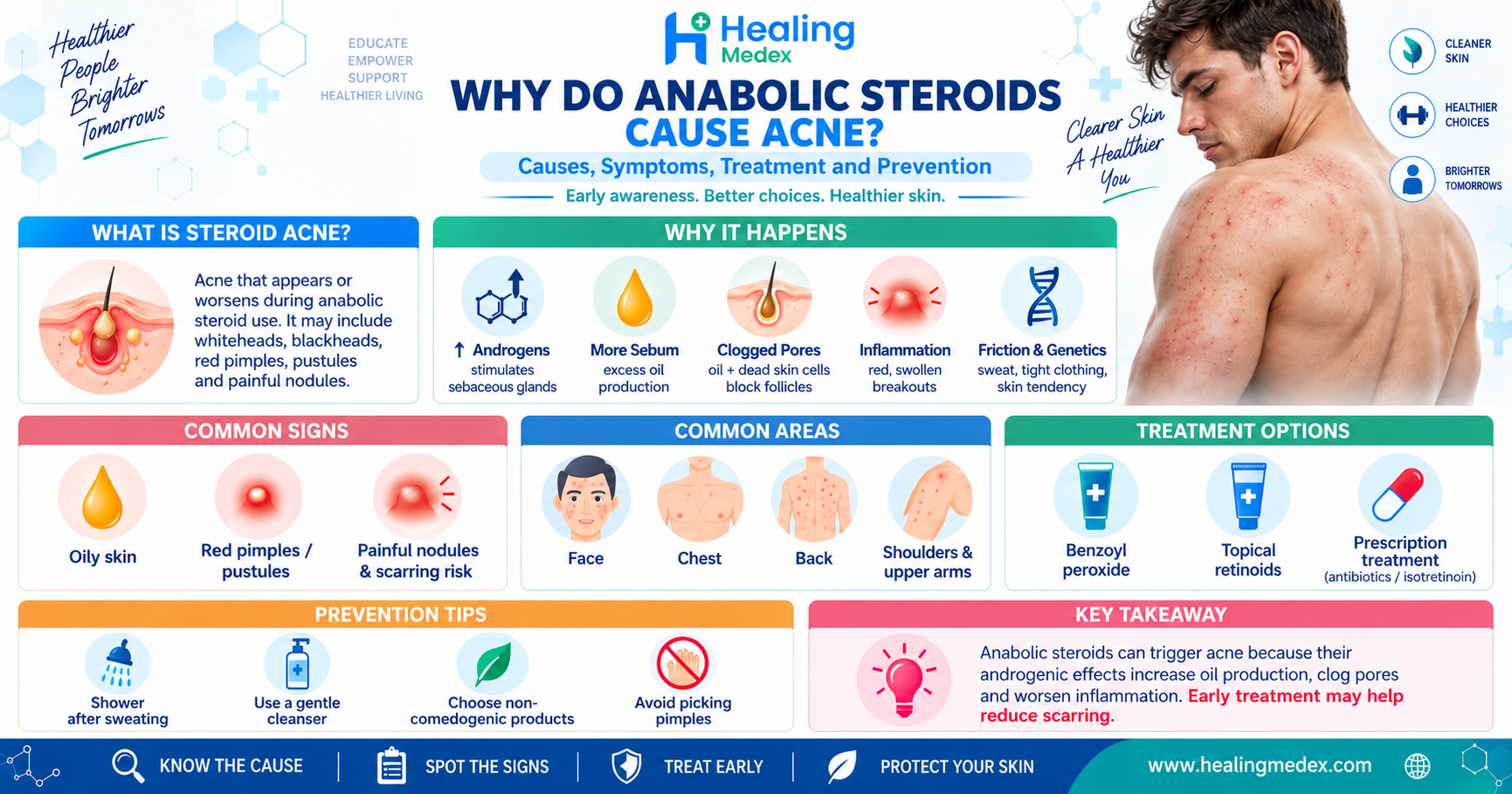
Anabolic Steriod
Why Do Anabolic Steroids Cause Acne?
Anabolic steroids are synthetic substances related to testosterone. Although certain anabolic-androgenic steroids have legitimate medical uses, they are also sometimes used without medical supervision to increase muscle mass, strength, or physical performance. One of the most noticeable skin problems associated with anabolic steroid use is acne . Breakouts may appear on the face, shoulders, chest, upper arms, and especially the back. But why does this happen? The main reason is that anabolic steroids increase androgenic activity in the body . Androgens can stimulate the skin's sebaceous glands, increasing oil production and creating conditions that make blocked pores and inflammation more likely. Testosterone and anabolic steroids such as nandrolone and stanozolol are recognized as potential causes or aggravators of severe acne. What Is Anabolic Steroid Acne? Anabolic steroid acne is acne that develops or becomes worse during exposure to anabolic-androgenic steroids. It may resemble ordinary acne vulgaris, with: Whiteheads Blackheads Red pimples Pustules Painful nodules Deep cyst-like lesions In some people, the breakout can become extensive and severe. DermNet notes that anabolic steroids can cause severe forms of acne, including acne conglobata and acne fulminans in some cases. Why Do Anabolic Steroids Cause Acne? 1. They Increase Androgen Activity Androgens such as testosterone have a strong influence on the skin. When androgen activity increases, the sebaceous glands can become more active. These glands produce sebum , the oily substance that helps protect the skin. Higher androgen levels can increase both the size and activity of oil-producing glands. The American Academy of Dermatology explains that androgens stimulate sebaceous glands to make more oil, which can contribute to clogged pores and acne. Anabolic steroids can therefore create an unusually strong androgenic environment, particularly when used at doses outside medical supervision. 2. The Skin Produces More Sebum Sebum is necessary for healthy skin, but too much can become a problem. Excess oil can mix with dead skin cells inside hair follicles. This mixture can block the opening of a follicle and create a clogged pore. Depending on whether the pore remains open or closed, this may lead to: Blackheads Whiteheads Inflamed pimples The increase in testosterone-related androgen activity has also been associated with increased sebum production and acne development. 3. Pores Become More Easily Blocked Acne does not occur simply because the skin is oily. The structure of the hair follicle also matters. When excess sebum combines with accumulated skin cells, the follicle can become blocked. Once this happens, inflammation and acne-causing microorganisms can contribute to the development of visible pimples. This is why simply washing oily skin more aggressively does not necessarily solve steroid-related acne. In fact, excessive scrubbing can irritate the skin and potentially make inflammation worse. 4. Inflammation Can Increase Acne is an inflammatory skin condition. Increased androgen activity can contribute not only to oil production but also to inflammatory changes in acne-prone skin. The result may be larger, redder, and more painful pimples. In severe cases, deep inflammatory nodules may develop beneath the surface of the skin. These lesions are particularly important because severe inflammatory acne has a greater risk of causing permanent acne scars . 5. Existing Acne May Become Worse People who already have oily or acne-prone skin may notice that breakouts become much worse after anabolic steroid exposure. Someone who previously experienced only occasional pimples may suddenly develop acne across the: Back Chest Shoulders Face Upper arms Drug-induced acne can aggravate an existing tendency toward acne rather than always causing an entirely new condition. 6. Genetics Can Influence the Risk Not everyone exposed to anabolic steroids develops acne to the same degree. Genetics may partly explain the difference. The American Academy of Dermatology notes that having close relatives with severe acne may increase a person's risk of developing significant acne themselves. Someone who is already genetically prone to acne may therefore experience more noticeable breakouts when androgen activity rises. 7. Sweating and Friction May Make Breakouts Worse People using anabolic steroids for bodybuilding or athletic purposes may also perform frequent high-intensity workouts. Heavy sweating itself is not the underlying cause of steroid acne, but sweat combined with: Tight workout clothing Backpacks Protective equipment Friction Occlusive clothing can irritate acne-prone skin. For someone already producing excess sebum because of elevated androgen activity, these factors may make body acne more difficult to manage. Where Does Steroid-Related Acne Usually Appear? Acne associated with anabolic steroids often affects areas containing many sebaceous glands. Common locations include: Back The back is one of the most frequent areas affected. Breakouts may spread across the upper and middle back and can occasionally become nodular or cystic. Shoulders Shoulder acne is particularly common in people who sweat heavily or wear tight athletic clothing. Chest Inflammatory pimples and pustules can develop across the upper chest. Face The forehead, cheeks, jawline, and chin may also become more oily and acne-prone. Upper Arms Some people develop clusters of small inflammatory spots across the upper arms. DermNet notes that steroid-related acne may occur on areas including the chest, face, neck, back, and arms . What Does Anabolic Steroid Acne Look Like? Steroid-associated breakouts can vary considerably. Mild cases may involve: Oily skin Small whiteheads Blackheads Occasional pimples Moderate cases may involve: Numerous red pimples Pustules Widespread chest or back acne Tender inflammatory lesions Severe cases may involve: Deep nodules Large painful lesions Cyst-like breakouts Widespread inflammation Scarring Drug-related acne eruptions can sometimes appear more uniform than ordinary acne, meaning many spots may look similar in size and appearance. Can Anabolic Steroid Acne Cause Scarring? Yes. Severe inflammatory acne can damage deeper layers of skin. As the inflammation heals, it may leave: Depressed scars Raised scars Persistent red marks Dark pigmentation Picking or squeezing pimples may further increase the risk of scarring. Anyone developing painful nodules, cyst-like lesions, or rapidly worsening acne should consider seeing a dermatologist early rather than waiting for permanent scars to appear. Does Steroid Acne Go Away After Stopping Anabolic Steroids? Acne may improve when the hormonal trigger is removed, but improvement does not necessarily occur immediately. Sebaceous gland activity, inflammation, existing blocked pores, and individual skin sensitivity can all affect how quickly the skin improves. Some people may continue experiencing acne for a period after anabolic steroids have been discontinued. If anabolic steroids have been medically prescribed, do not stop or change treatment without discussing it with the prescribing healthcare professional . For nonmedical anabolic steroid use, discussing the situation openly with a healthcare professional can help identify both skin-related and other potential health complications. How Is Anabolic Steroid Acne Treated? Treatment depends on the severity and type of acne. Benzoyl Peroxide Benzoyl peroxide helps reduce acne-associated bacteria on the skin and is commonly used as part of acne treatment. It may be particularly useful for inflammatory pimples and is often combined with other treatments. Topical Retinoids Topical retinoids such as adapalene help prevent pores from becoming blocked. They can treat: Blackheads Whiteheads Some inflammatory pimples Retinoids are also frequently used to help maintain clearer skin after acne improves. Antibiotic Treatment Moderate or severe inflammatory acne may sometimes require topical or oral antibiotics prescribed by a healthcare professional. When topical antibiotics are used for acne, dermatology guidelines commonly pair them with benzoyl peroxide to help reduce the development of antibiotic resistance. Isotretinoin Severe, persistent, nodular, or scarring acne may require treatment with oral isotretinoin. Isotretinoin is a prescription medicine that requires medical supervision because it can have important adverse effects and requires specific precautions. DermNet notes that severe steroid-associated acne may sometimes be treated with oral isotretinoin. How Can You Reduce the Risk of Steroid-Related Acne? Although acne cannot always be prevented, several skin-care measures may help reduce additional irritation and clogged pores. Shower After Sweating Change out of sweaty workout clothes and shower after exercise when practical. Use a Gentle Cleanser Clean acne-prone areas gently rather than repeatedly scrubbing them. Harsh scrubbing does not remove the hormonal cause of acne and may irritate inflamed skin. Choose Non-Comedogenic Products Look for products labelled: Non-comedogenic Non-acnegenic Oil-free Won't clog pores The American Academy of Dermatology recommends these types of skin-care products for acne-prone skin. Avoid Picking Pimples Squeezing acne lesions increases inflammation and may contribute to permanent scarring. Reduce Friction Loose, breathable workout clothing may help reduce friction against acne-prone areas such as the chest, shoulders, and back. When Should You See a Dermatologist? Consider seeking medical advice if acne: Becomes widespread Causes painful lumps or nodules Begins leaving scars Does not improve with appropriate over-the-counter treatment Suddenly becomes much worse Significantly affects confidence or quality of life Early treatment is especially important when deep inflammatory lesions are appearing because preventing scars is generally easier than treating established acne scars. Frequently Asked Questions 1. Do all anabolic steroids cause acne? Not everyone who uses an anabolic steroid develops acne, and the severity varies between individuals. Risk can be influenced by the specific substance, androgenic activity, exposure, genetics, previous acne history, and skin type. 2. Why do anabolic steroids cause back acne? The back contains many sebaceous glands. When androgen activity increases oil production, the back may become especially susceptible to clogged pores and inflammatory acne. Sweat, tight clothing, and exercise-related friction may further irritate the area. 3. Can steroid acne appear suddenly? Yes. Some people notice a rapid increase in oily skin and inflammatory breakouts after hormonal changes. Drug-related acne can sometimes produce many similar-looking lesions over the chest and back. 4. Can anabolic steroid acne be prevented completely? Not always. Because the underlying trigger is hormonal, skin care alone cannot guarantee prevention. However, appropriate acne treatment, gentle cleansing, non-comedogenic products, and early dermatology care can help control breakouts and reduce the risk of scarring. 5. Is steroid acne permanent? Usually not, but severe acne can leave permanent scars. How long active acne continues varies depending on ongoing hormonal exposure, individual susceptibility, and whether effective treatment is used. The Bottom Line Anabolic steroids can cause acne primarily because their androgenic effects stimulate the skin's sebaceous glands . More androgen activity can mean more sebum. Excess sebum can combine with dead skin cells to clog hair follicles, while increased inflammation can turn those clogged pores into red, painful pimples. For some people, anabolic steroids can therefore trigger significant acne across the back, shoulders, chest, face, and upper arms , and severe cases can cause permanent scarring. Mild acne may respond to appropriate skin care and topical treatments, but painful, widespread, nodular, or scarring acne should be evaluated by a healthcare professional or dermatologist.
Dr. Marcus Vance, PharmD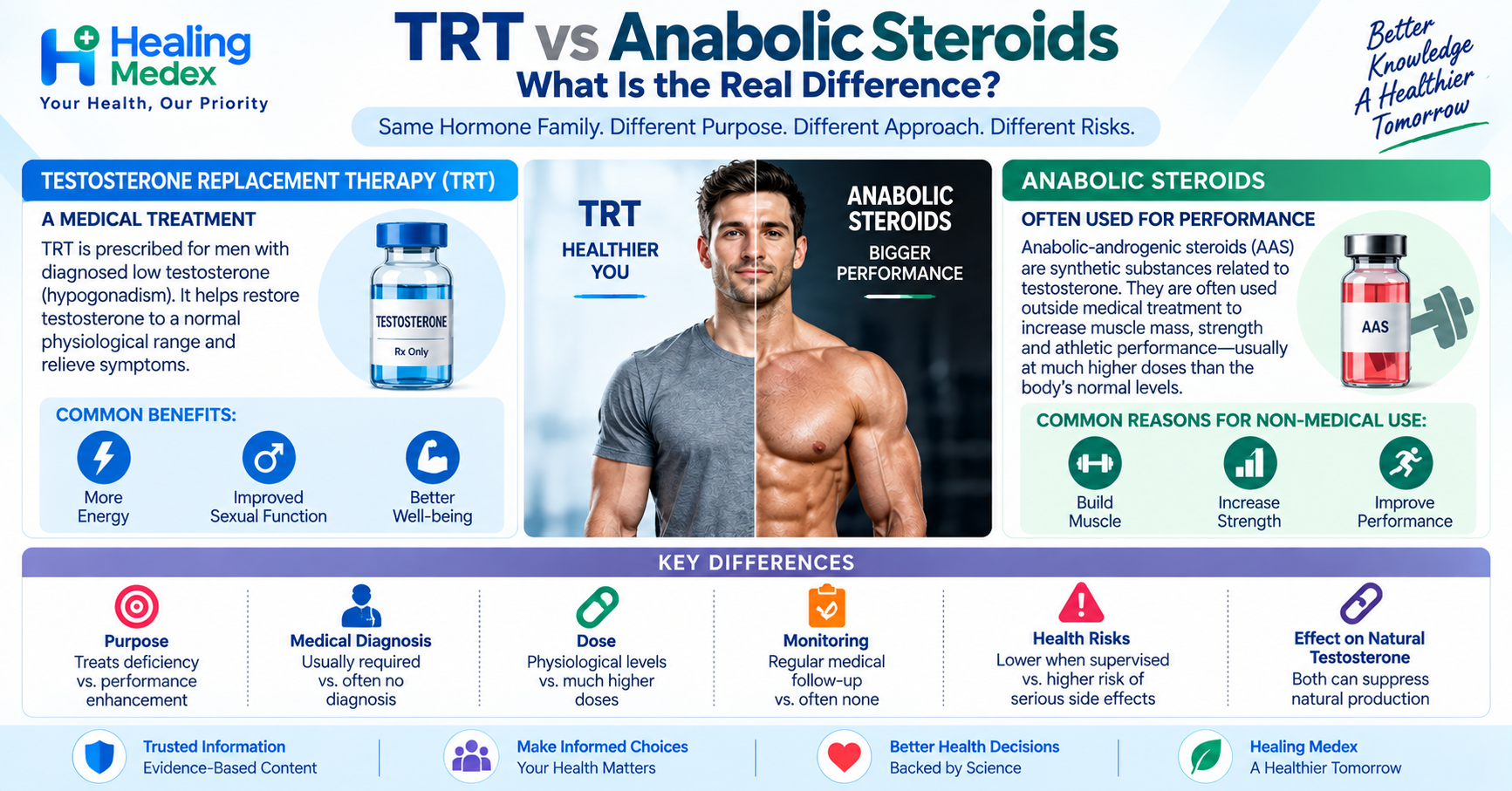
Anabolic Steriod
TRT vs Anabolic Steroids: What Is the Real Difference?
Testosterone replacement therapy (TRT) and anabolic steroids are often discussed as though they are completely different substances. In reality, the distinction is more nuanced. Testosterone used for TRT is itself an anabolic-androgenic steroid. The major differences are usually why it is being used, the dose and hormone levels being targeted, whether treatment is medically indicated, and how closely the person is monitored. TRT is a medical treatment intended to restore testosterone to an appropriate physiological range in people with properly diagnosed testosterone deficiency. In contrast, the term “anabolic steroid use” commonly refers to taking testosterone or other anabolic-androgenic steroids primarily to increase muscle mass, strength or athletic performance—often at doses that produce hormone levels above the normal physiological range. Understanding this distinction is important because the potential benefits, risks and medical supervision can be very different. What Is Testosterone Replacement Therapy (TRT)? Testosterone replacement therapy is treatment with testosterone for people who have clinically confirmed testosterone deficiency, also called hypogonadism . The Endocrine Society recommends diagnosing hypogonadism when a person has both: Symptoms or signs consistent with testosterone deficiency Consistently and unequivocally low testosterone levels on appropriate blood testing Testing generally requires repeat early-morning testosterone measurements rather than making a diagnosis from symptoms alone. Possible symptoms of testosterone deficiency can include: Reduced sexual desire Erectile difficulties in some men Reduced energy Loss of muscle mass Reduced body or facial hair Lower bone density Changes in mood or concentration Infertility However, these symptoms are not specific to low testosterone and may result from many other medical or lifestyle factors. What Is the Goal of TRT? The aim of TRT is generally to replace testosterone that the body is not producing adequately , rather than to push testosterone far above the normal range. The American Urological Association has recommended using the minimum testosterone dose needed to reach an appropriate physiological range while improving symptoms. TRT may be available in several forms, including: Testosterone injections Testosterone gels Transdermal patches Certain oral formulations Other approved testosterone delivery systems The exact treatment depends on the patient's diagnosis, medical history, preferences and response. What Are Anabolic Steroids? Anabolic-androgenic steroids (AAS) are synthetic or pharmaceutical substances related to testosterone. They have two major types of effects: Anabolic effects: promoting protein synthesis, muscle growth and recovery. Androgenic effects: producing or maintaining male sexual characteristics. Some anabolic steroids have legitimate medical applications. However, outside medical treatment, anabolic steroids are often used in bodybuilding or sports in an attempt to increase: Muscle size Strength Training capacity Recovery Physical appearance Non-medical users may also combine several compounds, sometimes referred to as “stacking.” Such use can expose the body to androgen levels far beyond normal physiological requirements and may carry significant health risks. TRT vs Anabolic Steroids: The Main Differences Factor Medically Supervised TRT Non-Medical Anabolic Steroid Use Primary purpose Treat diagnosed testosterone deficiency Increase muscle, strength or athletic performance Hormone target Generally physiological testosterone levels May produce supraphysiological levels Medical diagnosis Usually required Often no diagnosed deficiency Dose selection Individualized by a healthcare professional May involve substantially higher doses Compounds used Usually approved testosterone formulations Testosterone and/or other anabolic steroids may be combined Blood monitoring Regular monitoring is typically required Monitoring may be absent or inconsistent Duration May be long-term when medically indicated Often used in cycles, although patterns vary Main objective Restore deficient hormone function and relieve symptoms Muscle growth, strength or physique enhancement Risk control Clinical screening, follow-up and dose adjustment Risks may be substantially harder to control The key difference is therefore not simply “TRT versus steroids.” Testosterone used in TRT belongs to the anabolic-androgenic steroid family. The difference lies largely in the clinical indication, amount used, target hormone levels and medical supervision. Does TRT Build Muscle? TRT may help restore lean body mass and strength in people who genuinely have testosterone deficiency. Someone whose testosterone is abnormally low may experience changes in: Muscle mass Body composition Bone health Sexual function Certain symptoms associated with hypogonadism when testosterone levels are appropriately restored. However, medically supervised TRT is not designed as a bodybuilding treatment . The objective is usually to correct testosterone deficiency rather than create testosterone concentrations significantly above the normal physiological range. Do Anabolic Steroids Build More Muscle Than TRT? High-dose anabolic steroid use can produce greater muscle-building effects because users may expose themselves to androgen concentrations considerably above natural physiological levels. That does not mean higher doses are medically better. Greater androgen exposure can also increase the likelihood or severity of adverse effects involving the: Cardiovascular system Hormonal system Reproductive system Skin Liver, particularly with certain oral anabolic steroids Psychological and behavioral health NIDA identifies potential consequences of anabolic steroid misuse including high blood pressure, blood clots, heart attack, stroke, reduced sperm production, testicular shrinkage, severe acne and other complications. How Do TRT and Anabolic Steroids Affect Natural Testosterone? This is one of the most important similarities. When testosterone or another androgen enters the body from an external source, the brain detects the androgen signal and can reduce production of: Gonadotropin-releasing hormone (GnRH) Luteinizing hormone (LH) Follicle-stimulating hormone (FSH) These hormones normally stimulate the testes to produce testosterone and sperm. As a result, both TRT and non-medical anabolic steroid use can suppress the body's natural testosterone production. This is why TRT should not be viewed as simply “boosting” the body's own production. It generally supplies testosterone from outside the body while endogenous testosterone production becomes suppressed. TRT, Anabolic Steroids and Fertility Both TRT and anabolic steroids can have an important effect on male fertility. External testosterone can suppress LH and FSH, potentially causing sperm production to decrease dramatically or stop. The American Urological Association and American Society for Reproductive Medicine recommend that exogenous testosterone should not be prescribed to men interested in current or near-term fertility because spermatogenesis can fall substantially, sometimes resulting in very low sperm counts or azoospermia. Recovery following discontinuation can take months and, occasionally, considerably longer. Men considering TRT who may want children should therefore discuss fertility with a qualified healthcare professional before beginning treatment. What Are the Possible Side Effects of TRT? Even when TRT is medically appropriate, it is not risk-free. Possible effects can include: Increased red blood cell count or hematocrit Acne or oily skin Reduced sperm production Increased prostate size in some men Fluid retention Changes in blood pressure Breast tenderness or enlargement in some cases Suppression of natural testosterone production The FDA has required testosterone-product labeling to include information about increases in blood pressure following blood-pressure monitoring studies. Current evidence surrounding cardiovascular outcomes has also evolved. The large TRAVERSE trial did not demonstrate a meaningful increase in major cardiovascular events such as cardiovascular death, nonfatal heart attack or nonfatal stroke among the studied men receiving testosterone compared with placebo. However, important questions about longer-term safety remain, and appropriate patient selection and monitoring are still necessary. What Are the Risks of Anabolic Steroid Misuse? The risks of non-medical anabolic steroid use depend on the compound, dose, duration, combinations used and individual health factors. Potential effects can include: 1. Natural Testosterone Suppression External anabolic steroids can strongly suppress the hypothalamic-pituitary-testicular axis, reducing natural testosterone production. 2. Reduced Fertility Sperm production may fall significantly, sometimes reaching extremely low or undetectable levels. 3. Testicular Shrinkage Reduced stimulation of the testes can contribute to decreased testicular volume. 4. Cardiovascular Problems Possible consequences include: High blood pressure Unfavorable cholesterol changes Blood clots Cardiovascular disease Heart attack Stroke 5. Acne and Oily Skin High androgen exposure can increase sebaceous-gland activity, contributing to acne. 6. Hair Loss People genetically predisposed to androgenic hair loss may experience accelerated male-pattern baldness. 7. Gynecomastia Hormonal imbalances may contribute to enlargement of breast tissue in men. 8. Liver Problems Certain anabolic steroids —particularly some orally active forms—can place considerable stress on the liver. 9. Mood or Behavioral Changes Some users report changes involving irritability, aggression or mood. Psychiatric effects associated with anabolic steroid misuse can vary greatly between individuals. 10. Injection-Related Risks Non-sterile injection practices can introduce additional risks including infection and transmission of blood-borne diseases. NIDA lists cardiovascular, hormonal, liver, skin, psychiatric and infectious complications among the potential consequences of anabolic steroid misuse. Does TRT Cause the Same Side Effects as Steroid Abuse? There is overlap because both involve exposure to androgens. However, the degree of exposure matters considerably . TRT is generally intended to restore testosterone into an appropriate physiological range and is accompanied by clinical monitoring. Non-medical anabolic steroid use may involve much greater doses, multiple compounds or hormone levels significantly above physiological ranges. That can alter the risk profile. It would therefore be inaccurate to assume either that: “TRT and steroid abuse are exactly the same,” or that: “TRT has no steroid-related risks.” Both statements oversimplify the biology. Is TRT Safe? TRT can be an appropriate treatment for selected patients who have properly diagnosed hypogonadism, but treatment requires individualized assessment. The Endocrine Society emphasizes confirming testosterone deficiency and investigating its underlying cause before treatment. Monitoring after treatment begins is also recommended. Depending on the patient, clinicians may monitor factors such as: Testosterone level Hematocrit or hemoglobin Blood pressure Treatment response Adverse effects Prostate health when appropriate Fertility considerations TRT should therefore not be treated as a general wellness or muscle-building supplement. Who Should Consider TRT? TRT may be considered when someone has: Symptoms or signs consistent with testosterone deficiency, and Repeated laboratory testing confirming appropriately low testosterone, and A clinical evaluation supporting treatment. Simply feeling tired, losing gym performance or experiencing reduced libido does not automatically establish testosterone deficiency. Obesity, poor sleep, sleep apnea, medication use, chronic illness, psychological factors and other hormonal disorders can produce similar symptoms. The Endocrine Society's 2026 statement emphasizes that clinicians should identify potentially reversible contributors and make an accurate diagnosis before beginning TRT. Is TRT the Same as a Steroid Cycle? No. A medically supervised TRT regimen is intended to maintain appropriate testosterone exposure in someone who needs hormone replacement. A bodybuilding steroid cycle generally involves anabolic steroids for physique or performance enhancement and may include: Higher androgen doses Multiple anabolic steroids Cycling between periods of use and non-use Additional performance-enhancing substances The biological substances can overlap—particularly testosterone—but the treatment goals and exposure patterns are very different . Can You Stop TRT? People receiving long-term TRT should discuss any decision to change or stop treatment with their healthcare professional. Because external testosterone suppresses natural testosterone production, hormone levels may become low after discontinuation until endogenous production recovers. How quickly recovery occurs depends on multiple factors, including: Duration of treatment Underlying cause of testosterone deficiency Age Previous hormone function Individual biology Someone whose testes or hypothalamic-pituitary system cannot produce adequate testosterone because of an underlying medical condition may continue to need replacement therapy. TRT vs Anabolic Steroids: The Bottom Line TRT and anabolic steroids are related, but they should not be treated as interchangeable concepts. TRT uses testosterone—an anabolic-androgenic steroid—as medical hormone replacement for appropriately diagnosed testosterone deficiency. The goal is generally to restore testosterone to a physiological range while controlling symptoms and monitoring potential adverse effects. Non-medical anabolic steroid use , on the other hand, commonly involves testosterone or other anabolic-androgenic steroids for muscle growth, physical appearance or performance enhancement, sometimes at doses substantially higher than those required for hormone replacement. The major distinctions therefore involve: Purpose Diagnosis Dose Target testosterone level Medical supervision Monitoring Risk exposure Neither TRT nor anabolic steroids should be assumed to be harmless. Both can suppress natural testosterone and sperm production, and both can produce adverse effects. Anyone experiencing symptoms of low testosterone should seek appropriate medical evaluation rather than attempting to diagnose or treat testosterone deficiency based on symptoms alone. Frequently Asked Questions 1. Is TRT technically an anabolic steroid? Yes. Testosterone is an anabolic-androgenic steroid. TRT uses pharmaceutical testosterone as hormone replacement. The term “anabolic steroids” in everyday conversation often refers specifically to non-medical or performance-enhancing use. 2. Does TRT increase muscle mass? Correcting genuine testosterone deficiency may improve lean body mass and strength. TRT is not intended to produce the extreme supraphysiological androgen levels sometimes sought in bodybuilding. 3. Does TRT shut down natural testosterone? External testosterone typically suppresses the hormonal signals that stimulate the testes to produce testosterone, so natural testosterone production can decrease substantially during treatment. 4. Does TRT reduce sperm count? Yes, it can. External testosterone suppresses LH and FSH and may markedly reduce sperm production. Men concerned about fertility should discuss this with a healthcare professional before starting TRT. 5. Are bodybuilding steroids stronger than TRT? The distinction is usually not simply the “strength” of a substance. Non-medical steroid regimens may involve considerably greater androgen exposure and multiple anabolic agents, whereas medical TRT aims to replace deficient testosterone to an appropriate physiological level. 6. Is TRT safe for bodybuilding? TRT is a medical treatment for appropriately diagnosed testosterone deficiency. It is not intended to be prescribed solely as a bodybuilding or performance-enhancement program. 7. Can anabolic steroid use permanently lower testosterone? Recovery varies. Natural testosterone production may recover after anabolic steroid discontinuation, but recovery can take considerable time, and some individuals may experience prolonged hormonal suppression. Medical evaluation is appropriate when persistent symptoms occur.
Dr. Marcus Vance, PharmD
Anabolic Steriod
Do Anabolic Steroids Really Make You Stronger? Benefits vs Health Risks
Anabolic steroids are often associated with bodybuilding, larger muscles and dramatic increases in strength. But do anabolic steroids really make you stronger , and what happens to your health in exchange for those performance effects? yes— anabolic-androgenic steroids (AAS) can increase muscle mass and strength , particularly when combined with resistance training. However, non-medical steroid use can also affect the cardiovascular, hormonal, reproductive, liver, kidney and psychological systems. Understanding both sides is important before viewing steroids simply as a shortcut to becoming stronger. What Are Anabolic Steroids? Anabolic-androgenic steroids are synthetic substances related to the hormone testosterone . They have two main types of effects: Anabolic effects: promote muscle and tissue growth. Androgenic effects: influence male sexual characteristics and hormone-related functions. Certain anabolic steroids and testosterone preparations have legitimate medical uses under professional supervision. Problems arise when these drugs are used without medical guidance, particularly at supraphysiological levels intended to increase muscle size or athletic performance. The NHS notes that anabolic steroids used without medical advice to increase muscle mass and athletic performance can cause serious physical and psychological complications. Do Anabolic Steroids Actually Make You Stronger? Yes, they can increase muscle strength. One of the best-known controlled studies examined testosterone together with resistance training. Researchers found that men receiving supraphysiological testosterone while strength training experienced substantially greater increases in fat-free mass, muscle size and strength than comparison groups. A systematic review and meta-analysis also concluded that anabolic-androgenic steroid use in healthy exercising adults was associated with an increase in lean body mass and muscle strength , although the available studies varied considerably in quality and duration. The effects occur because androgen receptors in muscle tissue respond to anabolic hormones, influencing processes involved in muscle protein synthesis and muscle-fiber growth. But becoming stronger does not necessarily mean becoming healthier. Potential Performance Effects of Anabolic Steroids 1. Increased Muscle Mass One of the most noticeable effects of anabolic steroids is increased lean body mass. Androgen activity can stimulate muscle-protein development and contribute to enlargement of muscle fibers. Research involving testosterone has demonstrated measurable increases in muscle size with higher androgen exposure. This is one reason anabolic steroids have become associated with bodybuilding. 2. Increased Strength Additional muscle mass can translate into greater force production. Research has demonstrated increases in exercises such as the bench press and squat among participants exposed to supraphysiological testosterone, particularly when combined with resistance training. However, individual results vary according to factors including genetics, training, nutrition, the substances involved and duration of exposure. 3. Increased Lean Body Mass Anabolic steroids can shift body composition toward greater lean mass. A systematic review of studies involving healthy exercising adults found a moderate increase in lean mass associated with AAS use. That does not mean all changes in body weight represent functional muscle or that the changes will be maintained after the drugs are stopped. 4. Greater Training Capacity Some people using anabolic steroids report being able to train harder or tolerate larger training workloads. This can indirectly contribute to strength and muscle development because resistance training itself remains an important stimulus for muscle growth. Steroids do not replace appropriate exercise, nutrition, rest and recovery. 5. Faster Changes in Physique The combination of increased muscle size and changes in body composition may produce relatively rapid differences in physical appearance. These cosmetic effects are among the main reasons anabolic steroids are misused outside competitive sport. However, visible muscle development does not reveal what may simultaneously be happening to the cardiovascular, hormonal or reproductive systems. Anabolic Steroids: Strength Benefits vs Health Risks Potential Performance Effect Possible Health Consequence Increased muscle mass Natural testosterone suppression Increased strength Cardiovascular complications Increased lean mass Reduced sperm production and fertility Greater training capacity Tendon and musculoskeletal problems Faster physique changes Acne and hair-related changes Enhanced anabolic activity Liver and kidney problems Short-term performance enhancement Mood and psychological effects The important distinction is that performance enhancement is not the same as improvement in overall health . What Are the Health Risks of Anabolic Steroids? 1. Natural Testosterone Suppression This is one of the most important consequences for men. When testosterone or other anabolic steroids enter the body from an external source, the brain can reduce its signals to the testes. This suppresses the hypothalamic-pituitary-gonadal (HPG) axis , potentially reducing the body's own testosterone production. After steroids are discontinued, some users experience symptoms associated with low testosterone. These can include: Reduced energy Lower sex drive Erectile difficulties Reduced mood Loss of strength Reduced testicular size Recovery is highly variable. Research suggests hormonal recovery may take months, while reproductive recovery can sometimes take considerably longer. 2. Reduced Sperm Production and Fertility Anabolic steroids can suppress hormones involved in sperm production. Research examining AAS use has reported effects including reductions in reproductive hormones, smaller testicular volume and changes in sperm parameters. The NHS also identifies reduced sperm count and infertility among potential complications of anabolic steroid misuse. Fertility may recover after stopping, but recovery time differs significantly between individuals. 3. Erectile Dysfunction and Reduced Libido Some people initially experience increased sexual drive while androgen levels are high. Problems can arise during or particularly after discontinuation as the body's natural hormone production may remain suppressed. A recent review notes that anabolic steroid exposure may be associated with reduced libido, erectile dysfunction and impaired sperm production , particularly as a consequence of hormonal disruption. Therefore, increased testosterone exposure does not necessarily mean permanently improved sexual function. 4. Cardiovascular Risks One of the most serious concerns surrounding long-term anabolic steroid misuse involves the cardiovascular system. Potential problems associated with AAS misuse include: High blood pressure Unfavourable cholesterol changes Blood clots Changes in heart structure or function Heart attack Stroke The Endocrine Society reports that performance-enhancing drug use has been linked with cardiovascular and metabolic disorders, among several other health consequences. NIDA similarly identifies high blood pressure, blood clots, heart attack, stroke and arterial damage among possible consequences of anabolic steroid misuse. 5. Changes in Cholesterol Steroids can negatively affect blood lipids. Some studies have reported: Increased LDL cholesterol Reduced HDL cholesterol These changes can contribute to cardiovascular risk over time. A systematic review of anabolic steroid research documented changes in both LDL and HDL among reported adverse effects. 6. Liver Problems Certain anabolic steroids—particularly some oral agents—can place additional stress on the liver. Reported complications of steroid misuse include liver injury and, in severe cases, more serious hepatic disease. NIDA identifies liver complications including peliosis hepatis and liver tumors among possible consequences of anabolic steroid misuse. 7. Acne and Skin Changes Severe acne is one of the more visible steroid-related adverse effects. Increased androgen activity can stimulate sebaceous glands, increasing oil production. This may lead to: Oily skin Blackheads Inflamed pimples Cystic acne Acne affecting the back, shoulders and chest Hair loss may also occur in genetically susceptible people. 8. Psychological and Mood Effects Anabolic steroid misuse has also been associated with psychological and behavioural changes. The NHS lists potential effects including: Aggressive behaviour Mood swings Paranoia Manic behaviour Hallucinations or delusions Steroid dependence and withdrawal can also occur. After discontinuation, some people experience fatigue, anxiety, sleep disturbances, decreased sex drive or depressed mood. 9. Tendon and Musculoskeletal Problems Muscles may become stronger relatively quickly, but other tissues do not necessarily adapt at exactly the same rate. Anabolic steroid misuse has been associated with tendon injuries and other musculoskeletal complications. That means increased muscular strength does not automatically protect someone from injury. 10. Dependence and Withdrawal Some people develop patterns of continued steroid use despite experiencing harmful consequences. According to the NHS, anabolic steroids can cause dependence, and stopping may be accompanied by withdrawal symptoms such as: Depression or low mood Anxiety Insomnia Fatigue Reduced sex drive Difficulty concentrating Muscle and joint discomfort This can make discontinuation more difficult than many users initially expect. Can You Keep the Muscle and Strength After Stopping Steroids? Not necessarily all of it. Some muscle and strength may be maintained through continued resistance training and appropriate nutrition. However, part of the improvement obtained while androgen levels were artificially elevated may decline after discontinuation. The situation becomes more complicated if natural testosterone remains suppressed. Low testosterone after stopping anabolic steroids may contribute to: Reduced training capacity Fatigue Lower muscle mass Reduced libido Mood changes Reduced strength Recovery varies substantially between individuals and depends on factors such as duration of exposure, the substances involved, age and underlying hormonal function. Are Anabolic Steroids Worth the Risk for Building Strength? Scientifically, anabolic steroids can increase muscle mass and strength. That is different from saying they are a safe method of becoming stronger. Non-medical anabolic steroid use can expose users to cardiovascular, endocrine, reproductive, liver, psychological and other complications. Some effects may improve after discontinuation, while others can take months or years to resolve and may occasionally persist. For most people seeking better strength or physique, evidence-based resistance training, sufficient protein and calories, adequate sleep and progressive training provide a much safer foundation. When Should You Speak to a Doctor? Someone currently using or previously using anabolic steroids should consider medical evaluation if they experience symptoms such as: Persistent erectile dysfunction Reduced libido Testicular shrinkage Fertility difficulties Severe acne Persistent high blood pressure Unexplained fatigue Breast enlargement in men Depression or significant mood changes Symptoms of low testosterone after discontinuation Urgent medical attention is appropriate for symptoms such as severe chest pain, significant breathing difficulty, fainting or symptoms suggestive of a stroke or other acute medical emergency. Do not assume that using additional hormones or medications without medical supervision will automatically restore normal testosterone or fertility. Frequently Asked Questions 1.Do anabolic steroids make you stronger? Yes. Research indicates that supraphysiological androgen exposure can increase muscle size, lean mass and strength, particularly when combined with resistance training. 2.Do steroids build muscle without exercise? Androgens can influence lean body mass even without resistance training, but combining androgen exposure with strength training produced much larger improvements in a landmark controlled study. This does not make non-medical use safe. 3.Do anabolic steroids permanently increase strength? Not necessarily. Some strength and muscle gained during use may decrease after stopping, particularly if natural hormone production remains suppressed. 4.Can steroids lower natural testosterone? Yes. External anabolic-androgenic steroids can suppress the hormonal signals responsible for natural testosterone production. Recovery after discontinuation varies between individuals. 5.Can anabolic steroids affect fertility? Yes. AAS use can suppress reproductive hormones and interfere with sperm production and function. Recovery is possible for many men but may take months or longer. 6.Can anabolic steroids cause erectile dysfunction? They can. Hormonal disruption during or after steroid use may contribute to reduced libido and erectile dysfunction, particularly following withdrawal or prolonged exposure. The Bottom Line Anabolic steroids really can make muscles bigger and increase strength. Their anabolic effects are genuine and have been demonstrated in clinical research. But increased strength comes with a potentially significant trade-off when steroids are used non-medically. Possible consequences include natural testosterone suppression, fertility problems, erectile dysfunction, cardiovascular complications, cholesterol changes, liver problems, acne, mood disturbances and dependence . Building muscle and becoming stronger should therefore not be confused with becoming healthier. Anyone using anabolic steroids—or experiencing hormonal, sexual or fertility problems after stopping them—should discuss their symptoms openly with a qualified healthcare professional rather than attempting to correct the problem with additional unsupervised drugs.
Dr. Marcus Vance, PharmD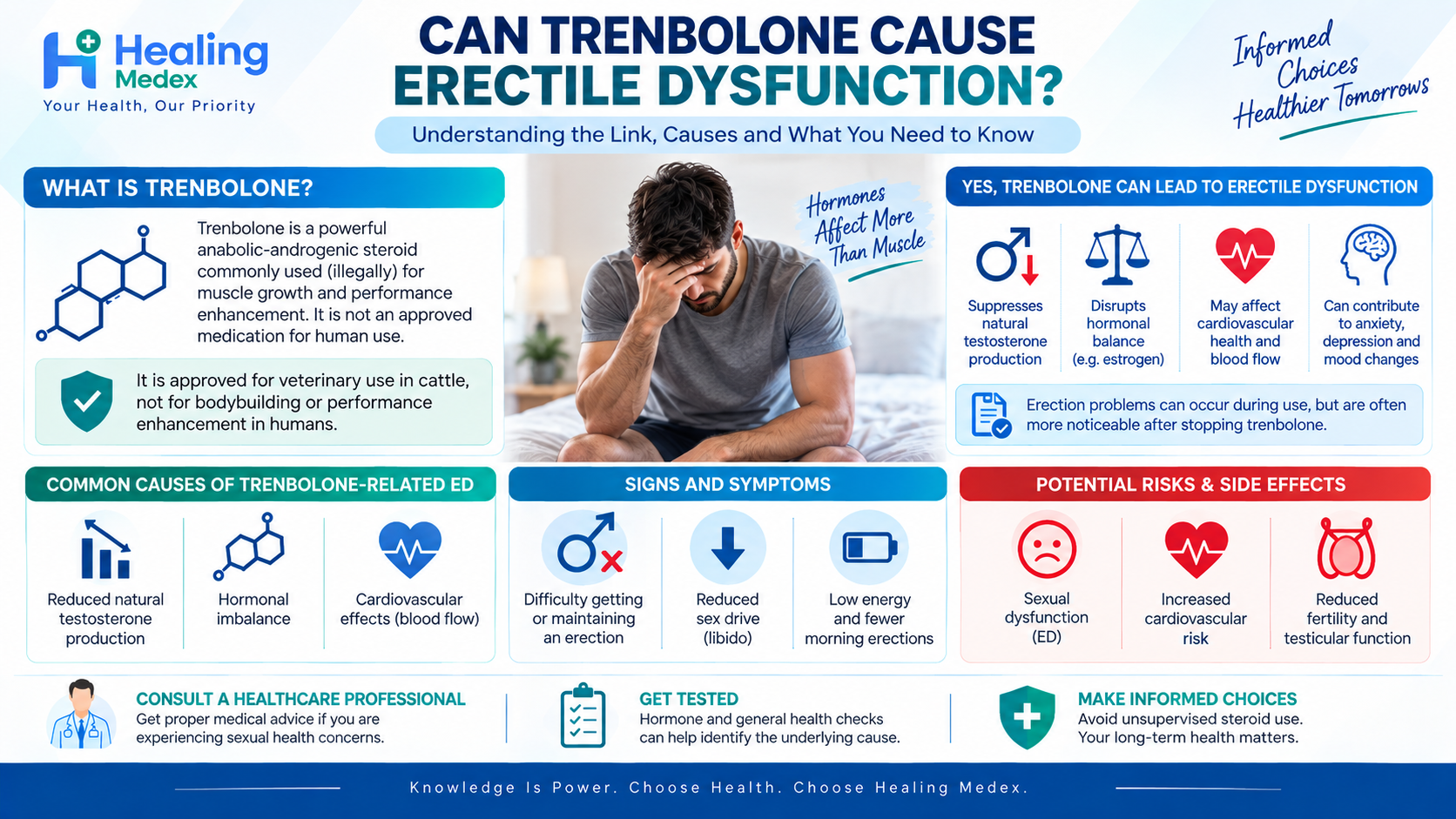
Erectile Dysfunctiion
Can trenbolone cause erectile dysfunction?
Yes, trenbolone and other anabolic-androgenic steroids may contribute to erectile dysfunction, particularly by suppressing the body's natural testosterone production and altering normal hormonal function. Sexual problems may occur during steroid use, but they are often especially noticeable after anabolic steroids are stopped. Human research specifically studying trenbolone is limited. Most available evidence evaluates anabolic-androgenic steroids (AAS) as a group rather than trenbolone alone. A 2026 review found an association between prolonged AAS use, hormonal disturbances, hypogonadism and impaired erectile function. What Is Trenbolone? Trenbolone is a synthetic anabolic-androgenic steroid related to testosterone. Unlike medicines such as medically prescribed testosterone, trenbolone is not an approved medication for bodybuilding or performance enhancement in humans . Trenbolone acetate is used in certain FDA-approved hormone implants for beef cattle to increase weight gain and feed efficiency. FDA documentation for trenbolone-containing veterinary products identifies them for animal use rather than human use. Because controlled human clinical trials of nonmedical trenbolone use are lacking, its safety profile in humans cannot be established in the same way as that of approved medications. How Can Trenbolone Cause Erectile Dysfunction? Several mechanisms may contribute to erection problems in people using trenbolone or other anabolic steroids. 1. Suppression of Natural Testosterone Production One of the most important mechanisms is suppression of the hypothalamic-pituitary-gonadal (HPG) axis . Normally, the brain releases hormonal signals that tell the testes to produce testosterone. When large amounts of external anabolic steroids are introduced into the body, the brain detects high androgen activity and reduces these signals. Levels of luteinizing hormone (LH) and follicle-stimulating hormone (FSH) may fall. As a result, the testes can reduce their own testosterone production. This condition is sometimes called anabolic steroid-induced hypogonadism . Low testosterone can cause: Reduced sex drive Difficulty achieving erections Difficulty maintaining erections Fewer spontaneous or morning erections Fatigue Reduced energy Testicular shrinkage Reduced sperm production Fertility problems The Endocrine Society lists anabolic steroid use as a potential cause of male hypogonadism and identifies reduced libido and erectile dysfunction among symptoms of testosterone deficiency. 2. Erectile Dysfunction May Become More Noticeable After Stopping Trenbolone Some anabolic steroid users report increased sexual drive while using high androgen doses. The situation can change significantly after the steroids are discontinued. Once the external androgen supply disappears, natural testosterone production may remain suppressed for a period of time. This can create a temporary — and occasionally prolonged — hormonal state characterized by low testosterone, low libido and difficulty with erections. A systematic review examining male fertility and AAS exposure found that erectile function could be higher during steroid exposure in some users but that reduced libido and erectile dysfunction were reported following withdrawal . Clinical observations show the same pattern. In one specialist clinic involving 180 current or former AAS users, decreased libido and erectile dysfunction were among the problems reported after anabolic steroid cycles. 3. Hormonal Imbalance Can Affect Sexual Function Erections depend on more than simply having a high androgen level. Testosterone, estrogen and other hormones work together as part of a complex endocrine system. Using powerful anabolic steroids can disturb this balance. Trenbolone itself is different from testosterone because it does not behave identically in normal hormone pathways. Many people using trenbolone also use additional anabolic steroids or hormone-modifying drugs, making the resulting hormonal environment even less predictable. For example, unnecessary use of aromatase inhibitors can reduce estrogen excessively. Both abnormal androgen status and disrupted estrogen balance may contribute to sexual symptoms. Some online discussions also blame trenbolone-related erectile problems entirely on prolactin. However, human evidence showing that prolactin is the primary cause of erectile dysfunction specifically from trenbolone is limited . Rather than assuming that one particular hormone is responsible, appropriate laboratory testing is more useful. 4. Anabolic Steroids Can Affect Cardiovascular Health A healthy erection requires adequate blood flow. Anabolic steroid exposure has been associated with cardiovascular and metabolic changes including: Increased blood pressure Unfavorable cholesterol changes Increased hematocrit in some users Cardiovascular disease risk Structural changes affecting the heart with prolonged exposure Reviews of anabolic steroid adverse effects have identified hypertension, dyslipidemia, testosterone deficiency and erectile dysfunction among potential health concerns associated with AAS use. This does not mean that cardiovascular changes are responsible for every case of steroid-associated ED. However, vascular health is an important part of erectile function and should not be overlooked. 5. Anxiety, Depression and Psychological Changes Can Contribute to ED Erectile function depends on both physical and psychological health. Anabolic steroid use and withdrawal can be associated with changes in mood. Some individuals experience: Anxiety Depression Irritability Reduced confidence Sleep problems Changes in sexual desire Any of these factors may worsen erection difficulties. Research presented by the Endocrine Society found greater sexual-function impairment among men who had recently stopped illicit anabolic steroids compared with men who were still using them, with lower testosterone and psychological factors potentially contributing to symptoms. 6. Testicular Function May Be Suppressed Anabolic steroids can suppress LH and FSH — two hormones essential for normal testicular function. Consequences may include: Reduced natural testosterone production Reduced testicular size Lower sperm production Reduced sperm quality Infertility A systematic review found lower gonadotropin levels and smaller testicular size among anabolic steroid users. Effects on reproductive function can continue after use has stopped. These reproductive changes frequently overlap with symptoms such as decreased libido and erectile dysfunction. Does Trenbolone Always Cause Erectile Dysfunction? No. Not every person who uses anabolic steroids develops erectile dysfunction. Sexual effects can differ considerably depending on factors such as: Duration of anabolic steroid exposure Total androgen exposure Whether several steroids are being used together Previous anabolic steroid use Baseline testosterone levels Cardiovascular health Diabetes or metabolic disease Psychological health Alcohol or recreational drug use Other medications Individual hormonal response Some users may initially notice increased libido, while others experience reduced sexual function. Problems may also develop primarily after the anabolic steroids are discontinued. Because trenbolone users commonly combine several substances, it can be difficult to determine which drug is responsible. Can Erectile Dysfunction Continue After Stopping Trenbolone? It can. Natural testosterone production does not necessarily return to normal immediately after anabolic steroids are stopped. Research shows considerable variation in recovery of the HPG axis following AAS exposure. Some individuals recover within several months, while others may experience hormonal symptoms for substantially longer. The recovery period may depend on the duration and extent of previous AAS exposure as well as individual physiology. Therefore, persistent erectile dysfunction after stopping trenbolone should not automatically be assumed to be permanent, but it also should not be ignored. Does PCT Guarantee Testosterone and Erectile Function Recovery? No. Post-cycle therapy (PCT) does not guarantee that natural testosterone production or erectile function will return to normal. Drugs such as hCG, clomiphene, tamoxifen and aromatase inhibitors are sometimes self-administered by anabolic steroid users. However, these medications have legitimate medical indications, potential adverse effects and specific hormonal actions. Research on the best treatment strategy for anabolic steroid-induced hypogonadism remains limited, and management needs to consider the person's hormone results, symptoms, fertility goals and previous steroid exposure. Self-treatment can also alter hormone measurements and make the underlying problem more difficult to evaluate. Persistent symptoms are therefore better assessed by an endocrinologist, urologist or other clinician experienced in male hormone disorders. What Tests May Be Needed for Erectile Dysfunction After Steroid Use? A doctor may consider a combination of medical history, examination and laboratory testing. Depending on the individual, evaluation may include: Morning total testosterone Repeat testosterone measurement when appropriate Free testosterone when clinically indicated LH FSH Prolactin when indicated Estradiol when clinically relevant Blood pressure Blood count/hematocrit Cholesterol and triglycerides Blood glucose or HbA1c Liver and kidney function tests For men concerned about fertility, semen analysis may also be considered. The Endocrine Society recommends diagnosing hypogonadism based on compatible symptoms together with consistently low testosterone levels rather than symptoms alone. LH and FSH measurements can help determine whether testosterone deficiency is primarily testicular or related to pituitary/hypothalamic suppression. Can Trenbolone-Related Erectile Dysfunction Be Reversed? Improvement is possible, particularly if erectile dysfunction is related to temporary hormone suppression following anabolic steroid use. However, there is no single recovery timeline that applies to everyone . Recovery may depend on: How long anabolic steroids were used Overall exposure Whether several anabolic steroids were combined Previous cycles Baseline hormone function Age Cardiovascular and metabolic health Other medications or substances Psychological factors Some aspects of hormone function can recover gradually following discontinuation, while prolonged symptoms have been reported in some former users. This is one reason persistent symptoms should be evaluated rather than repeatedly treated with additional hormones without laboratory testing. When Should You See a Doctor? Medical evaluation should be considered if erectile dysfunction persists, repeatedly occurs or is accompanied by symptoms such as: Significant decrease in libido Loss of morning erections Persistent fatigue Testicular shrinkage Breast tenderness or enlargement Depression or severe mood changes Fertility problems High blood pressure Palpitations or unusual shortness of breath Urgent medical attention is appropriate for symptoms such as chest pain, fainting, severe shortness of breath or other signs of a cardiovascular emergency. When speaking with a healthcare professional, it is important to disclose previous or current anabolic steroid use . Knowing which substances have been taken helps clinicians interpret hormonal tests and investigate the possible cause of the symptoms. Frequently Asked Questions Can trenbolone cause ED even if testosterone appears high? Yes, erection problems can occur even when an androgen measurement appears high. Erectile function involves vascular health, psychological factors and multiple hormones. A single testosterone result does not provide a complete assessment. Why might erectile dysfunction occur after stopping trenbolone? External anabolic steroids can suppress LH and FSH, reducing natural testosterone production. After the steroid is stopped, endogenous testosterone production may remain suppressed while the HPG axis recovers. Does trenbolone permanently lower testosterone? Not necessarily. Hormonal recovery varies considerably between individuals. Some recover relatively quickly, whereas others can experience prolonged anabolic steroid-induced hypogonadism. Can low testosterone cause erectile dysfunction? Yes. Testosterone deficiency can cause decreased libido, fewer spontaneous erections and erectile dysfunction. Can anabolic steroids affect fertility as well as erections? Yes. AAS exposure can suppress LH and FSH, reduce testicular size and interfere with sperm production and fertility. Should erectile dysfunction after trenbolone automatically be treated with testosterone? No. The underlying cause should first be established. Testosterone therapy is not appropriate for everyone and can further suppress sperm production, which is particularly important for men who want to preserve fertility. Final Thoughts Trenbolone can contribute to erectile dysfunction , primarily because powerful anabolic-androgenic steroid exposure can interfere with the body's natural hormone-regulating system. Suppression of natural testosterone production, hormonal imbalance, changes in cardiovascular health and psychological factors may all contribute. Erectile dysfunction may become particularly noticeable after anabolic steroids are discontinued, when natural testosterone production remains suppressed. However, most human research involves anabolic-androgenic steroids collectively rather than controlled studies of trenbolone itself. This distinction is important because trenbolone does not have an established human therapeutic safety profile. Persistent erectile dysfunction, reduced libido or symptoms of low testosterone following anabolic steroid use deserve proper medical evaluation rather than assumptions about a single hormone or reliance on unsupervised post-cycle medications.
Dr. Marcus Vance, PharmD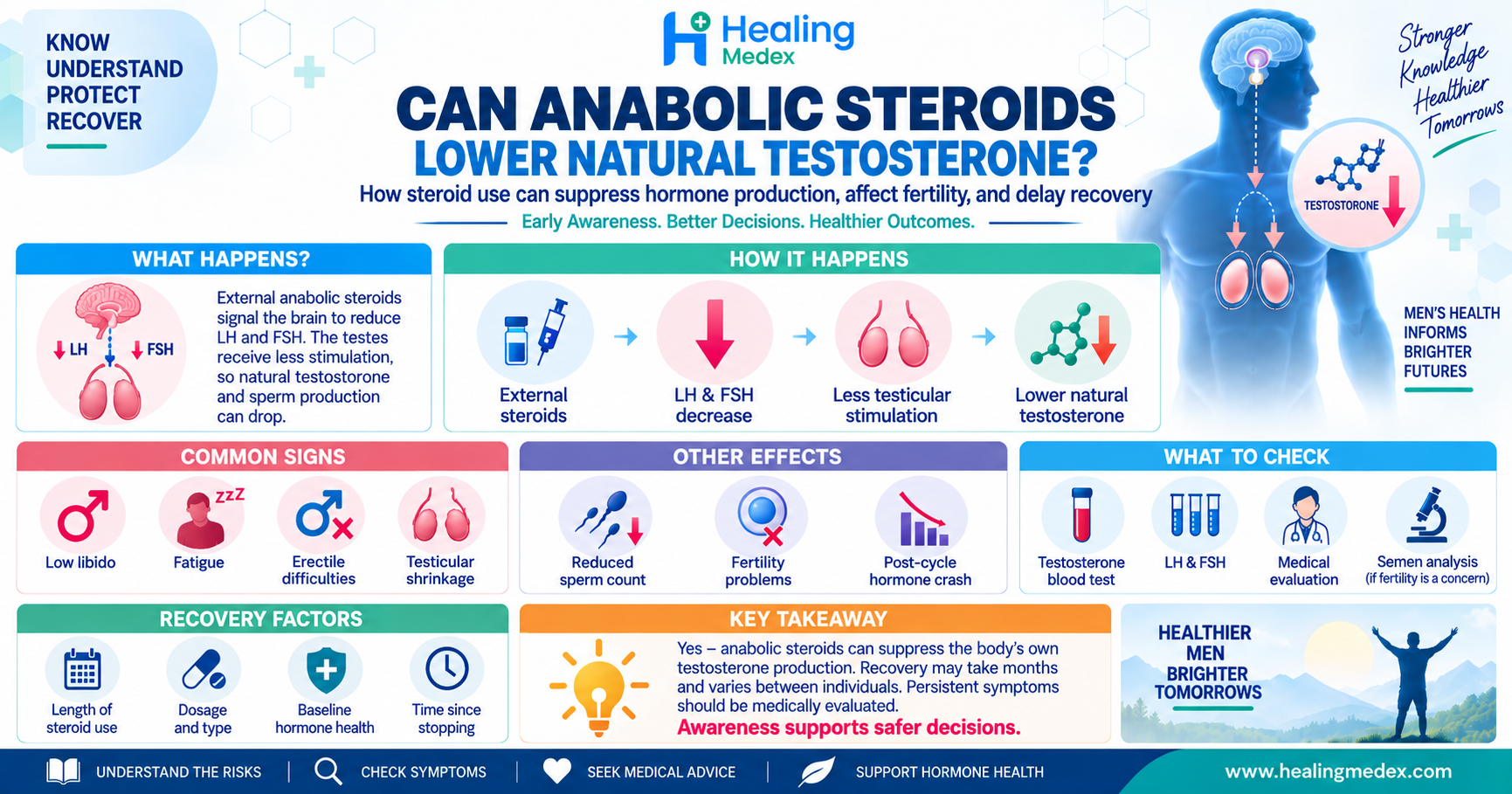
Anabolic Steriod
Can Anabolic Steroids Lower Natural Testosterone?
Anabolic-androgenic steroids (AAS) are synthetic substances designed to mimic some of the effects of testosterone. While they may increase muscle mass and strength, using anabolic steroids — particularly at non-medical or supraphysiologic doses — can interfere with the body’s normal hormone-production system. One of the most important hormonal effects is suppression of natural testosterone production . Research shows that anabolic steroid exposure can suppress the hypothalamic-pituitary-gonadal (HPG) axis, the hormonal system responsible for signaling the testes to produce testosterone and sperm. How Does the Body Normally Produce Testosterone? Natural testosterone production is controlled by a communication system involving the brain, pituitary gland and testes. The process works approximately like this: The hypothalamus releases gonadotropin-releasing hormone (GnRH) . GnRH signals the pituitary gland to release luteinizing hormone (LH) and follicle-stimulating hormone (FSH) . LH stimulates the testes to produce testosterone. FSH, along with testosterone, helps support sperm production. The body continuously monitors testosterone levels and adjusts these signals through a hormonal feedback system. How Do Anabolic Steroids Lower Natural Testosterone? When anabolic steroids or other external androgens enter the body, the brain detects high androgen activity. In response, the hypothalamus and pituitary gland reduce their hormonal signals. Levels of LH and FSH may fall substantially, meaning the testes receive less stimulation to produce their own testosterone. This is known as suppression of the HPG axis . Studies have found reduced LH and FSH among anabolic steroid users, and suppression can persist for months after steroid use is discontinued. Therefore, someone using anabolic steroids may have high levels of androgen activity while using them but still have very little natural testosterone production . 10 Ways Anabolic Steroids Can Affect Natural Testosterone and Hormonal Health 1. They Suppress LH Production LH is one of the primary signals telling the testes to manufacture testosterone. External anabolic steroids can reduce LH secretion, resulting in lower natural testosterone production. 2. They Reduce FSH Levels FSH plays an important role in sperm development. Lower FSH resulting from steroid use may therefore contribute to reduced sperm production and fertility problems. 3. The Testes May Produce Less Testosterone Because the testes are receiving less stimulation from LH, their testosterone production can decrease significantly. The Endocrine Society identifies anabolic steroid use as a recognized cause of male hypogonadism, or testosterone deficiency. 4. Testicular Size Can Decrease Reduced hormonal stimulation can cause the testes to become smaller during prolonged anabolic steroid use. A systematic review found reduced testicular size among anabolic steroid users. 5. Sperm Production Can Fall High circulating androgen levels do not necessarily mean high testosterone levels inside the testes. Anabolic steroids can reduce intratesticular testosterone , which is required for normal sperm production. In some cases, sperm counts may become extremely low or even temporarily reach zero, a condition called azoospermia. 6. Testosterone May Drop After a Steroid Cycle Hormone problems may become particularly noticeable after anabolic steroids are stopped. The external hormones disappear, but the body’s normal testosterone-production system may not immediately restart. This can create a period in which testosterone levels are lower than normal. 7. Low Libido Can Occur After Stopping Steroids Reduced testosterone following anabolic steroid withdrawal can contribute to decreased sexual desire. Research involving men who stopped illicit anabolic steroids has documented sexual-function problems during the first year after discontinuation, particularly among men with lower testosterone concentrations. 8. Erectile Dysfunction May Occur Hormonal disturbances after stopping anabolic steroids can also contribute to erectile difficulties. A systematic review found decreased libido and erectile dysfunction following withdrawal among some anabolic steroid users. Erectile dysfunction can have many other causes, however, including cardiovascular disease, diabetes, medications, psychological factors and lifestyle habits. 9. Mood and Energy Levels May Change Testosterone deficiency may be associated with symptoms such as: Fatigue Reduced motivation Low mood Difficulty concentrating Reduced sexual desire Reduced physical performance Research on men discontinuing anabolic steroids has also reported low mood, anxiety and reduced wellbeing during the withdrawal period. 10. Recovery May Take Time Natural testosterone production does not always return immediately after anabolic steroids are discontinued. Recovery varies considerably between individuals and may be influenced by factors including the duration and extent of androgen exposure, age and individual hormonal function. A review of anabolic steroid-induced hypogonadism found that hormonal and reproductive recovery can occur over months or sometimes years , rather than following one predictable timetable. What Are the Signs of Low Testosterone After Steroid Use? Possible symptoms include: Reduced sex drive Erectile difficulties Fatigue or low energy Reduced motivation Depressed mood Difficulty concentrating Reduced muscle performance Testicular shrinkage Reduced sperm count Fertility difficulties Symptoms alone cannot confirm testosterone deficiency. The Endocrine Society recommends diagnosing hypogonadism only when a person has compatible symptoms or signs together with consistently and unequivocally low testosterone concentrations . Does Natural Testosterone Recover After Stopping Anabolic Steroids? It can, but recovery varies considerably. Some individuals experience spontaneous recovery after discontinuing anabolic steroids, whereas others experience prolonged hormonal suppression. Research presented by the Endocrine Society indicates that previous anabolic steroid use can suppress testosterone production for months after discontinuation. Another study found that recovery of testosterone and sperm production after performance-enhancing hormone use may require many months, with reproductive recovery sometimes taking considerably longer. There is therefore no universal recovery timeline that applies to everyone. What Determines How Quickly Testosterone Recovers? Recovery may be influenced by several factors, including: How long anabolic steroids were used The number and type of anabolic-androgenic steroids used Degree of hormonal suppression Age Previous steroid exposure Baseline testosterone levels Testicular function General health Longer or more extensive androgen exposure may be associated with a more complicated recovery process. Does PCT Guarantee Testosterone Recovery? No. Post-cycle therapy, commonly called PCT , refers to various medications used by some steroid users after discontinuing anabolic steroids in an attempt to restore hormonal function. Some observational research has reported associations between PCT use and improved reproductive hormone recovery. However, this does not establish that PCT guarantees recovery , and there is currently no universally established treatment protocol for anabolic steroid withdrawal. The Endocrine Society specifically warns that self-medicating with PCT drugs is not recommended and may be hazardous, particularly when medications are obtained from unregulated sources. Medical evaluation is safer than attempting to manage persistent hormonal suppression independently. How Is Low Testosterone After Steroid Use Evaluated? A healthcare professional may consider symptoms, steroid-use history and laboratory testing. Depending on the clinical situation, testing may include: Morning total testosterone Free testosterone when appropriate LH FSH Estradiol Prolactin Other tests based on symptoms and medical history Measuring LH and FSH can help healthcare professionals distinguish between problems originating primarily in the testes and suppression involving the hypothalamus or pituitary gland. Men concerned about fertility may also require a semen analysis. Can Steroid-Related Infertility Recover? Recovery is possible in many individuals, but it may take time. Anabolic steroids can significantly suppress spermatogenesis because LH and FSH fall and intratesticular testosterone decreases. Research suggests sperm production may gradually recover after anabolic steroid cessation, although recovery may take months or longer and varies substantially between individuals. Anyone planning a pregnancy after anabolic steroid use should consider discussing fertility testing with an endocrinologist, urologist or reproductive specialist. When Should You See a Doctor? Medical evaluation is particularly important if symptoms continue after stopping anabolic steroids, including: Persistent low libido Erectile dysfunction Severe fatigue Testicular shrinkage Fertility problems Persistently low mood Anxiety or significant changes in mental wellbeing Urgent medical attention should be sought for severe depression, suicidal thoughts or other serious psychological symptoms. Frequently Asked Questions 1. Can one steroid cycle lower testosterone? Yes. Even relatively short exposure to exogenous anabolic-androgenic steroids can suppress LH and FSH and therefore reduce natural testosterone production. The degree and duration of suppression vary between individuals. 2. Is testosterone high or low while taking anabolic steroids? Blood androgen activity may be high while external steroids are being used, while the body’s own testosterone production can simultaneously be strongly suppressed . 3. Why does testosterone fall after stopping steroids? While steroids are being used, the brain reduces LH and FSH production. When steroid use suddenly stops, external androgen levels decline before the body’s hormonal signaling system has necessarily recovered, resulting in temporarily or persistently low testosterone. 4. How long does testosterone suppression last? There is no single timeline. Some individuals recover within months, while others experience suppression for considerably longer. Research shows that recovery varies according to factors such as age and the extent and duration of anabolic steroid exposure. 5. Can anabolic steroids permanently lower testosterone? Persistent hormonal abnormalities have been documented in some former anabolic steroid users, although long-term outcomes vary significantly between individuals. Evidence remains incomplete regarding exactly who will experience prolonged testosterone deficiency. The Bottom Line Yes, anabolic steroids can lower natural testosterone production. External anabolic-androgenic steroids can suppress the brain’s normal hormonal signaling system, reducing LH and FSH and causing the testes to decrease their own testosterone and sperm production. After steroids are discontinued, natural testosterone production may gradually recover, but the process can take months or longer and varies considerably between individuals. Anyone experiencing persistent symptoms of low testosterone, sexual dysfunction or fertility problems after anabolic steroid use should seek appropriate medical assessment rather than relying on symptoms alone or attempting unsupervised hormonal treatment.
Dr. Marcus Vance, PharmD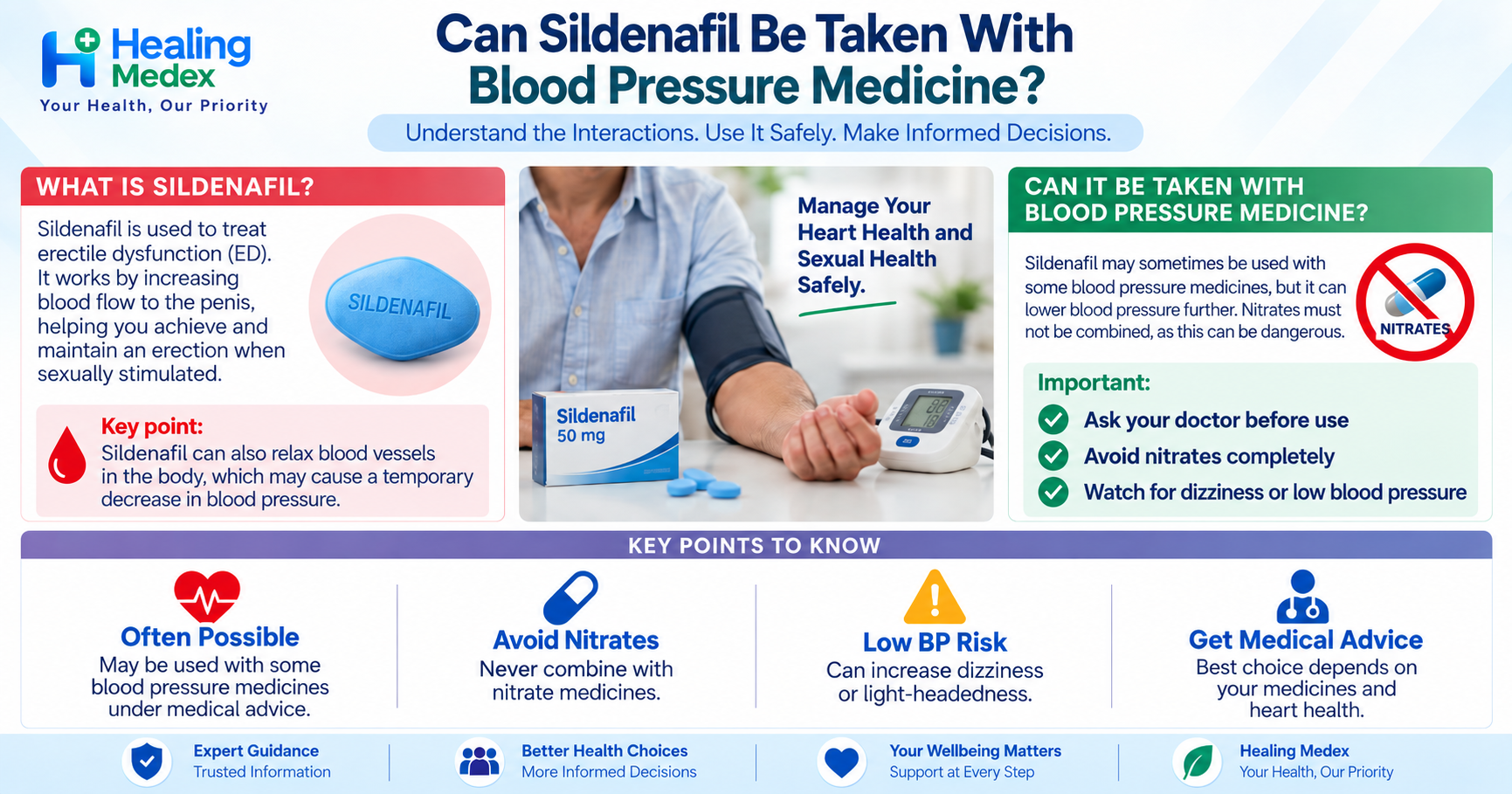
Erectile Dysfunction
Can Sildenafil Be Taken With Blood Pressure Medicine?
Sildenafil is commonly used to treat erectile dysfunction (ED) . Because high blood pressure is also common among men with erectile dysfunction, many people who are prescribed sildenafil are already taking medication to control their blood pressure. This raises an important question: Can sildenafil be taken with blood pressure medicine? In many cases, sildenafil can be used alongside certain blood pressure medicines, but the combination may lower blood pressure further. Some medications require additional caution, while nitrate medicines must not be combined with sildenafil because the combination can cause a dangerous fall in blood pressure. Understanding your medications and discussing them with a healthcare professional is therefore important before using sildenafil. How Does Sildenafil Work? Sildenafil belongs to a group of medicines called phosphodiesterase type 5 (PDE5) inhibitors . During sexual stimulation, the body releases nitric oxide, which increases levels of cyclic guanosine monophosphate (cGMP). This relaxes smooth muscle in blood vessels within the penis and allows more blood to enter the erectile tissue. Sildenafil blocks the PDE5 enzyme that normally breaks down cGMP. Maintaining higher cGMP levels helps improve blood flow and makes it easier to achieve and maintain an erection when sexually stimulated. However, sildenafil can also relax blood vessels elsewhere in the body. Because of this vasodilating effect, it can produce a temporary reduction in blood pressure . Can You Take Sildenafil If You Have High Blood Pressure? Having high blood pressure does not automatically mean that you cannot take sildenafil. Erectile dysfunction drugs such as sildenafil are generally considered usable for many people with stable cardiovascular disease, provided they are not taking medicines that have dangerous interactions, particularly nitrates. The American Heart Association notes that ED medicines are generally safe in people with cardiovascular disease but should not be used with nitrate therapy. Your individual situation still matters. A healthcare professional may consider: How well your blood pressure is controlled Which blood pressure medicines you take Your usual blood pressure readings Whether you experience dizziness or fainting Whether you have heart disease Whether you use nitrates for chest pain Whether you take alpha-blockers Other medicines and medical conditions Do not stop taking prescribed blood pressure medication simply because you want to use sildenafil. Sildenafil With Common Blood Pressure Medicines Many people with hypertension take more than one medicine. Common classes include ACE inhibitors, angiotensin receptor blockers (ARBs), beta-blockers, calcium channel blockers and diuretics. ACE Inhibitors Examples include: Ramipril Lisinopril Enalapril Perindopril Sildenafil may sometimes be used in people taking ACE inhibitors. However, because both treatments can contribute to lower blood pressure, some people may experience dizziness or light-headedness. Angiotensin Receptor Blockers (ARBs) Examples include: Losartan Telmisartan Valsartan Olmesartan ARBs relax blood vessels and lower blood pressure. Sildenafil may further reduce blood pressure, so patients should follow their healthcare professional’s advice when combining the medicines. Calcium Channel Blockers Examples include: Amlodipine Nifedipine Diltiazem Verapamil Calcium channel blockers also lower blood pressure by affecting blood vessels or heart function. Sildenafil can have an additional blood-pressure-lowering effect. This does not automatically prevent their combined use, but monitoring may be appropriate, particularly when treatment is first started or doses change. Beta-Blockers Examples include: Atenolol Metoprolol Bisoprolol Propranolol Sildenafil can sometimes be used with beta-blockers. However, patients taking several medications that lower blood pressure may be more likely to experience symptoms such as dizziness. Some blood pressure medicines can themselves be associated with sexual difficulties. The American Heart Association lists sexual or erectile dysfunction among possible adverse effects of some beta-blockers. Patients should not stop a beta-blocker suddenly because of sexual side effects. Instead, discuss the problem with a healthcare professional. Diuretics Examples include: Hydrochlorothiazide Chlorthalidone Indapamide Furosemide Diuretics lower blood pressure partly by reducing excess salt and fluid. If sildenafil is used at the same time, blood pressure may fall further, particularly in someone who is dehydrated or already has relatively low blood pressure. Sildenafil and Alpha-Blockers: Extra Caution Is Needed Alpha-blockers require particular attention. Examples include: Doxazosin Prazosin Terazosin Tamsulosin These medicines may be prescribed for high blood pressure or symptoms associated with an enlarged prostate. Both alpha-blockers and sildenafil can relax blood vessels. Combining them can therefore cause symptomatic hypotension , which means blood pressure becomes low enough to cause symptoms such as dizziness, weakness or fainting. FDA prescribing information advises that patients should generally be stable on alpha-blocker treatment before sildenafil is introduced and that sildenafil should be started cautiously at the lowest appropriate dose when the two are used together. Patients taking an alpha-blocker should tell their doctor before using sildenafil rather than adjusting the timing or doses themselves. Sildenafil and Nitrates: Do Not Combine Them The most important sildenafil interaction involves nitrate medicines . Examples include: Nitroglycerin (glyceryl trinitrate or GTN) Isosorbide mononitrate Isosorbide dinitrate Nitrates are commonly used to prevent or treat chest pain caused by angina. Sildenafil must not be taken together with nitrates. Both medicines widen blood vessels. When they are combined, blood pressure can fall suddenly and severely, potentially producing a life-threatening medical emergency. The FDA specifically identifies regular or intermittent nitrate use as a contraindication to sildenafil. The American Heart Association also warns against combining PDE5 inhibitors such as sildenafil with nitrates. The NHS similarly advises that sildenafil is not normally prescribed together with nitrates used for chest pain. This warning also applies to recreational “poppers” containing amyl or alkyl nitrates , which can interact dangerously with sildenafil. What About Riociguat? Sildenafil should also not be combined with riociguat , a medicine used for certain forms of pulmonary hypertension. Both medicines affect pathways that dilate blood vessels, and combining them can result in excessive lowering of blood pressure. Always provide your doctor or pharmacist with a complete medication list before starting sildenafil. What Happens If Blood Pressure Becomes Too Low? Low blood pressure may cause symptoms such as: Dizziness Light-headedness Weakness Blurred vision Feeling faint Fainting Unusual fatigue The risk may be higher if someone already has low blood pressure, is dehydrated or takes several medicines that reduce blood pressure. The American Heart Association notes that blood pressure medicines as well as erectile dysfunction drugs can contribute to hypotension, particularly when ED drugs are combined with nitroglycerin. If severe dizziness, fainting, chest pain or other serious symptoms occur after taking sildenafil, seek urgent medical attention. Should You Skip Your Blood Pressure Medicine Before Taking Sildenafil? No. Do not skip or stop prescribed blood pressure medication unless your healthcare professional specifically tells you to do so. Stopping hypertension medication may cause blood pressure to rise and could increase cardiovascular risk. Instead, tell your healthcare professional that you are interested in using sildenafil. They can review your current treatment and decide whether the combination is appropriate. The American Heart Association advises patients not to stop prescribed blood pressure medication without discussing it with their healthcare professional. Can High Blood Pressure Cause Erectile Dysfunction? Yes. Hypertension itself can contribute to erectile dysfunction. Long-term high blood pressure can damage blood vessels and affect circulation. Because an erection depends on adequate blood flow to the penis, vascular damage may make it more difficult to achieve or maintain an erection. The American Heart Association recognizes erectile dysfunction as one potential consequence of long-term high blood pressure. This means ED in someone with hypertension should not simply be ignored. It may provide an opportunity for a healthcare professional to review cardiovascular health and risk factors. When Should You Talk to Your Doctor Before Taking Sildenafil? Medical advice is particularly important if you: Take nitrates for chest pain Take alpha-blockers Take several blood pressure medicines Have consistently low blood pressure Frequently experience dizziness or fainting Have recently had a heart attack or stroke Have unstable chest pain Have significant heart disease Have serious liver or kidney disease Take medicines for pulmonary hypertension Take other erectile dysfunction treatments Your healthcare professional can check for interactions and determine whether sildenafil is appropriate for you. Frequently Asked Questions 1. Can I Take Sildenafil With Amlodipine? Some people may use sildenafil while taking amlodipine, but both medicines can lower blood pressure. A healthcare professional should review the combination, particularly if you already experience low blood pressure or dizziness. 2. Can I Take Sildenafil With Losartan? Sildenafil may sometimes be used with an ARB such as losartan. Because both may reduce blood pressure, individual medical assessment is recommended. 3. Can I Take Sildenafil With Ramipril? Sildenafil is not automatically contraindicated with ACE inhibitors such as ramipril. However, the combined blood-pressure-lowering effect should be considered. 4. Can Sildenafil Be Taken With Beta-Blockers? It may be possible to use sildenafil with beta-blockers such as atenolol, bisoprolol or metoprolol. Patients taking multiple cardiovascular medicines should discuss sildenafil with their healthcare professional first. 5. Can Sildenafil Be Taken With Tamsulosin? Extra caution is necessary. Tamsulosin is an alpha-blocker, and combining an alpha-blocker with sildenafil can increase the risk of symptomatic low blood pressure. A doctor may need to consider your current dose, blood pressure and treatment stability before recommending the combination. 6. Can I Take Sildenafil With Nitroglycerin? No. Nitroglycerin and other nitrate medicines must not be combined with sildenafil because blood pressure can fall dangerously low. The Bottom Line Sildenafil can sometimes be taken with blood pressure medicine, but it depends on which medication you use and your overall cardiovascular health. Common antihypertensive medicines such as ACE inhibitors, ARBs, beta-blockers, calcium channel blockers and diuretics may sometimes be used alongside sildenafil under medical guidance. Alpha-blockers require additional caution because the combination can produce symptomatic low blood pressure. Most importantly, sildenafil must not be combined with nitrate medicines such as nitroglycerin, isosorbide mononitrate or isosorbide dinitrate because the combination can cause a potentially dangerous drop in blood pressure. If you take medication for hypertension, heart disease, chest pain or pulmonary hypertension, tell your healthcare professional exactly what you take before starting sildenafil.
Dr. Marcus Vance, PharmD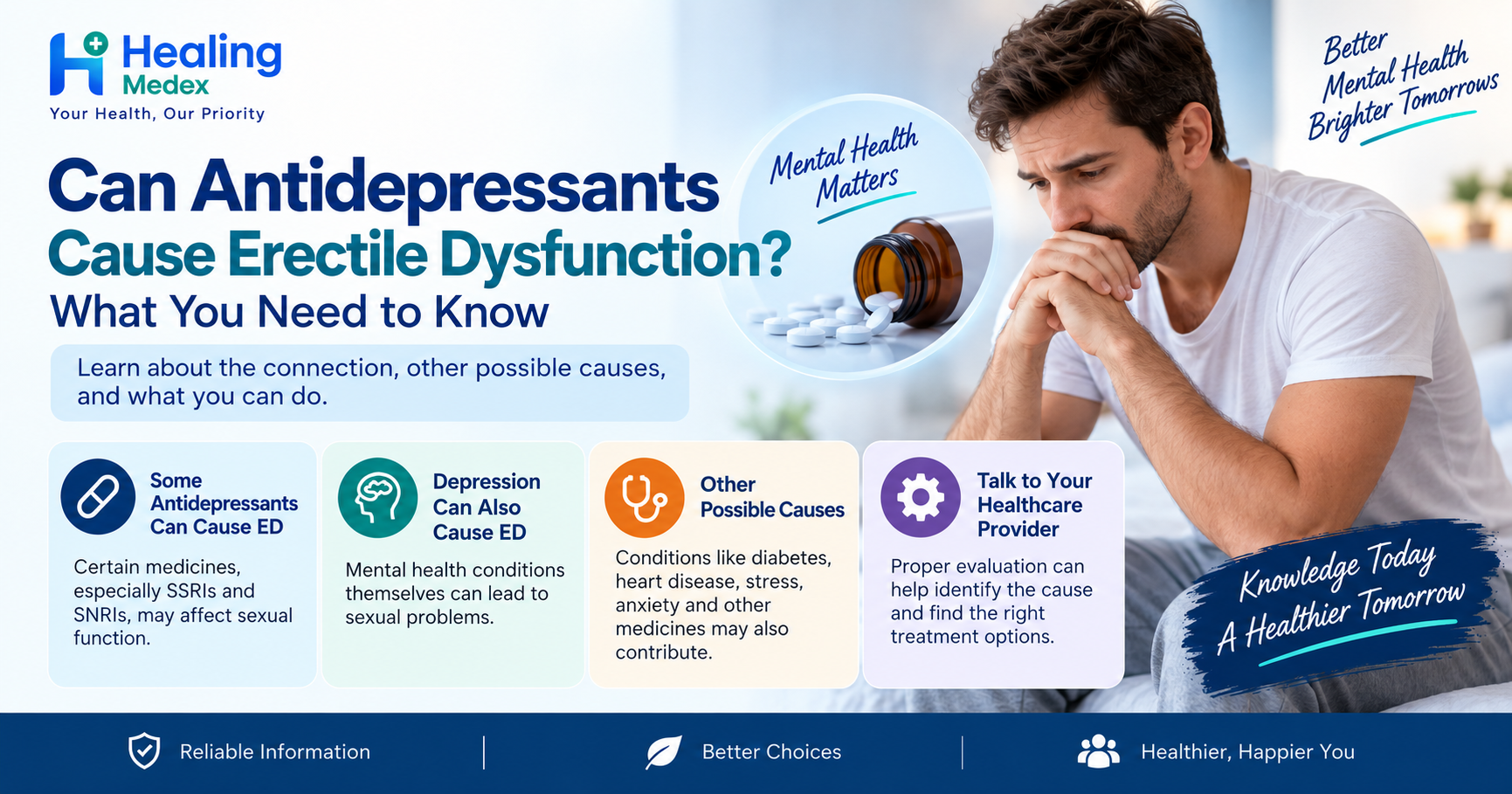
Erectile Dysfunction
Can Antidepressants Cause Erectile Dysfunction?
Antidepressants can be highly effective for treating depression, anxiety, and several other mental health conditions. However, like many medicines, they can sometimes cause side effects. One side effect that men may find difficult to discuss is erectile dysfunction (ED) . Some antidepressants can affect sexual desire, arousal, erections, ejaculation, and orgasm. At the same time, depression itself can also contribute to sexual problems, which can make it difficult to determine the exact cause. Understanding the connection between antidepressants and erectile dysfunction can help men recognize potential medication-related symptoms and discuss appropriate treatment options with their healthcare provider. Can Antidepressants Really Cause Erectile Dysfunction? Yes. Erectile difficulties are a recognized potential side effect of several antidepressants. Antidepressant-related sexual problems may include: Difficulty getting an erection Difficulty maintaining an erection Reduced sexual desire or libido Delayed ejaculation Difficulty reaching orgasm Reduced sexual satisfaction Not everyone taking an antidepressant develops these problems. The likelihood and severity depend on factors such as the specific medication, dose, individual response, underlying medical conditions, and the severity of depression. Medicines that affect serotonin — particularly some selective serotonin reuptake inhibitors (SSRIs) — are among the antidepressants most commonly associated with sexual side effects. Why Can Antidepressants Affect Erections? An erection depends on a complex interaction between the brain, nerves, hormones, emotions, and blood vessels. Many antidepressants change the levels or activity of neurotransmitters such as: Serotonin Dopamine Norepinephrine Increasing serotonin can improve depression and anxiety, but increased serotonin activity may also interfere with pathways involved in sexual desire, arousal, orgasm, and erectile function. Sexual stimulation normally triggers nerve signals that help increase blood flow to the penis. Changes in neurotransmitter activity caused by some antidepressants may interfere with this response. The exact mechanism varies depending on the medicine and the individual taking it. Which Antidepressants Are Most Likely to Cause Sexual Problems? SSRIs Selective serotonin reuptake inhibitors are widely prescribed for depression and anxiety disorders. Examples include: Sertraline Fluoxetine Paroxetine Escitalopram Citalopram SSRIs can cause reduced sexual desire, problems reaching orgasm, and difficulty getting or maintaining an erection. Among commonly used antidepressants, medications strongly affecting serotonin tend to have a higher risk of sexual side effects. Mayo Clinic notes that paroxetine is among the SSRIs particularly associated with these effects. SNRIs Serotonin-norepinephrine reuptake inhibitors may also affect sexual function. Examples include: Venlafaxine Duloxetine Desvenlafaxine Venlafaxine in particular has been associated with sexual side effects in some patients. Tricyclic Antidepressants Older antidepressants such as: Amitriptyline Imipramine Clomipramine Nortriptyline may also cause sexual problems, including reduced libido, delayed orgasm, and difficulty getting an erection. Do All Antidepressants Cause Erectile Dysfunction? No. The risk varies considerably between medications, and some antidepressants appear less likely to produce sexual side effects. Examples that may have a lower rate of sexual side effects include: Bupropion Mirtazapine Vortioxetine Vilazodone However, no antidepressant can be guaranteed to be free from sexual side effects, and the most appropriate medication depends on the person’s mental health condition, other medicines, and overall health. Patients should therefore not switch antidepressants on their own . Could Depression Itself Be Causing Erectile Dysfunction? Yes. This is an important point because erectile dysfunction occurring while someone takes an antidepressant is not necessarily caused entirely by the medicine. Depression itself may cause: Reduced sexual interest Fatigue Low self-esteem Relationship difficulties Reduced motivation Anxiety about sexual performance Difficulty becoming sexually aroused Because both depression and antidepressants can affect sexual function , healthcare professionals may ask whether erectile problems were present before antidepressant treatment started. Other causes of ED should also be considered, including diabetes, cardiovascular disease, obesity, smoking, hormonal disorders, excessive alcohol intake, stress, anxiety, and other medications. When Does Antidepressant-Related ED Begin? Sexual side effects may develop after starting an antidepressant or after increasing the dose. Some men may notice problems within the first few weeks of treatment. For some people, sexual side effects gradually improve as the body adjusts to the medication. For others, they may continue throughout treatment. Keeping track of when symptoms began can help a healthcare provider determine whether the medication may be contributing. What Should You Do If an Antidepressant Is Causing ED? The most important step is to discuss the problem with your healthcare provider. Several approaches may be considered depending on your mental health condition and overall health. 1. Wait and Monitor Some side effects improve after several weeks as the body adjusts to treatment. Your healthcare provider may recommend monitoring the symptoms before making changes. 2. Adjust the Antidepressant Dose In certain cases, reducing the dose may decrease sexual side effects. However, changing the dose without medical guidance could cause depression or anxiety symptoms to return. Never reduce or stop an antidepressant without speaking with your healthcare provider. 3. Switch to Another Antidepressant If sexual problems continue, a healthcare professional may consider switching to an antidepressant associated with fewer sexual side effects. For example, bupropion or another suitable alternative may sometimes be considered. The appropriate choice varies from person to person. 4. Treat the Erectile Dysfunction For some men, a healthcare provider may consider an erectile dysfunction medication such as: Sildenafil Tadalafil Vardenafil Avanafil These medicines belong to a group known as PDE5 inhibitors . They improve the erectile response to sexual stimulation by helping increase blood flow to the penis. Mayo Clinic notes that medications such as sildenafil may sometimes be considered for antidepressant-associated erectile difficulties. However, ED medicines are not suitable for everyone. Men taking nitrate medicines for chest pain , for example, generally should not use PDE5 inhibitors because the combination can cause a dangerous fall in blood pressure. A healthcare provider should evaluate whether an ED medicine is appropriate. Should You Stop Taking Your Antidepressant? No — not without speaking with the healthcare professional who prescribed it. Suddenly stopping certain antidepressants can cause withdrawal or discontinuation symptoms, including: Anxiety Irritability Dizziness Flu-like symptoms Sleep problems Mood changes Return or worsening of depression If sexual side effects are affecting your quality of life, tell your healthcare provider rather than stopping treatment yourself. Often, medication adjustments or other treatment strategies can be considered while continuing to manage the underlying mental health condition. Can Sildenafil or Tadalafil Help Antidepressant-Related ED? They may help some men. Sildenafil and tadalafil are PDE5 inhibitors commonly used to treat erectile dysfunction. They help increase penile blood flow when sexual stimulation occurs. These medicines do not automatically create an erection and do not directly increase sexual desire. For men whose main antidepressant-related problem is difficulty getting or maintaining an erection, a healthcare professional may consider a PDE5 inhibitor after reviewing medical history and other medications. If the main problem is low libido or difficulty reaching orgasm , however, an ED medicine may not completely solve the problem because those symptoms may involve different mechanisms. When Should You Speak With a Doctor? Consider discussing sexual symptoms with a healthcare professional if: Erectile problems began after starting an antidepressant. ED appeared after your dose was increased. Sexual side effects have continued for several weeks. Your sex drive has significantly decreased. You have difficulty ejaculating or reaching orgasm. Sexual side effects are affecting your relationship. You are considering stopping your antidepressant because of sexual problems. Erectile dysfunction can sometimes also be associated with cardiovascular disease, diabetes, hormonal problems, or other health conditions, so persistent ED should not automatically be blamed on antidepressants. Frequently Asked Questions 1. Is erectile dysfunction a common side effect of antidepressants? Sexual dysfunction is a recognized side effect of many antidepressants, especially medications that strongly affect serotonin. The symptoms can include reduced libido, delayed orgasm, ejaculation problems, and difficulty achieving or maintaining an erection. 2. Which antidepressants are most associated with sexual side effects? SSRIs such as paroxetine, sertraline, fluoxetine, escitalopram, and citalopram can cause sexual side effects. Some other antidepressants, including venlafaxine and certain tricyclic antidepressants, can also affect sexual function. 3. Which antidepressants may have fewer sexual side effects? Bupropion, mirtazapine, vortioxetine, and vilazodone are among antidepressants that may have comparatively fewer sexual side effects in some patients. The appropriate choice should always be determined by a healthcare professional. 4. Will ED disappear after stopping an antidepressant? Sexual side effects may improve after a medication is changed or discontinued, but the outcome varies between individuals. Antidepressants should not be stopped suddenly without medical supervision. 5. Can I take sildenafil while taking antidepressants? Some men may be able to use sildenafil while taking an antidepressant, and it may help with medication-associated erectile difficulties. However, suitability depends on other medications, cardiovascular health, blood pressure, and medical history. A healthcare professional should assess whether it is safe. The Bottom Line Antidepressants can contribute to erectile dysfunction and other sexual problems in some men , particularly medications that strongly affect serotonin. However, depression itself can also cause reduced libido and erectile difficulties, and other health conditions may contribute as well. If ED begins after starting an antidepressant, do not simply stop taking the medication. Speak with your healthcare provider. Depending on the situation, they may consider adjusting the dose, changing the antidepressant, addressing other causes of ED, or prescribing an appropriate erectile dysfunction treatment. Finding the right balance between effective mental health treatment and maintaining sexual wellbeing is often possible with appropriate medical guidance.
Dr. Marcus Vance, PharmD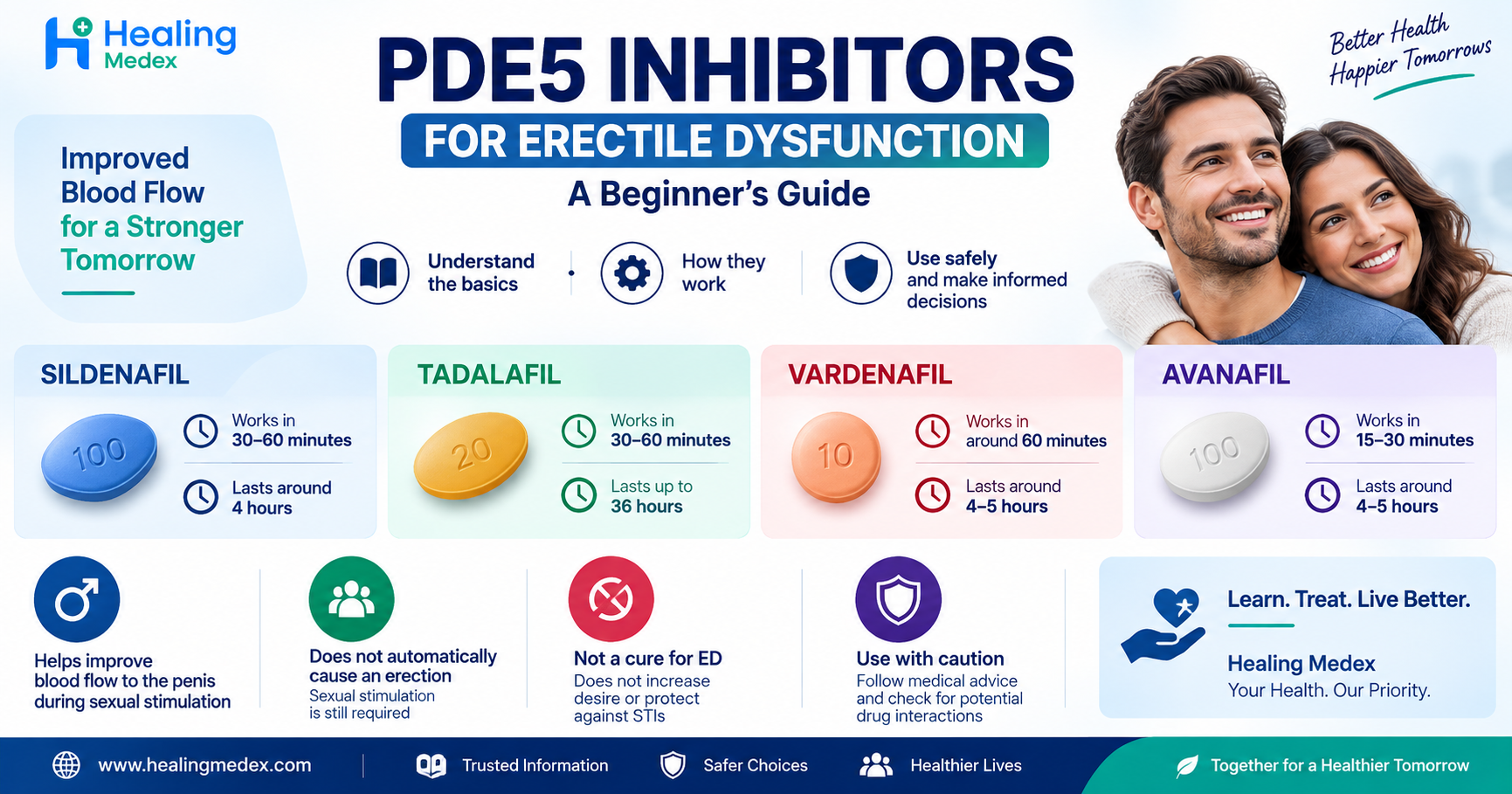
Erectile Dysfunctiion
PDE5 Inhibitors for Erectile Dysfunction: A Beginner's Guide
Erectile dysfunction (ED) is a common condition in which a man has difficulty getting or maintaining an erection firm enough for sexual activity. ED can occur occasionally because of stress, tiredness or alcohol, but persistent erectile difficulties may be linked to conditions such as diabetes, high blood pressure, cardiovascular disease, hormonal problems, anxiety or certain medicines. One of the most commonly used groups of medicines for erectile dysfunction is known as PDE5 inhibitors . Medicines in this group include sildenafil, tadalafil, vardenafil and avanafil . They work by improving blood flow to the penis when a man is sexually stimulated. If you have recently been diagnosed with ED or are learning about treatment options, this beginner’s guide explains what PDE5 inhibitors are, how they work, how the different medicines compare and the important precautions you should know. What Are PDE5 Inhibitors? PDE5 inhibitors are medicines commonly prescribed for erectile dysfunction. PDE5 stands for phosphodiesterase type 5 , an enzyme found in various tissues of the body, including blood vessels in the penis. The four commonly used PDE5 inhibitors for erectile dysfunction are: Sildenafil Tadalafil Vardenafil Avanafil These medicines belong to the same drug class, but they differ in how quickly they start working, how long their effects may last, how they interact with food and how frequently they can be taken. PDE5 inhibitors are considered an important oral treatment option for men with ED when there are no contraindications to their use. How Do PDE5 Inhibitors Work? An erection involves a series of signals between the brain, nerves and blood vessels. When a man becomes sexually stimulated, the body releases nitric oxide in the penis. This promotes production of a chemical called cyclic guanosine monophosphate (cGMP) . cGMP helps relax smooth muscle in penile blood vessels. As these blood vessels relax and widen, more blood can flow into the penis, helping produce an erection. The PDE5 enzyme normally breaks down cGMP. PDE5 inhibitor medicines temporarily reduce the activity of this enzyme. As a result, cGMP can remain active for longer, supporting blood vessel relaxation and improving the erectile response. Do PDE5 inhibitors automatically cause an erection? No. PDE5 inhibitors do not automatically produce an erection . Sexual stimulation is still required for them to work. They also do not normally: increase sexual desire act as an aphrodisiac permanently cure erectile dysfunction protect against sexually transmitted infections prevent pregnancy They help support the body’s natural erectile response during sexual stimulation. Types of PDE5 Inhibitors for Erectile Dysfunction Although all PDE5 inhibitors work in a similar way, their timing and duration differ. PDE5 inhibitorTypical time before sexual activityApproximate duration Sildenafil Around 30–60 minutesAround 4 hours Tadalafil Around 30–60 minutesUp to 36 hours Vardenafil Around 60 minutesAround 4–5 hours Avanafil Around 15–30 minutes depending on doseAround 4–5 hours These figures are approximate. The response can differ between individuals depending on dose, food, other medicines, medical conditions and other factors. Sildenafil Sildenafil is one of the best-known PDE5 inhibitors. It is generally taken before anticipated sexual activity. It may begin working within approximately 30 to 60 minutes, and its erectile-supporting effects commonly last for several hours. A high-fat meal may delay its absorption and make it take longer to start working. Sildenafil may be suitable for men who prefer an ED medicine taken only when needed rather than every day. Tadalafil Tadalafil is known for having a considerably longer period of action. Its effects can last for up to 36 hours , although this does not mean a man will have an erection continuously for 36 hours. It simply means the medicine may help support an erection during sexual stimulation within that period. Tadalafil can be prescribed either: when needed before sexual activity, or as a lower-dose daily treatment in appropriate patients. Because of its longer duration, some men prefer tadalafil because it allows greater flexibility around the timing of sexual activity. Vardenafil Vardenafil is another PDE5 inhibitor used to treat erectile dysfunction. It is generally taken approximately 60 minutes before sexual activity and normally should not be taken more frequently than directed by the prescriber. Like other PDE5 inhibitors, vardenafil increases penile blood flow during sexual stimulation rather than creating an erection automatically. Food can sometimes influence how quickly some forms of vardenafil are absorbed. Avanafil Avanafil is another PDE5 inhibitor used for erectile dysfunction. Depending on the prescribed dose, it may be taken approximately 15 to 30 minutes before sexual activity , making it one of the faster-acting medicines in this group. As with other PDE5 inhibitors, sexual stimulation is necessary for avanafil to produce its intended effect. Sildenafil vs Tadalafil vs Vardenafil vs Avanafil: Which Is Better? There is no single PDE5 inhibitor that is best for every man. The most appropriate medicine may depend on factors including: how quickly you want the medicine to work how long you want the treatment window to last how frequently you have sexual activity whether you prefer daily or as-needed treatment other health conditions other medicines you take previous side effects individual response cost and availability Clinical guidance indicates that commonly used PDE5 inhibitors are effective treatments for many men with erectile dysfunction, although individual responses can vary. A healthcare professional can help determine which option and dose are appropriate for you. How Effective Are PDE5 Inhibitors? PDE5 inhibitors help many men with erectile dysfunction, but they do not work equally well for everyone. Treatment response may be influenced by the underlying cause of ED. For example, erectile dysfunction can be associated with: diabetes cardiovascular disease high blood pressure obesity nerve damage hormonal problems prostate surgery psychological conditions certain medications Correct use of the medicine is also important. A man may mistakenly assume that the treatment has failed if he takes it incorrectly, does not allow enough time for it to work or expects an erection without sexual stimulation. If one PDE5 inhibitor does not provide the expected result, a healthcare professional may review the dose, timing, medical conditions and other medicines before deciding whether another treatment is appropriate. Common Side Effects of PDE5 Inhibitors Most medicines can cause side effects, and PDE5 inhibitors are no exception. Common effects may include: headache facial flushing indigestion or upset stomach stuffy or runny nose dizziness Some side effects differ between individual medicines. For example, tadalafil may sometimes cause muscle or back discomfort, while sildenafil and vardenafil can occasionally cause visual changes. Most side effects are temporary, but persistent or troublesome symptoms should be discussed with a healthcare professional. Who Should Not Take PDE5 Inhibitors? PDE5 inhibitors are not appropriate for everyone. One of the most important precautions involves nitrate medicines . PDE5 inhibitors and nitrates Men taking nitrates for chest pain or certain heart conditions generally must not use PDE5 inhibitors . Examples of nitrate medicines include: nitroglycerin isosorbide mononitrate isosorbide dinitrate Combining nitrates with PDE5 inhibitors can cause a potentially dangerous fall in blood pressure. PDE5 inhibitors can also interact with other medicines, including some treatments for blood pressure, prostate conditions, fungal infections and HIV. They should also not be combined with the soluble guanylate cyclase stimulator riociguat , because this combination can cause excessive lowering of blood pressure. Always tell your doctor or pharmacist about prescription medicines, over-the-counter medicines and supplements you use before starting ED treatment. PDE5 Inhibitors and Alpha-Blockers Some men with prostate enlargement or high blood pressure take medicines known as alpha-blockers . Combining an alpha-blocker with a PDE5 inhibitor can lower blood pressure further in some people. This does not necessarily mean the medicines can never be used together, but dose selection and timing may require medical supervision. Do not change either medicine without discussing it with your healthcare provider. When Should You Seek Medical Help? Most PDE5 inhibitor side effects are mild, but certain symptoms require urgent medical attention. Seek immediate medical care for: An erection lasting longer than four hours An erection lasting more than four hours is known as priapism . It can damage penile tissue if it is not treated promptly. Sudden loss of vision Rarely, sudden vision changes or loss of vision have been reported with PDE5 inhibitor use. Seek medical attention immediately if this happens. Sudden hearing loss Sudden reduction or loss of hearing, sometimes accompanied by ringing in the ears or dizziness, also requires prompt medical attention. Chest pain If chest pain occurs during or after sexual activity, seek urgent medical attention. Tell the healthcare professional that you have taken a PDE5 inhibitor and when you took it. Do not take nitrate medication unless medical professionals who know about your PDE5 inhibitor use instruct you appropriately. Can You Take More Than One PDE5 Inhibitor Together? You should not combine sildenafil, tadalafil, vardenafil or avanafil on your own . Taking multiple ED medicines together can increase the risk of: dangerously low blood pressure dizziness fainting headache priapism other adverse effects If your current ED medicine does not seem effective, speak with your healthcare professional instead of increasing the dose or combining treatments yourself. Can Alcohol Affect PDE5 Inhibitors? Large amounts of alcohol can make erectile dysfunction worse and may also increase dizziness or blood-pressure-lowering effects associated with ED medicines. Limiting excessive alcohol consumption can therefore be important both for treatment safety and erectile health. Lifestyle factors such as smoking, physical inactivity, excess weight and heavy alcohol use can also contribute to erectile dysfunction. What If PDE5 Inhibitors Do Not Work? PDE5 inhibitors are not the only treatment for erectile dysfunction. If oral medicines are unsuitable or ineffective, other options may include: addressing underlying medical conditions reviewing medicines that may contribute to ED psychological counselling or sex therapy vacuum erection devices injectable medicines urethral medicines penile implants in selected patients Lifestyle changes such as increasing physical activity, maintaining a healthy weight, stopping smoking and reducing excessive alcohol consumption may also improve erectile health. Persistent ED should therefore be medically evaluated rather than treated only as a sexual-performance issue. Why You Should Not Ignore Persistent Erectile Dysfunction Occasional erection difficulties are common. However, ED that occurs repeatedly may sometimes be an early sign of another medical condition. Conditions associated with erectile dysfunction include diabetes, heart and blood vessel disease, obesity and certain hormonal or neurological disorders. A medical evaluation can help identify contributing factors while determining the most suitable treatment. Frequently Asked Questions About PDE5 Inhibitors 1. Are PDE5 inhibitors the same as Viagra? Viagra is a brand of sildenafil , which is one type of PDE5 inhibitor. Other PDE5 inhibitors include tadalafil, vardenafil and avanafil. 2. Do PDE5 inhibitors increase testosterone? No. PDE5 inhibitors do not directly increase testosterone levels. Men who have erectile dysfunction caused partly by testosterone deficiency may require separate evaluation and treatment. 3. Can PDE5 inhibitors increase sexual desire? PDE5 inhibitors do not normally increase libido or sexual desire. Their purpose is to improve the physical erectile response to sexual stimulation. 4. Which PDE5 inhibitor lasts the longest? Among the commonly used PDE5 inhibitors, tadalafil has the longest duration of action , with effects potentially lasting for up to 36 hours. 5. Which PDE5 inhibitor works the fastest? Avanafil may begin working relatively quickly and, depending on the prescribed dose, can be taken approximately 15 to 30 minutes before sexual activity. Individual response varies. 6. Can I take a PDE5 inhibitor every day? Certain tadalafil regimens may be prescribed for daily use. Whether daily treatment is appropriate depends on your health, treatment goals, other medications and your doctor’s assessment. Do not begin daily ED medication without medical guidance. Final Thoughts PDE5 inhibitors are among the most widely used oral treatments for erectile dysfunction. Sildenafil, tadalafil, vardenafil and avanafil all work by supporting the natural process that increases blood flow to the penis during sexual stimulation. However, they differ in how quickly they act, how long their effects last and how they should be taken. For many men, choosing the right PDE5 inhibitor involves balancing effectiveness, duration, convenience, side effects and existing medical conditions. Most importantly, ED medicine should not be viewed as a substitute for medical assessment. Persistent erectile dysfunction can sometimes indicate an underlying cardiovascular, metabolic, hormonal or psychological problem that also requires attention. Before taking a PDE5 inhibitor, particularly if you have heart disease, low blood pressure or take nitrates, alpha-blockers or other prescription medicines, speak with a qualified healthcare professional.
Dr. Marcus Vance, PharmD
Erectile Dysfunction
Low Testosterone and Erectile Dysfunction: Are They Connected?
Erectile dysfunction (ED) can develop for many reasons, including problems with blood circulation, diabetes, heart disease, certain medicines, stress, anxiety, nerve disorders, and hormonal imbalances. One hormone that often receives attention is testosterone . Testosterone plays an important role in male sexual health, particularly sexual desire, energy, sperm production, muscle mass, and overall well-being. When testosterone levels become abnormally low, some men may experience reduced sexual desire and changes in erectile function. However, the connection between low testosterone and erectile dysfunction is more complicated than simply assuming that low testosterone automatically causes ED. Low testosterone can contribute to erectile difficulties in some men, but many cases of ED are primarily related to blood vessel, metabolic, neurological, medication-related, or psychological factors. The National Institute of Diabetes and Digestive and Kidney Diseases (NIDDK) lists hormonal problems such as low testosterone among the medical conditions that can contribute to ED. Understanding whether testosterone is involved can help determine the most appropriate treatment. What Is Testosterone? Testosterone is the main androgen, or male sex hormone. It is produced primarily in the testicles, while its production is regulated by signals from the brain and pituitary gland. Testosterone contributes to several important functions, including: Sexual desire or libido Sperm production Development of male sexual characteristics Muscle mass and strength Bone health Red blood cell production Mood and energy levels Testosterone levels may gradually change with age, but a lower result on a single blood test does not necessarily mean that a man has testosterone deficiency. Clinical guidelines recommend diagnosing hypogonadism only when a man has compatible symptoms or signs together with consistently low testosterone levels confirmed through appropriate laboratory testing . What Is Erectile Dysfunction? Erectile dysfunction is the persistent difficulty getting or maintaining an erection firm enough for satisfactory sexual activity. Men with ED may: Have difficulty getting an erection Get an erection only occasionally Lose an erection before completing sexual activity Have erections that are not firm enough for intercourse ED is not considered an inevitable part of aging. It can sometimes be an early sign of another medical condition requiring attention. Can Low Testosterone Cause Erectile Dysfunction? Yes, low testosterone can contribute to erectile dysfunction in some men , although it is usually not the only possible cause. Testosterone is particularly important for sexual desire. When testosterone becomes significantly low, a man may experience reduced interest in sexual activity. Lower sexual stimulation can indirectly make erections more difficult. Testosterone may also influence physiological processes involved in erection, but obtaining an erection depends on much more than hormones. Normal erectile function requires coordination between: Blood vessels Nerves Hormones Brain signals Smooth muscle in the penis Psychological and emotional factors This means a man can have normal testosterone levels and still experience ED. Likewise, a man with low testosterone may still be capable of erections. How Does Low Testosterone Affect Sexual Function? Low testosterone may affect several aspects of sexual health. 1. Reduced Sexual Desire A noticeable decline in libido is one of the sexual symptoms most commonly associated with testosterone deficiency. A man may have less interest in sex, fewer sexual thoughts, or reduced spontaneous sexual desire. 2. Fewer Spontaneous Erections Some men with testosterone deficiency notice fewer spontaneous or morning erections. However, this symptom alone cannot determine whether testosterone levels are low. 3. Difficulty Achieving or Maintaining Erections Low testosterone may contribute to erectile difficulties, particularly when testosterone deficiency exists alongside other ED risk factors. 4. Reduced Response to Sexual Stimulation Lower libido can reduce sexual arousal, which may make it more difficult for the normal erection process to begin. 5. Changes in Overall Sexual Satisfaction Fatigue, low mood, reduced confidence, and decreased sexual desire can combine to affect sexual performance and satisfaction. What Are Other Symptoms of Low Testosterone? Testosterone deficiency can cause symptoms beyond sexual difficulties. Possible symptoms may include: Reduced sex drive Erectile difficulties Reduced spontaneous erections Fatigue Reduced energy Loss of muscle mass Increased body fat Mood changes Reduced motivation Difficulty concentrating Reduced body or facial hair Infertility These symptoms are not specific to testosterone deficiency and can occur with many other medical conditions. For that reason, symptoms alone should not be used to diagnose low testosterone. Low Testosterone Is Only One Possible Cause of ED Although testosterone receives considerable attention, most cases of erectile dysfunction require a broader evaluation. Common contributors to ED include: Cardiovascular Disease Healthy erections require adequate blood circulation. Conditions that damage or narrow blood vessels can reduce blood flow to the penis. These include: High blood pressure High cholesterol Atherosclerosis Heart disease Diabetes Diabetes can damage both blood vessels and nerves involved in erection. Men with diabetes may also have a higher likelihood of low testosterone, especially when obesity is present. Obesity Excess body weight is associated with metabolic problems that may affect testosterone levels, blood vessels, and erectile function. Smoking Smoking damages blood vessels and can reduce healthy circulation throughout the body, including blood flow to the penis. Certain Medicines Some antidepressants , blood pressure medicines, sedatives, hormone treatments, and other medicines may contribute to erectile difficulties. Do not stop a prescribed medicine without discussing it with a healthcare professional. Stress and Performance Anxiety Anxiety, depression, relationship difficulties, and stress can cause or worsen ED. Sometimes physical erectile problems lead to performance anxiety, creating a cycle that makes the condition worse. How Can You Tell Whether ED Is Related to Low Testosterone? Symptoms alone cannot determine whether low testosterone is responsible. A healthcare professional may evaluate: Medical history Sexual history Current medicines Lifestyle factors Physical examination Cardiovascular risk factors Diabetes or blood sugar problems Hormone levels The American Urological Association recommends measuring morning serum total testosterone in men being evaluated for erectile dysfunction. How Is Low Testosterone Diagnosed? Testosterone levels vary throughout the day and may temporarily change because of illness, sleep, medications, weight changes, and other factors. For this reason, testosterone deficiency should generally not be diagnosed from one isolated result. The Endocrine Society recommends confirming suspected testosterone deficiency by repeating a morning testosterone measurement and diagnosing hypogonadism only when both symptoms and consistently low testosterone concentrations are present. Additional testing may sometimes include: Free testosterone Luteinizing hormone (LH) Follicle-stimulating hormone (FSH) Prolactin Thyroid tests Blood glucose testing These tests may help determine why testosterone levels are low or whether another medical condition is contributing to symptoms. Can Increasing Testosterone Improve Erectile Dysfunction? For men who have genuine testosterone deficiency, appropriate testosterone treatment may improve certain symptoms, particularly: Low sexual desire Reduced sexual interest Some aspects of sexual function Energy or well-being in appropriately selected patients However, testosterone treatment is not a universal ED treatment . If erectile dysfunction is mainly caused by diabetes, narrowed blood vessels, nerve damage, medication effects, or psychological factors, correcting testosterone alone may not fully restore erections. Some men with confirmed low testosterone and ED may require both treatment for testosterone deficiency and standard ED treatment. NIDDK notes that clinicians may sometimes use testosterone together with a PDE5 inhibitor in men who have both ED and low testosterone. What Are PDE5 Inhibitors? PDE5 inhibitors are commonly prescribed medicines for erectile dysfunction. Examples include: Sildenafil Tadalafil Vardenafil Avanafil These medicines improve the natural erectile response by increasing blood flow to the penis during sexual stimulation. They do not automatically create sexual desire, and sexual stimulation is still required. Because testosterone and PDE5 inhibitors work differently, treating low testosterone and treating erectile blood-flow problems are not necessarily the same thing. Does Testosterone Replacement Therapy Treat Every Man With ED? No. Testosterone replacement therapy, commonly called TRT , should generally be considered only when appropriate clinical evaluation confirms testosterone deficiency. Starting testosterone simply because a man has ED without confirming low testosterone may expose him to unnecessary treatment without addressing the true cause of the erectile problem. Before starting TRT, a clinician should consider the potential benefits, risks, fertility goals, medical history, and appropriate monitoring. What Forms of Testosterone Replacement Therapy Are Available? Depending on the country and individual treatment plan, testosterone replacement may be available as: Testosterone injections Testosterone gels Testosterone patches Certain oral testosterone products Other prescription formulations The appropriate formulation and dose should be selected by a qualified healthcare professional. Men should not use bodybuilding steroids or non-prescribed testosterone products as substitutes for medically supervised testosterone treatment. Can Testosterone Treatment Affect Fertility? Yes. This is particularly important for younger men who want to have children. Taking external testosterone can suppress the body's hormonal signals responsible for sperm production and may significantly reduce sperm count. The Endocrine Society therefore recommends against starting testosterone therapy in men planning fertility in the near future. Men concerned about both low testosterone and fertility should discuss this with a urologist, endocrinologist, or reproductive specialist before beginning treatment. Is Testosterone Replacement Therapy Safe? Testosterone can be appropriate for carefully selected men with diagnosed testosterone deficiency, but it requires medical supervision and monitoring. Potential considerations may include: Increased red blood cell concentration Increased blood pressure Reduced sperm production Acne or oily skin Fluid retention Changes in prostate or urinary symptoms Worsening of certain sleep-related breathing problems in susceptible patients Current FDA information also notes that testosterone products can increase blood pressure, making blood-pressure monitoring important during treatment. The risks and benefits therefore need to be considered individually rather than assuming testosterone is suitable for every man with sexual symptoms. Lifestyle Changes That May Support Testosterone and Erectile Health Several lifestyle factors can affect both testosterone levels and erectile function. Helpful measures may include: Maintain a Healthy Weight Obesity is associated with both ED and lower testosterone levels in some men. Gradual weight reduction when medically appropriate may benefit cardiovascular, metabolic, hormonal, and sexual health. Exercise Regularly Regular physical activity supports cardiovascular health, circulation, weight management, and overall well-being. NIDDK recommends physical activity as one of the lifestyle measures that may help improve ED symptoms. Stop Smoking Smoking damages blood vessels and increases cardiovascular risk. Stopping smoking can improve overall vascular health. Limit Excessive Alcohol Heavy alcohol use can interfere with sexual performance and may affect hormone health. Get Adequate Sleep Poor sleep can affect energy, mood, metabolic health, and sexual function. Manage Stress Stress and anxiety can significantly worsen erectile difficulties even when a physical cause is present. Low Testosterone vs Other Causes of ED Feature Low Testosterone May Be More Likely Other ED Causes May Be More Likely Reduced libido Common May or may not occur Low energy Possible Depends on cause Fewer spontaneous erections Possible Also occurs with vascular ED Difficulty maintaining erections Possible Very common Diabetes or cardiovascular disease May coexist Major ED risk factors Strong sexual desire but erection difficulty Less suggestive of low T alone Often suggests another cause Confirmed low morning testosterone Supports diagnosis when symptoms are present Testosterone may be normal These patterns cannot replace medical testing, because several causes can exist at the same time. When Should You See a Doctor? Consider speaking with a healthcare professional if: Erectile difficulties continue for several weeks or months Your sexual desire has significantly decreased You have fewer spontaneous erections You experience persistent fatigue or reduced energy You have diabetes, high blood pressure, high cholesterol, or heart disease You are concerned about low testosterone ED developed suddenly or is getting worse You are considering testosterone treatment Persistent ED deserves medical evaluation because erectile problems can sometimes be associated with cardiovascular, hormonal, metabolic, or psychological conditions. Frequently Asked Questions 1. Can low testosterone cause erectile dysfunction? Yes. Low testosterone can contribute to erectile dysfunction in some men, particularly when accompanied by reduced libido. However, blood vessel disease, diabetes, medicines, neurological conditions, and psychological factors are also common causes. 2. Does low testosterone always cause ED? No. Some men with low testosterone can still achieve erections, while many men with ED have normal testosterone levels. 3. Can testosterone increase sexual desire? In men with confirmed testosterone deficiency, medically supervised testosterone treatment may improve reduced sexual desire. 4. Will testosterone cure erectile dysfunction? Not necessarily. Testosterone treatment may help some men who have true testosterone deficiency, but ED may continue when another underlying cause is present. 5. Can sildenafil or tadalafil work if testosterone is low? They may still work because PDE5 inhibitors primarily improve blood flow during sexual stimulation. However, severe testosterone deficiency and very low sexual desire may affect overall sexual response. A healthcare professional can determine the most appropriate treatment strategy. 6. Should every man with ED get his testosterone checked? The American Urological Association recommends measuring morning serum total testosterone during ED evaluation. The results should be interpreted together with symptoms, medical history, and other clinical findings. 7. Is one low testosterone result enough to start TRT? Generally, no. Guidelines recommend confirming low testosterone with appropriate repeat morning testing and evaluating whether compatible symptoms are also present before diagnosing testosterone deficiency. 8. Can testosterone replacement reduce sperm count? Yes. External testosterone can suppress natural sperm production and may significantly reduce fertility. Final Thoughts Low testosterone and erectile dysfunction can be connected, but testosterone deficiency is only one possible cause of ED. Low testosterone tends to have a particularly strong effect on sexual desire, while erections depend on healthy blood vessels, nerves, hormones, psychological well-being, and normal sexual stimulation. For men experiencing persistent ED together with symptoms such as reduced libido, fatigue, or fewer spontaneous erections, checking testosterone levels may form part of a broader medical evaluation. Treatment should focus on the actual cause. Testosterone replacement may benefit appropriately diagnosed men with testosterone deficiency, while other men may need lifestyle changes, treatment of underlying medical conditions, psychological support, or prescription ED medicines. Do not start testosterone, sildenafil, tadalafil, or another prescription sexual-health treatment without appropriate medical advice.
Dr. Marcus Vance, PharmD