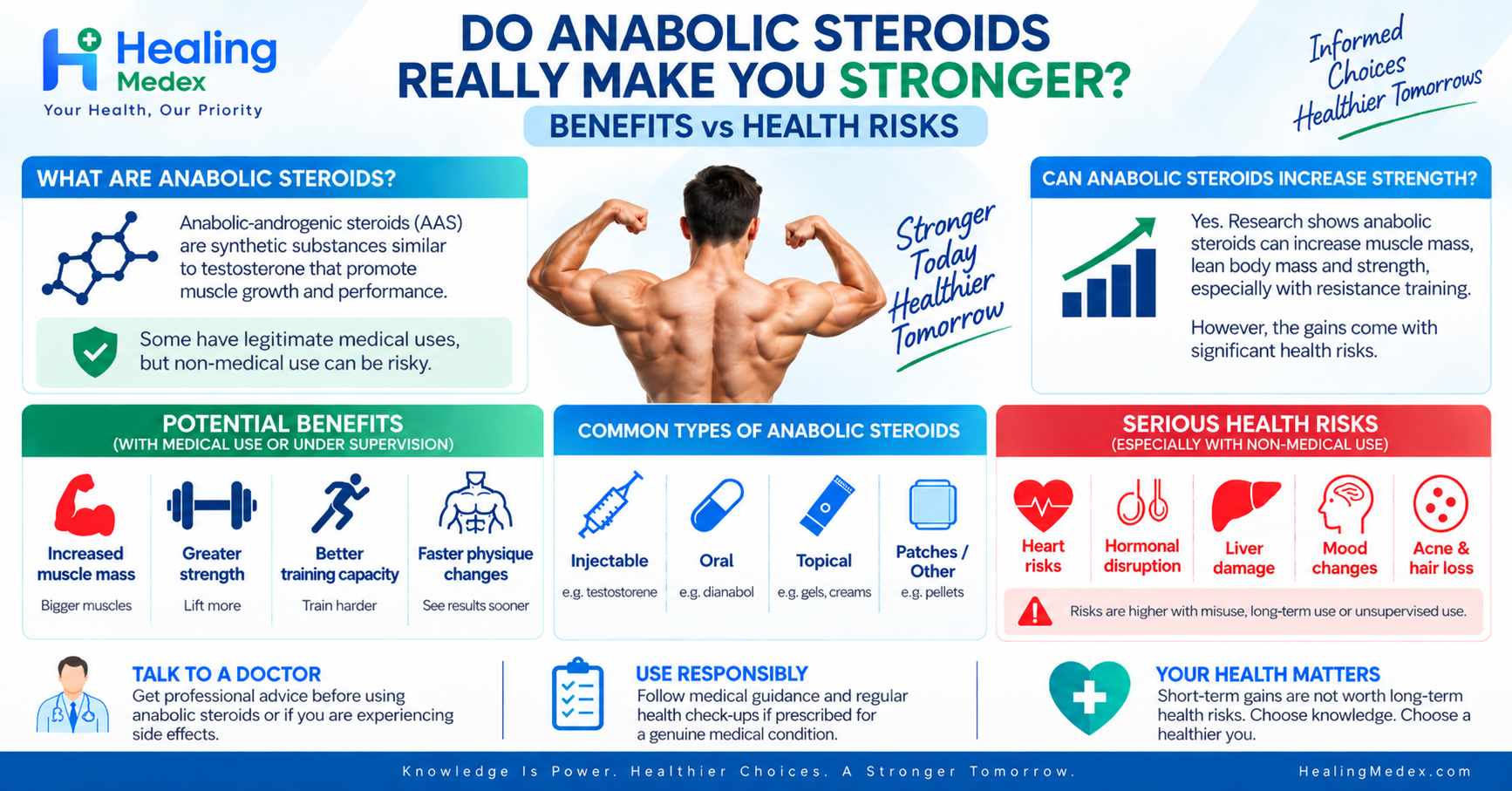
Anabolic steroids are synthetic substances related to testosterone. Although certain anabolic-androgenic steroids have legitimate medical uses, they are also sometimes used without medical supervision to increase muscle mass, strength, or physical performance.
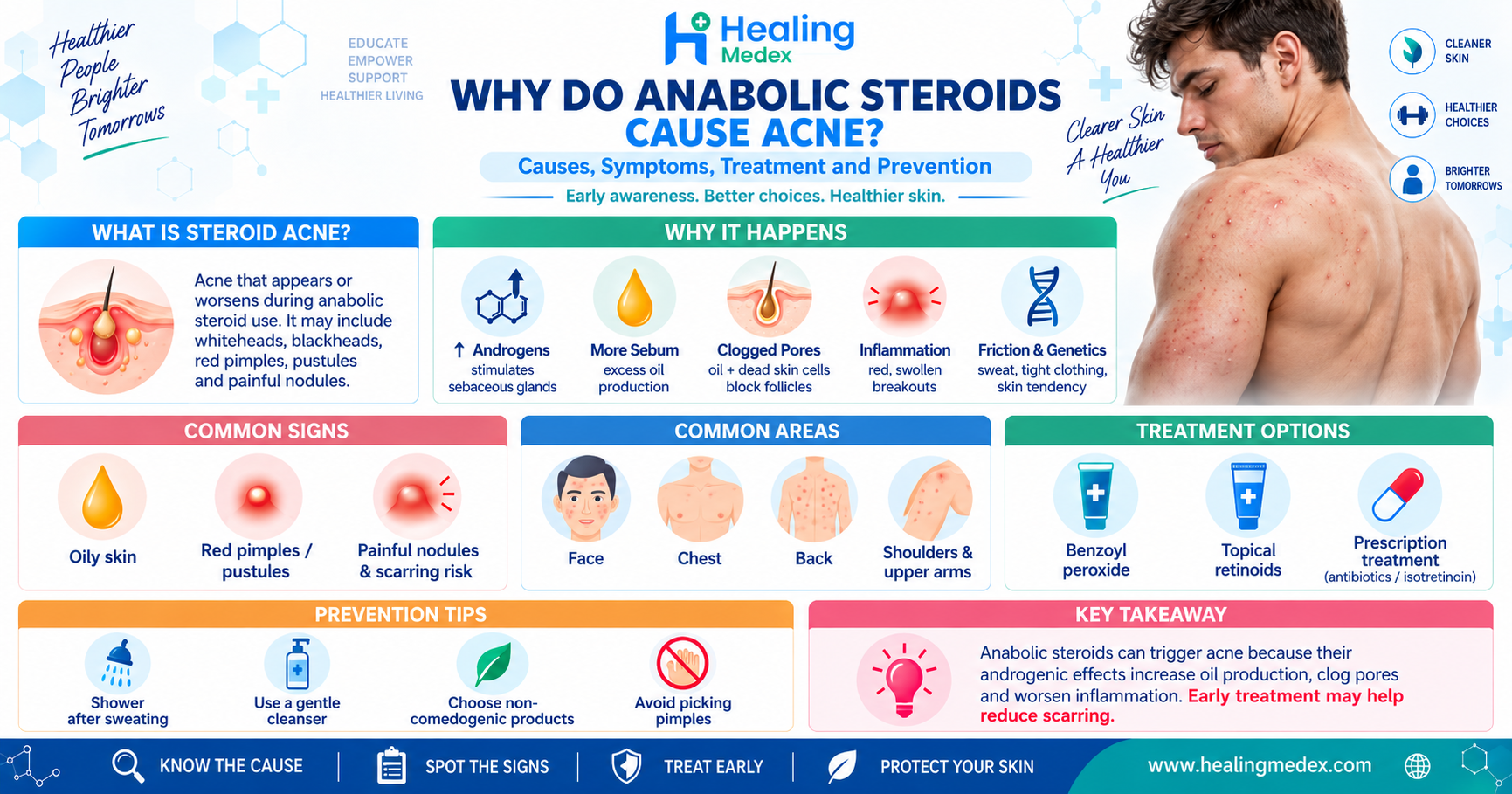
One of the most noticeable skin problems associated with anabolic steroid use is acne. Breakouts may appear on the face, shoulders, chest, upper arms, and especially the back.
But why does this happen?
The main reason is that anabolic steroids increase androgenic activity in the body. Androgens can stimulate the skin's sebaceous glands, increasing oil production and creating conditions that make blocked pores and inflammation more likely. Testosterone and anabolic steroids such as nandrolone and stanozolol are recognized as potential causes or aggravators of severe acne.
What Is Anabolic Steroid Acne?
Anabolic steroid acne is acne that develops or becomes worse during exposure to anabolic-androgenic steroids.
It may resemble ordinary acne vulgaris, with:
Whiteheads
Blackheads
Red pimples
Pustules
Painful nodules
Deep cyst-like lesions
In some people, the breakout can become extensive and severe.
DermNet notes that anabolic steroids can cause severe forms of acne, including acne conglobata and acne fulminans in some cases.
Why Do Anabolic Steroids Cause Acne?
1. They Increase Androgen Activity
Androgens such as testosterone have a strong influence on the skin.
When androgen activity increases, the sebaceous glands can become more active. These glands produce sebum, the oily substance that helps protect the skin.
Higher androgen levels can increase both the size and activity of oil-producing glands. The American Academy of Dermatology explains that androgens stimulate sebaceous glands to make more oil, which can contribute to clogged pores and acne.
Anabolic steroids can therefore create an unusually strong androgenic environment, particularly when used at doses outside medical supervision.
2. The Skin Produces More Sebum
Sebum is necessary for healthy skin, but too much can become a problem.
Excess oil can mix with dead skin cells inside hair follicles.
This mixture can block the opening of a follicle and create a clogged pore.
Depending on whether the pore remains open or closed, this may lead to:
Blackheads
Whiteheads
Inflamed pimples
The increase in testosterone-related androgen activity has also been associated with increased sebum production and acne development.
3. Pores Become More Easily Blocked
Acne does not occur simply because the skin is oily.
The structure of the hair follicle also matters.
When excess sebum combines with accumulated skin cells, the follicle can become blocked. Once this happens, inflammation and acne-causing microorganisms can contribute to the development of visible pimples.
This is why simply washing oily skin more aggressively does not necessarily solve steroid-related acne.
In fact, excessive scrubbing can irritate the skin and potentially make inflammation worse.
4. Inflammation Can Increase
Acne is an inflammatory skin condition.
Increased androgen activity can contribute not only to oil production but also to inflammatory changes in acne-prone skin.
The result may be larger, redder, and more painful pimples.
In severe cases, deep inflammatory nodules may develop beneath the surface of the skin.
These lesions are particularly important because severe inflammatory acne has a greater risk of causing permanent acne scars.
5. Existing Acne May Become Worse
People who already have oily or acne-prone skin may notice that breakouts become much worse after anabolic steroid exposure.
Someone who previously experienced only occasional pimples may suddenly develop acne across the:
Back
Chest
Shoulders
Face
Upper arms
Drug-induced acne can aggravate an existing tendency toward acne rather than always causing an entirely new condition.
6. Genetics Can Influence the Risk
Not everyone exposed to anabolic steroids develops acne to the same degree.
Genetics may partly explain the difference.
The American Academy of Dermatology notes that having close relatives with severe acne may increase a person's risk of developing significant acne themselves.
Someone who is already genetically prone to acne may therefore experience more noticeable breakouts when androgen activity rises.
7. Sweating and Friction May Make Breakouts Worse
People using anabolic steroids for bodybuilding or athletic purposes may also perform frequent high-intensity workouts.
Heavy sweating itself is not the underlying cause of steroid acne, but sweat combined with:
Tight workout clothing
Backpacks
Protective equipment
Friction
Occlusive clothing
can irritate acne-prone skin.
For someone already producing excess sebum because of elevated androgen activity, these factors may make body acne more difficult to manage.
Where Does Steroid-Related Acne Usually Appear?
Acne associated with anabolic steroids often affects areas containing many sebaceous glands.
Common locations include:
Back
The back is one of the most frequent areas affected. Breakouts may spread across the upper and middle back and can occasionally become nodular or cystic.
Shoulders
Shoulder acne is particularly common in people who sweat heavily or wear tight athletic clothing.
Chest
Inflammatory pimples and pustules can develop across the upper chest.
Face
The forehead, cheeks, jawline, and chin may also become more oily and acne-prone.
Upper Arms
Some people develop clusters of small inflammatory spots across the upper arms.
DermNet notes that steroid-related acne may occur on areas including the chest, face, neck, back, and arms.
What Does Anabolic Steroid Acne Look Like?
Steroid-associated breakouts can vary considerably.
Mild cases may involve:
Oily skin
Small whiteheads
Blackheads
Occasional pimples
Moderate cases may involve:
Numerous red pimples
Pustules
Widespread chest or back acne
Tender inflammatory lesions
Severe cases may involve:
Deep nodules
Large painful lesions
Cyst-like breakouts
Widespread inflammation
Scarring
Drug-related acne eruptions can sometimes appear more uniform than ordinary acne, meaning many spots may look similar in size and appearance.
Can Anabolic Steroid Acne Cause Scarring?
Yes.
Severe inflammatory acne can damage deeper layers of skin.
As the inflammation heals, it may leave:
Depressed scars
Raised scars
Persistent red marks
Dark pigmentation
Picking or squeezing pimples may further increase the risk of scarring.
Anyone developing painful nodules, cyst-like lesions, or rapidly worsening acne should consider seeing a dermatologist early rather than waiting for permanent scars to appear.
Does Steroid Acne Go Away After Stopping Anabolic Steroids?
Acne may improve when the hormonal trigger is removed, but improvement does not necessarily occur immediately.
Sebaceous gland activity, inflammation, existing blocked pores, and individual skin sensitivity can all affect how quickly the skin improves.
Some people may continue experiencing acne for a period after anabolic steroids have been discontinued.
If anabolic steroids have been medically prescribed, do not stop or change treatment without discussing it with the prescribing healthcare professional.
For nonmedical anabolic steroid use, discussing the situation openly with a healthcare professional can help identify both skin-related and other potential health complications.
How Is Anabolic Steroid Acne Treated?
Treatment depends on the severity and type of acne.
Benzoyl Peroxide
It may be particularly useful for inflammatory pimples and is often combined with other treatments.
Topical Retinoids
Topical retinoids such as adapalene help prevent pores from becoming blocked.
They can treat:
Blackheads
Whiteheads
Some inflammatory pimples
Retinoids are also frequently used to help maintain clearer skin after acne improves.
Antibiotic Treatment
Moderate or severe inflammatory acne may sometimes require topical or oral antibiotics prescribed by a healthcare professional.
When topical antibiotics are used for acne, dermatology guidelines commonly pair them with benzoyl peroxide to help reduce the development of antibiotic resistance.
Isotretinoin
Severe, persistent, nodular, or scarring acne may require treatment with oral isotretinoin.
DermNet notes that severe steroid-associated acne may sometimes be treated with oral isotretinoin.
How Can You Reduce the Risk of Steroid-Related Acne?
Although acne cannot always be prevented, several skin-care measures may help reduce additional irritation and clogged pores.
Shower After Sweating
Change out of sweaty workout clothes and shower after exercise when practical.
Use a Gentle Cleanser
Clean acne-prone areas gently rather than repeatedly scrubbing them.
Harsh scrubbing does not remove the hormonal cause of acne and may irritate inflamed skin.
Choose Non-Comedogenic Products
Look for products labelled:
Non-comedogenic
Non-acnegenic
Oil-free
Won't clog pores
The American Academy of Dermatology recommends these types of skin-care products for acne-prone skin.
Avoid Picking Pimples
Squeezing acne lesions increases inflammation and may contribute to permanent scarring.
Reduce Friction
Loose, breathable workout clothing may help reduce friction against acne-prone areas such as the chest, shoulders, and back.
When Should You See a Dermatologist?
Consider seeking medical advice if acne:
Becomes widespread
Causes painful lumps or nodules
Begins leaving scars
Does not improve with appropriate over-the-counter treatment
Suddenly becomes much worse
Significantly affects confidence or quality of life
Early treatment is especially important when deep inflammatory lesions are appearing because preventing scars is generally easier than treating established acne scars.
Frequently Asked Questions
1. Do all anabolic steroids cause acne?
Not everyone who uses an anabolic steroid develops acne, and the severity varies between individuals.
Risk can be influenced by the specific substance, androgenic activity, exposure, genetics, previous acne history, and skin type.
2. Why do anabolic steroids cause back acne?
The back contains many sebaceous glands.
When androgen activity increases oil production, the back may become especially susceptible to clogged pores and inflammatory acne. Sweat, tight clothing, and exercise-related friction may further irritate the area.
3. Can steroid acne appear suddenly?
Yes.
Some people notice a rapid increase in oily skin and inflammatory breakouts after hormonal changes. Drug-related acne can sometimes produce many similar-looking lesions over the chest and back.
4. Can anabolic steroid acne be prevented completely?
Not always.
Because the underlying trigger is hormonal, skin care alone cannot guarantee prevention. However, appropriate acne treatment, gentle cleansing, non-comedogenic products, and early dermatology care can help control breakouts and reduce the risk of scarring.
5. Is steroid acne permanent?
Usually not, but severe acne can leave permanent scars.
How long active acne continues varies depending on ongoing hormonal exposure, individual susceptibility, and whether effective treatment is used.
The Bottom Line
More androgen activity can mean more sebum. Excess sebum can combine with dead skin cells to clog hair follicles, while increased inflammation can turn those clogged pores into red, painful pimples.
For some people, anabolic steroids can therefore trigger significant acne across the back, shoulders, chest, face, and upper arms, and severe cases can cause permanent scarring.
Mild acne may respond to appropriate skin care and topical treatments, but painful, widespread, nodular, or scarring acne should be evaluated by a healthcare professional or dermatologist.