Anabolic steroids are often associated with bodybuilding, larger muscles and dramatic increases in strength. But do anabolic steroids really make you stronger, and what happens to your health in exchange for those performance effects?
yes—anabolic-androgenic steroids (AAS) can increase muscle mass and strength, particularly when combined with resistance training. However, non-medical steroid use can also affect the cardiovascular, hormonal, reproductive, liver, kidney and psychological systems.
Understanding both sides is important before viewing steroids simply as a shortcut to becoming stronger.
What Are Anabolic Steroids?
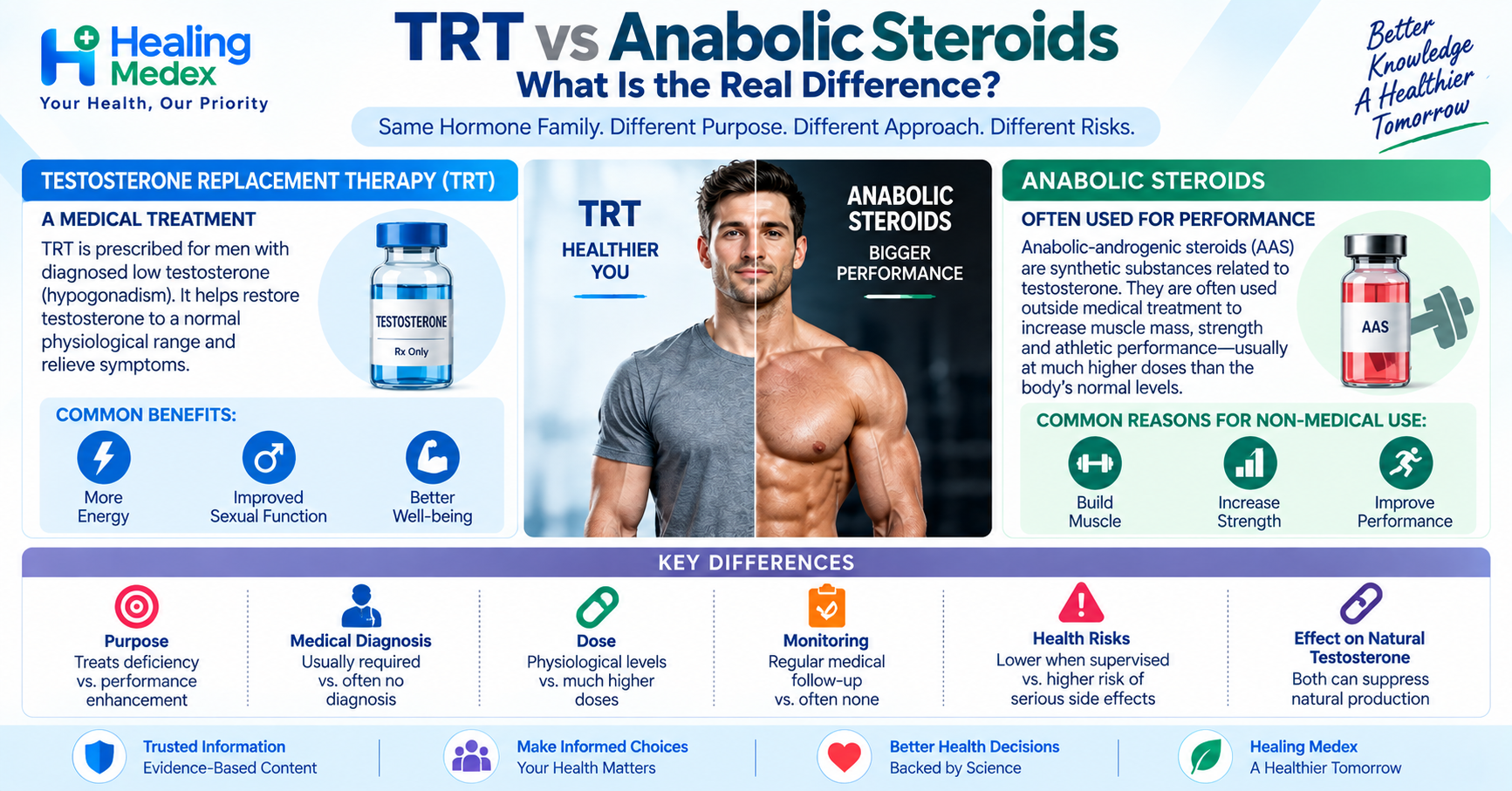
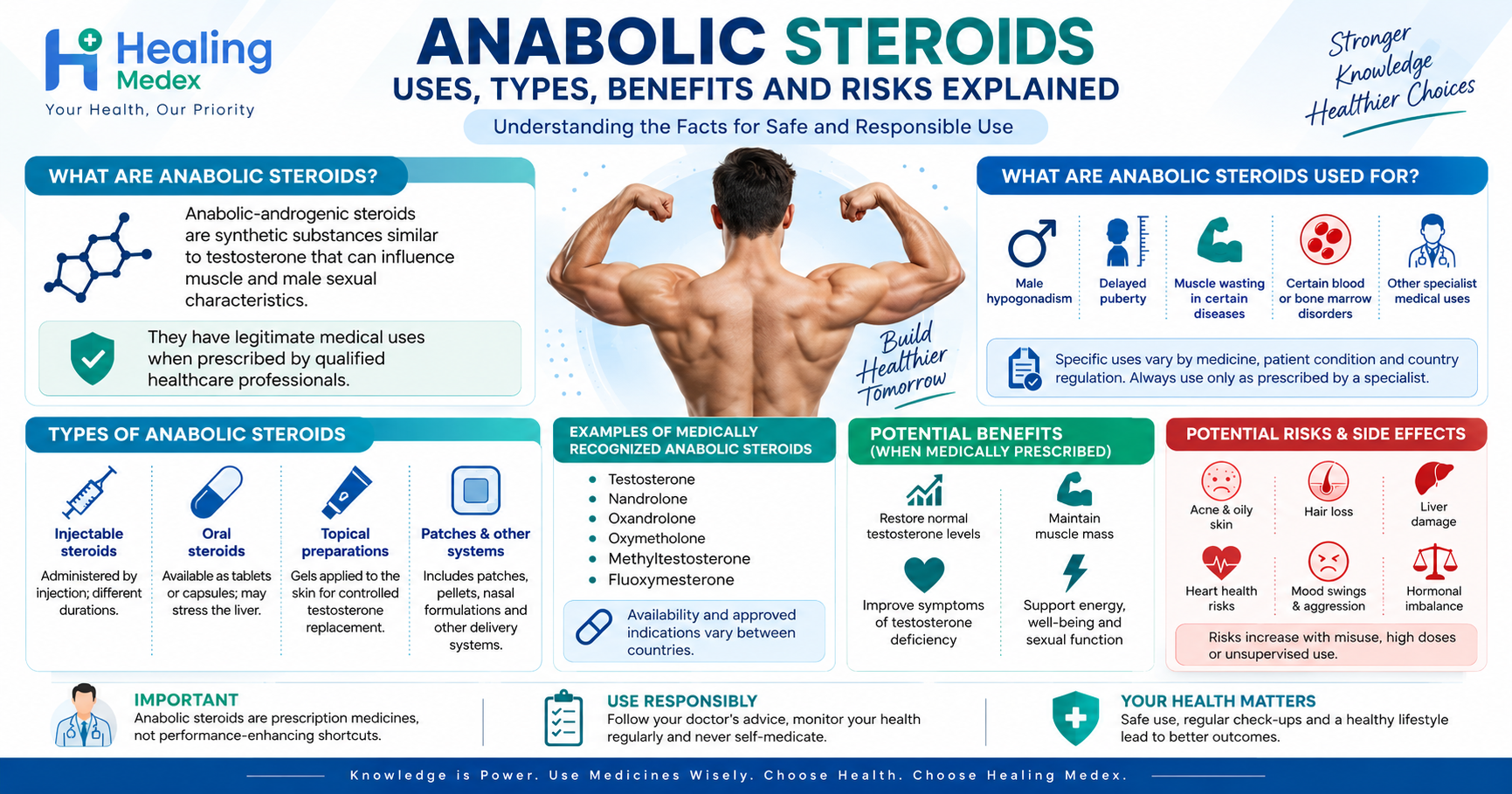
Anabolic-androgenic steroids are synthetic substances related to the hormone testosterone.
They have two main types of effects:
Anabolic effects: promote muscle and tissue growth.
Androgenic effects: influence male sexual characteristics and hormone-related functions.
Certain anabolic steroids and testosterone preparations have legitimate medical uses under professional supervision. Problems arise when these drugs are used without medical guidance, particularly at supraphysiological levels intended to increase muscle size or athletic performance.
The NHS notes that anabolic steroids used without medical advice to increase muscle mass and athletic performance can cause serious physical and psychological complications.
Do Anabolic Steroids Actually Make You Stronger?
Yes, they can increase muscle strength.
One of the best-known controlled studies examined testosterone together with resistance training.
Researchers found that men receiving supraphysiological testosterone while strength training experienced substantially greater increases in fat-free mass, muscle size and strength than comparison groups.
A systematic review and meta-analysis also concluded that anabolic-androgenic steroid use in healthy exercising adults was associated with an increase in lean body mass and muscle strength, although the available studies varied considerably in quality and duration.
The effects occur because androgen receptors in muscle tissue respond to anabolic hormones, influencing processes involved in muscle protein synthesis and muscle-fiber growth.
But becoming stronger does not necessarily mean becoming healthier.
Potential Performance Effects of Anabolic Steroids
1. Increased Muscle Mass
One of the most noticeable effects of anabolic steroids is increased lean body mass.
Androgen activity can stimulate muscle-protein development and contribute to enlargement of muscle fibers. Research involving testosterone has demonstrated measurable increases in muscle size with higher androgen exposure.
This is one reason anabolic steroids have become associated with bodybuilding.
2. Increased Strength
Additional muscle mass can translate into greater force production.
Research has demonstrated increases in exercises such as the bench press and squat among participants exposed to supraphysiological testosterone, particularly when combined with resistance training.
However, individual results vary according to factors including genetics, training, nutrition, the substances involved and duration of exposure.
3. Increased Lean Body Mass
Anabolic steroids can shift body composition toward greater lean mass.
A systematic review of studies involving healthy exercising adults found a moderate increase in lean mass associated with AAS use.
That does not mean all changes in body weight represent functional muscle or that the changes will be maintained after the drugs are stopped.
4. Greater Training Capacity
Some people using anabolic steroids report being able to train harder or tolerate larger training workloads.
This can indirectly contribute to strength and muscle development because resistance training itself remains an important stimulus for muscle growth.
Steroids do not replace appropriate exercise, nutrition, rest and recovery.
5. Faster Changes in Physique
The combination of increased muscle size and changes in body composition may produce relatively rapid differences in physical appearance.
These cosmetic effects are among the main reasons anabolic steroids are misused outside competitive sport.
However, visible muscle development does not reveal what may simultaneously be happening to the cardiovascular, hormonal or reproductive systems.
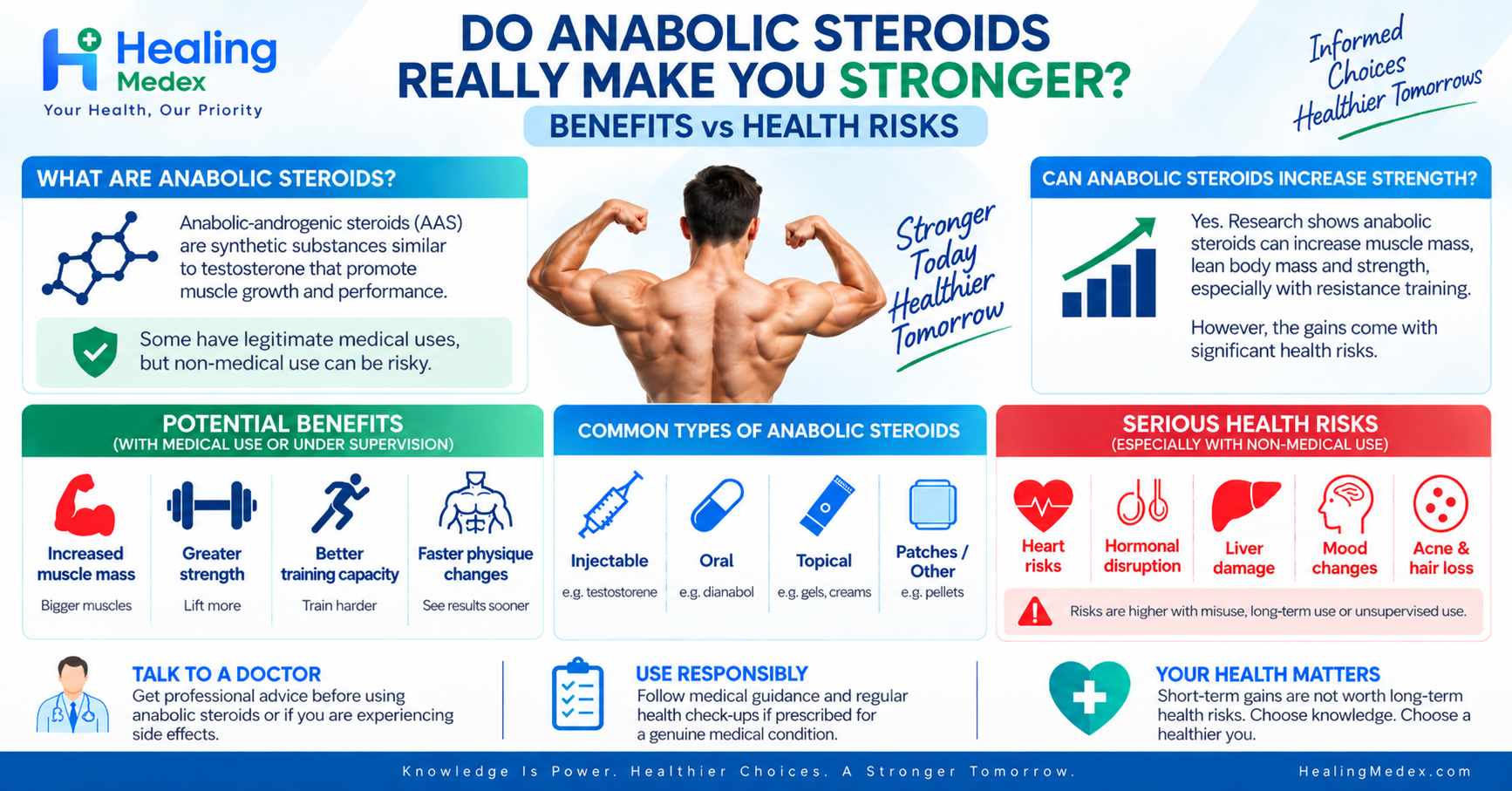
Anabolic Steroids: Strength Benefits vs Health Risks
Potential Performance Effect | Possible Health Consequence |
|---|---|
Increased muscle mass | Natural testosterone suppression |
Increased strength | Cardiovascular complications |
Increased lean mass | Reduced sperm production and fertility |
Greater training capacity | Tendon and musculoskeletal problems |
Faster physique changes | Acne and hair-related changes |
Enhanced anabolic activity | Liver and kidney problems |
Short-term performance enhancement | Mood and psychological effects |
The important distinction is that performance enhancement is not the same as improvement in overall health.
What Are the Health Risks of Anabolic Steroids?
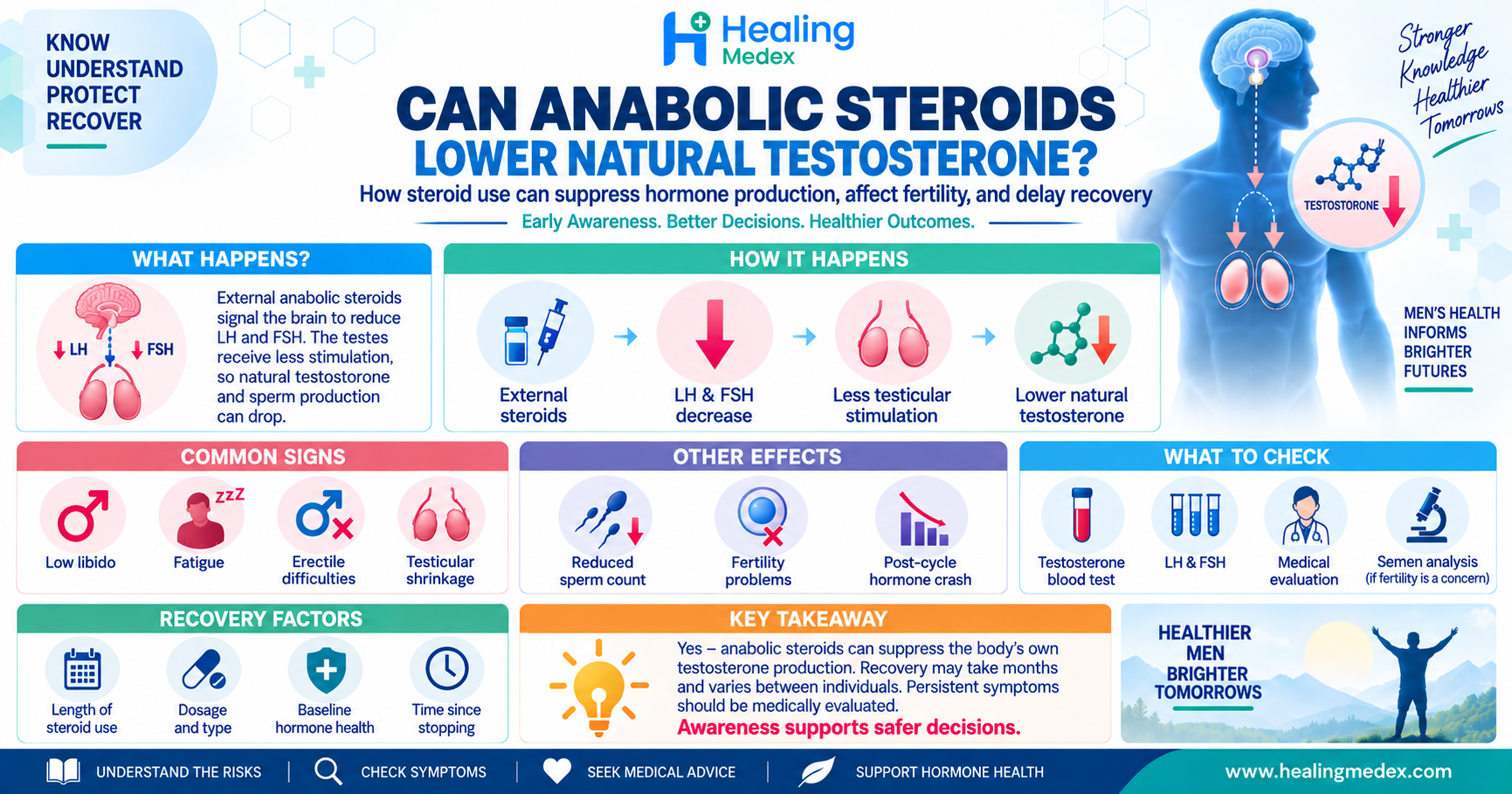
1. Natural Testosterone Suppression
This is one of the most important consequences for men.
This suppresses the hypothalamic-pituitary-gonadal (HPG) axis, potentially reducing the body's own testosterone production.
After steroids are discontinued, some users experience symptoms associated with low testosterone.
These can include:
Reduced energy
Lower sex drive
Erectile difficulties
Reduced mood
Loss of strength
Reduced testicular size
Recovery is highly variable. Research suggests hormonal recovery may take months, while reproductive recovery can sometimes take considerably longer.
2. Reduced Sperm Production and Fertility
Anabolic steroids can suppress hormones involved in sperm production.
Research examining AAS use has reported effects including reductions in reproductive hormones, smaller testicular volume and changes in sperm parameters.
The NHS also identifies reduced sperm count and infertility among potential complications of anabolic steroid misuse.
Fertility may recover after stopping, but recovery time differs significantly between individuals.
3. Erectile Dysfunction and Reduced Libido
Some people initially experience increased sexual drive while androgen levels are high.
Problems can arise during or particularly after discontinuation as the body's natural hormone production may remain suppressed.
A recent review notes that anabolic steroid exposure may be associated with reduced libido, erectile dysfunction and impaired sperm production, particularly as a consequence of hormonal disruption.
Therefore, increased testosterone exposure does not necessarily mean permanently improved sexual function.
4. Cardiovascular Risks
One of the most serious concerns surrounding long-term anabolic steroid misuse involves the cardiovascular system.
Potential problems associated with AAS misuse include:
Unfavourable cholesterol changes
Blood clots
Changes in heart structure or function
Stroke
The Endocrine Society reports that performance-enhancing drug use has been linked with cardiovascular and metabolic disorders, among several other health consequences.
NIDA similarly identifies high blood pressure, blood clots, heart attack, stroke and arterial damage among possible consequences of anabolic steroid misuse.
5. Changes in Cholesterol
Steroids can negatively affect blood lipids.
Some studies have reported:
Increased LDL cholesterol
Reduced HDL cholesterol
These changes can contribute to cardiovascular risk over time. A systematic review of anabolic steroid research documented changes in both LDL and HDL among reported adverse effects.
6. Liver Problems
Certain anabolic steroids—particularly some oral agents—can place additional stress on the liver.
Reported complications of steroid misuse include liver injury and, in severe cases, more serious hepatic disease.
NIDA identifies liver complications including peliosis hepatis and liver tumors among possible consequences of anabolic steroid misuse.
7. Acne and Skin Changes
Severe acne is one of the more visible steroid-related adverse effects.
Increased androgen activity can stimulate sebaceous glands, increasing oil production.
This may lead to:
Oily skin
Blackheads
Inflamed pimples
Cystic acne
Acne affecting the back, shoulders and chest
Hair loss may also occur in genetically susceptible people.
8. Psychological and Mood Effects
Anabolic steroid misuse has also been associated with psychological and behavioural changes.
The NHS lists potential effects including:
Aggressive behaviour
Mood swings
Paranoia
Manic behaviour
Hallucinations or delusions
Steroid dependence and withdrawal can also occur.
After discontinuation, some people experience fatigue, anxiety, sleep disturbances, decreased sex drive or depressed mood.
9. Tendon and Musculoskeletal Problems
Muscles may become stronger relatively quickly, but other tissues do not necessarily adapt at exactly the same rate.
Anabolic steroid misuse has been associated with tendon injuries and other musculoskeletal complications.
That means increased muscular strength does not automatically protect someone from injury.
10. Dependence and Withdrawal
Some people develop patterns of continued steroid use despite experiencing harmful consequences.
According to the NHS, anabolic steroids can cause dependence, and stopping may be accompanied by withdrawal symptoms such as:
Depression or low mood
Insomnia
Fatigue
Reduced sex drive
Difficulty concentrating
Muscle and joint discomfort
This can make discontinuation more difficult than many users initially expect.
Can You Keep the Muscle and Strength After Stopping Steroids?
Not necessarily all of it.
Some muscle and strength may be maintained through continued resistance training and appropriate nutrition. However, part of the improvement obtained while androgen levels were artificially elevated may decline after discontinuation.
The situation becomes more complicated if natural testosterone remains suppressed.
Low testosterone after stopping anabolic steroids may contribute to:
Reduced training capacity
Fatigue
Lower muscle mass
Reduced libido
Mood changes
Reduced strength
Recovery varies substantially between individuals and depends on factors such as duration of exposure, the substances involved, age and underlying hormonal function.
Are Anabolic Steroids Worth the Risk for Building Strength?
Scientifically, anabolic steroids can increase muscle mass and strength.
That is different from saying they are a safe method of becoming stronger.
Non-medical anabolic steroid use can expose users to cardiovascular, endocrine, reproductive, liver, psychological and other complications. Some effects may improve after discontinuation, while others can take months or years to resolve and may occasionally persist.
For most people seeking better strength or physique, evidence-based resistance training, sufficient protein and calories, adequate sleep and progressive training provide a much safer foundation.
When Should You Speak to a Doctor?
Someone currently using or previously using anabolic steroids should consider medical evaluation if they experience symptoms such as:
Persistent erectile dysfunction
Reduced libido
Testicular shrinkage
Fertility difficulties
Severe acne
Persistent high blood pressure
Unexplained fatigue
Breast enlargement in men
Depression or significant mood changes
Symptoms of low testosterone after discontinuation
Urgent medical attention is appropriate for symptoms such as severe chest pain, significant breathing difficulty, fainting or symptoms suggestive of a stroke or other acute medical emergency.
Do not assume that using additional hormones or medications without medical supervision will automatically restore normal testosterone or fertility.
Frequently Asked Questions
1.Do anabolic steroids make you stronger?
Yes. Research indicates that supraphysiological androgen exposure can increase muscle size, lean mass and strength, particularly when combined with resistance training.
2.Do steroids build muscle without exercise?
Androgens can influence lean body mass even without resistance training, but combining androgen exposure with strength training produced much larger improvements in a landmark controlled study. This does not make non-medical use safe.
3.Do anabolic steroids permanently increase strength?
Not necessarily. Some strength and muscle gained during use may decrease after stopping, particularly if natural hormone production remains suppressed.
4.Can steroids lower natural testosterone?
Yes. External anabolic-androgenic steroids can suppress the hormonal signals responsible for natural testosterone production. Recovery after discontinuation varies between individuals.
5.Can anabolic steroids affect fertility?
Yes. AAS use can suppress reproductive hormones and interfere with sperm production and function. Recovery is possible for many men but may take months or longer.
6.Can anabolic steroids cause erectile dysfunction?
They can. Hormonal disruption during or after steroid use may contribute to reduced libido and erectile dysfunction, particularly following withdrawal or prolonged exposure.
The Bottom Line
Anabolic steroids really can make muscles bigger and increase strength. Their anabolic effects are genuine and have been demonstrated in clinical research.
But increased strength comes with a potentially significant trade-off when steroids are used non-medically.
Possible consequences include natural testosterone suppression, fertility problems, erectile dysfunction, cardiovascular complications, cholesterol changes, liver problems, acne, mood disturbances and dependence.
Building muscle and becoming stronger should therefore not be confused with becoming healthier.
Anyone using anabolic steroids—or experiencing hormonal, sexual or fertility problems after stopping them—should discuss their symptoms openly with a qualified healthcare professional rather than attempting to correct the problem with additional unsupervised drugs.