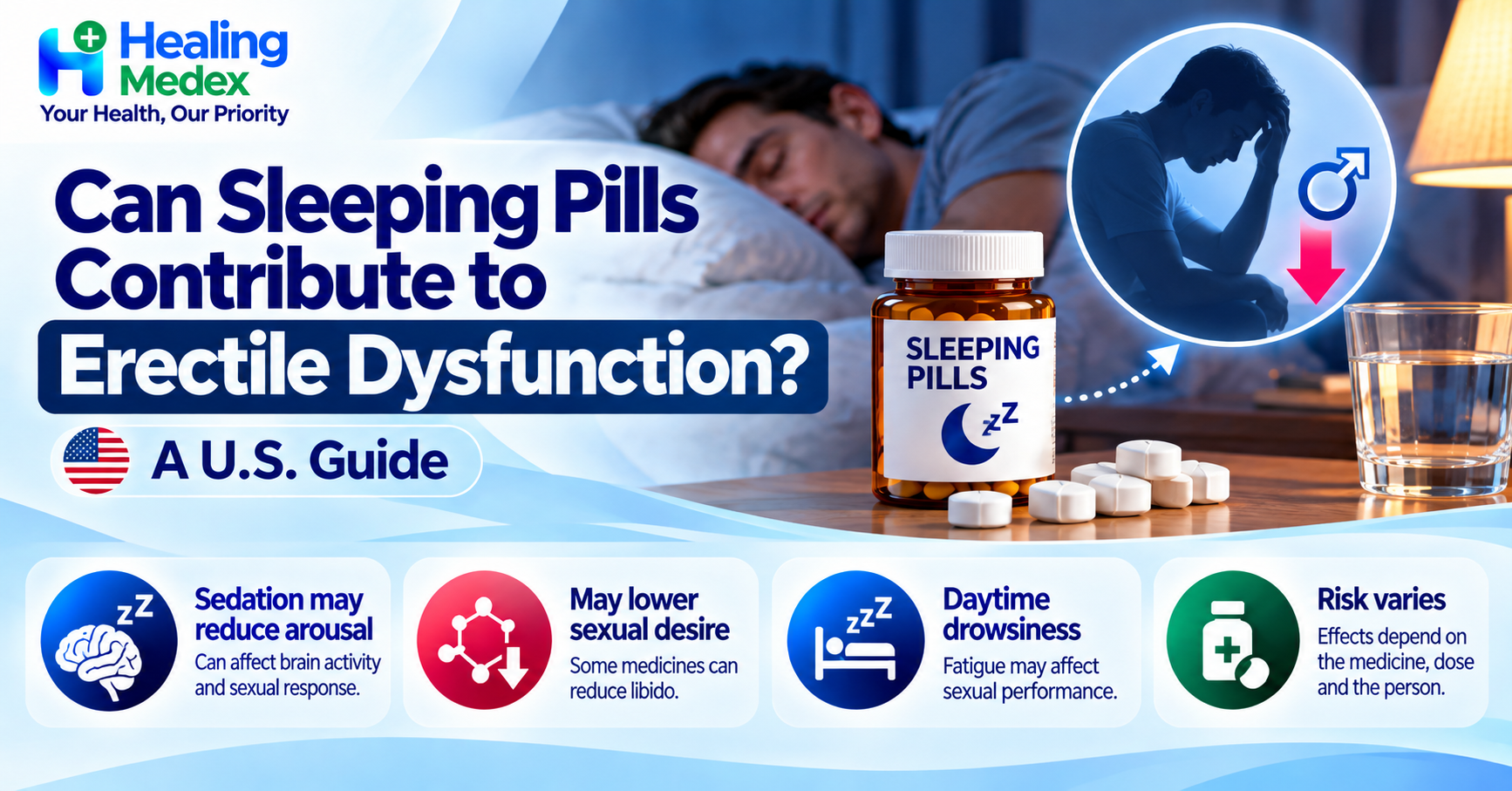
Erectile dysfunction (ED) can develop for many reasons, including problems with blood circulation, diabetes, heart disease, certain medicines, stress, anxiety, nerve disorders, and hormonal imbalances.
One hormone that often receives attention is testosterone.
Testosterone plays an important role in male sexual health, particularly sexual desire, energy, sperm production, muscle mass, and overall well-being. When testosterone levels become abnormally low, some men may experience reduced sexual desire and changes in erectile function.
However, the connection between low testosterone and erectile dysfunction is more complicated than simply assuming that low testosterone automatically causes ED.
Low testosterone can contribute to erectile difficulties in some men, but many cases of ED are primarily related to blood vessel, metabolic, neurological, medication-related, or psychological factors. The National Institute of Diabetes and Digestive and Kidney Diseases (NIDDK) lists hormonal problems such as low testosterone among the medical conditions that can contribute to ED.
Understanding whether testosterone is involved can help determine the most appropriate treatment.
What Is Testosterone?
Testosterone is the main androgen, or male sex hormone. It is produced primarily in the testicles, while its production is regulated by signals from the brain and pituitary gland.
Testosterone contributes to several important functions, including:
Sexual desire or libido
Sperm production
Development of male sexual characteristics
Muscle mass and strength
Bone health
Red blood cell production
Mood and energy levels
Testosterone levels may gradually change with age, but a lower result on a single blood test does not necessarily mean that a man has testosterone deficiency.
Clinical guidelines recommend diagnosing hypogonadism only when a man has compatible symptoms or signs together with consistently low testosterone levels confirmed through appropriate laboratory testing.
What Is Erectile Dysfunction?
Erectile dysfunction is the persistent difficulty getting or maintaining an erection firm enough for satisfactory sexual activity.
Men with ED may:
Have difficulty getting an erection
Get an erection only occasionally
Lose an erection before completing sexual activity
Have erections that are not firm enough for intercourse
ED is not considered an inevitable part of aging. It can sometimes be an early sign of another medical condition requiring attention.
Can Low Testosterone Cause Erectile Dysfunction?
Yes, low testosterone can contribute to erectile dysfunction in some men, although it is usually not the only possible cause.
Testosterone is particularly important for sexual desire. When testosterone becomes significantly low, a man may experience reduced interest in sexual activity. Lower sexual stimulation can indirectly make erections more difficult.
Testosterone may also influence physiological processes involved in erection, but obtaining an erection depends on much more than hormones.
Normal erectile function requires coordination between:
Blood vessels
Nerves
Hormones
Brain signals
Smooth muscle in the penis
Psychological and emotional factors
This means a man can have normal testosterone levels and still experience ED. Likewise, a man with low testosterone may still be capable of erections.
How Does Low Testosterone Affect Sexual Function?
Low testosterone may affect several aspects of sexual health.
1. Reduced Sexual Desire
A noticeable decline in libido is one of the sexual symptoms most commonly associated with testosterone deficiency.
A man may have less interest in sex, fewer sexual thoughts, or reduced spontaneous sexual desire.
2. Fewer Spontaneous Erections
Some men with testosterone deficiency notice fewer spontaneous or morning erections.
However, this symptom alone cannot determine whether testosterone levels are low.
3. Difficulty Achieving or Maintaining Erections
Low testosterone may contribute to erectile difficulties, particularly when testosterone deficiency exists alongside other ED risk factors.
4. Reduced Response to Sexual Stimulation
Lower libido can reduce sexual arousal, which may make it more difficult for the normal erection process to begin.
5. Changes in Overall Sexual Satisfaction
Fatigue, low mood, reduced confidence, and decreased sexual desire can combine to affect sexual performance and satisfaction.
What Are Other Symptoms of Low Testosterone?
Testosterone deficiency can cause symptoms beyond sexual difficulties.
Possible symptoms may include:
Reduced sex drive
Erectile difficulties
Reduced spontaneous erections
Fatigue
Reduced energy
Loss of muscle mass
Increased body fat
Mood changes
Reduced motivation
Difficulty concentrating
Reduced body or facial hair
Infertility
These symptoms are not specific to testosterone deficiency and can occur with many other medical conditions.
For that reason, symptoms alone should not be used to diagnose low testosterone.
Low Testosterone Is Only One Possible Cause of ED
Although testosterone receives considerable attention, most cases of erectile dysfunction require a broader evaluation.
Common contributors to ED include:
Cardiovascular Disease
Healthy erections require adequate blood circulation. Conditions that damage or narrow blood vessels can reduce blood flow to the penis.
These include:
High blood pressure
High cholesterol
Atherosclerosis
Heart disease
Diabetes
Diabetes can damage both blood vessels and nerves involved in erection.
Men with diabetes may also have a higher likelihood of low testosterone, especially when obesity is present.
Obesity
Excess body weight is associated with metabolic problems that may affect testosterone levels, blood vessels, and erectile function.
Smoking
Smoking damages blood vessels and can reduce healthy circulation throughout the body, including blood flow to the penis.
Certain Medicines
Some antidepressants, blood pressure medicines, sedatives, hormone treatments, and other medicines may contribute to erectile difficulties.
Do not stop a prescribed medicine without discussing it with a healthcare professional.
Stress and Performance Anxiety
Anxiety, depression, relationship difficulties, and stress can cause or worsen ED.
Sometimes physical erectile problems lead to performance anxiety, creating a cycle that makes the condition worse.
How Can You Tell Whether ED Is Related to Low Testosterone?
Symptoms alone cannot determine whether low testosterone is responsible.
A healthcare professional may evaluate:
Medical history
Sexual history
Current medicines
Lifestyle factors
Physical examination
Cardiovascular risk factors
Hormone levels
The American Urological Association recommends measuring morning serum total testosterone in men being evaluated for erectile dysfunction.
How Is Low Testosterone Diagnosed?
Testosterone levels vary throughout the day and may temporarily change because of illness, sleep, medications, weight changes, and other factors.
For this reason, testosterone deficiency should generally not be diagnosed from one isolated result.
The Endocrine Society recommends confirming suspected testosterone deficiency by repeating a morning testosterone measurement and diagnosing hypogonadism only when both symptoms and consistently low testosterone concentrations are present.
Additional testing may sometimes include:
Free testosterone
Luteinizing hormone (LH)
Follicle-stimulating hormone (FSH)
Prolactin
Thyroid tests
Blood glucose testing
These tests may help determine why testosterone levels are low or whether another medical condition is contributing to symptoms.
Can Increasing Testosterone Improve Erectile Dysfunction?
For men who have genuine testosterone deficiency, appropriate testosterone treatment may improve certain symptoms, particularly:
Low sexual desire
Reduced sexual interest
Some aspects of sexual function
Energy or well-being in appropriately selected patients
However, testosterone treatment is not a universal ED treatment.
If erectile dysfunction is mainly caused by diabetes, narrowed blood vessels, nerve damage, medication effects, or psychological factors, correcting testosterone alone may not fully restore erections.
Some men with confirmed low testosterone and ED may require both treatment for testosterone deficiency and standard ED treatment.
NIDDK notes that clinicians may sometimes use testosterone together with a PDE5 inhibitor in men who have both ED and low testosterone.
What Are PDE5 Inhibitors?
PDE5 inhibitors are commonly prescribed medicines for erectile dysfunction.
Examples include:
These medicines improve the natural erectile response by increasing blood flow to the penis during sexual stimulation.
They do not automatically create sexual desire, and sexual stimulation is still required.
Because testosterone and PDE5 inhibitors work differently, treating low testosterone and treating erectile blood-flow problems are not necessarily the same thing.
Does Testosterone Replacement Therapy Treat Every Man With ED?
No.
Testosterone replacement therapy, commonly called TRT, should generally be considered only when appropriate clinical evaluation confirms testosterone deficiency.
Starting testosterone simply because a man has ED without confirming low testosterone may expose him to unnecessary treatment without addressing the true cause of the erectile problem.
Before starting TRT, a clinician should consider the potential benefits, risks, fertility goals, medical history, and appropriate monitoring.
What Forms of Testosterone Replacement Therapy Are Available?
Depending on the country and individual treatment plan, testosterone replacement may be available as:
Testosterone injections
Testosterone gels
Testosterone patches
Certain oral testosterone products
Other prescription formulations
The appropriate formulation and dose should be selected by a qualified healthcare professional.
Men should not use bodybuilding steroids or non-prescribed testosterone products as substitutes for medically supervised testosterone treatment.
Can Testosterone Treatment Affect Fertility?
Yes.
This is particularly important for younger men who want to have children.
Taking external testosterone can suppress the body's hormonal signals responsible for sperm production and may significantly reduce sperm count.
The Endocrine Society therefore recommends against starting testosterone therapy in men planning fertility in the near future.
Men concerned about both low testosterone and fertility should discuss this with a urologist, endocrinologist, or reproductive specialist before beginning treatment.
Is Testosterone Replacement Therapy Safe?
Testosterone can be appropriate for carefully selected men with diagnosed testosterone deficiency, but it requires medical supervision and monitoring.
Potential considerations may include:
Increased red blood cell concentration
Increased blood pressure
Reduced sperm production
Acne or oily skin
Fluid retention
Changes in prostate or urinary symptoms
Worsening of certain sleep-related breathing problems in susceptible patients
Current FDA information also notes that testosterone products can increase blood pressure, making blood-pressure monitoring important during treatment.
The risks and benefits therefore need to be considered individually rather than assuming testosterone is suitable for every man with sexual symptoms.
Lifestyle Changes That May Support Testosterone and Erectile Health
Several lifestyle factors can affect both testosterone levels and erectile function.
Helpful measures may include:
Maintain a Healthy Weight
Obesity is associated with both ED and lower testosterone levels in some men.
Gradual weight reduction when medically appropriate may benefit cardiovascular, metabolic, hormonal, and sexual health.
Exercise Regularly
Regular physical activity supports cardiovascular health, circulation, weight management, and overall well-being.
NIDDK recommends physical activity as one of the lifestyle measures that may help improve ED symptoms.
Stop Smoking
Smoking damages blood vessels and increases cardiovascular risk.
Stopping smoking can improve overall vascular health.
Limit Excessive Alcohol
Heavy alcohol use can interfere with sexual performance and may affect hormone health.
Get Adequate Sleep
Poor sleep can affect energy, mood, metabolic health, and sexual function.
Manage Stress
Stress and anxiety can significantly worsen erectile difficulties even when a physical cause is present.
Low Testosterone vs Other Causes of ED
Feature | Low Testosterone May Be More Likely | Other ED Causes May Be More Likely |
|---|---|---|
Reduced libido | Common | May or may not occur |
Low energy | Possible | Depends on cause |
Fewer spontaneous erections | Possible | Also occurs with vascular ED |
Difficulty maintaining erections | Possible | Very common |
Diabetes or cardiovascular disease | May coexist | Major ED risk factors |
Strong sexual desire but erection difficulty | Less suggestive of low T alone | Often suggests another cause |
Confirmed low morning testosterone | Supports diagnosis when symptoms are present | Testosterone may be normal |
These patterns cannot replace medical testing, because several causes can exist at the same time.
When Should You See a Doctor?
Consider speaking with a healthcare professional if:
Erectile difficulties continue for several weeks or months
Your sexual desire has significantly decreased
You have fewer spontaneous erections
You experience persistent fatigue or reduced energy
You have diabetes, high blood pressure, high cholesterol, or heart disease
You are concerned about low testosterone
ED developed suddenly or is getting worse
You are considering testosterone treatment
Persistent ED deserves medical evaluation because erectile problems can sometimes be associated with cardiovascular, hormonal, metabolic, or psychological conditions.
Frequently Asked Questions
1. Can low testosterone cause erectile dysfunction?
Yes. Low testosterone can contribute to erectile dysfunction in some men, particularly when accompanied by reduced libido. However, blood vessel disease, diabetes, medicines, neurological conditions, and psychological factors are also common causes.
2. Does low testosterone always cause ED?
No. Some men with low testosterone can still achieve erections, while many men with ED have normal testosterone levels.
3. Can testosterone increase sexual desire?
In men with confirmed testosterone deficiency, medically supervised testosterone treatment may improve reduced sexual desire.
4. Will testosterone cure erectile dysfunction?
Not necessarily. Testosterone treatment may help some men who have true testosterone deficiency, but ED may continue when another underlying cause is present.
5. Can sildenafil or tadalafil work if testosterone is low?
They may still work because PDE5 inhibitors primarily improve blood flow during sexual stimulation. However, severe testosterone deficiency and very low sexual desire may affect overall sexual response. A healthcare professional can determine the most appropriate treatment strategy.
6. Should every man with ED get his testosterone checked?
The American Urological Association recommends measuring morning serum total testosterone during ED evaluation. The results should be interpreted together with symptoms, medical history, and other clinical findings.
7. Is one low testosterone result enough to start TRT?
Generally, no. Guidelines recommend confirming low testosterone with appropriate repeat morning testing and evaluating whether compatible symptoms are also present before diagnosing testosterone deficiency.
8. Can testosterone replacement reduce sperm count?
Yes. External testosterone can suppress natural sperm production and may significantly reduce fertility.
Final Thoughts
Low testosterone and erectile dysfunction can be connected, but testosterone deficiency is only one possible cause of ED.
Low testosterone tends to have a particularly strong effect on sexual desire, while erections depend on healthy blood vessels, nerves, hormones, psychological well-being, and normal sexual stimulation.
For men experiencing persistent ED together with symptoms such as reduced libido, fatigue, or fewer spontaneous erections, checking testosterone levels may form part of a broader medical evaluation.
Treatment should focus on the actual cause. Testosterone replacement may benefit appropriately diagnosed men with testosterone deficiency, while other men may need lifestyle changes, treatment of underlying medical conditions, psychological support, or prescription ED medicines.
Do not start testosterone, sildenafil, tadalafil, or another prescription sexual-health treatment without appropriate medical advice.