Antidepressants can be highly effective for treating depression, anxiety, and several other mental health conditions. However, like many medicines, they can sometimes cause side effects.
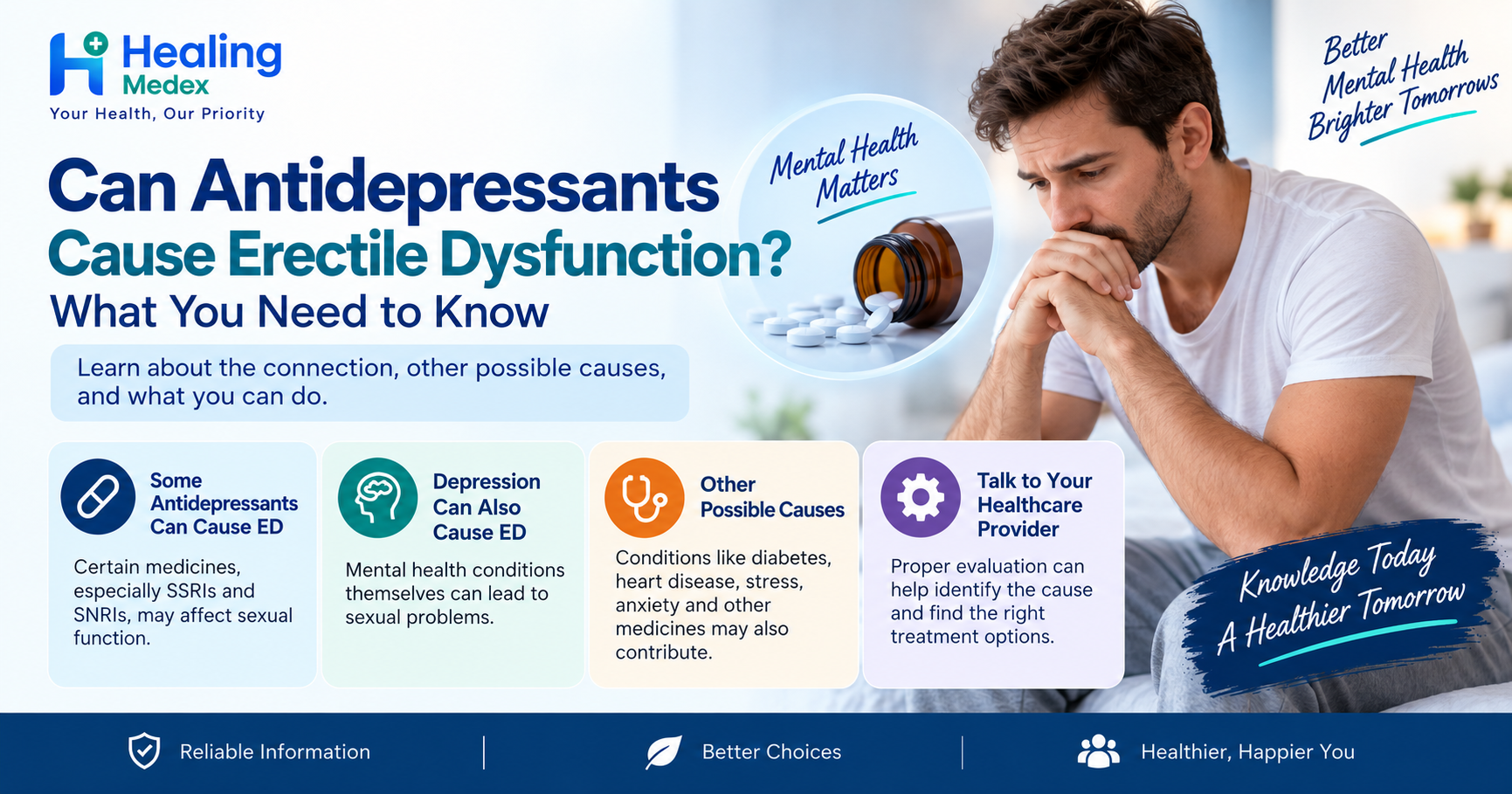
One side effect that men may find difficult to discuss is erectile dysfunction (ED). Some antidepressants can affect sexual desire, arousal, erections, ejaculation, and orgasm. At the same time, depression itself can also contribute to sexual problems, which can make it difficult to determine the exact cause.
Understanding the connection between antidepressants and erectile dysfunction can help men recognize potential medication-related symptoms and discuss appropriate treatment options with their healthcare provider.
Can Antidepressants Really Cause Erectile Dysfunction?
Yes. Erectile difficulties are a recognized potential side effect of several antidepressants.
Antidepressant-related sexual problems may include:
Difficulty getting an erection
Difficulty maintaining an erection
Reduced sexual desire or libido
Delayed ejaculation
Difficulty reaching orgasm
Reduced sexual satisfaction
Not everyone taking an antidepressant develops these problems. The likelihood and severity depend on factors such as the specific medication, dose, individual response, underlying medical conditions, and the severity of depression.
Medicines that affect serotonin — particularly some selective serotonin reuptake inhibitors (SSRIs) — are among the antidepressants most commonly associated with sexual side effects.
Why Can Antidepressants Affect Erections?
An erection depends on a complex interaction between the brain, nerves, hormones, emotions, and blood vessels.
Many antidepressants change the levels or activity of neurotransmitters such as:
Serotonin
Dopamine
Norepinephrine
Increasing serotonin can improve depression and anxiety, but increased serotonin activity may also interfere with pathways involved in sexual desire, arousal, orgasm, and erectile function.
Sexual stimulation normally triggers nerve signals that help increase blood flow to the penis. Changes in neurotransmitter activity caused by some antidepressants may interfere with this response.
The exact mechanism varies depending on the medicine and the individual taking it.
Which Antidepressants Are Most Likely to Cause Sexual Problems?
SSRIs
Selective serotonin reuptake inhibitors are widely prescribed for depression and anxiety disorders.
Examples include:
Fluoxetine
Paroxetine
Citalopram
SSRIs can cause reduced sexual desire, problems reaching orgasm, and difficulty getting or maintaining an erection.
Among commonly used antidepressants, medications strongly affecting serotonin tend to have a higher risk of sexual side effects. Mayo Clinic notes that paroxetine is among the SSRIs particularly associated with these effects.
SNRIs
Serotonin-norepinephrine reuptake inhibitors may also affect sexual function.
Examples include:
Venlafaxine
Duloxetine
Desvenlafaxine
Venlafaxine in particular has been associated with sexual side effects in some patients.
Tricyclic Antidepressants
Older antidepressants such as:
Imipramine
Nortriptyline
may also cause sexual problems, including reduced libido, delayed orgasm, and difficulty getting an erection.
Do All Antidepressants Cause Erectile Dysfunction?
No.
The risk varies considerably between medications, and some antidepressants appear less likely to produce sexual side effects.
Examples that may have a lower rate of sexual side effects include:
Bupropion
Mirtazapine
Vortioxetine
Vilazodone
However, no antidepressant can be guaranteed to be free from sexual side effects, and the most appropriate medication depends on the person’s mental health condition, other medicines, and overall health.
Patients should therefore not switch antidepressants on their own.
Could Depression Itself Be Causing Erectile Dysfunction?
Yes.
This is an important point because erectile dysfunction occurring while someone takes an antidepressant is not necessarily caused entirely by the medicine.
Depression itself may cause:
Reduced sexual interest
Fatigue
Low self-esteem
Relationship difficulties
Reduced motivation
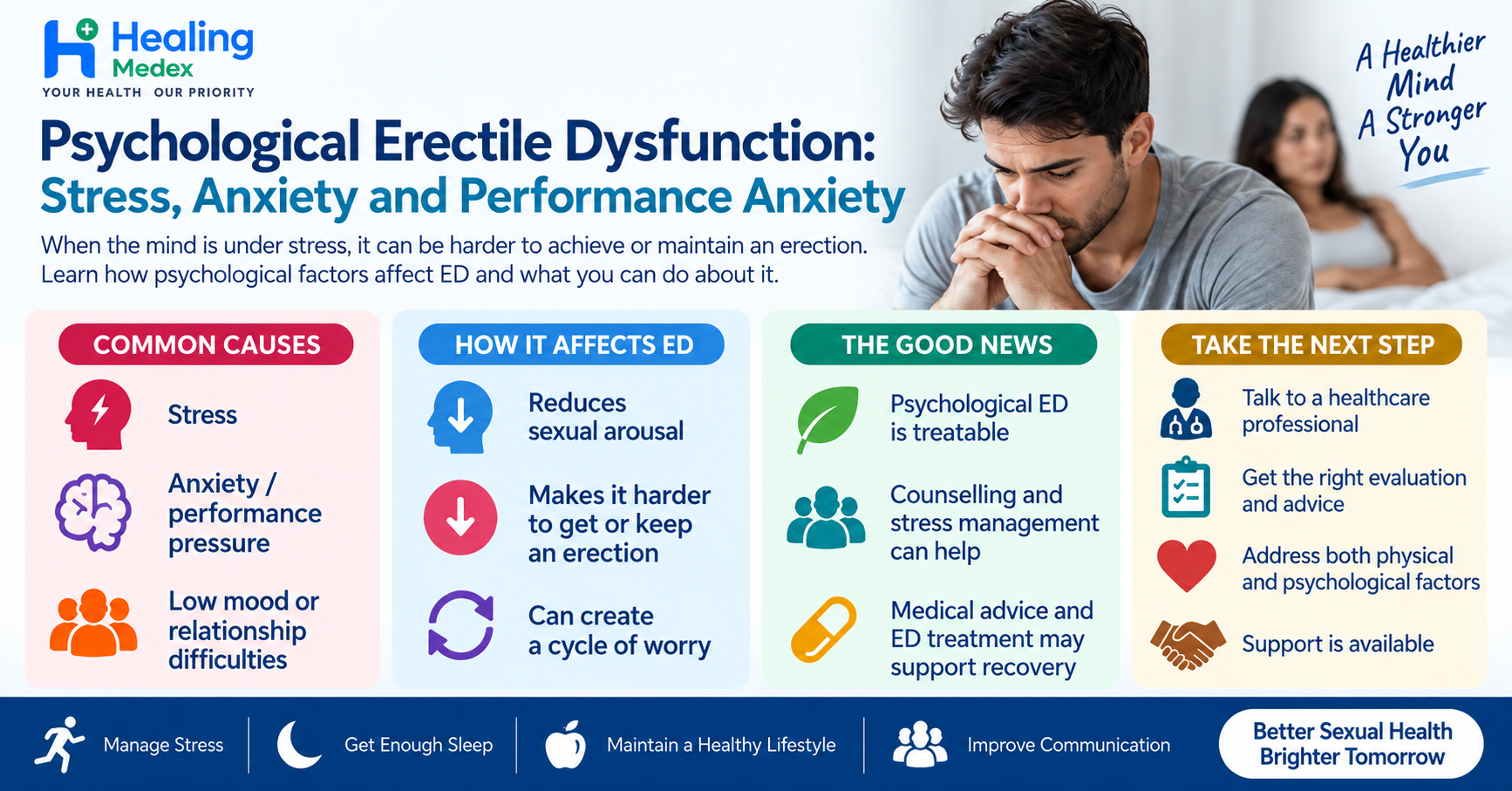
Anxiety about sexual performance
Difficulty becoming sexually aroused
Because both depression and antidepressants can affect sexual function, healthcare professionals may ask whether erectile problems were present before antidepressant treatment started.
Other causes of ED should also be considered, including diabetes, cardiovascular disease, obesity, smoking, hormonal disorders, excessive alcohol intake, stress, anxiety, and other medications.
When Does Antidepressant-Related ED Begin?
Sexual side effects may develop after starting an antidepressant or after increasing the dose.
Some men may notice problems within the first few weeks of treatment.
For some people, sexual side effects gradually improve as the body adjusts to the medication. For others, they may continue throughout treatment.
Keeping track of when symptoms began can help a healthcare provider determine whether the medication may be contributing.
What Should You Do If an Antidepressant Is Causing ED?
The most important step is to discuss the problem with your healthcare provider.
Several approaches may be considered depending on your mental health condition and overall health.
1. Wait and Monitor
Some side effects improve after several weeks as the body adjusts to treatment.
Your healthcare provider may recommend monitoring the symptoms before making changes.
2. Adjust the Antidepressant Dose
In certain cases, reducing the dose may decrease sexual side effects.
However, changing the dose without medical guidance could cause depression or anxiety symptoms to return.
Never reduce or stop an antidepressant without speaking with your healthcare provider.
3. Switch to Another Antidepressant
If sexual problems continue, a healthcare professional may consider switching to an antidepressant associated with fewer sexual side effects.
For example, bupropion or another suitable alternative may sometimes be considered.
The appropriate choice varies from person to person.
4. Treat the Erectile Dysfunction
For some men, a healthcare provider may consider an erectile dysfunction medication such as:
These medicines belong to a group known as PDE5 inhibitors. They improve the erectile response to sexual stimulation by helping increase blood flow to the penis.
Mayo Clinic notes that medications such as sildenafil may sometimes be considered for antidepressant-associated erectile difficulties.
However, ED medicines are not suitable for everyone.
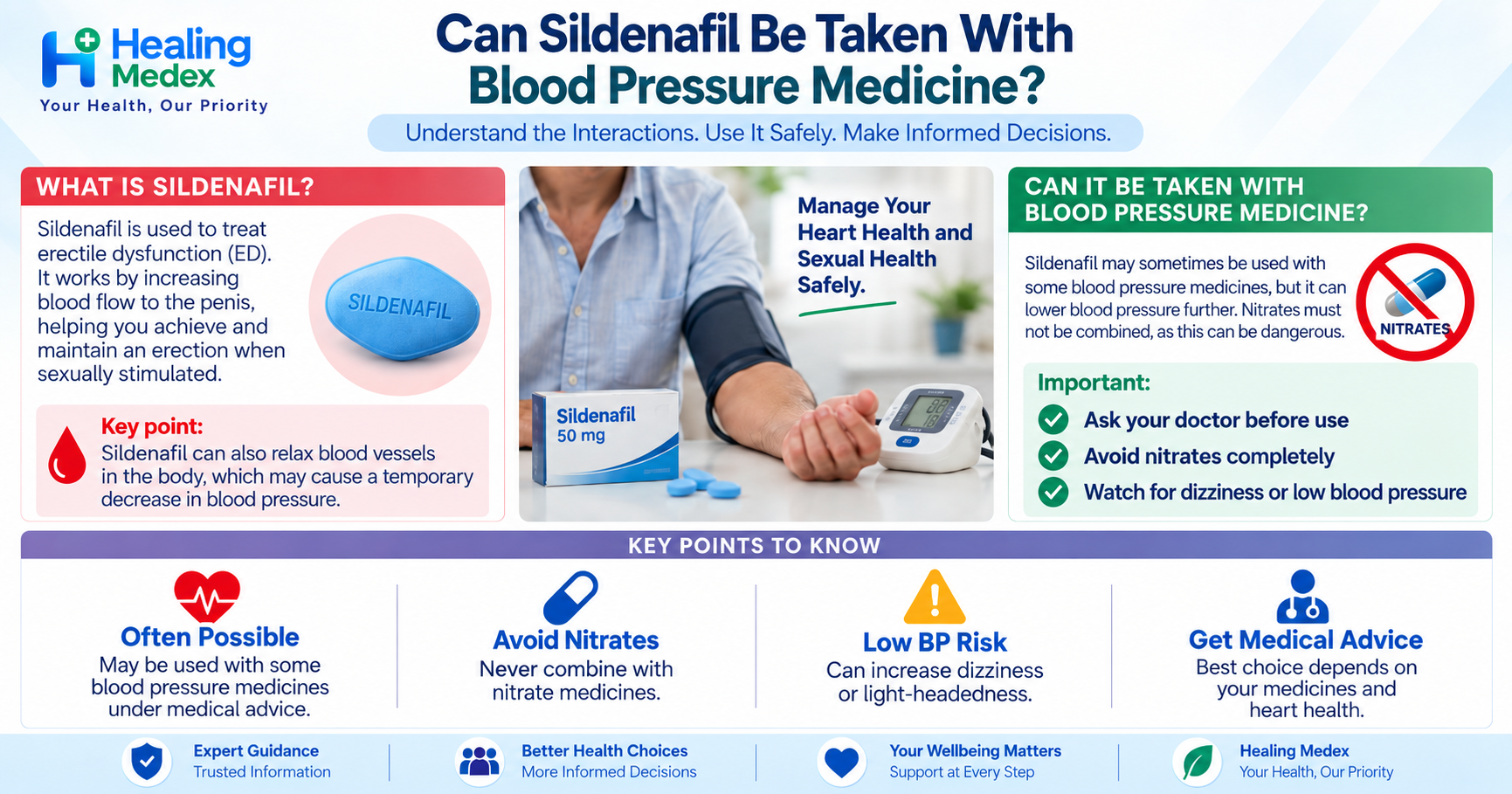
Men taking nitrate medicines for chest pain, for example, generally should not use PDE5 inhibitors because the combination can cause a dangerous fall in blood pressure.
A healthcare provider should evaluate whether an ED medicine is appropriate.
Should You Stop Taking Your Antidepressant?
No — not without speaking with the healthcare professional who prescribed it.
Suddenly stopping certain antidepressants can cause withdrawal or discontinuation symptoms, including:
Anxiety
Irritability
Dizziness
Flu-like symptoms
Sleep problems
Mood changes
Return or worsening of depression
If sexual side effects are affecting your quality of life, tell your healthcare provider rather than stopping treatment yourself.
Often, medication adjustments or other treatment strategies can be considered while continuing to manage the underlying mental health condition.
Can Sildenafil or Tadalafil Help Antidepressant-Related ED?
They may help some men.
Sildenafil and tadalafil are PDE5 inhibitors commonly used to treat erectile dysfunction. They help increase penile blood flow when sexual stimulation occurs.
These medicines do not automatically create an erection and do not directly increase sexual desire.
For men whose main antidepressant-related problem is difficulty getting or maintaining an erection, a healthcare professional may consider a PDE5 inhibitor after reviewing medical history and other medications.
If the main problem is low libido or difficulty reaching orgasm, however, an ED medicine may not completely solve the problem because those symptoms may involve different mechanisms.
When Should You Speak With a Doctor?
Consider discussing sexual symptoms with a healthcare professional if:
Erectile problems began after starting an antidepressant.
ED appeared after your dose was increased.
Sexual side effects have continued for several weeks.
Your sex drive has significantly decreased.
You have difficulty ejaculating or reaching orgasm.
Sexual side effects are affecting your relationship.
You are considering stopping your antidepressant because of sexual problems.
Erectile dysfunction can sometimes also be associated with cardiovascular disease, diabetes, hormonal problems, or other health conditions, so persistent ED should not automatically be blamed on antidepressants.
Frequently Asked Questions
1. Is erectile dysfunction a common side effect of antidepressants?
Sexual dysfunction is a recognized side effect of many antidepressants, especially medications that strongly affect serotonin. The symptoms can include reduced libido, delayed orgasm, ejaculation problems, and difficulty achieving or maintaining an erection.
2. Which antidepressants are most associated with sexual side effects?
SSRIs such as paroxetine, sertraline, fluoxetine, escitalopram, and citalopram can cause sexual side effects. Some other antidepressants, including venlafaxine and certain tricyclic antidepressants, can also affect sexual function.
3. Which antidepressants may have fewer sexual side effects?
Bupropion, mirtazapine, vortioxetine, and vilazodone are among antidepressants that may have comparatively fewer sexual side effects in some patients. The appropriate choice should always be determined by a healthcare professional.
4. Will ED disappear after stopping an antidepressant?
Sexual side effects may improve after a medication is changed or discontinued, but the outcome varies between individuals. Antidepressants should not be stopped suddenly without medical supervision.
5. Can I take sildenafil while taking antidepressants?
Some men may be able to use sildenafil while taking an antidepressant, and it may help with medication-associated erectile difficulties. However, suitability depends on other medications, cardiovascular health, blood pressure, and medical history. A healthcare professional should assess whether it is safe.
The Bottom Line
Antidepressants can contribute to erectile dysfunction and other sexual problems in some men, particularly medications that strongly affect serotonin.
However, depression itself can also cause reduced libido and erectile difficulties, and other health conditions may contribute as well.
If ED begins after starting an antidepressant, do not simply stop taking the medication. Speak with your healthcare provider. Depending on the situation, they may consider adjusting the dose, changing the antidepressant, addressing other causes of ED, or prescribing an appropriate erectile dysfunction treatment.
Finding the right balance between effective mental health treatment and maintaining sexual wellbeing is often possible with appropriate medical guidance.