
Latest Blog Articles
Erectile Dysfunction
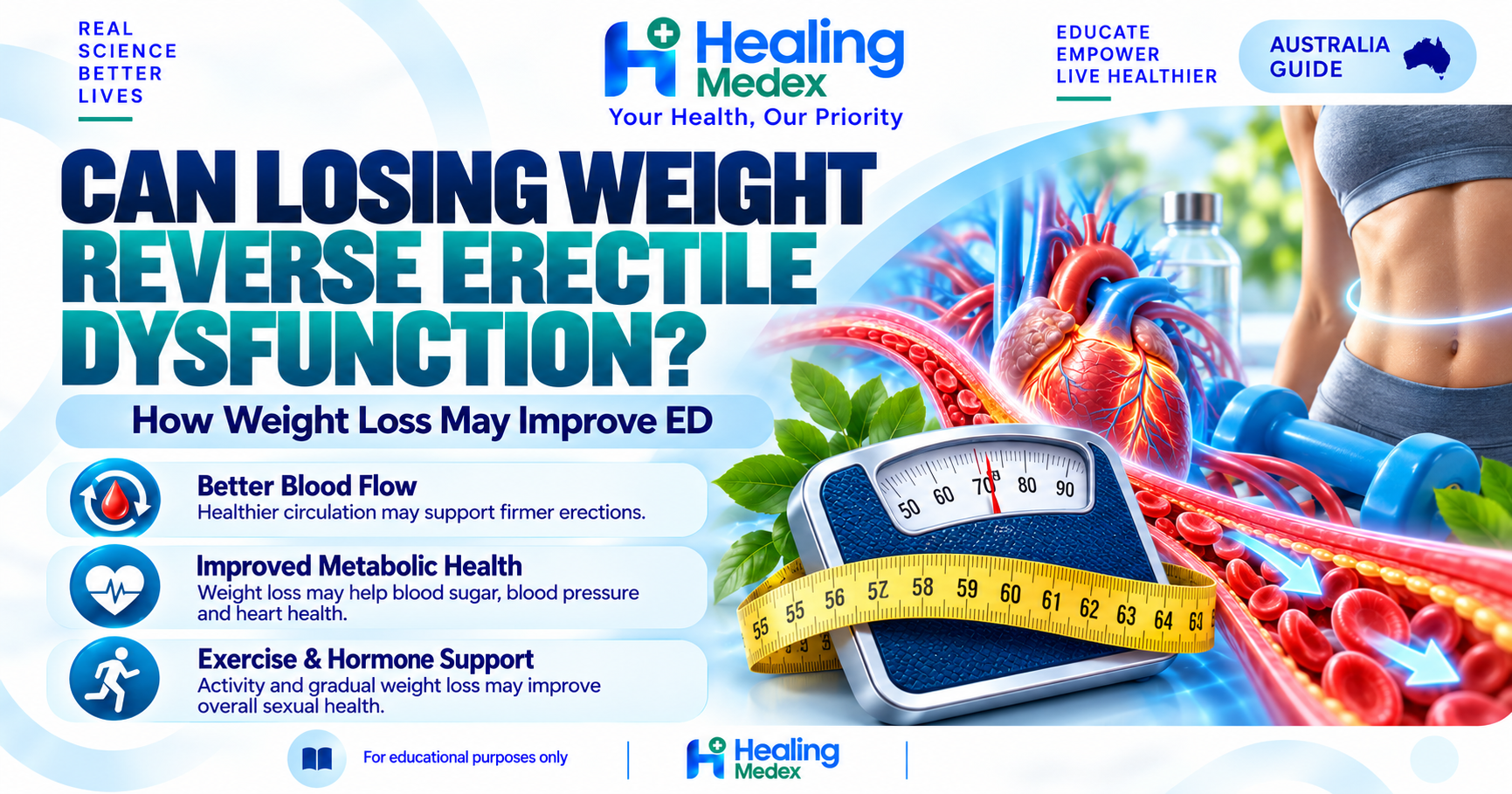
Can Losing Weight Reverse Erectile Dysfunction?
Erectile dysfunction (ED) can be influenced by many different factors, including cardiovascular health, diabetes, high blood pressure, hormone problems, stress, smoking and certain medicines. Being overweight or living with obesity can also increase the likelihood of erection problems. For men who are overweight, losing weight may improve erectile function — and in some cases, ED can improve substantially. However, weight loss does not guarantee that erectile dysfunction will completely disappear because ED may have several causes. Australian health guidance recognises obesity and metabolic syndrome as conditions associated with erectile dysfunction and recommends healthy eating, regular physical activity and weight management as part of reducing ED risk. How Can Excess Weight Contribute to Erectile Dysfunction? An erection depends heavily on healthy blood vessels and adequate blood flow to the penis. Carrying excess body fat can contribute to several health problems that interfere with this process, including: high blood pressure high cholesterol type 2 diabetes cardiovascular disease metabolic syndrome sleep apnoea reduced physical fitness Many of these conditions can damage blood vessels or reduce healthy circulation, making it more difficult to achieve or maintain a firm erection. Healthdirect Australia lists obesity or metabolic syndrome among the chronic conditions that can contribute to erectile dysfunction. Can Losing Weight Reverse Erectile Dysfunction? For some men, yes — losing weight can significantly improve erectile function . The greatest improvement is generally expected when excess weight, poor cardiovascular health, insulin resistance or low physical activity are contributing to the erection problem. A landmark randomised clinical trial involving 110 men with obesity and erectile dysfunction found that lifestyle changes involving weight loss and increased physical activity improved erectile function. After two years, approximately one-third of men in the lifestyle-intervention group regained erectile function according to the study's criteria. However, this does not mean that losing weight will reverse every case of ED. If erectile dysfunction is mainly caused by nerve damage, prostate treatment, certain medicines, severe vascular disease, hormone disorders or psychological factors, additional treatment may still be required. 1. Weight Loss May Improve Blood Flow Healthy erections require the arteries supplying the penis to widen sufficiently to allow increased blood flow. Obesity is strongly connected with cardiovascular risk factors such as high cholesterol, hypertension and diabetes, all of which can affect blood vessel health. Losing excess weight, exercising and improving diet can support cardiovascular health and may therefore improve the circulation needed for erections. 2. Weight Loss Can Improve Metabolic Health Insulin resistance and type 2 diabetes are important risk factors for ED. Persistently high blood glucose can damage both blood vessels and nerves involved in erectile function. Weight reduction can improve metabolic health and decrease the risk of developing type 2 diabetes. Healthdirect notes that even relatively modest weight loss can produce meaningful health benefits. 3. Exercise Helps Beyond Weight Loss Exercise itself may support erectile health even before a person reaches their target weight. Regular physical activity can: improve cardiovascular fitness support healthy blood pressure improve insulin sensitivity help manage body weight reduce stress improve mood and energy support vascular function Australian guidance recommends regular exercise as one of the lifestyle measures that may help prevent some causes of erectile dysfunction. Walking, swimming, cycling, resistance training and other forms of regular physical activity can all contribute to better overall cardiovascular health. 4. Losing Weight May Help Testosterone Levels Obesity can be associated with lower testosterone levels in some men. Testosterone is important for sexual desire and overall sexual function, although low testosterone is not the cause of every case of ED. Reducing excess body fat may help improve the body's hormonal environment. However, men who have symptoms of testosterone deficiency should not assume weight is the only explanation. A GP can arrange appropriate blood tests if low testosterone is suspected. 5. Weight Loss May Reduce Inflammation Excess body fat — particularly abdominal fat — is associated with increased systemic inflammation. Chronic inflammation can negatively affect the lining of blood vessels, known as the endothelium. Healthy endothelial function is important for nitric oxide activity and normal blood vessel relaxation during an erection. In the randomised lifestyle trial mentioned earlier, improvements in erectile function were associated with improvements in body weight, physical activity and inflammatory markers. 6. Losing Weight May Improve Sleep Apnoea Obesity is a major risk factor for obstructive sleep apnoea. Poor sleep and sleep apnoea can affect cardiovascular health, energy levels and hormone regulation and are also associated with erectile dysfunction. Healthdirect identifies both obesity and sleep disorders among conditions that can contribute to ED. If you snore heavily, regularly wake feeling unrefreshed or experience excessive daytime sleepiness, discuss possible sleep apnoea with your GP. How Much Weight Do You Need to Lose? There is no specific amount of weight loss guaranteed to restore erectile function. You also do not necessarily need to reach an "ideal" body weight before gaining health benefits. Australian health guidance states that losing around 5% of body weight can already provide health benefits , while losing approximately 5–10% may significantly reduce obesity-related health risks. For example, for somebody weighing 100 kg, a 5% reduction would be around 5 kg. The more useful goal is usually sustainable improvement in: waist circumference physical activity blood pressure cholesterol blood glucose diet quality sleep smoking status alcohol intake rather than concentrating only on the number shown on the scales. What Is the Best Diet for Weight Loss and Erectile Health? There is no single diet that cures erectile dysfunction . A sustainable eating pattern that supports cardiovascular health and gradual weight reduction is generally preferable to extreme dieting. Consider building meals around: vegetables fruit whole grains legumes nuts and seeds fish lean sources of protein healthy unsaturated fats At the same time, reducing excessive amounts of highly processed foods, sugary drinks, foods high in saturated fat and excessive alcohol can make weight management easier. Healthdirect advises focusing on nutritious foods from the five main food groups rather than relying on restrictive fad diets promising rapid weight loss. How Quickly Could Erections Improve After Losing Weight? There is no fixed timeline. Some men notice improvements in energy, cardiovascular fitness and sexual function within weeks or months of adopting healthier habits. Significant improvement in established ED may take considerably longer. The clinical trial demonstrating improved erectile function assessed participants over a two-year lifestyle intervention, illustrating that sustainable improvements may develop gradually rather than immediately. Your results will depend on factors such as: your starting weight severity of ED cardiovascular health diabetes blood pressure cholesterol smoking medications hormone levels psychological factors age Will Weight Loss Work Better Than ED Medicines? They should not necessarily be viewed as competing treatments. Weight loss addresses potentially contributing health factors, while medicines such as sildenafil, tadalafil or avanafil can help improve the erectile response by increasing blood flow to the penis. Some men may need both lifestyle changes and medical treatment. In Australia, ED medicines require appropriate medical assessment and prescribing. Healthdirect advises checking with a GP before using erectile dysfunction medicines because they may interact with other medicines and are unsuitable for some people, particularly people using nitrate medicines for chest pain. Don't Ignore Persistent Erectile Dysfunction It can be tempting to assume ED is simply a sexual problem, but persistent erectile dysfunction may sometimes be an early indication of another health condition. Healthdirect advises that ED may be associated with conditions including: cardiovascular disease diabetes high blood pressure high cholesterol For that reason, ongoing erectile difficulties should be assessed rather than simply treated without investigating the underlying cause. When Should You See a GP in Australia? Occasional difficulty getting an erection can happen due to tiredness, alcohol, stress or anxiety. Consider speaking with your GP if: erectile problems happen repeatedly ED has persisted for several weeks or months erections are becoming progressively weaker you have diabetes you have high blood pressure or high cholesterol you have symptoms suggesting low testosterone your sex drive has significantly decreased you take medicines that may affect sexual function you experience ED alongside chest discomfort or cardiovascular symptoms Your GP may check your blood pressure and cardiovascular risk and arrange blood tests where appropriate. Depending on the suspected cause, treatment may involve lifestyle changes, addressing underlying conditions, counselling, ED medicines or referral to a specialist. Can Losing Weight Completely Cure ED? It depends on the cause. If obesity, physical inactivity and related metabolic problems are major contributors, improving body weight and cardiovascular fitness may substantially improve erectile function and may allow some men to regain satisfactory erections. But weight loss cannot reverse every cause of ED. Someone with significant arterial disease, diabetes-related nerve damage, prostate-treatment complications, hormonal disorders or medication-related ED may need additional treatment. Think of healthy weight management as one part of improving the underlying conditions that affect erections rather than as a guaranteed cure. Practical Steps for Australian Men If you are overweight and experiencing erectile dysfunction, a sensible starting plan includes: Speak with your GP about ongoing ED and cardiovascular risk. Aim for gradual, sustainable weight loss rather than crash diets. Increase physical activity according to your fitness and medical circumstances. Improve diet quality , particularly by increasing minimally processed foods. Stop smoking if you smoke. Limit excessive alcohol consumption. Have blood pressure, cholesterol and blood glucose checked. Address sleep problems , particularly possible sleep apnoea. Manage stress and mental health , which can independently affect erections. Use ED medicines only with appropriate medical advice. The Bottom Line Can losing weight reverse erectile dysfunction? For some men, it can lead to substantial improvement — particularly when excess weight, poor cardiovascular health and metabolic problems are contributing to ED. Research has shown that sustained lifestyle changes involving weight reduction and increased physical activity can improve erectile function in men with obesity. But results vary, and losing weight should not be considered a guaranteed cure. A healthier weight can also improve blood pressure, blood glucose, cardiovascular health and overall wellbeing, making weight management worthwhile whether or not ED disappears completely. Australian health authorities recommend healthy eating, exercise, weight management and addressing cardiovascular risk factors as part of maintaining erectile and general health. Persistent ED deserves proper medical assessment because it can sometimes be an early sign of conditions such as cardiovascular disease, diabetes, high blood pressure or high cholesterol. Medical Disclaimer THIS ARTICLE IS FOR GENERAL EDUCATIONAL PURPOSES ONLY AND DOES NOT REPLACE ADVICE FROM A QUALIFIED DOCTOR OR PHARMACIST.MEDICAL GUIDANCE, APPROVED MEDICINES AND PRESCRIBING RULES DIFFER BETWEN COUNTRIES.ALWAYS FOLLOW THE ADVICE OF A HEALTHCARE PROFESSIONAL LICENSED IN YOUR COUNTRY OF RESIDRNCE.
 Dr. Marcus Vance, PharmD
Erectile Dysfunction
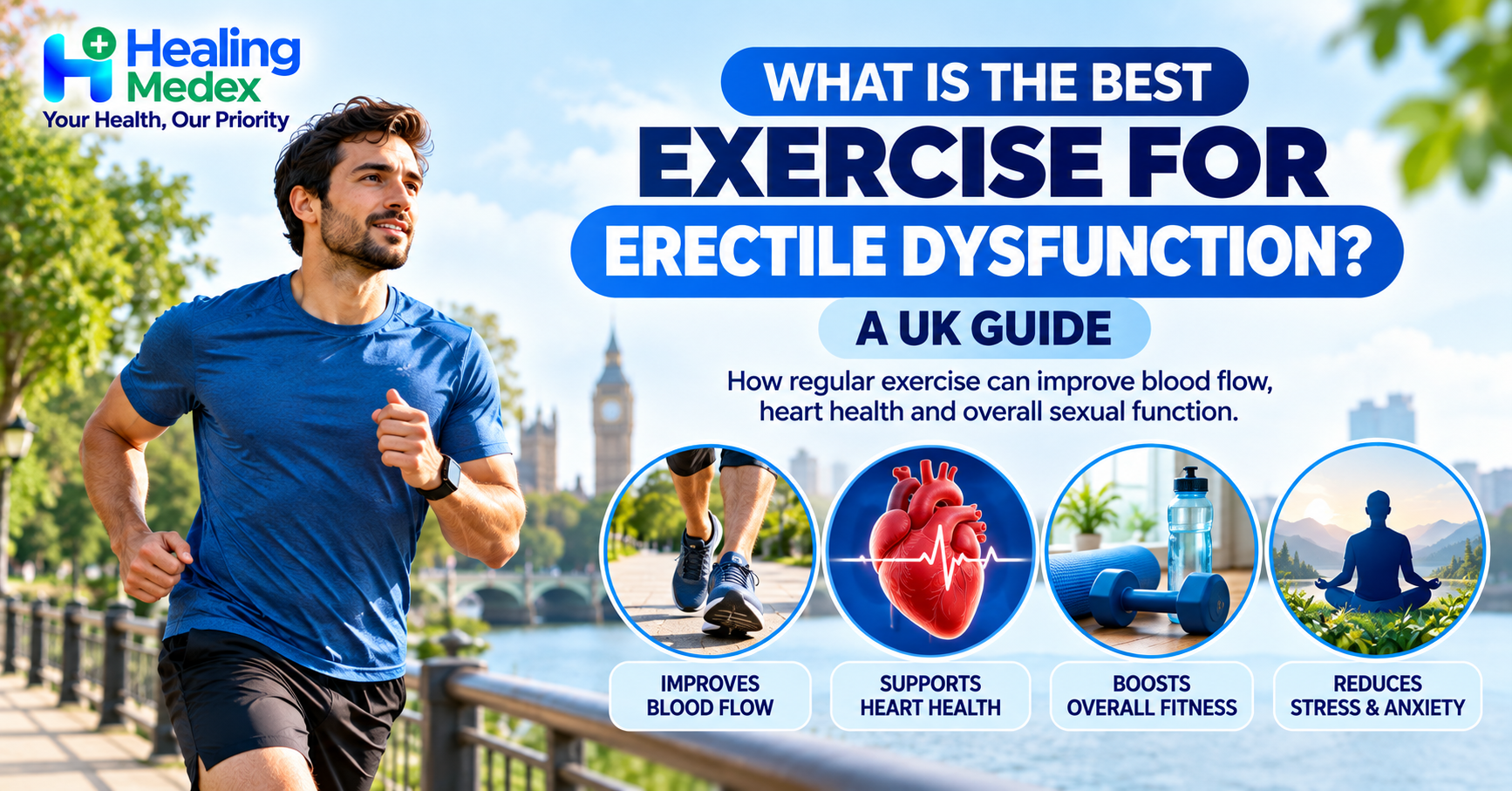
What Is the Best Exercise for Erectile Dysfunction?
Erectile dysfunction (ED) is the persistent difficulty in getting or maintaining an erection firm enough for sexual activity. Although medicines such as sildenafil or tadalafil are commonly used to treat ED, lifestyle changes — particularly regular physical activity — may also support erectile health. For many men, aerobic exercise such as brisk walking, jogging, swimming or cycling is one of the most useful forms of exercise for erectile dysfunction . Research suggests that regular aerobic activity can improve erectile function, particularly in men whose ED is associated with cardiovascular risk factors, obesity, inactivity or poor circulation. The NHS also recommends regular exercise as one of the lifestyle measures that may help people experiencing erectile dysfunction. This UK guide explains which exercises may help, why exercise can affect erections and how to build a practical exercise routine. Why Can Exercise Help Erectile Dysfunction? An erection depends heavily on healthy blood circulation. During sexual stimulation, blood vessels supplying the penis widen so that more blood can enter erectile tissue. Conditions that affect blood vessel function — including high blood pressure, diabetes, high cholesterol, obesity and cardiovascular disease — can therefore contribute to ED. Exercise may support erectile function because regular physical activity can help: improve cardiovascular fitness support healthy blood circulation lower blood pressure improve cholesterol levels support weight management improve insulin sensitivity reduce stress and anxiety improve overall cardiovascular health Erectile dysfunction and cardiovascular disease also share several risk factors, including physical inactivity, obesity, smoking and metabolic problems. NICE has previously highlighted lifestyle modification, including exercise and weight management, as important for men with erectile dysfunction. What Is the Best Exercise for Erectile Dysfunction? 1. Aerobic Exercise Aerobic exercise currently has some of the strongest research evidence for improving erectile function. Examples include: brisk walking jogging swimming cycling using an elliptical trainer dancing rowing climbing stairs A 2023 systematic review and meta-analysis involving 11 randomised controlled trials found that regular aerobic exercise significantly improved erectile-function scores compared with control groups. The improvement tended to be greater among men who had more severe ED at the beginning of the studies. Aerobic exercise may help partly because it improves the health of the heart and blood vessels — the same circulatory system required for normal erections. 2. Brisk Walking You do not necessarily need a gym membership or an intensive training programme. Brisk walking is one of the simplest exercises to start with. A brisk walk should generally increase your heart rate and breathing while still allowing you to hold a conversation. For example, you could try: a 20–30 minute brisk walk walking during your lunch break walking rather than driving for short journeys taking stairs instead of lifts gradually increasing your walking pace or distance UK guidance recommends that adults aim for at least 150 minutes of moderate-intensity physical activity each week . For many people, this can be achieved with approximately 30 minutes of activity on five days of the week. 3. Pelvic Floor Exercises Pelvic floor muscles support the bladder and bowel and also play a role in sexual function. Strengthening these muscles may be useful for some men with erectile difficulties, although the evidence for aerobic exercise is currently stronger overall. How to Identify Your Pelvic Floor Muscles Imagine that you are trying to: stop yourself passing wind, and stop the flow of urine. The muscles that tighten are part of your pelvic floor. You should not routinely practise pelvic floor exercises by repeatedly stopping urine flow while urinating, because this may interfere with normal bladder emptying. A Simple Pelvic Floor Routine Once you have identified the correct muscles: Tighten your pelvic floor muscles. Hold the contraction for several seconds. Relax completely. Repeat several times. Gradually increase the duration and number of contractions as your muscles become stronger. Avoid tightening your buttocks, thighs or abdominal muscles excessively. If you are uncertain whether you are performing pelvic floor exercises correctly, a physiotherapist specialising in men's pelvic health may be able to provide guidance. 4. Strength Training Resistance exercise can also contribute to overall cardiovascular and metabolic health. Examples include: squats lunges press-ups resistance-band exercises weight training bodyweight exercises UK physical activity recommendations encourage adults to perform muscle-strengthening activities on at least two days each week , alongside aerobic activity. Strength training does not directly guarantee stronger erections, but it can contribute to healthier weight, muscle mass and cardiovascular health — factors that may indirectly support sexual health. 5. Swimming Swimming is another useful aerobic exercise, especially for people who find running uncomfortable. It can: increase cardiovascular fitness exercise multiple muscle groups provide relatively low-impact activity support weight management The most important factor is consistency rather than choosing one particular type of cardio. If swimming is an activity you enjoy enough to continue regularly, it can be a good option. 6. Jogging or Running Running can improve cardiovascular fitness relatively quickly, but beginners do not need to start with vigorous exercise. A gradual approach may involve: Week 1: brisk walking Week 2: walking with short jogging intervals Week 3 onward: gradually increase jogging time if comfortable People with existing cardiovascular conditions, severe obesity, joint problems or long periods of inactivity should consider speaking with a healthcare professional before beginning vigorous exercise. 7. Cycling — With One Important Consideration Cycling is excellent cardiovascular exercise, but prolonged pressure from a bicycle saddle can sometimes cause temporary numbness or discomfort around the perineum. The NHS specifically advises men experiencing ED who cycle for more than approximately three hours per week to consider taking a break from cycling for a period of time. People who cycle regularly may also consider: ensuring the bicycle fits correctly adjusting saddle height and position periodically standing on the pedals taking regular breaks using an appropriately fitted saddle Cycling itself should not automatically be considered harmful to erectile function, but persistent genital numbness should not be ignored. How Much Exercise Should You Do for Erectile Dysfunction? There is no universally prescribed ED-specific exercise dose. However, UK physical-activity guidance provides a useful general target. Adults should aim for approximately: 150 minutes of moderate-intensity aerobic activity each week or an equivalent amount of more vigorous activity, depending on health and fitness. Muscle-strengthening exercise should generally be performed on at least two days per week . A simple routine could therefore look like: Monday: 30-minute brisk walk Tuesday: strength training Wednesday: 30-minute brisk walk Thursday: rest or gentle activity Friday: 30-minute brisk walk Saturday: strength training + short walk Sunday: 30–60 minutes of walking, swimming or another aerobic activity You do not need to follow this exact schedule. The best programme is one you can maintain consistently. How Intense Should Exercise Be? For moderate-intensity exercise, you should generally: feel warmer breathe faster notice an increased heart rate still be able to hold a conversation If you are completely new to exercise, starting with five or ten minutes and gradually increasing your activity can be more realistic than immediately attempting long workouts. The British Heart Foundation similarly recommends gradually building towards the 150-minute weekly target. How Long Does Exercise Take to Improve Erectile Function? Exercise is not an immediate treatment in the same way that medicines such as sildenafil can produce an effect within hours. Improvements associated with lifestyle changes generally develop gradually. The amount of improvement can also depend on why ED is occurring. Exercise may be particularly useful when erectile problems are associated with factors such as: inactivity excess body weight cardiovascular risk diabetes high blood pressure poor cardiovascular fitness stress Someone with ED caused by nerve injury, major hormonal abnormalities, certain medicines or previous pelvic surgery may require additional treatment. Can Exercise Cure Erectile Dysfunction? Exercise should not be described as a guaranteed cure. For some men, improving fitness and cardiovascular health may substantially improve erections. For others, exercise may improve general health but not completely resolve ED. The underlying cause matters. ED can be associated with conditions including: cardiovascular disease diabetes high blood pressure high cholesterol obesity low testosterone or other hormonal problems neurological disorders medication side effects anxiety or depression relationship or psychological factors previous pelvic surgery Persistent erectile dysfunction therefore deserves medical assessment rather than simply increasing exercise. Is Exercise Better Than Sildenafil or Tadalafil? Exercise and ED medicines perform different roles. Medicines such as sildenafil and tadalafil help improve the erectile response by affecting the nitric oxide–cGMP pathway and increasing blood flow to erectile tissue during sexual stimulation. Exercise works more gradually by supporting cardiovascular and metabolic health. Some men therefore benefit from both: Lifestyle improvement + appropriate medical treatment rather than treating them as competing approaches. Prescription and availability rules differ between medicines and countries, so people in the UK should follow the advice of a UK-registered doctor or pharmacist. Does Exercise Increase Testosterone? Regular exercise can support overall metabolic and hormonal health, but it should not be promoted as a guaranteed way of substantially increasing testosterone. Resistance training and maintaining a healthy body weight may be particularly beneficial for general hormonal health. However, men with symptoms potentially associated with testosterone deficiency — such as persistent low libido, fatigue or reduced spontaneous erections — should not rely on exercise alone. A healthcare professional can determine whether hormone testing is appropriate. Can Losing Weight Help Erectile Dysfunction? For men who are overweight or obese, gradual and sustainable weight loss may improve several risk factors associated with ED, including: blood pressure blood glucose control cholesterol cardiovascular fitness Physical activity is therefore particularly valuable when combined with a balanced diet and other healthy lifestyle changes. The NHS specifically includes weight loss where appropriate, regular exercise, healthy eating, smoking cessation and reduced alcohol consumption among lifestyle measures that may help erectile dysfunction. What Other Lifestyle Changes Can Help? Exercise works best as part of broader cardiovascular health management. Consider: Stop smoking Smoking can damage blood vessels and reduce circulation. Maintain a healthy weight Excess body weight is associated with diabetes , cardiovascular disease and other ED risk factors. Eat a balanced diet A diet rich in vegetables, fruit, wholegrains, pulses, nuts and other minimally processed foods can support cardiovascular health. Limit alcohol The NHS advises not drinking more than 14 units of alcohol per week on a regular basis . Manage stress Stress and anxiety can contribute to erection problems even when circulation and hormone levels are normal. Get adequate sleep Poor sleep can affect mood, metabolic health and overall wellbeing. When Should You See a GP About Erectile Dysfunction? Occasional erection difficulties are common. However, the NHS recommends seeing a GP or attending a sexual health clinic when erection problems keep happening . This matters because ED can sometimes be associated with an underlying health condition. A healthcare professional may assess factors such as: blood pressure cardiovascular risk diabetes cholesterol medicines hormone symptoms mental health lifestyle factors Treatment can then be tailored to the underlying cause. Should You Speak to a Doctor Before Starting Exercise? Most people can safely begin light or moderate physical activity. However, speak with a GP or another appropriate healthcare professional before significantly increasing your exercise intensity if you: have diagnosed heart disease experience chest pain become unusually breathless during activity have recently had a heart attack or heart procedure experience fainting or unexplained dizziness have significant mobility limitations have another medical condition that may affect exercise safety People with cardiovascular conditions may need an individually adapted exercise programme. So, What Is the Best Exercise for Erectile Dysfunction? For most men, regular aerobic exercise is the strongest general choice, particularly: brisk walking jogging swimming cycling where comfortable rowing other activities that steadily increase heart rate and breathing Research from randomised trials supports aerobic exercise as a potentially useful non-drug strategy for improving erectile function. Adding strength training twice weekly and considering pelvic floor exercises can make the programme more comprehensive. A practical target for many adults is: 150 minutes of moderate-intensity aerobic activity each week + muscle-strengthening exercise at least twice weekly. But exercise should not replace medical evaluation when erectile dysfunction is persistent. Key Takeaway The best exercise for erectile dysfunction is not one specific movement or gym routine. For most men, the most useful approach is consistent cardiovascular exercise — particularly brisk walking or another form of moderate aerobic activity . Exercise may help improve circulation, cardiovascular fitness, weight, stress and several other factors linked with erectile health. It can therefore form an important part of ED management alongside appropriate medical investigation and treatment. If erectile problems repeatedly occur, arrange an assessment with a GP or sexual health clinic rather than relying on exercise alone. Medical Disclaimer This article is for general educational purposes only and does not replace advice from a qualified doctor or pharmacist. Medical guidance, approved medicines and prescribing rules differ between countries. Always follow the advice of a healthcare professional licensed in your country of residence.
Dr. Marcus Vance, PharmD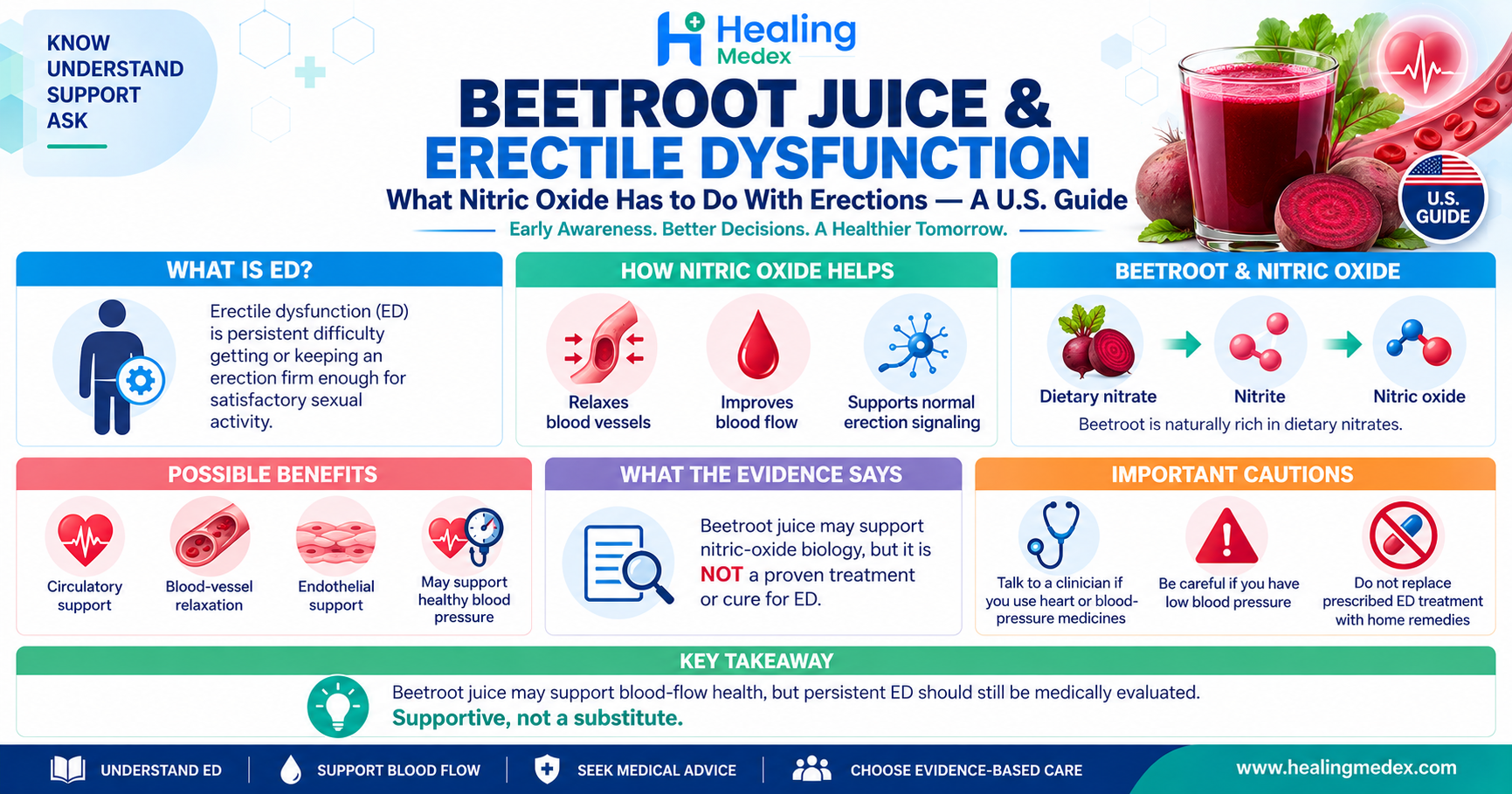
Erectile Dysfunction
Can Beetroot Juice Help Erectile Dysfunction? What Nitric Oxide Has to Do With Erections
Erectile dysfunction (ED) is often discussed in terms of hormones, stress, medications, or aging, but healthy blood flow is one of the most important factors involved in achieving and maintaining an erection. That is where nitric oxide (NO) comes in. Nitric oxide is a signaling molecule that helps blood vessels relax and widen. It plays a central role in the normal erection process. Because beetroot is naturally rich in dietary nitrates that the body can convert into nitric oxide, beetroot juice has attracted interest as a possible way to support circulation and vascular health. But does that mean drinking beetroot juice can actually treat erectile dysfunction? The answer is more complicated. Beetroot juice may support some of the biological processes involved in erections, particularly nitric-oxide availability and vascular function, but it should not be considered a proven treatment for ED . Here is what men in the United States should know. What Is Erectile Dysfunction? Erectile dysfunction is the persistent difficulty getting or maintaining an erection firm enough for satisfactory sexual activity. An occasional erection problem can happen because of stress, fatigue, alcohol, anxiety, or other temporary factors. Persistent ED, however, may be associated with conditions such as: High blood pressure High cholesterol Diabetes Obesity Cardiovascular disease Smoking Low testosterone in some men Certain prescription medicines Depression, anxiety, or relationship difficulties Neurological or hormonal disorders The American Urological Association notes that ED may be associated with cardiovascular risk factors and recommends attention to healthy diet, physical activity, and other lifestyle measures as part of overall management. What Does Nitric Oxide Have to Do With Erections? Nitric oxide is one of the key chemical messengers involved in an erection. When sexual stimulation occurs, nerves and cells lining blood vessels in the penis release nitric oxide. Nitric oxide activates a signaling pathway involving cyclic guanosine monophosphate (cGMP) . This causes smooth muscle in the erectile tissue of the penis to relax. As those muscles relax: Penile arteries widen. More blood flows into the erectile tissue. The erectile chambers expand. Blood leaving the penis is temporarily restricted. The penis becomes firmer and erect. Research has established nitric oxide as a major mediator of penile smooth-muscle relaxation and normal erection physiology. If endothelial function is impaired—for example because of diabetes, smoking, high cholesterol or cardiovascular disease—nitric-oxide signaling may also become less effective, which can contribute to vascular ED. How Does Beetroot Juice Affect Nitric Oxide? Beetroot is naturally high in inorganic nitrate . After nitrate-containing foods or drinks are consumed, the body can convert nitrate through a series of steps: Dietary nitrate → nitrite → nitric oxide Bacteria in the mouth play an important role in the early stages of this process. The resulting increase in nitric-oxide availability may help blood vessels relax and influence vascular function. Human studies of beetroot juice and dietary nitrate have demonstrated measurable effects on nitric-oxide biomarkers and, in some settings, blood pressure or vascular physiology. This provides a scientifically plausible reason why researchers are interested in nitrate-rich foods in relation to cardiovascular and erectile health. Can Beetroot Juice Help Erectile Dysfunction? Possibly indirectly—but evidence is limited. Beetroot juice may support factors that are important for erectile function, including: Nitric-oxide production Blood-vessel relaxation Endothelial function Circulatory health Blood-pressure regulation However, there is an important distinction between supporting nitric-oxide biology and proving that beetroot juice treats erectile dysfunction . At present, there is not strong clinical evidence from large, high-quality trials showing that beetroot juice alone reliably restores erections in men diagnosed with ED. Most research involving beetroot juice has investigated areas such as blood pressure, exercise performance, circulation, vascular function, or nitric-oxide metabolism—not ED treatment specifically. Therefore, men should not replace a medical ED evaluation or prescribed treatment with beetroot juice. Why Better Blood Flow May Support Erections For many men, ED has a vascular component. The penile arteries need to dilate rapidly during sexual stimulation. Conditions that damage the blood-vessel lining can interfere with this response. Examples include: Hypertension Diabetes Elevated LDL cholesterol Smoking Obesity Physical inactivity Atherosclerosis A diet rich in vegetables and other whole plant foods may support cardiovascular and endothelial health. A recent review also highlighted mechanisms through which plant foods—including their nitrate, L-arginine and L-citrulline content—could support nitric-oxide availability and vascular health relevant to erections. Beetroot can fit within this type of heart-healthy dietary pattern. Is Beetroot Juice Similar to Viagra? No. Beetroot juice and sildenafil work through different parts of the nitric oxide–cGMP pathway. Beetroot provides dietary nitrate that may contribute to nitric-oxide availability. Sildenafil, the active ingredient in Viagra, belongs to a group of medicines known as PDE5 inhibitors . PDE5 inhibitors reduce the breakdown of cGMP, allowing the normal erection signaling pathway to remain active longer when sexual stimulation occurs. In the United States, FDA-approved oral PDE5 inhibitors used for ED include: Sildenafil Tadalafil Vardenafil Avanafil The American Urological Association recommends that eligible men with ED be informed about FDA-approved PDE5 inhibitors, including their potential benefits and risks. Beetroot juice has not been demonstrated to provide the same predictable therapeutic effect as an FDA-approved ED medicine. Can You Drink Beetroot Juice With ED Medication? Men taking prescription medications should discuss concentrated beetroot juice or nitrate supplements with their healthcare professional, particularly if they: Have low blood pressure Take medication for hypertension Have heart or kidney disease Take several cardiovascular medications Experience dizziness or fainting Beetroot can lower blood pressure in some people, so combining multiple blood-pressure-lowering interventions may occasionally produce unwanted symptoms. A particularly important distinction is that dietary nitrates found in vegetables are not the same thing as prescription nitrate drugs such as nitroglycerin . Prescription nitrates must not be combined with PDE5 inhibitors because the combination can cause a dangerous fall in blood pressure. The Princeton IV cardiovascular and ED consensus continues to identify concurrent nitrate medication and PDE5-inhibitor use as contraindicated. Never stop a heart medicine in order to take an ED medicine without discussing it with the prescribing healthcare professional. How Much Beetroot Juice Should You Drink for ED? There is currently no medically established dose of beetroot juice for treating erectile dysfunction . Because beetroot juice is not an FDA-approved ED therapy, there is no standard U.S. ED dosing recommendation. Research on dietary nitrate often uses standardized beetroot products with known nitrate concentrations, which can differ substantially from ordinary bottled or homemade beetroot juice. For general dietary purposes, beetroot can be consumed as part of a balanced diet in forms such as: Whole cooked beets Roasted beets Beet salads Small portions of unsweetened beetroot juice Consuming more does not necessarily produce better erectile function. When Could Beetroot Juice Be Most Helpful? Beetroot may make the most sense as one component of a broader cardiovascular-friendly lifestyle rather than as a stand-alone ED remedy. Strategies that may support vascular and erectile health include: Regular aerobic exercise Maintaining a healthy body weight Eating vegetables, fruits, whole grains, nuts and legumes Managing blood pressure Managing diabetes Controlling cholesterol Avoiding smoking Limiting excessive alcohol intake Getting adequate sleep Treating sleep apnea when present The AUA notes that diet and increased physical activity improve overall health and may provide some improvement in erectile function, especially in men with relevant health conditions. Could Erectile Dysfunction Be a Warning Sign of Heart Disease? Sometimes. The penile arteries are relatively small, so vascular problems may become noticeable as erectile difficulties before cardiovascular symptoms become obvious. The Princeton IV Consensus identifies ED as a risk marker and risk-enhancing factor for cardiovascular disease and recommends appropriate cardiovascular risk assessment in men presenting with vascular ED. Persistent ED—particularly when it develops unexpectedly—should therefore not simply be treated as a bedroom problem. A healthcare professional may consider factors such as: Blood pressure Cholesterol Blood glucose or A1C Smoking status Weight and waist circumference Kidney function Cardiovascular symptoms Medication history Hormonal issues when clinically indicated When Should You See a Doctor About ED? Consider talking with a U.S.-licensed healthcare professional if: ED occurs repeatedly. ED lasts several weeks or months. Erections have suddenly become noticeably weaker. You have diabetes, hypertension or high cholesterol. You have symptoms of low testosterone. Your sex drive has significantly changed. You have chest pain or shortness of breath with physical activity. ED began after starting a medication. Erectile problems are causing significant distress. A healthcare professional can determine whether the problem is primarily vascular, hormonal, neurological, psychological, medication-related, or caused by several factors at once. Beware of “Natural ED” Supplements Be especially careful with supplements sold online as “natural Viagra,” “male enhancement,” or instant herbal ED treatments. The FDA has repeatedly found undeclared prescription-drug ingredients in products marketed for sexual enhancement. In 2026, for example, the agency reported sildenafil in a sexual-enhancement product in which the drug was not declared on the label. Hidden PDE5 inhibitors may be particularly dangerous for people taking nitrate heart medicines because of the risk of severe hypotension. Food-grade beetroot and ordinary beetroot juice are different from unregulated sexual-enhancement supplements. Beetroot Juice vs Proven ED Treatments Beetroot juice may complement a healthy lifestyle, but men with persistent ED have several evidence-based treatment options. Depending on the cause and individual health history, a healthcare professional may discuss: Lifestyle changes Sildenafil Tadalafil Vardenafil Avanafil Counseling or sex therapy when psychological factors contribute Vacuum erection devices Injectable or intraurethral therapies Testosterone treatment when genuine testosterone deficiency is diagnosed Penile implants for selected cases The appropriate treatment depends on the underlying cause, medical history and medications being taken. Frequently Asked Questions 1. Does beetroot juice increase nitric oxide? Beetroot contains dietary nitrate, which can be converted by the body into nitrite and subsequently nitric oxide. Studies show that nitrate-rich beetroot juice can increase markers associated with nitric-oxide availability. 2. Does nitric oxide make erections stronger? Nitric oxide is essential to normal erection physiology because it promotes relaxation of smooth muscle and increases penile blood flow. However, simply consuming more dietary nitrate does not guarantee a stronger erection. 3. Is beetroot juice a natural Viagra? No. Beetroot juice may support nitric-oxide production, but it has not been proven to work like sildenafil or other FDA-approved PDE5 inhibitors. 4. How quickly does beetroot juice work for ED? There is no clinically established time for beetroot juice to produce an erectile effect because it is not a proven ED treatment. 5. Can beetroot cure erectile dysfunction? There is currently no good evidence that beetroot juice cures ED. Erectile dysfunction can have many underlying causes, and persistent symptoms require appropriate evaluation. 6. Is beetroot good for cardiovascular health? Dietary nitrate from vegetables such as beetroot has been studied for effects on blood pressure, nitric-oxide availability and vascular function. However, overall dietary pattern, exercise, weight, smoking status, cholesterol and glucose control remain important for cardiovascular health. The Bottom Line Beetroot juice may support nitric-oxide production and healthy blood-vessel function, both of which are important for normal erections. However, current evidence does not establish beetroot juice as a treatment or cure for erectile dysfunction . The relationship is biologically plausible: Beetroot nitrate → nitrite → nitric oxide → blood-vessel relaxation → improved blood-flow signaling But ED is often caused by more than one factor. Diabetes, cardiovascular disease, high blood pressure, hormonal problems, medications, smoking, stress and psychological factors can all contribute. For men in the United States with persistent ED, beetroot can be considered part of an overall heart-healthy diet, but it should not replace medical assessment or evidence-based treatment. Because ED can sometimes be an early indicator of underlying vascular disease, recurring erection problems are worth discussing with a qualified healthcare professional rather than treating solely with supplements or home remedies. Medical Disclaimer This article is for general educational purposes only and does not replace advice from a qualified doctor or pharmacist. Medical guidance, approved medicines and prescribing rules differ between countries. Always follow the advice of a healthcare professional licensed in your country of residence.
Dr. Marcus Vance, PharmD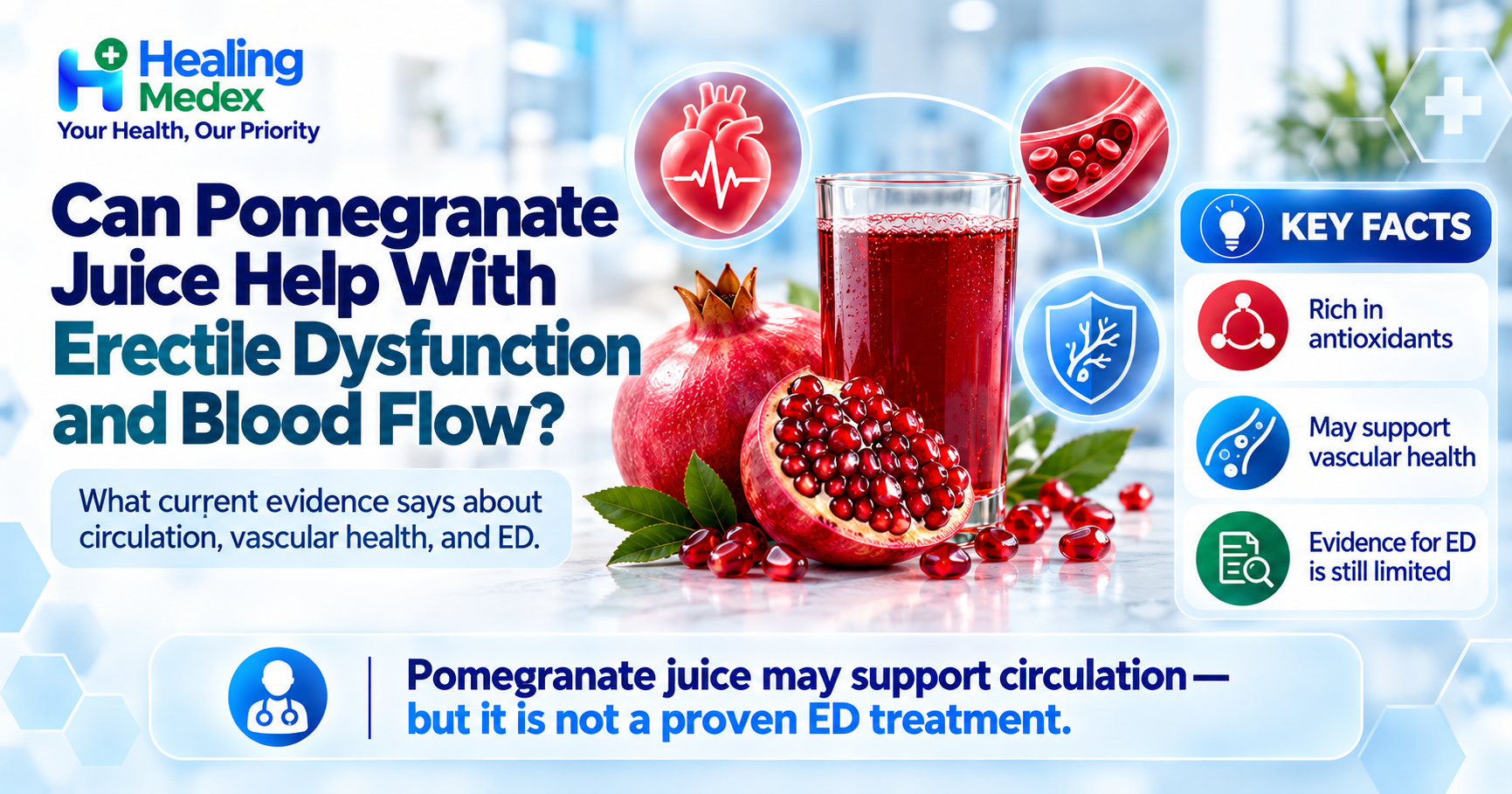
Erectile Dysfunction
Can Pomegranate Juice Help With Erectile Dysfunction and Blood Flow?
Erectile dysfunction (ED) is often closely connected with blood flow . To achieve and maintain an erection, blood vessels supplying the penis need to relax and allow enough blood to enter erectile tissue. Because pomegranate juice contains naturally occurring polyphenols and antioxidant compounds , it has attracted interest for its potential effects on cardiovascular health, blood pressure and blood vessel function. This raises an important question: Can drinking pomegranate juice improve blood flow and help with erectile dysfunction? The answer is promising but not conclusive. Research suggests pomegranate may support certain aspects of cardiovascular and vascular health, but there is currently not enough evidence to consider pomegranate juice a treatment for ED . How Is Blood Flow Connected With Erectile Dysfunction? An erection is largely a vascular process. During sexual stimulation, nerves trigger the release of nitric oxide (NO) . Nitric oxide helps relax smooth muscle in the arteries supplying erectile tissue. This allows: Blood vessels to widen More blood to enter the penis Erectile tissue to expand Blood to remain trapped long enough to maintain an erection Conditions that damage blood vessels can therefore increase the risk of ED. Common examples include: High blood pressure Diabetes High cholesterol Obesity Smoking Cardiovascular disease Physical inactivity For this reason, lifestyle habits that support cardiovascular health may also support erectile function. Why Might Pomegranate Juice Support Blood Flow? Pomegranate contains a variety of plant compounds known as polyphenols , including ellagitannins and anthocyanins. These compounds have antioxidant and anti-inflammatory properties and have been studied for possible effects on vascular health. Researchers have investigated whether pomegranate may influence: Blood pressure Inflammation Oxidative stress Blood vessel function Endothelial health The endothelium is the thin layer of cells lining the inside of blood vessels. Healthy endothelial function helps arteries respond appropriately when increased blood flow is required. A recent systematic review and meta-analysis found that pomegranate consumption improved some markers associated with inflammation and endothelial dysfunction, although evidence directly demonstrating improvements in nitric oxide or flow-mediated dilation remains limited. Does Pomegranate Juice Increase Nitric Oxide? Nitric oxide is especially important for erectile function because it helps blood vessels relax. Laboratory and animal studies have suggested that compounds found in pomegranate may potentially protect nitric oxide from oxidative damage. However, clinical evidence in humans is much less certain. A recent systematic review found that only limited clinical studies had directly measured nitric oxide and flow-mediated dilation, meaning researchers cannot yet confidently say that drinking pomegranate juice significantly increases nitric oxide in humans. Therefore, claims that pomegranate juice directly “boosts nitric oxide” enough to treat ED should be viewed cautiously. What Does Research Say About Pomegranate Juice and Erectile Dysfunction? Direct research is limited. One frequently cited randomized, double-blind, placebo-controlled crossover study investigated pomegranate juice in men with mild to moderate erectile dysfunction . A total of 53 participants completed the study. Participants consumed either pomegranate juice or a placebo during separate four-week treatment periods. More participants reported improvement after drinking pomegranate juice than after placebo. However, the difference did not reach conventional statistical significance . The researchers concluded that the findings were encouraging but that larger and longer studies would be required. This distinction is important. The study does not prove that pomegranate juice treats erectile dysfunction . Instead, it suggests a possible benefit that requires further investigation. Can Pomegranate Juice Improve Blood Pressure? This is an area where the evidence is somewhat stronger. Several systematic reviews and meta-analyses have evaluated pomegranate consumption and blood pressure. A 2024 meta-analysis involving 22 randomized controlled trials found that pomegranate consumption was associated with reductions in both systolic and diastolic blood pressure, although there was considerable variation between the studies. Another meta-analysis specifically examining pomegranate juice also found modest reductions in blood pressure. The U.S. National Center for Complementary and Integrative Health (NCCIH) similarly states that pomegranate juice or extract may help reduce blood pressure , while noting that more research is needed. Maintaining healthy blood pressure is important because chronic hypertension can damage arteries and contribute to erectile dysfunction. However, reducing blood pressure does not automatically mean that pomegranate juice will improve erections. Can Pomegranate Juice Unclog Arteries? There is no convincing evidence that pomegranate juice can simply “clean” or “unclog” blocked arteries. Pomegranate contains antioxidants and has been studied for possible cardiovascular effects, but established atherosclerosis requires proper medical assessment and treatment. People with cardiovascular disease should not replace prescribed medicines, cholesterol treatment or lifestyle interventions with pomegranate juice. Could Pomegranate Juice Help ED Indirectly? Potentially. Rather than acting like an erectile dysfunction medicine, pomegranate juice may fit into a broader heart-healthy dietary pattern . Its possible indirect benefits may include supporting: 1. Cardiovascular Health Healthy arteries are essential for normal erectile blood flow. 2. Blood Pressure Control Studies suggest pomegranate may have a modest blood-pressure-lowering effect in some people. 3. Antioxidant Intake Pomegranate contains numerous antioxidant polyphenols that may help protect cells against oxidative stress. 4. Endothelial Health Some research suggests pomegranate may influence markers associated with vascular inflammation and endothelial dysfunction. These cardiovascular effects make pomegranate an interesting food for researchers studying erectile function, but they should not be interpreted as proof that it treats ED. How Much Pomegranate Juice Should You Drink? There is currently no medically established dose of pomegranate juice for erectile dysfunction . Research studies have used different amounts and treatment periods, making it impossible to recommend one specific dose for ED. If you enjoy pomegranate juice, moderate amounts can generally be included as part of a balanced diet. Choosing 100% pomegranate juice without added sugar may be preferable to heavily sweetened juice drinks. Remember that fruit juice still contains naturally occurring sugars and calories. People with diabetes or those monitoring carbohydrate intake should account for this when including juice in their diet. Whole Pomegranate vs Pomegranate Juice Whole pomegranate seeds provide something juice usually does not provide in significant amounts: dietary fibre. Whole fruit may therefore be a better everyday choice for many people. Pomegranate juice, however, can provide concentrated amounts of some pomegranate polyphenols. Neither should be viewed as a replacement for evidence-based ED treatment. Is Pomegranate Juice Safe? For most people, pomegranate juice consumed as food is generally considered safe. Possible side effects may include: Digestive discomfort Diarrhoea Allergic reactions in susceptible individuals NCCIH notes that pomegranate juice is generally considered safe, although supplements and other pomegranate preparations may require additional caution. People taking medications should discuss regular or concentrated pomegranate products with their healthcare provider, particularly if they take medicines that affect blood pressure or blood clotting. Memorial Sloan Kettering Cancer Center also advises caution regarding potential interactions with drugs such as warfarin. Can You Drink Pomegranate Juice With Sildenafil or Tadalafil? There is not strong evidence showing that normal dietary amounts of pomegranate juice produce a clinically important interaction with sildenafil or tadalafil. However, both erectile dysfunction medicines and pomegranate juice may potentially influence blood pressure. People taking: Sildenafil Tadalafil Vardenafil Avanafil Blood pressure medicines Nitrates Multiple cardiovascular medications should discuss their complete medication and supplement intake with a healthcare professional. Never use nitrate medications together with PDE5 inhibitors such as sildenafil or tadalafil , because the combination can cause a dangerous fall in blood pressure. What Works Better Than Pomegranate Juice for ED? When erectile dysfunction persists, identifying the underlying cause is more important than relying on one food or drink. Evidence-based management may include: Regular physical activity Weight management Stopping smoking Reducing excessive alcohol consumption Managing diabetes Treating high blood pressure Improving cholesterol levels Addressing stress or performance anxiety Treating sleep problems Reviewing medicines that may contribute to ED For appropriate patients, doctors may prescribe PDE5 inhibitors such as: Sildenafil Tadalafil Vardenafil Avanafil These medicines have substantially stronger evidence for treating erectile dysfunction than pomegranate juice. When Should You Talk to a Doctor? Occasional erection difficulties can happen for many reasons. However, consider medical evaluation if ED: Happens frequently Persists for several weeks or months Appears suddenly without an obvious explanation Occurs with reduced sexual desire Is accompanied by chest pain or shortness of breath Occurs alongside diabetes or cardiovascular disease Is associated with symptoms of low testosterone Persistent erectile dysfunction can sometimes be an early sign of cardiovascular disease because the arteries supplying the penis are relatively small and may show vascular problems before larger arteries do. Treating ED therefore involves more than improving sexual performance—it can also provide an opportunity to evaluate overall cardiovascular health. The Bottom Line Pomegranate juice may support cardiovascular and blood vessel health, but it has not been proven to treat erectile dysfunction. Research suggests pomegranate consumption may: Modestly reduce blood pressure in some people Provide antioxidant polyphenols Influence certain markers of vascular inflammation Potentially support endothelial health One small clinical trial found a possible improvement in erectile function among men drinking pomegranate juice, but the results were not statistically conclusive. Therefore, pomegranate can be considered part of a healthy diet, but it should not replace medical evaluation or proven ED treatments . For persistent erectile dysfunction, speak with a qualified healthcare professional to identify possible cardiovascular, hormonal, psychological or medication-related causes.
Dr. Marcus Vance, PharmD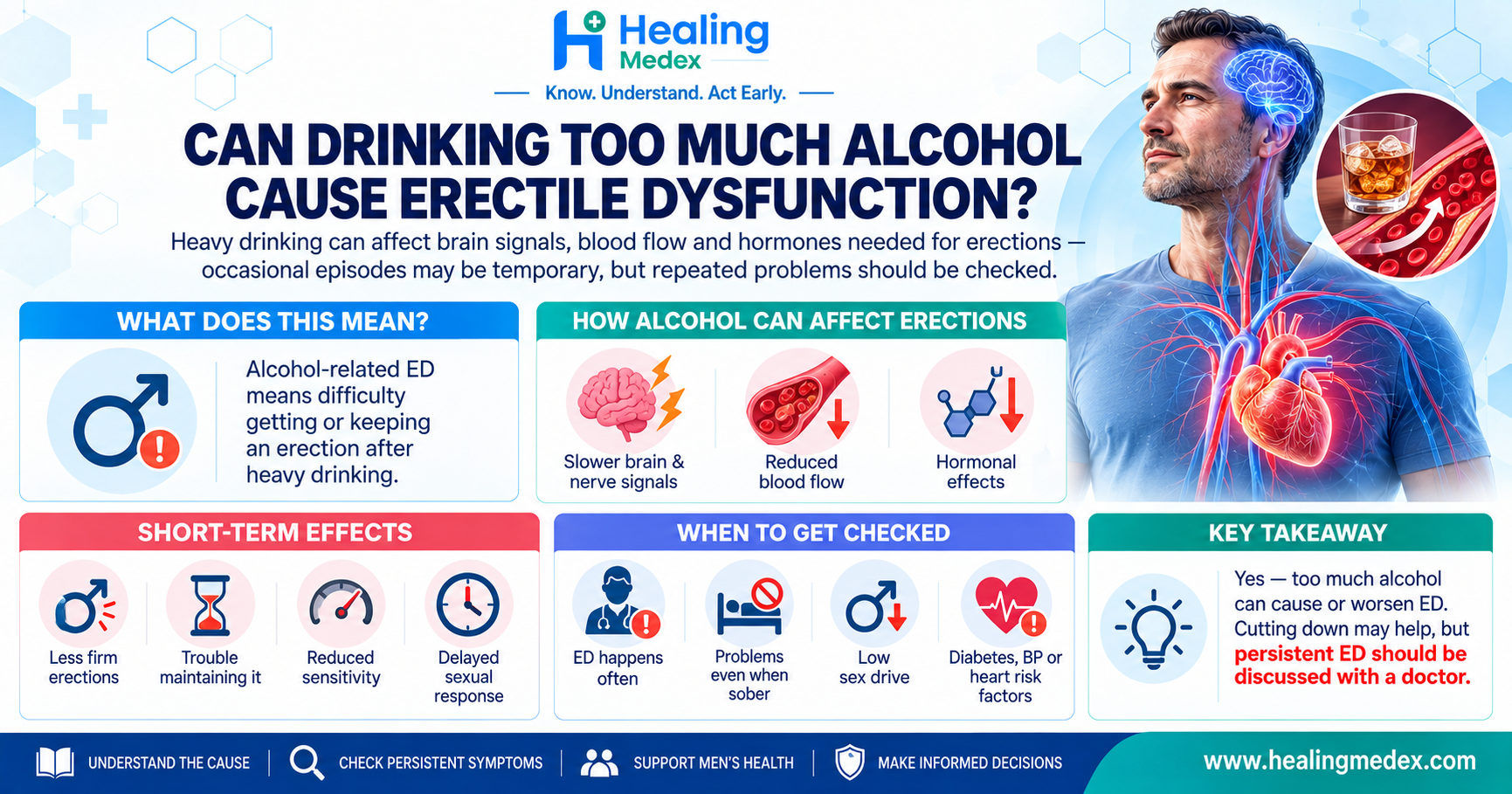
Erectile Dysfunction
Can Drinking Too Much Alcohol Cause Erectile Dysfunction?
Yes. Drinking too much alcohol can contribute to erectile dysfunction (ED) , both temporarily after heavy drinking and, in some people, as a longer-term problem when excessive alcohol use is frequent or chronic. An occasional erection problem after drinking heavily does not necessarily mean someone has chronic erectile dysfunction. However, repeated heavy alcohol use can interfere with the brain, nerves, hormones, blood vessels and other systems needed for a normal erection. Alcohol overuse is recognized as a potential contributor to erectile dysfunction. How Does an Erection Normally Happen? An erection depends on several systems working together. Sexual stimulation causes signals from the brain and nerves that relax blood vessels in the penis. More blood then enters erectile tissue, helping the penis become firm. This process depends on healthy: Blood circulation Nerve function Hormone balance Brain signaling Psychological wellbeing Anything that disrupts these processes may make getting or maintaining an erection more difficult. How Can Alcohol Affect Erections? Alcohol affects the central nervous system. After drinking a large amount, communication between the brain and other parts of the body may become slower or less effective. This can interfere with sexual arousal and the nerve signals involved in producing an erection. At the same time, alcohol can influence circulation and sexual response. As a result, someone may feel interested in sex but have difficulty achieving or maintaining an erection. The NHS notes that drinking too much alcohol is one of the common reasons men may occasionally have difficulty getting or maintaining an erection. Can Alcohol Cause Temporary Erectile Dysfunction? Yes. Temporary erection difficulties are relatively common after excessive drinking. For example, someone may notice: Difficulty becoming fully erect An erection that is less firm than usual Difficulty maintaining an erection Reduced sexual sensitivity Delayed ejaculation Reduced sexual performance These effects may disappear once the alcohol has left the body and the person has recovered. An occasional episode does not necessarily indicate an underlying medical condition. However, if erection difficulties happen repeatedly—even when sober—it is worth discussing them with a healthcare professional. Can Long-Term Heavy Drinking Cause Erectile Dysfunction? Long-term excessive alcohol consumption may contribute to persistent erectile problems. Mayo Clinic identifies alcohol overuse as a physical factor that can cause or worsen erectile dysfunction. Heavy alcohol consumption can also cause longer-term health problems that themselves increase the likelihood of ED. Several mechanisms may be involved. 1. Effects on the Nervous System Long-term excessive alcohol consumption can affect nerve function. Because erections depend on nerve signals traveling between the brain, spinal cord and penis, impaired nerve function may interfere with sexual response. 2. Blood Vessel and Cardiovascular Effects Healthy erections require adequate blood flow. Heavy alcohol use may contribute to conditions such as: High blood pressure Abnormal cholesterol Cardiovascular disease These conditions can impair blood vessel health and may also contribute to erectile dysfunction . Alcohol use, particularly excessive drinking, is associated with factors affecting both cardiovascular health and erectile function. 3. Hormonal Effects Long-term excessive alcohol exposure may affect the hormonal system involved in male reproductive and sexual health. Hormones such as testosterone play a role in sexual desire and erectile function. However, erectile dysfunction should not automatically be assumed to result from low testosterone. ED has many possible causes, and proper assessment may be required when symptoms persist. 4. Liver Health The liver plays an important role in processing hormones and maintaining normal metabolism. Chronic heavy drinking can damage the liver. Significant liver disease may disturb hormone regulation and overall health, potentially contributing to sexual dysfunction. 5. Mental Health and Sexual Performance Alcohol and erectile dysfunction are not only connected through physical mechanisms. Heavy alcohol use can coexist with or worsen: Anxiety Depression Poor sleep Relationship difficulties Sexual performance anxiety Stress, anxiety and depression can themselves cause or worsen erectile dysfunction. Does Alcohol Lower Sexual Desire? It can. Alcohol may initially reduce inhibition, which can make someone feel more relaxed or sexually confident. But drinking larger amounts can have the opposite effect. Excessive alcohol consumption may reduce sexual responsiveness and libido. Mayo Clinic notes that excessive drinking can contribute to both erectile dysfunction and reduced sexual desire. So feeling more socially relaxed after alcohol does not necessarily mean the body's sexual response will improve. Is Alcohol the Only Possible Cause of ED? No. Erectile dysfunction is often multifactorial. Other possible causes and risk factors include: Diabetes High blood pressure High cholesterol Cardiovascular disease Obesity Smoking Low testosterone Certain medications Depression Anxiety Stress Sleep disorders Neurological conditions Therefore, someone who drinks alcohol and experiences ED should not automatically assume alcohol is the only explanation. Can Cutting Down on Alcohol Improve Erections? It may, particularly when excessive alcohol consumption is contributing to the problem. Reducing heavy drinking can support overall cardiovascular, neurological and metabolic health. Mayo Clinic includes getting treatment for alcohol overuse among lifestyle measures that may help people with erectile dysfunction. Improvement depends on the underlying cause and whether long-term health complications have developed. If ED continues despite reducing alcohol intake, another medical or psychological factor may be involved. Should You Take Sildenafil or Tadalafil After Drinking Alcohol? ED medicines such as sildenafil and tadalafil should be used according to a healthcare professional's instructions. Alcohol and these medicines can both affect blood pressure. Drinking heavily may also make it more difficult to obtain an erection, meaning taking more ED medication is not necessarily the solution. Do not take more than the prescribed or recommended dose simply because the medicine appears less effective after drinking. People taking nitrates for chest pain should not use PDE5 inhibitor ED medicines unless specifically cleared by a healthcare professional because the combination can cause a dangerous fall in blood pressure. When Should Erectile Dysfunction Be Checked? Occasional erection problems after excessive alcohol consumption are relatively common. However, speak with a healthcare professional if: ED happens frequently Problems continue when you are sober Your sex drive has noticeably decreased You have diabetes, hypertension or cardiovascular disease You experience other unexplained symptoms You are concerned about your alcohol consumption ED has persisted for several weeks or months Persistent ED can sometimes be associated with underlying cardiovascular or metabolic conditions and should not simply be ignored. What Can You Do? If alcohol may be contributing to erectile problems, useful steps can include: Reducing alcohol intake Avoiding binge drinking Exercising regularly Maintaining a healthy weight Stopping smoking Getting adequate sleep Managing stress Controlling blood pressure, cholesterol and blood sugar Discussing persistent ED with a healthcare professional If you are dependent on alcohol or develop withdrawal symptoms when you stop drinking, seek medical advice rather than suddenly stopping on your own, because alcohol withdrawal can sometimes be dangerous. Frequently Asked Questions 1. Can one night of heavy drinking cause ED? Yes. Drinking a large amount of alcohol can temporarily make getting or maintaining an erection more difficult. This does not necessarily mean you have chronic erectile dysfunction. 2. Is alcohol-related ED permanent? Not necessarily. Temporary alcohol-related erection problems may resolve after alcohol leaves the body. With long-term heavy drinking, recovery can depend on whether alcohol has caused lasting neurological, cardiovascular, hormonal or other health problems. 3. Does alcohol make sildenafil work less effectively? Heavy drinking can itself interfere with the body's ability to produce an erection. Therefore, someone may perceive their ED medicine as working poorly after drinking heavily. 4. Can stopping alcohol improve erectile function? It may help when excessive alcohol consumption is an important contributor. Other causes should be investigated if ED persists. 5. How much alcohol causes erectile dysfunction? There is no single amount that causes ED in every person. The effect depends on factors such as the quantity consumed, drinking pattern, age, medications, cardiovascular health and individual sensitivity. Key Takeaway Yes, drinking too much alcohol can cause or worsen erectile dysfunction. A large amount of alcohol may temporarily interfere with the brain, nerves and circulation required for an erection. Repeated heavy drinking may also contribute to longer-term health problems that increase the risk of persistent ED. Occasional difficulty after drinking heavily may resolve on its own. However, recurrent erectile dysfunction —particularly when it occurs while sober—deserves medical evaluation because alcohol may be only one of several contributing factors. Medical Disclaimer: This article is intended for general educational purposes only and does not replace professional medical advice, diagnosis or treatment. Speak with a qualified healthcare professional if you have persistent erectile dysfunction, concerns about alcohol use, or questions about ED medicines.
Dr. Marcus Vance, PharmD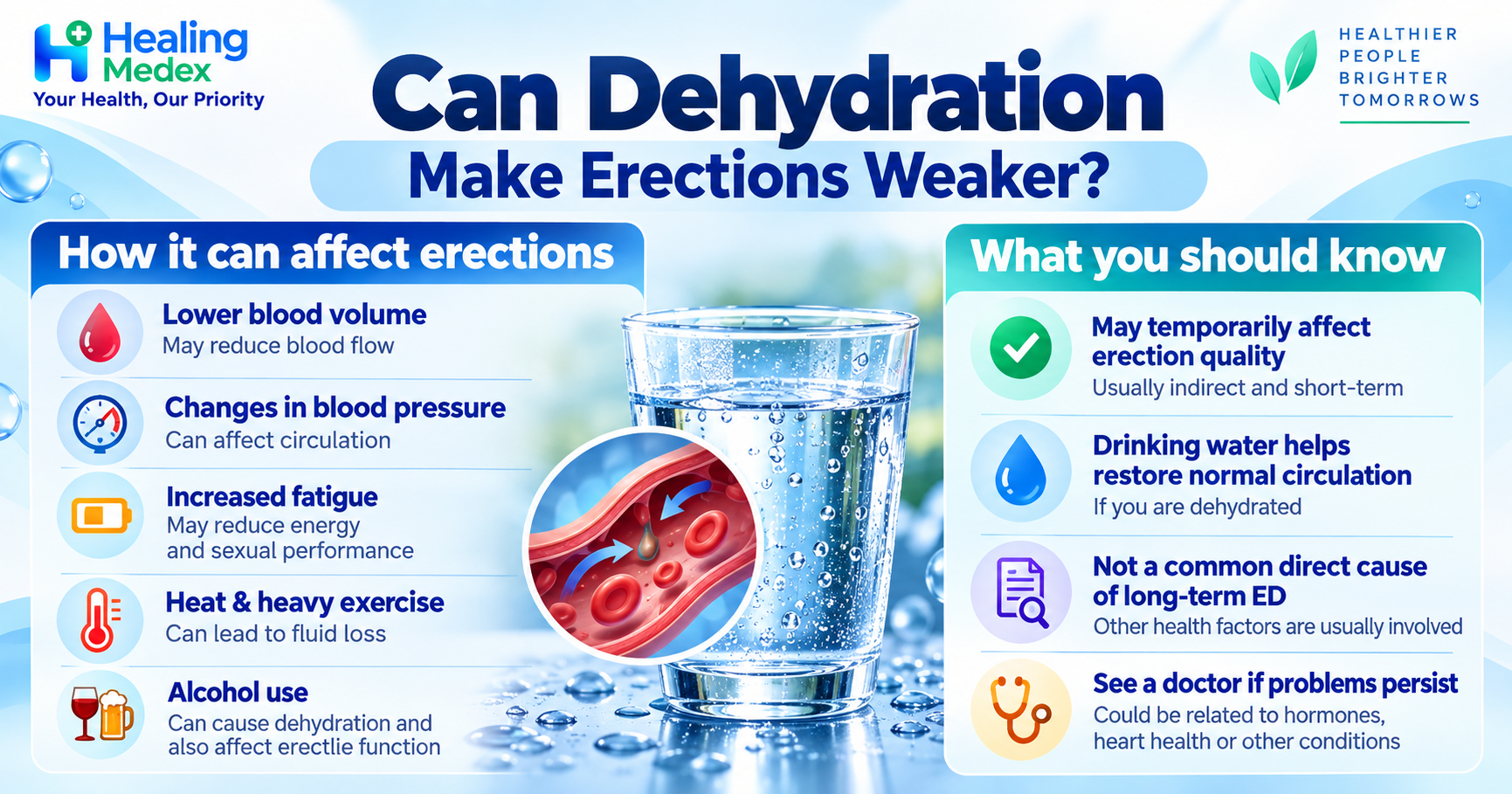
Erectile Dysfunction
Can Dehydration Make Erections Weaker?
Erections depend on healthy blood flow, nerve signals, hormones and sexual stimulation. Because hydration helps maintain normal blood volume and circulation, it is reasonable to wonder whether not drinking enough water can make erections weaker . The short answer is: possibly, especially when dehydration is significant—but the relationship is usually indirect and temporary. Dehydration can reduce blood volume, contribute to changes in blood pressure, increase fatigue and make you feel generally unwell. These effects could make it more difficult to achieve or maintain a strong erection in some situations. However, there is currently limited evidence showing that dehydration by itself is a common direct cause of erectile dysfunction (ED). Persistent or frequently recurring erection problems should therefore not automatically be blamed on dehydration. What Is Dehydration? Dehydration occurs when your body loses more fluid than it takes in. It may happen because of: Not drinking enough fluids Heavy sweating Hot weather Intense exercise Vomiting or diarrhea Fever Excessive alcohol intake Certain medicines, including diuretics Common symptoms include thirst, dry mouth, fatigue, headache, dizziness, weakness and darker urine. More severe dehydration can lead to low blood pressure and a rapid heartbeat. How Does an Erection Normally Happen? An erection is primarily a blood-flow event . During sexual stimulation, nerve signals trigger chemical changes that relax blood vessels supplying the penis. More blood enters erectile tissue, helping the penis become firm. Anything that significantly interferes with blood vessels, nerve function, hormones or psychological arousal may therefore interfere with erections. Established causes of ED include: Diabetes Cardiovascular disease High blood pressure Obesity Low testosterone or other hormonal disorders Thyroid problems Nerve damage Certain medications Smoking Excessive alcohol use Anxiety, depression and stress These are much more firmly linked with ED than dehydration itself. Can Dehydration Make Erections Weaker? It may temporarily affect erection quality. There is not strong clinical evidence demonstrating that mild dehydration directly causes erectile dysfunction. However, dehydration can create several physiological changes that could make erections more difficult under some circumstances. 1. Dehydration Can Reduce Blood Volume When your body loses fluid, the amount of circulating blood can decrease. Adequate blood circulation is necessary throughout the body, including during the erectile response. Significant dehydration can lower blood volume and contribute to lower blood pressure. This does not mean that every small drop in hydration will noticeably weaken an erection. But if someone is considerably dehydrated, circulation may not be functioning under ideal conditions. 2. Blood Pressure May Change Dehydration can sometimes cause blood pressure to fall because there is less circulating fluid. The body may then respond by increasing heart rate and constricting blood vessels in an attempt to maintain blood pressure. Because erectile function depends on coordinated changes in blood vessels, severe disturbances in circulation could potentially make obtaining or maintaining an erection more difficult. Again, this is an indirect physiological explanation rather than proof that dehydration routinely causes ED. 3. Fatigue Can Reduce Sexual Performance Dehydration commonly causes: Fatigue Weakness Headache Difficulty concentrating Dizziness These symptoms can reduce energy and sexual interest. Someone who is exhausted, overheated or feeling physically unwell may have more difficulty becoming sexually aroused or maintaining an erection, even if there is no underlying erectile disorder. 4. Dehydration May Occur Alongside Heavy Alcohol Use Alcohol deserves particular attention. Alcohol can contribute to dehydration, but drinking excessive amounts of alcohol can also interfere with erectile function through mechanisms unrelated to hydration. Excessive alcohol consumption is recognized as a lifestyle factor that may contribute to ED. Therefore, when erection difficulties occur after a night of heavy drinking, simply drinking more water may not fully solve the problem. 5. Heat and Heavy Exercise May Contribute Hot weather and strenuous exercise can lead to considerable sweating and fluid loss. If this is combined with exhaustion, overheating or inadequate recovery, temporary changes in sexual performance would not be surprising. Resting, cooling down and restoring lost fluids may help you feel normal again. However, repeated erectile problems outside these circumstances deserve further investigation. Does Drinking More Water Improve Erections? Drinking water can correct dehydration, but water should not be considered an ED treatment. If erection quality temporarily worsened because you were significantly dehydrated, restoring normal hydration may help your body return to its usual state. But drinking extra water beyond your body's needs has not been shown to produce stronger erections in someone who is already adequately hydrated. ED treatments focus on identifying and managing the actual underlying cause. Lifestyle measures recommended for erectile health include regular physical activity, maintaining a healthy weight, avoiding smoking, limiting excessive alcohol and following a healthy diet. How Can You Tell If You Are Dehydrated? Possible signs include: Increased thirst Dry mouth Dark yellow urine Urinating less frequently Headache Fatigue Muscle cramps Dizziness or lightheadedness More serious dehydration may cause very little urine production, rapid heartbeat, confusion or fainting. Urine that is generally pale yellow can be a simple practical indication that hydration is adequate for many healthy adults. How Much Water Should You Drink? There is no single amount of plain water that is appropriate for every person. Fluid requirements vary according to: Body size Physical activity Temperature and climate Diet Sweating Illness Medications Pregnancy Kidney and heart function Water, other drinks and water contained in foods all contribute to total daily fluid intake. People with conditions such as heart failure or advanced kidney disease may be specifically instructed to restrict fluids , so they should follow their healthcare professional's recommendations rather than deliberately increasing water intake. When Is Weak Erection Quality Probably More Than Dehydration? An occasional weaker erection is common and does not necessarily indicate erectile dysfunction. However, dehydration becomes a less convincing explanation when: Erection problems occur repeatedly Problems continue despite normal hydration Morning erections become consistently less frequent Erections are regularly lost during sexual activity Sexual desire has noticeably decreased You have diabetes, high cholesterol or high blood pressure You smoke You take medications known to affect sexual function You have symptoms suggesting low testosterone or thyroid disease ED can sometimes be a sign of another health condition rather than an isolated sexual problem. Could Persistent ED Be Related to Cardiovascular Health? Yes. Healthy erections require healthy blood vessels, which is why conditions affecting circulation—including atherosclerosis, hypertension and diabetes—are strongly associated with erectile dysfunction. For this reason, persistent ED deserves medical evaluation rather than repeatedly assuming that more water, vitamins or supplements will solve it. A healthcare professional may consider factors such as: Blood pressure Blood glucose Cholesterol Hormone levels Medication use Cardiovascular health Psychological factors Lifestyle habits Can Stress and Dehydration Occur Together? Yes. Situations that cause dehydration—such as travel, strenuous exercise, hot environments, poor sleep or illness—can also increase physical and psychological stress. Stress and anxiety themselves may worsen erectile difficulties. Mental and emotional issues are recognized contributors to ED. This means several temporary factors can sometimes occur together rather than dehydration being the only explanation. When Should You See a Doctor? Consider speaking with a healthcare professional if erection problems: Keep happening for several weeks or months Are becoming progressively worse Affect most sexual attempts Occur despite adequate arousal Are accompanied by reduced libido Begin after starting a new medication Occur alongside symptoms of diabetes, cardiovascular disease or hormonal problems Seek urgent medical help for severe dehydration accompanied by confusion, fainting, very little or no urine, rapid breathing or other severe symptoms. The Bottom Line Dehydration may temporarily contribute to weaker erections in some people, particularly when fluid loss is significant. Reduced blood volume, changes in blood pressure, fatigue, heat exposure and feeling generally unwell can all create conditions that are less favorable for normal sexual performance. However, dehydration is not considered one of the major established causes of persistent erectile dysfunction , and there is limited direct research showing that simply drinking more water improves erections in adequately hydrated men. If erection quality returns to normal after rest and rehydration, the problem may have been temporary. If weak erections continue despite normal hydration, it is important to look beyond water intake. Cardiovascular disease, diabetes, medications, hormone problems, smoking, alcohol use, stress and other factors may need to be considered.
Dr. Marcus Vance, PharmD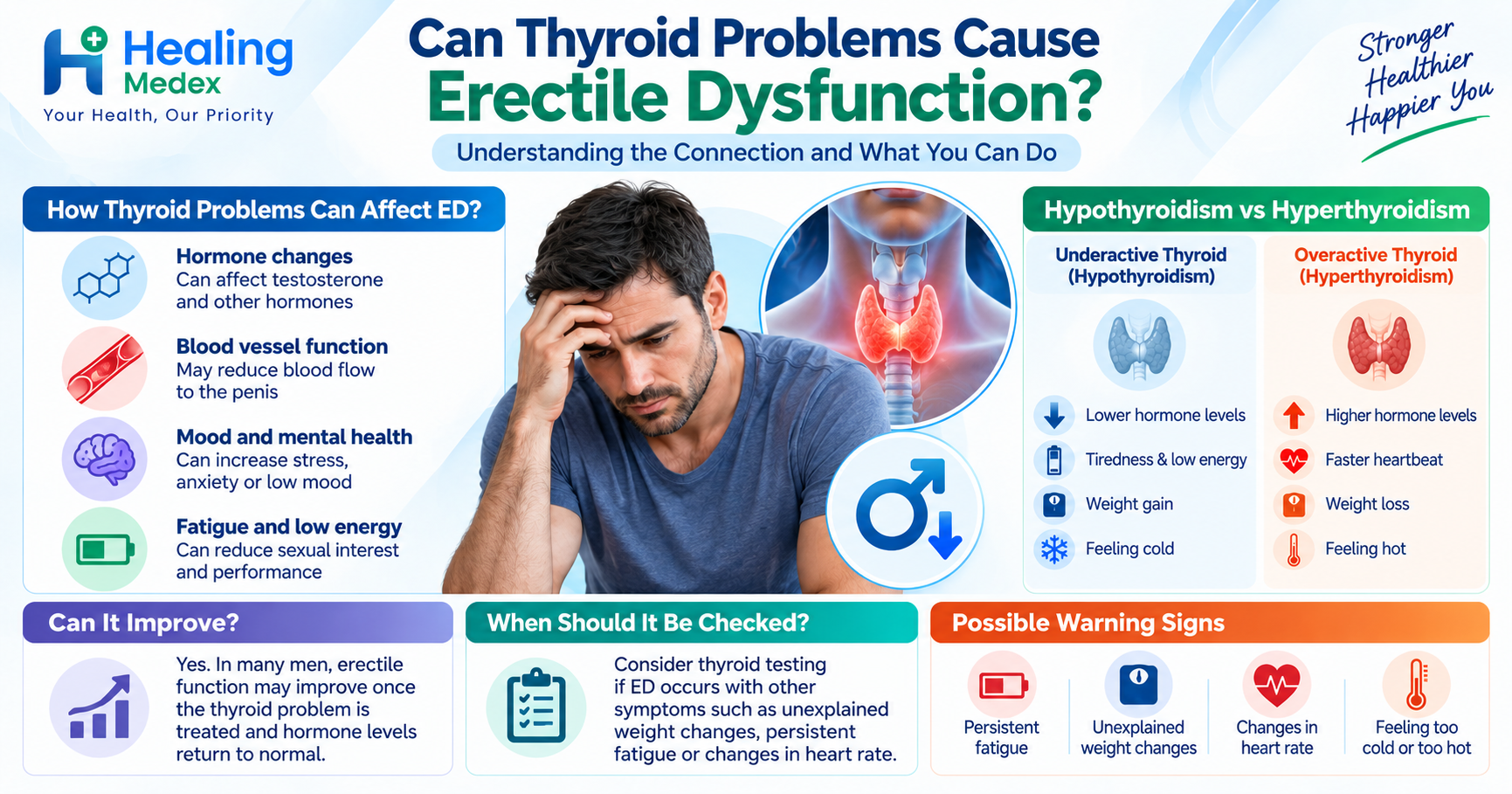
Erectile Dysfunction
Can Thyroid Problems Cause Erectile Dysfunction?
Erectile dysfunction (ED) can have many causes, including cardiovascular disease, diabetes, hormonal problems, certain medicines, stress and psychological factors. One possible cause that may be overlooked is thyroid dysfunction . The thyroid is a small gland in the neck, but the hormones it produces influence metabolism, energy levels, cardiovascular function and other hormone systems throughout the body. When thyroid hormone levels become too low or too high, sexual function may also be affected. Research suggests that both hypothyroidism (an underactive thyroid) and hyperthyroidism (an overactive thyroid) can be associated with sexual problems in men, including difficulty getting or maintaining an erection. The encouraging news is that erectile function may improve in some men once the underlying thyroid disorder is appropriately treated. What Is Erectile Dysfunction? Erectile dysfunction is the persistent difficulty getting or maintaining an erection firm enough for satisfactory sexual activity. Occasional difficulty with erections can happen to almost anyone and does not necessarily indicate a medical disorder. However, recurrent or persistent ED deserves medical attention because it can sometimes be associated with an underlying health condition. Common contributors include: Cardiovascular disease Diabetes High blood pressure High cholesterol Obesity Low testosterone Hormonal disorders Certain medications Smoking Excessive alcohol use Depression or anxiety Sleep disorders Neurological conditions Thyroid disease is another potential endocrine contributor that may need to be considered. What Does the Thyroid Gland Do? The thyroid is a butterfly-shaped gland located at the front of the neck. It produces hormones, mainly thyroxine (T4) and triiodothyronine (T3) , which help regulate numerous functions throughout the body, including: Metabolism Energy production Heart rate Body temperature Muscle function Mood Reproductive and sexual function Thyroid activity is largely controlled by thyroid-stimulating hormone (TSH) , which is produced by the pituitary gland. When thyroid hormone production becomes abnormal, several body systems involved in normal sexual function can be affected. How Can Thyroid Problems Affect Erections? A normal erection depends on a coordinated interaction between the brain, nerves, hormones and blood vessels. Thyroid disorders may interfere with this process through several pathways. 1. Changes in Sex Hormones Abnormal thyroid hormone levels can influence hormones involved in male sexual function. Thyroid dysfunction may affect: Testosterone Sex hormone-binding globulin (SHBG) Prolactin Pituitary hormone signalling Changes in these hormonal systems may affect sexual desire and erectile function. 2. Blood-Vessel Function Healthy erections require adequate blood flow into the penis. Thyroid dysfunction can influence cardiovascular and metabolic health, which may indirectly affect the blood vessels involved in erections. 3. Mood and Mental Health Thyroid disorders may cause symptoms such as: Depression Anxiety Irritability Difficulty concentrating Low motivation Psychological well-being plays an important role in sexual desire and erectile performance. 4. Fatigue and Reduced Energy Fatigue is particularly common with hypothyroidism. Persistent tiredness can reduce sexual interest, physical activity and overall sexual performance. 5. Changes in the Nervous System Thyroid hormones have widespread effects on nervous-system function. Abnormal hormone levels may therefore alter some of the neurological pathways involved in sexual response. For many patients, several of these mechanisms may occur together rather than ED resulting from one single hormonal change. Can Hypothyroidism Cause Erectile Dysfunction? Hypothyroidism occurs when the thyroid gland does not produce enough thyroid hormone. Research has found an association between hypothyroidism and male sexual dysfunction, including erectile difficulties. Other possible symptoms of hypothyroidism include: Persistent tiredness Feeling unusually cold Weight gain Dry skin Constipation Difficulty concentrating Depressed mood Muscle weakness Slow heart rate Reduced sexual desire Hypothyroidism may also be associated with hormonal changes that can interfere with normal sexual function. Some studies have reported improvement in erectile and other aspects of sexual function after thyroid hormone levels were brought back toward the normal range with appropriate treatment. Can Hyperthyroidism Cause Erectile Dysfunction? Yes. Hyperthyroidism , where the thyroid produces too much thyroid hormone, has also been associated with erectile and other forms of male sexual dysfunction. Possible symptoms of hyperthyroidism include: Rapid heartbeat Increased sweating Heat intolerance Unexplained weight loss Tremor Nervousness or anxiety Difficulty sleeping Muscle weakness Frequent bowel movements Reduced exercise tolerance Men with hyperthyroidism may experience erectile problems as well as changes in ejaculation. Research has particularly associated hyperthyroidism with an increased likelihood of premature ejaculation , although not every patient develops this problem. How Common Is Sexual Dysfunction in Men With Thyroid Disease? The exact rate varies considerably between studies and patient populations. A 2024 systematic review and meta-analysis examining men with thyroid disorders estimated that sexual dysfunction occurred in approximately half of the participants overall. The analysis also found sexual dysfunction in men with both hypothyroidism and hyperthyroidism. These numbers should not be interpreted to mean that every man with thyroid disease will develop ED. Age, cardiovascular health, diabetes, medications, testosterone levels, mental health and other factors may also contribute to sexual difficulties. Does Treating the Thyroid Improve Erectile Dysfunction? In some men, yes. Clinical studies have found that sexual function can improve after abnormal thyroid hormone levels are corrected. For example, treatment of hypothyroidism with appropriate thyroid hormone replacement has been associated with improvement in erectile function in some affected men. Similarly, treatment that restores normal thyroid function in people with hyperthyroidism may improve sexual symptoms. However, correcting thyroid dysfunction does not guarantee that ED will disappear completely. A man may have more than one contributing factor, such as: Diabetes High blood pressure High cholesterol Obesity Low testosterone Cardiovascular disease Medication side effects Smoking Depression or anxiety These conditions may need to be addressed separately. When Should Thyroid Problems Be Suspected in Someone With ED? Thyroid testing may be particularly worth discussing with a healthcare professional when erectile problems occur alongside symptoms suggesting abnormal thyroid function. Possible warning signs include: Signs Suggesting Hypothyroidism Unexplained weight gain Persistent fatigue Feeling cold frequently Dry skin Constipation Slow heartbeat Depressed mood Reduced sexual desire Signs Suggesting Hyperthyroidism Unexplained weight loss Fast or irregular heartbeat Tremor Excessive sweating Heat intolerance Anxiety Difficulty sleeping Muscle weakness A healthcare professional can determine whether thyroid testing is appropriate based on symptoms, medical history and physical examination. What Tests May Be Needed? When thyroid dysfunction is suspected, blood testing commonly begins with: TSH Thyroid-stimulating hormone (TSH) is commonly used as the initial test for evaluating thyroid function. Abnormal TSH levels may suggest that the thyroid is underactive or overactive. Free T4 A free T4 test helps determine how much circulating thyroid hormone is available to the body's tissues. Additional thyroid tests may sometimes be required depending on the results. Because erectile dysfunction can have several causes, doctors may also consider tests such as: Blood glucose or HbA1c Cholesterol and lipid profile Blood pressure assessment Morning testosterone Other hormonal tests when clinically indicated The exact evaluation should be individualized. Is Low Testosterone the Same as Thyroid Disease? No. Low testosterone and thyroid dysfunction are different hormonal conditions, although both can contribute to sexual symptoms. Low testosterone may cause: Reduced libido Fewer spontaneous erections Fatigue Reduced muscle mass Mood changes Fertility problems Thyroid disease can sometimes influence other hormone systems, so a doctor may decide to evaluate both thyroid function and testosterone when symptoms suggest a hormonal cause. Self-treating with testosterone without appropriate testing is not recommended. How Is Thyroid-Related ED Treated? Treatment depends on whether the thyroid is underactive or overactive. Treating Hypothyroidism Hypothyroidism is commonly treated with thyroid hormone replacement such as levothyroxine . The dose is individualized and usually monitored with blood tests. As thyroid hormone levels return toward their target range, symptoms such as fatigue, mood changes and sexual dysfunction may improve. Treating Hyperthyroidism Treatment options can include: Antithyroid medicines Radioactive iodine therapy Surgery in selected cases Other medicines for symptom control The best approach depends on the cause and severity of the hyperthyroidism. Treating Persistent Erectile Dysfunction If ED remains after thyroid function has been corrected, the patient may need further evaluation. Depending on individual circumstances, treatment might include: Lifestyle modifications Management of diabetes, blood pressure or cholesterol Weight reduction when appropriate Smoking cessation Psychological or relationship support Review of medications that may contribute to ED Erectile dysfunction medicines such as PDE5 inhibitors when medically appropriate PDE5 inhibitors include medicines such as sildenafil and tadalafil. They are not suitable for everyone and can interact dangerously with nitrate medicines used for chest pain, so medical guidance is important. Lifestyle Measures That May Support Erectile Health Correcting a thyroid disorder is only one part of maintaining sexual and cardiovascular health. Helpful lifestyle measures can include: Exercising regularly Maintaining a healthy body weight Eating a balanced diet Getting adequate sleep Stopping smoking Limiting excessive alcohol Managing diabetes Controlling blood pressure Managing cholesterol Reducing chronic stress Because erectile dysfunction and cardiovascular health are closely connected, these measures may offer benefits beyond sexual function. When Should You See a Doctor? Speak with a healthcare professional if erectile difficulties persist or repeatedly interfere with sexual activity. Medical evaluation is particularly important if ED occurs together with: Major weight changes Severe fatigue Heart palpitations Heat or cold intolerance Reduced sexual desire Symptoms of low testosterone Diabetes High blood pressure Cardiovascular disease Sudden or persistent ED should not simply be assumed to be caused by aging. Identifying and treating an underlying health problem may improve both sexual and general health. Frequently Asked Questions 1. Can an underactive thyroid cause erectile dysfunction? Yes. Hypothyroidism has been associated with erectile dysfunction and other changes in male sexual function. Treating the thyroid disorder may improve symptoms in some men. 2. Can an overactive thyroid cause ED? Yes. Hyperthyroidism can also be associated with erectile dysfunction and other sexual problems, including premature ejaculation in some men. 3. Can thyroid medicine improve erections? If abnormal thyroid function is contributing to ED, bringing thyroid hormone levels back toward normal may improve erectile function. However, other causes of ED may still need treatment. 4. Can thyroid problems reduce testosterone? Thyroid disorders can influence the hormonal systems involved in testosterone regulation and transport. If symptoms suggest testosterone deficiency, a healthcare professional may recommend appropriate hormonal testing. 5. Should every man with ED get a thyroid test? Not necessarily. The appropriate tests depend on symptoms, medical history, physical examination and other risk factors. Thyroid testing is particularly relevant when there are clinical features suggesting thyroid dysfunction. 6. Can ED be the first sign of a thyroid problem? It is possible, although ED has many more common causes. Persistent erectile problems accompanied by unexplained fatigue, weight changes, temperature intolerance, palpitations or other thyroid-related symptoms warrant medical evaluation. The Bottom Line Yes, thyroid problems can contribute to erectile dysfunction. Both an underactive thyroid and an overactive thyroid have been associated with male sexual dysfunction. Thyroid hormone abnormalities may affect erections through changes in hormone balance, cardiovascular function, energy levels, mood and other physiological pathways. Importantly, studies suggest that sexual function can improve in some men after the underlying thyroid disorder is successfully treated. However, erectile dysfunction is often multifactorial. Diabetes, cardiovascular disease, obesity, low testosterone, medications, smoking and psychological factors may also be involved. For men experiencing persistent ED—especially alongside symptoms of abnormal thyroid function—a medical assessment can help determine whether thyroid testing or other investigations are appropriate.
Dr. Marcus Vance, PharmD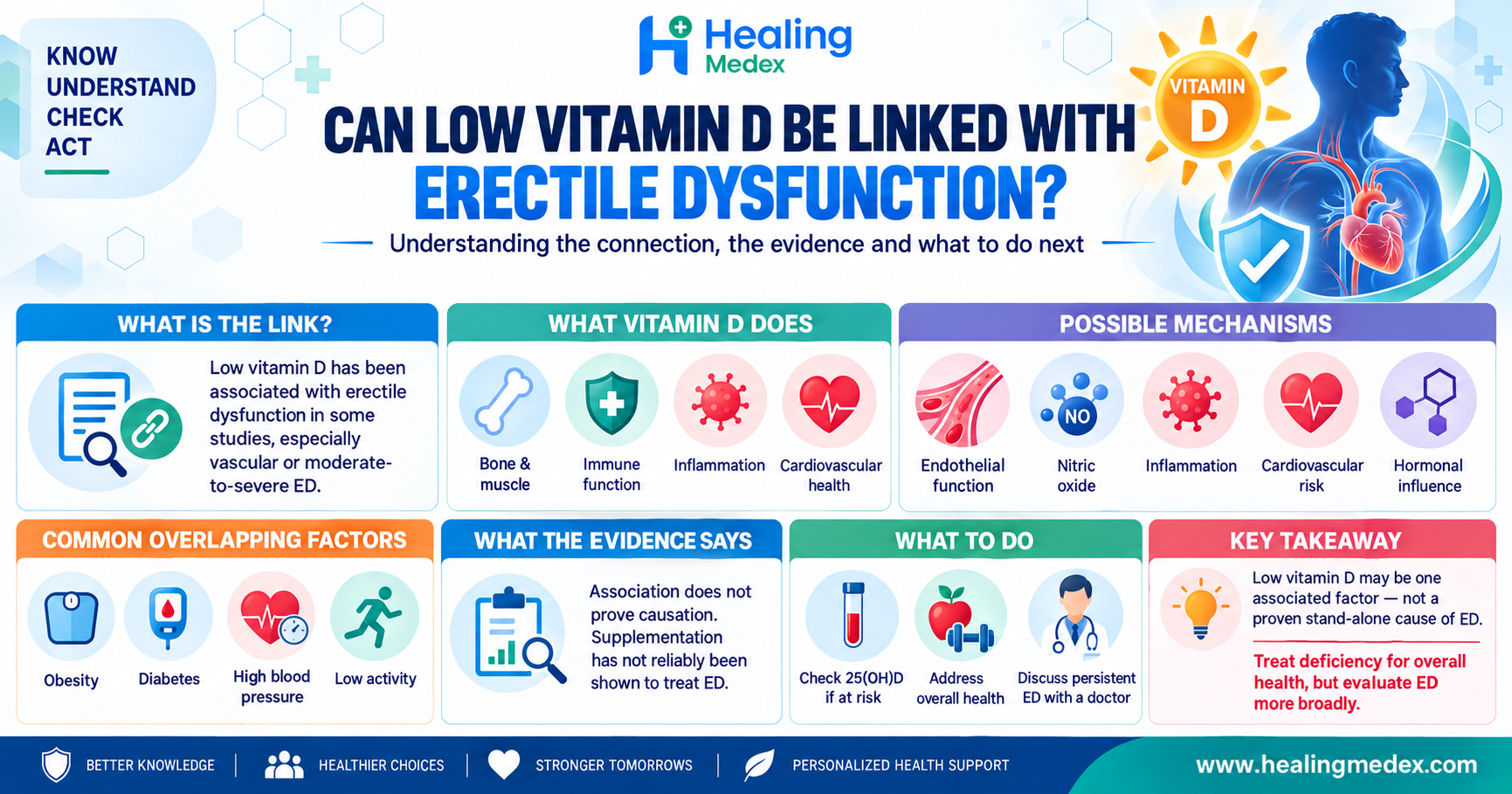
Erectile Dysfunction
Can Low Vitamin D Be Linked With Erectile Dysfunction?
Erectile dysfunction (ED) can have many possible causes, including cardiovascular disease, diabetes, hormonal problems, medications, psychological factors and lifestyle habits. In recent years, researchers have also investigated whether low vitamin D levels may be associated with erectile dysfunction . Several observational studies have found that men with erectile dysfunction tend to have lower vitamin D levels than men without ED. The association appears particularly relevant in some men with vascular or moderate-to-severe erectile dysfunction . However, this does not mean that vitamin D deficiency directly causes ED or that taking vitamin D supplements will automatically improve erections. Erectile dysfunction is usually multifactorial, and current clinical evidence on vitamin D supplementation remains inconclusive. What Is Vitamin D? Vitamin D is a fat-soluble vitamin and hormone-like substance that plays important roles in: Bone and calcium metabolism Muscle function Immune regulation Inflammation Cardiovascular health Normal cellular function The main circulating form measured in a blood test is 25-hydroxyvitamin D [25(OH)D] . Vitamin D can be obtained through exposure of the skin to sunlight, certain foods and supplements. A low vitamin D level is common, particularly in people who receive limited sunlight, have darker skin, spend most of their time indoors, have certain medical conditions or have inadequate dietary intake. What Is Erectile Dysfunction? Erectile dysfunction is the persistent difficulty in achieving or maintaining an erection firm enough for satisfactory sexual activity. An erection depends on coordinated activity involving the: Brain and nervous system Hormones Blood vessels Penile smooth muscle Psychological and emotional response Healthy blood circulation is particularly important. When sexual stimulation occurs, nitric oxide helps relax smooth muscle in penile blood vessels, allowing more blood to enter erectile tissue. Conditions that interfere with blood vessel function can therefore contribute to ED. Can Low Vitamin D Be Linked With Erectile Dysfunction? Research suggests that there may be an association . A recent systematic review reported that lower vitamin D status was associated with a greater prevalence of erectile dysfunction in several studies, particularly among men with moderate-to-severe or arteriogenic ED. However, most available studies are observational. That means researchers can identify an association but cannot prove that vitamin D deficiency itself caused erectile dysfunction. Men with low vitamin D may also be more likely to have other conditions associated with ED, such as: Obesity Diabetes High blood pressure Cardiovascular disease Low levels of physical activity Metabolic disorders These overlapping factors make the relationship difficult to separate. How Could Vitamin D Potentially Affect Erectile Function? Researchers have proposed several biological mechanisms. 1. Vitamin D May Be Connected With Blood Vessel Health Normal erections require healthy endothelial function. The endothelium is the thin layer of cells lining the inside of blood vessels. Endothelial dysfunction can reduce the ability of blood vessels to expand appropriately. Vitamin D deficiency has been associated with several markers of impaired endothelial function, which provides one possible explanation for the relationship between low vitamin D and vascular ED. 2. It May Influence Nitric Oxide Nitric oxide is one of the most important molecules involved in producing an erection. During sexual stimulation, nitric oxide helps penile blood vessels and smooth muscle relax. This increases blood flow into the penis. Laboratory and physiological research suggests that vitamin D may influence nitric oxide production and endothelial nitric oxide pathways. Therefore, inadequate vitamin D has been proposed as one factor that could contribute to impaired vascular relaxation. This remains a proposed biological mechanism rather than proof that vitamin D supplements treat ED. 3. Vitamin D Deficiency May Be Associated With Inflammation Chronic inflammation and oxidative stress can damage blood vessels and impair endothelial function. Vitamin D has roles in immune and inflammatory regulation. Researchers have therefore proposed that inadequate vitamin D may indirectly affect erectile function through increased inflammation or oxidative stress. Again, this relationship is complex and does not establish vitamin D deficiency as a single cause of erectile dysfunction. 4. Vitamin D and Cardiovascular Health Are Closely Connected ED and cardiovascular disease share many risk factors. These include: Hypertension High cholesterol Diabetes Obesity Smoking Physical inactivity Vascular disease Because erections depend heavily on adequate blood flow, vascular dysfunction can appear as erectile problems. Low vitamin D is frequently seen alongside several cardiometabolic conditions, which may partly explain why vitamin D deficiency and ED often occur together. 5. Vitamin D May Have an Indirect Relationship With Hormonal Health Researchers have also explored relationships between vitamin D and reproductive hormones, including testosterone. However, the evidence does not establish that simply increasing vitamin D will meaningfully increase testosterone or resolve hormone-related erectile dysfunction in most men. Hormonal causes of ED should therefore be investigated separately when clinically appropriate. What Does the Research Show? Multiple observational studies have reported lower vitamin D concentrations among men with erectile dysfunction. A recent systematic review concluded that vitamin D deficiency was associated with a higher prevalence of ED across several studies, including after adjustment for some lifestyle, cardiovascular and hormonal factors. The relationship may be particularly noticeable among men with moderate-to-severe ED or impaired penile arterial blood flow . However, researchers also highlighted substantial limitations: Many studies were relatively small. Definitions of vitamin D deficiency differed between studies. ED assessment methods varied. Many studies were cross-sectional. Other health conditions could influence both vitamin D levels and erectile function. Randomized supplementation trials have produced inconsistent results. For these reasons, a causal relationship has not been established. Can Vitamin D Supplements Improve Erectile Dysfunction? This is where an important distinction must be made. Having low vitamin D associated with ED does not necessarily mean that taking vitamin D will treat ED. One large randomized placebo-controlled study published in 2024 evaluated three years of vitamin D supplementation in older men. The prevalence of erectile dysfunction was approximately 58.8% in the vitamin D group and 59.0% in the placebo group , and researchers found no evidence that vitamin D supplementation prevented or improved ED. The study concluded that supplementing older men with vitamin D was unlikely to prevent or improve erectile dysfunction. Smaller studies have reported possible improvements in certain populations, but the overall evidence remains inconsistent. Therefore, vitamin D should not be considered a replacement for established ED treatments . Should Men With ED Have Their Vitamin D Checked? Vitamin D testing may be reasonable when a healthcare professional suspects deficiency based on symptoms, lifestyle, medical history or other risk factors. A blood test measuring 25-hydroxyvitamin D [25(OH)D] is generally used to assess vitamin D status. Testing may be particularly relevant for people who: Have limited sunlight exposure Have nutritional deficiencies Have osteoporosis or poor bone health Have malabsorption disorders Have certain kidney or liver conditions Take medications affecting vitamin D metabolism Have other clinical risk factors for vitamin D deficiency Whether vitamin D should routinely be measured in every person with ED remains uncertain. If Vitamin D Is Low, Should It Be Treated? A confirmed vitamin D deficiency should generally be discussed with a healthcare professional and managed for overall health , even if improving erections is not guaranteed. Treatment may include: Appropriate vitamin D supplementation Safe sunlight exposure where appropriate Vitamin-D-containing foods Management of conditions contributing to deficiency The correct supplement dose depends on the person's vitamin D concentration, age, diet, medical conditions and other factors. Taking very large amounts of vitamin D without medical supervision is not recommended because excessive vitamin D can cause toxicity and abnormally high blood calcium. Foods That Provide Vitamin D Dietary sources can include: Fatty fish such as salmon, sardines and mackerel Egg yolks Fortified milk Fortified plant-based drinks Fortified cereals Some mushrooms Food alone may not always correct significant deficiency, so testing and individualized treatment can be important. What Else Should Be Checked When Someone Has ED? Vitamin D is only one possible piece of the picture. Persistent erectile dysfunction should prompt consideration of other common causes and risk factors, including: Cardiovascular Health ED can sometimes accompany vascular disease because penile arteries depend on healthy blood flow. Assessment may include blood pressure, cardiovascular risk factors and cholesterol. Diabetes High blood glucose can damage nerves and blood vessels required for normal erections. Testosterone and Other Hormones Men with symptoms suggestive of testosterone deficiency may require hormonal assessment. Medications Some blood pressure medicines, antidepressants and other medications can affect erectile function. Medication should not be discontinued without medical advice. Smoking and Alcohol Smoking damages blood vessels, while excessive alcohol consumption can interfere with sexual function. Obesity and Physical Inactivity Both are associated with cardiovascular dysfunction and increased ED risk. Psychological Factors Stress, anxiety, depression and relationship difficulties can contribute to or worsen ED. Often, physical and psychological factors occur simultaneously. How Is Erectile Dysfunction Usually Treated? Treatment depends on its cause. Options may include: Improving cardiovascular risk factors Regular physical activity Weight management Smoking cessation Reducing excessive alcohol consumption Managing diabetes or high blood pressure Reviewing medications Psychological or relationship therapy where appropriate Treating clinically confirmed hormone deficiencies Prescription ED medicines Common oral ED medicines include PDE5 inhibitors such as sildenafil and tadalafil. They improve the erectile response by enhancing nitric-oxide-related blood flow pathways but require appropriate medical assessment because they are not suitable for everyone. Vitamin D supplementation should not be viewed as an alternative to proper evaluation and evidence-based ED treatment. When Should You See a Healthcare Professional? Occasional difficulty achieving an erection can happen and does not necessarily indicate a medical condition. However, seek medical advice if erectile problems: Occur repeatedly Continue for several weeks or months Are becoming progressively worse Are associated with reduced sexual desire Occur alongside symptoms of low testosterone Are accompanied by diabetes, hypertension or cardiovascular disease Cause significant anxiety or relationship difficulties ED can occasionally be an early sign of an underlying cardiovascular or metabolic problem, so persistent symptoms are worth discussing rather than simply treating on your own. The Bottom Line Low vitamin D can be associated with erectile dysfunction, but current research does not prove that vitamin D deficiency directly causes ED. There are biologically plausible connections involving endothelial health, nitric oxide, inflammation and cardiovascular risk. Observational studies have also found lower vitamin D levels more frequently among some men with ED. However, association does not equal causation. Most importantly, randomized clinical evidence has not demonstrated that vitamin D supplementation reliably prevents or treats erectile dysfunction . If a person has both erectile dysfunction and confirmed vitamin D deficiency, correcting the deficiency may still be appropriate for general health. Persistent ED, however, deserves a broader evaluation for cardiovascular, metabolic, hormonal, medication-related and psychological factors. Key Takeaway Low vitamin D may be one associated factor rather than a stand-alone cause of erectile dysfunction . Correct vitamin D deficiency when medically appropriate, but do not rely on vitamin D supplements alone to treat persistent ED.
Dr. Marcus Vance, PharmD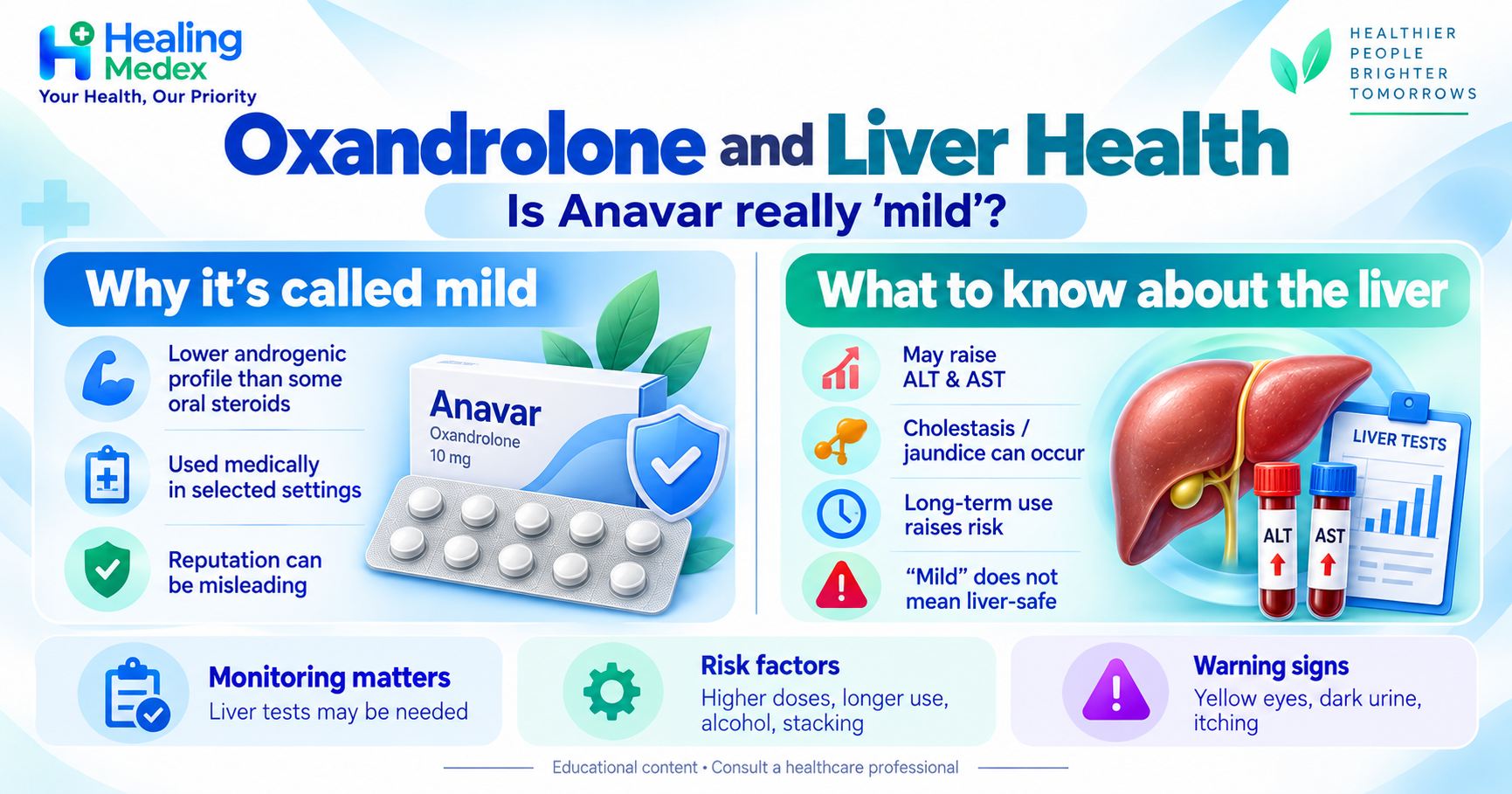
Anabolic Steriod
Oxandrolone and Liver Health: Is Anavar Really Mild?
Oxandrolone, commonly known by the former brand name Anavar , is an anabolic-androgenic steroid (AAS). It has sometimes been described as a “mild” anabolic steroid because its androgenic effects are relatively lower than those of some other anabolic steroids and because medically supervised oxandrolone has been used in selected clinical settings. However, “mild” does not mean harmless . Oxandrolone is an orally active 17-alpha-alkylated anabolic steroid , a chemical modification that allows it to survive first-pass metabolism in the liver. This same class of oral anabolic steroids is particularly associated with liver-related adverse effects. So, how much risk does oxandrolone actually pose to liver health? Here is what the evidence shows. What Is Oxandrolone? Oxandrolone is a synthetic derivative of testosterone with anabolic and androgenic properties. Historically, it has been prescribed in certain medical circumstances involving severe weight loss, catabolic illness and recovery from major burns. Its chemical structure allows oxandrolone to be taken orally and remain biologically active after passing through the liver. Although earlier medical literature suggested that oxandrolone may have a more favorable safety profile than some other 17-alpha-alkylated anabolic steroids, liver abnormalities can still occur. Why Is Oxandrolone Often Called a “Mild” Steroid? Oxandrolone developed a reputation for being relatively mild because it has comparatively limited androgenic activity and, in supervised therapeutic studies, serious clinical liver injury has not been common. That reputation can be misleading. A medication may have a lower risk than another anabolic steroid without having a low absolute risk , particularly when it is used at non-medical doses, for prolonged periods, alongside other substances or without laboratory monitoring. Clinical studies have documented elevations in liver enzymes during oxandrolone treatment. LiverTox notes that oxandrolone belongs to a steroid class associated with abnormal liver tests, cholestasis, peliosis hepatis and hepatic tumors. How Can Oxandrolone Affect the Liver? 1. Liver Enzymes Can Increase Oxandrolone can cause elevations in liver enzymes such as ALT and AST . These laboratory changes may occur without obvious symptoms. In one clinical series involving patients treated with oxandrolone after significant burns, elevations in ALT or AST occurred in a substantial proportion of patients, although they were generally asymptomatic and transient. More recent evidence in burn patients has also found higher rates of transaminase elevations among adults receiving oxandrolone compared with placebo. An elevated liver enzyme result does not automatically mean permanent liver damage, but it can be an important sign that further medical assessment is needed. 2. Cholestasis and Jaundice Are Possible One of the characteristic forms of liver injury associated with 17-alpha-alkylated anabolic steroids is cholestasis . Cholestasis occurs when normal bile formation or bile flow from the liver becomes impaired. Possible symptoms include: Yellowing of the skin or eyes Dark urine Pale or unusually light stools Severe itching Loss of appetite Nausea Abdominal discomfort Fatigue Anabolic-steroid -associated cholestasis can sometimes be prolonged even after the steroid has been discontinued. Regulatory labeling for oxandrolone specifically warns that cholestatic hepatitis and jaundice can occur with 17-alpha-alkylated androgens, including at relatively low doses. 3. Peliosis Hepatis Is a Rare but Serious Concern Peliosis hepatis is an uncommon condition in which blood-filled cavities develop within liver tissue. It has been reported in people receiving anabolic-androgenic steroids . In severe cases, the lesions may cause liver dysfunction or potentially dangerous internal bleeding. Oxandrolone labeling has historically carried a warning regarding peliosis hepatis associated with androgenic- anabolic steroid therapy. Although this complication is rare, it demonstrates why describing oral anabolic steroids as completely liver-safe is inaccurate. 4. Long-Term Exposure Has Been Associated With Liver Tumors Long-term exposure to androgenic and anabolic steroids has been associated with hepatic tumors, including liver adenomas and, less commonly, malignant tumors. The relationship is most strongly recognized with prolonged exposure to 17-alpha-alkylated anabolic steroids. These complications are substantially different from temporary elevations in liver enzymes and emphasize the importance of duration and cumulative exposure when evaluating risk. Is Oxandrolone Safer for the Liver Than Other Oral Steroids? Oxandrolone has sometimes shown a more favorable hepatic safety profile under controlled medical conditions than certain other oral anabolic steroids . For example, older clinical literature described transient enzyme elevations as more common than severe clinical liver injury during therapeutic oxandrolone use. However, direct head-to-head evidence comparing liver toxicity among anabolic steroids is limited, and individual risk varies considerably. It is therefore more accurate to say: Oxandrolone may be less hepatotoxic in some circumstances than certain other oral anabolic steroids, but it is not non-hepatotoxic or liver-safe. Medical Use and Non-Medical Use Are Not Equivalent Safety information from clinical studies should not automatically be applied to bodybuilding or performance-enhancing use. Medical therapy typically involves: A defined clinical indication Pharmaceutical-quality medication Physician supervision Defined treatment duration Laboratory monitoring Assessment of other medications and medical conditions Non-medical anabolic steroid use can involve different exposure levels, longer durations, combinations of multiple steroids and uncertain product purity. These differences can substantially alter risk. What Can Increase the Risk of Liver Problems? Liver risk may be greater when anabolic steroids are combined with additional factors that place stress on the liver. Examples include: Prolonged anabolic steroid exposure Combining multiple oral anabolic steroids Heavy alcohol consumption Pre-existing liver disease Taking other potentially hepatotoxic medicines or supplements Unregulated bodybuilding products containing undisclosed ingredients Repeated courses of anabolic steroids without medical monitoring Bodybuilding supplements can also be problematic because some products have been found to contain anabolic steroids or other undeclared compounds. LiverTox notes that steroid-containing bodybuilding products have been implicated in severe and sometimes prolonged cholestatic liver injury. Which Liver Tests May Be Checked? When oxandrolone is prescribed medically, clinicians may periodically evaluate liver-related blood tests. These can include: ALT (alanine aminotransferase): Often increases when liver cells are irritated or injured. AST (aspartate aminotransferase): Can rise with liver injury but may also increase following significant muscle damage or strenuous exercise. Alkaline phosphatase (ALP): Can provide information about the liver and bile ducts. Bilirubin: Elevated bilirubin may occur when bile processing or flow becomes impaired. GGT (gamma-glutamyl transferase): May provide additional information about hepatobiliary function. Interpreting these tests individually can be misleading. A clinician normally assesses the overall pattern together with symptoms, medications, alcohol intake, exercise history and other laboratory findings. Normal Liver Enzymes Do Not Guarantee That Everything Is Normal One important misconception is that normal AST and ALT automatically prove that an anabolic steroid is causing no liver problems. Certain forms of anabolic-steroid -induced liver injury, particularly cholestasis, can produce marked bilirubin elevation despite only modest increases in traditional liver enzymes . Laboratory monitoring is therefore useful, but it cannot eliminate every potential risk. What Symptoms Require Medical Attention? Anyone exposed to oxandrolone or another anabolic steroid should seek medical assessment if symptoms suggesting liver dysfunction develop. Important warning signs include: Yellow eyes or skin Very dark urine Pale stools Persistent or severe itching Unexplained nausea or vomiting Loss of appetite Persistent pain in the upper-right abdomen Significant unexplained fatigue Abdominal swelling Jaundice or severe abdominal symptoms should not simply be managed by adding supplements or attempting to “detox” the liver. Do Liver-Support Supplements Prevent Oxandrolone Toxicity? There is no supplement that makes oxandrolone or other hepatotoxic anabolic steroids reliably safe for the liver. Products promoted as “liver protection” should not be considered substitutes for reducing exposure, appropriate medical assessment and laboratory monitoring. Some supplements themselves can also cause drug-induced liver injury, making unsupervised combinations particularly difficult to evaluate. Can the Liver Recover After Oxandrolone Is Stopped? Many anabolic-steroid -associated liver abnormalities improve after the responsible drug is discontinued. Transient enzyme elevations may normalize, and drug-induced cholestasis often eventually resolves. However, recovery from severe cholestasis can take weeks or months. Some complications associated with prolonged anabolic steroid exposure can potentially have longer-lasting consequences. Recovery therefore depends on the type and severity of the injury rather than simply whether the steroid has been stopped. Is Anavar Really “Mild” on the Liver? The term “mild” needs context . Oxandrolone has demonstrated a comparatively favorable safety profile in certain medically supervised populations, and severe liver toxicity does not occur in every patient. Nevertheless, it remains an orally active 17-alpha-alkylated anabolic steroid capable of altering liver tests and causing clinically important hepatic complications. Calling Anavar “mild” should therefore never be interpreted as meaning liver-safe, risk-free or suitable for unsupervised use . Key Takeaway Oxandrolone may have a reputation as one of the milder anabolic steroids, but that reputation can underestimate its potential effects on the liver. Oxandrolone can: Increase liver enzymes Produce cholestatic liver injury and jaundice Rarely contribute to peliosis hepatis Be associated with hepatic tumors during prolonged anabolic-steroid exposure Produce liver abnormalities even when symptoms are initially absent Anyone prescribed oxandrolone should follow the monitoring plan recommended by their healthcare professional. People using anabolic steroids without medical supervision should not assume that the absence of symptoms—or the label “mild”—means the liver is unaffected.
Dr. Marcus Vance, PharmD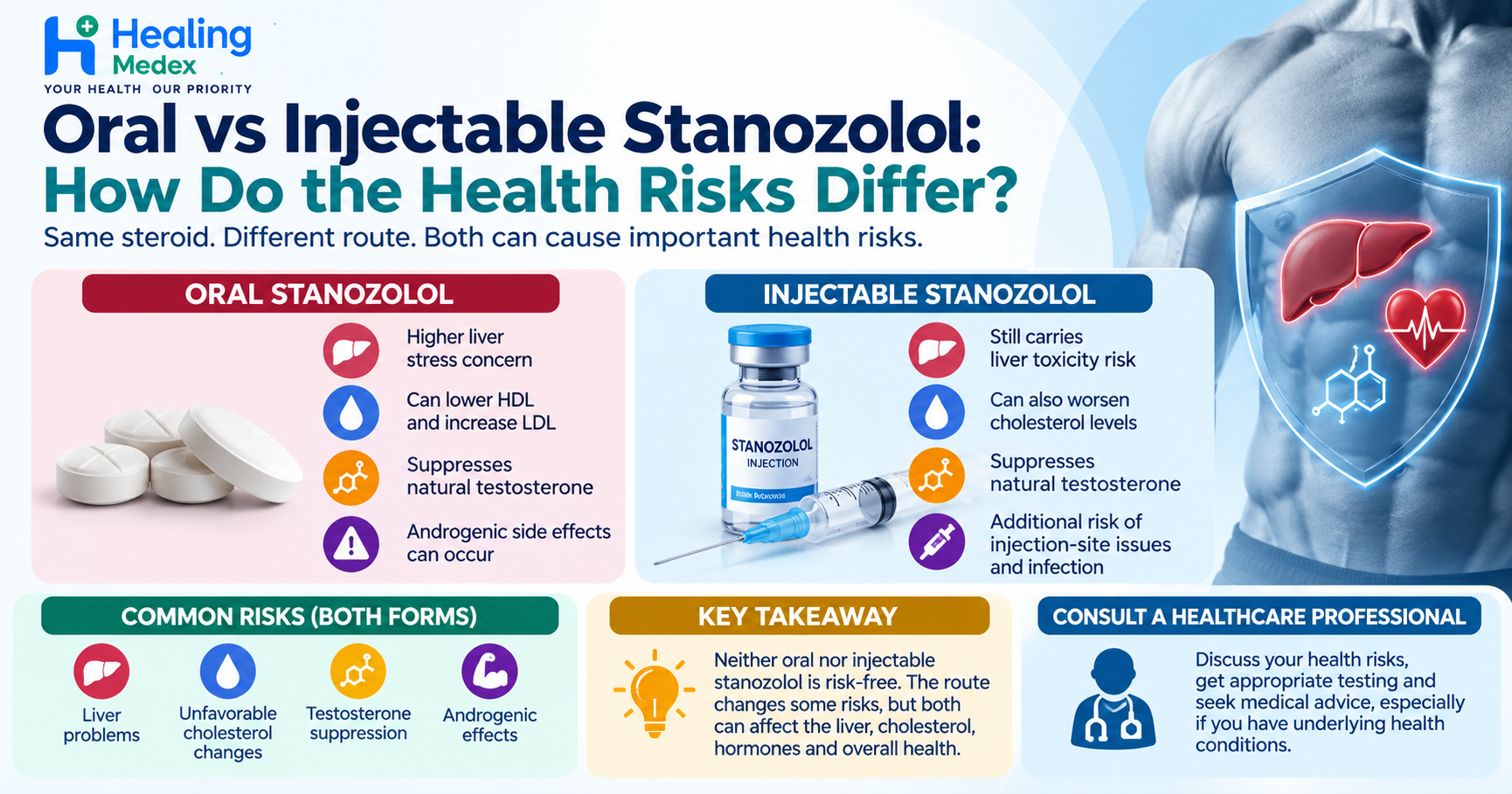
Anabolic Steriod
Oral vs Injectable Stanozolol: How Do the Health Risks Differ?
Stanozolol is a synthetic anabolic-androgenic steroid (AAS) historically known by the brand name Winstrol. It has been produced in both oral and injectable forms , which has led to a common assumption that the injectable version may be considerably safer because it does not need to pass through the digestive system first. The reality is more complicated. Although the route of administration can influence certain risks, both oral and injectable stanozolol can cause significant adverse effects . Stanozolol itself is a 17-alpha-alkylated anabolic steroid , a structural characteristic strongly associated with liver toxicity. Therefore, injecting stanozolol does not eliminate its potential effects on the liver. Both forms may also negatively affect cholesterol, suppress natural testosterone production, produce androgen-related effects, and contribute to cardiovascular risk. This article explains the major health differences between oral and injectable stanozolol and why neither formulation should be considered harmless. What Is Stanozolol? Stanozolol is a synthetic derivative of dihydrotestosterone (DHT). It has anabolic properties that promote protein synthesis and tissue growth while also producing androgenic effects. It has had limited medical applications historically, but stanozolol is perhaps better known for non-medical use in bodybuilding and competitive sports. Stanozolol has been available as: Oral tablets Intramuscular injections Despite the different routes of administration, the active drug is still stanozolol. This distinction is important because some of the drug's major health effects result from its chemical structure rather than simply whether it is swallowed or injected . Oral vs Injectable Stanozolol at a Glance Health consideration Oral stanozolol Injectable stanozolol Liver stress Significant concern Still a significant concern Cholestatic liver injury Possible Possible HDL cholesterol reduction Can be substantial Can also occur LDL cholesterol increase Possible Possible Testosterone suppression Yes Yes Fertility effects Possible Possible Injection-site complications No Yes Androgenic effects Yes Yes Cardiovascular concerns Yes Yes The exact magnitude of risk depends on factors such as exposure, individual susceptibility, other drugs being used, pre-existing medical conditions, and duration of use. Importantly, there is limited modern head-to-head clinical research directly comparing equivalent oral and injectable stanozolol exposure , so claims that one version is universally safer should be viewed cautiously. 1. Oral Stanozolol Can Place Significant Stress on the Liver Oral anabolic steroids often require chemical modification so that enough of the drug survives metabolism after being swallowed. Stanozolol is a C-17α-alkylated androgen , a class of anabolic steroids strongly associated with liver injury. Reported hepatic complications from this steroid class include: Elevated liver enzymes Cholestasis Jaundice Severe itching Peliosis hepatis Liver adenomas Rarely, malignant liver tumors with long-term androgen exposure One clinical trial using relatively low oral doses of stanozolol found temporary liver enzyme abnormalities in some participants. More serious cases of stanozolol-associated liver injury have also been documented. 2. Injectable Stanozolol Is Not Free From Liver Toxicity This is one of the most important differences to understand. Some injectable anabolic steroids, such as certain testosterone esters, largely avoid the particular liver toxicity associated with oral 17-alpha-alkylated steroids. Stanozolol is different. Injectable stanozolol remains chemically 17-alpha-alkylated , meaning the chemical feature associated with hepatotoxicity is still present. Therefore, bypassing the stomach and first-pass absorption does not make injectable stanozolol harmless to the liver. Cases involving severe cholestatic injury have been reported with both oral and parenteral stanozolol exposure. Symptoms of significant liver injury can include: Yellow skin or eyes Dark urine Pale stools Persistent itching Loss of appetite Nausea Unusual fatigue Abdominal discomfort These symptoms require medical evaluation. 3. Oral Stanozolol Can Produce Major Changes in Cholesterol One of the better documented concerns with stanozolol involves its effects on blood lipids. Oral stanozolol has repeatedly been associated with lower HDL cholesterol , often referred to as “good” cholesterol. Studies have also reported increases in LDL cholesterol. For example, research involving oral stanozolol has demonstrated marked reductions in HDL and increases in LDL in some participants. This matters because an unfavorable LDL-to-HDL profile is associated with atherosclerotic cardiovascular disease over time. The lipid effects of anabolic steroids become particularly concerning when combined with other cardiovascular risk factors such as: Smoking High blood pressure Diabetes Obesity Family history of premature heart disease Other anabolic steroid use 4. Injectable Stanozolol Can Also Worsen Cholesterol Changing the route of administration does not necessarily prevent stanozolol from affecting cholesterol metabolism. An older controlled study examining intramuscular stanozolol found that HDL cholesterol decreased while total cholesterol and LDL cholesterol increased following exposure. Therefore, injectable stanozolol should not be viewed as cardiovascularly neutral simply because it is injected. The evidence available does not support the idea that injectable stanozolol completely avoids the adverse lipid effects associated with the drug. 5. Both Forms Can Suppress Natural Testosterone Production Like other anabolic-androgenic steroids, stanozolol can interfere with the body's hypothalamic-pituitary-gonadal (HPG) axis . When external androgens are present, the brain may reduce signals involved in natural testosterone production. This can lower: Luteinizing hormone (LH) Follicle-stimulating hormone (FSH) Natural testicular testosterone production Possible consequences include: Low testosterone after discontinuation Reduced libido Fatigue Mood changes Reduced sperm production Testicular shrinkage Fertility problems Injecting the drug does not prevent this hormonal suppression. 6. Injectable Stanozolol Adds Injection-Related Risks Injectable stanozolol introduces risks that oral tablets do not. Potential injection-related complications include: Pain or swelling at the injection site Local inflammation Abscess formation Bacterial infection Tissue injury Contamination from non-sterile products Blood-borne infection if injection equipment is shared Products obtained through unregulated markets create additional uncertainty because the actual concentration, sterility, or ingredients may not match the label. These risks are separate from the systemic effects of stanozolol itself. 7. Both Forms May Affect Cardiovascular Health The cardiovascular effects of anabolic steroids extend beyond cholesterol. Long-term or high-exposure non-medical AAS use has been associated in research with problems involving: Blood pressure Endothelial function Heart structure Heart muscle function Lipid abnormalities Atherosclerotic cardiovascular risk Stanozolol's particularly unfavorable influence on HDL and LDL makes cardiovascular health an important concern regardless of whether the drug is taken orally or injected. Someone who already has high cholesterol, hypertension, diabetes, kidney disease or cardiovascular disease may have additional reasons for concern. 8. Both Forms Can Cause Androgenic Side Effects Stanozolol is derived from DHT and can produce androgen-related adverse effects. These may include: Acne and oily skin Androgen stimulation can increase activity in the sebaceous glands and contribute to acne. Scalp hair loss People genetically susceptible to androgenetic alopecia may experience accelerated hair thinning. Increased body or facial hair Androgenic effects may increase hair growth in certain areas. Effects in women Women exposed to anabolic-androgenic steroids may experience virilizing effects such as: Deeper voice Increased facial or body hair Menstrual changes Acne Clitoral enlargement Some androgenic changes, particularly voice deepening, may not completely reverse after the drug is stopped. These effects depend on the drug rather than simply its route of administration. 9. Kidney Problems Can Occur Secondary to Severe Liver Injury Severe anabolic-steroid -induced cholestasis can occasionally have consequences beyond the liver. Published cases involving stanozolol have described severe jaundice accompanied by renal dysfunction , with some patients requiring temporary dialysis. This is uncommon, but it highlights why jaundice after anabolic steroid exposure should never be dismissed simply because liver enzyme elevations appear modest. A person can have clinically important cholestatic liver injury even when ALT and AST elevations do not appear dramatic. 10. Injectable Does Not Automatically Mean Safer The phrase “injectable steroids are safer for the liver” is an oversimplification. It may apply to comparisons involving some injectable testosterone preparations versus certain oral 17-alpha-alkylated steroids, but it cannot automatically be applied to every anabolic steroid. Injectable stanozolol is still stanozolol. Because the drug retains its 17-alpha-alkylated structure, serious liver toxicity remains possible. Injectable use also brings additional risks associated with injections themselves. For this reason, the most accurate conclusion is not that oral stanozolol is dangerous while injectable stanozolol is safe. Instead: The two formulations have somewhat different risk profiles, but both can produce important systemic health effects. Is Oral Stanozolol Worse for the Liver Than Injectable Stanozolol? Oral administration is traditionally considered particularly concerning for many 17-alpha-alkylated anabolic steroids because of hepatic exposure during metabolism. However, there is insufficient high-quality modern evidence directly comparing equivalent doses and durations of oral versus injectable stanozolol to quantify exactly how much safer one route might be. Importantly, medically documented liver injury has occurred with stanozolol, and reports have included both oral and parenteral exposure . Therefore, it is inappropriate to assume that switching from tablets to injections eliminates liver risk. Which Form Is Worse for Cholesterol? Oral stanozolol has particularly strong evidence showing significant reductions in HDL cholesterol. However, injectable stanozolol has also demonstrated unfavorable lipid changes. One study involving a single intramuscular stanozolol injection reported a subsequent decrease in HDL along with increases in LDL and total cholesterol. The available evidence therefore suggests that both formulations can negatively affect lipid health , although differences in dose, duration and study design make precise comparisons difficult. What Health Monitoring May Be Important After Stanozolol Exposure? People with current or previous anabolic steroid exposure should discuss appropriate medical evaluation with a healthcare professional. Depending on the individual's history, a clinician may consider tests such as: Liver evaluation ALT AST ALP GGT Total and direct bilirubin Cardiovascular and metabolic evaluation Total cholesterol LDL cholesterol HDL cholesterol Triglycerides Blood pressure Hormonal evaluation when appropriate Total testosterone LH FSH Estradiol Additional testing may be appropriate depending on symptoms, duration of exposure, other substances used and underlying medical conditions. Testing should be interpreted by a qualified healthcare professional rather than relying on a single abnormal laboratory value. When Should Someone Seek Medical Attention? Prompt medical assessment is particularly important if symptoms develop such as: Yellow eyes or skin Very dark urine Persistent severe itching Significant abdominal pain Persistent vomiting Unexplained severe fatigue Chest pain Shortness of breath Fainting Significant swelling Fever, redness or worsening pain around an injection site Jaundice following anabolic steroid exposure warrants medical attention even if the person otherwise feels reasonably well. Oral vs Injectable Stanozolol: Key Takeaway The route of administration changes some aspects of stanozolol's risk profile, but it does not remove the drug's major systemic risks. Oral stanozolol is well documented to cause substantial changes in HDL and LDL cholesterol and carries significant potential for liver toxicity. Injectable stanozolol eliminates the need to swallow the drug, but it does not eliminate liver toxicity, cholesterol changes, testosterone suppression or other androgen-related effects . It also creates additional risks related to injection technique, infection and product sterility. Most importantly, stanozolol is structurally different from many injectable testosterone preparations. Its 17-alpha-alkylated structure remains present regardless of whether it is swallowed or injected , meaning injectable stanozolol should not be viewed as a liver-safe version of the drug. Anyone experiencing symptoms or abnormal laboratory results after anabolic steroid use should seek medical assessment rather than attempting to manage the problem solely by changing formulations or adding other drugs. Frequently Asked Questions 1. Is injectable stanozolol safer than oral stanozolol? Not necessarily. Injectable administration may alter some aspects of drug exposure, but stanozolol itself remains a 17-alpha-alkylated anabolic steroid. Liver injury, cholesterol abnormalities and hormone suppression remain possible. 2. Does injectable Winstrol bypass the liver? It avoids gastrointestinal absorption and first-pass administration in the usual sense, but this does not mean the liver is protected . The drug still enters the circulation and is metabolized, and hepatotoxicity has been reported with parenteral stanozolol. 3. Can stanozolol lower HDL cholesterol? Yes. Reductions in HDL are among the most consistently documented metabolic effects of stanozolol. Clinical studies have reported substantial decreases in HDL during treatment. 4. Can stanozolol increase LDL cholesterol? Yes. Several studies have reported increased LDL alongside decreases in HDL, resulting in a less favorable cardiovascular lipid profile. 5. Can stanozolol suppress testosterone? Yes. As an anabolic-androgenic steroid , stanozolol can suppress the hormonal signals responsible for normal endogenous testosterone and sperm production. 6. Can liver damage improve after stopping stanozolol? Some drug-induced liver abnormalities improve after exposure ends, but recovery from severe cholestatic injury can take weeks or months. Serious symptoms such as jaundice require medical evaluation rather than simply waiting for them to resolve.
Dr. Marcus Vance, PharmD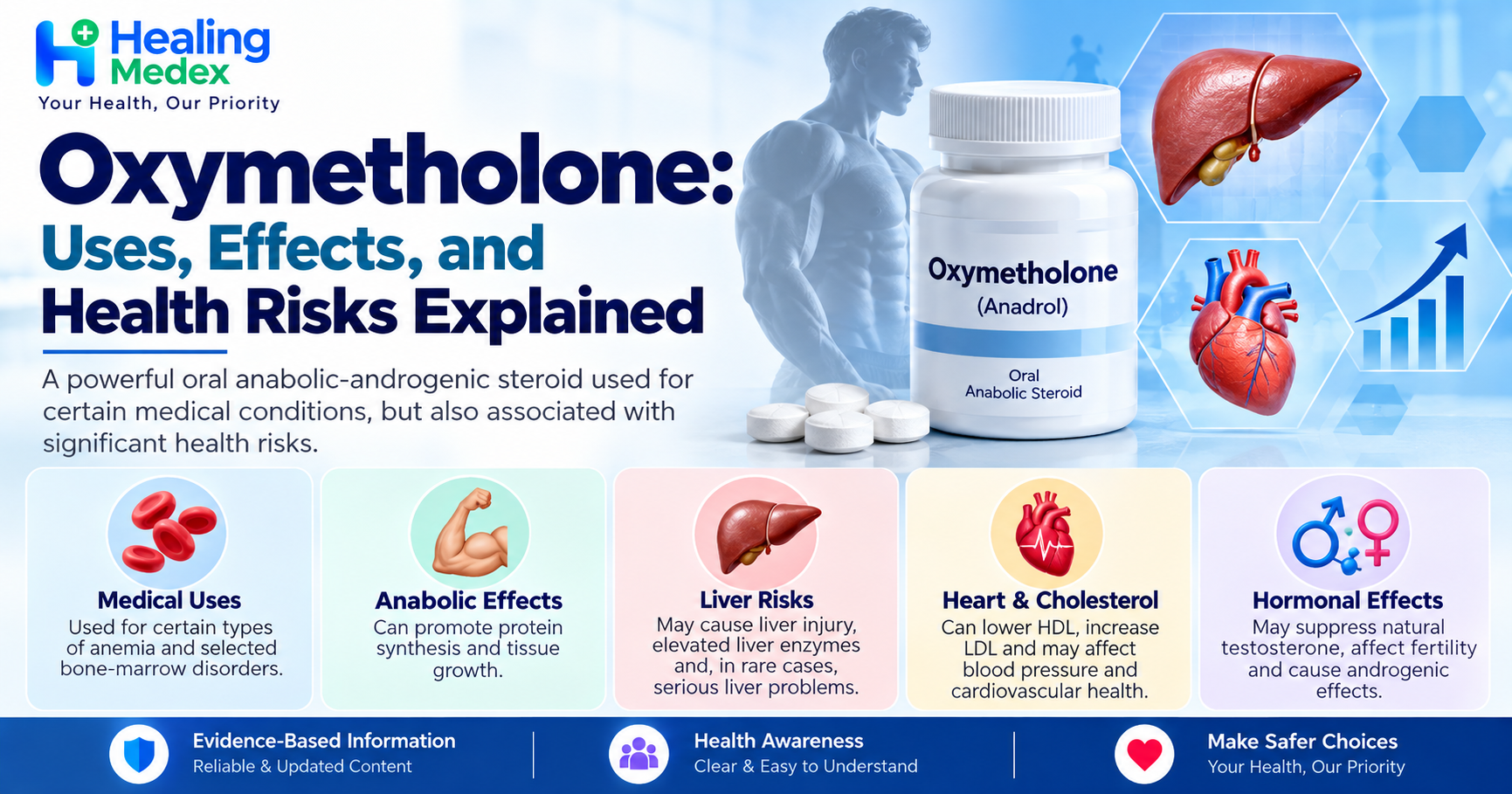
Anabolic Steriod
Oxymetholone: Uses, Effects, and Health Risks Explained
Oxymetholone is a powerful oral anabolic-androgenic steroid (AAS) that was developed for certain medical conditions involving inadequate red blood cell production. It is also widely known by the former/brand name Anadrol . Although oxymetholone has legitimate medical applications, it can cause significant adverse effects involving the liver, cardiovascular system, hormones, reproductive system, and fluid balance . Its anabolic properties have also led to non-medical use for muscle and performance enhancement, but such use exposes people to potentially serious health risks without medical supervision. Oxymetholone is a 17-alpha-alkylated anabolic steroid , a chemical modification that allows it to remain active when taken orally. That same characteristic is also associated with a greater potential for liver toxicity compared with some non-oral androgen preparations. What Is Oxymetholone? Oxymetholone is a synthetic derivative of testosterone with both anabolic and androgenic activity. “Anabolic” refers mainly to effects on tissue growth and protein metabolism, while “androgenic” refers to effects related to male sex hormones. In medical settings, oxymetholone can stimulate erythropoiesis—the production of red blood cells—and may increase erythropoietin activity in certain forms of anemia. U.S. prescribing information has historically indicated oxymetholone for anemias caused by deficient red-cell production , including selected cases of aplastic and hypoplastic anemia. It should not be confused with testosterone replacement therapy. Oxymetholone is a separate synthetic anabolic steroid with a different risk profile. What Is Oxymetholone Used For? 1. Certain Types of Anemia The principal medical use of oxymetholone has been the treatment of selected anemias in which the body does not produce enough red blood cells. Examples described in prescribing information include: Acquired aplastic anemia Congenital aplastic anemia Certain hypoplastic anemias Some cases associated with bone-marrow failure Myelofibrosis-associated anemia in selected circumstances Oxymetholone does not replace treatment of correctable causes of anemia such as iron, vitamin B12, folate, or other nutritional deficiencies. 2. Selected Bone-Marrow Failure Disorders Oxymetholone has historically been used in some patients with bone-marrow failure, including Fanconi anemia , when specialists determine that androgen therapy may be appropriate. Today, treatment decisions for these disorders are highly individualized because more modern therapies may be available and oxymetholone carries substantial long-term risks. 3. Other Investigational or Historical Uses Oxymetholone has been studied for conditions including severe wasting and other catabolic illnesses. Research into some of these applications has produced mixed results, and they should not be assumed to represent approved or routine uses. What Effects Does Oxymetholone Have on the Body? Oxymetholone affects multiple systems rather than acting only on muscle. Increased Red Blood Cell Production One of its medically useful effects is stimulation of erythropoiesis. In patients whose anemia responds to treatment, increased red blood cell production may improve hemoglobin levels and oxygen-carrying capacity. However, excessive increases in red-cell mass may also create problems, which is why blood counts require medical monitoring. Increased Anabolic Activity Like other anabolic steroids , oxymetholone promotes processes involved in protein synthesis and tissue growth. This is one reason it has been misused for bodybuilding and performance enhancement. However, increases in body weight during anabolic-steroid exposure are not necessarily entirely muscle. Fluid and sodium retention can also contribute to weight gain. Using oxymetholone without a medical indication does not make its adverse effects less significant. Major Health Risks of Oxymetholone 1. Liver Injury Liver toxicity is one of the most important concerns with oxymetholone. Because it is a 17-alpha-alkylated oral anabolic steroid , it has been associated with several patterns of liver injury. These include: Elevated liver enzymes Cholestatic hepatitis Jaundice Severe itching associated with cholestasis Peliosis hepatis Rare hepatic tumors Cholestatic liver injury can cause impaired bile flow, producing symptoms such as yellowing of the skin or eyes, dark urine and intense itching. LiverTox identifies oxymetholone among the anabolic steroids strongly associated with this type of liver injury. Rare but serious liver complications associated with prolonged androgen exposure include peliosis hepatis , in which blood-filled cavities develop within the liver, and hepatic tumors. Warning signs that require medical attention Seek medical assessment promptly if symptoms such as these occur: Yellow skin or eyes Dark urine Pale stools Persistent nausea Severe itching Unusual tiredness Persistent upper-right abdominal pain Abdominal swelling 2. Changes in Cholesterol Anabolic-androgenic steroids can adversely affect blood lipids. They may: Lower HDL cholesterol — often described as “good” cholesterol. Increase LDL cholesterol — commonly called “bad” cholesterol. This combination may produce a more atherogenic lipid profile and could contribute to cardiovascular risk. Changes in HDL and LDL can sometimes be substantial during anabolic-steroid exposure. For this reason, cholesterol levels may need periodic monitoring when anabolic steroids are prescribed medically. 3. Fluid Retention and Edema Oxymetholone can promote retention of sodium and water. Possible consequences include: Swollen ankles Rapid increases in body weight from fluid Increased cardiovascular workload Worsening edema Fluid retention can be especially concerning for people with underlying heart, liver, or kidney disease . 4. Natural Testosterone Suppression External anabolic-androgenic steroids can interfere with the body's hypothalamic-pituitary-gonadal axis . In males, anabolic-steroid exposure may suppress signaling responsible for normal testicular testosterone production. Potential consequences can include: Reduced natural testosterone production Testicular shrinkage Reduced sperm production Changes in fertility Changes in libido Sexual dysfunction These effects are not necessarily predictable from appearance, strength or muscle mass. Recovery after stopping anabolic steroids varies between individuals. 5. Fertility Effects Anabolic steroids can suppress gonadotropins—the hormones involved in stimulating testosterone and sperm production. As a result, some men may develop oligospermia , meaning reduced sperm concentration. Fertility may improve after anabolic steroids are discontinued, but the timeframe varies and recovery is not guaranteed to be rapid. People concerned about fertility should discuss appropriate hormone and semen testing with a healthcare professional rather than attempting to self-treat steroid-induced hormonal changes. 6. Androgenic Effects Despite being described as an anabolic steroid, oxymetholone retains androgenic activity. Possible effects include: Acne Increased oily skin Increased body or facial hair Changes in scalp hair in genetically susceptible individuals Changes in libido Women exposed to anabolic steroids may develop virilizing effects such as: Deepening of the voice Increased facial or body hair Menstrual irregularities Clitoral enlargement Some virilizing changes—particularly voice deepening—may not fully reverse after treatment is stopped. 7. Gynecomastia Changes in normal sex-hormone regulation can contribute to breast-tissue enlargement in males. Gynecomastia has been reported with anabolic-androgenic steroid exposure, although the underlying hormonal mechanisms can vary between different compounds and patterns of use. New breast tenderness, swelling or a persistent lump should be medically assessed rather than assumed to be steroid-related. 8. Effects on Blood Counts Oxymetholone is capable of stimulating red blood cell production—that is partly why it was developed as an anemia treatment. When androgenic anabolic steroids are medically prescribed, clinicians may monitor: Hemoglobin Hematocrit Other components of the complete blood count Abnormally elevated red blood cell levels may increase blood viscosity and require medical evaluation. 9. Mood and Nervous-System Effects Changes involving mood, sleep and libido have been reported with anabolic-androgenic steroids . Possible effects can include: Irritability Sleep disturbance Changes in mood Changes in libido The psychological effects associated with non-medical anabolic-steroid use vary considerably between individuals and may also be influenced by the dose, other drugs being used and pre-existing factors. 10. Risks During Pregnancy Oxymetholone should not be used during pregnancy because androgen exposure can harm fetal development. Anyone who is pregnant, may become pregnant, or is planning pregnancy should discuss medication risks with a qualified healthcare professional before exposure. Can Oxymetholone Affect the Heart? Oxymetholone's cardiovascular concerns are related to several possible effects rather than one mechanism alone. These may include: Unfavorable cholesterol changes Fluid retention Increased red blood cell concentration Possible blood-pressure effects Broader cardiovascular risks associated with anabolic-androgenic steroid exposure Long-term non-medical AAS exposure has been associated in research with adverse cardiovascular outcomes and structural or functional cardiovascular abnormalities, although individual risk varies according to the substances used, duration, dose and other health factors. The cardiovascular consequences of unsupervised anabolic-steroid use should therefore not be judged only by whether someone feels healthy during use. Is Oxymetholone Safe for Bodybuilding? Oxymetholone's ability to promote anabolic activity has resulted in substantial non-medical bodybuilding use. However, medical approval for treating selected forms of anemia does not mean the drug has been established as safe for bodybuilding or athletic enhancement . Non-medical use may expose users to : Liver injury Severe cholesterol changes Fluid retention Hormonal suppression Fertility problems Cardiovascular complications Androgenic effects Drug interactions Risk may increase further when several anabolic steroids or other performance-enhancing substances are used together. There is no bodybuilding cycle, stack, or supplement combination that eliminates these risks. Does Oxymetholone Damage the Liver Permanently? Not every abnormal liver test means permanent liver damage. Some liver abnormalities caused by anabolic steroids improve after the responsible drug is discontinued. However, severe cholestasis can take a prolonged period to resolve, and rare complications such as peliosis hepatis or hepatic tumors are considerably more serious. LiverTox reports that anabolic-steroid -associated cholestasis may persist even after the drug is stopped. This is why unexplained jaundice or abnormal liver tests during anabolic-steroid exposure should be medically evaluated rather than managed by simply switching to another steroid. What Monitoring May Be Needed During Medical Treatment? When oxymetholone is prescribed for a genuine medical indication, clinicians may monitor factors such as: Complete blood count Hemoglobin and hematocrit Liver function tests Bilirubin Cholesterol and triglycerides Kidney function Blood pressure Signs of edema Hormonal or reproductive effects when relevant Monitoring requirements depend on the patient's underlying condition and other medications. Medical supervision is particularly important because significant abnormalities can develop before obvious symptoms appear. Who Should Be Particularly Cautious? Oxymetholone may be inappropriate or require specialist assessment in people with conditions such as: Significant liver disease Certain kidney disorders Prostate or breast cancer Significant cardiovascular disease Severe fluid-retention problems Pregnancy The complete medical history and medication list should always be reviewed before oxymetholone is prescribed. Oxymetholone and Other Medicines Drug interactions can also matter. Anabolic steroids may interact with medications including certain anticoagulants , and monitoring requirements may change when drugs affecting blood clotting, blood sugar, fluid balance or liver function are taken concurrently. Patients should therefore tell their healthcare professional about prescription medications, over-the-counter products, vitamins and supplements they use. Frequently Asked Questions 1. Is oxymetholone the same as testosterone? No. Oxymetholone is a synthetic anabolic-androgenic steroid derived from testosterone, but its chemical structure, pharmacological properties and adverse-effect profile differ from standard testosterone preparations. 2. Is oxymetholone an oral steroid? Yes. Oxymetholone is orally active because it is a 17-alpha-alkylated anabolic steroid . This modification is also associated with its potential for liver toxicity. 3. Does oxymetholone build muscle? Oxymetholone has potent anabolic effects and can influence tissue growth and body weight. However, its medical indication is not bodybuilding, and using it for physique or performance enhancement can expose users to serious health risks. 4. Can oxymetholone lower natural testosterone? Yes. Like other anabolic-androgenic steroids, oxymetholone can suppress the hormonal signaling responsible for normal endogenous testosterone and sperm production. 5. Can oxymetholone affect fertility? Yes. Suppression of the reproductive hormone axis may reduce sperm production and impair fertility. 6. Can oxymetholone cause liver problems? Yes. Oxymetholone has been associated with cholestatic liver injury, jaundice, peliosis hepatis and, rarely, liver tumors. 7. Are oxymetholone side effects reversible? Some effects may improve after the drug is discontinued, but recovery depends on the complication. Certain androgenic effects and serious liver complications may not resolve quickly or completely. Medical evaluation is recommended when adverse effects develop. The Bottom Line Oxymetholone is a potent oral anabolic-androgenic steroid with legitimate but limited medical applications , particularly in selected disorders involving inadequate red blood cell production. Its anabolic effects can also explain why it has been used outside medicine for bodybuilding and performance enhancement. However, those same hormonal effects come with substantial health concerns. Major risks include liver toxicity, adverse cholesterol changes, fluid retention, testosterone suppression, fertility problems, androgenic effects and potential cardiovascular complications . Because some abnormalities can occur before symptoms become obvious, oxymetholone should not be viewed as a routine muscle-building supplement. When there is a genuine medical reason for treatment, appropriate clinical supervision and laboratory monitoring are important.
Dr. Marcus Vance, PharmD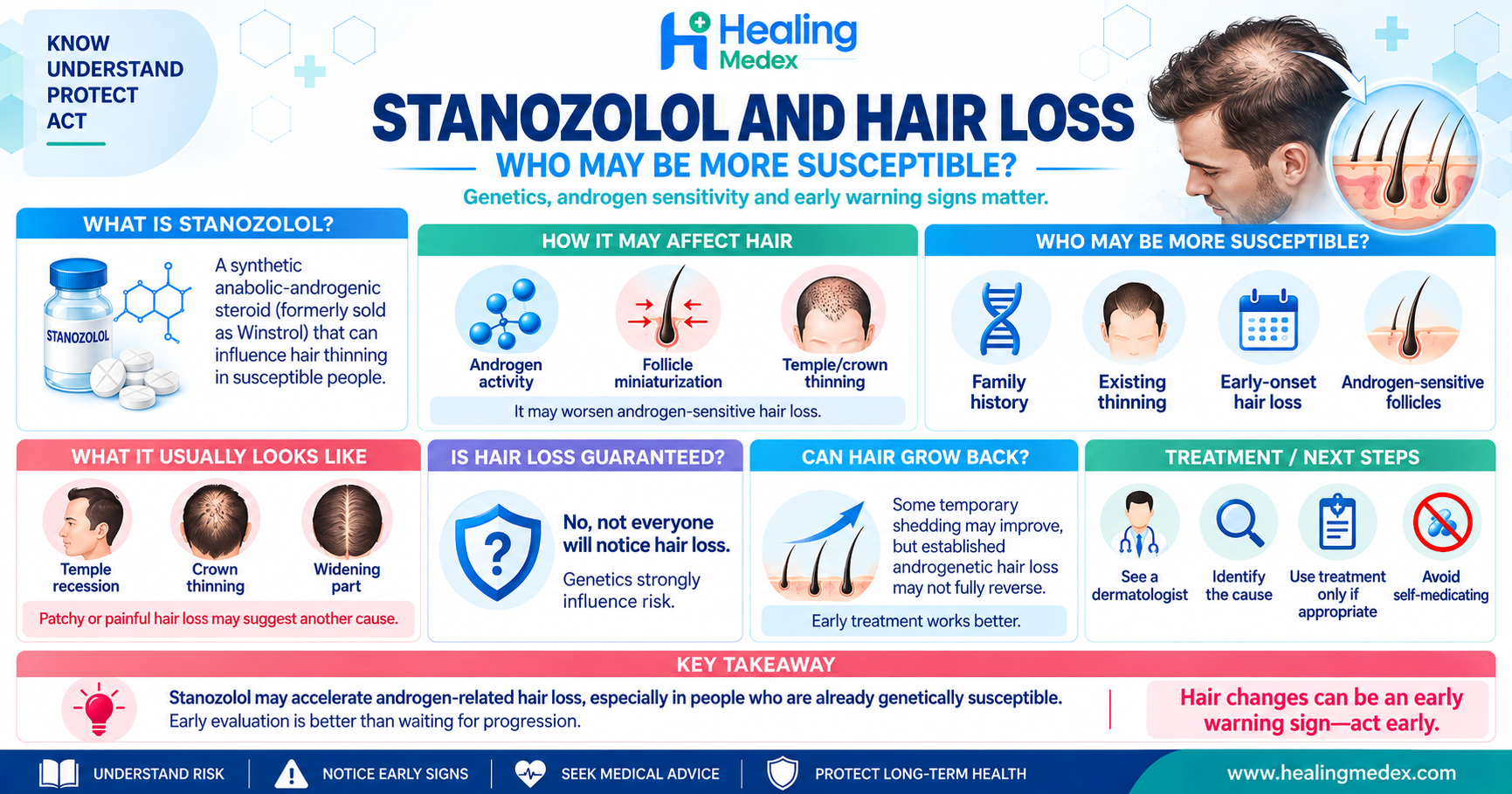
Anabolic Steriod
Stanozolol and Hair Loss: Who May Be More Susceptible?
Stanozolol, commonly known by the former brand name Winstrol , is a synthetic anabolic-androgenic steroid (AAS). It has both anabolic and androgenic activity and is structurally related to dihydrotestosterone (DHT). Like other androgenic steroids, stanozolol can potentially contribute to androgen-related effects involving the skin and hair. One concern among people exposed to anabolic steroids is scalp hair thinning or accelerated pattern hair loss . However, not everyone who uses an androgenic steroid develops noticeable hair loss. Genetic susceptibility, existing androgenetic alopecia, follicle sensitivity and other factors can significantly influence what happens. Importantly, direct clinical research measuring the exact incidence of hair loss caused specifically by stanozolol is limited. Therefore, it is more accurate to say that stanozolol may accelerate androgen-sensitive hair loss in susceptible people rather than claiming that everyone who uses it will become bald. How Could Stanozolol Affect Hair? The most common form of progressive hair loss is androgenetic alopecia , often called male-pattern or female-pattern hair loss. Androgenetic alopecia occurs when genetically susceptible scalp follicles respond excessively to androgen signaling. Over time, affected follicles become progressively smaller, producing shorter and thinner hairs until visible scalp thinning develops. DHT normally plays an important role in this process. However, stanozolol is itself a DHT-derived, androgenically active steroid , so its effects cannot simply be understood by measuring natural testosterone or DHT levels. Stanozolol can influence androgen-responsive tissues through androgen-receptor-related pathways. A 2025 review examining hair loss associated with testosterone and anabolic-androgenic steroid use in male athletes also identified androgenetic alopecia as a relevant hair-related concern among AAS users. Who May Be More Susceptible to Hair Loss? Some individuals are considerably more vulnerable to androgen-related hair thinning than others. People with a strong family history of pattern baldness: Genetics is one of the strongest predictors of androgenetic alopecia. A 2026 systematic review and meta-analysis found that family history was significantly associated with both the presence and progression of androgenetic alopecia. People who already have a receding hairline or thinning crown: Existing androgenetic alopecia means susceptible follicles are already undergoing miniaturization. Additional androgen exposure may potentially accelerate the process. People who developed hair loss at a young age: Early-onset pattern hair loss may indicate substantial genetic and follicular sensitivity to androgens. Male-pattern hair loss can begin during the late teenage years or early twenties. People with highly androgen-sensitive follicles: Individuals differ considerably in how their follicles respond to androgen signaling. Variations involving the androgen receptor and numerous other genes contribute to susceptibility. People exposed to multiple androgenic substances: Combining anabolic-androgenic steroids increases overall hormonal exposure and makes it more difficult to determine which substance is responsible for a new adverse effect. Direct evidence quantifying the additional hair-loss risk of specific steroid combinations remains limited. People with other background risk factors for androgenetic alopecia: Smoking has been associated with both the presence and progression of androgenetic alopecia, while factors including poor sleep, obesity and some metabolic abnormalities have been associated with disease progression in observational research. These factors are not specific to stanozolol. What Does Stanozolol-Related Hair Loss Usually Look Like? If androgen exposure accelerates androgenetic alopecia, hair loss generally follows the person's genetically determined pattern rather than causing random bald patches. In men, this commonly involves recession around the temples, gradual thinning of the frontal scalp or thinning at the crown . In women, androgenetic alopecia more commonly produces diffuse thinning over the central scalp or widening of the part. Someone may initially notice that the hairline looks slightly thinner in photographs, more scalp is visible under bright lighting or hairs around the temples become shorter and finer. Sudden shedding across the entire scalp, sharply defined bald patches, inflammation, scaling or significant scalp pain may indicate another condition and should not automatically be blamed on stanozolol. Is Hair Loss Guaranteed With Stanozolol? No. Androgen exposure alone does not determine whether someone develops noticeable pattern baldness. Genetics and follicular sensitivity are extremely important. One person may experience substantial thinning while another exposed to similar androgen levels may notice little visible change. This is why family history can provide useful information, although it cannot predict exactly what will happen to an individual. Androgenetic alopecia is now understood to be a complex, polygenic condition involving numerous genetic pathways rather than a single “baldness gene.” Can Hair Grow Back After Stopping Stanozolol? The answer depends on what caused the hair loss and how advanced follicular miniaturization has become. Temporary shedding related to physiological stress may improve after the underlying trigger resolves. Established androgenetic alopecia behaves differently. Once susceptible follicles have progressively miniaturized, spontaneous complete recovery cannot be assumed. Stopping an androgenic trigger may reduce continued exposure, but it does not guarantee restoration of lost hair. Early evaluation is therefore important. The American Academy of Dermatology notes that treatment of hereditary hair loss tends to work better when started earlier. Does Finasteride Prevent Hair Loss From Stanozolol? Finasteride is an established treatment for male androgenetic alopecia . It works by inhibiting type-2 5-alpha-reductase, thereby reducing the conversion of testosterone into DHT. Stanozolol creates an important distinction. Stanozolol is already a 17α-alkylated derivative of DHT rather than testosterone that needs to be converted into DHT by 5-alpha-reductase. For that reason, people should not assume that taking finasteride will reliably protect their hair from androgenic effects associated with stanozolol. There is insufficient clinical evidence showing that finasteride specifically prevents stanozolol-associated hair loss. Finasteride also has contraindications and potential adverse effects, so it should not be self-prescribed simply to counteract steroid-related hair changes. What About Minoxidil? Topical minoxidil is one of the established treatments for androgenetic alopecia and is used to help maintain or improve hair growth in appropriate patients. However, using a hair-loss treatment does not make anabolic-steroid exposure medically safe, nor can it guarantee prevention of androgen-related follicle miniaturization. Anyone experiencing new or rapidly progressing hair loss should first establish the cause rather than automatically starting several hair-loss medications. When Should You See a Dermatologist? Medical evaluation is particularly useful when hair loss is progressing rapidly, begins soon after starting a new medication or hormone, occurs in patches, or is accompanied by itching, redness, scaling or scalp pain. A dermatologist can distinguish androgenetic alopecia from other causes such as telogen effluvium, alopecia areata, nutritional deficiencies, thyroid disorders and inflammatory scalp disease. The American Academy of Dermatology emphasizes that many conditions can cause hair loss and that identifying the underlying cause is important for selecting appropriate treatment. Hair Loss Is Not the Only Health Concern Hair changes may be cosmetically significant, but they should not distract from the broader health risks associated with non-medical anabolic-androgenic steroid use. Stanozolol is a 17α-alkylated anabolic steroid , a class particularly associated with liver toxicity. Androgenic steroids have been linked to cholestatic liver injury and, with prolonged exposure, more serious hepatic complications. Other AAS-related concerns can involve cholesterol, cardiovascular health, reproductive hormones and skin. Anyone using anabolic steroids without medical supervision should understand that taking additional medicines simply to control individual side effects does not eliminate these broader risks. The Bottom Line Stanozolol may contribute to or accelerate androgen-related scalp hair loss, particularly in people who are already genetically susceptible to androgenetic alopecia. The people most likely to notice problems include those with a strong family history of baldness, an already receding hairline or thinning crown, early-onset pattern hair loss, or follicles that are particularly sensitive to androgen signaling. At the same time, direct studies establishing exactly how often stanozolol causes hair loss are limited. Not everyone exposed to stanozolol will experience noticeable thinning, and the degree of hair loss cannot be predicted reliably from dose or family history alone. If hair thinning develops during anabolic-steroid exposure, early assessment by a dermatologist is preferable to assuming the cause or self-treating with medications such as finasteride.
Dr. Marcus Vance, PharmD