Erections depend on healthy blood flow, nerve signals, hormones and sexual stimulation. Because hydration helps maintain normal blood volume and circulation, it is reasonable to wonder whether not drinking enough water can make erections weaker.
The short answer is: possibly, especially when dehydration is significant—but the relationship is usually indirect and temporary.
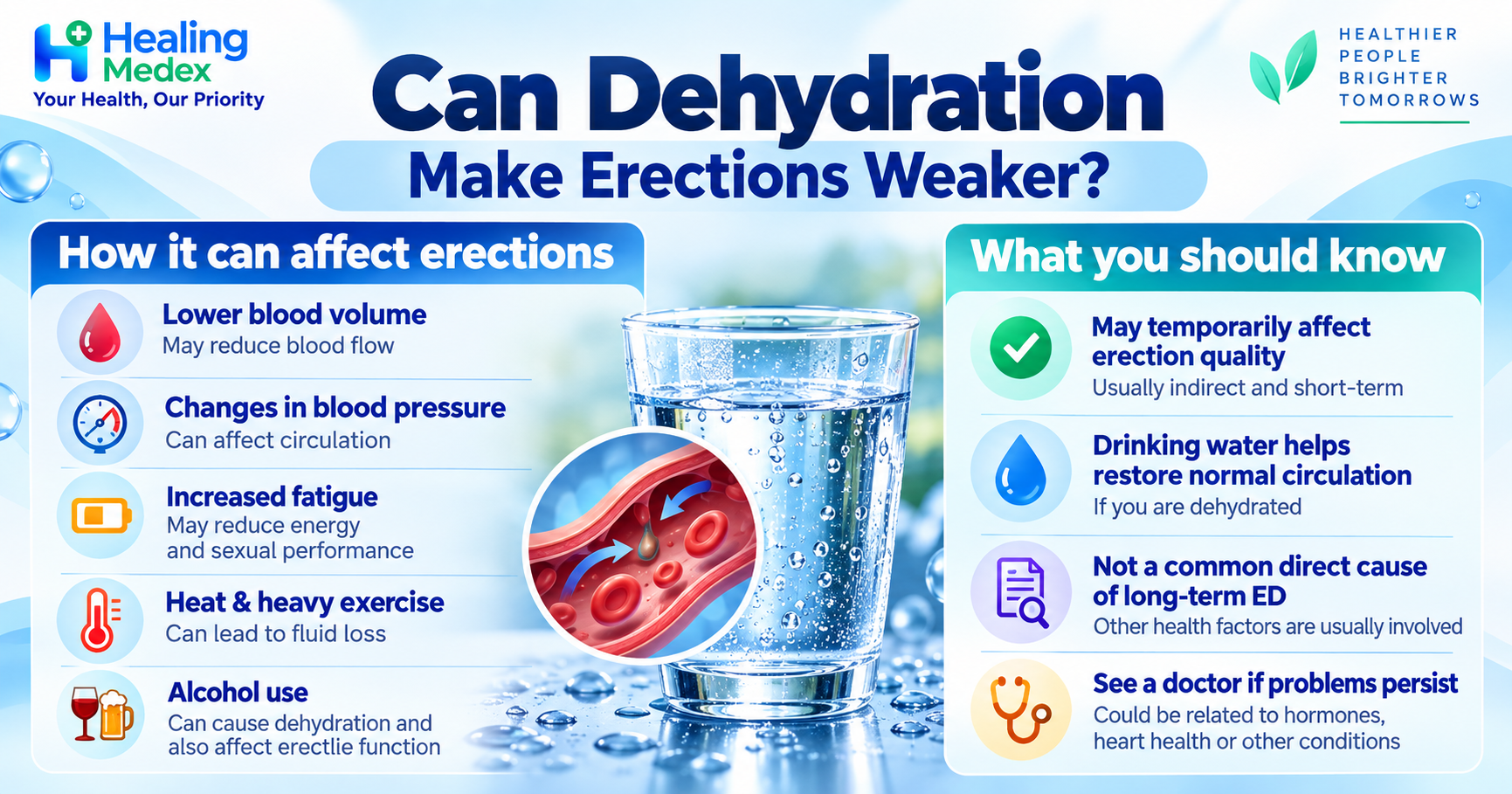
Dehydration can reduce blood volume, contribute to changes in blood pressure, increase fatigue and make you feel generally unwell. These effects could make it more difficult to achieve or maintain a strong erection in some situations. However, there is currently limited evidence showing that dehydration by itself is a common direct cause of erectile dysfunction (ED).
Persistent or frequently recurring erection problems should therefore not automatically be blamed on dehydration.
What Is Dehydration?
Dehydration occurs when your body loses more fluid than it takes in.
It may happen because of:
Not drinking enough fluids
Heavy sweating
Hot weather
Intense exercise
Vomiting or diarrhea
Fever
Excessive alcohol intake
Certain medicines, including diuretics
Common symptoms include thirst, dry mouth, fatigue, headache, dizziness, weakness and darker urine. More severe dehydration can lead to low blood pressure and a rapid heartbeat.
How Does an Erection Normally Happen?
An erection is primarily a blood-flow event.
During sexual stimulation, nerve signals trigger chemical changes that relax blood vessels supplying the penis. More blood enters erectile tissue, helping the penis become firm.
Anything that significantly interferes with blood vessels, nerve function, hormones or psychological arousal may therefore interfere with erections.
Established causes of ED include:
Obesity
Low testosterone or other hormonal disorders
Nerve damage
Certain medications
Anxiety, depression and stress
These are much more firmly linked with ED than dehydration itself.
Can Dehydration Make Erections Weaker?
It may temporarily affect erection quality.
There is not strong clinical evidence demonstrating that mild dehydration directly causes erectile dysfunction. However, dehydration can create several physiological changes that could make erections more difficult under some circumstances.
1. Dehydration Can Reduce Blood Volume
When your body loses fluid, the amount of circulating blood can decrease.
Adequate blood circulation is necessary throughout the body, including during the erectile response.
Significant dehydration can lower blood volume and contribute to lower blood pressure.
This does not mean that every small drop in hydration will noticeably weaken an erection. But if someone is considerably dehydrated, circulation may not be functioning under ideal conditions.
2. Blood Pressure May Change
Dehydration can sometimes cause blood pressure to fall because there is less circulating fluid.
The body may then respond by increasing heart rate and constricting blood vessels in an attempt to maintain blood pressure.
Because erectile function depends on coordinated changes in blood vessels, severe disturbances in circulation could potentially make obtaining or maintaining an erection more difficult.
Again, this is an indirect physiological explanation rather than proof that dehydration routinely causes ED.
3. Fatigue Can Reduce Sexual Performance
Dehydration commonly causes:
Fatigue
Weakness
Headache
Difficulty concentrating
Dizziness
These symptoms can reduce energy and sexual interest.
Someone who is exhausted, overheated or feeling physically unwell may have more difficulty becoming sexually aroused or maintaining an erection, even if there is no underlying erectile disorder.
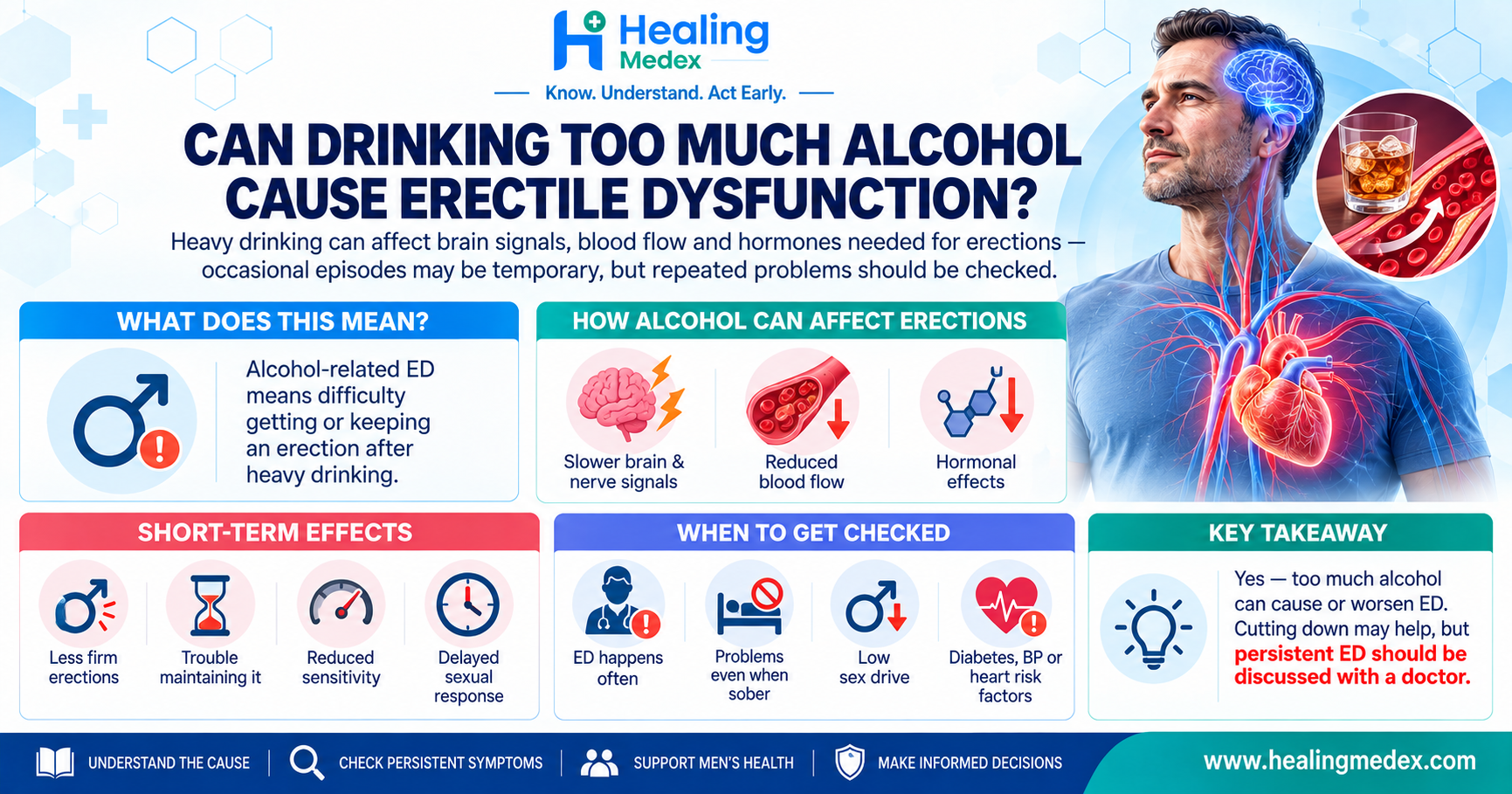
4. Dehydration May Occur Alongside Heavy Alcohol Use
Alcohol deserves particular attention.
Alcohol can contribute to dehydration, but drinking excessive amounts of alcohol can also interfere with erectile function through mechanisms unrelated to hydration.
Excessive alcohol consumption is recognized as a lifestyle factor that may contribute to ED.
Therefore, when erection difficulties occur after a night of heavy drinking, simply drinking more water may not fully solve the problem.
5. Heat and Heavy Exercise May Contribute
Hot weather and strenuous exercise can lead to considerable sweating and fluid loss.
If this is combined with exhaustion, overheating or inadequate recovery, temporary changes in sexual performance would not be surprising.
Resting, cooling down and restoring lost fluids may help you feel normal again.
However, repeated erectile problems outside these circumstances deserve further investigation.
Does Drinking More Water Improve Erections?
Drinking water can correct dehydration, but water should not be considered an ED treatment.
If erection quality temporarily worsened because you were significantly dehydrated, restoring normal hydration may help your body return to its usual state.
But drinking extra water beyond your body's needs has not been shown to produce stronger erections in someone who is already adequately hydrated.
ED treatments focus on identifying and managing the actual underlying cause.
Lifestyle measures recommended for erectile health include regular physical activity, maintaining a healthy weight, avoiding smoking, limiting excessive alcohol and following a healthy diet.
How Can You Tell If You Are Dehydrated?
Possible signs include:
Increased thirst
Dry mouth
Dark yellow urine
Urinating less frequently
Headache
Fatigue
Muscle cramps
Dizziness or lightheadedness
More serious dehydration may cause very little urine production, rapid heartbeat, confusion or fainting.
Urine that is generally pale yellow can be a simple practical indication that hydration is adequate for many healthy adults.
How Much Water Should You Drink?
There is no single amount of plain water that is appropriate for every person.
Fluid requirements vary according to:
Body size
Physical activity
Temperature and climate
Diet
Sweating
Illness
Medications
Pregnancy
Kidney and heart function
Water, other drinks and water contained in foods all contribute to total daily fluid intake.
People with conditions such as heart failure or advanced kidney disease may be specifically instructed to restrict fluids, so they should follow their healthcare professional's recommendations rather than deliberately increasing water intake.
When Is Weak Erection Quality Probably More Than Dehydration?
An occasional weaker erection is common and does not necessarily indicate erectile dysfunction.
However, dehydration becomes a less convincing explanation when:
Erection problems occur repeatedly
Problems continue despite normal hydration
Morning erections become consistently less frequent
Erections are regularly lost during sexual activity
Sexual desire has noticeably decreased
You have diabetes, high cholesterol or high blood pressure
You smoke
You take medications known to affect sexual function
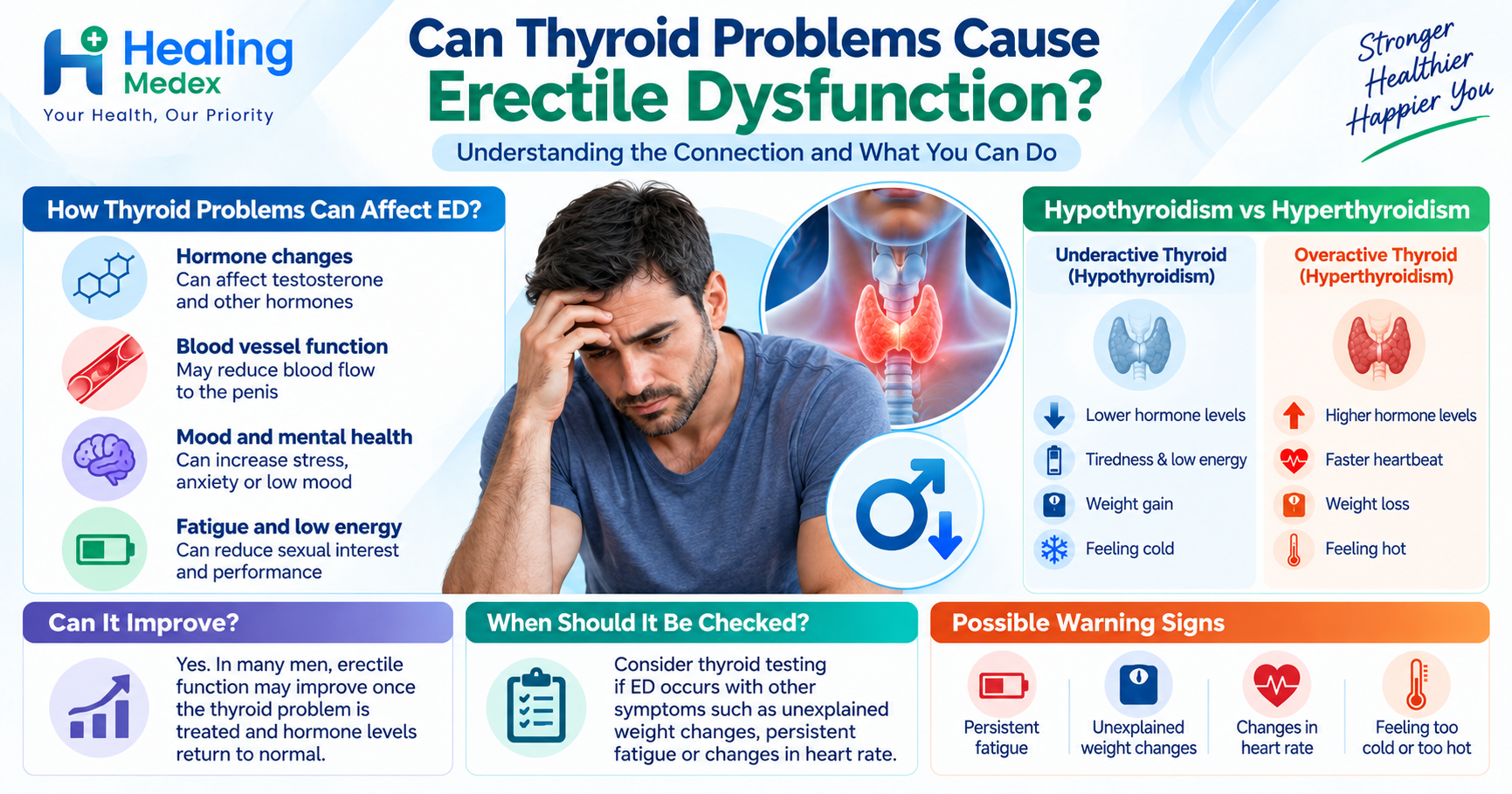
You have symptoms suggesting low testosterone or thyroid disease
ED can sometimes be a sign of another health condition rather than an isolated sexual problem.
Could Persistent ED Be Related to Cardiovascular Health?
Yes.
Healthy erections require healthy blood vessels, which is why conditions affecting circulation—including atherosclerosis, hypertension and diabetes—are strongly associated with erectile dysfunction.
For this reason, persistent ED deserves medical evaluation rather than repeatedly assuming that more water, vitamins or supplements will solve it.
A healthcare professional may consider factors such as:
Blood pressure
Blood glucose
Hormone levels
Medication use
Psychological factors
Lifestyle habits
Can Stress and Dehydration Occur Together?
Yes.
Situations that cause dehydration—such as travel, strenuous exercise, hot environments, poor sleep or illness—can also increase physical and psychological stress.
Stress and anxiety themselves may worsen erectile difficulties. Mental and emotional issues are recognized contributors to ED.
This means several temporary factors can sometimes occur together rather than dehydration being the only explanation.
When Should You See a Doctor?
Consider speaking with a healthcare professional if erection problems:
Keep happening for several weeks or months
Are becoming progressively worse
Affect most sexual attempts
Occur despite adequate arousal
Are accompanied by reduced libido
Begin after starting a new medication
Occur alongside symptoms of diabetes, cardiovascular disease or hormonal problems
Seek urgent medical help for severe dehydration accompanied by confusion, fainting, very little or no urine, rapid breathing or other severe symptoms.
The Bottom Line
Dehydration may temporarily contribute to weaker erections in some people, particularly when fluid loss is significant.
Reduced blood volume, changes in blood pressure, fatigue, heat exposure and feeling generally unwell can all create conditions that are less favorable for normal sexual performance.
However, dehydration is not considered one of the major established causes of persistent erectile dysfunction, and there is limited direct research showing that simply drinking more water improves erections in adequately hydrated men.
If erection quality returns to normal after rest and rehydration, the problem may have been temporary.
If weak erections continue despite normal hydration, it is important to look beyond water intake. Cardiovascular disease, diabetes, medications, hormone problems, smoking, alcohol use, stress and other factors may need to be considered.