Erectile dysfunction (ED) is often associated with physical health conditions such as diabetes, high blood pressure, and cardiovascular disease. However, emotional and psychological factors can also affect sexual performance. One of the most common contributors is stress.
Can stress cause temporary erectile dysfunction?
Yes. Stress, anxiety, emotional pressure, and mental exhaustion can interfere with the body's normal erection process, making it difficult to achieve or maintain an erection.
For some men, these difficulties occur only during stressful periods and improve when stress levels decrease. However, recurring erection problems should not automatically be attributed to stress because physical and psychological causes can occur together.
Understanding how stress affects erections, recognizing possible symptoms, and knowing when to seek medical advice can help men manage their sexual health.
What Is Stress-Related Erectile Dysfunction?
Stress-related erectile dysfunction occurs when psychological or emotional stress interferes with the ability to achieve or maintain an erection firm enough for sexual activity.
Unlike ED caused primarily by blood vessel damage, nerve disorders, or hormonal conditions, stress-related ED may occur even when the physical structures involved in erections are functioning normally.
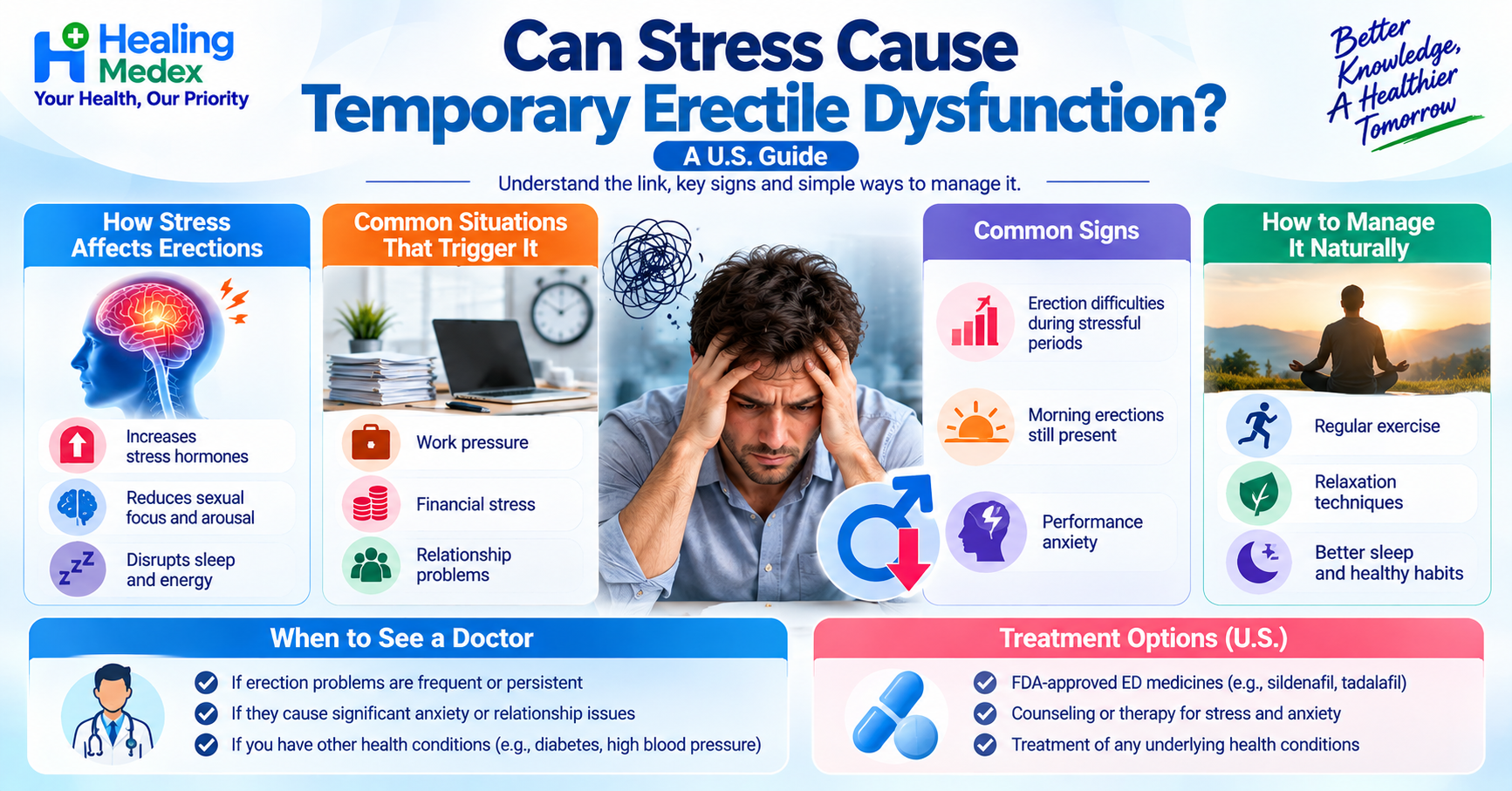
Common situations associated with stress-related erection difficulties include:
Work-related pressure and professional responsibilities.
Financial difficulties or uncertainty.
Relationship conflicts or communication problems.
Anxiety about sexual performance.
Lack of sleep and emotional exhaustion.
Major life changes or family responsibilities.
Persistent worry, depression, or psychological distress.
Stress-related ED can affect men of different ages, including younger adults without known cardiovascular conditions.
Although it may be temporary, ongoing psychological stress can contribute to repeated erection difficulties.
How Does Stress Affect Erections?
Achieving an erection requires coordination between the brain, nerves, blood vessels, hormones, and muscles.
Sexual stimulation normally triggers nerve signals that encourage the release of nitric oxide. This helps relax smooth muscle tissue and allows increased blood flow into the penis.
Stress can interfere with this process through several mechanisms.
1. Activation of the Fight-or-Flight Response
When a person experiences stress, the sympathetic nervous system becomes more active.
This response prepares the body to react to a perceived threat by increasing alertness and releasing stress-related hormones, including adrenaline.
Heightened sympathetic nervous system activity can make it more difficult for the body to produce or maintain an erection.
2. Increased Stress Hormone Activity
Cortisol is a hormone involved in the body's stress response.
Short-term increases in cortisol are normal. However, prolonged stress may contribute to sleep disturbances, mood changes, and other health problems that indirectly affect sexual function.
Stress-related hormonal changes do not necessarily mean that a man has low testosterone.
3. Reduced Sexual Focus and Arousal
Stress can make it difficult to concentrate on sexual stimulation.
When the mind is occupied with worries about work, finances, relationships, or sexual performance, normal arousal responses may become less effective.
4. Sleep Disturbances and Fatigue
Stress frequently affects sleep quality.
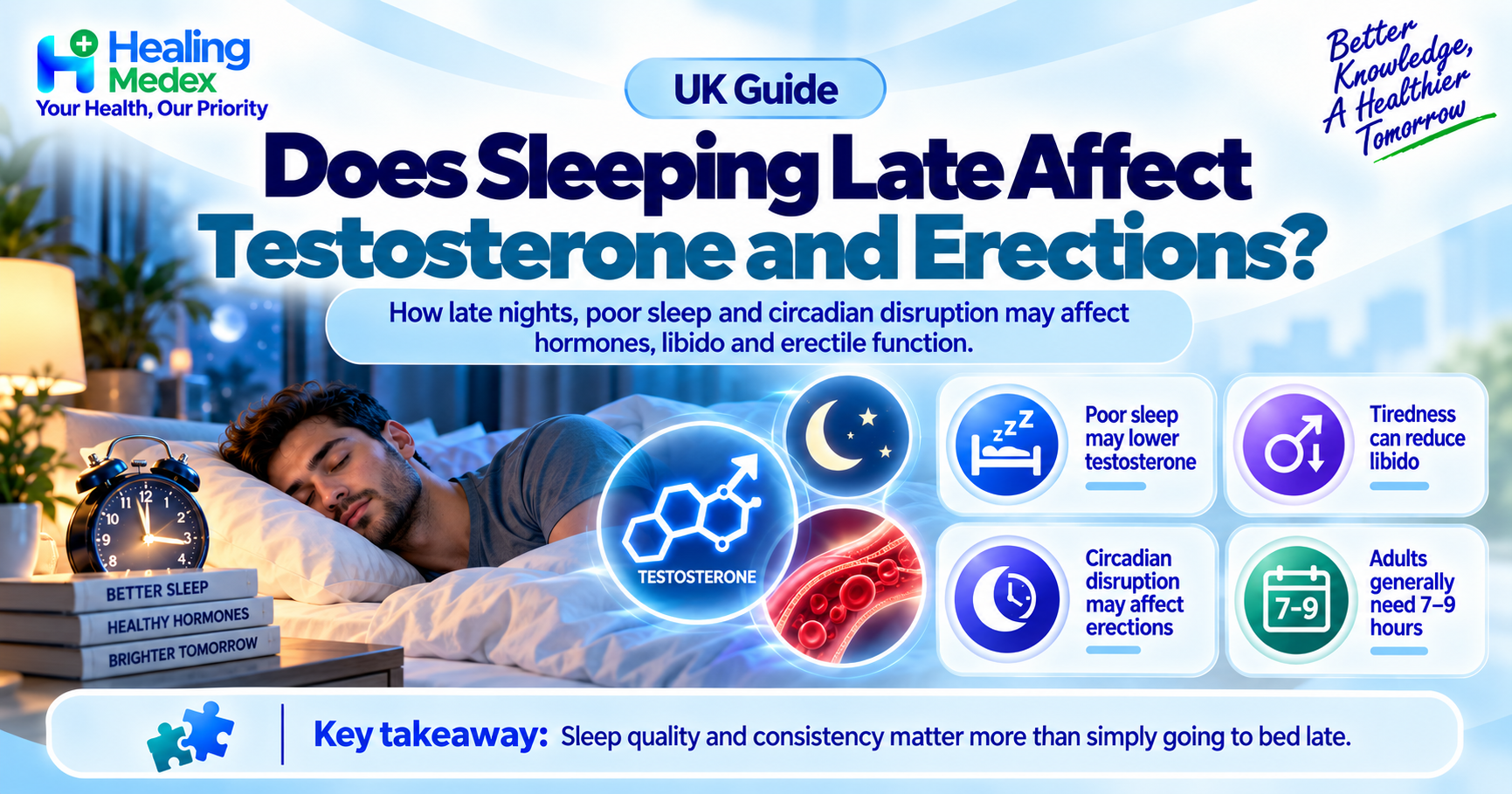
Poor sleep may cause fatigue, irritability, decreased sexual desire, and difficulty concentrating. These effects can contribute to erection problems.
5. Performance Anxiety
A single unsuccessful sexual experience may create concern about future performance.
This worry can increase anxiety during subsequent encounters, creating a cycle in which anxiety contributes to further erection difficulties.
10 Signs That Stress May Be Contributing to Temporary Erectile Dysfunction
Stress-related ED does not have a single definitive symptom pattern. However, certain experiences may suggest that psychological factors are involved.
1. Sudden Erection Difficulties During Stressful Periods
Erection problems may begin during periods of increased workload, financial difficulties, or emotional distress.
2. Normal Erections at Other Times
Some men continue to experience normal erections during masturbation or at other times but have difficulty during partnered sexual activity.
This pattern can suggest a psychological contribution, although it does not rule out physical causes.
3. Morning Erections Are Still Present
Men with stress-related ED may continue to experience spontaneous morning erections.
However, the presence or absence of morning erections cannot reliably establish the cause of ED.
4. Fear of Losing an Erection
Persistent concern about maintaining an erection may increase performance anxiety and interfere with arousal.
5. Reduced Sexual Interest
Ongoing stress can reduce sexual desire, making sexual activity less appealing.
6. Difficulty Relaxing During Intimacy
Excessive worry or emotional tension may prevent a person from feeling comfortable and mentally engaged.
7. Sexual Performance Changes Depending on the Situation
Erection quality may vary depending on mood, environment, relationship circumstances, or perceived expectations.
8. Fatigue and Poor Sleep
Sleep disturbances and exhaustion may accompany temporary erection difficulties.
9. Increased Irritability or Anxiety
Stress-related emotional symptoms may occur alongside sexual difficulties.
10. Improvement During Relaxed Periods
Some men notice better erections while on vacation, after resolving stressful situations, or when feeling more relaxed.
Important: These signs are clues rather than diagnostic criteria. A healthcare professional may need to assess physical and psychological factors to determine the underlying cause.
Can Temporary Erectile Dysfunction From Stress Go Away?
Yes. Stress-related erectile dysfunction may improve when the contributing stressors are reduced or managed effectively.
For example, a person experiencing erection difficulties during a demanding work period may notice improvement after their workload decreases and sleep quality improves.
However, recovery varies depending on factors such as:
The severity and duration of psychological stress.
The presence of anxiety or depression.
Sleep quality and general physical health.
Relationship circumstances.
Underlying medical conditions.
Medication use and lifestyle habits.
There is no fixed recovery timeline. Some men experience improvement relatively quickly, while others require psychological support or additional medical treatment.
If erection difficulties continue, medical evaluation is important even when stress appears to be the main trigger.
Can Chronic Stress Cause Long-Term Erectile Dysfunction?
Chronic stress can contribute to persistent erection difficulties, particularly when it is associated with anxiety, depression, poor sleep, excessive alcohol consumption, or unhealthy lifestyle habits.
Long-lasting stress may also contribute to cardiovascular risk factors that can affect erectile health.
However, chronic stress does not automatically cause permanent erectile dysfunction.
In many cases, addressing psychological factors and treating coexisting medical conditions can improve sexual function.
How to Improve Stress-Related Erectile Dysfunction Naturally
Several lifestyle and psychological approaches may help men manage stress and support healthier erectile function.
1. Practice Relaxation Techniques
Deep breathing, mindfulness meditation, and progressive muscle relaxation may help reduce psychological tension.
These techniques can be particularly useful when anxiety contributes to sexual performance difficulties.
2. Exercise Regularly
Physical activity supports cardiovascular health, helps manage stress, and may improve erectile function.
U.S. physical activity recommendations generally encourage adults to obtain at least 150 minutes of moderate-intensity aerobic activity each week, alongside muscle-strengthening activities.
Walking, swimming, cycling, and other enjoyable forms of exercise can be beneficial.
3. Improve Sleep Quality
Most adults should aim for approximately 7–9 hours of sleep per night.
Maintaining a consistent sleep schedule, reducing late-night screen exposure, and limiting excessive caffeine may support better sleep.
4. Reduce Performance Pressure
Constantly monitoring erection quality can increase anxiety.
Focusing on communication, comfort, and intimacy rather than achieving a particular sexual outcome may help reduce performance-related worries.
5. Communicate With Your Partner
Open communication can reduce misunderstandings and help couples manage concerns about sexual performance.
Stress-related erection difficulties do not necessarily indicate reduced attraction or relationship dissatisfaction.
6. Limit Excessive Alcohol Consumption
Alcohol may temporarily reduce feelings of anxiety, but excessive drinking can interfere with sexual function.
Reducing alcohol intake may improve overall health and help prevent alcohol-related erection difficulties.
7. Avoid Smoking and Recreational Drugs
Smoking and certain recreational drugs can harm blood vessels, affect nervous system function, and contribute to ED.
Avoiding these substances supports both cardiovascular and erectile health.
8. Consider Professional Counseling
Cognitive behavioral therapy (CBT), counseling, or psychosexual therapy may help men who experience persistent anxiety or performance-related concerns.
A qualified mental health professional can help identify negative thought patterns and develop more effective coping strategies.
9. Maintain a Balanced Diet
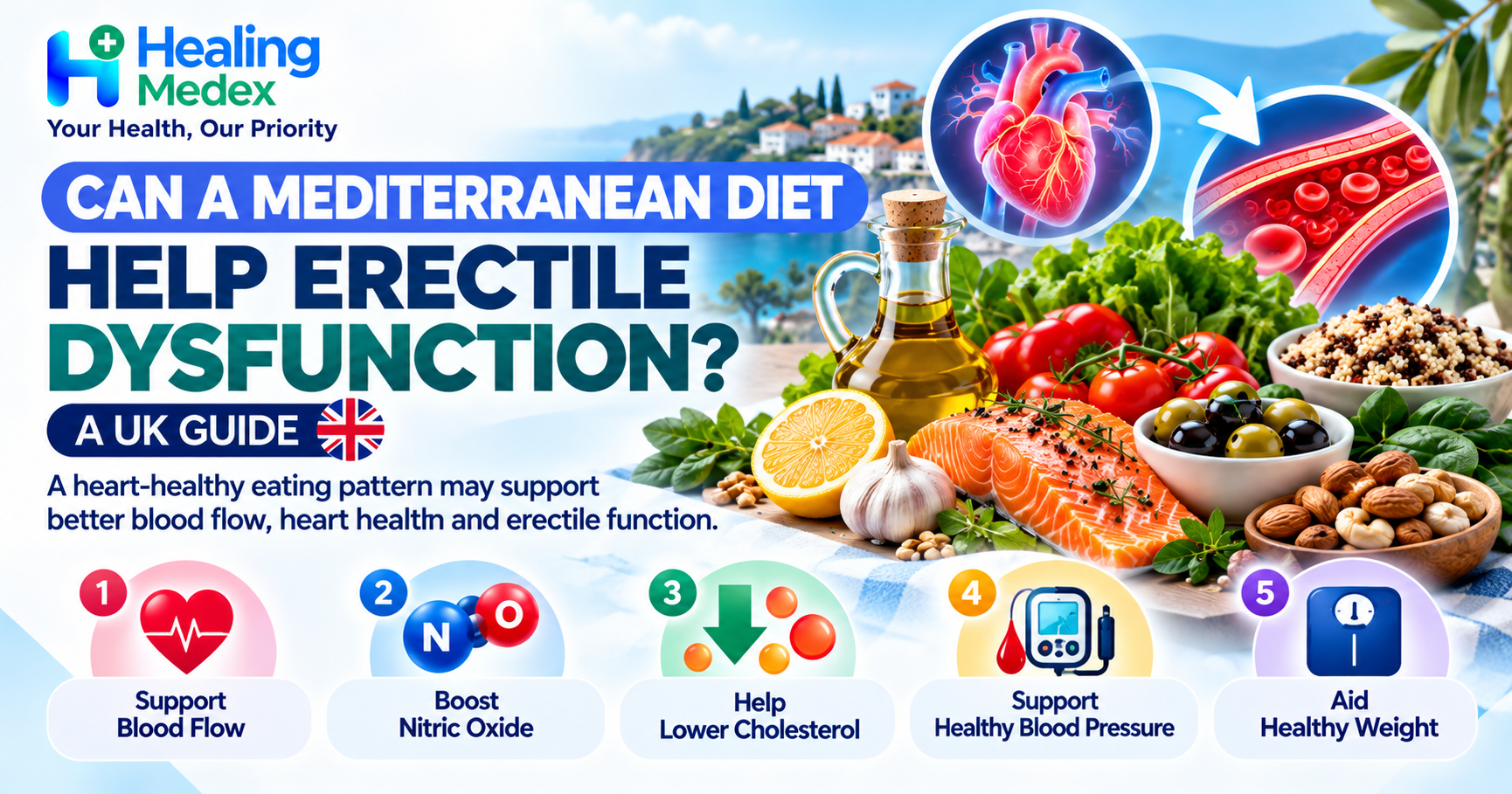
A heart-healthy diet containing vegetables, fruits, whole grains, legumes, nuts, and healthy fats can support cardiovascular health.
Healthy blood vessel function is important for normal erections.
10. Seek Medical Advice When Needed
Lifestyle changes may help, but they are not a substitute for medical evaluation when erection difficulties persist or recur.
Stress-Related ED vs. Physical Erectile Dysfunction: What Is the Difference?
Stress-related and physically caused erectile dysfunction can overlap.
Feature | Stress-Related ED | ED With a Physical Cause |
|---|---|---|
Onset | May appear suddenly | May develop gradually |
Symptoms | May vary by situation | May be more consistent |
Morning erections | May remain present | May be reduced |
Common factors | Anxiety, emotional stress, performance pressure | Diabetes, vascular disease, hormonal or nerve problems |
Treatment | Stress management, counseling, sometimes medication | Treatment of underlying conditions, medication, lifestyle changes |
These are general patterns, not reliable diagnostic rules.
A man can have both psychological and physical contributors to erectile dysfunction.
Can Stress-Related Erectile Dysfunction Be Treated With Medication?
In the United States, healthcare professionals may prescribe medications for erectile dysfunction when appropriate.
Common FDA-approved oral ED medications include:
Avanafil (Stendra): A PDE5 inhibitor used to treat erectile dysfunction in appropriate patients.
These medications may improve erection quality but do not directly treat the psychological causes of stress-related ED.
Counseling or stress management may still be necessary.
Important safety information: PDE5 inhibitors must not be combined with nitrate medicines, such as nitroglycerin, or recreational nitrites known as poppers because this combination can cause a dangerous drop in blood pressure. They are also contraindicated with riociguat. Other medical conditions and medication interactions require professional assessment.
Men should not start ED medication without appropriate medical guidance.
When Should You See a Doctor?
Occasional erection difficulties during periods of stress do not always indicate an ongoing medical condition.
However, men should speak with a healthcare professional when:
Erection difficulties occur repeatedly or persist.
Symptoms begin suddenly without an obvious explanation.
ED causes significant anxiety or relationship difficulties.
Morning erections become noticeably less frequent.
Sexual desire decreases significantly.
There is a history of diabetes, high blood pressure, or heart disease.
Erection difficulties begin after starting a new medication.
ED may sometimes be an early sign of cardiovascular disease, making medical assessment important.
A healthcare professional may review medical history, medication use, psychological well-being, blood pressure, and relevant laboratory tests.
How Is Stress-Related Erectile Dysfunction Diagnosed in the United States?
A primary care physician or urologist may evaluate erection difficulties using several approaches.
Medical history: Questions about symptoms, existing medical conditions, lifestyle, and medications.
Sexual history: Discussion of erection quality, morning erections, sexual desire, and when difficulties occur.
Mental health assessment: Evaluation of stress, anxiety, depression, and relationship factors.
Physical examination: Assessment for possible cardiovascular, hormonal, neurological, or genital conditions.
Laboratory testing: Blood glucose or HbA1c, lipid testing, and selected hormonal tests may be recommended depending on the patient's history and symptoms.
A testosterone test may be appropriate when symptoms suggest testosterone deficiency.
Not every patient requires extensive testing, and treatment depends on the findings.
Frequently Asked Questions
1. Can stress cause erectile dysfunction suddenly?
Yes. Acute emotional stress, anxiety, or performance pressure may cause erection difficulties even in men who previously had normal erectile function.
2. How long does temporary erectile dysfunction from stress last?
There is no universal timeline. Symptoms may improve as stress decreases, but persistent difficulties can require counseling or medical treatment.
3. Can anxiety cause erectile dysfunction in young men?
Yes. Anxiety and performance-related concerns can contribute to ED in younger adults. However, physical conditions should still be considered when symptoms recur.
4. Can overthinking affect erections?
Yes. Excessive worry about sexual performance may interrupt arousal and increase anxiety, making erections more difficult to achieve or maintain.
5. Can stress lower testosterone?
Chronic stress and poor sleep may affect hormonal regulation, but stress-related ED does not necessarily mean testosterone levels are low.
Blood testing is needed when testosterone deficiency is suspected.
6. Does exercise help with stress-related erectile dysfunction?
Exercise can support cardiovascular health and stress management. It may improve erectile function, particularly when physical inactivity or cardiovascular risk factors are involved.
7. Can stress cause ED even when morning erections are normal?
Yes. Morning erections may remain present when psychological factors contribute to erection difficulties. However, this observation alone cannot confirm the cause.
8. Should men take Viagra for temporary stress-related ED?
Not necessarily. Medication may help some men, but treatment should depend on medical history, symptom severity, and the underlying cause. A licensed healthcare professional can advise whether medication is appropriate.
Final Thoughts
Stress can cause temporary erectile dysfunction by interfering with psychological arousal, nervous system activity, sleep, and sexual confidence.
For many men, erection difficulties associated with short-term stress may improve through relaxation, adequate sleep, regular exercise, healthier habits, and reduced performance pressure.
However, persistent or recurring ED should not be dismissed as a psychological problem without appropriate evaluation.
Addressing both emotional well-being and physical health offers a more comprehensive approach to maintaining erectile function.
At Healing Medex, we aim to provide accessible educational information about erectile dysfunction, men's health, and available treatment approaches to help readers make informed decisions in consultation with qualified healthcare professionals.
Medical Disclaimer
This article is for general educational purposes only and does not replace advice from a qualified doctor or pharmacist. Medical guidance, approved medicines and prescribing rules differ between countries. Always follow the advice of a healthcare professional licensed in your country of residence.