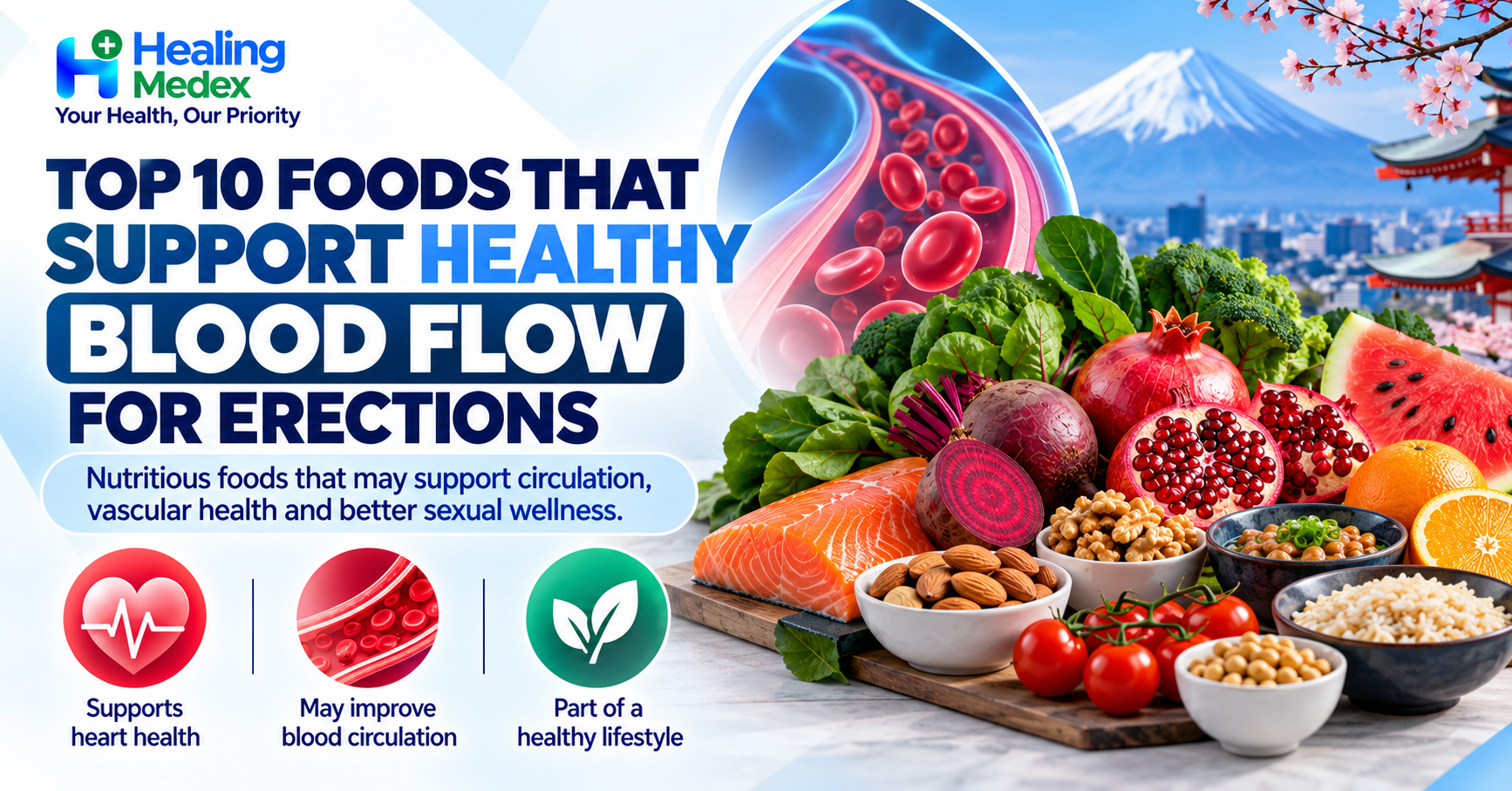
Healthy blood circulation is essential for maintaining normal erectile function. When blood vessels work properly, they allow sufficient blood to reach the penis during sexual arousal, helping men achieve and maintain an erection.
For men in Japan, adopting a balanced diet that includes fish, vegetables, fruits, soy products, and whole grains may help support cardiovascular health and erectile function.
But can certain foods actually improve blood flow for erections?
Research suggests that healthy dietary patterns, particularly those rich in vegetables, fruits, nuts, whole grains, and unsaturated fats, may reduce the risk of erectile dysfunction and improve symptoms in some men. However, no individual food has been proven to reliably produce an erection or cure ED.
In this Healing Medex Japan guide, we explore 10 foods that may support healthy blood circulation, explain how they contribute to vascular health, and discuss practical ways to include them in your daily diet.
How Does Blood Flow Affect Erections?
An erection occurs when the brain, nerves, blood vessels, and hormones work together.
During sexual stimulation, nerves release signals that increase the availability of nitric oxide, a molecule that helps relax smooth muscle within the blood vessels of the penis.
As these muscles relax, more blood flows into the erectile tissues, allowing the penis to become firm.
Healthy erectile function depends on several factors, including:
Proper blood circulation and flexible blood vessels.
Healthy nitric oxide signalling.
Normal nerve function and adequate hormonal health.
Controlled blood pressure, cholesterol, and blood sugar.
Psychological well-being and sexual stimulation.
When arteries become narrowed or damaged, sufficient blood may not reach the penis. This can contribute to difficulty achieving or maintaining an erection.
A heart-healthy diet cannot correct every cause of ED, but it can support the vascular and metabolic health needed for normal erections.
Top 10 Foods That May Support Healthy Blood Flow for Erections
1. Beetroot – Supports Nitric Oxide Production
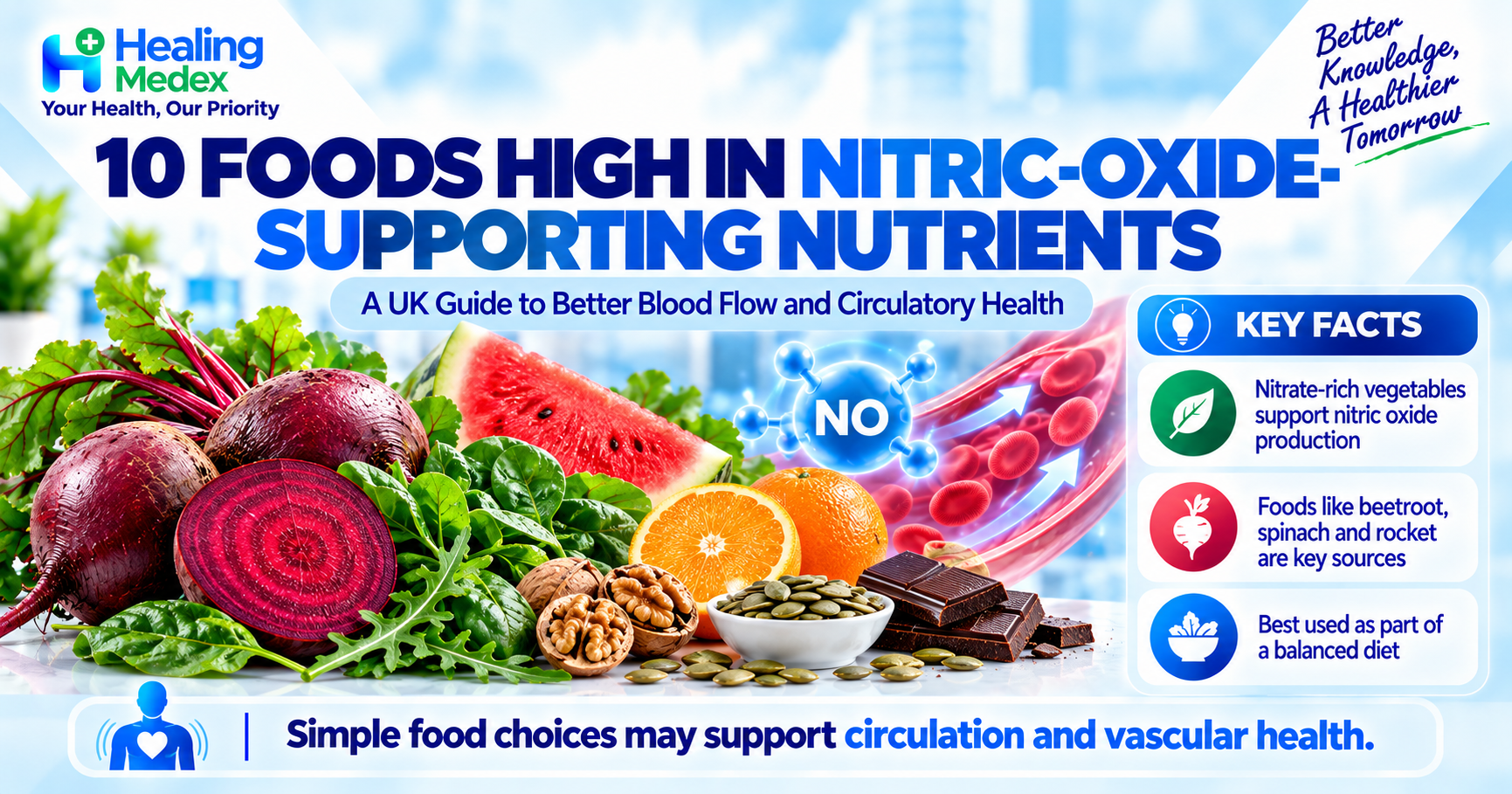
Beetroot contains naturally occurring dietary nitrates, which the body can convert into nitric oxide through several biological pathways.
Nitric oxide helps blood vessels relax, supporting healthy blood circulation and blood pressure regulation.
Potential benefits:
Supports nitric oxide availability.
May contribute to healthy blood pressure.
How to eat it in Japan: Add roasted beetroot to salads, vegetable bowls, or smoothies. Beetroot juice is another option, preferably without added sugar.
Beetroot has been studied for effects on blood pressure and exercise performance, but evidence that it directly improves erections remains limited.
2. Salmon and Mackerel – Rich in Omega-3 Fatty Acids
Fatty fish such as salmon (sake), mackerel (saba), and sardines (iwashi) are common in Japanese cuisine.
They contain omega-3 fatty acids, which support cardiovascular health.
Potential benefits:
Provide beneficial unsaturated fats.
Support healthy triglyceride levels.
Form part of a heart-healthy dietary pattern.
How to eat them in Japan: Choose grilled salmon, saba shioyaki with moderate salt, or sardines prepared with vegetables.
Omega-3-rich fish may support vascular health over time, although eating fish does not directly or immediately improve erectile performance.
3. Spinach and Leafy Greens – Provide Folate and Dietary Nitrates
Spinach (hourensou), komatsuna, and other leafy greens contain vitamins, minerals, and beneficial plant compounds.
Some leafy vegetables also contain dietary nitrates that may support nitric oxide production.
Potential benefits:
Provide folate for normal cellular function.
How to eat them in Japan: Prepare spinach ohitashi, lightly stir-fried komatsuna, or vegetable-rich soups.
Regular vegetable consumption is associated with better overall metabolic and cardiovascular health, which may indirectly benefit erectile function.
4. Pomegranate – Provides Antioxidants
Pomegranate is rich in polyphenols, including compounds with antioxidant activity.
These compounds may help protect cells from oxidative stress, which is involved in blood vessel damage.
Potential benefits:
May contribute to vascular health.
Supports fruit variety in a balanced diet.
How to eat it in Japan: Eat fresh pomegranate seeds or add them to yoghurt and salads. Choose unsweetened juice in modest quantities if preferred.
Although pomegranate has been studied for cardiovascular benefits, there is insufficient high-quality evidence that it reliably treats erectile dysfunction.
5. Walnuts and Almonds – Support Heart and Blood Vessel Health
Walnuts also provide plant-based omega-3 fatty acids, while almonds are a source of vitamin E.
Potential benefits:
Help support healthy cholesterol levels when replacing foods high in saturated fat.
Contribute to a heart-healthy eating pattern.
How to eat them in Japan: Choose a small handful of unsalted walnuts or almonds as a snack, or sprinkle chopped nuts over salads.
Nuts may help protect long-term vascular health, but they are not an immediate treatment for erection difficulties.
6. Watermelon – Contains Citrulline
Watermelon contains an amino acid called L-citrulline, which the body can convert into L-arginine. L-arginine is involved in nitric oxide production, an important process for blood vessel relaxation.
Potential benefits:
Provides citrulline involved in nitric oxide pathways.
Contributes to daily hydration.
Supports a varied, fruit-rich diet.
How to eat it in Japan:
Watermelon (suika) is especially popular during the Japanese summer. Enjoy fresh slices as a snack or add watermelon to fruit salads without added sugar.
Important: Although citrulline has been investigated for erectile function, the amount obtained from ordinary watermelon servings has not been shown to reliably treat ED.
7. Tomatoes – Rich in Lycopene
Tomatoes contain lycopene, a carotenoid antioxidant that may help protect cells against oxidative stress.
Since oxidative stress can contribute to vascular dysfunction, tomatoes are a useful addition to a heart-healthy diet.
Potential benefits:
Provide lycopene and vitamin C.
Offer a low-calorie vegetable option.
How to eat them in Japan:
Include tomatoes in Japanese salads, vegetable soups, or grilled vegetable dishes.
Cooked tomatoes served with a small quantity of healthy oil can improve the absorption of lycopene.
Although tomatoes support healthy eating, there is no strong clinical evidence that they directly improve erection firmness.
8. Soybeans, Tofu and Natto – Plant-Based Protein Sources
Soy products are an important part of traditional Japanese cuisine.
Foods such as tofu, edamame, natto, and unsweetened soy milk provide plant protein, while whole soybeans also contain fibre and unsaturated fats.
Replacing some processed or fatty meats with soy products may support cardiovascular health.
Potential benefits:
Provide high-quality plant protein.
Contain beneficial unsaturated fats.
Support healthy cholesterol management as part of a balanced diet.
Offer nutritious alternatives to processed meat.
How to eat them in Japan:
Enjoy tofu with vegetables, edamame as a snack, or natto with rice.
People taking warfarin should follow medical advice about natto because it contains vitamin K, which can interfere with anticoagulant treatment.
Soy foods are not established treatments for ED, and normal dietary soy consumption has not been shown to cause clinically meaningful testosterone reductions in men.
9. Brown Rice and Oats – Support Blood Sugar and Weight Management
Whole grains provide fibre, vitamins, and minerals that help support metabolic and cardiovascular health.
Potential benefits:
Help support healthy cholesterol levels.
Provide fibre for digestive and metabolic health.
May improve blood sugar control when replacing refined grains.
Support healthy weight management.
How to eat them in Japan:
Replace some white rice with brown rice (genmai) or mixed-grain rice (zakkokumai).
Oatmeal is another practical breakfast option, especially when combined with fruit or unsweetened yoghurt.
Brown rice does not directly increase penile blood flow, but whole grains can contribute to a dietary pattern that protects blood vessel health.
10. Citrus Fruits – Provide Vitamin C and Flavonoids
Citrus fruits such as oranges, mandarins (mikan), and grapefruit contain vitamin C and various plant compounds.
Vitamin C contributes to normal collagen formation, which is important for maintaining healthy blood vessels. Citrus flavonoids have also been investigated for potential cardiovascular benefits.
Potential benefits:
Support normal blood vessel structure.
Contribute to a fruit-rich eating pattern.
Offer a nutritious alternative to sugary desserts.
How to eat them in Japan:
Enjoy fresh mikan as a snack, add orange segments to salads, or choose whole citrus fruits instead of sweetened juices.
Whole fruits provide more fibre than fruit juice.
Important: Grapefruit can interact with certain prescription medicines, including some medicines for blood pressure and cholesterol. Check with a pharmacist before consuming grapefruit if you take medication.
Which Foods Are Best for Erectile Dysfunction?
No single food can be considered the best treatment for erectile dysfunction.
Research generally supports the benefits of an overall healthy dietary pattern rather than relying on individual ingredients.
A 2026 systematic review of 16 randomised controlled trials involving 1,477 participants found that dietary changes, exercise, or their combination were associated with modest improvements in erectile function. However, the benefits varied, and lifestyle interventions should be considered supportive rather than guaranteed treatments.
For men living in Japan, a practical approach is to combine traditional Japanese foods with principles of heart-healthy eating.
Food group | Examples | Main nutritional benefit |
|---|---|---|
Fatty fish | Salmon, mackerel, sardines | Omega-3 fats |
Leafy vegetables | Spinach, komatsuna | Folate, nitrates, antioxidants |
Soy products | Tofu, natto, edamame | Plant protein |
Whole grains | Brown rice, oats | Fibre and metabolic health |
Fruits | Mikan, berries, watermelon | Vitamins and antioxidants |
Nuts | Walnuts, almonds | Unsaturated fats |
Choosing a variety of these foods regularly may be more useful than consuming large amounts of any one food.
A Japanese Diet Plan to Support Healthy Blood Flow
Traditional Japanese meals can provide a foundation for cardiovascular health when prepared with appropriate portions and moderate salt.
Japan's dietary guidance encourages a balanced combination of staple foods, main dishes, side dishes, vegetables, fruit, and other food groups.
Here is an example of a balanced daily meal plan.
Meal | Suggested foods |
|---|---|
Breakfast | Brown rice, natto, spinach and fresh mikan |
Mid-morning | A small handful of unsalted almonds |
Lunch | Grilled salmon, mixed vegetables and rice |
Afternoon | Unsweetened yoghurt with fruit |
Dinner | Grilled mackerel, tofu, steamed komatsuna and brown rice |
Drinks | Water and unsweetened green tea |
This is an illustrative meal plan rather than an individual medical diet. Portions and food choices should be adjusted according to personal nutritional needs and any medical conditions.
Foods and Dietary Habits That May Harm Blood Vessel Health
While nutritious foods can support circulation, certain eating habits may increase cardiovascular risk when followed regularly.
1. Excessive salt intake
High sodium intake can contribute to elevated blood pressure.
In Japan, common sources of salt include:
Instant ramen and its broth.
Salty pickles and processed foods.
Large amounts of soy sauce.
Salted snacks and convenience meals.
Choose lower-sodium products, use smaller portions of sauces, and avoid regularly drinking all the broth from noodle dishes.
2. Frequent fried and processed foods
Choose grilled, steamed, or lightly cooked dishes more often.
3. Excessive sugary drinks
Frequent consumption of high-sugar beverages can contribute to weight gain and poor blood sugar control.
Water and unsweetened drinks are generally preferable.
4. Excessive alcohol consumption
Heavy alcohol consumption may contribute to erectile difficulties through effects on the nervous system, hormones, and overall health.
Reducing alcohol intake may benefit both cardiovascular and sexual health.
Dietary improvements that reduce the risk of diabetes, heart disease, and obesity may also help lower the likelihood of ED.
Can These Foods Improve Erections Naturally?
Healthy foods may support erectile function indirectly by improving the underlying conditions necessary for normal circulation.
A balanced diet may help:
Maintain healthier blood pressure.
Support cholesterol and blood sugar control.
Reduce the risk of excess body weight.
Protect long-term cardiovascular health.
Support normal vascular function.
However, it is important to distinguish between supporting vascular health and directly treating erectile dysfunction.
For example, eating beetroot may support nitric oxide pathways, but this does not mean it will produce an erection.
Similarly, eating fish or nuts regularly may contribute to cardiovascular health, but neither is a substitute for clinically appropriate ED treatment.
A 2025 systematic review and meta-analysis found associations between healthier dietary patterns and better erectile function, particularly for diets containing fruits, vegetables, and nuts. The findings do not establish that any particular food cures ED.
How Long Does It Take for a Healthy Diet to Benefit Erectile Function?
There is no fixed timeline.
Some cardiovascular measurements, such as blood pressure, may respond to dietary changes within weeks. Improvements in weight, cholesterol, and metabolic health may take longer.
Changes in erectile function depend on several factors, including:
Smoking, alcohol intake, sleep, and physical activity.
Consistency with healthy lifestyle changes.
Meaningful improvements, when they occur, may take weeks to months.
Men should not delay medical evaluation while waiting for dietary changes to work, especially if erection problems are persistent or worsening.
Other Natural Ways to Support Healthy Blood Flow
Diet is only one part of maintaining normal erectile function.
Exercise regularly
Walking, cycling, swimming, and other moderate aerobic activities may improve cardiovascular fitness and circulation.
Maintain a healthy body weight
Excess body fat is associated with insulin resistance, inflammation, and cardiovascular risk factors that may contribute to ED.
Stop smoking
Smoking damages blood vessels and is a recognised risk factor for erectile dysfunction.
Get adequate sleep
Poor sleep may affect hormonal regulation, metabolic health, and sexual well-being.
Manage stress
Anxiety and chronic stress can affect sexual arousal and make erection difficulties more likely.
Combining healthy eating with regular physical activity and other lifestyle improvements may provide greater benefits than dietary changes alone.
When Should You See a Doctor in Japan?
Occasional erection difficulties can happen because of tiredness, stress, alcohol consumption, or other temporary factors.
However, frequent or persistent problems deserve medical attention.
Consider consulting a healthcare professional if:
You regularly struggle to achieve or maintain an erection.
Erectile difficulties develop suddenly or progressively worsen.
You also experience reduced sexual desire or other hormonal symptoms.
You have diabetes, high blood pressure, or cardiovascular disease.
Erectile difficulties affect your confidence, relationships, or quality of life.
In Japan, a urologist (泌尿器科 — hinyoukika) can assess erectile dysfunction. Depending on your symptoms, a general medical clinic (内科 — naika) may also be an appropriate starting point.
Your doctor may review medications, blood pressure, blood sugar, cholesterol, hormonal health, and psychological factors.
For suitable patients, prescription medicines such as sildenafil or tadalafil may be considered following a medical assessment. These medicines should not be used with nitrate medications because the combination can cause a dangerous fall in blood pressure.
Frequently Asked Questions
1. What foods are good for blood flow to the penis?
Vegetables, fruits, fatty fish, nuts, soy products, and whole grains are beneficial components of a heart-healthy diet. They may support the blood vessel health necessary for normal erectile function, but no food specifically targets penile circulation.
2. Can beetroot juice improve erections?
Beetroot contains nitrates that can contribute to nitric oxide production. However, direct evidence that drinking beetroot juice improves erectile dysfunction is insufficient.
3. Is salmon good for erectile dysfunction?
Salmon contains omega-3 fatty acids that support cardiovascular health. Regularly including fatty fish in a balanced diet may indirectly benefit erectile function, but salmon is not an ED treatment.
4. Does eating watermelon help with erections?
Watermelon provides citrulline, which is involved in nitric oxide production. However, ordinary servings of watermelon have not been proven to produce meaningful improvements in erectile function.
5. Is a traditional Japanese diet good for erectile health?
A balanced Japanese-style diet containing fish, vegetables, soy products, fruits, and whole grains can support cardiovascular and metabolic health.
Benefits depend on the overall balance of the diet, including adequate variety and avoiding excessive salt intake.
6. Can food completely cure erectile dysfunction?
No. Dietary improvements may help some men, especially where erectile difficulties are related to cardiovascular or metabolic risk factors. However, ED may also arise from nerve damage, medication effects, hormonal problems, or psychological causes requiring specific treatment.
7. What is the best drink for healthy erectile function?
Water is a good everyday choice because adequate hydration supports normal physiological function. Unsweetened tea can also fit into a healthy diet. No beverage has been shown to reliably cure erectile dysfunction.
Final Thoughts
Healthy blood circulation plays an important role in erectile function, and everyday food choices can influence the cardiovascular health that supports normal erections.
For men living in Japan, including nutrient-rich foods such as salmon, mackerel, leafy greens, beetroot, tomatoes, nuts, soy products, whole grains, and citrus fruits can help create a balanced diet.
These foods provide beneficial nutrients, including antioxidants, omega-3 fatty acids, fibre, and compounds involved in nitric oxide metabolism.
However, no single food can guarantee stronger erections or replace medical treatment for erectile dysfunction.
The most practical approach is to maintain a varied, heart-healthy diet alongside regular exercise, sufficient sleep, stress management, and appropriate medical care.
If you experience ongoing erectile difficulties, consult a qualified healthcare professional in Japan to identify the underlying cause and discuss suitable treatment options.
Medical Disclaimer
This article is for general educational purposes only and does not replace advice from a qualified doctor or pharmacist. Medical guidance, approved medicines and prescribing rules differ between countries. Always follow the advice of a healthcare professional licensed in your country of residence.