Taking a hot shower or relaxing in a warm bath is a common part of everyday life. Many people use hot water to relax their muscles, reduce stress and unwind after a busy day. However, some men wonder whether frequent hot showers or hot baths can affect erectile function, testosterone levels or sexual health.
Can hot showers or hot baths cause erectile dysfunction (ED)?
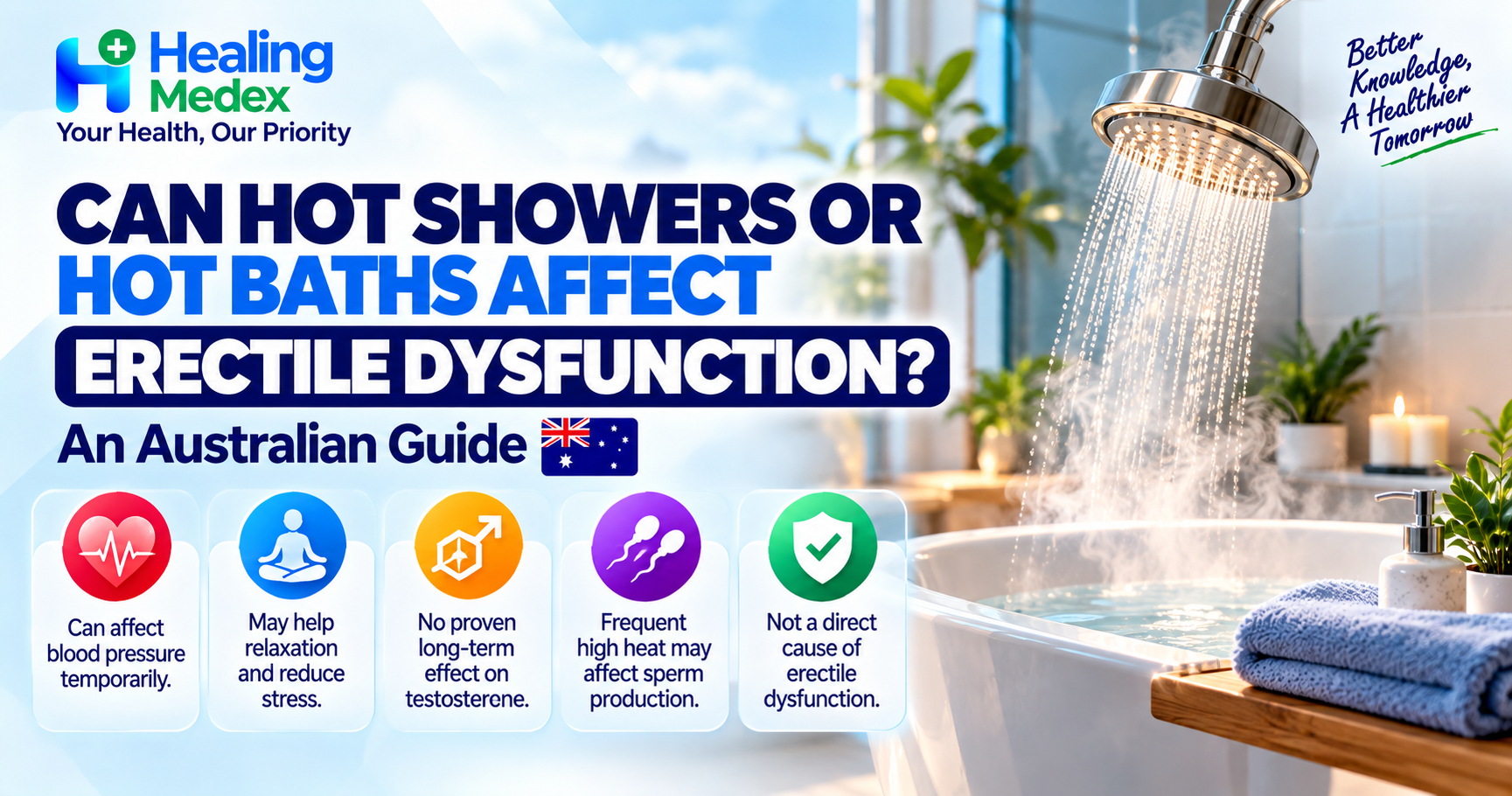
The short answer is that normal hot showers and warm baths are not known to cause permanent erectile dysfunction. However, excessive heat can temporarily affect blood pressure, circulation and physical comfort. Frequent exposure to high temperatures may also affect sperm production, although fertility and erectile function are different aspects of male reproductive health.
For men in Australia, understanding how heat affects the body can help distinguish temporary physical changes from erectile dysfunction that requires medical attention.
This guide from Healing Medex explains the relationship between hot water, blood circulation, testosterone, sperm health and erectile function, along with practical precautions and treatment options available in Australia.
What Is Erectile Dysfunction?
An erection depends on several systems working together, including blood circulation, nerve signalling, hormones and psychological responses.
According to Australia's healthdirect Australia, erectile dysfunction can result from physical conditions, psychological factors or a combination of both.
Common contributing factors include:
Stress, anxiety and depression.
Hormonal problems, including low testosterone.
Obesity, smoking and excessive alcohol consumption.
Certain prescription medicines.
Neurological conditions.
Occasional erection difficulties are common and do not necessarily indicate a long-term medical problem.
Can Hot Showers Cause Erectile Dysfunction?
There is no convincing clinical evidence that ordinary hot showers directly cause persistent erectile dysfunction.
However, hot water can produce temporary physiological changes that may influence how someone feels immediately afterwards.
1. Hot Water Changes Blood Circulation
When the body is exposed to heat, blood vessels near the skin expand. This process, called vasodilation, helps release excess body heat.
As these blood vessels widen, blood pressure may decrease temporarily.
A 2021 systematic review found that repeated heat therapy could improve certain measures of vascular function and reduce blood pressure. However, these findings do not establish that hot showers improve erections.
Although erections depend on healthy blood flow, the circulation changes caused by hot water are not equivalent to the mechanisms involved in maintaining an erection.
2. Excessive Heat May Cause Dizziness or Fatigue
Very hot showers, particularly when prolonged, can cause some people to experience dizziness, weakness or light-headedness.
Australian healthdirect guidance identifies hot showers as a possible trigger for symptoms associated with low blood pressure.
If someone feels physically uncomfortable or exhausted after heat exposure, they may temporarily feel less interested in sexual activity.
However, this should not be confused with an established diagnosis of erectile dysfunction.
3. Warm Showers May Reduce Stress
Stress and anxiety can interfere with the brain's ability to initiate and maintain an erection.
A comfortably warm shower may help some people relax, particularly after a demanding day.
Relaxation may indirectly support sexual wellbeing when stress is contributing to erection difficulties.
However, hot showers have not been clinically established as a treatment for psychological or physical erectile dysfunction.
Can Hot Baths Affect Erectile Function?
Hot baths expose a larger portion of the body to warm water, often for longer periods than a shower.
This can produce more substantial effects on body temperature and circulation.
Temporary Changes in Blood Pressure
Immersion in hot water can cause blood vessels to widen, potentially reducing blood pressure.
Some people experience dizziness or light-headedness when standing up after a hot bath.
These effects are usually temporary but can be more concerning in individuals with cardiovascular conditions or low blood pressure.
Relaxation and Psychological Wellbeing
A warm bath may help reduce physical tension and encourage relaxation.
Because psychological stress is a recognised contributor to erectile dysfunction, relaxation can form part of a broader approach to sexual wellbeing.
Nevertheless, a hot bath cannot reliably correct erectile dysfunctioncaused by diabetes, vascular disease, nerve damage or hormonal disorders.
Prolonged Exposure to High Temperatures
Very hot baths can increase body temperature and contribute to dehydration or overheating.
Although these effects may cause temporary discomfort, there is insufficient evidence that ordinary hot bathing independently causes lasting erectile dysfunction.
Do Hot Showers or Baths Lower Testosterone?
Testosterone is an important male hormone involved in sexual desire, reproductive function, muscle development and other physiological processes.
Low testosterone can contribute to reduced libido and, in some individuals, erectile dysfunction.
However, the relationship between hot water exposure and testosterone is often misunderstood.
What Does Research Show?
There is insufficient evidence that routine hot showers or warm baths cause clinically significant, sustained reductions in testosterone.
Research examining sauna exposure has identified changes in sperm production without necessarily finding significant changes in circulating sex hormones.
For example, a small study included in a systematic review reported impaired sperm measurements after repeated sauna exposure, but no significant changes in plasma sex hormone levels.
Importantly, this research involved sauna exposure rather than ordinary household showers.
Therefore, it would be inaccurate to conclude that taking hot showers regularly causes testosterone deficiency.
Men experiencing symptoms such as persistent low libido, fatigue and reduced morning erections should discuss appropriate medical assessment with their GP rather than assuming hot water is responsible.
Can Frequent Hot Baths Affect Sperm Health?
One of the better-established concerns about repeated excessive heat exposure involves sperm production rather than erectile function.
The testicles normally remain slightly cooler than the body's internal temperature because sperm production is sensitive to heat.
Repeated exposure to high temperatures may temporarily interfere with this process.
Research has associated activities such as frequent sauna use and prolonged hot-tub exposure with increased testicular temperature and changes in sperm quality.
Possible effects include:
Reduced sperm concentration.
Lower sperm motility.
Changes in sperm production.
Temporary reductions in certain fertility measures.
Some heat-related sperm changes appear reversible after the exposure stops, although recovery can take several months.
Important distinction: Reduced sperm quality does not automatically mean a man has erectile dysfunction. It is possible to have normal erections while experiencing fertility problems.
Men who are trying to conceive may benefit from limiting prolonged exposure to very hot baths, spas and saunas.
Hot Showers vs Hot Baths: Which Has a Greater Effect?
The effects of hot water depend on the temperature, duration of exposure, individual health and how much of the body is immersed.
Factor | Hot showers | Hot baths |
|---|---|---|
Heat exposure | Often shorter | Often longer |
Body immersion | Limited | More extensive |
Circulatory effects | Usually temporary | May be more pronounced |
Relaxation | May help | May help |
Sperm health concerns | Generally less concerning with brief exposure | Greater concern with frequent, prolonged high heat |
Proven ED risk | No established direct link | No established direct link |
Can Warm Baths Improve Erections Naturally?
A warm bath may offer indirect benefits by supporting relaxation, but it should not be considered an erectile dysfunction treatment.
There are three possible reasons someone might feel better after a comfortably warm bath.
1. Relaxation May Reduce Performance Anxiety
Performance anxiety can make erections difficult even when blood circulation and hormone levels are normal.
Relaxing activities may help reduce tension and improve emotional wellbeing.
2. Warm Water Temporarily Changes Circulation
Heat promotes the widening of blood vessels.
Although healthy blood circulation is essential for erections, temporary heat-related vasodilation does not demonstrate that warm baths improve penile blood flow sufficiently to treat ED.
3. Better Relaxation May Support Sleep
Some people find that bathing in comfortably warm water before bedtime helps them unwind.
Healthy sleep is important for general health, mood and hormonal regulation.
However, improved relaxation or sleep should not be interpreted as proof that hot baths directly improve erectile function.
Can Cold Showers Improve Erectile Dysfunction?
Cold showers are sometimes promoted online as a natural way to improve testosterone, circulation or sexual performance.
However, there is insufficient clinical evidence that cold showers can prevent or treat erectile dysfunction.
Cold exposure causes blood vessels near the skin to constrict temporarily.
This response differs from the blood vessel relaxation associated with warm-water exposure.
Neither response establishes a reliable treatment for erectile dysfunction.
Cold showers should also be approached cautiously by people with cardiovascular problems because sudden cold exposure can place additional stress on the circulatory system.
Who Should Be Careful With Very Hot Baths or Showers?
Certain individuals may be more vulnerable to the effects of excessive heat.
These include men who have:
Low blood pressure or frequent dizziness.
Dehydration or heat intolerance.
A history of fainting.
Fertility concerns.
Medical conditions affecting temperature regulation.
People taking blood-pressure-lowering medicines should also seek advice if they experience light-headedness after hot bathing.
Men using erectile dysfunction medicines, including sildenafil or tadalafil, should be mindful of symptoms such as dizziness because these medicines can also lower blood pressure.
A pharmacist or doctor can advise whether medication use or an underlying medical condition requires additional precautions.
How to Bathe Safely Without Affecting Sexual Health
Practical precautions include:
Choose comfortably warm water. Avoid temperatures that cause discomfort, overheating or dizziness.
Avoid prolonged exposure to extreme heat. Take breaks if you become excessively hot.
Stay hydrated. Drink sufficient water, particularly during hot Australian weather.
Stand up slowly. Rising suddenly from a hot bath may cause light-headedness.
Limit excessive heat when trying to conceive. Avoid frequent prolonged exposure to very hot baths, spas and saunas.
Consider existing medical conditions. Seek medical advice if you have cardiovascular disease or recurrent low blood pressure.
There is no scientifically established bathing temperature or duration specifically required to prevent erectile dysfunction.
Comfort and individual medical circumstances are more important than following an arbitrary temperature rule.
What Actually Helps Improve Erectile Dysfunction?
If erectile problems occur repeatedly, addressing established underlying causes is more useful than changing shower temperature alone.
Regular Physical Activity
Exercise supports cardiovascular health, circulation and weight management.
Walking, swimming, cycling and resistance training can contribute to overall health.
Regular physical activity may improve erectile function, particularly when ED is associated with cardiovascular risk factors or physical inactivity.
A Balanced Diet
A heart-healthy diet containing vegetables, fruits, whole grains, legumes, nuts and healthy fats supports vascular health.
Weight Management
Excess body weight is associated with conditions that increase the risk of erectile dysfunction, including diabetes and cardiovascular disease.
Achieving and maintaining a healthy weight can improve overall metabolic health.
Stress Management
Psychological factors can contribute significantly to erectile difficulties.
Stress management, adequate sleep, counselling and psychological therapies may help when anxiety or emotional stress is involved.
Smoking and Alcohol Reduction
Smoking can damage blood vessels and contribute to impaired circulation.
Excessive alcohol consumption can also affect sexual performance.
Reducing these risk factors may support erectile and cardiovascular health.
Medical Treatment Options for Erectile Dysfunction in Australia
If lifestyle changes do not resolve persistent erection problems, professional medical evaluation is recommended.
Australian healthcare professionals may recommend treatment based on the underlying cause, medical history and individual needs.
1. Prescription ED Medicines
Medicines commonly used for erectile dysfunction in Australia include:
Vardenafil: Another PDE5 inhibitor used to treat erectile dysfunction.
Avanafil (Spedra): A PDE5 inhibitor that may be suitable for certain patients.
According to healthdirect, these medicines require a prescription in Australia and should be used under medical supervision.
Important: PDE5 inhibitors must not be taken with nitrate medicines used for conditions such as angina because the combination can cause a dangerous reduction in blood pressure.
2. Psychological or Sex Therapy
Counselling may be appropriate when erection difficulties are related to stress, anxiety, relationship problems or performance concerns.
3. Managing Underlying Medical Conditions
A GP may recommend assessment for conditions such as:
Hormonal disorders.
Treating underlying conditions can improve overall health and may also help erectile function.
4. Other Medical Treatments
For men who cannot use oral ED medicines or do not respond adequately, specialist-directed alternatives may include vacuum erection devices, prescribed injections or other medical interventions.
Treatment should always be tailored to the individual's condition.
When Should You See a Doctor?
Experiencing an occasional erection problem after feeling overheated, tired or stressed does not necessarily indicate a serious condition.
However, medical evaluation is appropriate if:
Erectile difficulties happen repeatedly or persist.
Erections become consistently weaker.
Morning erections become noticeably less frequent.
Sexual desire decreases significantly.
Symptoms occur alongside fatigue or other hormonal concerns.
You have diabetes, heart disease or other cardiovascular risk factors.
Erectile problems begin after starting a new medicine.
Persistent erectile dysfunction can sometimes be an early sign of a cardiovascular or metabolic health problem.
In Australia, a GP can assess your symptoms, review medicines, arrange appropriate testing and recommend treatment.
For general health guidance, Australians can also access healthdirect Australia or call 1800 022 222.
Frequently Asked Questions
1. Can taking a hot shower every day cause erectile dysfunction?
There is no reliable clinical evidence that normal daily hot showers cause permanent Erectile dysfunction. Extremely hot or prolonged showers can temporarily affect blood pressure and physical comfort.
2. Can hot baths weaken erections?
Hot baths have not been established as a direct cause of persistent erectile dysfunction. Excessive heat may cause temporary dizziness, fatigue or discomfort, which can affect how someone feels physically.
3. Do hot showers reduce testosterone levels?
Routine hot showers have not been shown to cause clinically significant long-term testosterone reductions. Anyone experiencing symptoms of low testosterone should seek medical assessment.
4. Can hot baths affect male fertility?
Frequent exposure to excessive heat, particularly prolonged hot baths, hot tubs or saunas, may temporarily impair sperm production or sperm quality. This is different from erectile dysfunction.
5. Are cold showers better than hot showers for erections?
There is insufficient evidence that cold showers are more effective than warm showers for improving erectile function. Neither is an established ED treatment.
6. Can a warm bath help with stress-related erectile dysfunction?
A warm bath may promote relaxation, which could be helpful when stress contributes to sexual difficulties. However, it is not a proven standalone treatment for ED.
7. Can hot showers improve blood flow to the penis?
Hot water causes blood vessels near the skin to widen, but there is insufficient evidence that this effect specifically improves erectile function.
8. Should men taking sildenafil or tadalafil avoid hot baths?
Not everyone taking these medicines needs to avoid warm baths. However, very hot water may contribute to dizziness or low blood pressure in susceptible individuals. Ask a doctor or pharmacist for personalised advice.
9. Can frequent sauna use cause erectile dysfunction?
Research has identified possible effects of repeated high heat on sperm production, but evidence that sauna use directly causes persistent erectile dysfunction is insufficient.
10. When should erection problems be medically investigated?
Seek medical advice if erection problems are persistent, worsening or causing concern, especially if you have diabetes, high blood pressure or cardiovascular risk factors.
Final Thoughts
Hot showers and warm baths are generally safe for most healthy adults and are not known to cause permanent erectile dysfunction.
Although excessive heat can temporarily influence blood pressure, circulation and physical comfort, there is insufficient evidence that ordinary bathing directly damages erectile function.
The clearest reproductive concern associated with repeated high-temperature exposure involves sperm production rather than erections.
For Australian men experiencing persistent ED, the most effective approach is to evaluate cardiovascular health, hormonal factors, lifestyle habits, psychological wellbeing and possible medication effects.
A comfortable warm shower or bath can remain part of a healthy relaxation routine, but it should not replace evidence-based medical treatment when erectile dysfunction persists.
Medical Disclaimer
This article is for general educational purposes only and does not replace advice from a qualified doctor or pharmacist. Medical guidance, approved medicines and prescribing rules differ between countries. Always follow the advice of a healthcare professional licensed in your country of residence.