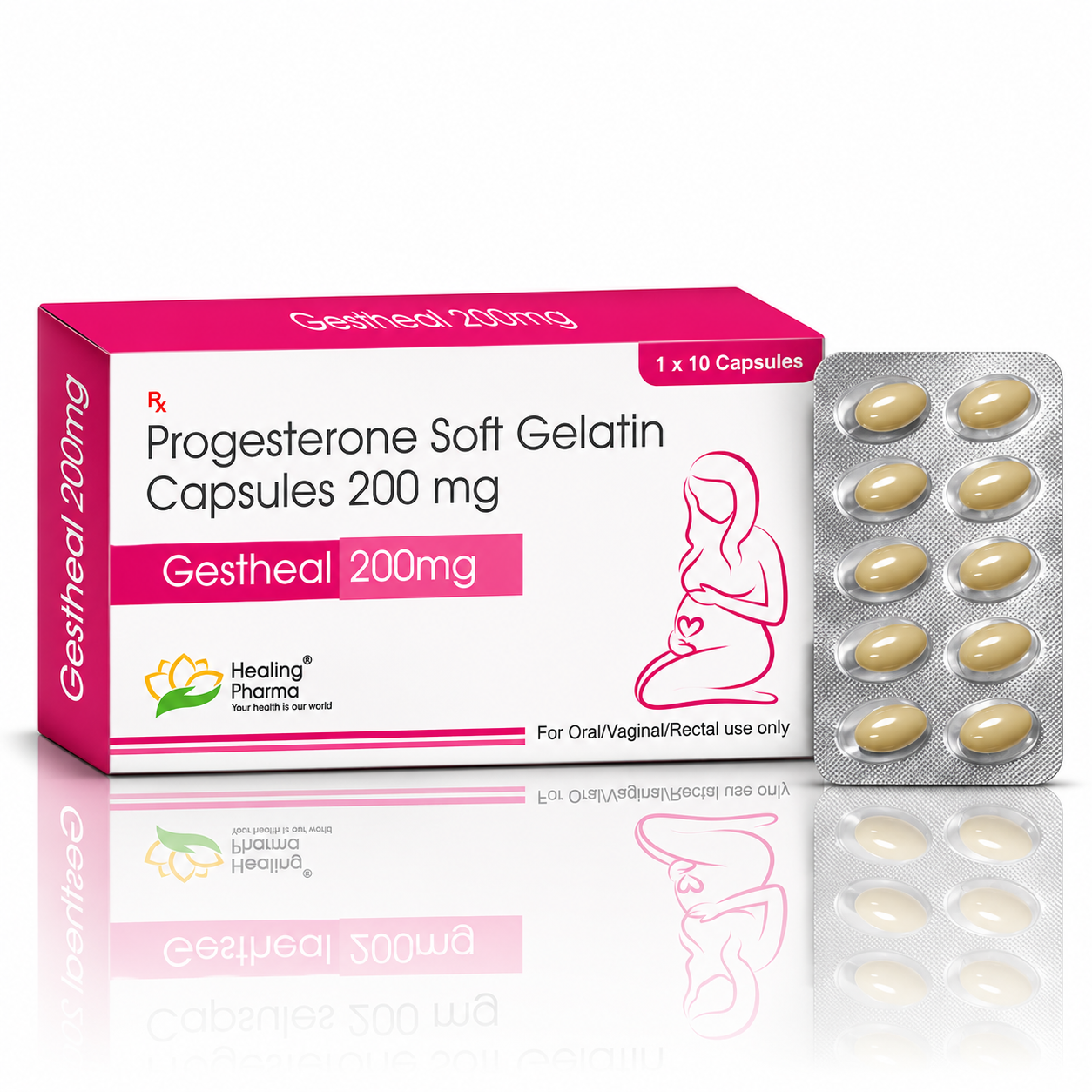
Gestheal 200 MG Capsule
Starting at just $0.74
$1.01 / unit
| Pack Size | Price | Price / Unit | Quantity | Action |
|---|---|---|---|---|
| 168 Tablets | $170.10 | $1.01/unit | ||
| 140 Tablets | $141.75 | $1.01/unit | ||
| 112 Tablets | $113.40 | $1.01/unit | ||
| 84 Tablets | $85.05 | $1.01/unit | ||
| 56 Tablets | $56.70 | $1.01/unit | ||
| 28 Tablets | $28.35 | $1.01/unit |
Brand Name: Dostiheal 0.25 mg
Generic Name: Cabergoline
Strength: 0.25 mg
Dosage Form: Tablet
Therapeutic Class: Dopamine Receptor Agonist / Prolactin Inhibitor
Manufacturer/Marketer: Healing Pharma India Pvt. Ltd.
Pack Size: 1 × 4 Tablets
Prescription Status: Prescription Medicine
Country of Origin: India
CABERGOLINE is a dopamine receptor agonist. This medicine is primarily used to treat hyperprolactinemia, a condition in which the body produces abnormally high levels of the hormone prolactin.
High prolactin levels can cause irregular menstrual periods, infertility, unexpected breast milk production, decreased sexual desire, and hormonal disturbances in both men and women.
Cabergoline works by stimulating dopamine D2 receptors in the pituitary gland, reducing the production and release of prolactin. This helps restore normal prolactin levels and may improve reproductive and hormonal function.
This medicine is also used to treat certain prolactin-producing pituitary tumors called prolactinomas. In some countries, specific cabergoline regimens are used to suppress breast milk production when medically appropriate, although this use is restricted or not approved in other countries because of safety concerns.
Dostiheal 0.25 mg is not an anabolic steroid or a medicine specifically approved to treat erectile dysfunction. It may improve sexual symptoms in patients whose problems are caused by elevated prolactin levels.
They need to know if you have any of these conditions:
heart disease or a history of heart valve problems
high or low blood pressure
uncontrolled hypertension
liver disease or impaired liver function
kidney disease
a history of heart attack or stroke
lung disease or breathing difficulties
a history of fibrotic disorders affecting the lungs, heart, or abdomen
a history of psychiatric disorders, including psychosis
compulsive behaviors or impulse control disorders
stomach ulcers or gastrointestinal bleeding
a history of fainting or severe dizziness
pituitary gland disorders or tumors
if you are taking medicines for high blood pressure
if you are using antipsychotic medicines or other dopamine-related medications
an unusual or allergic reaction to cabergoline, ergot-derived medicines, foods, dyes, or preservatives
pregnant or trying to get pregnant
breast-feeding
Inform your healthcare provider if you have experienced preeclampsia or high blood pressure associated with pregnancy.
Cabergoline should not be used by patients with certain heart valve disorders or a history of specified fibrotic conditions. A healthcare professional should assess these risks before treatment.
Take this medicine by mouth with a glass of water, exactly as directed by your doctor or healthcare professional.
Cabergoline is commonly taken once or twice weekly for hyperprolactinemia, depending on the prescribed dosage and the patient's condition.
For adults with hyperprolactinemia, a commonly recommended starting dose is 0.25 mg twice weekly. However, the exact dose and treatment schedule must be determined by a healthcare professional.
Cabergoline may be taken with or without food. Taking it with food may help reduce nausea or stomach discomfort.
Take your doses on the prescribed days of the week. Do not take this medicine more frequently than directed.
Your doctor may gradually adjust the dosage based on blood prolactin levels, treatment response, and possible side effects.
Do not suddenly stop taking this medicine without consulting your healthcare professional. Prolactin levels may rise again after treatment is discontinued.
Overdosage: If you think you have taken too much of this medicine, contact a poison control center or emergency department immediately. Overdose symptoms may include severe nausea, vomiting, dizziness, fainting, nasal congestion, hallucinations, or a significant drop in blood pressure.
NOTE: This medicine is only for you. Do not share this medicine with others.
If you miss a dose of Dostiheal 0.25 mg, take it as soon as you remember unless it is nearly time for your next scheduled dose.
If your next dose is approaching, skip the missed dose and continue with your prescribed schedule.
Do not take double or extra doses to make up for a missed dose.
Because cabergoline is often taken only once or twice weekly, contact your doctor or pharmacist if you are uncertain about when to take your next dose.
metoclopramide and other dopamine receptor antagonists
antipsychotic medicines such as haloperidol, chlorpromazine, and certain other phenothiazines
medicines used to treat high blood pressure
other dopamine agonists, including bromocriptine
erythromycin and certain other macrolide antibiotics, which may increase cabergoline exposure
other ergot-derived medicines
medicines that may cause excessive drowsiness or dizziness
alcohol, which may worsen dizziness and low blood pressure
Some medications can reduce cabergoline's effectiveness or increase its adverse effects.
This list may not describe all possible interactions. Give your healthcare provider a complete list of all prescription medicines, over-the-counter drugs, herbal products, vitamins, and dietary supplements you use.
Also tell your healthcare provider if you smoke, drink alcohol, or use recreational drugs. Some substances may interact with this medicine.
Visit your doctor or healthcare professional for regular checks on your progress. Your doctor may monitor your prolactin levels, blood pressure, and response to treatment.
Cabergoline can cause a reduction in blood pressure, particularly when standing up quickly from a sitting or lying position. Rise slowly to reduce the risk of dizziness or fainting.
Before beginning treatment, your doctor should assess your cardiovascular health, including an echocardiogram to check your heart valves. Regular heart monitoring may be recommended during treatment because cabergoline has been associated with heart valve disorders and fibrotic complications.
Contact your healthcare professional if you develop unexplained shortness of breath, persistent coughing, chest pain, swelling of the legs, or unusual fatigue. These symptoms may indicate serious heart or lung problems.
Cabergoline may cause drowsiness or sudden episodes of sleep. Do not drive, operate machinery, or perform activities requiring mental alertness until you know how the medicine affects you.
Some patients may develop unusual behavioral changes, including compulsive gambling, excessive shopping, increased sexual urges, or other impulse control problems. Inform your healthcare provider if you or your family members notice these changes.
Women should inform their healthcare provider if they become pregnant or plan to become pregnant. Cabergoline may restore fertility by normalizing prolactin levels, even before menstrual cycles become regular.
If pregnancy occurs during treatment, contact your healthcare professional promptly to discuss whether the medicine should be continued.
Cabergoline suppresses prolactin and can interfere with breast milk production. It is generally unsuitable for someone who intends to breastfeed. Its use for suppressing milk production after childbirth is specifically discouraged by current U.S. prescribing information because serious complications have been reported.
Avoid drinking excessive amounts of alcohol, as it may worsen dizziness or low blood pressure.
Do not stop taking this medicine without medical advice. Prolactin levels can increase again after treatment is discontinued.
Side effects that you should report to your doctor or healthcare professional as soon as possible:
allergic reactions such as skin rash, itching, or hives
swelling of the face, lips, tongue, or throat
difficulty breathing or swallowing
chest pain or tightness
severe dizziness or fainting
irregular or rapid heartbeat
shortness of breath or persistent cough
swelling of the legs, ankles, or feet
severe or persistent abdominal pain
unusual changes in mood or behavior
hallucinations, confusion, or severe psychiatric symptoms
compulsive gambling, excessive shopping, or uncontrollable sexual urges
sudden episodes of sleep
symptoms of heart valve disease or other fibrotic complications
Side effects that usually do not require medical attention (report to your doctor or healthcare professional if they continue or are bothersome):
nausea
headache
dizziness
constipation
mild abdominal pain or discomfort
indigestion
fatigue or weakness
mild drowsiness
nasal congestion
vomiting
mild reduction in blood pressure
Nausea, headache, and dizziness are among the most frequently reported side effects of cabergoline.
Some side effects may improve as the body adjusts to the medicine. However, persistent or worsening symptoms should be discussed with a healthcare professional.
This list may not describe all possible side effects. Contact your healthcare provider if you experience unexpected or severe reactions.
Keep out of the reach of children and pets.
Store Dostiheal 0.25 mg tablets below 25°C (77°F), according to the available product storage information. Follow the instructions printed on the original packaging.
Protect the medicine from excessive moisture, heat, and direct sunlight.
Keep the tablets in their original blister packaging until they are ready to be used.
Do not store the medicine in bathrooms or other areas exposed to high humidity.
Do not use the medicine after the expiration date printed on the packaging.
Dispose of unused or expired medicines according to your pharmacist's recommendations.
Starting at just $0.74
Starting at just $8.17
Starting at just $0.36
Starting at just $0.21
Starting at just $0.05