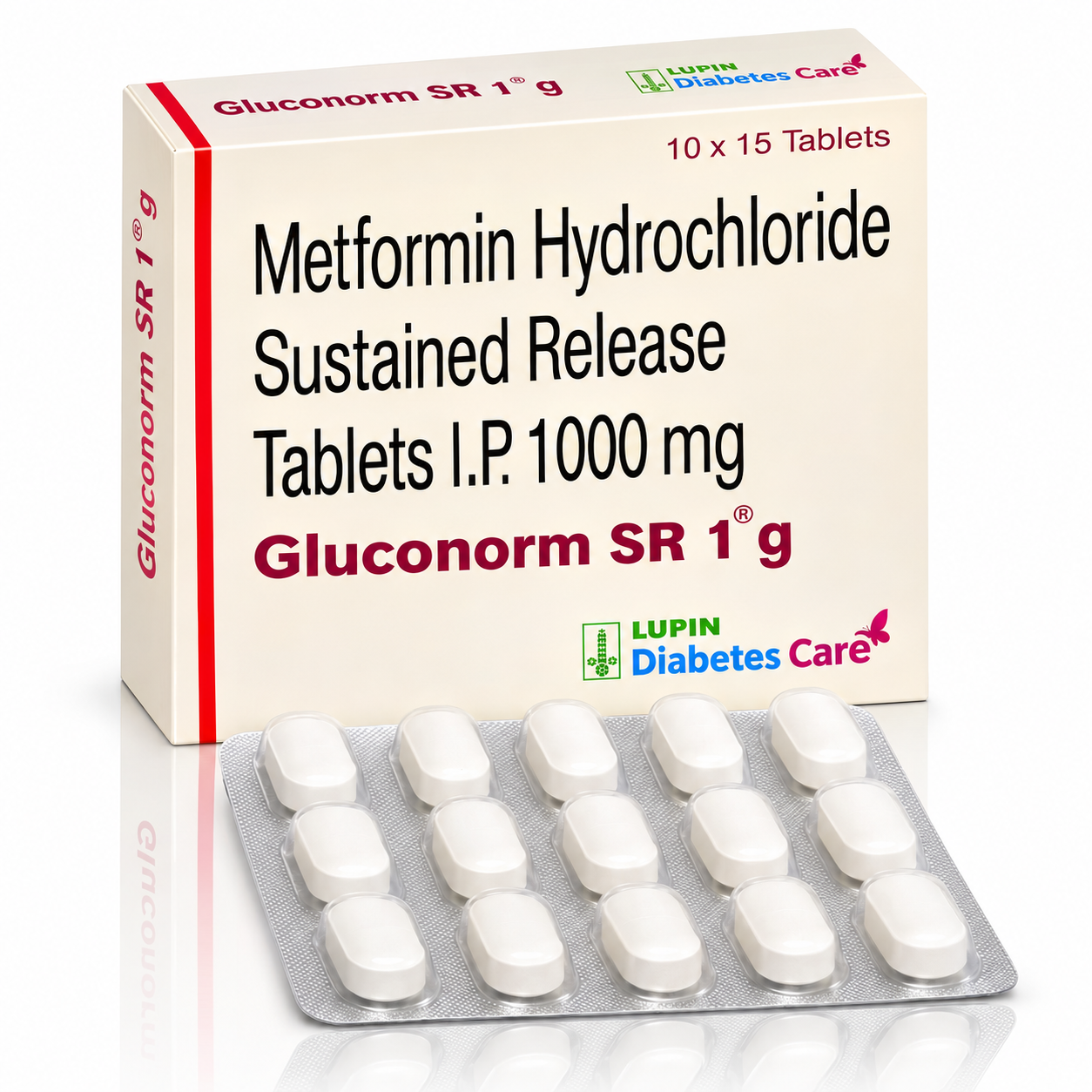
Gluconorm-SR 1 GM Tablet
Starting at just $0.91
$0.14 / unit
| Pack Size | Price | Price / Unit | Quantity | Action |
|---|---|---|---|---|
| 180 Tablets | $24.66 | $0.14/unit | ||
| 150 Tablets | $20.55 | $0.14/unit | ||
| 120 Tablets | $16.44 | $0.14/unit | ||
| 90 Tablets | $12.33 | $0.14/unit | ||
| 60 Tablets | $8.22 | $0.14/unit | ||
| 30 Tablets | $4.11 | $0.14/unit |
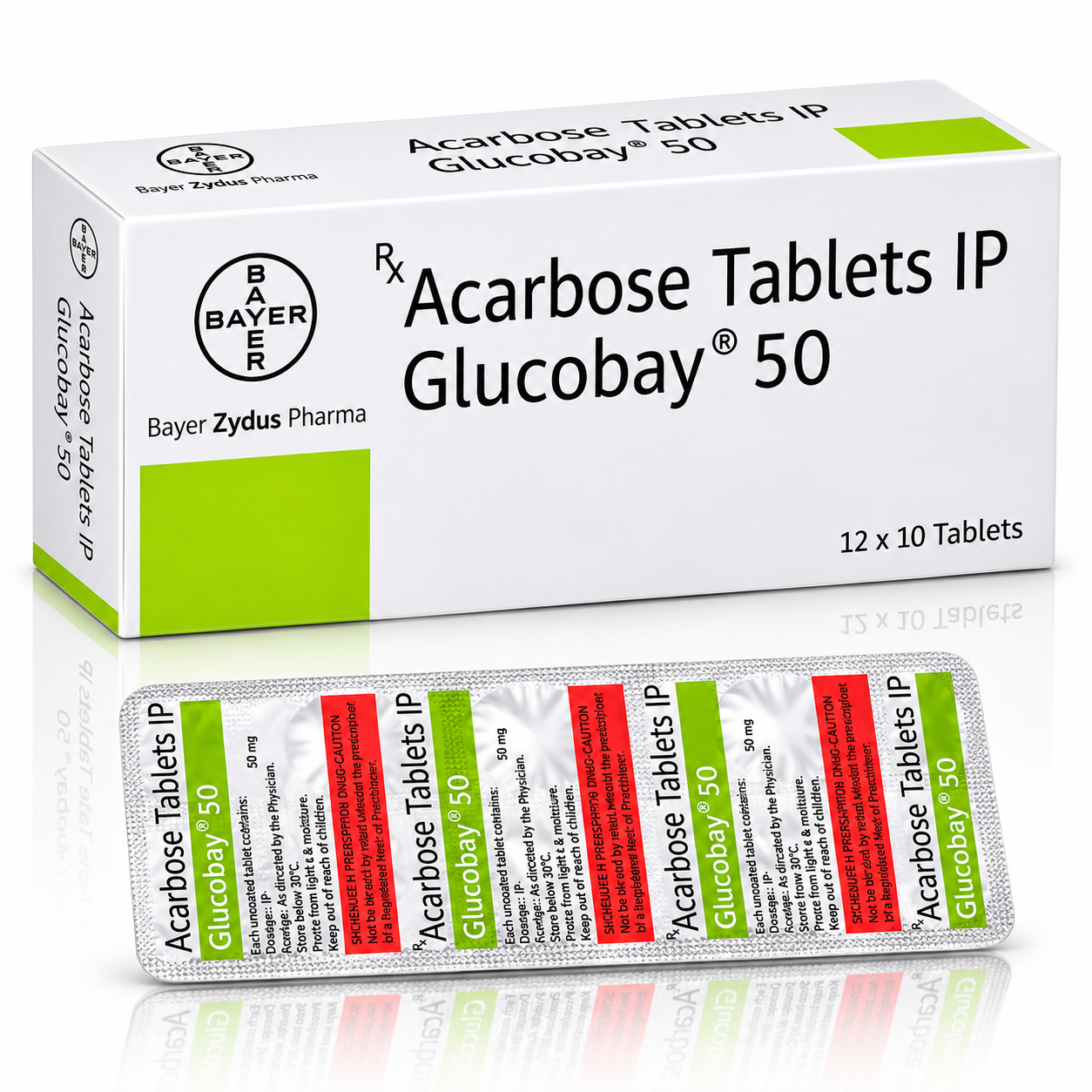
Brand Name: Glucobay 50 mg Tablet
Generic Name: Acarbose
Strength: 50 mg
Dosage Form: Oral Tablet
Therapeutic Class: Oral Antidiabetic Agent / Alpha-Glucosidase Inhibitor
Manufacturer/Marketer: Bayer Zydus Pharma Pvt. Ltd.
Country of Origin: India
ACARBOSE is an oral antidiabetic medicine used to help control blood sugar levels in adults with type 2 diabetes mellitus. It belongs to a class of medicines called alpha-glucosidase inhibitors.
Glucobay 50 mg Tablet is particularly useful for reducing the rise in blood glucose that occurs after eating carbohydrate-containing meals.
Unlike certain other diabetes medicines, acarbose does not directly stimulate the pancreas to produce insulin.
Instead, it works primarily in the small intestine by inhibiting enzymes involved in breaking down complex carbohydrates and certain sugars into absorbable glucose.
This slows carbohydrate digestion and glucose absorption, helping reduce post-meal blood sugar spikes.
Glucobay 50 mg Tablet may be prescribed for:
Type 2 Diabetes Mellitus: Helps improve blood glucose control in adults with type 2 diabetes.
Postprandial Hyperglycemia: Helps reduce the increase in blood glucose after meals.
Inadequate Glycemic Control: May be prescribed when diet, exercise, or existing diabetes medicines do not provide sufficient blood sugar control.
Combination Diabetes Therapy: May be used alongside metformin, sulfonylureas, insulin, or other glucose-lowering medicines when clinically appropriate.
Long-Term Diabetes Management: Helps maintain glycemic control as part of an individualized diabetes treatment plan.
Improvement in HbA1c: May contribute to a reduction in glycated hemoglobin levels when used consistently with appropriate diet and treatment.
Maintaining blood glucose levels within an appropriate target range can help reduce the risk of diabetes-related complications affecting the eyes, kidneys, and nerves.
How Acarbose Works:
After a carbohydrate-containing meal, digestive enzymes normally break down starches and certain sugars into smaller molecules that can be absorbed into the bloodstream.
Acarbose inhibits intestinal alpha-glucosidase enzymes, delaying the breakdown of these carbohydrates.
As a result, glucose enters the bloodstream more gradually, reducing the sharp rise in blood sugar after eating.
Because acarbose acts primarily within the digestive tract, gastrointestinal effects such as gas and bloating are relatively common.
Important: Glucobay 50 mg Tablet contains only Acarbose 50 mg. It does not contain metformin and should not be confused with Glucobay-M combination tablets.
This medicine is not indicated for type 1 diabetes or the treatment of diabetic ketoacidosis.
It helps manage diabetes but does not cure the underlying condition.
This medicine is for oral use only.
They need to know if you have any of these conditions:
kidney disease or significantly impaired kidney function
liver disease or abnormal liver function tests
liver cirrhosis
type 1 diabetes
diabetic ketoacidosis
history of severe hypoglycemia
inflammatory bowel disease
Crohn's disease or ulcerative colitis
intestinal ulcers
intestinal obstruction or a history of bowel obstruction
partial intestinal obstruction
chronic intestinal disorders associated with digestion or absorption problems
conditions associated with excessive intestinal gas formation
significant abdominal hernias that may be aggravated by increased intestinal gas
persistent diarrhea
chronic abdominal pain or severe bloating
severe gastrointestinal disorders
malnutrition or poor nutritional intake
dehydration or persistent vomiting
history of digestive enzyme deficiencies
severe infections or recent serious illness
upcoming surgery or prolonged fasting
currently taking insulin or other diabetes medicines
history of allergic reactions to acarbose
an unusual or allergic reaction to other medicines, foods, dyes, or preservatives
pregnant or planning to become pregnant
breast-feeding
Important: Acarbose is contraindicated in patients with certain chronic intestinal diseases, intestinal obstruction, and severe liver impairment. Patients with significant kidney dysfunction may also be unsuitable for treatment.
This medicine is for oral use only.
Take Glucobay 50 mg Tablet exactly as prescribed by your healthcare provider.
Glucobay should be taken immediately before a main meal or with the first mouthfuls of food.
The tablet may be swallowed whole with a little water immediately before eating or chewed with the first few mouthfuls of the meal, according to the approved product instructions.
Taking acarbose at the correct time is important because it acts on carbohydrates within the digestive tract.
For Regular Use:
Take the prescribed dose with the appropriate main meals.
If your healthcare provider prescribes the medicine three times daily, this typically means taking it with breakfast, lunch, and dinner.
Do not automatically take three doses daily unless this is your prescribed regimen.
The dose and frequency depend on your blood glucose levels, gastrointestinal tolerance, other diabetes medicines, and individual response.
Healthcare providers often begin treatment with a low dose and increase it gradually to minimize digestive discomfort.
Glucobay 50 mg Tablet contains 50 mg of acarbose per tablet.
Do not increase the dose or take the medicine more frequently than prescribed.
With Meals:
Acarbose is effective when taken with carbohydrate-containing meals.
Taking the medicine long after finishing a meal may reduce its effectiveness.
If you skip a meal, do not take the corresponding meal-related dose unless your healthcare provider has instructed otherwise.
Continue following a balanced diet and recommended diabetes meal plan.
Avoid excessive consumption of sugar-rich foods because this may worsen abdominal discomfort, gas, or diarrhea during acarbose treatment.
Blood Glucose Monitoring:
Monitor your blood glucose levels according to your healthcare provider's instructions.
Your healthcare provider may assess fasting blood glucose, post-meal blood glucose, and HbA1c.
Overdosage: Taking excessive acarbose, particularly with carbohydrate-containing food or drinks, may cause significant flatulence, abdominal discomfort, and diarrhea. If an overdose occurs, contact a healthcare professional or poison control center. The patient may be instructed to avoid carbohydrate-containing foods and beverages for several hours, depending on the circumstances.
NOTE: This medicine is only for you. Do not share this medicine with others.
If you forget to take Glucobay 50 mg Tablet before a meal and have already finished eating, generally skip the missed dose.
Do not take an extra tablet between meals to make up for a missed dose.
Take your next prescribed dose with the next appropriate main meal.
Do not take two doses together.
Because acarbose works by slowing carbohydrate digestion during meals, taking it after digestion is already underway may provide less benefit.
If you frequently miss doses, consult your healthcare provider about how to improve adherence to your treatment schedule.
insulin
sulfonylureas such as glimepiride, gliclazide, and glipizide
metformin and other antidiabetic medicines
digoxin
cholestyramine
intestinal adsorbents such as activated charcoal
digestive enzyme preparations containing amylase or pancreatin
corticosteroids such as prednisone and prednisolone
diuretics such as hydrochlorothiazide
thyroid hormone medicines
estrogen-containing medicines
oral contraceptives
phenytoin
nicotinic acid
sympathomimetic medicines
isoniazid
other medicines that increase or decrease blood glucose levels
Insulin and Sulfonylureas: Acarbose alone usually has a low risk of hypoglycemia. However, combining it with insulin or insulin-releasing medicines may increase the risk of low blood sugar.
Metformin: Acarbose may be prescribed with metformin for additional blood glucose control. Gastrointestinal effects may be more troublesome in some patients.
Digoxin: Acarbose may alter digoxin absorption or blood concentrations. Monitoring or dosage adjustments may be necessary.
Cholestyramine: May affect the action of acarbose and is generally not recommended for use together without medical supervision.
Digestive Enzyme Preparations: Products containing carbohydrate-digesting enzymes may reduce the effectiveness of acarbose.
Intestinal Adsorbents: Activated charcoal and similar substances may interfere with treatment.
Corticosteroids and Diuretics: Certain medicines may increase blood glucose levels and make diabetes more difficult to control.
Thyroid Hormones and Other Medicines: Some medications affect glucose metabolism and may require closer monitoring.
Important Interaction With Sugar: Acarbose slows the breakdown of sucrose (ordinary table sugar). If hypoglycemia occurs while taking acarbose with insulin or sulfonylureas, use pure glucose (dextrose) rather than relying on table sugar for rapid correction.
This list may not describe all possible interactions. Inform your healthcare provider about all prescription medicines, over-the-counter medicines, herbal products, supplements, and other medications you use.
Use Glucobay 50 mg Tablet regularly as directed by your healthcare provider.
This medicine helps manage post-meal blood glucose levels in adults with type 2 diabetes. Your healthcare provider may monitor fasting blood glucose, postprandial blood glucose, HbA1c, liver function, and other relevant health indicators.
Post-Meal Blood Sugar Control: Acarbose primarily helps reduce blood sugar increases after carbohydrate-containing meals. Taking it at the correct time is essential for treatment effectiveness.
Gastrointestinal Side Effects: Flatulence, abdominal bloating, and diarrhea are among the most common adverse effects. They are often more noticeable when treatment begins or the dose is increased.
Dietary Habits: Consuming large amounts of sucrose or other fermentable carbohydrates may worsen intestinal gas, abdominal discomfort, and diarrhea.
Liver Function: Acarbose can cause elevations in liver enzymes. Your healthcare provider may recommend monitoring liver function, particularly during the first 6–12 months of treatment.
Hypoglycemia: Acarbose alone generally does not cause low blood sugar because it does not directly stimulate insulin secretion. However, hypoglycemia may occur when it is combined with insulin or sulfonylureas.
Symptoms may include sweating, shaking, dizziness, hunger, confusion, blurred vision, and a rapid heartbeat.
Treatment of Low Blood Sugar: If your blood glucose is below 70 mg/dL and you are awake and able to swallow, take approximately 15 grams of pure glucose (dextrose) and recheck your blood glucose after 15 minutes. Repeat if necessary.
Ordinary table sugar (sucrose) may not work quickly enough because acarbose delays its breakdown. Keep glucose tablets or glucose gel available if you also take medicines that can cause hypoglycemia.
Severe hypoglycemia involving unconsciousness, seizures, or inability to swallow requires emergency treatment. Never give food or liquids by mouth to an unconscious person.
Kidney Function: Acarbose is generally not recommended in significant renal impairment because there is limited clinical experience and systemic exposure may increase.
Intestinal Disorders: Patients with inflammatory bowel disease, intestinal obstruction, or certain chronic digestive disorders should not use acarbose because intestinal gas formation may aggravate these conditions.
Persistent Abdominal Symptoms: Severe or persistent abdominal pain, vomiting, marked abdominal swelling, or inability to pass stool or gas requires prompt medical evaluation.
Liver Disease: Patients with severe hepatic impairment, including cirrhosis, should not use this medicine.
Blood Glucose Monitoring: Regular blood glucose testing helps assess the effectiveness of treatment and whether dosage adjustments are necessary.
Combination Therapy: When acarbose is prescribed alongside insulin, sulfonylureas, or other antidiabetic medicines, your healthcare provider may need to adjust the treatment regimen.
Pregnancy and Breast-feeding: Acarbose is generally not recommended during pregnancy or breastfeeding because safety information is limited. Your healthcare provider may recommend an alternative treatment.
Driving and Machinery: Acarbose alone is unlikely to impair driving through hypoglycemia, but caution is required if it is combined with insulin or other medicines that can lower blood sugar.
If your blood glucose remains uncontrolled or you develop persistent gastrointestinal symptoms, consult your healthcare provider.
Important: Acarbose works best when taken consistently at mealtimes alongside an appropriate diabetes management plan.
severe allergic reactions, including rash, hives, or facial swelling
difficulty breathing or swelling of the lips, tongue, or throat
severe or persistent abdominal pain
significant abdominal swelling or distension
persistent vomiting
severe diarrhea causing dehydration
yellowing of the skin or eyes
dark urine or other signs of liver problems
unusual weakness associated with possible liver dysfunction
severe or persistent elevations in liver enzymes
symptoms of intestinal obstruction
inability to pass stool or gas with abdominal swelling
severe hypoglycemia when combined with other diabetes medicines
confusion, seizures, or loss of consciousness associated with low blood sugar
severe skin reactions
signs of serious intestinal complications
flatulence or increased intestinal gas
abdominal bloating
mild abdominal discomfort
diarrhea
soft or loose stools
stomach rumbling
a feeling of abdominal fullness
mild nausea
indigestion
temporary changes in bowel movements
Flatulence and diarrhea are particularly common during the early stages of treatment.
These symptoms may improve as the body adjusts to the medicine and the prescribed dietary plan is followed.
The frequency and severity of gastrointestinal effects depend on dosage, dietary carbohydrate intake, and individual tolerance.
This list may not describe all possible side effects.
Keep out of the reach of children.
Store Glucobay 50 mg Tablet according to the temperature instructions printed on the original packaging.
Protect the medicine from excessive heat, moisture, and direct sunlight.
Keep the tablets in their original blister packaging until use.
Avoid storing the medicine in bathrooms or areas exposed to excessive humidity.
Do not freeze.
Keep the medicine in a secure location to prevent accidental ingestion.
Do not use the tablets if the packaging is damaged or the medicine has changed noticeably in appearance.
Do not use after the expiration date printed on the package.
Dispose of unused or expired tablets according to local pharmaceutical disposal guidance.
Storage Note: Temperature and humidity requirements can vary between country-specific Glucobay presentations. Follow the directions on the Indian-market carton rather than assuming that another country's storage instructions apply.
Field | Information |
|---|---|
Brand Name | Glucobay 50 mg Tablet |
Generic Name | Acarbose |
Strength | 50 mg |
Dosage Form | Oral Tablet |
Pack Size | Strip of 10 Tablets (Indian retail presentation) |
Therapeutic Class | Oral Antidiabetic Agent / Alpha-Glucosidase Inhibitor |
Indication | Type 2 Diabetes Mellitus, Postprandial Hyperglycemia, Improvement of Glycemic Control |
Active Ingredient | Acarbose 50 mg |
Manufacturer/Marketer | Bayer Zydus Pharma Pvt. Ltd. |
Brand Association | Bayer |
Prescription Status | Prescription Only Medicine |
Route of Administration | Oral |
Recommended Administration | Immediately before meals or with the first mouthfuls of food |
Storage | Follow product labeling; protect from excessive heat and moisture |
Country of Origin | India for the listed domestic-market presentation; verify pack |
Starting at just $0.91
Starting at just $0.07
Starting at just $0.14
Starting at just $0.02
Starting at just $0.14