Ivermel 6 MG Tablet
$0.68 / unit
Available Options
| Pack Size | Price | Price / Unit | Quantity | Action |
|---|---|---|---|---|
| 60 Tablets | $40.80 | $0.68/unit | ||
| 50 Tablets | $34.00 | $0.68/unit | ||
| 40 Tablets | $27.20 | $0.68/unit | ||
| 30 Tablets | $20.40 | $0.68/unit | ||
| 20 Tablets | $13.60 | $0.68/unit | ||
| 10 Tablets | $6.80 | $0.68/unit |
Product Description
What Is This Medicine?
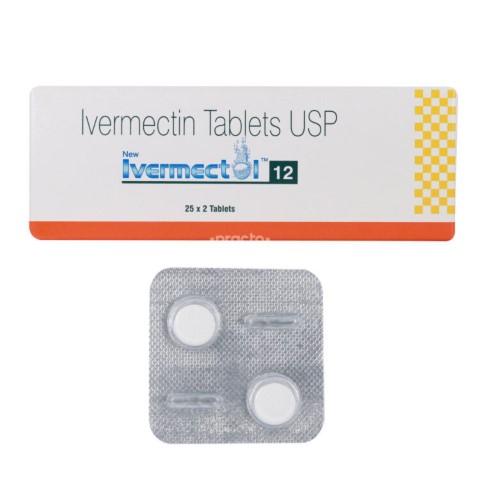
IVERMEL 6 MG TABLET contains Ivermectin 6 mg , a prescription antiparasitic / anthelmintic medicine . Current product information identifies Ivermel 6 as: Brand Name: Ivermel Generic Name: Ivermectin Strength: 6 mg Dosage Form: Oral Tablet Therapeutic Class: Antiparasitic / Anthelmintic Manufacturer/Marketer: Zee Laboratories Ltd Common Pack Size: Strip of 4 tablets Route: Oral Country of Origin: India Prescription Status: Prescription medicine Current pharmacy records list Ivermel 6 mg Tablet – Ivermectin 6 mg – Zee Laboratories Ltd , commonly in a strip of four tablets. Ivermectin belongs to a group of antiparasitic medicines called macrocyclic lactones . It acts on susceptible parasites by interfering with their nerve and muscle function, resulting in paralysis and death of the parasite . Established oral ivermectin indications include: intestinal strongyloidiasis caused by Strongyloides stercoralis onchocerciasis caused by Onchocerca volvulus For onchocerciasis, ivermectin kills developing microfilariae but does not kill the adult worms , so follow-up and sometimes repeat treatment are required. Ivermectin may also be used by healthcare professionals for other parasitic conditions, depending on local medical guidelines, such as: scabies certain lice infestations selected other roundworm infections These uses may be off-label or jurisdiction-dependent , so the exact indication and dosage should be determined by a healthcare professional. Important: Ivermectin does not treat bacterial or viral infections and should not be used without an appropriate antiparasitic indication.
What Should I Tell My Health Care Provider Before I Take This Medicine?
Tell your healthcare provider if you have: allergy to ivermectin previous serious reaction to ivermectin
- liver disease significant neurological disease seizure disorder severe weakness or balance problems immune-system problems HIV or another condition affecting immunity another parasitic infection suspected or confirmed Loa loa infection history of living in or travelling extensively in parts of West or Central Africa where Loa loa occurs pregnancy or plans to become pregnant
- breastfeeding Also tell your healthcare provider about all medicines you take, especially:
- warfarin other anticoagulants medicines that can cause significant sedation other antiparasitic medicines herbal medicines or supplements MedlinePlus specifically advises patients to disclose immune-system disorders, pregnancy,
- breastfeeding and exposure to regions where loiasis is common before taking ivermectin. Loa loa warning An important ivermectin safety issue involves people heavily infected with Loa loa , particularly after significant exposure in parts of West and Central Africa. Rarely, treatment can be associated with severe neurological reactions including: confusion difficulty walking or standing seizures altered consciousness stupor coma People with substantial exposure to Loa loa-endemic regions may require assessment for loiasis before ivermectin treatment . Pregnancy Tell your healthcare provider if you are pregnant or planning pregnancy. Adequate controlled human pregnancy studies are limited. Established labeling states that ivermectin should be used during pregnancy only after appropriate medical consideration because safety has not been firmly established.
- Breastfeeding Tell your healthcare provider if you are
- breastfeeding. Ivermectin can pass into breast milk, so treatment should be based on a healthcare professional's assessment of the benefits and potential risks.
How Should I Use This Medicine?
Take IVERMEL 6 MG TABLET exactly as prescribed by your healthcare professional . Oral ivermectin is generally taken: on an empty stomach with water according to a weight-based dose often as a single dose for certain infections Important: 6 mg is the tablet strength, not a universal dose The correct ivermectin dose depends on: body weight the parasite being treated severity of infection immune status treatment history local clinical guidelines Do not assume that one 6 mg tablet is the correct dose for every patient. Strongyloidiasis Established oral ivermectin prescribing information uses approximately: 200 micrograms/kg as a single oral dose for intestinal strongyloidiasis. For a 6 mg tablet presentation, established dosing tables correspond approximately to: 15–24 kg: ½ tablet 25–35 kg: 1 tablet 36–50 kg: 1½ tablets 51–65 kg: 2 tablets 66–79 kg: 2½ tablets 80 kg or more: calculate approximately 200 micrograms/kg These figures come from general regulated ivermectin prescribing information and are not instructions to self-treat with Ivermel . After treatment for strongyloidiasis, follow-up stool examinations may be required to confirm that the infection has been eradicated. Onchocerciasis Established prescribing information uses approximately: 150 micrograms/kg as a single oral dose for onchocerciasis. A 6 mg tablet dosing table includes approximately: 15–24 kg: ½ tablet 26–44 kg: 1 tablet 45–64 kg: 1½ tablets 65–84 kg: 2 tablets 85 kg or more: calculate approximately 150 micrograms/kg Repeat treatment may be required because ivermectin does not kill adult Onchocerca worms. Scabies and lice Ivermectin may be used for certain cases of: scabies head lice pubic lice but the dosing schedule varies and may be off-label depending on jurisdiction. Do not use a dose intended for strongyloidiasis automatically for scabies or another parasite. Important administration points Swallow the prescribed amount with water. Take it on an empty stomach unless your doctor gives different instructions. Do not take additional tablets because symptoms have not improved immediately. Do not repeat a dose unless instructed. Do not take veterinary ivermectin products. Do not use another person's ivermectin prescription. FDA and MedlinePlus specifically warn that animal ivermectin products must not be substituted for human medicines .
What If I Miss A Dose?
Ivermectin is often prescribed as a single-dose treatment , so traditional daily missed-dose instructions may not apply. If you were supposed to take Ivermel and missed the scheduled dose: contact your healthcare professional or pharmacist for advice take it according to the prescribed treatment plan do not double the dose do not take extra tablets to compensate do not repeat treatment without medical advice MedlinePlus advises patients who miss a prescribed ivermectin dose to contact their healthcare professional because it is frequently given as a single treatment dose.
What May Interact With This Medicine?
Tell your healthcare provider about all medicines, vitamins, supplements and herbal products you use.
- Warfarin A clinically relevant interaction has been reported between ivermectin and
- warfarin . Rare postmarketing reports describe increased INR when ivermectin and
- warfarin were taken together. If you take
- warfarin, your healthcare professional may consider closer monitoring of: INR unusual bruising bleeding gums blood in urine or stool other abnormal bleeding Other medicines Specific interaction data for ivermectin are less extensive than for many long-term medicines. Tell your healthcare provider if you use: other antiparasitic medicines anticoagulants medicines affecting the central nervous system prescription medicines non-prescription medicines herbal products nutritional supplements Do not combine antiparasitic drugs simply because they are used for similar infections.
What Should I Watch For While Using This Medicine?
Neurological symptoms Rare but serious neurological reactions have been reported with ivermectin. Seek urgent medical attention for: severe confusion disorientation unusual
- drowsiness difficulty standing or walking seizures loss of consciousness stupor coma Current ivermectin labeling includes postmarketing reports of neurotoxicity , including altered consciousness, confusion, disorientation and rare deaths. Severe skin reactions Rare serious skin reactions have been reported, including: Stevens-Johnson syndrome toxic epidermal necrolysis Seek immediate medical attention if you develop: widespread rash skin blistering skin peeling sores in the mouth eye inflammation fever associated with severe rash Liver problems Rare reports include: hepatitis elevated liver enzymes elevated bilirubin Contact your healthcare professional if you develop: yellowing of the skin or eyes dark urine severe abdominal discomfort persistent
- nausea unusual
- fatigue Low blood pressure Ivermectin can occasionally cause orthostatic hypotension , meaning blood pressure falls when standing. This can cause:
- dizziness light-headedness fainting Rise slowly from sitting or lying positions if you feel dizzy. Onchocerciasis treatment reactions When ivermectin kills Onchocerca microfilariae, an inflammatory reaction may occur. Possible symptoms include: fever itching rash swelling joint or muscle pain swollen lymph nodes rapid heartbeat eye irritation eye swelling These reactions may reflect the body's response to dying parasites rather than direct drug toxicity. Follow-up for strongyloidiasis After treatment of strongyloidiasis, your healthcare provider may request repeated stool examinations to ensure the parasite has been cleared. COVID-19 warning Ivermectin should not be used to prevent or treat COVID-19 unless specifically recommended within an appropriate evidence-based clinical or research setting . The human antiparasitic indications for ivermectin should not be confused with unapproved antiviral use. MedlinePlus/FDA warn against self-treatment and particularly against taking veterinary formulations.
What Side Effects May I Notice From This Medicine?
Side effects that you should report to your doctor or healthcare professional as soon as possible: severe rash blistering or peeling skin hives facial or throat swelling difficulty breathing severe confusion extreme
- drowsiness difficulty walking seizure loss of consciousness yellowing of the skin or eyes severe
- dizziness or fainting significant vision changes severe eye pain serious neurological symptoms Side effects that usually do not require immediate medical attention but should be reported if they continue or are bothersome:
- dizziness
- nausea
- vomiting stomach pain abdominal bloating diarrhea constipation reduced appetite weakness
- headache itching mild rash tremor chest discomfort MedlinePlus lists
- dizziness, reduced appetite,
- nausea,
- vomiting, abdominal discomfort, diarrhea, constipation, weakness and tremor among reported ivermectin effects. In patients being treated for onchocerciasis, additional reactions may include: swelling of the face or limbs joint pain swollen lymph nodes rapid heartbeat fever eye redness eye pain eyelid swelling This list may not describe every possible side effect.
Where Should I Keep My Medicine?
Keep IVERMEL 6 MG TABLETS out of the reach of children. Current Indian listings for Ivermel specify: Store below 30°C. Keep the tablets: in their original blister and carton in a dry place protected from excessive heat protected from moisture protected from direct sunlight For comparison, regulated ivermectin products commonly recommend controlled room-temperature storage at approximately: 20°C–25°C with permitted excursions between: 15°C–30°C. Do not use tablets if: the blister is damaged the packaging appears tampered with tablets have changed appearance the expiration date has passed Do not share ivermectin with another person. Never substitute an animal ivermectin formulation for a human prescription product.