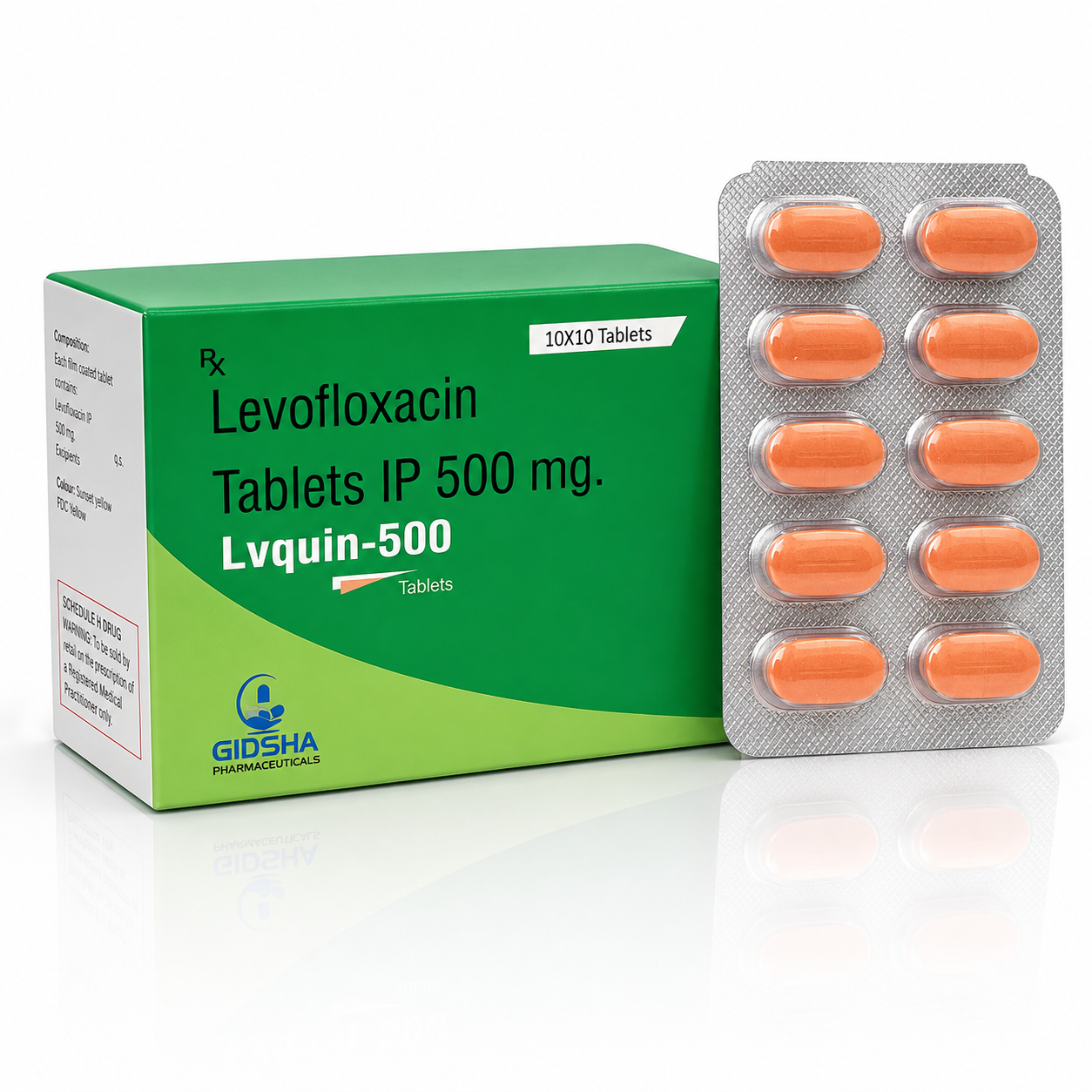
Lvquin 500 MG Tablet
$0.18 / unit
Available Options
| Pack Size | Price | Price / Unit | Quantity | Action |
|---|---|---|---|---|
| 180 Tablets | $33.12 | $0.18/unit | ||
| 150 Tablets | $27.60 | $0.18/unit | ||
| 120 Tablets | $22.08 | $0.18/unit | ||
| 90 Tablets | $16.56 | $0.18/unit | ||
| 60 Tablets | $11.04 | $0.18/unit | ||
| 30 Tablets | $5.52 | $0.18/unit |
Product Description
What Is This Medicine?
L VQUIN 500 MG TABLET contains Levofloxacin 500 mg , a prescription fluoroquinolone antibiotic used to treat certain bacterial infections. Current product listings identify LVQUIN 500 as: Active Ingredient: Levofloxacin Strength: 500 mg Dosage Form: Film-coated tablet Common Pack: 10 tablets per strip Manufacturer/Marketer: Gidsha Pharmaceuticals Country of Origin: India Current listings specifically describe the composition as Levofloxacin Hemihydrate IP equivalent to Levofloxacin 500 mg . Levofloxacin belongs to a group of antibiotics called fluoroquinolones . It works by inhibiting bacterial enzymes involved in DNA replication and repair, preventing susceptible bacteria from multiplying and helping clear the infection. Levofloxacin has established uses for selected bacterial infections including: community-acquired pneumonia certain hospital-acquired pneumonias complicated and uncomplicated skin infections complicated urinary tract infections acute pyelonephritis chronic bacterial prostatitis certain cases of acute bacterial sinusitis certain bacterial exacerbations of chronic bronchitis inhalational anthrax after exposure plague treatment or prevention in appropriate circumstances The exact indication depends on the bacteria involved, local antibiotic-resistance patterns, and the patient's clinical condition. Important: Levofloxacin does not treat viral infections such as colds or influenza. Because fluoroquinolones can cause potentially serious adverse reactions, current prescribing information recommends reserving levofloxacin for some relatively uncomplicated infections, such as uncomplicated urinary tract infection, acute bacterial sinusitis, and acute bacterial exacerbation of chronic bronchitis, when suitable alternative treatments are not available.
What Should I Tell My Health Care Provider Before I Take This Medicine?
Tell your healthcare provider if you have any of these conditions: allergy to levofloxacin allergy to ciprofloxacin, moxifloxacin, ofloxacin, or another fluoroquinolone previous serious reaction to a fluoroquinolone antibiotic history of tendon problems tendon rupture rheumatoid arthritis or another tendon/joint disorder
- kidney disease previous kidney, heart, or lung transplant myasthenia gravis epilepsy or seizure disorder other neurological disorders peripheral neuropathy
- diabetes low blood sugar episodes heart-rhythm disorder prolonged QT interval low potassium low magnesium history of an aortic aneurysm aortic dissection significant vascular disease high blood pressure
- liver disease history of severe antibiotic-associated diarrhea if you take corticosteroids such as prednisone if you take
- warfarin if you take medicines for
- diabetes if you take medicines that affect heart rhythm if you are pregnant or planning pregnancy if you are
- breastfeeding Tendon warning Levofloxacin can increase the risk of tendinitis and tendon rupture , including rupture of the Achilles tendon. The risk is greater in some people, particularly: adults over 60 years people taking corticosteroids organ-transplant recipients people with
- kidney disease people with previous tendon disorders Tendon injury can occur during treatment or even months after the antibiotic has been stopped . Myasthenia gravis warning Fluoroquinolones can worsen muscle weakness in people with myasthenia gravis . Levofloxacin should generally be avoided in patients with a known history of this condition.
How Should I Use This Medicine?
Take LVQUIN 500 MG TABLET exactly as prescribed by your healthcare professional . Levofloxacin dosing varies according to: the infection being treated severity of infection kidney function age bacterial susceptibility other medical conditions In adults with normal kidney function, established levofloxacin regimens use doses of 250 mg, 500 mg, or 750 mg generally once every 24 hours , with treatment duration depending on the infection. Examples from established prescribing information include: Community-acquired pneumonia: 500 mg every 24 hours for certain 7–14 day regimens Uncomplicated skin and skin-structure infections: 500 mg every 24 hours for 7–10 days Chronic bacterial prostatitis: 500 mg every 24 hours for 28 days These are examples from general levofloxacin prescribing information and are not instructions to self-treat . For proper use: swallow the tablet with water tablets may be taken with or without food take each dose at approximately the same time each day drink adequate fluids during treatment take only the dose prescribed complete the prescribed treatment unless your healthcare professional tells you to stop or a serious adverse reaction develops do not use leftover antibiotics for another illness do not share antibiotics with another person Levofloxacin should be separated by at least 2 hours from certain products containing: magnesium aluminum iron zinc sucralfate because these can reduce absorption of levofloxacin. Kidney impairment Levofloxacin is cleared substantially through the kidneys. Patients with a creatinine clearance below 50 mL/minute generally require dose adjustment to prevent excessive accumulation of the medicine.
What If I Miss A Dose?
If you miss a dose of LVQUIN 500 MG TABLET : take it when you remember if there are at least approximately 8 hours before your next scheduled dose if less than 8 hours remain before the next dose, skip the missed dose take the next dose at the usual time do not take two doses together do not take extra tablets to compensate Current MedlinePlus guidance specifically recommends avoiding a double dose.
What May Interact With This Medicine?
Tell your healthcare provider if you take: magnesium-containing antacids aluminum-containing antacids sucralfate iron supplements zinc supplements multivitamins containing minerals
- warfarin insulin sulfonylureas or other
- diabetes medicines corticosteroids
- theophylline nonsteroidal anti-inflammatory drugs (NSAIDs) medicines that can prolong the QT interval quinidine procainamide amiodarone sotalol other antiarrhythmic medicines other antibiotics Antacids and minerals Magnesium, aluminum, iron, zinc, sucralfate and similar products can bind levofloxacin in the gastrointestinal tract and reduce its absorption. Take these products at least 2 hours before or 2 hours after levofloxacin . Heart-rhythm medicines Levofloxacin can prolong the QT interval . It should generally be avoided in patients taking certain Class IA or Class III antiarrhythmics, including: quinidine procainamide amiodarone sotalol unless a healthcare professional determines the benefits outweigh the risks.
- Diabetes medicines Fluoroquinolones can cause abnormalities in blood glucose, including: hypoglycemia hyperglycemia People taking insulin or oral
- diabetes medicines may require closer blood-glucose monitoring. This list may not describe all possible interactions. Give your healthcare provider a complete list of all prescription medicines, non-prescription medicines, vitamins, mineral supplements, and herbal products you use.
What Should I Watch For While Using This Medicine?
Levofloxacin has several important safety warnings. Seek medical attention promptly if you develop: tendon pain or swelling sudden tendon injury numbness tingling burning pain unusual weakness severe agitation or confusion hallucinations seizures severe
- dizziness fainting rapid or irregular heartbeat severe low blood sugar sudden severe chest, abdominal, or back pain severe allergic reaction severe or persistent diarrhea yellowing of the skin or eyes Tendinitis and tendon rupture Stop levofloxacin and seek medical advice if you develop: tendon pain swelling tenderness stiffness difficulty moving a joint If a tendon ruptures, you may notice a snap or pop , sudden bruising, or inability to put weight on the affected limb. Peripheral neuropathy Levofloxacin may cause potentially persistent or irreversible nerve damage. Stop the medicine and contact a healthcare professional promptly if you develop: burning tingling numbness pain unusual weakness altered sensation in the hands or feet Peripheral neuropathy can begin relatively soon after treatment starts. Central nervous system effects Fluoroquinolones can cause serious CNS reactions including: seizures tremors agitation anxiety confusion hallucinations insomnia other psychiatric or neurological symptoms Current levofloxacin labeling includes these CNS reactions among potentially disabling serious fluoroquinolone adverse effects. Aortic aneurysm and dissection Fluoroquinolones have been associated with an increased risk of aortic aneurysm or dissection , particularly in susceptible patients. Seek emergency medical attention for sudden severe: chest pain abdominal pain back pain especially if you have known aortic or vascular disease. Heart rhythm Levofloxacin may prolong the QT interval and has rarely been associated with torsades de pointes . Risk may be greater in people with: known QT prolongation low potassium certain heart-rhythm disorders certain antiarrhythmic medicines advanced age Severe diarrhea Antibiotics including levofloxacin can cause Clostridioides difficile-associated diarrhea . Seek medical advice for: persistent watery diarrhea bloody diarrhea severe abdominal cramps fever with diarrhea This problem can occur during treatment or even two months or more after antibiotics have been stopped . Antibiotic resistance Use levofloxacin only for bacterial infections that are proven or strongly suspected to involve susceptible organisms. Unnecessary or incomplete antibiotic treatment can contribute to antimicrobial resistance .
What Side Effects May I Notice From This Medicine?
Side effects that you should report to your doctor or healthcare professional as soon as possible: tendon pain or swelling tendon rupture numbness, tingling, burning, or weakness seizure severe confusion hallucinations severe anxiety or behavioral changes severe allergic reaction swelling of the face, lips, tongue, or throat difficulty breathing fainting rapid or irregular heartbeat severe blood-glucose changes severe watery or bloody diarrhea severe abdominal, chest, or back pain yellowing of the skin or eyes dark urine severe skin rash or blistering Fluoroquinolones including levofloxacin carry prominent warnings for tendinitis/tendon rupture, peripheral neuropathy, serious CNS effects, and worsening myasthenia gravis . Side effects that usually do not require immediate medical attention but should be reported if they continue or are bothersome:
- nausea
- vomiting diarrhea abdominal pain constipation heartburn
- headache
- dizziness difficulty sleeping vaginal itching or discharge
- Nausea,
- vomiting, diarrhea, stomach discomfort and constipation are among the recognized gastrointestinal effects of oral levofloxacin. This list may not describe all possible side effects.
Where Should I Keep My Medicine?
Keep LVQUIN 500 MG TABLETS out of the reach of children. Current LVQUIN product information instructs storage in a cool, dry and dark place . Protect the tablets from: excessive heat moisture direct sunlight damaged packaging Keep them in their original blister and carton. Do not use the tablets if: the blister is damaged the tablets have changed appearance the expiration date has passed product authenticity cannot be confirmed Do not keep leftover antibiotics for self-treatment of future infections. Do not share this medicine with another person.
Recommended Products
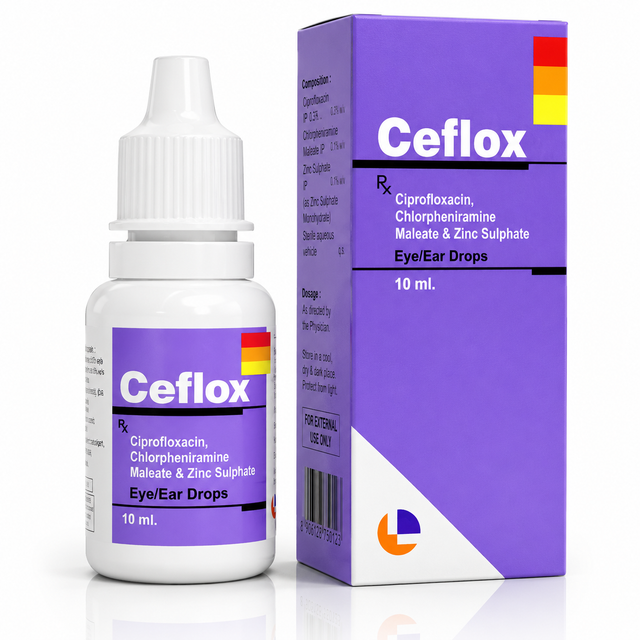
Ciprofloxacin + Zinc Sulphate + Chlorpheniramine Maleate
Ceflox Eye/Ear Drop 10 ML
Starting at just $0.70