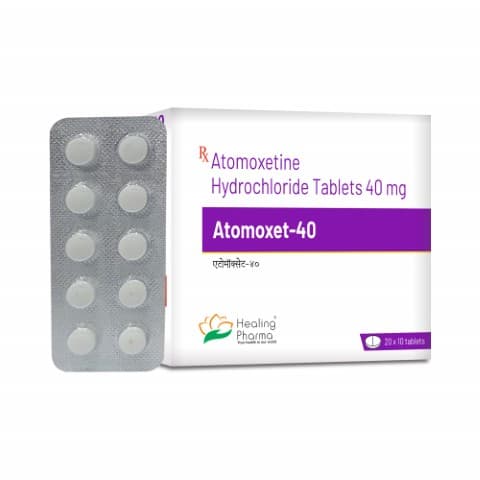
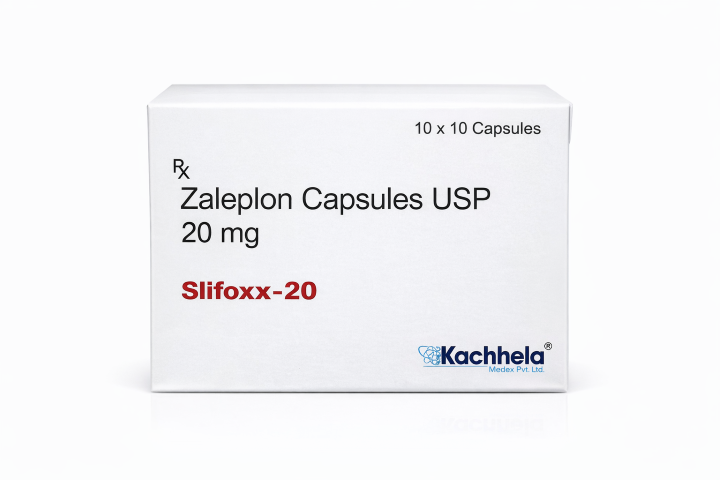
Slifoxx 20 MG Capsule
$0.50 / unit
Available Options
| Pack Size | Price | Price / Unit | Quantity | Action |
|---|---|---|---|---|
| 180 Capsules | $90.00 | $0.50/unit | ||
| 150 Capsules | $75.00 | $0.50/unit | ||
| 120 Capsules | $60.00 | $0.50/unit | ||
| 90 Capsules | $45.00 | $0.50/unit | ||
| 60 Capsules | $30.00 | $0.50/unit | ||
| 30 Capsules | $15.00 | $0.50/unit |
Product Description
What Is This Medicine?
SLIFOXX 20 MG CAPSULE contains Fluoxetine 20 mg , an antidepressant medicine belonging to a group called selective serotonin reuptake inhibitors (SSRIs) . Fluoxetine works by increasing the activity of serotonin, a natural chemical messenger in the brain that helps regulate mood, emotions, and behavior.
This medicine is commonly used for:
- major depressive disorder (depression) obsessive-compulsive disorder (OCD) panic disorder bulimia nervosa premenstrual dysphoric disorder (PMDD), when prescribed for this purpose certain other anxiety or mood-related conditions when considered appropriate by a doctor
What Should I Tell My Health Care Provider Before I Take This Medicine?
They need to know if you have any of these conditions: bipolar disorder or a history of mania depression with suicidal thoughts or behavior seizures or epilepsy
- liver disease
- kidney disease
- diabetes
- heart disease or abnormal heart rhythm low sodium levels in the blood bleeding or blood-clotting problems glaucoma if you are receiving electroconvulsive therapy (ECT) if you are taking monoamine oxidase inhibitors (MAOIs) if you are taking other
- antidepressants or medicines that increase serotonin an unusual or allergic reaction to fluoxetine, other medicines, foods, dyes, or preservatives pregnant or trying to get pregnant breast-feeding
How Should I Use This Medicine?
Take this medicine by mouth with a glass of water. It may generally be taken with or without food . Take the capsule exactly as prescribed by your doctor. Fluoxetine is commonly taken once daily, often in the morning, although your doctor will determine the appropriate schedule. Take your doses at regular intervals. Do not take more medicine or take it more often than directed. It may take several weeks before you experience the full benefit of treatment. Continue taking the medicine even if you do not notice an immediate improvement. Do not suddenly stop taking fluoxetine without consulting your doctor. Your doctor will determine how treatment should be discontinued when appropriate. Overdosage: If you think you have taken too much of this medicine, contact a poison control center, doctor, or emergency room at once. Symptoms may include
- nausea,
- vomiting, agitation, seizures, abnormal heartbeat, confusion, or loss of consciousness. NOTE: This medicine is only for you. Do not share this medicine with others.
What If I Miss A Dose?
If you miss a dose, take it as soon as you remember unless it is almost time for your next scheduled dose. If it is almost time for your next dose, skip the missed dose and continue with your regular schedule. Do not take double or extra doses.
What May Interact With This Medicine?
monoamine oxidase inhibitors (MAOIs) linezolid intravenous methylene blue thioridazine pimozide other
- antidepressants lithium tramadol triptans used for migraine buspirone St. John's wort tryptophan supplements medicines that affect heart rhythm aspirin NSAIDs such as ibuprofen or naproxen anticoagulants such as
- warfarin certain medicines used to treat seizures Some combinations can cause a serious condition called serotonin syndrome . Fluoxetine also remains in the body for a long time, so special waiting periods may be required when changing to or from certain medicines, particularly MAOIs. This list may not describe all possible interactions. Give your health care provider a complete list of all medicines, herbs, non-prescription drugs, vitamins, and dietary supplements you use. Also tell them if you drink alcohol or use recreational drugs.
What Should I Watch For While Using This Medicine?
Visit your doctor or health care professional regularly, especially during the first few months of treatment or after a dose change. Tell your doctor immediately if you or your family notice new or worsening depression, suicidal thoughts, unusual changes in behavior, severe anxiety, agitation, irritability, or restlessness . Younger patients may have an increased risk of suicidal thoughts and behavior when starting antidepressant treatment. Contact your doctor immediately if you develop agitation, hallucinations, confusion, fever, excessive sweating, shivering, fast heartbeat, severe muscle stiffness, tremor, loss of coordination,
- nausea,
- vomiting, or diarrhea. These may be symptoms of serotonin syndrome , which can be serious. Fluoxetine may occasionally cause
- dizziness or
- drowsiness. Do not drive or operate machinery until you know how this medicine affects you. Avoid or limit alcohol because it may increase unwanted effects. This medicine may increase the risk of bleeding, especially if taken with aspirin, NSAIDs, anticoagulants, or other medicines that affect blood clotting. Tell your doctor if you develop
- headache, confusion, weakness, difficulty concentrating, or seizures, as these may be symptoms of low sodium levels. Do not stop taking this medicine suddenly without medical advice.
What Side Effects May I Notice From This Medicine?
Side effects that you should report to your doctor or health care professional as soon as possible: suicidal thoughts or behavior severe changes in mood or behavior signs of serotonin syndrome such as agitation, fever, sweating, confusion, fast heartbeat, tremor, or muscle stiffness seizures unusual bleeding or bruising severe weakness or confusion abnormal or fast heartbeat severe allergic reactions swelling of the face, lips, tongue, or throat difficulty breathing or swallowing severe skin rash symptoms of mania such as unusually increased energy, reduced need for sleep, or risky behavior Side effects that usually do not require medical attention (report to your doctor or health care professional if they continue or are bothersome):
- nausea diarrhea indigestion
- headache difficulty sleeping nervousness or anxiety tiredness
- dizziness increased sweating dry mouth decreased appetite changes in sexual desire or performance This list may not describe all possible side effects.
Where Should I Keep My Medicine?
Keep out of the reach of children. Store at room temperature according to the storage instructions printed on the product packaging. Protect from excessive heat, light, and moisture. Keep the capsules in their original packaging until needed. Do not use this medicine after the expiration date printed on the package. Dispose of expired or unused medicine appropriately.