Erectile dysfunction (ED) is often thought of only as a sexual health problem. However, persistent difficulty getting or maintaining an erection can sometimes provide an important clue about a man's overall cardiovascular health.
The reason is simple: healthy erections depend on healthy blood vessels and good blood flow. Many of the same conditions that damage the arteries supplying the heart can also reduce blood flow to the penis.
In some men, erectile dysfunction may therefore appear before more obvious symptoms of cardiovascular disease, such as chest pain.
Current cardiovascular and sexual-medicine guidance recognizes ED as an important cardiovascular risk marker. The Princeton IV Consensus describes erectile dysfunction as a cardiovascular risk-enhancing factor, while European cardiovascular guidance notes that ED may precede coronary artery disease and other vascular disease by several years.
So, can erectile dysfunction be an early warning sign of heart disease?
Yes, it can—but not every case of ED is caused by heart disease. Understanding the connection can help men recognize when further medical evaluation may be worthwhile.
What Is Erectile Dysfunction?
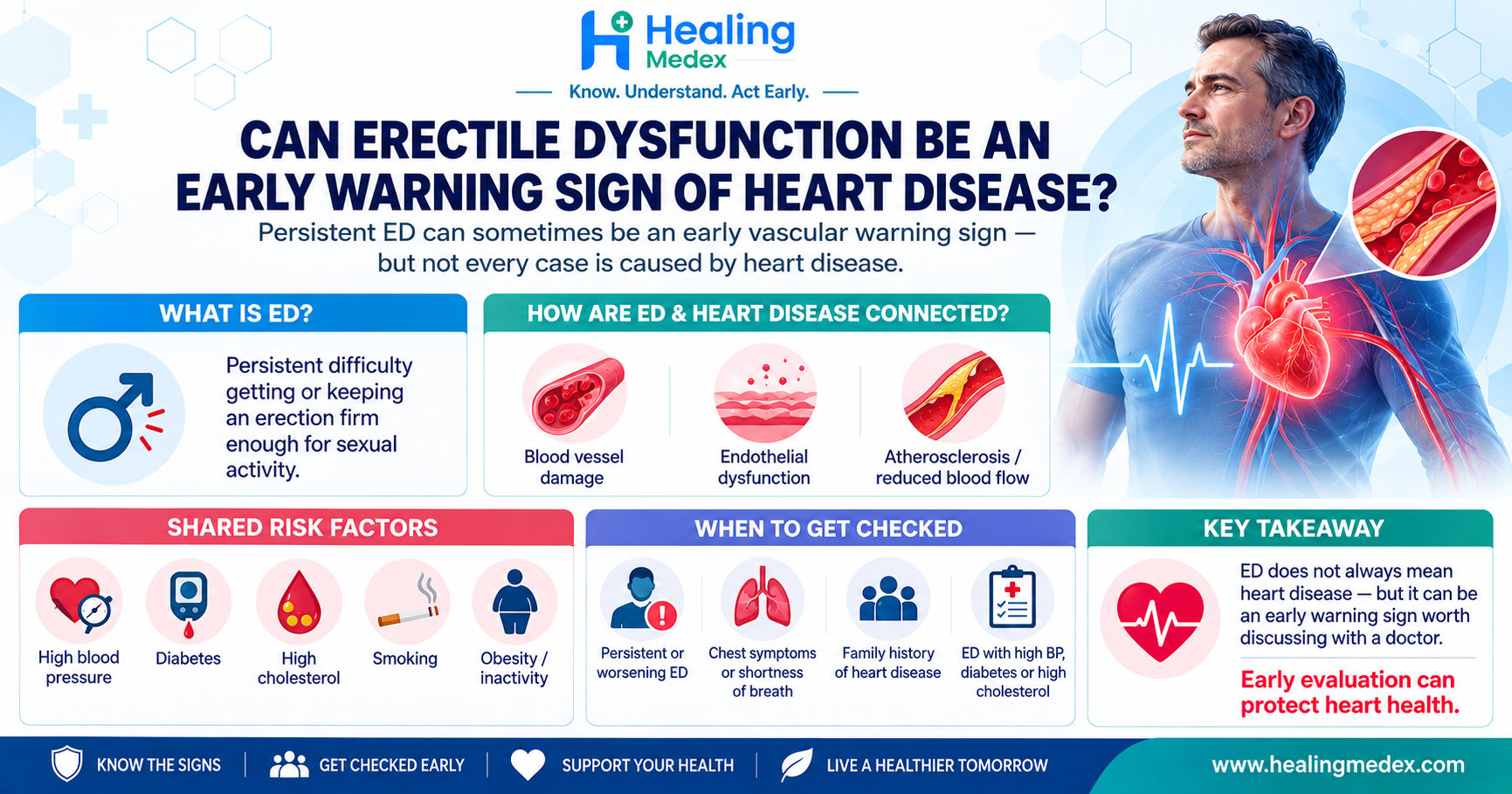
Erectile dysfunction is the persistent difficulty getting or maintaining an erection firm enough for satisfactory sexual activity.
An occasional erection problem is common and may happen because of:
Stress
Fatigue
Relationship problems
Excess alcohol
Poor sleep
Temporary illness
However, when erection problems happen repeatedly or persist for several months, an underlying medical condition may sometimes be involved.
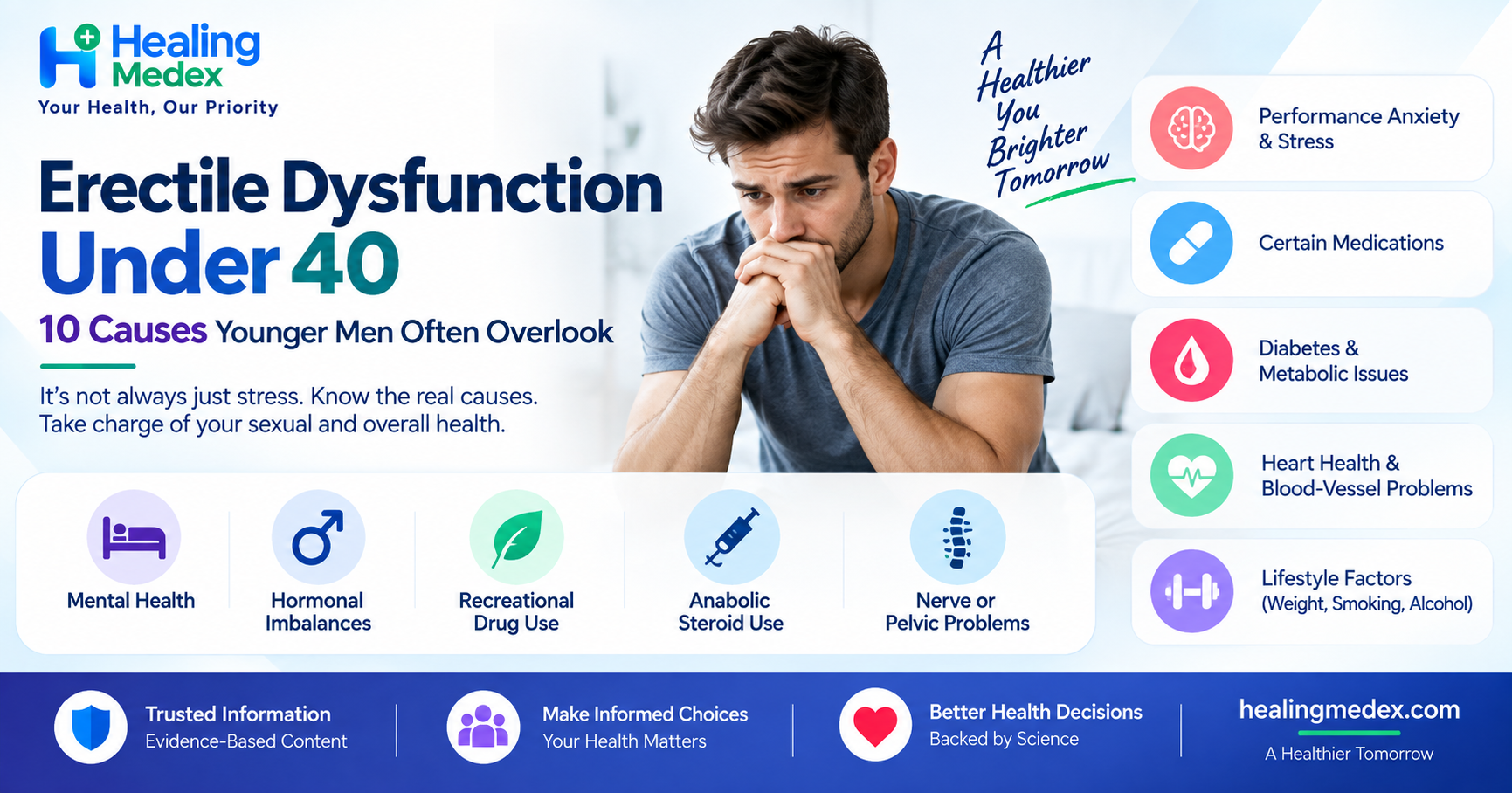
Possible physical causes include diabetes, high blood pressure, high cholesterol, obesity, hormonal disorders, neurological conditions, medication side effects and cardiovascular disease.
How Are Erectile Dysfunction and Heart Disease Connected?
The penis and heart may seem unrelated, but both depend heavily on healthy arteries.
During sexual arousal, blood vessels supplying the penis must relax and widen so that enough blood can enter the erectile tissue.
When blood vessels are damaged or narrowed, this process becomes more difficult.
Two important mechanisms link ED and cardiovascular disease:
1. Endothelial Dysfunction
The endothelium is the thin layer of cells lining the inside of blood vessels.
A healthy endothelium helps arteries expand by producing substances such as nitric oxide.
Conditions including:
Smoking
Obesity
can damage the endothelium.
When endothelial function declines, arteries may not widen properly. Reduced blood flow can affect both the penis and the heart.
Mayo Clinic notes that endothelial dysfunction can reduce blood supply to both organs and may eventually contribute to atherosclerosis.
2. Atherosclerosis
Atherosclerosis occurs when cholesterol, fats and other substances accumulate inside artery walls and form plaque.
As plaque develops, arteries can become narrower and less flexible.
Reduced blood flow through penile arteries may contribute to erectile difficulties, while narrowing of coronary arteries can eventually contribute to angina, heart attack and other cardiovascular problems.
Why Might ED Appear Before Heart Symptoms?
One explanation is often called the artery-size hypothesis.
The arteries supplying the penis are smaller than many major arteries supplying the heart.
Because they are smaller, changes affecting blood-vessel function may sometimes interfere with penile blood flow before they produce obvious symptoms from larger coronary arteries.
Recent Mayo Clinic guidance notes that penile arteries are approximately 1–2 mm wide and that ED can sometimes occur before clinically obvious coronary disease.
That does not mean every man with ED has blocked coronary arteries. But persistent ED—particularly without an obvious psychological, hormonal or medication-related explanation—can be a reason to evaluate cardiovascular risk.
How Long Before Heart Disease Can ED Appear?
Research and cardiovascular guidelines suggest that erectile dysfunction can sometimes occur approximately 2–5 years before clinically apparent cardiovascular disease, with an average interval of around three years reported in European cardiovascular guidance.
Mayo Clinic has similarly highlighted that ED may occur several years before cardiovascular events become apparent.
This potential time gap is important because it can create an opportunity to identify and address cardiovascular risk factors earlier.
Does Having Erectile Dysfunction Mean You Have Heart Disease?
No.
Erectile dysfunction has many possible causes, and cardiovascular disease is only one of them.
Other causes include:
Psychological factors
Stress, anxiety, depression, performance anxiety and relationship difficulties can interfere with sexual arousal.
Low testosterone or other hormonal disorders
Hormonal problems may affect libido and sexual function.
Diabetes
Long-term high blood sugar can damage both nerves and blood vessels involved in erections.
Neurological conditions
Conditions affecting nerve signaling between the brain, spinal cord and penis may cause ED.
Medicines
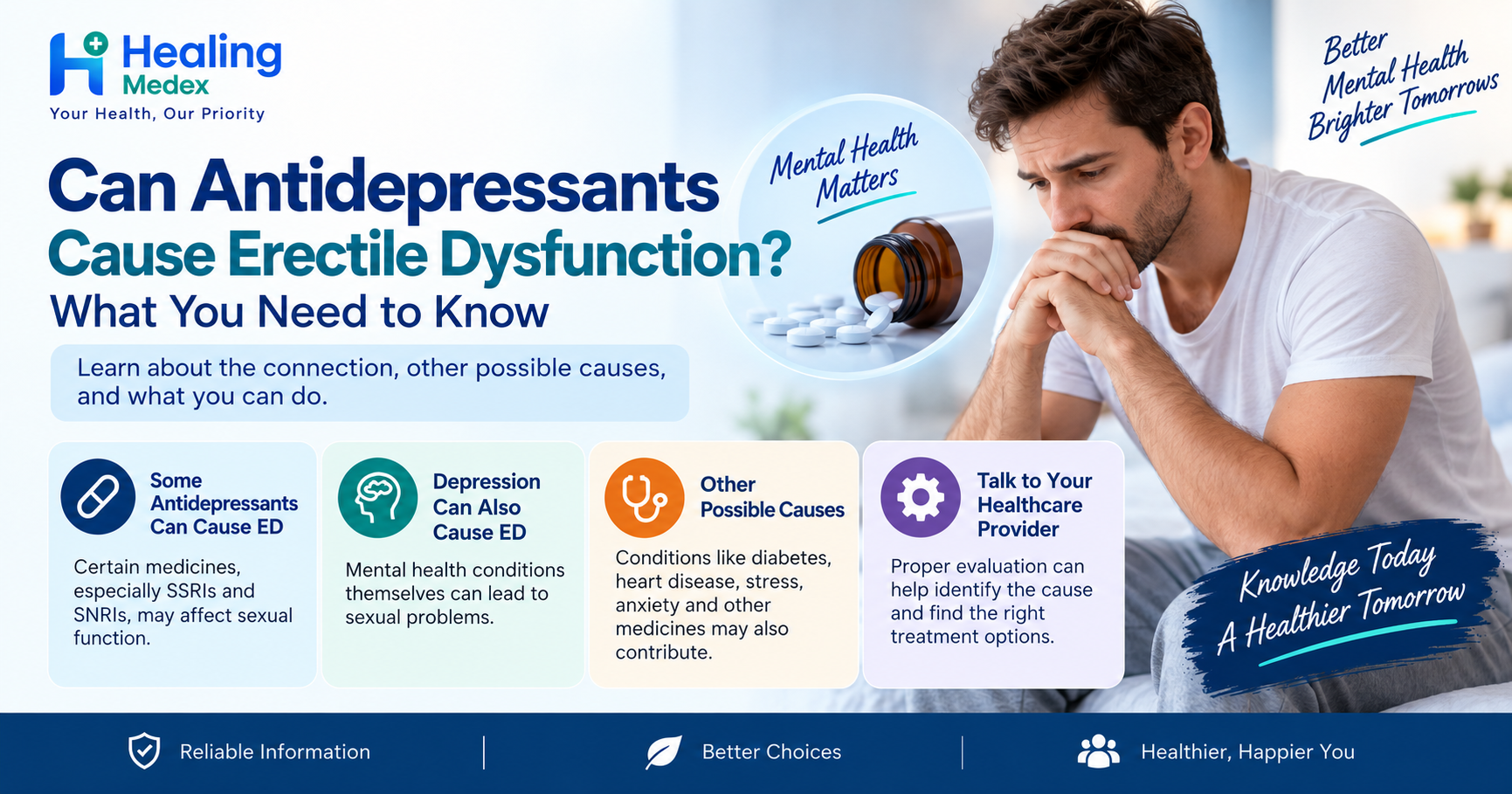
Some medicines used for high blood pressure, depression and other health conditions can contribute to erection difficulties.
Alcohol and recreational drugs
Heavy alcohol consumption and certain drugs can interfere with erectile function.
Sleep disorders
Poor sleep and sleep apnea may contribute to hormonal and cardiovascular abnormalities associated with ED.
Therefore, erectile dysfunction should be considered a possible health signal rather than a diagnosis of heart disease.
Cardiovascular Risk Factors Shared by ED and Heart Disease
ED and cardiovascular disease share many of the same risk factors.
These include:
High LDL cholesterol
Smoking
Obesity
Physical inactivity
Metabolic syndrome
Poor diet
Increasing age
European cardiovascular guidelines specifically identify hypertension, high cholesterol, insulin resistance or diabetes, smoking, obesity, metabolic syndrome and sedentary lifestyle among shared risk factors for ED and cardiovascular disease.
The more cardiovascular risk factors a person has, the more important it may be to investigate persistent ED rather than treating the erection problem alone.
When Should ED Raise More Concern About Heart Health?
A cardiovascular assessment may be particularly important when ED:
Appears suddenly without an obvious explanation
Persists or gradually becomes worse
Occurs together with high blood pressure
Occurs in someone with diabetes
Is accompanied by high cholesterol
Develops in a smoker
Occurs in someone who is overweight or physically inactive
Occurs in a man with a strong family history of premature cardiovascular disease
Develops despite otherwise normal sexual desire
ED in younger men should not automatically be assumed to be psychological. Princeton IV guidance emphasizes considering ED as a cardiovascular risk marker, including in men who may otherwise appear healthy.
What Heart Tests Might Be Recommended for Someone With ED?
Not everyone with erectile dysfunction requires extensive cardiac testing.
Evaluation generally begins with medical history, physical examination and cardiovascular risk assessment.
A healthcare professional may consider checking:
Blood pressure
High blood pressure damages arteries over time and may contribute to both ED and cardiovascular disease.
Cholesterol
A lipid profile may identify elevated LDL cholesterol, triglycerides or other abnormalities associated with atherosclerosis.
Blood glucose or HbA1c
Previously undiagnosed diabetes or prediabetes may contribute to ED.
Weight and waist circumference
Excess body fat, particularly abdominal obesity, is associated with metabolic and cardiovascular risk.
Smoking history
Smoking damages blood vessels and substantially increases cardiovascular risk.
Family history
Premature heart disease in close relatives may increase cardiovascular risk.
Depending on age, symptoms and overall risk, additional cardiovascular testing may sometimes be considered.
The Princeton IV Consensus recommends considering coronary artery calcium (CAC) scoring in selected men with ED whose calculated cardiovascular risk is borderline or intermediate when additional information would help guide prevention decisions.
A CAC scan is not necessary for every man with erectile dysfunction, so the decision should be individualized with a healthcare professional.
Can Improving Heart Health Improve Erectile Function?
In some men, yes.
Measures that improve cardiovascular health may also improve blood-vessel function and erections.
Helpful strategies include:
Exercise Regularly
Regular physical activity improves cardiovascular fitness, circulation, blood pressure, metabolic health and weight control.
Stop Smoking
Smoking damages the blood-vessel lining and accelerates atherosclerosis.
Stopping smoking can benefit both cardiovascular and sexual health.
Maintain a Healthy Weight
Weight reduction may improve blood pressure, blood sugar control and vascular function.
Control Blood Pressure
Untreated hypertension can damage blood vessels.
If ED develops after starting a blood-pressure medicine, talk to your doctor rather than stopping the medication yourself because some antihypertensive medicines are more likely than others to affect sexual function.
Manage Cholesterol
Reducing elevated cholesterol helps decrease the progression of atherosclerotic cardiovascular disease.
Control Diabetes
Maintaining appropriate blood glucose levels helps protect both blood vessels and nerves involved in erections.
Eat a Heart-Healthy Diet
A diet emphasizing vegetables, fruits, whole grains, legumes, nuts, fish and minimally processed foods can support cardiovascular health.
European cardiovascular guidance notes that exercise, improved nutrition, weight control and smoking cessation may improve sexual function while also reducing cardiovascular risk.
Can You Take ED Medicines If You Have Heart Disease?
Many men with stable cardiovascular disease may be able to use PDE5 inhibitors such as:
However, cardiovascular status and current medications should be reviewed first.
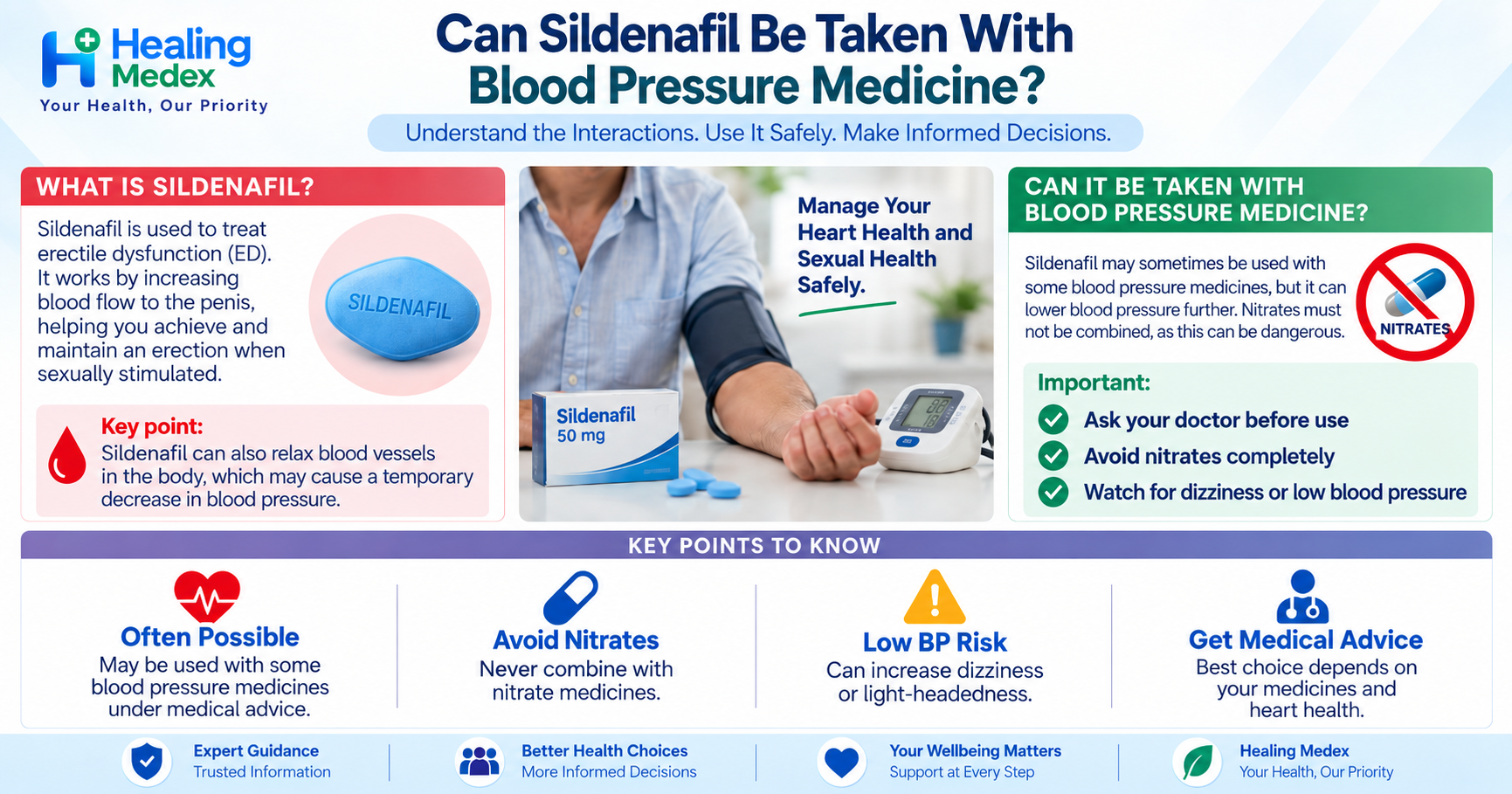
Important: PDE5 inhibitors and nitrates must not be combined.
Nitrate medicines such as nitroglycerin/glyceryl trinitrate and isosorbide are commonly used for angina.
Taking sildenafil or similar ED medicines together with nitrates can cause a potentially dangerous fall in blood pressure.
Men with significant or unstable cardiovascular disease should therefore discuss both sexual activity and ED treatment with a healthcare professional before using these medicines.
When Should You Seek Urgent Medical Attention?
Erectile dysfunction itself is generally not a medical emergency.
However, seek urgent medical help if you experience symptoms that may indicate a heart problem, including:
Chest pain or pressure
Severe shortness of breath
Pain spreading to the arm, shoulder, jaw or back
Fainting
Sudden severe dizziness
New or severe palpitations
Unexplained sweating associated with chest discomfort
Do not ignore these symptoms because they occur during sexual activity.
Anyone who has taken an ED medicine such as sildenafil or tadalafil should also tell emergency healthcare professionals, particularly if treatment with nitrate medicines might otherwise be considered.
Should Every Man With ED Get His Heart Checked?
Not every occasional erection problem requires cardiac testing.
But persistent or unexplained erectile dysfunction deserves medical evaluation, particularly when cardiovascular risk factors are present.
A healthcare professional can evaluate both sexual health and cardiovascular risk rather than simply treating the symptom.
This is especially useful because conditions such as:
Prediabetes
may exist without obvious symptoms.
Finding these conditions early can provide an opportunity to reduce future cardiovascular risk.
The Bottom Line
Erectile dysfunction can sometimes be an early warning sign of cardiovascular disease.
ED and heart disease share many of the same underlying mechanisms, particularly blood-vessel dysfunction and atherosclerosis. Because penile arteries are relatively small, vascular problems may sometimes affect erectile function before obvious cardiac symptoms develop.
Research and cardiovascular guidelines indicate that ED can precede clinically apparent cardiovascular disease by several years in some men.
However, erectile dysfunction does not automatically mean that you have heart disease. Psychological factors, hormonal disorders, diabetes, medications, neurological problems and other conditions can also cause ED.
If erectile dysfunction is persistent—particularly when combined with high blood pressure, diabetes, high cholesterol, smoking, obesity or a family history of cardiovascular disease—consider discussing both your sexual health and cardiovascular risk with a qualified healthcare professional.
Treating ED should not only be about improving erections. In some cases, it may also provide an opportunity to identify and manage an important underlying health problem earlier.
Frequently Asked Questions
1.Can erectile dysfunction happen before a heart attack?
It can. In some men, vascular ED develops several years before clinically apparent coronary artery disease or cardiovascular events. However, ED does not mean that a heart attack is inevitable.
2.How many years before heart disease can ED appear?
Clinical guidance describes an interval of roughly 2–5 years between ED and some forms of clinically apparent cardiovascular disease in certain men.
3.Does ED always mean clogged arteries?
No. ED can result from psychological issues, hormonal problems, medications, diabetes, neurological disorders and many other causes.
4.Should young men with ED get their heart checked?
Persistent unexplained ED in a younger man should be discussed with a healthcare professional. Cardiovascular risk assessment may be appropriate even when there are no obvious heart symptoms.
5.Can high cholesterol cause erectile dysfunction?
High cholesterol may contribute to atherosclerosis and endothelial dysfunction, which can reduce blood flow to the penis and contribute to ED.
6.Can high blood pressure cause ED?
Yes. Long-term hypertension can damage blood vessels and reduce circulation. Some blood-pressure medicines may also contribute to ED, although medication should never be stopped without medical advice.
7.Can improving cardiovascular health improve erections?
It may. Regular exercise, smoking cessation, weight management, healthy eating and good control of blood pressure, cholesterol and diabetes can support both cardiovascular and erectile health.
8.Can I take sildenafil if I have heart disease?
Some people with stable cardiovascular disease can use sildenafil, but medical assessment may be necessary. Sildenafil and other PDE5 inhibitors must not be combined with nitrate medicines used for angina because the combination can cause a dangerous drop in blood pressure.