Can Erectile Dysfunction Be Reversed? Understanding Treatable Causes
Erectile dysfunction (ED) is a common sexual health condition in which a man has difficulty getting or maintaining an erection firm enough for sexual activity. For some men, ED occurs occasionally because of stress, fatigue, or alcohol. For others, it becomes a recurring problem linked to physical health, emotional wellbeing, medications, or lifestyle factors.
One of the most common questions men ask is:
Can erectile dysfunction be reversed?
The answer is yes, in some cases erectile dysfunction can improve significantly or even resolve, particularly when an underlying and treatable cause is identified. In other situations, ED may require ongoing management with lifestyle changes, medical treatment, counselling, or medicines such as sildenafil.
Understanding what is causing ED is therefore one of the most important steps toward finding an appropriate treatment.
What Causes Erectile Dysfunction?
An erection depends on several systems working together, including the brain, hormones, nerves, blood vessels, and muscles.
A problem affecting any of these systems can contribute to erectile dysfunction.
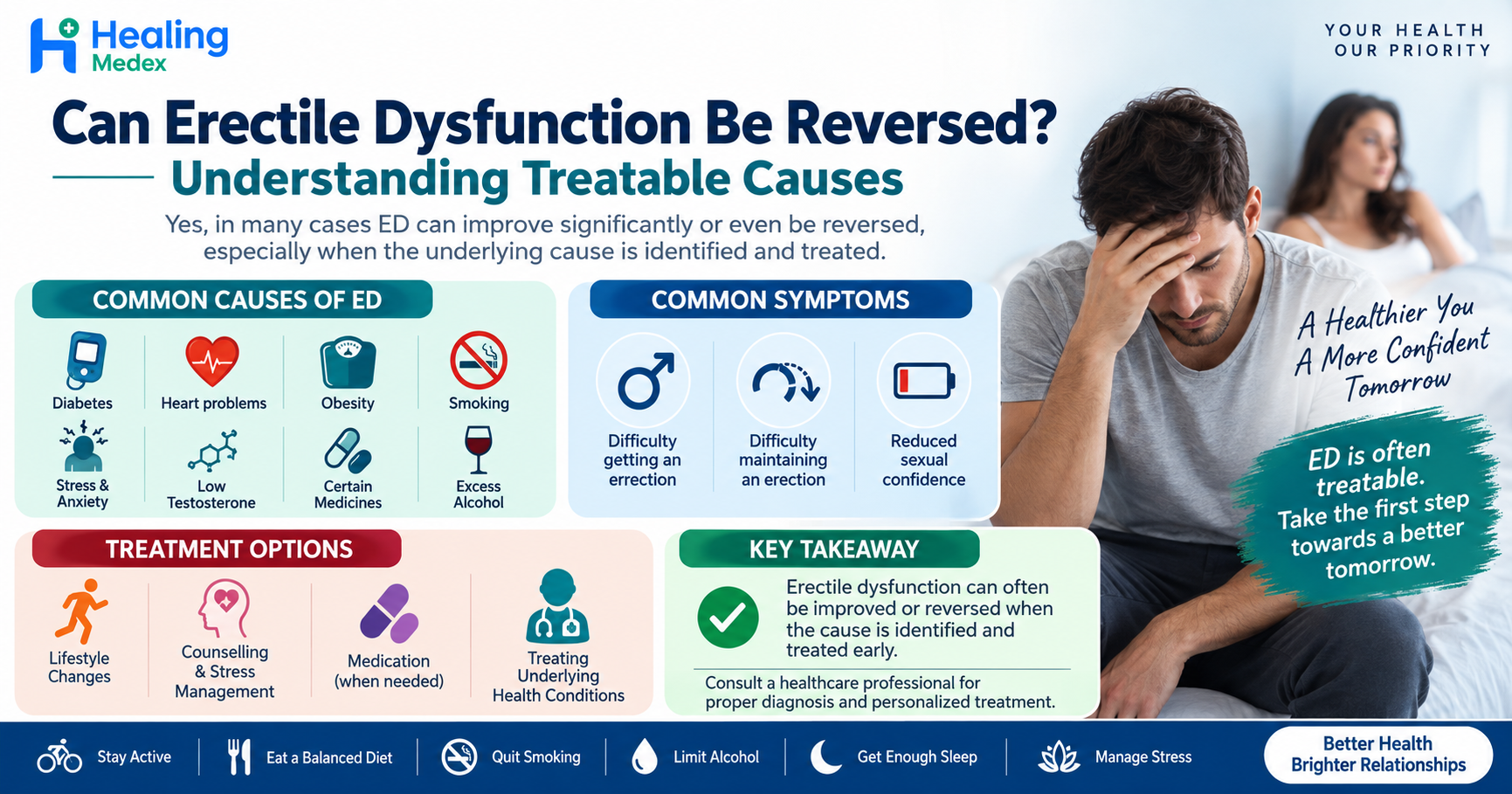
Common causes and risk factors include:
high blood pressure
high cholesterol
obesity
hormonal problems such as low testosterone
certain prescription medicines
smoking
excessive alcohol consumption
lack of physical activity
stress
depression
relationship difficulties
nerve damage
pelvic surgery or injury
Sometimes more than one factor is involved.
Because ED can occasionally be associated with another health condition, persistent erection problems should not simply be ignored.
Can Erectile Dysfunction Really Be Reversed?
Whether ED can be reversed depends largely on its underlying cause.
For example, a man whose ED is strongly associated with smoking, inactivity, excess weight, stress, or certain medicines may experience significant improvement when those factors are addressed.
On the other hand, ED caused by permanent nerve injury or certain structural problems may be harder to reverse completely.
In these situations, treatment can still help many men achieve satisfactory erections.
The key distinction is between treating the underlying cause and treating the erection problem itself.
1. Lifestyle-Related Erectile Dysfunction
Lifestyle factors can have a significant effect on circulation and sexual function.
Smoking, excessive alcohol consumption, inactivity, and obesity can contribute to conditions affecting blood vessels and therefore potentially interfere with blood flow to the penis.
Healthy lifestyle changes may help improve erectile function.
These may include:
stopping smoking
maintaining a healthy body weight
exercising regularly
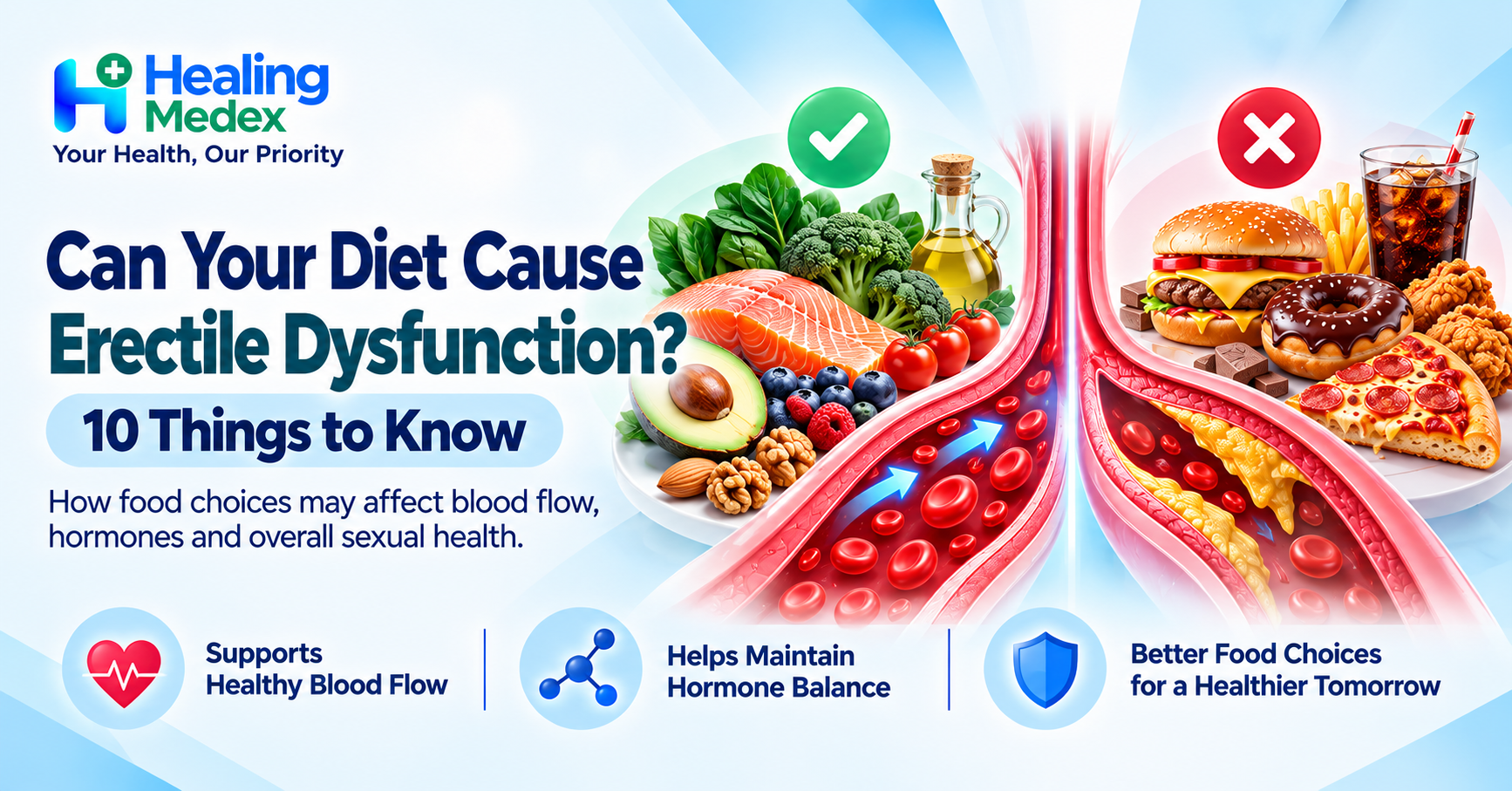
following a balanced diet
reducing excessive alcohol consumption
improving sleep
managing stress
These changes also support cardiovascular and metabolic health, which are closely connected with erectile function.
2. Stress and Performance Anxiety
Not every case of ED begins with a physical condition.
Stress, anxiety, depression, relationship difficulties, and sexual performance anxiety can all affect the ability to achieve or maintain an erection.
A common pattern occurs when one unsuccessful sexual experience creates anxiety about the next encounter. That anxiety can then make another erection problem more likely.
When psychological factors play an important role, counselling, psychological therapy, stress management, or sex therapy may help.
Treating both physical and psychological contributors may provide better results than focusing on either one alone.
3. Medication-Related Erectile Dysfunction
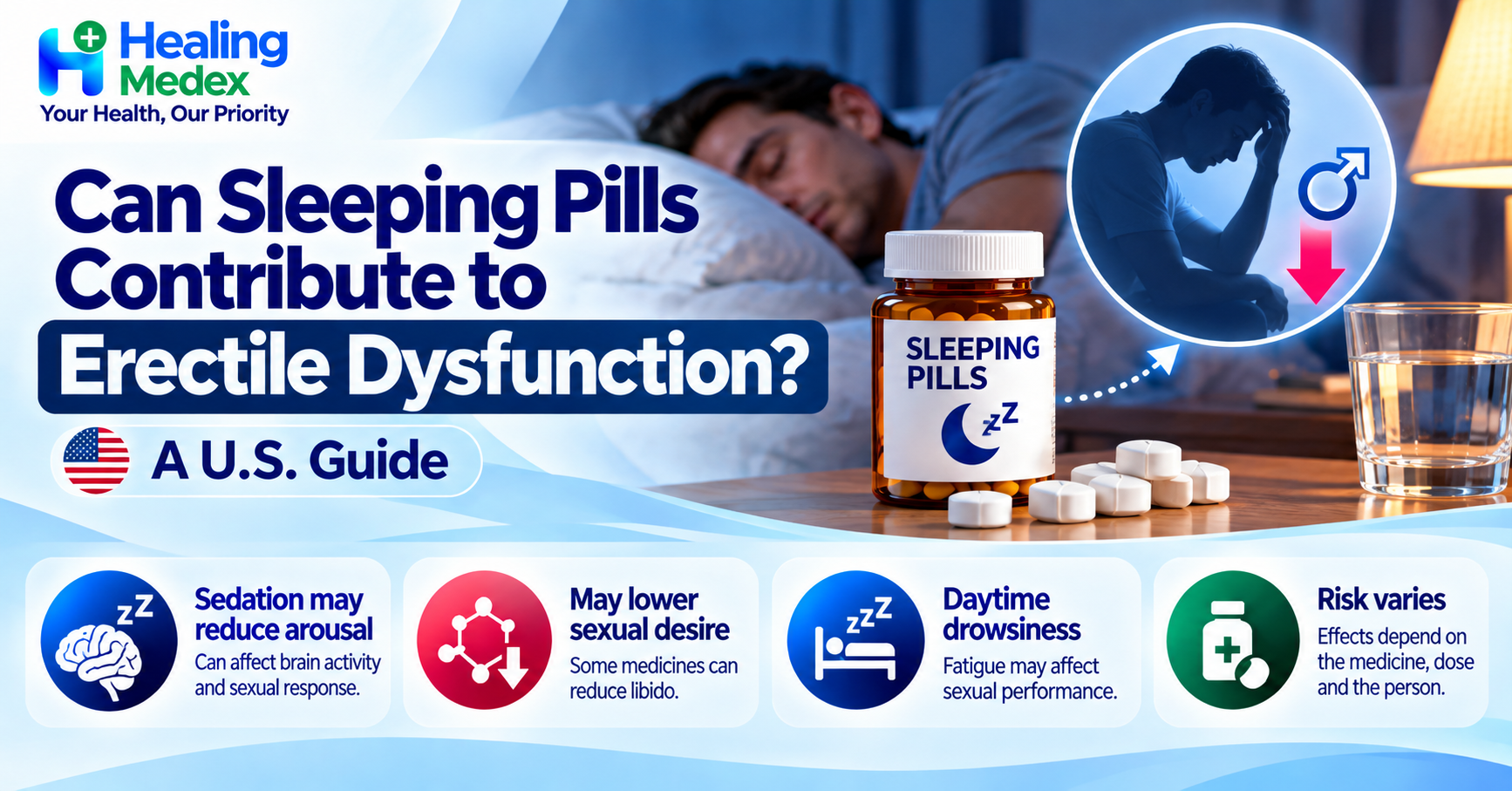
Some medicines may contribute to erectile dysfunction as a side effect.
Examples can include certain medicines used for:
depression
pain
hormonal conditions
However, never stop or change a prescribed medicine on your own because you suspect it is causing ED.
A healthcare professional can review your medication list and determine whether changing the dose or using an alternative treatment may be appropriate.
When medication is an important contributor, erectile function may improve after the treatment plan is appropriately adjusted.
4. Diabetes and Erectile Dysfunction
Diabetes is an important medical risk factor for ED.
Over time, high blood glucose can damage blood vessels and nerves involved in sexual function. This can make it more difficult to achieve or maintain an erection.
Managing diabetes appropriately may help reduce further blood vessel and nerve damage and can form an important part of ED management.
A healthcare professional may recommend a combination of:
improved blood glucose management
blood pressure management
cholesterol management
exercise
Men experiencing both diabetes and ED should discuss the problem with their healthcare provider rather than treating ED in isolation.
5. High Blood Pressure and High Cholesterol
Healthy erections require adequate blood flow.
Conditions that damage or narrow blood vessels, including hypertension, high cholesterol, and atherosclerosis, can therefore contribute to ED.
Improving cardiovascular health may also improve erectile health in some men.
Because persistent ED can sometimes occur alongside cardiovascular risk factors, a medical evaluation can be particularly important when erection problems develop repeatedly.
6. Hormonal Causes of Erectile Dysfunction
Hormonal conditions may also contribute to sexual problems.
Low testosterone can be associated with symptoms such as reduced sexual desire, fatigue, and changes in sexual function, although ED does not automatically mean that testosterone levels are low.
Thyroid disorders and other hormonal abnormalities can also affect sexual health.
If symptoms suggest a hormonal problem, a healthcare professional may recommend appropriate blood tests.
When a genuine hormonal disorder is diagnosed and appropriately treated, sexual function may improve.
Where Does Sildenafil Fit Into Erectile Dysfunction Treatment?
Sildenafil is one of the most widely used medicines for erectile dysfunction.
It belongs to a group of medicines called PDE5 inhibitors.
Sildenafil helps increase blood flow to the penis during sexual stimulation, making it easier for some men with ED to achieve and maintain an erection.
Other PDE5 inhibitors include tadalafil, vardenafil, and avanafil.
Does Sildenafil Cure Erectile Dysfunction?
Not usually.
Sildenafil primarily helps manage the symptom of erectile dysfunction while the medicine is active. It does not automatically correct conditions such as diabetes, cardiovascular disease, anxiety, obesity, or hormonal problems that may be causing ED.
For example, if a person’s ED is associated with high blood pressure and smoking, sildenafil may help improve erections, but managing blood pressure and stopping smoking remain important parts of addressing the underlying problem.
For this reason, the most effective ED management plan may combine medical treatment with treatment of the underlying cause.
Is Sildenafil Suitable for Everyone?
No.
Sildenafil is not appropriate for every person and can interact with certain medicines.
In particular, sildenafil and other PDE5 inhibitors should not be combined with nitrate medicines used for conditions such as angina, because the combination can cause a potentially dangerous fall in blood pressure.
Men with cardiovascular conditions or those taking other medicines should tell their doctor or pharmacist before using sildenafil.
Sildenafil should be used according to advice from an appropriately qualified healthcare professional and the instructions supplied with the medicine.
When Erectile Dysfunction May Be Harder to Reverse
Some causes of ED may not be completely reversible.
Examples can include certain cases involving:
significant nerve damage
spinal cord injury
complications following prostate or pelvic surgery
advanced vascular disease
significant penile structural abnormalities
long-term complications of chronic diseases
However, irreversible does not necessarily mean untreatable.
Depending on the individual situation, doctors may consider treatments such as:
PDE5 inhibitors including sildenafil
vacuum erection devices
injectable medicines
psychological or sexual therapy
treatment of hormonal abnormalities
penile implants in selected cases
A urologist can help determine which treatment is most appropriate when first-line options have not worked.
How Can You Improve Erectile Function Naturally?
Healthy lifestyle measures can form an important part of ED management.
Consider focusing on:
Exercise Regularly
Regular physical activity supports cardiovascular health, circulation, weight management, and overall wellbeing.
Stop Smoking
Smoking damages blood vessels and can interfere with circulation. Quitting smoking benefits both cardiovascular and sexual health.
Maintain a Healthy Weight
Obesity is associated with conditions such as diabetes, high blood pressure, and cardiovascular disease, which can also contribute to ED.
Eat a Heart-Healthy Diet
A balanced diet rich in vegetables, fruits, whole grains, legumes, nuts, seeds, and other nutrient-rich foods can support cardiovascular health.
Limit Excessive Alcohol
Heavy alcohol consumption can interfere with erectile function and sexual performance.
Manage Stress
Chronic stress and anxiety can interfere with sexual arousal. Exercise, relaxation techniques, counselling, and better sleep habits may help.
How Long Does It Take for Erectile Dysfunction to Improve?
There is no single timeline.
Improvement depends on:
the cause of ED
how long the condition has been present
overall health
age
cardiovascular health
diabetes control
lifestyle factors
psychological wellbeing
medicines being taken
response to treatment
Some men with primarily psychological or lifestyle-related ED may notice improvement relatively quickly after addressing the contributing factors.
ED associated with chronic medical conditions may require longer-term treatment and management.
When Should You See a Doctor About Erectile Dysfunction?
An occasional difficulty getting an erection is common and does not necessarily mean you have ED.
However, you should consider speaking with a healthcare professional when erection difficulties happen repeatedly.
Seek medical advice particularly if ED occurs alongside:
diabetes
high blood pressure
high cholesterol
heart disease
reduced sexual desire
penile pain or curvature
symptoms suggesting hormonal problems
significant anxiety or depression
A medical assessment may involve questions about your health, medicines, sexual function, lifestyle, and emotional wellbeing. Depending on your situation, blood tests or other examinations may also be recommended.
Can Younger Men Reverse Erectile Dysfunction?
ED can occur at almost any adult age.
In younger men, psychological factors such as stress, anxiety, depression, relationship problems, and performance anxiety can sometimes play an important role. However, physical causes should not automatically be ruled out.
Smoking, obesity, diabetes, medications, hormonal conditions, and cardiovascular risk factors can also affect younger adults.
Identifying the cause rather than assuming ED is purely psychological is therefore important.
Frequently Asked Questions About Reversing Erectile Dysfunction
1. Can ED go away naturally?
Sometimes. Temporary ED associated with stress, fatigue, excessive alcohol consumption, or short-term psychological factors may improve when the trigger disappears. Persistent ED should be medically evaluated.
2. Can exercise reverse erectile dysfunction?
Regular exercise may improve erectile function for some men, particularly when cardiovascular health, obesity, or inactivity contributes to ED. Exercise should be considered part of an overall healthy lifestyle rather than a guaranteed cure.
3. Can losing weight improve ED?
Weight management may improve overall metabolic and cardiovascular health and can potentially improve erectile function when obesity-related factors contribute to ED.
4. Can stopping smoking help erectile dysfunction?
Smoking affects blood vessels and circulation. Stopping smoking can improve cardiovascular health and may help erectile function, particularly when vascular problems contribute to ED.
5. Can anxiety-related ED be reversed?
ED strongly associated with anxiety or performance anxiety may improve when the psychological trigger is addressed. Counselling or therapy can be useful for some individuals.
6. Does sildenafil permanently fix ED?
No. Sildenafil can help men achieve and maintain erections during sexual stimulation, but it generally does not permanently eliminate the underlying cause of ED.
7. Can sildenafil be taken every day?
How sildenafil should be used depends on an individual’s medical circumstances and the specific product prescribed. Follow your doctor’s or pharmacist’s instructions rather than changing the frequency or dose yourself.
8. What is the best treatment for erectile dysfunction?
There is no single best treatment for everyone. Treatment should be based on the underlying cause, general health, medicines being taken, personal preferences, and response to previous treatments.
Final Thoughts: Is Erectile Dysfunction Reversible?
Erectile dysfunction can sometimes be reversed, particularly when modifiable causes such as lifestyle factors, psychological stress, medication effects, cardiovascular risk factors, or certain hormonal problems are successfully addressed.
Other forms of ED may require ongoing treatment rather than being completely reversed.
Medicines such as sildenafil can be effective treatment options for suitable patients, but they should be considered part of a broader approach that also looks for the underlying reason ED has developed.
If erectile dysfunction keeps happening, a healthcare professional can help identify possible causes and recommend an appropriate treatment strategy.
About Healing Medex
Healing Medex provides educational information about men’s health, erectile dysfunction, sexual wellness, and commonly used treatments to help readers better understand their healthcare options.
Always consult a qualified healthcare professional before starting, stopping, or changing prescription medicines.