Erectile dysfunction (ED) is a common sexual health condition in which a man has persistent difficulty getting or maintaining an erection firm enough for satisfactory sexual activity. Occasional erection problems can happen because of stress, tiredness, alcohol, or other temporary factors, but frequent or ongoing difficulties may require medical evaluation.
ED can affect men at different ages. Although the likelihood of erectile difficulties increases with age, erectile dysfunction is not considered an inevitable or routine part of aging. It may sometimes be associated with underlying conditions such as diabetes, cardiovascular disease, hormonal problems, nerve disorders, certain medicines, anxiety, or depression.
Understanding the possible cause is important because many cases of erectile dysfunction can be successfully managed.
What Is Erectile Dysfunction?
Erectile dysfunction is the persistent inability to achieve an erection, maintain an erection, or obtain sufficient penile firmness for sexual activity.
An erection normally develops when sexual stimulation triggers signals between the brain, nerves, hormones, blood vessels, and penile tissues. Blood flow into the penis increases while the outflow of blood decreases, allowing the penis to become firm.
Problems affecting blood circulation, nerves, hormones, psychological well-being, or several of these factors together can interfere with this process.
Having difficulty getting an erection once in a while does not necessarily mean that a person has ED. However, when the problem occurs repeatedly or begins affecting sexual relationships or quality of life, it is worth discussing with a healthcare professional.
What Are the Symptoms of Erectile Dysfunction?
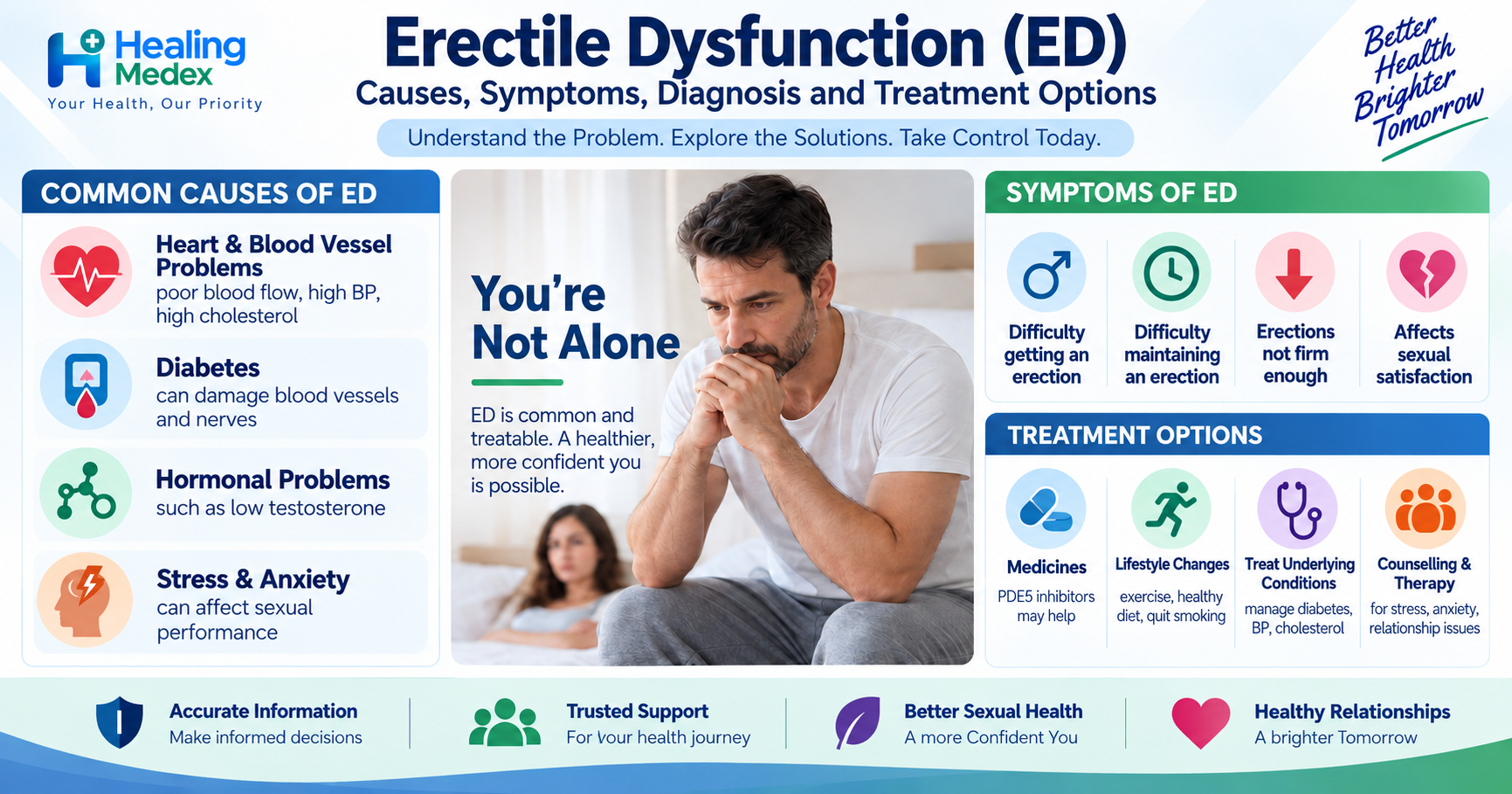
The main symptoms of erectile dysfunction include:
difficulty getting an erection
getting an erection only sometimes
being able to get an erection but not keeping it long enough for sexual activity
erections that are not as firm as desired
persistent difficulty maintaining satisfactory sexual activity because of erection problems
These patterns are among the symptoms recognized by the National Institute of Diabetes and Digestive and Kidney Diseases (NIDDK).
Some men with ED may also experience other sexual concerns, such as reduced sexual desire. However, ED and low libido are not the same condition and can have different causes.
What Causes Erectile Dysfunction?
Erectile dysfunction can have physical, psychological, medication-related, or lifestyle causes. In many people, more than one factor contributes to the problem.
1. Heart and Blood Vessel Problems
Healthy erections depend heavily on adequate blood flow.
Conditions that affect blood vessels can therefore contribute to ED, including:
atherosclerosis
stroke
metabolic syndrome
Because penile arteries are relatively small, changes in vascular health may sometimes become noticeable through erectile difficulties.
Current cardiovascular-sexual medicine guidance recognizes ED — particularly vasculogenic ED — as an important marker of cardiovascular risk. Some studies suggest erectile symptoms may appear several years before clinically evident cardiovascular disease in some men. This does not mean every man with ED has heart disease, but persistent unexplained ED may justify assessment of cardiovascular risk factors.
2. Diabetes
Diabetes is an important risk factor for erectile dysfunction.
Persistently high blood glucose can damage:
blood vessels
peripheral nerves
the endothelial lining of blood vessels
These changes can interfere with the nerve signals and blood flow needed to achieve an erection. Diabetes is among the common medical conditions associated with ED.
Managing blood glucose, blood pressure, cholesterol, weight, and other cardiovascular risk factors is therefore an important part of overall sexual and general health.
3. Hormonal Problems
Hormonal disorders may sometimes contribute to erectile difficulties.
Possible conditions include:
low testosterone
other endocrine abnormalities
Low testosterone may be more strongly associated with reduced sexual desire in some men, but it can also contribute to erectile difficulties.
A doctor may recommend hormone testing when symptoms or medical history suggest a hormonal cause.
4. Neurological Conditions
An erection depends on communication between the brain and nerves supplying the penis.
Conditions that damage these pathways may contribute to ED, including:
multiple sclerosis
spinal cord injury
certain neurological disorders
nerve damage related to diabetes
nerve damage following pelvic surgery
Neurological problems are among the recognized physical causes of erectile dysfunction.
5. Surgery or Injury
Surgery or trauma involving the pelvis, prostate, bladder, spinal cord, or surrounding nerves can sometimes affect erectile function.
For example, erectile difficulties may occur following certain treatments for prostate disease or prostate cancer.
6. Peyronie’s Disease
Peyronie’s disease causes scar tissue to form inside the penis and may result in penile curvature, shortening, discomfort, or erection difficulties.
It is one of several male reproductive conditions that may contribute to ED.
7. Medicines
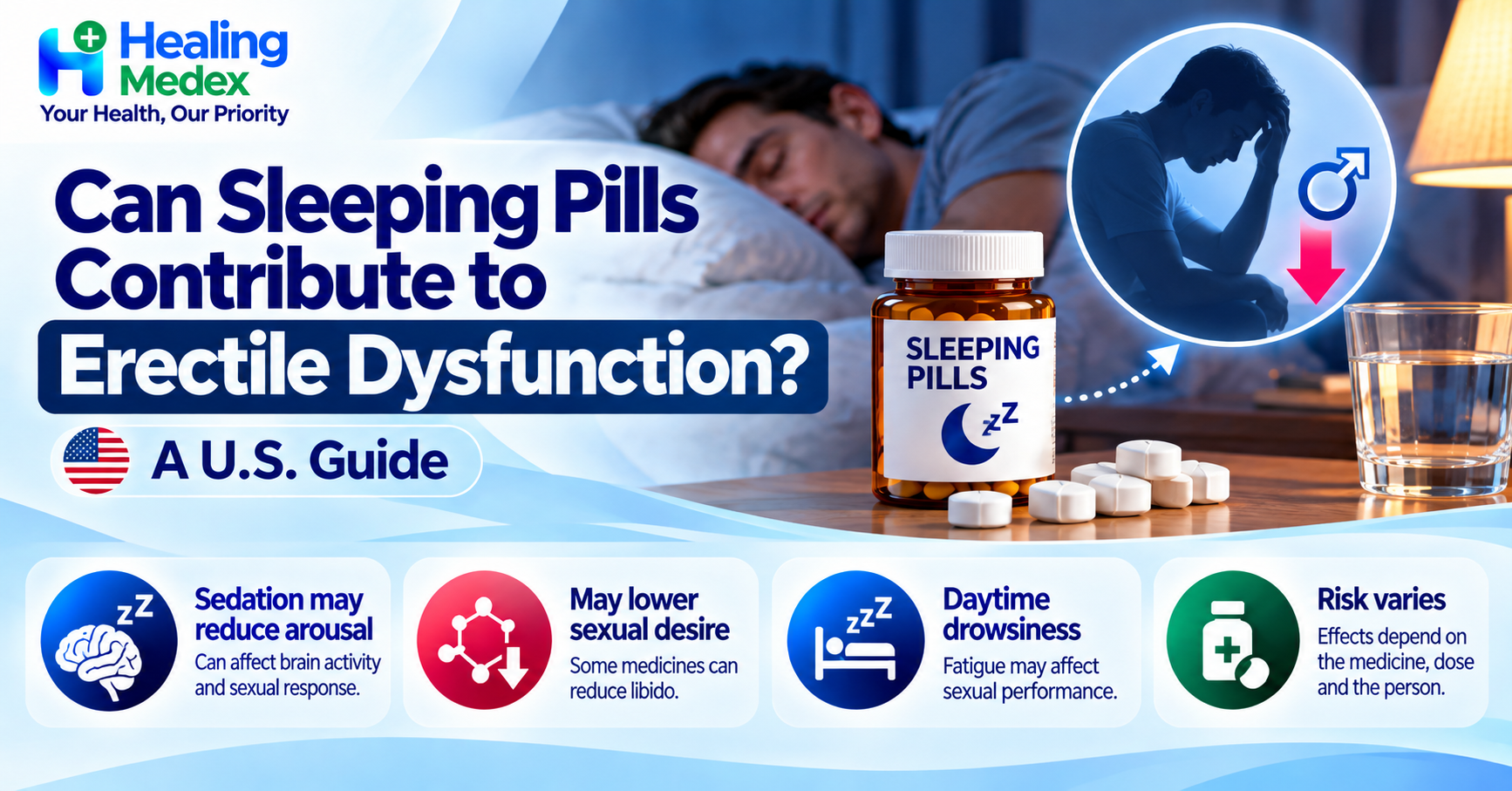
Erectile dysfunction can sometimes occur as a side effect of medicines.
Examples may include certain:
sedatives
hormone treatments
chemotherapy medicines
pain medicines
Do not stop a prescription medicine because you suspect it is causing ED without talking to the prescribing healthcare professional first.
A doctor may sometimes be able to change the medicine, alter the dose, or recommend another approach.
8. Psychological Causes
Sexual arousal begins in the brain, meaning emotional health can have a significant effect on erections.
Psychological factors that may cause or worsen ED include:
stress
performance anxiety
depression
low self-confidence
relationship difficulties
negative body image
Physical and psychological causes can also reinforce one another. For example, experiencing erection difficulty once may create anxiety about future sexual performance, which can then make subsequent erections more difficult.
9. Lifestyle Factors
Some lifestyle factors may increase the likelihood of erection difficulties, including:
smoking
excessive alcohol consumption
recreational drug use
physical inactivity
obesity or excess weight
Addressing these factors may improve general cardiovascular health and, in some men, erectile function.
Who Is More Likely to Develop Erectile Dysfunction?
Risk can increase with:
increasing age
obesity
smoking
excessive alcohol use
certain prescription medicines
pelvic surgery or injury
hormonal disorders
neurological conditions
Age itself does not mean that ED is unavoidable. Rather, medical conditions affecting circulation, nerves, hormones, and general health become more common with increasing age.
How Is Erectile Dysfunction Diagnosed?
Diagnosis usually begins with a detailed discussion with a healthcare professional.
Doctors may ask about:
when erection problems started
whether erections occur during masturbation or sleep
whether erections occur sometimes but not in other situations
sexual desire
ejaculation
medical conditions
medications and supplements
alcohol, tobacco, or recreational drug use
stress, anxiety, depression, or relationship concerns
These questions help identify whether physical, psychological, medication-related, or mixed factors may be involved.
Physical Examination
A healthcare professional may examine the penis and testicles and assess factors such as:
circulation
nerve function
signs of hormonal problems
penile abnormalities
possible Peyronie’s disease
Blood Tests
Blood testing may be recommended depending on medical history and symptoms.
Tests can help identify conditions such as:
hormonal abnormalities
Testosterone measurement may be appropriate when low testosterone is suspected.
Urine Tests
Urinalysis may sometimes help identify diabetes or other underlying health conditions.
Penile Ultrasound
A Doppler ultrasound may be performed when more detailed evaluation of penile blood flow is required.
It can help determine whether inadequate arterial blood flow or another vascular issue may be contributing to erectile dysfunction.
Nocturnal Erection Testing
Men normally experience several erections during sleep.
In selected cases, a nocturnal erection test may help determine whether erection problems are more likely to have a physical component.
Psychological Assessment
If stress, anxiety, depression, performance anxiety, or relationship difficulties appear to contribute to ED, psychological evaluation may also form part of the assessment.
How Is Erectile Dysfunction Treated?
Treatment depends on:
the underlying cause
severity of symptoms
overall health
other medicines being taken
personal preferences
Treatment may include lifestyle changes, management of underlying disease, medicines, psychological therapy, medical devices, injections, or surgery.
1. Treating the Underlying Cause
Managing an underlying health condition can be an important part of ED treatment.
This may include improving management of:
obesity
hormonal disorders
A doctor may also review medicines that might be contributing to erection difficulties.
2. Lifestyle Changes
Healthy lifestyle changes can support both cardiovascular and sexual health.
They may include:
stopping smoking
exercising regularly
maintaining a healthy weight
eating a balanced diet
reducing excessive alcohol consumption
avoiding recreational drugs
getting adequate sleep
managing stress
Lifestyle improvements may be especially useful when erectile dysfunction is associated with vascular or metabolic risk factors.
3. PDE5 Inhibitors
Oral phosphodiesterase type 5 (PDE5) inhibitors are commonly used medicines for erectile dysfunction.
Examples include:
These medicines enhance the effects of nitric oxide, helping blood vessels in the penis relax and increasing blood flow during sexual stimulation.
Do ED Medicines Automatically Cause an Erection?
No.
PDE5 inhibitors do not automatically create an erection and do not act as sexual stimulants. Sexual arousal is still required for them to assist the normal erectile response.
The medicines also differ in how quickly they act and how long their effects may last.
For example, tadalafil can remain effective for considerably longer than some other PDE5 inhibitors, with effects potentially lasting up to approximately 36 hours.
The appropriate medicine and dose should be determined based on individual medical history, other medications, expected frequency of sexual activity, response, and side effects.
Important Safety Warning About Nitrates
PDE5 inhibitors can be dangerous when combined with nitrate medicines used for angina or chest pain, because the combination may cause a potentially serious drop in blood pressure.
Tell your doctor about all prescription medicines, over-the-counter products, and supplements before using an ED medicine.
Extra caution may also be required for people with certain cardiovascular conditions, very low blood pressure, uncontrolled high blood pressure, severe liver disease, or other significant medical conditions.
4. Psychological or Sex Therapy
When anxiety, depression, stress, performance anxiety, or relationship difficulties contribute to ED, counseling can be helpful.
Treatment may involve:
cognitive behavioral approaches
psychotherapy
sex therapy
couples counseling
Psychological treatment can also be combined with medical treatment when both physical and psychological factors are involved.
5. Vacuum Erection Devices
A vacuum erection device uses a cylinder placed over the penis.
The device creates negative pressure that draws blood into the penis. A tension ring can then be placed around the base to help maintain the erection.
Vacuum devices can be an option for men who cannot take oral ED medicines or who do not obtain adequate results from them.
6. Penile Injection Therapy
Prescription medicines such as alprostadil may be injected directly into penile tissue to help produce an erection.
Injection therapy can be effective when oral medicines are unsuitable or ineffective, but patients need appropriate instruction from a healthcare professional because complications can include bleeding, scarring, and prolonged erections.
7. Urethral Medication
Alprostadil may also be administered through the urethra in certain healthcare settings and countries.
It provides another option when oral treatment is unsuitable, although side effects such as penile discomfort or urethral irritation can occur.
8. Testosterone Treatment
Testosterone replacement is not a general treatment for every man with erectile dysfunction.
It may be considered when blood tests and clinical evaluation show testosterone deficiency and a healthcare professional determines treatment is appropriate.
Men with normal testosterone levels should not assume testosterone treatment will solve erectile problems.
9. Penile Implants
For severe ED that does not respond adequately to less invasive treatments, penile prosthesis surgery may be considered.
An implant is surgically placed within the penis to allow an erection to be produced when desired.
Because surgery involves risks and permanent changes, penile implants are generally considered after other suitable treatment options have been evaluated.
Can Erectile Dysfunction Be Reversed?
Sometimes.
Whether ED can improve or resolve depends largely on its cause.
For example, improvement may occur when ED is associated with:
smoking
obesity
physical inactivity
excessive alcohol consumption
poorly controlled diabetes
medication side effects
anxiety
stress
relationship difficulties
Other causes involving significant nerve or vascular damage may require longer-term treatment.
The goal should therefore be to identify and address the underlying cause rather than simply treating the symptom.
When Should You See a Doctor?
Consider speaking with a healthcare professional if:
erection problems happen repeatedly
ED has persisted for several weeks or months
the problem is affecting your relationship or emotional well-being
you have diabetes, hypertension, high cholesterol, or cardiovascular disease
you have reduced sexual desire along with ED
you have penile pain or curvature
ED appeared after surgery or injury
you think a medicine may be contributing to the problem
you experience other unexplained symptoms
Because persistent ED can sometimes accompany cardiovascular or metabolic disease, medical assessment may identify health issues that require treatment beyond sexual function alone.
When Is Erectile Dysfunction an Emergency?
Seek urgent medical treatment if an erection lasts more than four hours, especially if it is painful.
This condition, known as priapism, can damage penile tissue if it is not treated promptly.
Sudden loss of vision or hearing while taking an ED medicine also requires prompt medical evaluation.
Frequently Asked Questions
1. Is erectile dysfunction normal as men get older?
ED becomes more common with age, but it is not considered an inevitable part of aging. Underlying vascular, metabolic, neurological, psychological, or medication-related factors should still be considered.
2. Can young men have erectile dysfunction?
Yes. ED can occur at any adult age. In younger men, stress, performance anxiety, depression, relationship concerns, lifestyle factors, medicines, hormonal problems, or underlying medical conditions may contribute.
3. Can stress cause erectile dysfunction?
Yes. Stress and anxiety can interfere with the mental and neurological processes involved in sexual arousal and can cause or worsen erectile problems.
4. Is erectile dysfunction always psychological?
No.
ED can result from physical causes, psychological causes, or a combination of both. Diabetes, cardiovascular disease, nerve damage, hormonal abnormalities, medicines, smoking, anxiety, and stress are all possible contributors.
5. Which medicine is best for erectile dysfunction?
There is no single ED medicine that is best for everyone.
Sildenafil, tadalafil, vardenafil, and avanafil have differences in onset, duration, interactions, and side effects. The appropriate option depends on a person’s health conditions, other medicines, lifestyle, and treatment preferences.
6. Can erectile dysfunction be a sign of heart disease?
It can sometimes be associated with cardiovascular disease because erections and cardiovascular health both depend heavily on healthy blood vessels.
Current expert guidance considers ED an important cardiovascular risk marker, particularly when a vascular cause is suspected. Persistent unexplained ED should therefore not simply be ignored.
Conclusion
Erectile dysfunction is common and can result from many different physical and psychological factors. Diabetes, cardiovascular disease, high blood pressure, nerve disorders, hormonal problems, certain medicines, smoking, obesity, stress, anxiety, and depression may all contribute.
Fortunately, several effective treatment approaches are available. Depending on the cause, treatment may involve improving lifestyle habits, managing underlying medical conditions, psychological therapy, PDE5 inhibitors such as sildenafil or tadalafil, vacuum erection devices, injectable treatments, or surgery.
Persistent erection problems should be discussed with a healthcare professional rather than self-treated without evaluation. Identifying the underlying cause can help improve sexual health while also revealing conditions such as diabetes or cardiovascular disease that may require medical attention.