Erectile Dysfunction Can Affect Young Men Too
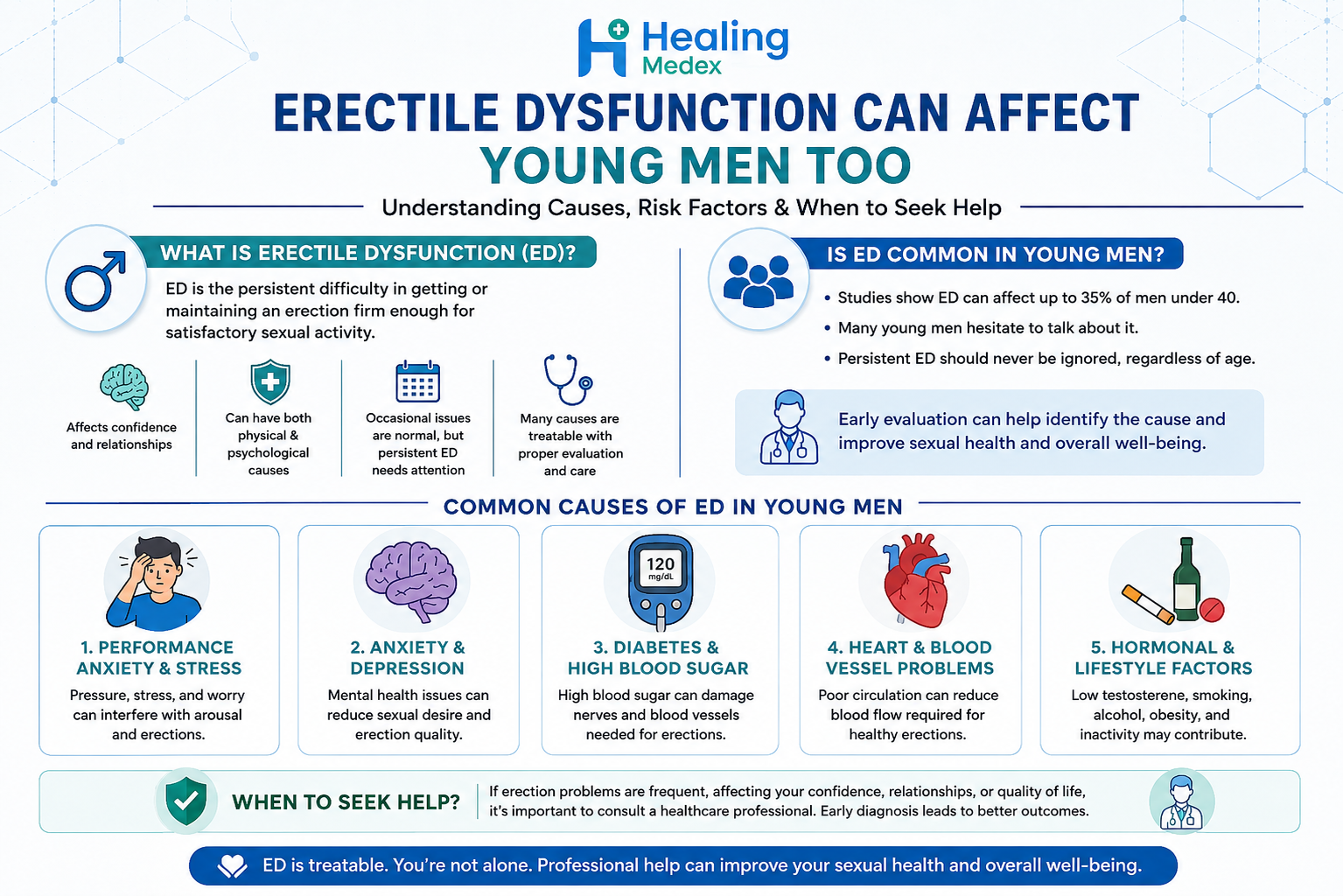
Erectile dysfunction (ED) is often associated with older age, but younger men can experience erection problems as well. ED refers to persistent difficulty getting or maintaining an erection firm enough for satisfactory sexual activity.
Having difficulty getting an erection occasionally does not necessarily mean you have erectile dysfunction. Stress, fatigue, alcohol, relationship concerns, or an unusually demanding day can temporarily affect sexual performance.
However, when erection difficulties happen repeatedly or begin affecting confidence, relationships, or sexual wellbeing, they deserve attention.
Importantly, ED in younger men should not automatically be assumed to be psychological. Both physical and psychological factors can contribute, and sometimes several factors are involved at the same time.
Is Erectile Dysfunction Common in Young Men?
ED becomes more common with increasing age, but research shows that it is not limited to older adults.
Studies evaluating men under 40 have reported widely varying prevalence estimates. A recent review noted rates as high as approximately 35% in some populations, although estimates differ substantially depending on the population studied and how erectile dysfunction is defined.
Younger men may also hesitate to talk about sexual difficulties because they assume ED should not happen at their age. This can delay evaluation of potentially treatable causes.
The key point is simple: young age does not rule out erectile dysfunction, and persistent ED should not simply be ignored.
What Causes Erectile Dysfunction in Young Men?
An erection depends on several systems working together, including:
the brain
hormones
nerves
blood vessels
muscles
emotions and psychological wellbeing
A problem affecting any part of this process can contribute to erectile difficulties.
In younger men, causes generally fall into several categories.
1. Performance Anxiety
Performance anxiety is an important contributor to erection problems among younger men.
A person may begin worrying about questions such as:
Will I be able to get an erection?
Will I maintain it?
Will my partner be satisfied?
What if the problem happens again?
That anxiety can interfere with sexual arousal. After one unsuccessful sexual experience, worrying about another episode can sometimes create a repeating cycle:
Erection difficulty → anxiety → increased pressure → another erection difficulty.
Psychological factors should therefore be taken seriously rather than dismissed.
2. Stress
Work pressure, financial concerns, lack of sleep, relationship difficulties, academic stress, and other life pressures can affect sexual function.
Sexual arousal begins in the brain, so significant or prolonged stress can interfere with the signals involved in developing and maintaining an erection.
Stress may also indirectly contribute through poor sleep, increased alcohol use, smoking, reduced exercise, or changes in relationships.
3. Anxiety and Depression
Mental health and sexual health can strongly influence one another.
Anxiety and depression may decrease sexual desire or interfere with arousal and erection quality. At the same time, experiencing ED may increase anxiety, reduce confidence, and create additional relationship stress.
Mayo Clinic lists depression, anxiety, stress, and relationship difficulties among psychological factors that can cause or worsen erectile dysfunction.
Seeking appropriate mental health support can therefore be an important part of ED management when psychological factors are involved.
4. Relationship Problems
Communication difficulties, emotional distance, conflict, lack of trust, or concerns about sexual expectations can sometimes contribute to erection problems.
ED associated with relationship factors does not mean the symptoms are imaginary. Psychological and relationship factors can produce genuine changes in sexual response.
Couples counseling or sex therapy may sometimes be recommended alongside medical evaluation.
5. Diabetes and High Blood Sugar
Diabetes is an important physical cause of erectile dysfunction.
Over time, high blood sugar can damage blood vessels and nerves involved in erections.
Someone experiencing persistent ED — particularly when accompanied by symptoms or risk factors for diabetes — may benefit from medical evaluation and appropriate blood testing.
Diabetes is among the health conditions recognized by the National Institute of Diabetes and Digestive and Kidney Diseases (NIDDK) as being associated with erectile dysfunction.
6. Cardiovascular and Blood-Vessel Problems
Healthy erections depend heavily on adequate blood flow.
Conditions that affect blood vessels may interfere with blood reaching the penis. Risk factors can include:
high blood pressure
high cholesterol
diabetes
obesity
smoking
physical inactivity
Although cardiovascular disease is more common with increasing age, vascular causes of ED can occur in younger adults too.
Research has highlighted the importance of considering cardiovascular and metabolic risk factors when evaluating younger men with persistent ED.
For this reason, persistent ED may sometimes provide an opportunity for a doctor to identify previously unrecognized cardiovascular risk factors.
7. Low Testosterone and Other Hormonal Problems
Testosterone plays an important role in male sexual health.
Low testosterone may be associated with symptoms such as:
reduced sexual desire
fatigue
changes in mood
reduced muscle mass
erection difficulties in some men
Other hormonal conditions, including certain thyroid disorders, may also affect erectile function.
However, erection difficulties alone do not confirm low testosterone.
A healthcare professional can determine whether hormone testing is appropriate based on symptoms and medical history. NIDDK includes testosterone and thyroid abnormalities among possible hormonal causes of ED.
8. Smoking
Smoking can damage blood vessels and reduce healthy circulation.
Because adequate blood flow is essential for erections, tobacco use can increase the risk of erectile difficulties.
Stopping smoking may improve cardiovascular health and may also benefit erectile function as part of an overall treatment plan.
9. Excessive Alcohol and Recreational Drugs
Alcohol may temporarily reduce sexual performance, particularly when consumed in larger amounts.
Heavy or prolonged alcohol use can also contribute to hormonal, neurological, and cardiovascular problems that may affect erectile function.
Recreational and illicit drugs may interfere with the nervous system, circulation, hormones, or psychological wellbeing as well.
Reducing excessive alcohol consumption and avoiding recreational drugs may therefore be recommended as part of ED management.
10. Being Overweight and Lack of Exercise
Obesity and physical inactivity are associated with conditions that can contribute to erectile dysfunction, including diabetes, high blood pressure, metabolic problems, and cardiovascular disease.
Regular physical activity, a balanced diet, and maintaining an appropriate body weight can improve overall health and may support erectile function.
Lifestyle measures recommended by NIDDK for people with ED include increasing physical activity, maintaining a healthy weight, following a healthy eating plan, quitting smoking, and reducing excessive alcohol use.
11. Certain Medicines
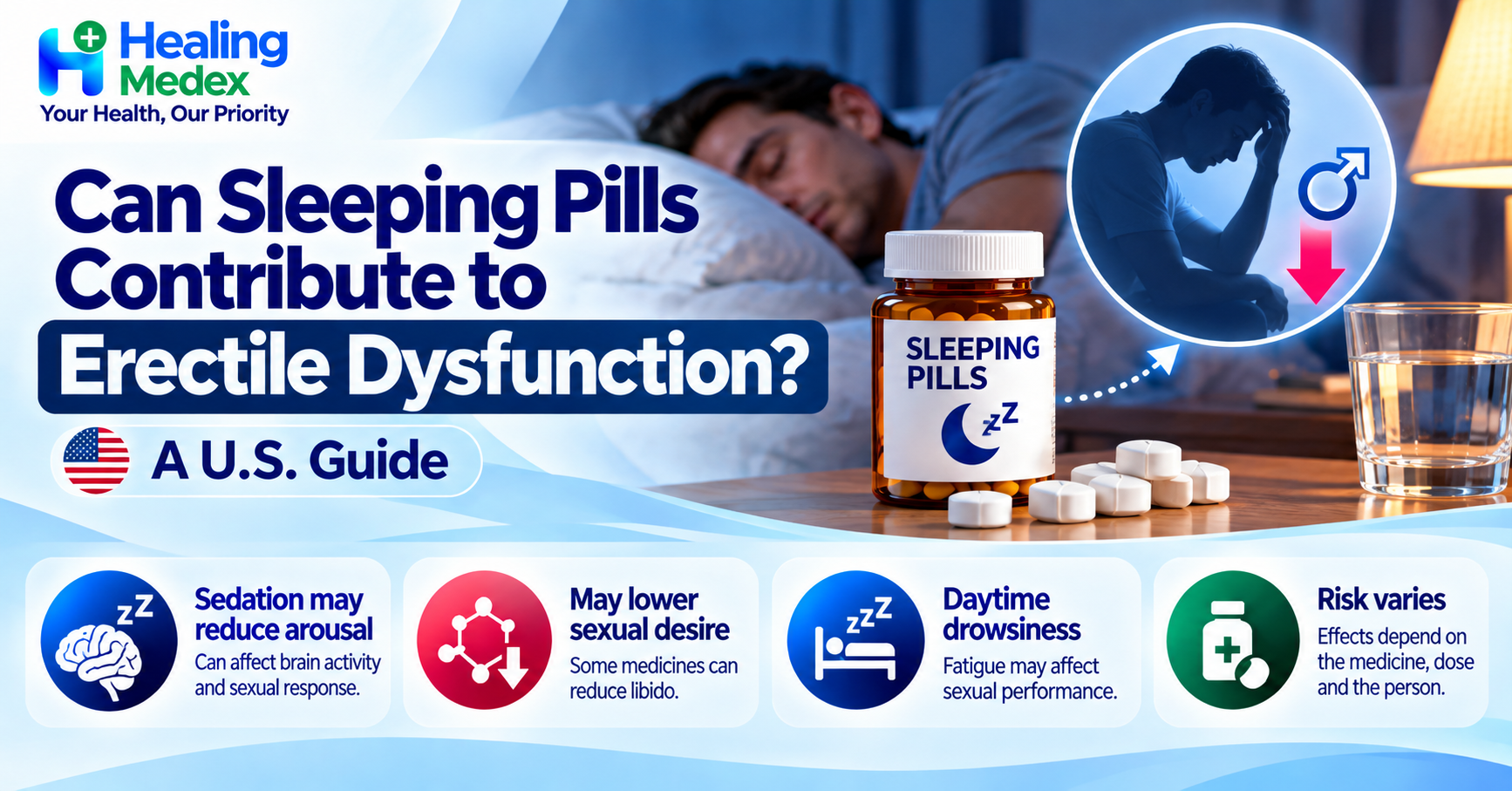
Sometimes ED is related to a medication rather than an underlying sexual-health disorder.
Medicines that may affect erectile function in some people include certain:
other prescription or over-the-counter medicines
Do not stop a prescribed medicine because you suspect it is causing ED.
Instead, discuss the problem with the prescribing healthcare professional. They can determine whether the medicine may be contributing and whether a safe alternative is appropriate.
12. Nerve or Pelvic Injuries
An erection requires healthy nerve communication between the brain, spinal cord, and penis.
Conditions or injuries affecting these nerves can sometimes cause erectile dysfunction.
Examples include:
spinal cord injuries
pelvic injuries
certain neurological disorders
complications following some pelvic surgeries
Structural problems involving the penis, including Peyronie’s disease, may also interfere with sexual activity.
Psychological ED vs Physical ED: How Can You Tell?
It is tempting to diagnose the cause yourself based on your symptoms, but the distinction is not always straightforward.
For example, erection problems that occur mainly during partnered sexual activity but not during masturbation or spontaneous erections may suggest a psychological component.
A gradual decline in erections across different situations may raise greater concern for a physical contributor.
However, these patterns are not diagnostic.
Many men have a combination of physical and psychological factors. A small physical difficulty can trigger performance anxiety, which then makes the erection problem more severe.
A proper evaluation is therefore more useful than trying to label ED as either “physical” or “psychological” on your own.
When Should a Young Man See a Doctor for Erectile Dysfunction?
An occasional erection problem is usually not a reason to panic.
Consider speaking with a healthcare professional when:
erection difficulties keep happening
you regularly cannot maintain an erection long enough for sexual activity
symptoms have continued for several weeks or months
ED is creating significant anxiety or relationship problems
your sexual desire has noticeably decreased
you have diabetes, high blood pressure, high cholesterol, or cardiovascular risk factors
symptoms appeared after starting a new medicine
you have penile pain, curvature, or another noticeable physical change
you have other unexplained symptoms alongside ED
Mayo Clinic recommends discussing erectile concerns with a healthcare professional, particularly when ED is persistent, occurs alongside another sexual problem, or when there are underlying health conditions that could be associated with it.
How Is Erectile Dysfunction Diagnosed in Young Men?
Evaluation usually begins with a conversation rather than complicated testing.
A healthcare professional may ask about:
when the problem started
whether you can obtain an erection at certain times but not others
morning or nighttime erections
sexual desire
medical conditions
medicines and supplements
smoking and alcohol use
mental health
stress
relationship factors
A physical examination may also be performed.
Depending on your history and symptoms, blood tests or additional investigations may be recommended to look for hormonal, metabolic, vascular, or other medical causes.
NIDDK notes that ED diagnosis may involve a medical, sexual, and mental-health history, physical examination, laboratory tests, and — in selected situations — specialized testing such as penile blood-flow evaluation.
Can Erectile Dysfunction in Young Men Be Treated?
In many cases, yes.
The appropriate treatment depends on why the ED is occurring.
Management may include:
Lifestyle Changes
A healthcare professional may recommend:
quitting smoking
exercising regularly
reducing excessive alcohol consumption
maintaining a healthy weight
improving diet
avoiding recreational drugs
improving sleep
Psychological Support
When anxiety, depression, performance pressure, or relationship difficulties are contributing, counseling or psychological therapy may help.
Treating Underlying Medical Conditions
Improving control of conditions such as diabetes, high blood pressure, hormonal disorders, or other underlying problems may improve overall health and erectile function.
Prescription ED Medicines
Medicines that increase blood flow to the penis are available for appropriate patients.
However, ED medicines are not suitable for everyone and can interact with other medicines or medical conditions. A licensed healthcare professional should determine whether a treatment is appropriate.
Avoid self-diagnosing ED or taking prescription erectile dysfunction medicines obtained from unreliable sources without appropriate medical guidance.
Why Young Men Shouldn’t Ignore Persistent ED
It is easy to assume that ED at a young age must simply be due to nervousness.
Sometimes it is.
But sometimes it isn’t.
Evidence shows that younger men can have psychological, vascular, hormonal, neurological, medication-related, and other physical contributors to ED.
Identifying the cause can help address the erection problem while also potentially detecting health conditions that deserve treatment in their own right.
Frequently Asked Questions
Is ED normal in your 20s?
Occasional difficulty getting or maintaining an erection can happen at any age and does not automatically mean you have erectile dysfunction.
Repeated or persistent problems, however, should be discussed with a healthcare professional.
Can anxiety cause erectile dysfunction in young men?
Yes. Anxiety — particularly performance anxiety — can interfere with sexual arousal and contribute to difficulty getting or maintaining an erection. Stress, depression, and relationship concerns may also contribute.
Can erectile dysfunction go away on its own?
Temporary erection difficulties related to factors such as stress, fatigue, or alcohol may improve when the contributing factor resolves.
Persistent ED may require treatment of an underlying physical or psychological cause. Rather than waiting indefinitely, consider medical evaluation when symptoms continue or repeatedly return.
Does ED in young men always mean low testosterone?
No.
Low testosterone is only one possible contributor. Anxiety, vascular health, diabetes, medications, smoking, alcohol, neurological conditions, relationship issues, and many other factors may contribute.
Hormone testing should be considered based on an individual’s symptoms and clinical assessment.
Can lifestyle changes improve erectile function?
They may help, particularly when cardiovascular or metabolic health contributes to ED.
Regular exercise, healthy weight management, stopping smoking, limiting excessive alcohol, and following a healthy eating pattern are among the lifestyle measures recommended for people with erectile dysfunction.
Should I take ED medicine if I am young?
Age alone does not determine whether an ED medicine is appropriate.
A healthcare professional should first consider the possible cause of your symptoms, your overall health, other medicines you use, and potential contraindications or interactions.
Self-medication can hide an underlying health problem and may expose you to unnecessary risks.
Final Thoughts
Erectile dysfunction in young men is more common than many people assume, and experiencing ED does not automatically mean there is a serious medical problem.
Stress, performance anxiety, relationship difficulties, lifestyle factors, medications, hormonal changes, diabetes, cardiovascular risk factors, and neurological conditions can all contribute.
The most important distinction is between an occasional erection problem and a persistent or recurring pattern.
If erection difficulties continue, become more frequent, or are accompanied by other symptoms, consider speaking with a qualified healthcare professional. Identifying the underlying cause is usually the best starting point for finding an appropriate solution.
Healing Medex encourages informed and responsible men’s healthcare. Sexual-health concerns are common medical issues and can be discussed confidentially with an appropriately qualified healthcare professional.