Introduction
Have you ever noticed that erections seem stronger in the morning but sexual activity feels more comfortable at night? Many men experience differences in sexual desire, energy levels, and erectile performance throughout the day.
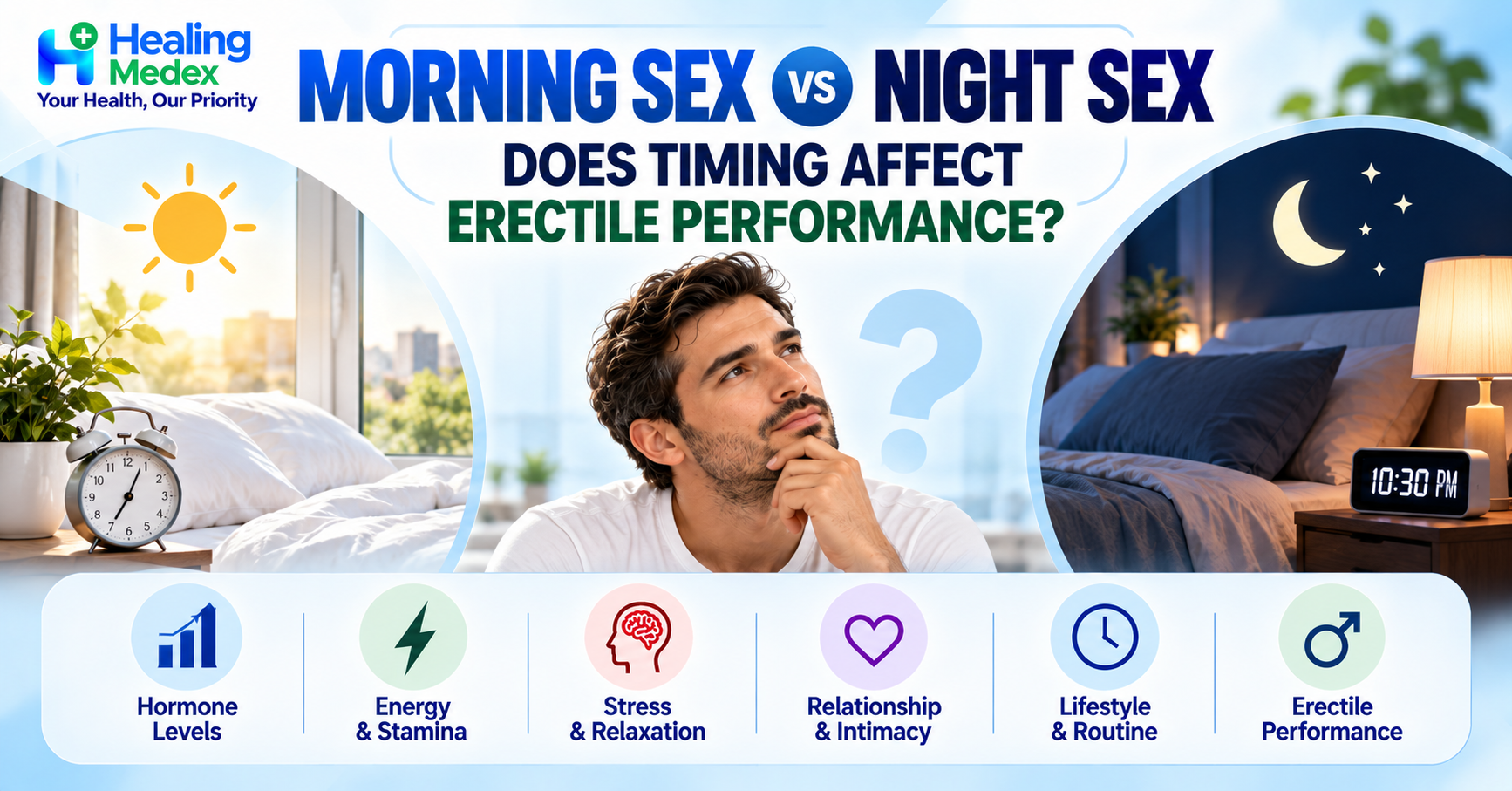
This raises an interesting question: Is morning sex better than night sex for erectile performance?
The answer depends on several factors, including testosterone levels, sleep quality, stress, physical energy, emotional connection, and overall health.
Although testosterone levels are typically higher in the morning, that does not automatically mean morning sex produces stronger or longer-lasting erections. Similarly, night sex may offer greater relaxation and intimacy, but tiredness and alcohol consumption can sometimes interfere with sexual performance.
In this Healing Medex guide, we explore how sexual timing influences erectile function, the potential benefits of morning and night sex, and practical ways to support better sexual health.
1. Does the Time of Day Really Affect Erectile Performance?
Yes, the time of day may influence factors associated with erectile performance, but there is no scientifically established universal best time for sex.
An erection occurs when sexual stimulation triggers signals that relax blood vessels in the penis, allowing blood to flow into erectile tissue.
Several factors influence this process:
Testosterone levels and sexual desire
Stress, anxiety, and emotional well-being
Sleep quality and physical fatigue
Alcohol consumption and medication use
Sexual stimulation and relationship satisfaction
The body's internal biological clock, known as the circadian rhythm, regulates sleep-wake cycles and influences hormone activity.
Research suggests that disrupted circadian rhythms and sleep disorders may be associated with poorer erectile function. However, this does not establish that having sex at a particular hour improves erection quality.
2. Why Are Morning Erections Often Stronger?
Morning erections, medically known as nocturnal penile tumescence, are a normal physiological phenomenon.
Many men experience several spontaneous erections while sleeping, particularly during rapid eye movement (REM) sleep.
These erections may still be present when someone wakes up.
What causes morning erections?
Higher morning testosterone levels
Testosterone generally increases during sleep and tends to be highest around the morning hours, especially in younger men with regular sleep schedules.
REM sleep activity
During REM sleep, changes in autonomic nervous system activity can support spontaneous erections.
Reduced conscious stress
Sleep-related erections occur without the same conscious worries or performance pressures that may arise during sexual activity.
Normal nerve and blood vessel function
Regular spontaneous erections can be a reassuring sign that some of the physiological systems involved in erectile function are working.
However, morning erections do not guarantee excellent sexual performance. They also do not mean that sex in the morning is necessarily better.
Occasionally waking up without an erection is normal. A persistent change in morning erections, particularly alongside other symptoms, may warrant medical evaluation.
3. Benefits of Morning Sex for Erectile Performance
Morning sex may be preferable for some men because of their natural sleep-wake rhythm and energy levels.
1. Naturally higher testosterone levels
Testosterone is involved in sexual desire and reproductive health.
For many men, testosterone levels are highest after a full night's sleep.
This may contribute to greater sexual interest in the morning, although testosterone levels alone do not determine erection quality.
2. Feeling physically refreshed
After adequate sleep, some individuals experience less physical tiredness and greater energy.
This may make sexual activity feel more comfortable.
3. Fewer work-related distractions
Morning intimacy may occur before workplace responsibilities and daily stressors begin.
For some couples, this creates a more relaxed experience.
4. Spontaneous erections upon waking
Some men wake up with an erection, which may make morning sexual activity feel more natural or spontaneous.
However, spontaneous morning erections are not the same as erections caused by sexual arousal.
5. Opportunity for emotional connection
Morning intimacy can provide couples with quality time together before starting the day.
This may support emotional closeness and relationship satisfaction.
Important: These are potential benefits, not guaranteed improvements in erectile strength, stamina, or sexual performance.
4. Benefits of Night Sex for Erectile Performance
Night sex is commonly preferred because it fits more easily into daily schedules.
Although testosterone levels may be lower in the evening, this does not mean night sex leads to weaker erections.
1. Greater time for intimacy
Evenings may allow couples to spend more uninterrupted time together.
More time for communication, affection, and sexual stimulation can help create a comfortable experience.
2. Reduced daily responsibilities
Once work and other commitments are finished, some people find it easier to concentrate on intimacy.
This may reduce distractions during sex.
3. Emotional relaxation
Physical affection and intimacy may help some individuals feel calmer and more connected to their partners.
However, the effect varies between people.
4. Convenient for couples
Many couples have more privacy and flexibility during the evening.
Choosing a mutually convenient time may be more beneficial than trying to follow a strict schedule based on hormone levels.
5. Comfortable sexual pacing
When both partners are relaxed and not rushed, they may feel more comfortable communicating their needs and preferences.
Nevertheless, late-night fatigue, stress, heavy meals, or excessive alcohol may interfere with erectile performance.
5. Morning Sex vs Night Sex: Key Differences
Factor | Morning Sex | Night Sex |
|---|---|---|
Testosterone | Generally higher after sleep | Generally lower later in the day |
Physical energy | May be higher after adequate rest | May be reduced by daily fatigue |
Stress | May involve fewer daily worries | May feel relaxing after responsibilities end |
Natural erections | Morning erections may be present | Usually depends on sexual arousal |
Privacy and convenience | May be limited by morning schedules | Often more convenient |
Erectile performance | Depends on individual health and arousal | Depends on individual health and arousal |
Best suited for | Couples who feel refreshed in the morning | Couples who prefer relaxed evening intimacy |
Key takeaway: Morning sex has some potential hormonal and energy-related advantages, while night sex may offer greater convenience and relaxation. Neither has been proven universally superior for erectile performance.
6. Does Testosterone Make Morning Sex Better?
Testosterone plays an important role in male sexual health, including libido and aspects of erectile physiology.
For many men, testosterone levels follow a daily pattern:
Levels generally rise during sleep.
They are often highest shortly after waking.
They gradually decline throughout the day.
This pattern becomes less pronounced with age and can vary with sleep schedules.
However, higher testosterone does not automatically produce a stronger erection.
A man with normal testosterone levels can still experience erectile dysfunction because of stress, diabetes, cardiovascular disease, medication side effects, or other conditions.
7. Can Night Sex Increase the Risk of Erectile Dysfunction?
Night sex itself does not cause erectile dysfunction.
However, certain factors associated with late-night activity can temporarily make erections more difficult to achieve or maintain.
Physical exhaustion
After a demanding day, fatigue may reduce sexual interest, concentration, or arousal.
Excessive alcohol consumption
Some people consume alcohol before evening intimacy because they believe it improves confidence.
Although alcohol can temporarily reduce inhibitions, excessive consumption may interfere with erections.
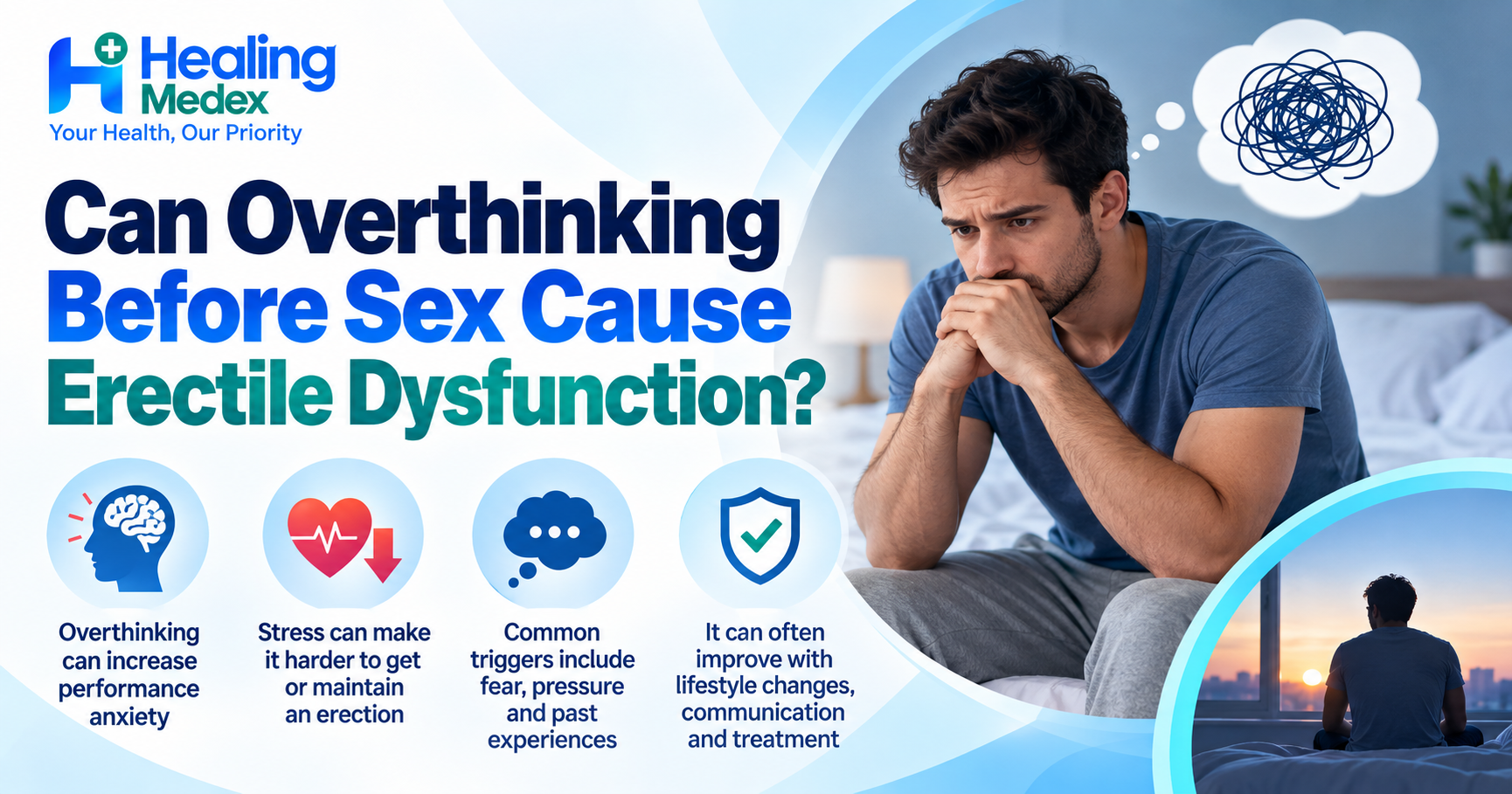
Stress and performance anxiety
Unresolved daily worries or pressure to perform sexually can make it harder to maintain an erection.
Insufficient sleep
Regularly sacrificing sleep for late-night activity may contribute to fatigue and impaired overall health.
If erection problems happen repeatedly, they should not automatically be attributed to the timing of sexual activity.
8. Can Poor Sleep Affect Erectile Performance?
Yes. Sleep is an important part of maintaining sexual and general health.
Inadequate or disrupted sleep may influence hormone regulation, mood, energy, and sexual function.
Research involving men with shift work sleep disorder has found an association between disrupted sleep-wake patterns and poorer erectile function.
Some ways to support healthy sleep include maintaining a consistent sleep schedule, creating a comfortable sleeping environment, limiting excessive alcohol, and seeking assessment for persistent sleep difficulties.
Most adults should aim for approximately seven to nine hours of sleep per night, although individual needs differ.
Whether you prefer sex in the morning or at night, maintaining healthy sleep habits is likely more important than choosing a particular clock time.
9. Does Sexual Timing Affect Stamina and How Long You Last?
Sexual stamina is influenced by multiple factors, including arousal, anxiety, physical comfort, and overall sexual health.
There is insufficient clinical evidence to establish that morning sex consistently produces longer-lasting erections or delays ejaculation compared with night sex.
Some men may feel more energetic after waking, while others may feel more sexually confident and relaxed in the evening.
It is also important to understand that erectile dysfunction and premature ejaculation are different conditions.
Premature ejaculation involves ejaculation occurring sooner than desired, often with difficulty controlling ejaculation and associated distress.
Changing the time of sexual activity is not a proven standalone treatment for either condition.
10. What Is the Best Time for Sex If You Have Erectile Dysfunction?
Some men notice improved sexual confidence in the morning, while others prefer evenings because they have more time for intimacy.
Consider the following factors when choosing a time:
Energy level: Choose a time when you are not physically exhausted.
Emotional comfort: Avoid turning intimacy into a performance test.
Partner availability: Find a time that works comfortably for both partners.
Sleep quality: Avoid regularly compromising sleep.
Alcohol consumption: Avoid excessive alcohol before sexual activity.
Medical conditions: Address underlying problems such as diabetes, high blood pressure, or hormonal disorders.
11. Can Erectile Dysfunction Medicines Work Differently in the Morning and at Night?
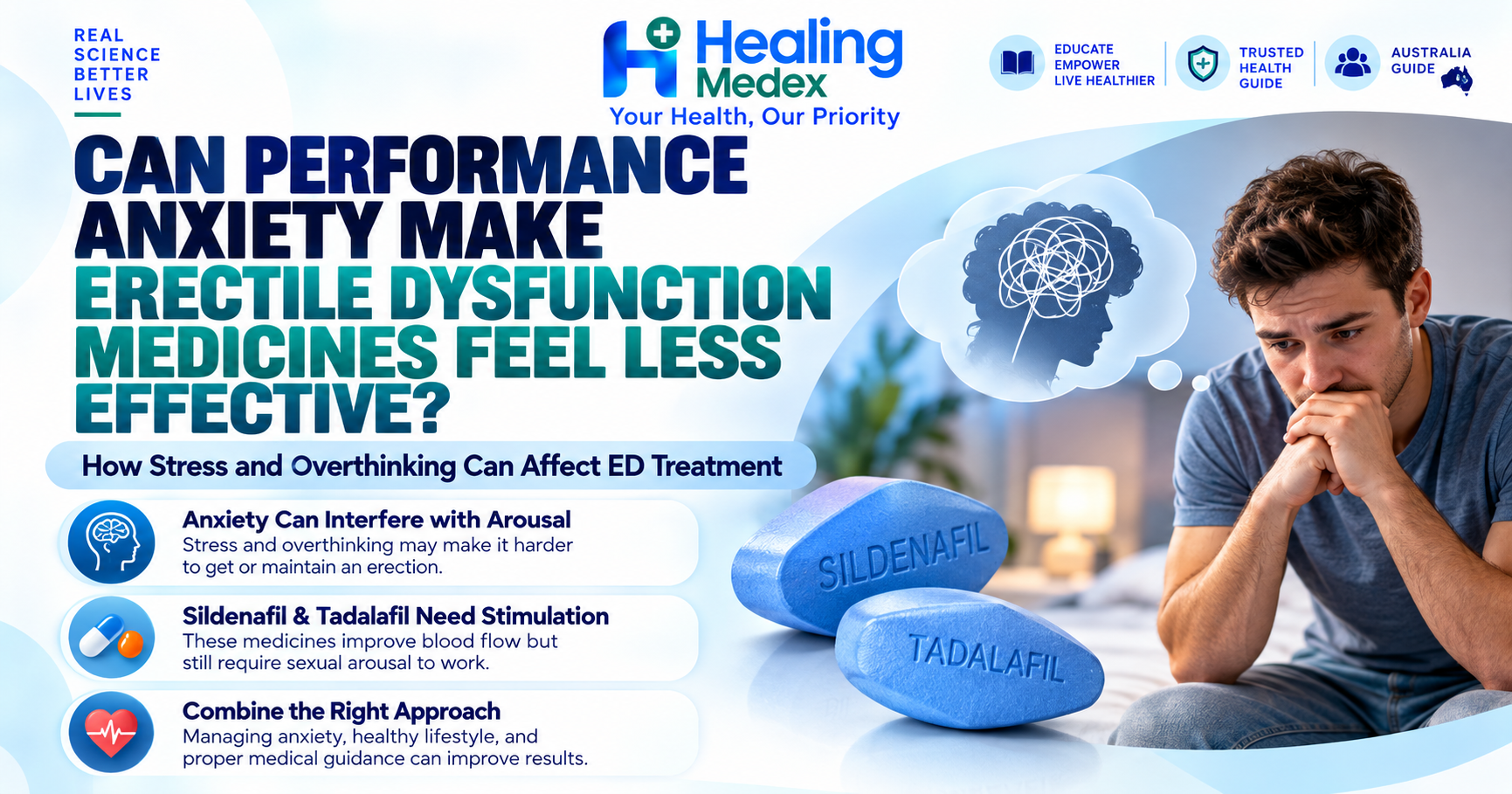
Medicines such as sildenafil and tadalafil are commonly prescribed for erectile dysfunction.
Their effectiveness depends on medication-specific factors, appropriate dosing, sexual stimulation, and individual health conditions—not simply whether it is morning or night.
Sildenafil
Tadalafil
Daily tadalafil is another prescribed dosing approach and should be taken according to medical instructions rather than timed around every sexual encounter.
Safety note: Never combine sildenafil or tadalafil with nitrates used for chest pain or recreational nitrite products known as poppers, because the combination can cause a dangerous fall in blood pressure. Medical advice is essential before using ED medication, particularly if you have cardiovascular disease or take other medicines.
No ED medicine guarantees an erection without sexual stimulation.
12. Tips to Improve Erectile Performance at Any Time of Day
Whether you prefer morning or night sex, maintaining good physical and mental health can help support erectile function.
Prioritize sleep: Maintain consistent, adequate sleep whenever possible.
Exercise regularly: Physical activity supports cardiovascular health and circulation.
Manage stress: Relaxation, communication, and psychological support may reduce performance anxiety.
Avoid smoking: Smoking can damage blood vessels involved in erectile function.
Limit alcohol: Excessive alcohol can interfere with erection quality.
Maintain a balanced diet: Heart-healthy dietary patterns support vascular health.
Manage underlying conditions: Appropriate treatment of diabetes, high blood pressure, and other conditions is important.
Communicate openly: Discuss comfort, expectations, and preferences with your partner.
Avoid performance pressure: Sexual satisfaction is not defined solely by erection firmness or duration.
Seek medical guidance: Persistent erectile difficulties deserve professional assessment.
Lifestyle changes may improve erectile function for some men, but they are not substitutes for appropriate medical treatment when an underlying condition is present
13. Frequently Asked Questions (FAQs)
Q1. Is morning sex better than night sex for stronger erections?
Not necessarily. Morning testosterone levels are generally higher, and spontaneous erections may occur after sleep. However, no universal improvement in erection strength from morning sex has been established.
Q2. Why do men often wake up with erections?
Morning erections are associated with normal physiological processes during sleep, especially REM sleep, autonomic nervous system activity, and hormonal changes.
Q3. Does night sex cause erectile dysfunction?
Q4. Is testosterone higher in the morning or at night?
In many men, testosterone is highest after sleep and tends to decline during the day. The pattern varies with age and sleep habits.
Q5. Does morning sex help men last longer?
There is no strong evidence that morning sex reliably delays ejaculation or increases sexual stamina.
Q6. Can a lack of morning erections indicate erectile dysfunction?
Occasional absence is normal. A persistent reduction, particularly with other erection difficulties, may justify medical assessment.
Q7. Is it better to take sildenafil in the morning or at night?
Q8. Can poor sleep make erections weaker?
Poor sleep may contribute to fatigue, hormone disruption, and other factors affecting erectile function. Persistent sleep problems should be addressed.
Q9. Is morning sex healthier for men over 40?
There is no established rule that morning sex is healthier for men over 40. Cardiovascular health, hormonal status, energy, and personal preference are more relevant.
Q10. What should I do if I have strong morning erections but difficulty during sex?
Situational erection difficulties can be associated with anxiety or other psychological factors, but they may also have physical contributors. If the problem keeps happening, seek a professional assessment rather than assuming the cause.
Conclusion: Morning Sex or Night Sex — Which Is Better?
When comparing morning sex vs night sex, the most important factor is not the time on the clock but your physical health, emotional comfort, sexual arousal, and personal preferences.
Morning sex may feel more natural for some men because testosterone levels are generally higher after sleep and spontaneous erections are more common upon waking.
Night sex may offer more time for relaxation, communication, and intimacy, although fatigue and excessive alcohol can sometimes interfere with performance.
There is no scientifically established best time of day for every man's erectile performance.
If you regularly struggle to achieve or maintain an erection, changing your sexual routine alone may not solve the problem. Identifying and managing the underlying cause is a more reliable approach.
At Healing Medex, we believe informed decisions and responsible sexual health education are essential for maintaining confidence, intimacy, and overall well-being.