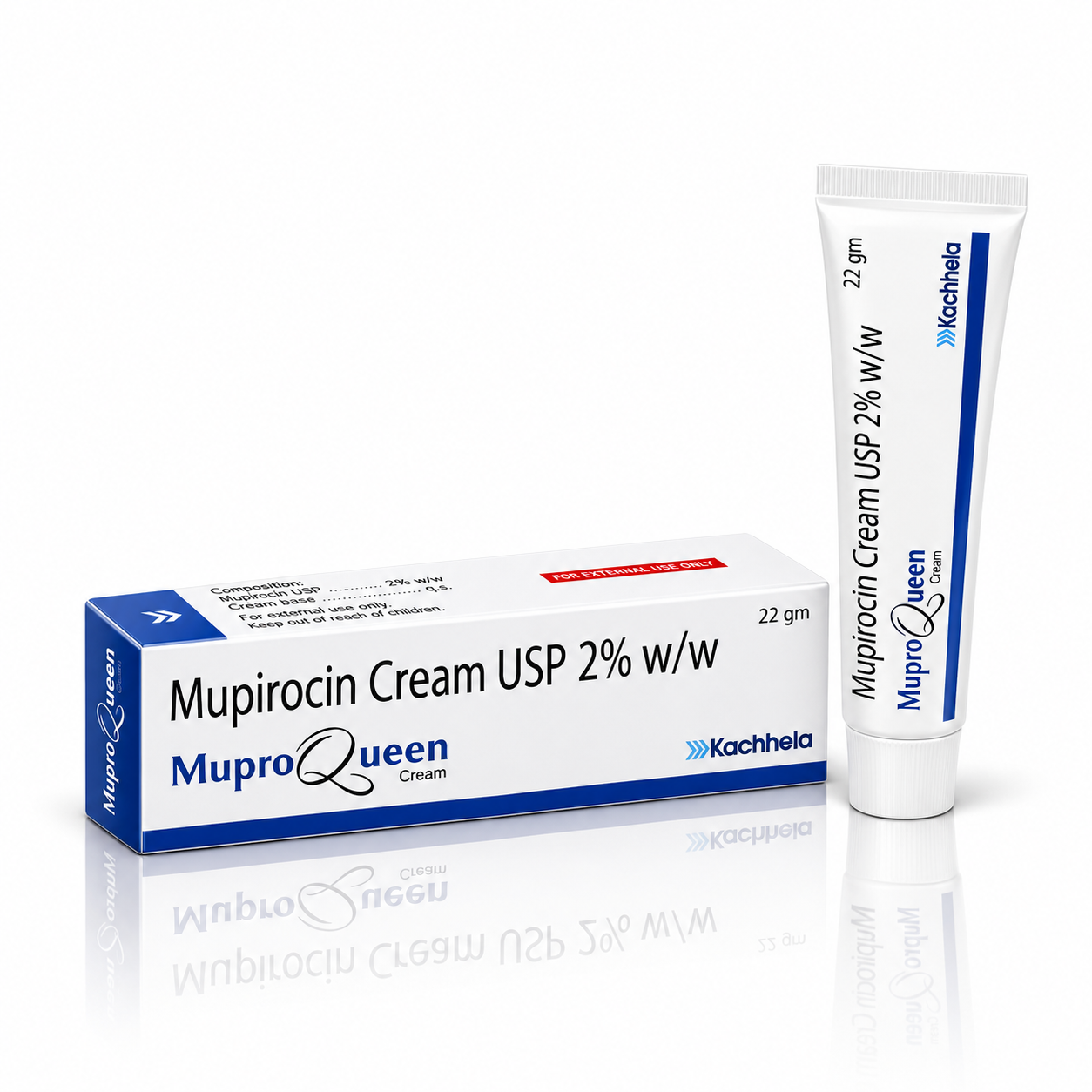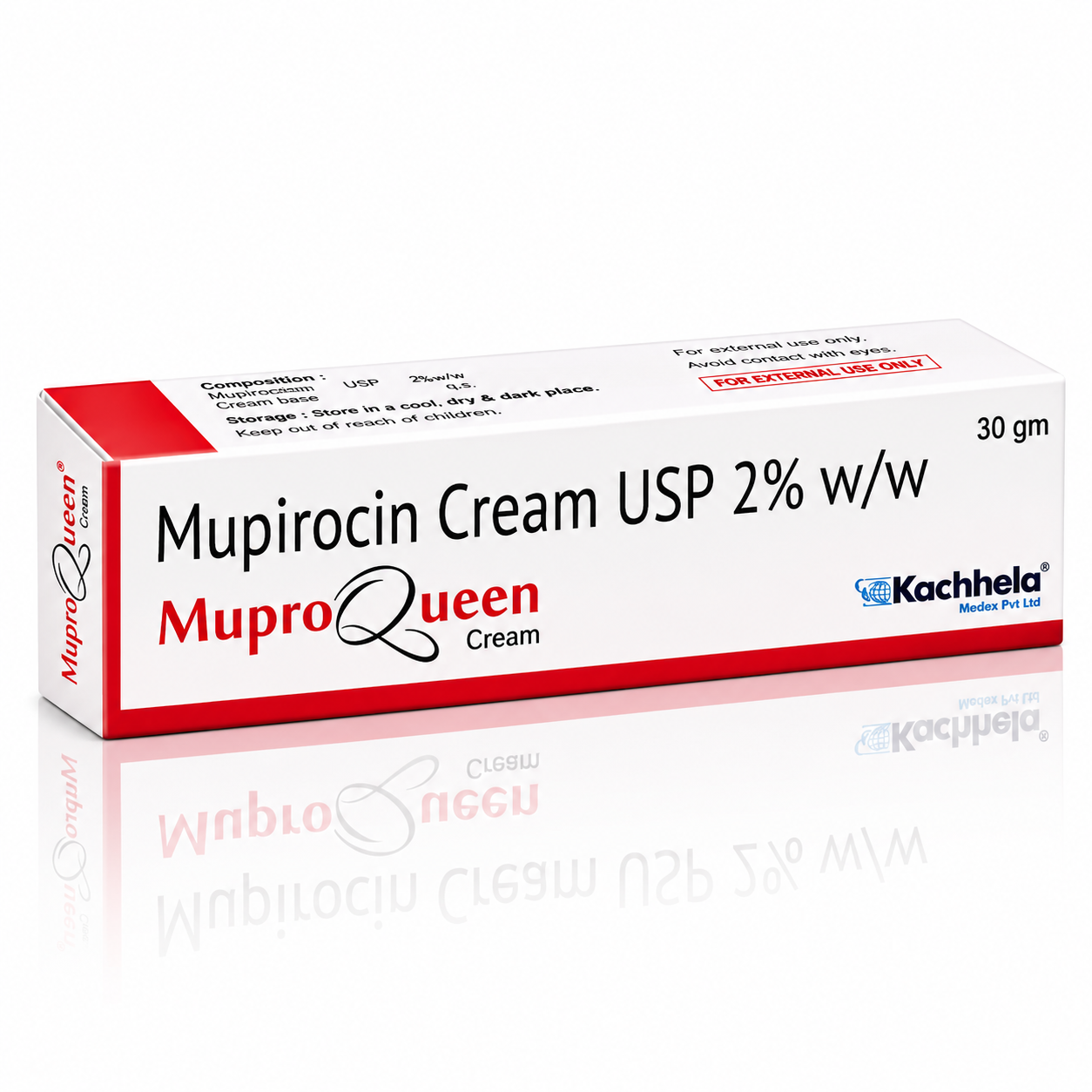
Muproqueen Cream 2% W/W (30 GM)
Starting at just $15.00
$0.29 / unit
| Pack Size | Price | Price / Unit | Quantity | Action |
|---|---|---|---|---|
| 144 Capsule | $42.00 | $0.29/unit | ||
| 120 Capsule | $35.00 | $0.29/unit | ||
| 96 Capsule | $28.00 | $0.29/unit | ||
| 72 Capsule | $21.00 | $0.29/unit | ||
| 48 Capsule | $14.00 | $0.29/unit | ||
| 24 Capsule | $7.00 | $0.29/unit |
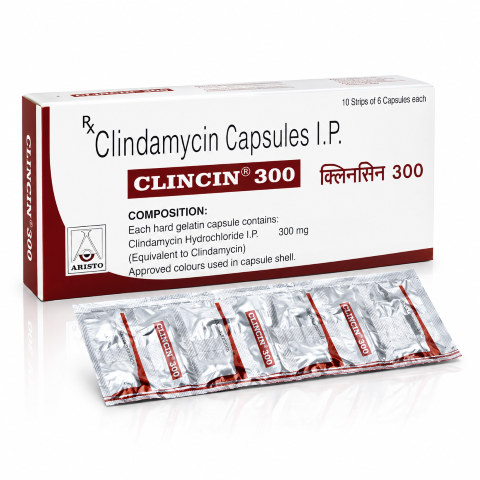
CLINCIN 300 MG CAPSULE contains Clindamycin Hydrochloride I.P., equivalent to Clindamycin 300 mg, and is manufactured and marketed by Indi Pharma Pvt. Ltd., India.
It is available as an oral hard gelatin capsule. The manufacturer's product catalogue specifies a strip of 8 capsules, although some Indian pharmacy listings offer strips of 10 capsules.
Brand Name: Clincin 300 mg Capsule
Generic Name: Clindamycin Hydrochloride
Strength: Equivalent to Clindamycin 300 mg
Dosage Form: Hard gelatin capsule
Therapeutic Class: Lincosamide antibiotic
Manufacturer/Marketer: Indi Pharma Pvt. Ltd.
Pack Size: 1 × 8 capsules (manufacturer catalogue); 1 × 10 capsules also listed by retailers
Route of Administration: Oral
Clindamycin belongs to a group of medicines called lincosamide antibiotics. It is used to treat certain bacterial infections caused by susceptible microorganisms.
This medicine works by binding to the 50S subunit of bacterial ribosomes, inhibiting bacterial protein synthesis.
Bacteria require proteins to grow, reproduce, and perform essential cellular functions. By interfering with protein production, clindamycin helps stop the growth of susceptible bacteria and allows the body's immune system to control the infection.
Clindamycin is primarily a bacteriostatic antibiotic, although it may kill certain susceptible bacteria under specific conditions.
It is active against some gram-positive bacteria and anaerobic organisms. However, resistance varies according to the bacterial species and geographical location.
This medicine may be prescribed for:
serious bacterial skin and soft tissue infections
cellulitis caused by susceptible bacteria
certain bacterial wound infections
selected abscess-associated infections as part of appropriate treatment
certain dental and oral bacterial infections
infections involving susceptible anaerobic bacteria
certain respiratory tract infections
aspiration-related infections involving susceptible anaerobic organisms
lung abscess
empyema caused by susceptible bacteria
certain bone infections, including osteomyelitis
selected joint infections
certain intra-abdominal infections
certain pelvic infections
selected gynecological infections
other serious bacterial infections when clindamycin is appropriate
For some infections, clindamycin is used with additional antibiotics, surgical drainage, or other medical procedures.
Clincin 300 mg is not suitable for every bacterial infection. It does not reliably treat all gram-negative infections, and susceptibility testing may be needed.
It is not used for viral infections such as the common cold or influenza.
Clindamycin carries a significant risk of Clostridioides difficile-associated diarrhea and colitis, which may be severe or life-threatening.
Because of this risk, clindamycin should generally be reserved for infections where it is an appropriate option and less hazardous alternatives are unsuitable.
It should not be used unnecessarily for minor infections or routine self-treatment.
Clincin 300 mg is a prescription antibiotic and should only be used according to the instructions of a qualified healthcare professional.
They need to know if you have any of these conditions:
a bacterial infection
a history of severe diarrhea
antibiotic-associated diarrhea
previous Clostridioides difficile infection
pseudomembranous colitis
inflammatory bowel disease
ulcerative colitis
Crohn's disease
chronic intestinal disorders
severe abdominal pain
liver disease
hepatitis
abnormal liver function tests
kidney disease
reduced kidney function
a history of acute kidney injury
severe dehydration
a history of serious allergic reactions
an allergy to clindamycin
an allergy to lincomycin
an allergy to gelatin or capsule ingredients
a history of severe skin reactions
Stevens-Johnson syndrome
toxic epidermal necrolysis
drug reaction with eosinophilia and systemic symptoms (DRESS)
myasthenia gravis
other neuromuscular disorders
difficulty swallowing
a history of esophageal inflammation
a history of esophageal ulcers
if you are taking other antibiotics
if you are taking erythromycin
if you are taking rifampicin
if you are taking warfarin
if you are taking muscle-relaxing medicines
if you are scheduled for surgery
if you are receiving general anesthesia
if you are taking medicines that affect liver function
if you are pregnant or planning to become pregnant
if you are breastfeeding
an unusual or allergic reaction to any ingredient in the capsule
Do not take Clincin 300 mg if you have a known serious allergic reaction to clindamycin, lincomycin, or another ingredient in the formulation.
History of colitis:
Tell your doctor if you have previously developed severe diarrhea or colitis following antibiotic treatment.
Clindamycin is associated with an increased risk of antibiotic-associated colitis.
Liver disease:
Clindamycin is primarily metabolized in the liver.
Patients with severe liver impairment may require additional monitoring, especially during prolonged treatment.
Kidney disease:
Routine dosage adjustment is generally unnecessary in most patients with kidney impairment. However, cases of acute kidney injury have been reported during clindamycin treatment.
Neuromuscular disorders:
Clindamycin has neuromuscular-blocking properties and may enhance the effects of medicines used to relax muscles during anesthesia.
Pregnancy and breastfeeding:
Tell your healthcare professional if you are pregnant, planning pregnancy, or breastfeeding.
The benefits and potential risks of antibiotic treatment should be assessed individually.
Important: Inform your healthcare provider about all medical conditions, previous antibiotic reactions, and medicines before starting Clincin 300 mg.
Take Clincin 300 mg Capsule by mouth exactly as prescribed by your doctor or healthcare professional.
Swallow the capsule whole with a full glass of water.
Take the capsule with approximately 200–250 mL of water and remain upright for at least 30 minutes afterward.
This is important because clindamycin capsules may cause irritation, inflammation, or ulceration of the esophagus if they become lodged in the throat.
The medicine can generally be taken with or without food. Taking it with food may help reduce stomach discomfort.
The dosage depends on:
the type of bacterial infection
severity of infection
bacterial susceptibility
age
body weight
liver function
kidney function
other medical conditions
response to treatment
For serious bacterial infections in adults:
A commonly recommended oral clindamycin regimen is:
150–300 mg every 6 hours.
For more severe bacterial infections:
The usual oral reference range is:
300–450 mg every 6 hours.
For a patient prescribed 300 mg per dose, one Clincin 300 mg capsule supplies that amount.
However, the exact frequency and duration must be determined by the prescribing healthcare professional.
These are reference dosing ranges, not an individualized prescription.
For skin and soft tissue infections:
Clindamycin may be prescribed for infections caused by susceptible streptococci, staphylococci, or anaerobic organisms.
The dosage and duration depend on the infection's severity and whether drainage or another procedure is required.
For cellulitis:
Clindamycin may be used when the suspected or confirmed bacteria are susceptible and the patient's clinical situation makes it appropriate.
However, clindamycin resistance can occur, including inducible resistance in some staphylococcal strains.
For dental infections:
Clindamycin has historically been used for certain dental infections, particularly in patients unable to take other antibiotics.
However, it is no longer preferred for routine dental antibiotic prophylaxis in several major guidelines because of its risk of serious adverse reactions, including C. difficile colitis.
Dental infections may require drainage, root canal treatment, extraction, or other procedures rather than antibiotics alone.
For bone and joint infections:
Clindamycin may be prescribed for susceptible bacterial infections, including some cases of osteomyelitis.
Treatment often requires specialist supervision and may continue for several weeks.
For anaerobic infections:
Clindamycin may be used for selected infections involving susceptible anaerobic bacteria.
However, it should not be assumed effective against all anaerobes because resistance patterns vary.
For intra-abdominal and pelvic infections:
Clindamycin may be used as part of combination therapy in selected situations.
It is not necessarily appropriate as a single medicine for these infections.
For children:
Pediatric dosing is based on body weight, severity of infection, and the available dosage formulation.
A common oral reference range is approximately 8–25 mg/kg/day in three or four divided doses, depending on infection severity and the relevant prescribing label.
Clincin 300 mg capsules may be unsuitable for younger children or those needing smaller doses.
For older adults:
Older adults with severe illness may be more vulnerable to complications from antibiotic-associated diarrhea and dehydration.
Closer monitoring may be required.
For patients with kidney impairment:
Routine dose adjustment is generally not required, but patients with pre-existing renal disease may need closer monitoring during treatment.
For patients with liver impairment:
Patients with significant liver disease may need periodic liver function monitoring, especially during prolonged treatment.
Take Clincin exactly as prescribed.
Swallow the capsule whole.
Take it with a full glass of water.
Remain upright for at least 30 minutes afterward.
Do not take the capsule immediately before lying down or sleeping.
Take doses at evenly spaced intervals.
Do not exceed the prescribed dose.
Do not skip doses unnecessarily.
Complete the prescribed antibiotic course unless your doctor instructs you to stop.
Do not use leftover antibiotics for another infection.
Do not share your medicine with others.
Contact your doctor if the infection worsens.
Report severe or persistent diarrhea immediately.
Do not use the medicine for viral infections.
The treatment duration varies according to the infection.
Some infections require a short course, while deep-seated infections involving bones or other tissues may require prolonged treatment.
Do not independently shorten, extend, or repeat the prescribed antibiotic course.
If you develop severe diarrhea, a serious allergic reaction, or another significant adverse effect, seek medical advice immediately rather than simply continuing treatment.
Taking too much clindamycin may increase the risk of adverse effects.
Possible symptoms include:
severe nausea
vomiting
abdominal pain
diarrhea
severe gastrointestinal discomfort
allergic reactions
Severe symptoms require urgent medical attention.
There is no specific antidote for clindamycin overdose. Treatment generally involves supportive care.
Hemodialysis is not effective at significantly removing clindamycin from the bloodstream.
NOTE: This medicine is only for you. Do not share it with others.
If you miss a scheduled dose of Clincin 300 mg Capsule, take it as soon as you remember unless it is nearly time for your next scheduled dose.
If your next dose is due soon, skip the missed dose and continue your regular dosing schedule.
Do not take a double dose to make up for a missed dose.
Do not take additional capsules to compensate for a forgotten dose.
Maintaining evenly spaced doses is important for effective antibiotic treatment.
If you miss several doses or symptoms begin to worsen, contact your healthcare professional.
Do not extend or restart the antibiotic course without medical advice.
Clindamycin has fewer major metabolic interactions than some other antibiotics, but certain medicines may alter its concentrations or increase the risk of adverse effects.
Important interactions and treatment considerations include:
erythromycin
rifampicin
warfarin
acenocoumarol
other vitamin K antagonist anticoagulants
rocuronium
vecuronium
atracurium
other neuromuscular blocking agents
certain strong CYP3A4 inhibitors
certain strong CYP3A4 inducers
other antibiotics
certain medicines affecting the gastrointestinal tract
Erythromycin:
Erythromycin and clindamycin act on overlapping bacterial ribosomal binding sites.
Antagonism has been observed between these medicines.
They should generally not be used together.
Rifampicin:
Rifampicin induces drug-metabolizing enzymes and may reduce clindamycin exposure.
This may decrease treatment effectiveness in certain patients.
A healthcare professional should assess the combination and monitor treatment response.
Warfarin and acenocoumarol:
Antibiotic treatment may alter anticoagulant responses in patients taking vitamin K antagonists.
Increased INR and bleeding have been reported with clindamycin use.
Additional INR monitoring may be necessary.
Neuromuscular blocking agents:
Clindamycin has neuromuscular blocking properties.
It may enhance the effects of medicines such as rocuronium and vecuronium used during surgery or anesthesia.
Tell your anesthetist if you are taking Clincin before a procedure.
CYP3A4 inhibitors:
Clindamycin is metabolized mainly by CYP3A4.
Strong inhibitors of this enzyme may increase clindamycin concentrations and the risk of adverse reactions.
CYP3A4 inducers:
Strong enzyme-inducing medicines may reduce clindamycin exposure and potentially affect treatment effectiveness.
Other antibiotics:
Combining Clincin with other antibiotics should be based on the infection, bacterial susceptibility, and the prescribing clinician's treatment plan.
Not every antibiotic combination provides additional benefit.
Important: Not all medicines listed above are absolutely contraindicated. Some combinations may be necessary for specific infections but require careful medical supervision.
This list may not describe all possible interactions.
Give your healthcare provider a complete list of all prescription medicines, non-prescription drugs, vitamins, herbal products, and dietary supplements you use.
Clincin 300 mg Capsule is used to treat susceptible bacterial infections, but careful monitoring is particularly important because clindamycin can cause severe antibiotic-associated diarrhea, intestinal inflammation, and serious allergic reactions.
The most important safety concern associated with clindamycin is Clostridioides difficile infection (CDI).
Clindamycin can disturb the normal bacterial balance of the intestine, allowing C. difficile to multiply and produce toxins.
This may result in pseudomembranous colitis, a potentially life-threatening intestinal condition.
Symptoms may include:
frequent watery diarrhea
severe abdominal cramps
persistent stomach pain
fever
blood or mucus in the stools
nausea
dehydration
significant weakness
Seek urgent medical assessment if severe, persistent, or bloody diarrhea develops.
C. difficile infection can occur during antibiotic treatment or more than two months after treatment has ended.
Do not take loperamide or other medicines to stop severe antibiotic-associated diarrhea without medical advice.
If CDI is suspected, your healthcare professional may discontinue clindamycin and prescribe appropriate treatment.
Clindamycin capsules may irritate the esophagus.
This risk increases if the capsule becomes lodged in the throat or is swallowed with insufficient water.
To reduce the risk:
swallow the capsule with a full glass of water
remain upright for at least 30 minutes after taking it
avoid taking it immediately before bedtime
do not swallow the capsule while lying down
Contact your doctor if you experience painful swallowing, difficulty swallowing, or chest discomfort after taking the medicine.
Some patients may experience serious allergic reactions to clindamycin.
Seek emergency medical assistance if you develop:
difficulty breathing
swelling of the face, lips, tongue, or throat
widespread hives
severe dizziness
sudden weakness or collapse
Rare but potentially life-threatening skin reactions have been reported with clindamycin, including:
Stevens-Johnson syndrome (SJS)
toxic epidermal necrolysis (TEN)
drug reaction with eosinophilia and systemic symptoms (DRESS)
Seek urgent medical attention if you develop a severe spreading rash, blistering or peeling skin, painful mouth sores, facial swelling, or fever with a rash.
Clindamycin may cause changes in liver enzyme levels and, rarely, clinically significant liver injury.
Contact your healthcare professional if you develop:
yellowing of the skin or eyes
dark-colored urine
persistent nausea
severe abdominal discomfort
loss of appetite
unusual tiredness
During prolonged treatment, your doctor may recommend periodic liver function tests.
Cases of acute kidney injury have been reported during clindamycin treatment.
Additional monitoring may be appropriate in patients with pre-existing kidney disease or those taking other medicines that may affect renal function.
Seek medical advice if you experience a significant reduction in urine output or unexplained swelling.
Clindamycin should only be used when an infection is caused or strongly suspected to be caused by susceptible bacteria.
Unnecessary antibiotic use can contribute to resistance.
For certain staphylococcal infections, laboratory testing may be needed to identify inducible clindamycin resistance.
Do not use Clincin for viral infections, minor illnesses without a bacterial cause, or repeated episodes of infection without medical evaluation.
Clindamycin may alter the normal bacterial balance of the body.
This can allow non-susceptible organisms, including certain yeasts, to multiply.
Contact your healthcare professional if you develop oral thrush, vaginal yeast infection, or other new symptoms during treatment.
Clindamycin may be used during pregnancy when the infection and clinical circumstances justify treatment.
Available human data have not identified a consistent increased risk of major birth defects with appropriate clindamycin exposure in the second and third trimesters.
However, treatment decisions should be individualized, particularly during early pregnancy.
Tell your healthcare professional if you are pregnant or planning pregnancy.
Clindamycin passes into human breast milk.
Breastfeeding may be possible during a prescribed course, depending on the clinical circumstances.
The infant should be monitored for:
diarrhea
oral thrush
diaper rash
blood in the stools
feeding difficulties
A healthcare professional should assess whether the treatment is appropriate.
Clindamycin can be used in children for certain bacterial infections, but the dosage must be determined according to body weight and the specific infection.
The 300 mg capsule is not suitable for every child.
Older adults, particularly those with serious underlying illnesses, may be more vulnerable to dehydration and complications associated with antibiotic-related diarrhea.
Close monitoring is important.
During prolonged treatment, healthcare professionals may recommend:
complete blood count
liver function tests
kidney function tests
evaluation of treatment response
bacterial culture and susceptibility testing when appropriate
Contact your healthcare professional if symptoms worsen, fever persists, or the infection fails to improve as expected.
Side effects that you should report to your doctor or healthcare professional as soon as possible:
severe or persistent watery diarrhea
bloody diarrhea
severe abdominal pain
fever associated with diarrhea
signs of Clostridioides difficile colitis
severe allergic reaction
swelling of the face, lips, tongue, or throat
difficulty breathing or swallowing
widespread skin rash
blistering or peeling of the skin
painful sores in the mouth or eyes
fever with facial swelling or a severe rash
severe chest pain associated with swallowing
severe or persistent esophageal irritation
yellowing of the skin or eyes
dark-colored urine
serious liver dysfunction
significant reduction in urine output
signs of acute kidney injury
unusual bleeding or bruising
unexplained fever or persistent infections
severe weakness or reduced consciousness
severe dehydration
symptoms suggesting a serious blood cell disorder
Side effects that usually do not require immediate medical attention (report them if they continue or are bothersome):
nausea
vomiting
mild diarrhea
abdominal discomfort
stomach cramps
indigestion
unpleasant or unusual taste
mild skin rash
temporary itching
mild digestive discomfort
Clindamycin may cause nausea, vomiting, abdominal discomfort, and diarrhea.
However, new or worsening diarrhea during clindamycin treatment must not automatically be dismissed as a minor side effect, because it can indicate C. difficile infection.
Some patients may experience mild rashes or itching.
Rarely, severe allergic skin reactions may occur.
Discontinue the medicine and seek urgent evaluation if a severe rash or blistering develops.
Clindamycin may cause:
elevated liver enzymes
abnormal liver function tests
rarely, clinically significant liver injury
Rarely reported blood disorders include:
neutropenia
leukopenia
thrombocytopenia
eosinophilia
Symptoms may include persistent infections, unexplained fever, or unusual bruising.
Rare cases of acute kidney injury have been reported.
Patients with underlying renal disease may require closer monitoring.
Oral clindamycin can cause:
esophagitis
esophageal irritation
esophageal ulceration
painful swallowing
Taking each capsule with sufficient water and remaining upright afterward helps reduce this risk.
The most serious adverse effect associated with Clincin is Clostridioides difficile-associated diarrhea and colitis, which may occasionally be fatal.
The risk and severity of side effects depend on the dose, duration of treatment, age, underlying medical conditions, and other medicines being taken.
This list may not describe all possible side effects.
Contact your healthcare professional if any side effect becomes persistent, severe, or unusual.
Keep out of the reach of children and pets.
Store Clincin 300 mg Capsule at controlled room temperature, generally 20°C to 25°C, according to standard clindamycin hydrochloride capsule prescribing information.
Brief temperature excursions may be permitted under the applicable product labeling. Always follow the instructions printed on the original Clincin packaging.
Keep the capsules in their original blister packaging until needed.
Protect the medicine from:
excessive heat
direct sunlight
moisture
humid environments
physical damage
accidental exposure to children
Do not store the capsules in a bathroom or near a kitchen sink where temperature and humidity may fluctuate.
Keep the medicine in a cool, dry location away from direct sunlight.
Do not use Clincin 300 mg Capsule after the expiration date printed on the packaging.
Do not use capsules if the blister packaging is damaged or the capsules appear discolored, cracked, or deteriorated.
Keep the medicine in a secure place and do not share it with others.
Do not save unused antibiotics for future infections.
Do not take expired antibiotics or give leftover capsules to another person.
Dispose of expired or unused capsules according to local pharmacy or healthcare disposal recommendations.
Starting at just $15.00
Starting at just $10.00
Starting at just $3.54
Starting at just $1.16
Starting at just $4.74