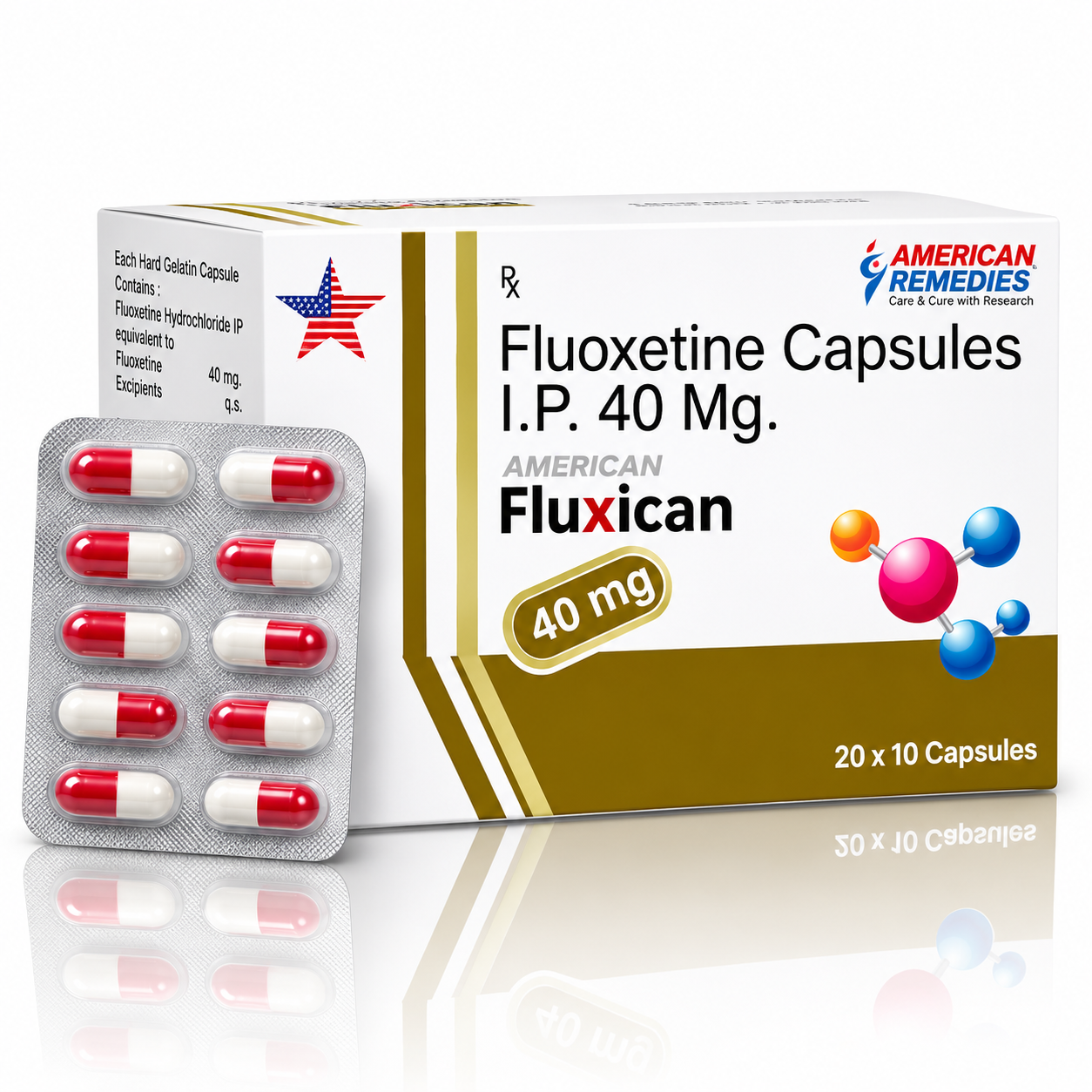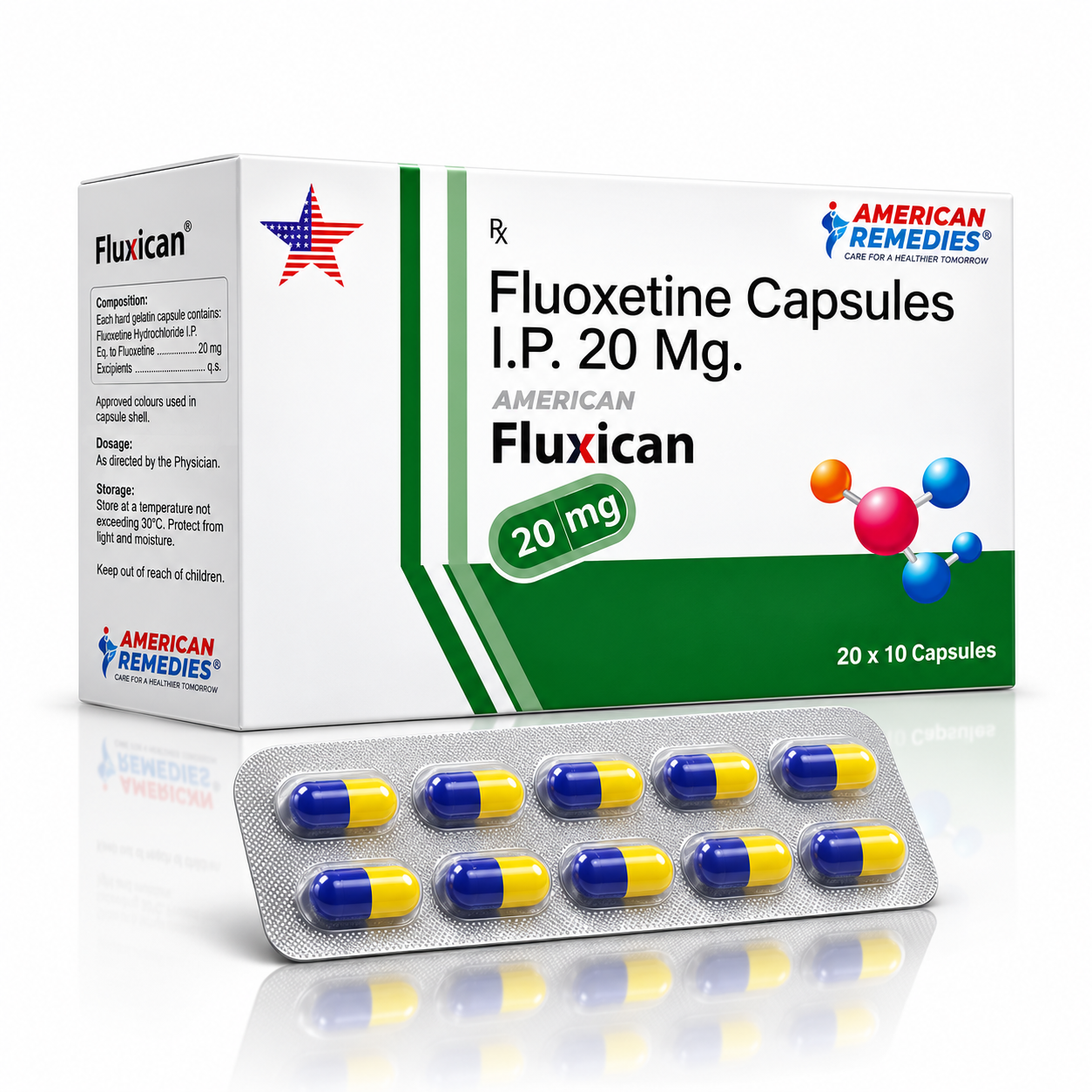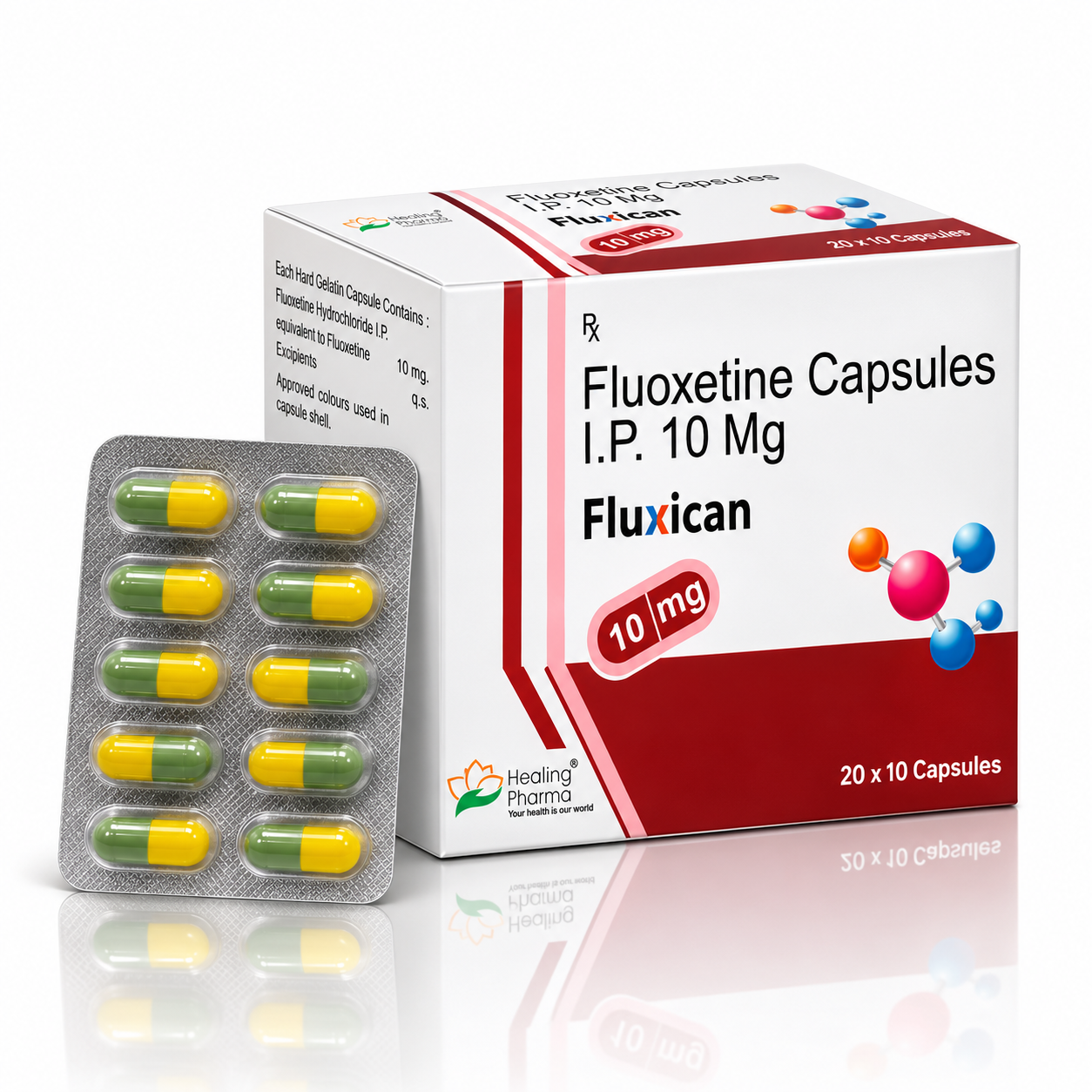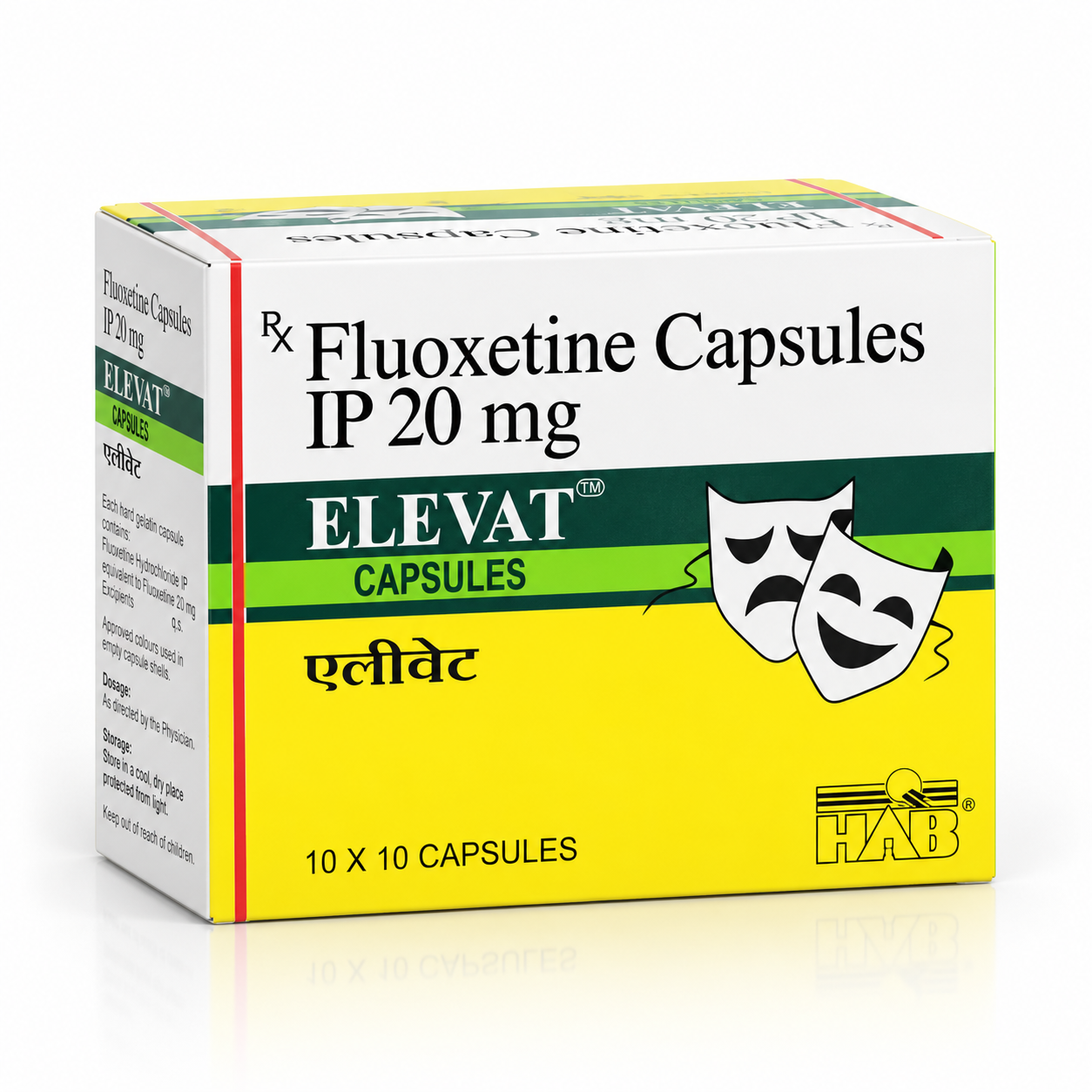
Elevat 20 MG Capsule
$0.23 / unit
Available Options
| Pack Size | Price | Price / Unit | Quantity | Action |
|---|---|---|---|---|
| 180 Capsules | $32.00 | $0.18/unit | ||
| 150 Cpasules | $27.00 | $0.18/unit | ||
| 120 Capsules | $22.00 | $0.18/unit | ||
| 90 Capsules | $18.00 | $0.20/unit | ||
| 60 Capsules | $13.00 | $0.22/unit | ||
| 30 Capsule | $7.00 | $0.23/unit |
Product Description
Elevat 20 MG Capsule
Brand Name: Elevat 20 MG Capsule
Generic Name: Fluoxetine
Active Ingredient: Fluoxetine Hydrochloride equivalent to Fluoxetine 20 mg
Strength: 20 mg
Dosage Form: Oral Capsule
Therapeutic Class: Antidepressant / Selective Serotonin Reuptake Inhibitor (SSRI)
Manufacturer / Marketer: HAB Pharma
Pack Size: 1 × 10 Capsules
Bulk Packaging: 10 × 10 Capsules
Country of Origin: India
Route of Administration: Oral
Prescription Status: Prescription Medicine
Composition
Active Ingredient | Strength |
|---|---|
Fluoxetine Hydrochloride | Equivalent to Fluoxetine 20 mg |
Inactive Ingredients | As specified on the original product packaging |
What is this medicine?
ELEVAT 20 MG CAPSULE contains Fluoxetine 20 mg, a prescription antidepressant medicine used to treat several mental health conditions.
It belongs to the selective serotonin reuptake inhibitor (SSRI) class.
Serotonin is a chemical messenger involved in regulating mood, anxiety, sleep, appetite and other neurological functions.
Fluoxetine affects serotonin signalling in the brain and can help reduce symptoms associated with certain mental health disorders.
How does Elevat 20 work?
Fluoxetine works primarily by inhibiting the serotonin transporter (SERT).
This transporter normally helps nerve cells reabsorb serotonin after it has been released.
By reducing serotonin reuptake, fluoxetine increases the availability of serotonin for signalling between nerve cells.
The resulting therapeutic changes develop gradually.
Main Effects
1. Helps Improve Symptoms of Depression
Fluoxetine can reduce persistent low mood, loss of interest and other symptoms of major depressive disorder.
2. Helps Manage Obsessive-Compulsive Disorder
It may reduce the intensity of obsessions and compulsive behaviours in patients with OCD.
3. Helps Reduce Panic Attacks
Fluoxetine can reduce the frequency and severity of panic attacks in appropriately selected patients.
4. Helps Treat Bulimia Nervosa
It may reduce binge-eating and compensatory purging behaviours as part of a comprehensive treatment plan.
5. Supports Long-Term Symptom Management
Continued treatment may help prevent relapse in selected patients who have responded to fluoxetine.
Medical Uses
Elevat 20 MG Capsule may be prescribed for:
Major depressive disorder (MDD)
Obsessive-compulsive disorder (OCD)
Panic disorder, with or without agoraphobia
Bulimia nervosa
Selected cases of premenstrual dysphoric disorder (PMDD), depending on local approval and the prescriber's assessment
Other specialist-determined conditions where fluoxetine is clinically appropriate
Is Elevat 20 Used for Anxiety?
Fluoxetine is used for certain anxiety-related disorders, particularly panic disorder and OCD.
However, it is not an instant-acting treatment for anxiety attacks, and it may temporarily increase restlessness or anxiety when first started.
Can Elevat Treat Depression Permanently?
Fluoxetine helps manage depression, but it is not considered a permanent cure.
Some patients require several months of treatment after improvement, while others may benefit from longer-term therapy.
Psychological treatment, social support and other interventions may also be important.
Is Elevat a Sleeping Pill?
No.
Elevat is an antidepressant, not a sleeping medicine.
Fluoxetine may cause either insomnia or sleepiness, depending on the patient.
Is Elevat an Addictive Medicine?
Fluoxetine is not generally considered addictive in the way that certain sedatives or opioids can be.
However, stopping it suddenly may cause discontinuation symptoms or recurrence of the underlying condition.
Important: Fluoxetine has a long half-life, so its interactions and effects can persist for weeks after the medicine is stopped.
Official prescribing information confirms the established indications of fluoxetine for major depression, OCD, bulimia nervosa and panic disorder.
What should I tell my health care provider before I take this medicine?
Tell your healthcare provider if you have any of these conditions:
Allergy to fluoxetine
Allergy to any ingredient in the capsule
Bipolar disorder
Previous manic or hypomanic episodes
Personal or family history of bipolar disorder
Suicidal thoughts or previous suicide attempts
Epilepsy or seizures
Liver disease
Kidney disease
Heart rhythm disorders
Congenital long QT syndrome
Low sodium levels
Glaucoma, particularly narrow-angle glaucoma
Bleeding disorders
Previous gastrointestinal bleeding
Diabetes mellitus
Significant unexplained weight loss
Pregnancy or plans to become pregnant
Breastfeeding
Current use of other antidepressants
Current use of monoamine oxidase inhibitors (MAOIs)
Current use of medicines affecting serotonin
Current use of blood thinners
Current use of tamoxifen
Current use of medicines that prolong the QT interval
Inform your healthcare professional about all prescription medicines, over-the-counter medicines, herbal preparations and supplements.
Important Contraindications
Fluoxetine should not be taken by patients with:
Serious hypersensitivity to fluoxetine or its ingredients
Current use of certain monoamine oxidase inhibitors
Recent use of an MAOI without the required washout period
Certain other prohibited combinations, including pimozide or thioridazine
Important MAOI Precaution
Fluoxetine can cause dangerous interactions with MAO inhibitors.
Under established prescribing information:
Allow at least 14 days after stopping an MAOI before starting fluoxetine.
Allow at least 5 weeks after stopping fluoxetine before starting an MAOI.
A longer period may be necessary in some circumstances.
These intervals reflect fluoxetine's long-lasting presence in the body and the risk of serotonin syndrome.
Important Bipolar Disorder Precaution
Antidepressants may precipitate mania or hypomania in susceptible patients.
Symptoms may include:
Unusually elevated or irritable mood
Markedly reduced need for sleep
Increased energy
Racing thoughts
Impulsive or risky behaviour
Patients should be assessed for bipolar disorder before starting antidepressant treatment.
Important Seizure Precaution
Fluoxetine should be used cautiously in patients with a history of seizures.
Important Liver Precaution
Fluoxetine is extensively metabolised by the liver.
Patients with significant liver impairment may need a lower dose or a less frequent dosing schedule.
Important Bleeding Precaution
SSRIs can impair platelet-related haemostasis and increase bleeding risk.
This concern is especially important when fluoxetine is used with aspirin, NSAIDs or anticoagulants.
Pregnancy Precautions
Fluoxetine can be used during pregnancy when a clinician determines that the benefits outweigh the potential risks.
Untreated depression can also create risks for the pregnant patient and baby.
Do not stop prescribed treatment automatically upon learning of a pregnancy. The treatment plan should be reviewed promptly with the prescribing doctor or obstetrician.
Breastfeeding Precautions
Fluoxetine and its active metabolite can pass into breast milk.
Breastfeeding may be possible in selected circumstances, but infants may require monitoring for irritability, feeding difficulties, sleep changes or poor weight gain.
Children's and Adolescents' Precaution
Fluoxetine has established paediatric indications for certain conditions in some jurisdictions.
However, the suitability of treatment, starting dose and monitoring requirements must be determined by a specialist.
Antidepressant-associated suicidal thoughts and behavioural changes require particular attention in younger patients.
These precautions are reflected in official fluoxetine prescribing information.
How should I use this medicine?
Take Elevat 20 MG Capsule exactly as prescribed by your healthcare professional.
Instructions for Oral Administration
Confirm the prescribed strength and dosing schedule.
Swallow the capsule whole with water.
Take it with or without food.
Take the dose at approximately the same time each day.
It is often prescribed in the morning.
Do not increase the dose without medical advice.
Continue treatment even if improvement is not immediate.
Attend follow-up appointments.
Report worsening depression, agitation or unusual behavioural changes.
Do not stop treatment abruptly without discussing a plan with your prescriber.
Dosage Information
Strength per Capsule: Fluoxetine 20 mg.
Route of Administration: Oral.
Usual Adult Dose: Depends on the diagnosis, clinical response and individual patient factors.
Medical Condition | Common Adult Reference Regimen |
|---|---|
Major Depressive Disorder | 20 mg once daily initially |
Obsessive-Compulsive Disorder | 20 mg once daily initially; adjustment may be needed |
Panic Disorder | Often starts at 10 mg daily, then increases to 20 mg daily |
Bulimia Nervosa | 60 mg daily is an established therapeutic regimen |
Premenstrual Dysphoric Disorder | Often 20 mg daily in approved regimens; schedules may vary |
Important: Elevat 20 contains 20 mg per capsule. Patients who require a 10 mg starting dose or a higher prescribed dose may need a different strength or an appropriately adjusted regimen.
Usual Dose Frequency: Once daily for many indications.
Maximum Reference Adult Dose: Up to 80 mg daily for certain indications under US fluoxetine prescribing information. This is not a recommended target dose for every patient.
Administration With Food: May be taken with or without food.
Onset of Improvement: Some symptoms may begin to improve within one or two weeks.
Full Antidepressant Response: Often requires four to six weeks or longer.
Treatment Duration: Commonly several months or longer, depending on the diagnosis and recurrence risk.
Dose Adjustment: Determined by the treating healthcare professional.
Overdosage: Excessive fluoxetine can cause nausea, vomiting, agitation, tremor, rapid heartbeat, seizures, serotonin syndrome and serious cardiac complications.
Seek emergency medical care after a significant overdose.
Important: Treatment should not be judged ineffective after only a few days. Many antidepressant benefits develop gradually.
Reference dosing is drawn from established fluoxetine capsule prescribing information.
What if I miss a dose?
Take the missed capsule when remembered unless the next scheduled dose is nearly due.
If the next dose is approaching, skip the missed dose.
Do not take two capsules together.
Do not increase the next day's dose.
Resume the normal prescribed schedule.
Consult your clinician if several doses have been missed.
Important: Fluoxetine remains in the body for a relatively long time, but this does not mean that regular dosing is unimportant.
NHS guidance recommends avoiding double doses and following the normal schedule after a missed dose.
What may interact with this medicine?
Potentially important medicines include:
Phenelzine
Tranylcypromine
Moclobemide
Selegiline
Linezolid
Intravenous methylene blue
Other SSRIs and SNRIs
Tramadol
Fentanyl
Certain other opioid medicines
Lithium
Triptans
St John's wort
Dextromethorphan
Warfarin
Apixaban
Rivaroxaban
Aspirin
Ibuprofen
Naproxen
Tamoxifen
Metoprolol
Certain tricyclic antidepressants
Pimozide
Thioridazine
Other medicines associated with QT prolongation
Important Drug Interaction Considerations
MAO Inhibitors: These combinations can cause severe or life-threatening serotonin syndrome and are contraindicated without the required washout period.
Other Serotonergic Medicines: Drugs such as tramadol, certain antidepressants, triptans and some cough medicines may increase serotonin syndrome risk.
St John's Wort: This herbal supplement can increase the risk of serotonergic adverse effects and should generally be avoided.
Anticoagulants and NSAIDs: Fluoxetine may increase bleeding risk when used with medicines such as warfarin, apixaban, aspirin or ibuprofen.
Tamoxifen: Fluoxetine strongly inhibits CYP2D6 and may reduce conversion of tamoxifen to its active metabolite. Another antidepressant may be preferred when tamoxifen treatment is required.
Metoprolol: Fluoxetine may increase metoprolol exposure, potentially resulting in excessive slowing of the heart rate or lowering of blood pressure.
Tricyclic Antidepressants: Fluoxetine may increase blood concentrations of certain tricyclic antidepressants, requiring clinical assessment and possible dose adjustment.
Pimozide and Thioridazine: These combinations are contraindicated because of serious cardiac rhythm concerns.
Alcohol: Alcohol may worsen sedation, judgement or other adverse effects.
Important: Because fluoxetine and its active metabolite remain in the body for a long time, clinically important interactions can continue after the medicine has been stopped.
Official prescribing information and NHS guidance identify these major interaction concerns.
What should I watch for while using this medicine?
Seek immediate medical attention if you experience:
Suicidal thoughts or urges to harm yourself
Severe agitation or unusual behavioural changes
Symptoms of serotonin syndrome
Seizures
Severe allergic reactions
Difficulty breathing
Swelling of the face, lips or tongue
Severe or unexplained bleeding
Fainting associated with an abnormal heartbeat
Severe confusion
Symptoms of mania
While taking Elevat 20:
Monitor changes in mood and behaviour.
Attend scheduled mental health reviews.
Report worsening anxiety or depression.
Watch for unusual agitation or restlessness.
Monitor sleep and appetite changes.
Inform your doctor about sexual side effects.
Avoid combining antidepressants without medical supervision.
Tell healthcare professionals about fluoxetine before starting new medicines.
Do not stop or change treatment independently.
Important Warning: Suicidal Thoughts and Behaviours
Antidepressants may increase suicidal thoughts or behaviours in some children, adolescents and young adults, especially when treatment begins or the dose changes.
Patients, family members and caregivers should watch for:
New or worsening depression
Increased anxiety or agitation
Unusual irritability
Impulsive behaviour
Severe insomnia
Suicidal thoughts
Seek urgent professional help if these symptoms occur.
Important Warning: Serotonin Syndrome
Serotonin syndrome is a potentially life-threatening condition associated with excessive serotonergic activity.
Symptoms may include:
Agitation
Confusion
Fever
Excessive sweating
Tremor
Muscle rigidity
Diarrhoea
Rapid heartbeat
Severe symptoms require emergency medical attention.
Important Warning: Mania or Hypomania
Fluoxetine may trigger manic or hypomanic symptoms in susceptible individuals, particularly those with bipolar disorder.
Report unusually elevated mood, markedly reduced need for sleep or impulsive behaviour.
Important Warning: Abnormal Bleeding
Fluoxetine may increase the risk of bleeding, particularly when combined with aspirin, ibuprofen or anticoagulants.
Report unexplained bruising, black stools, vomiting blood or persistent bleeding.
Important Warning: Low Sodium Levels
SSRIs can occasionally cause hyponatraemia, sometimes associated with inappropriate antidiuretic hormone secretion.
Older patients and those taking diuretics may be at increased risk.
Symptoms can include headache, confusion, weakness and seizures.
Important Warning: Sexual Side Effects
Fluoxetine can cause:
Reduced sexual desire
Delayed ejaculation
Difficulty reaching orgasm
Erectile difficulties
Some sexual symptoms may persist after treatment ends. Discuss troublesome effects with the prescribing clinician rather than stopping treatment abruptly.
Important Warning: Discontinuation Symptoms
Stopping fluoxetine without medical advice may cause:
Anxiety
Irritability
Sleep disturbances
Dizziness
Mood changes
Its long half-life generally makes abrupt discontinuation symptoms less common than with some shorter-acting SSRIs, but symptoms can still occur.
Official prescribing information contains warnings about suicidal thinking, serotonin syndrome, mania, seizures, bleeding, hyponatraemia and discontinuation effects.
What side effects may I notice from this medicine?
Side effects that should be reported immediately:
Suicidal thoughts or severe behavioural changes
Serotonin syndrome
Severe allergic reactions
Seizures
Mania or hypomania
Serious abnormal bleeding
Severe confusion
Markedly low sodium levels
Serious heart rhythm disturbances
Severe skin reactions
Side effects that are usually less serious:
Nausea
Diarrhoea
Dry mouth
Headache
Insomnia
Drowsiness
Dizziness
Sweating
Nervousness
Reduced appetite
Fatigue
Tremor
Sexual dysfunction
Some side effects may decrease as the body adjusts to treatment.
Persistent, distressing or worsening symptoms should be discussed with a healthcare professional.
Where should I keep my medicine?
Keep out of the reach of children.
Store below 30°C, according to Tata 1mg product information.
Protect from excessive heat and moisture.
Keep capsules in their original packaging.
Avoid direct sunlight.
Do not use after the expiry date.
Do not use damaged capsules or blister strips.
Dispose of expired or unused medicines according to pharmacist instructions.
Storage Note: Follow the original HAB Pharma product packaging if its instructions differ.
Manufacturer Details
Field | Information |
|---|---|
Brand Name | Elevat 20 MG Capsule |
Generic Name | Fluoxetine |
Active Ingredient | Fluoxetine Hydrochloride |
Strength | Equivalent to Fluoxetine 20 mg |
Dosage Form | Oral Capsule |
Therapeutic Class | SSRI Antidepressant |
Primary Indication | Major Depressive Disorder |
Additional Uses | OCD, Panic Disorder and Bulimia Nervosa |
Manufacturer / Marketer | HAB Pharma |
Actual Manufacturing Facility | Verify Original Product Carton |
Prescription Status | Prescription Medicine |
Route of Administration | Oral |
Pack Size | 1 × 10 Capsules |
Bulk Packaging | 10 × 10 Capsules |
Country of Origin | India |
Common Adult Starting Dose for Depression | 20 mg Once Daily |
Treatment Duration | Usually Several Months or Longer |
Storage | Below 30°C |
Major Safety Concerns | Suicidal Thoughts, Serotonin Syndrome, Bleeding, Drug Interactions and Mania |