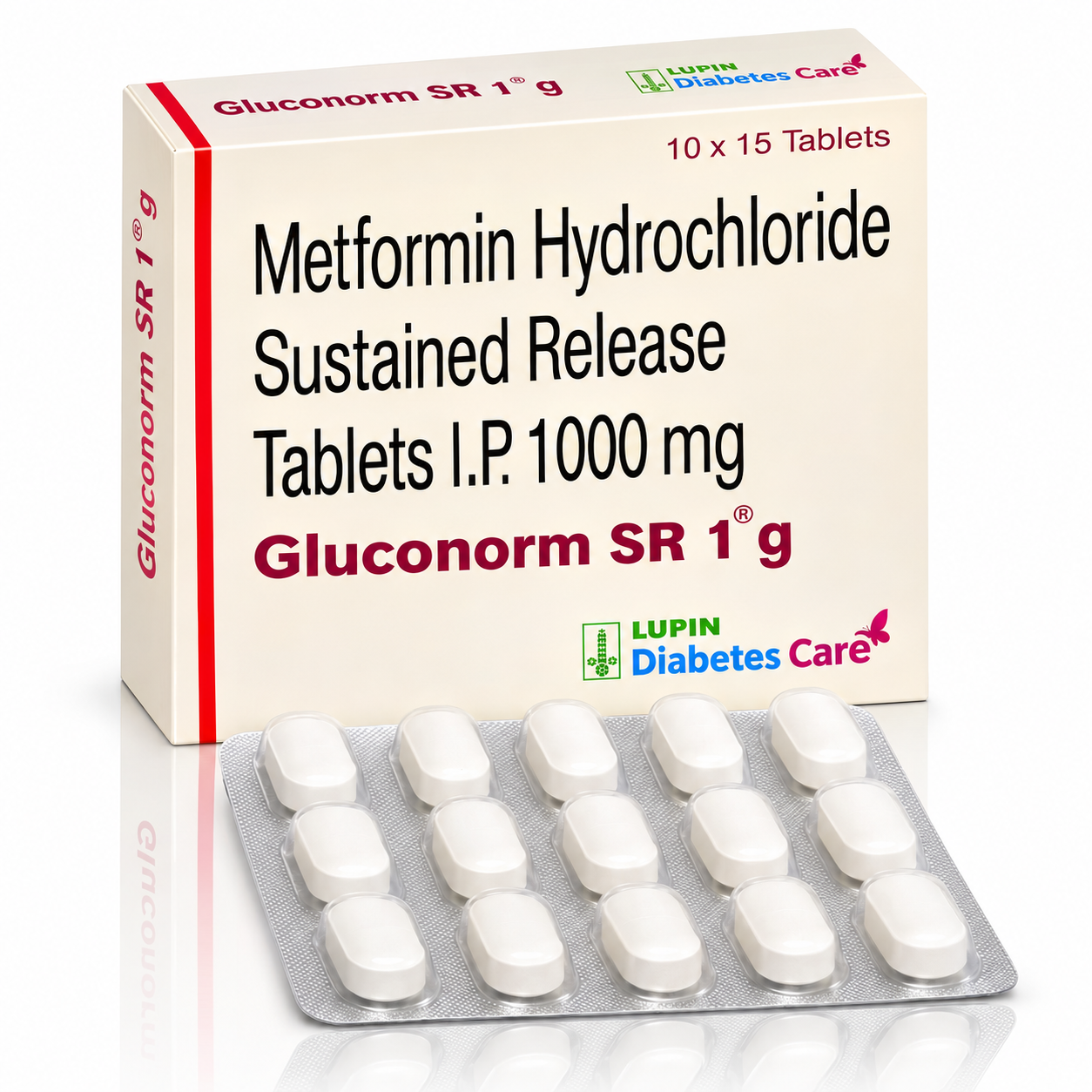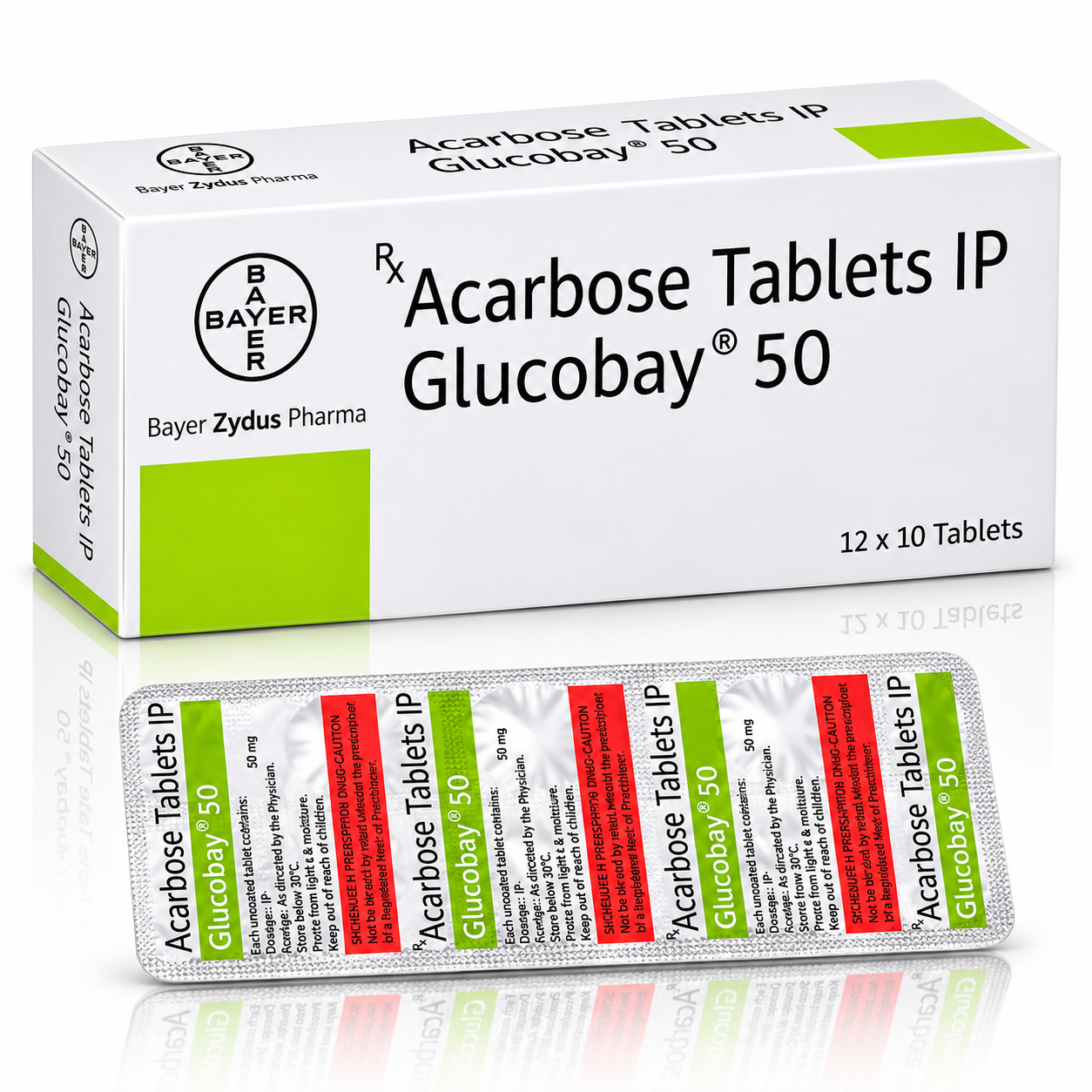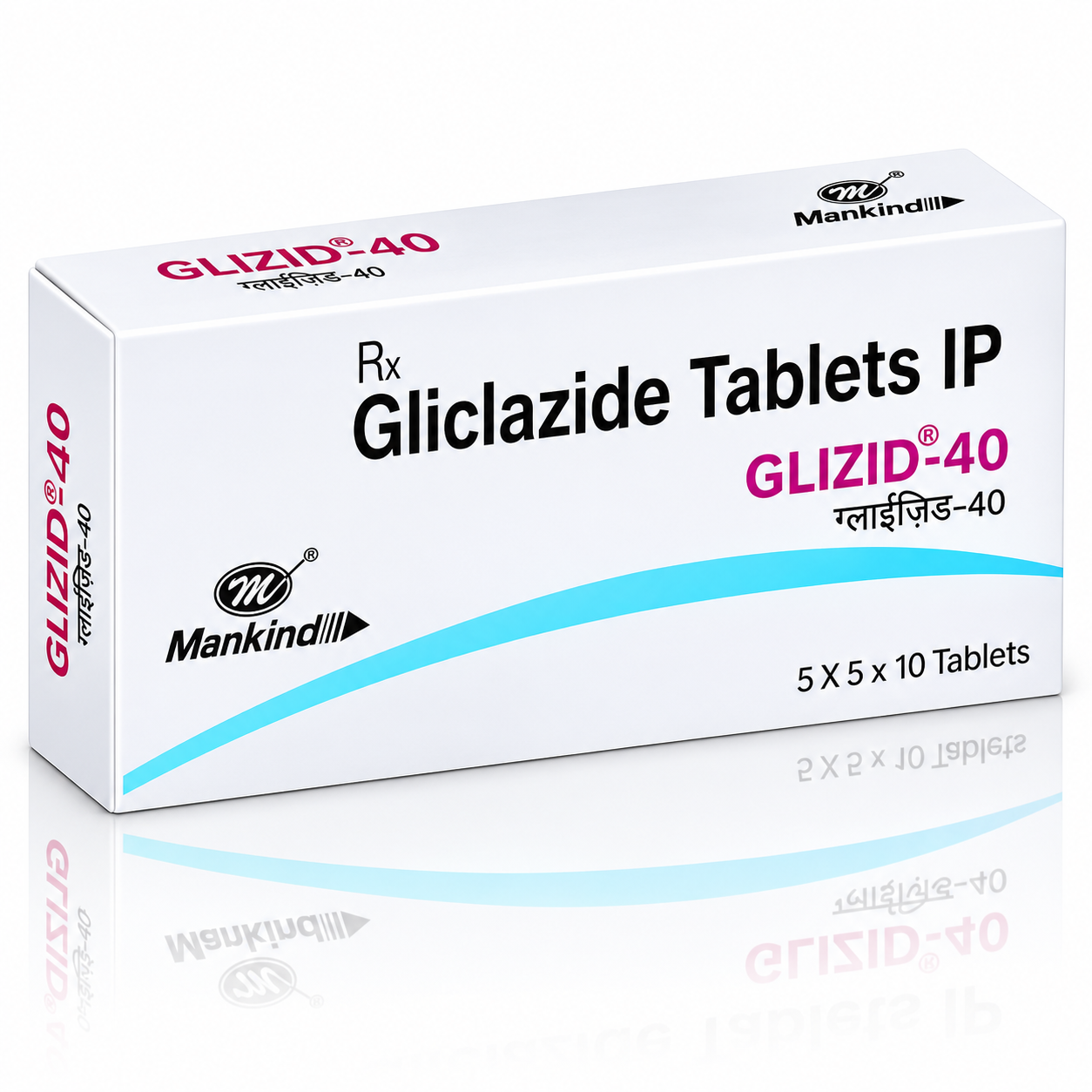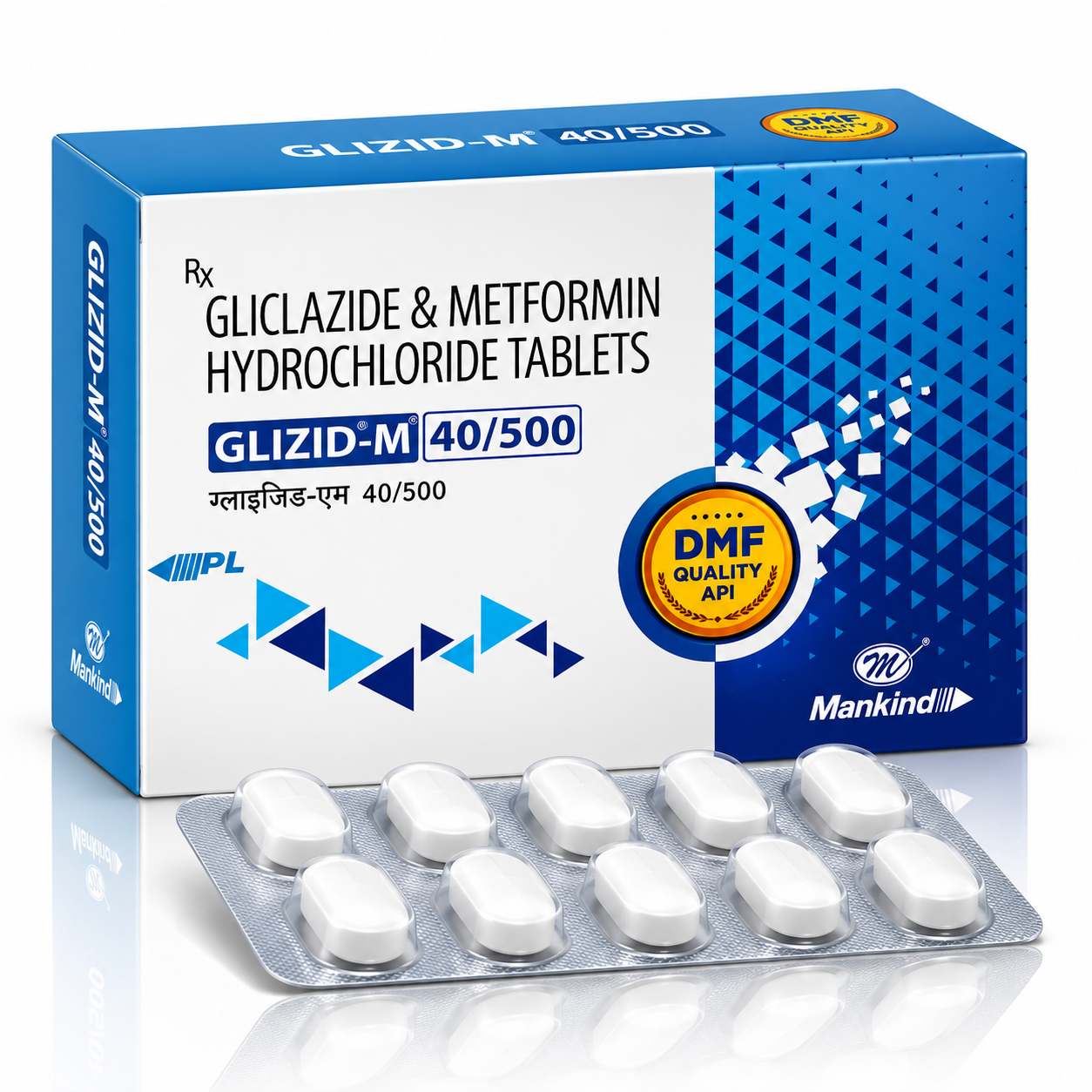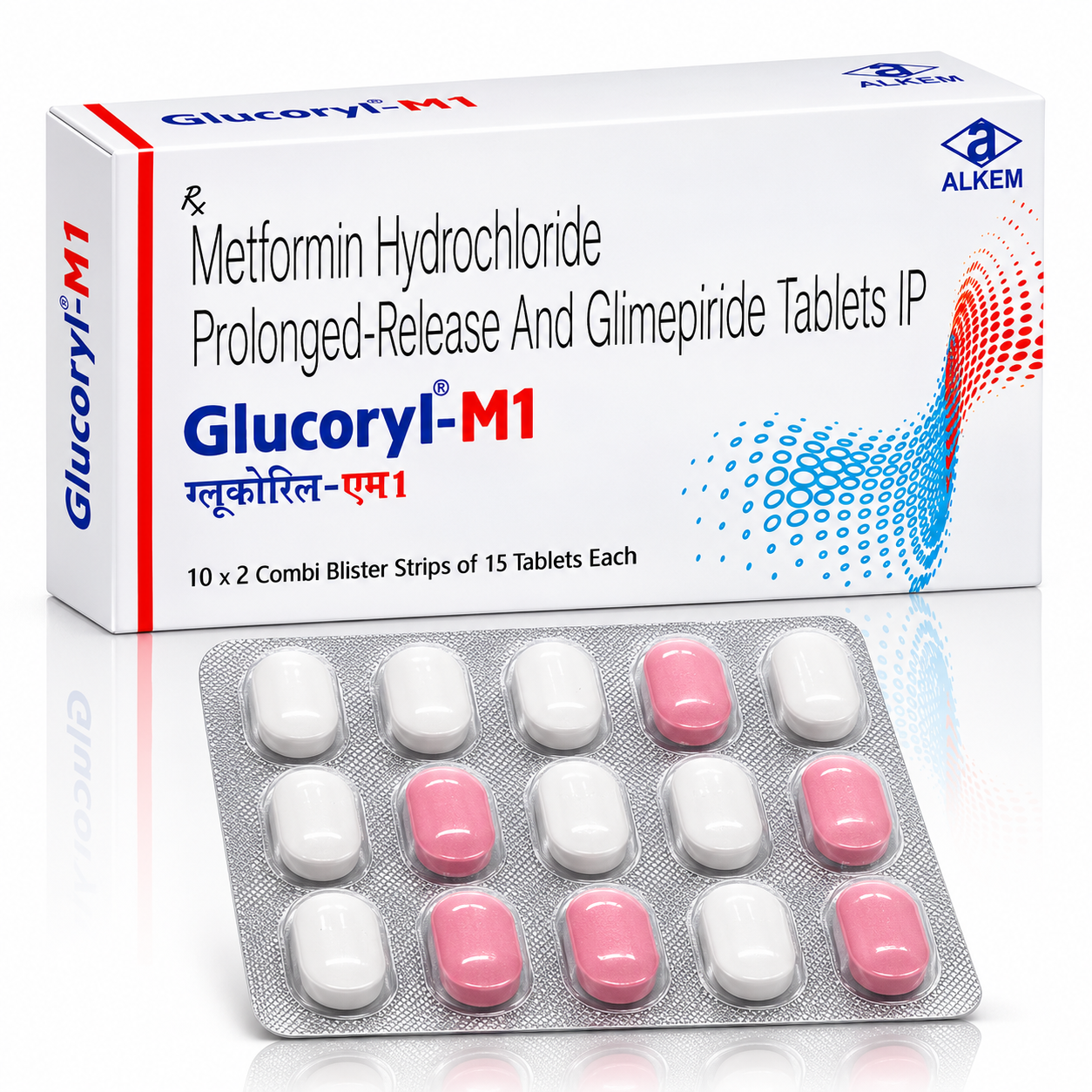
Glucoryl M1 Tablet
Starting at just $0.25
$0.05 / unit
| Pack Size | Price | Price / Unit | Quantity | Action |
|---|---|---|---|---|
| 90 Tablets | $4.50 | $0.05/unit | ||
| 75 Tablets | $3.75 | $0.05/unit | ||
| 60 Tablets | $3.00 | $0.05/unit | ||
| 45 Tablets | $2.25 | $0.05/unit | ||
| 30 Tablets | $1.50 | $0.05/unit | ||
| 15 Tablets | $0.75 | $0.05/unit |
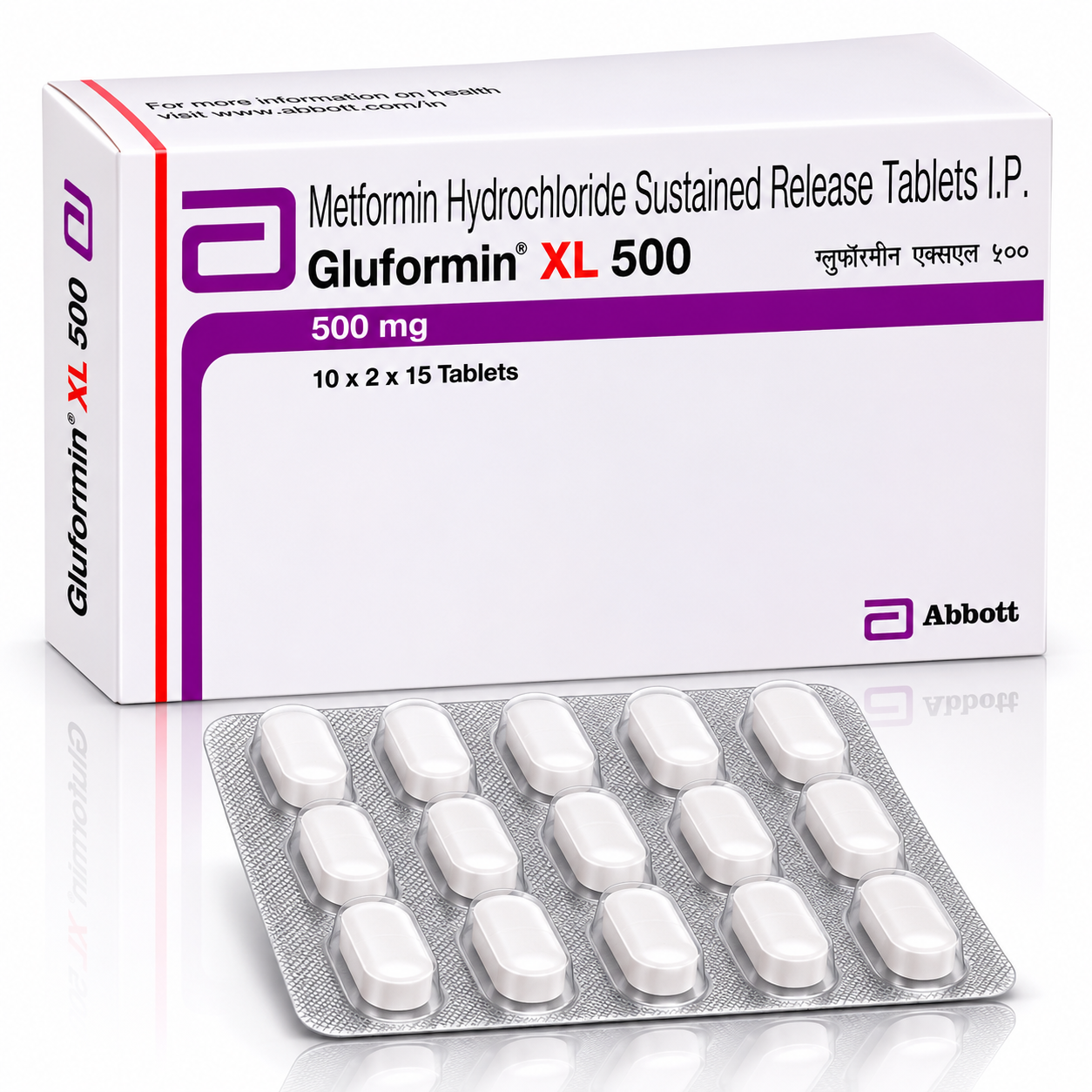
Brand Name: Gluformin-XL 500 mg Tablet
Generic Name: Metformin Hydrochloride
Strength: 500 mg
Dosage Form: Oral Extended-Release / Prolonged-Release Tablet
Therapeutic Class: Oral Antidiabetic Agent / Biguanide
Manufacturer/Marketer: Abbott Healthcare Pvt. Ltd. / Abbott India
METFORMIN HYDROCHLORIDE is an oral antidiabetic medicine used to manage type 2 diabetes mellitus in adults. It belongs to a class of medicines called biguanides.
Gluformin-XL 500 mg Tablet contains Metformin Hydrochloride 500 mg in an extended-release formulation that allows the active ingredient to be released gradually in the digestive tract.
Metformin helps reduce elevated blood glucose levels primarily by decreasing glucose production in the liver and improving the body's sensitivity to insulin.
Unlike sulfonylurea medicines such as glimepiride and gliclazide, metformin does not directly stimulate the pancreas to release insulin.
Therefore, metformin alone generally has a low risk of causing hypoglycemia.
Gluformin-XL 500 mg Tablet may be prescribed for:
Type 2 Diabetes Mellitus: Helps improve blood glucose control in adults with type 2 diabetes.
Hyperglycemia: Helps reduce elevated blood glucose levels.
Insulin Resistance: Improves the body's response to insulin.
Inadequate Glycemic Control: May be prescribed when diet and exercise alone are insufficient to maintain appropriate blood glucose levels.
Combination Diabetes Therapy: May be prescribed alongside other antidiabetic medicines or insulin when clinically appropriate.
Long-Term Diabetes Management: Helps maintain blood glucose levels within recommended targets.
Improvement in HbA1c: Helps reduce glycated hemoglobin levels with consistent treatment.
Polycystic Ovary Syndrome (PCOS): Metformin may sometimes be prescribed off-label for selected patients with PCOS, particularly when metabolic abnormalities are present.
Use for PCOS depends on individual medical needs and is not the primary approved indication for this product.
Metformin primarily works through three mechanisms:
1. Reduces Glucose Production in the Liver: It decreases the amount of glucose released by the liver into the bloodstream.
2. Improves Insulin Sensitivity: It helps the body respond more effectively to insulin, supporting glucose utilization by muscles and other tissues.
3. Influences Intestinal Glucose Metabolism: It affects glucose handling in the digestive tract and may modestly reduce glucose absorption.
The extended-release formulation allows metformin to be released gradually, which may improve gastrointestinal tolerability for some patients compared with immediate-release metformin.
Important: Gluformin-XL 500 mg Tablet contains only Metformin Hydrochloride 500 mg. It does not contain glimepiride, gliclazide, or other glucose-lowering ingredients.
This medicine is not intended to treat diabetic ketoacidosis and does not replace insulin in patients with type 1 diabetes.
It helps control type 2 diabetes but does not cure the underlying condition.
This medicine is for oral use only
They need to know if you have any of these conditions:
kidney disease or impaired kidney function
severe kidney failure or dialysis treatment
liver disease or abnormal liver function tests
type 1 diabetes
diabetic ketoacidosis
metabolic acidosis
a previous history of lactic acidosis
heart failure or other serious cardiovascular conditions
recent heart attack
severe respiratory disease or conditions associated with inadequate oxygen supply
dehydration or persistent vomiting
severe diarrhea
serious infections or recent severe illness
vitamin B12 deficiency
anemia or unexplained fatigue
excessive alcohol consumption
poor nutritional intake or prolonged fasting
upcoming surgery
scheduled imaging procedures involving iodinated contrast agents
significant gastrointestinal disorders
currently taking insulin or other antidiabetic medicines
history of allergic reactions to metformin
an unusual or allergic reaction to medicines, foods, dyes, or preservatives
pregnant or planning to become pregnant
breast-feeding
Important: Metformin is contraindicated in patients with severe renal impairment or metabolic acidosis.
Your healthcare provider should assess kidney function before starting treatment.
This medicine is for oral use only.
Take Gluformin-XL 500 mg Tablet exactly as prescribed by your healthcare provider.
Swallow the tablet whole with a glass of water.
Because this medicine contains extended-release metformin, do not crush, chew, or split the tablet unless the specific product labeling expressly permits it.
Crushing or chewing an extended-release tablet may change the rate at which the medicine is released.
Extended-release metformin is commonly taken once daily with the evening meal, although some patients may be prescribed a different schedule depending on the formulation and treatment requirements.
Follow your healthcare provider's specific instructions.
Take the medicine with food to help reduce gastrointestinal discomfort.
Take it at approximately the same time each day.
Do not increase the dose or take the medicine more frequently than prescribed.
Each Gluformin-XL 500 mg Tablet contains:
Metformin Hydrochloride 500 mg
Extended-release formulation
The appropriate dose depends on blood glucose levels, kidney function, previous diabetes treatment, and individual tolerance.
A 500 mg extended-release tablet is a commonly used starting strength for metformin treatment.
Your healthcare provider may gradually adjust the dose depending on treatment response.
Do not switch between immediate-release and extended-release metformin formulations without medical advice.
Take the medicine with a meal according to your prescribed schedule.
Avoid excessive alcohol consumption.
Maintain a balanced diet and follow your recommended diabetes meal plan.
Monitor your blood glucose levels according to your healthcare provider's instructions.
Your healthcare provider may monitor fasting blood glucose, post-meal glucose, and HbA1c.
Continue regular physical activity and other recommended lifestyle measures.
Your healthcare provider may temporarily stop metformin during major surgery, prolonged fasting, significant dehydration, or serious illness.
For certain imaging procedures involving iodinated contrast, metformin may need to be withheld temporarily depending on kidney function and other risk factors.
Overdosage: Taking excessive metformin may cause severe gastrointestinal symptoms and potentially life-threatening lactic acidosis. Seek emergency medical attention if an overdose is suspected.
NOTE: This medicine is only for you. Do not share this medicine with others.
If you miss a dose, take it with food as soon as you remember, provided it is not almost time for your next scheduled dose.
If your next dose is approaching, skip the missed dose and continue your regular schedule.
Do not take two doses together to make up for a missed dose.
Taking excessive metformin can increase the risk of gastrointestinal side effects and serious metabolic complications.
If you frequently miss doses, consult your healthcare provider or pharmacist.
insulin
sulfonylureas such as glimepiride, gliclazide, and glipizide
other metformin-containing medicines
carbonic anhydrase inhibitors such as topiramate and acetazolamide
cimetidine
dolutegravir
ranolazine
certain medicines affecting renal transport of metformin
iodinated contrast agents used during imaging procedures
corticosteroids such as prednisone and prednisolone
diuretics such as furosemide and hydrochlorothiazide
certain blood pressure medicines
beta-2 agonists such as salbutamol
thyroid hormone medicines
certain hormonal medicines
phenytoin
nicotinic acid
alcohol
medicines that may impair kidney function
Insulin and Sulfonylureas: Metformin alone rarely causes hypoglycemia, but combining it with insulin or insulin-releasing medicines may increase the risk of low blood sugar.
Carbonic Anhydrase Inhibitors: Topiramate, acetazolamide, and similar medicines may increase the risk of metabolic acidosis.
Cimetidine: May reduce metformin elimination through the kidneys, increasing metformin concentrations.
Dolutegravir: May increase metformin exposure by affecting renal transport mechanisms.
Ranolazine: May increase metformin concentrations. Dosage limitations or adjustments may be required.
Iodinated Contrast Agents: Metformin may need to be stopped temporarily for certain imaging procedures, depending on kidney function and medical risk factors.
Corticosteroids: May increase blood glucose levels and reduce the overall effectiveness of diabetes treatment.
Diuretics: May increase the risk of dehydration or kidney function changes in susceptible patients.
Alcohol: Excessive alcohol consumption increases the risk of metformin-associated lactic acidosis.
This list may not describe all possible interactions. Inform your healthcare provider about all prescription medicines, over-the-counter medicines, herbal products, supplements, and other medications you use.
Use Gluformin-XL 500 mg Tablet regularly as directed by your healthcare provider.
This medicine helps manage blood glucose levels in adults with type 2 diabetes.
Your healthcare provider may monitor fasting blood glucose, post-meal glucose, HbA1c, kidney function, and other relevant health indicators.
Lactic Acidosis: Metformin can rarely cause a serious and potentially life-threatening buildup of lactic acid in the bloodstream.
Symptoms may include:
unusual weakness or extreme tiredness
muscle pain
difficulty breathing
abdominal discomfort
nausea or vomiting
unusual sleepiness
dizziness
feeling unusually cold
Stop taking the medicine and seek emergency medical attention if lactic acidosis is suspected.
Kidney Function: Metformin is eliminated primarily through the kidneys.
Kidney function should be assessed before starting treatment and monitored periodically during therapy.
Metformin is contraindicated when the estimated glomerular filtration rate (eGFR) is below 30 mL/min/1.73 m².
Starting treatment is generally not recommended when eGFR is between 30 and 45 mL/min/1.73 m².
Patients whose kidney function declines during treatment may require dose adjustment or discontinuation.
Vitamin B12 Deficiency: Long-term metformin use may reduce vitamin B12 absorption.
Your healthcare provider may recommend periodic vitamin B12 testing, particularly if you develop anemia, numbness, tingling, or unusual fatigue.
Gastrointestinal Side Effects: Nausea, diarrhea, abdominal discomfort, and bloating are common, particularly during the early stages of treatment.
Taking the medicine with meals and gradually increasing the dose when prescribed may improve tolerability.
Hypoglycemia: Metformin alone generally has a low risk of causing low blood sugar.
However, hypoglycemia may occur when it is combined with insulin or sulfonylureas.
Symptoms may include sweating, shaking, dizziness, hunger, confusion, and rapid heartbeat.
If blood glucose falls below 70 mg/dL and you are awake and able to swallow, consume approximately 15 grams of fast-acting carbohydrate and recheck after 15 minutes. Repeat if necessary.
Severe hypoglycemia involving unconsciousness, seizures, or inability to swallow requires emergency medical attention.
Dehydration: Severe vomiting, diarrhea, fever, or inadequate fluid intake may increase the risk of kidney problems and lactic acidosis.
Contact your healthcare provider for instructions about temporarily withholding metformin during significant dehydration or serious illness.
Liver Function: Patients with significant liver disease may have an increased risk of lactic acidosis.
Alcohol Consumption: Avoid excessive alcohol intake because it may increase the risk of serious metabolic complications.
Surgery and Imaging Procedures: Inform healthcare professionals that you take metformin before undergoing surgery or procedures involving iodinated contrast.
Weight Changes: Metformin is generally weight-neutral or may be associated with modest weight reduction in some individuals.
Pregnancy and Breast-feeding: Metformin may be used in selected circumstances during pregnancy or breastfeeding following individualized medical assessment. Do not start, stop, or change treatment without medical advice.
Driving and Machinery: Metformin alone does not usually impair driving. However, caution is required when taking other diabetes medicines that can cause hypoglycemia.
Extended-Release Formulation: Some extended-release metformin tablets may leave an inactive tablet shell visible in the stool. This does not necessarily mean the medicine was not absorbed.
Formulation Differences: Gluformin-XL 500 mg Tablet should not be confused with Gluformin G1, Gluformin G2, or other combination formulations containing additional antidiabetic ingredients.
Important: Regular monitoring, appropriate nutrition, physical activity, and adherence to your prescribed treatment plan are essential for effective diabetes management.
symptoms of lactic acidosis, including severe weakness, muscle pain, abdominal pain, or difficulty breathing
persistent vomiting or severe diarrhea causing dehydration
allergic reactions such as rash, itching, hives, or swelling of the face, lips, tongue, or throat
difficulty breathing or severe allergic reactions
severe dizziness or fainting
unusual drowsiness or confusion
severe or persistent abdominal pain
significant reduction in urination
signs of serious kidney problems
yellowing of the skin or eyes
dark urine or other signs of liver problems
severe weakness associated with metabolic disturbances
severe hypoglycemia when used with other glucose-lowering medicines
persistent numbness, tingling, or unexplained anemia suggesting vitamin B12 deficiency
nausea
mild vomiting
diarrhea
abdominal discomfort
bloating
indigestion
flatulence
reduced appetite
changes in taste
metallic taste
mild stomach irritation
temporary changes in bowel movements
mild headache
mild abdominal fullness
Gastrointestinal symptoms are particularly common during the early stages of metformin treatment and may improve as the body adjusts.
Extended-release metformin may be better tolerated by some patients than immediate-release metformin.
The frequency and severity of side effects depend on the dose, kidney function, other medications, and individual tolerance.
This list may not describe all possible side effects.
Keep out of the reach of children.
Store Gluformin-XL 500 mg Tablet in a cool, dry place according to the temperature instructions printed on the product packaging.
Protect from excessive heat, moisture, and direct sunlight.
Keep the tablets in their original blister packaging until use.
Avoid storing the medicine in bathrooms or areas exposed to excessive humidity.
Do not freeze.
Keep the medicine in a secure location to prevent accidental ingestion.
Do not use tablets if the packaging is damaged or the medicine has changed noticeably in appearance.
Do not use after the expiration date printed on the packaging.
Dispose of unused or expired tablets according to local pharmaceutical disposal guidelines.
Storage Note: Confirm the exact storage temperature from the current Abbott product packaging before publication.
Field | Information |
|---|---|
Brand Name | Gluformin-XL 500 mg Tablet |
Generic Name | Metformin Hydrochloride |
Strength | 500 mg |
Dosage Form | Oral Extended-Release Tablet |
Release Formulation | Extended Release / Prolonged Release (XL) |
Pack Size | Strip of 15 Tablets |
Therapeutic Class | Oral Antidiabetic Agent / Biguanide |
Indication | Type 2 Diabetes Mellitus, Hyperglycemia, Improvement of Glycemic Control |
Active Ingredient | Metformin Hydrochloride 500 mg |
Manufacturer/Marketer | Abbott Healthcare Pvt. Ltd. / Abbott India |
Brand Portfolio | Abbott Healthcare Solutions |
Prescription Status | Prescription Only Medicine |
Route of Administration | Oral |
Recommended Administration | With a meal, according to the prescribed schedule |
Storage | Follow product labeling; protect from excessive heat and moisture |
Country of Origin | India |
Starting at just $0.25
Starting at just $0.91
Starting at just $0.14
Starting at just $0.07
Starting at just $0.14