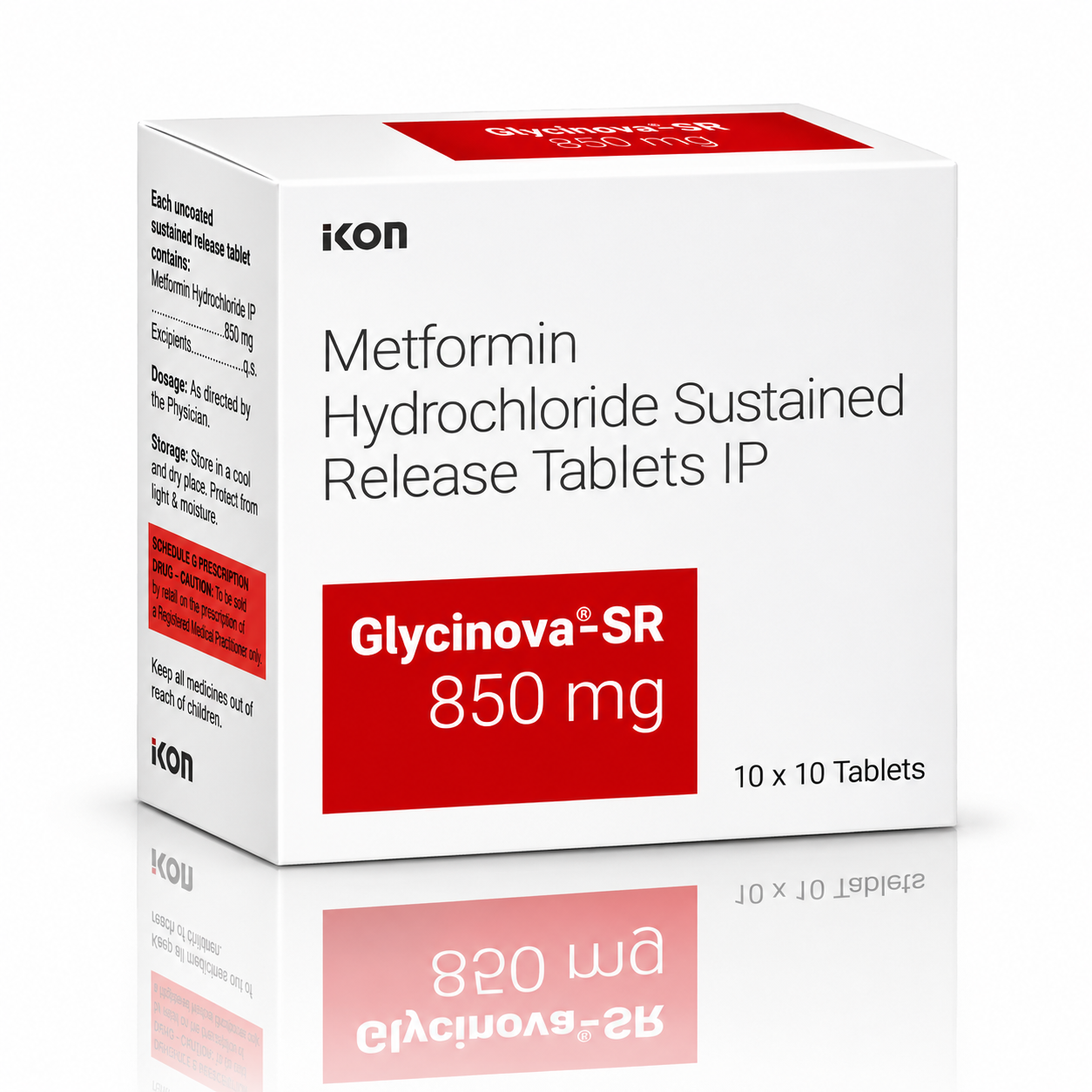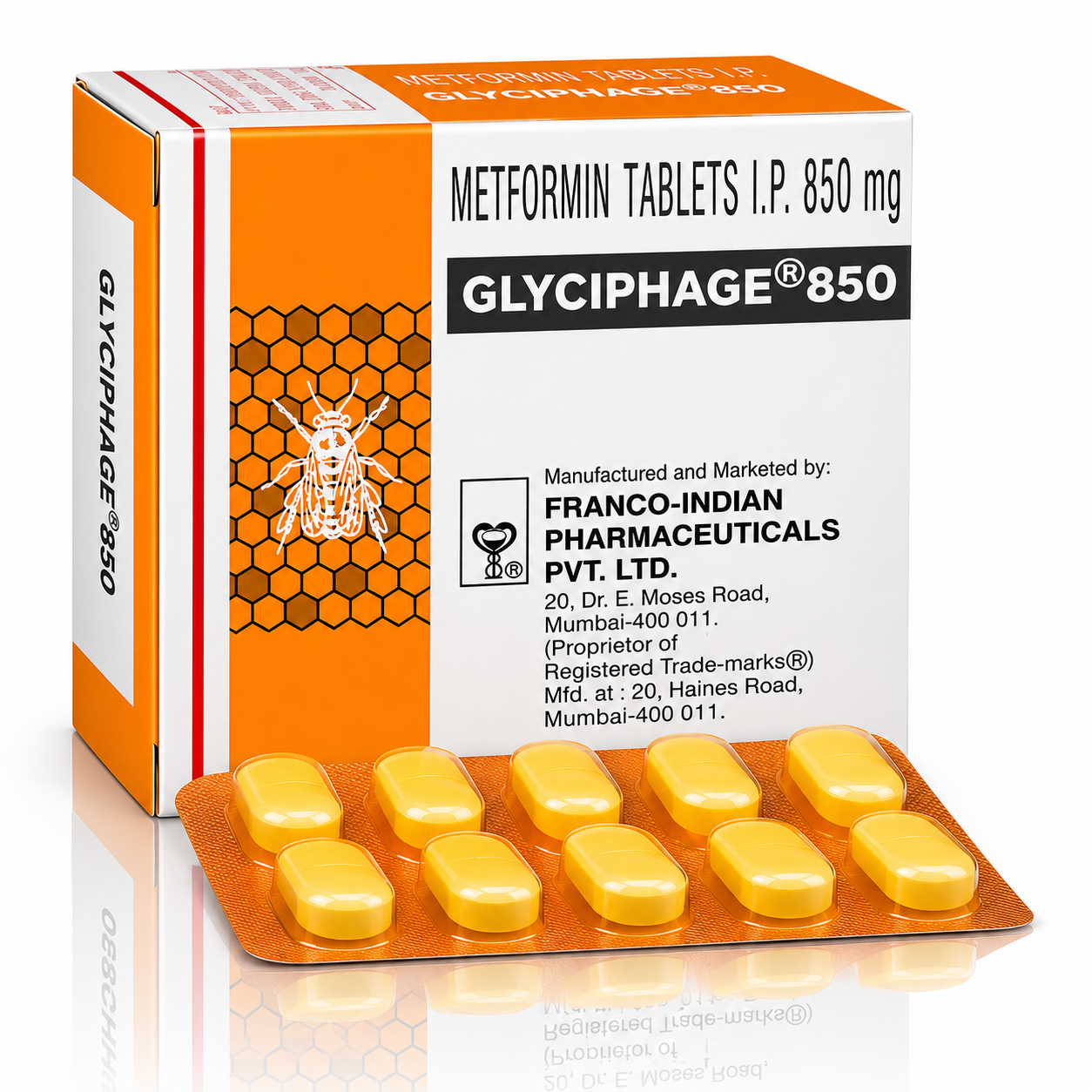
Glyciphage 850 MG Tablet
Starting at just $0.07
$0.38 / unit
| Pack Size | Price | Price / Unit | Quantity | Action |
|---|---|---|---|---|
| 180 Tablets | $68.22 | $0.38/unit | ||
| 150 Tablets | $56.85 | $0.38/unit | ||
| 120 Tablets | $45.48 | $0.38/unit | ||
| 90 Tablets | $34.11 | $0.38/unit | ||
| 60 Tablets | $22.74 | $0.38/unit | ||
| 30 Tablets | $11.37 | $0.38/unit |
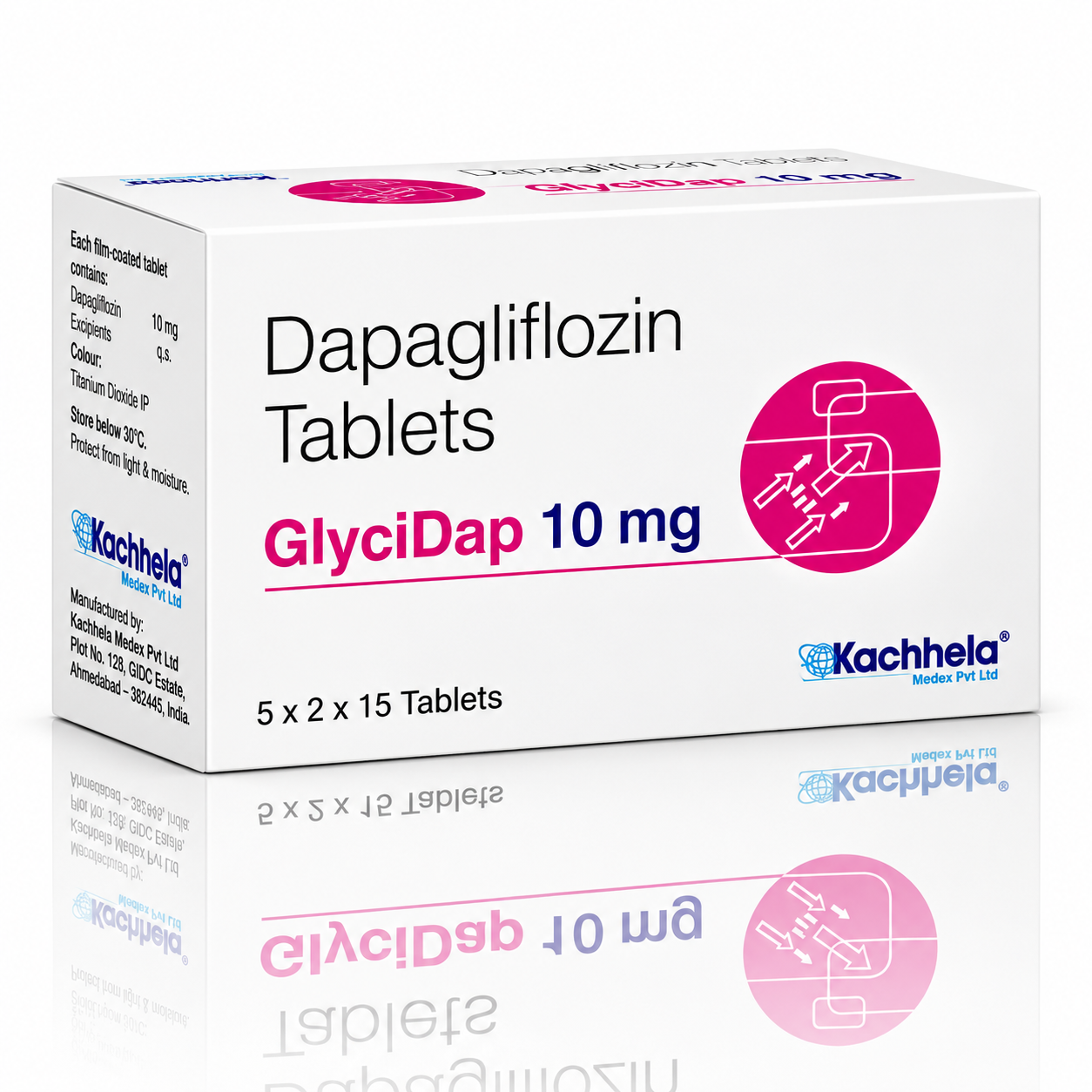
Brand Name: Glycidap 10 mg Tablet
Generic Name: Dapagliflozin
Strength: 10 mg
Dosage Form: Oral Tablet
Therapeutic Class: Oral Antidiabetic Agent / Sodium-Glucose Cotransporter-2 (SGLT2) Inhibitor
Manufacturer/Marketer: Kachhela Medex Pvt. Ltd.
Pack Size: Strip of 15 Tablets
Country of Origin: India
DAPAGLIFLOZIN is an oral antidiabetic medicine used to improve blood sugar control in adults with type 2 diabetes mellitus. It belongs to a class of medicines called sodium-glucose cotransporter-2 (SGLT2) inhibitors.
Glycidap 10 mg Tablet contains Dapagliflozin 10 mg, which helps lower elevated blood glucose by increasing the amount of glucose removed from the body through urine.
Dapagliflozin works mainly in the kidneys, where it blocks the SGLT2 protein responsible for reabsorbing filtered glucose into the bloodstream.
By reducing glucose reabsorption, dapagliflozin allows excess sugar to leave the body through urine, helping lower blood glucose levels.
Unlike sulfonylurea medicines, dapagliflozin does not directly stimulate pancreatic insulin secretion.
Type 2 Diabetes Mellitus: Helps improve blood glucose control in adults with type 2 diabetes.
Hyperglycemia: Reduces elevated blood sugar by increasing urinary glucose excretion.
Inadequate Glycemic Control: May be prescribed when dietary changes, exercise, or existing diabetes treatment do not adequately control blood glucose.
Combination Diabetes Therapy: May be used with metformin, insulin, or other glucose-lowering medicines when medically appropriate.
Heart Failure: Dapagliflozin is approved in several jurisdictions to reduce the risk of cardiovascular death, hospitalization, and worsening heart failure in eligible adults.
Chronic Kidney Disease (CKD): May reduce the risk of kidney disease progression and certain cardiovascular complications in eligible patients.
Heart Failure Risk Reduction in Type 2 Diabetes: May reduce hospitalization for heart failure in adults with type 2 diabetes who have established cardiovascular disease or multiple cardiovascular risk factors.
Long-Term Diabetes Management: Helps maintain blood glucose control alongside appropriate diet, physical activity, and medical monitoring.
The precise heart failure and kidney disease indications depend on the approved prescribing information in the patient's country and the clinical situation.
1. Inhibits SGLT2: Dapagliflozin blocks sodium-glucose cotransporter-2 proteins in the proximal tubules of the kidneys.
2. Reduces Glucose Reabsorption: It prevents a portion of filtered glucose from returning to the bloodstream.
3. Increases Urinary Glucose Excretion: Excess glucose is eliminated through urine, helping reduce blood sugar levels.
4. Promotes Mild Fluid and Sodium Loss: It produces additional urinary glucose, sodium, and water excretion, which contributes to some of its cardiovascular effects.
5. Provides Cardiorenal Benefits: Clinical trials have demonstrated benefits in selected heart failure and chronic kidney disease populations.
Dapagliflozin may also cause modest weight reduction and lower blood pressure in some patients, but it is not primarily a weight-loss medicine.
Important: Glycidap 10 mg Tablet is not an insulin replacement and should not be used to treat diabetic ketoacidosis.
It is not recommended for glycemic control in type 1 diabetes because SGLT2 inhibitors increase the risk of ketoacidosis.
Its effectiveness for lowering blood glucose may be reduced in patients with significantly impaired kidney function, even when use for certain heart or kidney conditions remains appropriate.
This medicine is intended for oral use only.
They need to know if you have any of these conditions:
kidney disease or impaired kidney function
severe kidney failure or dialysis treatment
liver disease or abnormal liver function tests
type 1 diabetes
diabetic ketoacidosis or previous episodes of ketoacidosis
low blood pressure
dehydration or frequent dizziness
heart disease or heart failure
frequent urinary tract infections
recurrent genital yeast infections
difficulty urinating or urinary tract abnormalities
history of pancreatitis
previous pancreatic surgery
severe infections or recent serious illness
a history of Fournier's gangrene
poor nutritional intake or prolonged fasting
a ketogenic or very low-carbohydrate diet
excessive alcohol consumption
upcoming surgery or procedures requiring fasting
significant vomiting or diarrhea
currently taking insulin or sulfonylurea medicines
currently taking diuretics or blood pressure medicines
history of allergic reactions to dapagliflozin or other SGLT2 inhibitors
an unusual or allergic reaction to medicines, foods, dyes, or preservatives
pregnant or planning to become pregnant
breast-feeding
Important: Your healthcare provider should assess kidney function, blood pressure, fluid status, and the risk of ketoacidosis before beginning treatment.
Glycidap 10 mg Tablet is for oral use only.
Take this medicine exactly as prescribed by your healthcare provider.
Swallow the tablet whole with a glass of water.
Dapagliflozin is generally taken once daily, with or without food.
The medicine may be taken in the morning or at another consistent time according to your prescribed regimen.
Each tablet contains:
Dapagliflozin 10 mg
For glycemic control in adults with type 2 diabetes, treatment may begin at 5 mg once daily and be increased to 10 mg depending on the response and approved labeling.
For certain heart failure and kidney disease indications, the commonly recommended dose is 10 mg once daily.
Your healthcare provider will determine whether Glycidap 10 mg is appropriate based on your kidney function and treatment requirements.
Do not assume that every patient should begin treatment at 10 mg.
Do not increase the dose or take the medicine more frequently than prescribed.
Take the tablet at approximately the same time each day.
Drink adequate fluids unless your healthcare provider has advised fluid restriction.
Continue following your recommended diet and physical activity plan.
Monitor your blood glucose if instructed.
Do not stop prescribed insulin or other diabetes medicines without medical guidance.
Your healthcare provider should check kidney function before treatment.
Dapagliflozin may be unsuitable for some patients depending on their kidney function and the indication being treated.
The kidney function thresholds for blood glucose management differ from those for certain heart failure or chronic kidney disease indications.
Dapagliflozin should generally be withheld for at least 3 days before scheduled surgery, when possible.
Your healthcare provider may also recommend stopping it temporarily during prolonged fasting, serious illness, significant dehydration, or vomiting.
Treatment should be restarted only when the patient is clinically stable and eating and drinking normally, as advised by the healthcare provider.
Because dapagliflozin increases urinary glucose and fluid loss, dehydration may occur.
Maintain adequate hydration while following any fluid restrictions prescribed for heart or kidney disease.
Overdosage: Taking more than the prescribed dose may increase the risk of dehydration, low blood pressure, and other complications. If an overdose is suspected, seek medical attention or contact a poison control center.
NOTE: This medicine is only for you. Do not share this medicine with others.
If you miss a dose of Glycidap 10 mg Tablet, take it as soon as you remember.
If it is almost time for the next scheduled dose, skip the missed dose and continue your regular schedule.
Do not take two tablets together to make up for a missed dose.
Taking additional doses may increase the risk of unwanted effects.
If you frequently miss doses, consult your healthcare provider or pharmacist about maintaining a regular treatment schedule.
Potential interactions include:
insulin
sulfonylureas such as glimepiride, gliclazide, and glipizide
other SGLT2 inhibitors
diuretics such as furosemide and hydrochlorothiazide
certain blood pressure medicines
corticosteroids such as prednisone
other medicines that increase blood glucose levels
medicines that may affect kidney function
alcohol, particularly excessive consumption
medicines or treatments associated with dehydration
Insulin and Sulfonylureas: Dapagliflozin may increase the risk of hypoglycemia when combined with insulin or medicines that stimulate insulin secretion. Dosage adjustment may be required.
Diuretics: Combining dapagliflozin with diuretic medicines may increase urinary fluid loss and the risk of dehydration or low blood pressure.
Blood Pressure Medicines: Dapagliflozin may lower blood pressure. Patients taking several antihypertensive medicines should be monitored for dizziness or hypotension.
Corticosteroids: Certain corticosteroids may increase blood glucose levels and reduce glycemic control.
Other SGLT2 Inhibitors: Concurrent use of multiple medicines in this class is not normally recommended.
Alcohol: Excessive alcohol consumption may increase the risk of dehydration and ketoacidosis.
Kidney-Affecting Medicines: Changes in kidney function or fluid balance may require closer monitoring during treatment.
Dapagliflozin increases glucose excretion through urine.
Urine glucose tests are therefore expected to be positive during treatment and should not be used alone to assess blood glucose control.
SGLT2 inhibitors may also interfere with certain laboratory methods, including 1,5-anhydroglucitol measurements.
This list may not describe all possible interactions. Inform your healthcare provider about all prescription medicines, over-the-counter products, herbal supplements, and other medicines you use.
Use Glycidap 10 mg Tablet regularly as directed by your healthcare provider.
This medicine helps manage blood glucose levels in adults with type 2 diabetes and may provide cardiovascular or kidney benefits in selected patients.
Your healthcare provider may monitor fasting blood glucose, HbA1c, kidney function, blood pressure, and hydration status.
Diabetic Ketoacidosis: Dapagliflozin may increase the risk of ketoacidosis, even when blood glucose is not significantly elevated.
Symptoms may include:
nausea or vomiting
severe abdominal pain
unusual tiredness or weakness
rapid or difficult breathing
excessive thirst
confusion
Stop taking the medicine and seek emergency medical attention if ketoacidosis is suspected.
Dehydration and Low Blood Pressure: Dapagliflozin increases glucose and fluid excretion through urine. Patients may experience dizziness, weakness, or low blood pressure.
Kidney Function: Kidney function should be assessed before treatment and monitored during therapy. Dapagliflozin's suitability depends on the patient's kidney function and the indication being treated.
Genital Fungal Infections: Increased urinary glucose may promote genital yeast infections. Report persistent itching, redness, discomfort, or unusual discharge.
Urinary Tract Infections: Contact your healthcare provider if you experience burning urination, fever, chills, or lower back pain.
Serious Genital Infections: Rare cases of Fournier's gangrene, a potentially life-threatening infection of the tissues around the genitals and perineum, have been reported with SGLT2 inhibitors.
Seek emergency treatment if you experience genital or perineal pain, swelling, redness, or tenderness accompanied by fever or feeling unwell.
Hypoglycemia: Dapagliflozin alone has a relatively low risk of causing low blood sugar. However, hypoglycemia may occur when combined with insulin or sulfonylureas.
Symptoms include sweating, shaking, dizziness, hunger, confusion, and rapid heartbeat.
If blood glucose is below 70 mg/dL and you are awake and able to swallow, consume approximately 15 grams of fast-acting carbohydrate and recheck after 15 minutes. Repeat if necessary.
Severe hypoglycemia involving seizures or unconsciousness requires emergency medical treatment.
Heart Failure: If you take dapagliflozin for heart failure, continue your prescribed cardiovascular treatment. Do not stop diuretics, blood pressure medicines, or other heart medicines without medical advice.
Chronic Kidney Disease: Dapagliflozin may be prescribed to slow disease progression in eligible patients, but it does not cure chronic kidney disease.
Surgery and Fasting: Dapagliflozin is generally withheld for at least three days before scheduled surgery, when possible, to reduce ketoacidosis risk.
Pregnancy: Dapagliflozin is not recommended during the second and third trimesters of pregnancy because of potential risks to fetal kidney development.
Breast-feeding: Dapagliflozin is generally not recommended during breastfeeding.
Driving and Machinery: Avoid driving if you develop dizziness, low blood pressure, or symptoms of hypoglycemia.
Important: Regular monitoring, adequate hydration, appropriate nutrition, physical activity, and adherence to prescribed treatment are essential during dapagliflozin therapy.
severe allergic reactions
swelling of the face, lips, tongue, or throat
difficulty breathing or wheezing
symptoms of diabetic ketoacidosis, including nausea, vomiting, abdominal pain, and rapid breathing
severe dehydration or fainting
significantly reduced urination
persistent vomiting or inability to maintain fluid intake
severe urinary tract infection symptoms
fever accompanied by painful urination or back pain
severe genital pain, redness, or swelling
signs of Fournier's gangrene
severe hypoglycemia, including confusion, seizures, or loss of consciousness
sudden or severe dizziness
unusual weakness or confusion
severe skin reactions
symptoms of serious kidney problems
increased urination
increased thirst
mild dizziness
genital yeast infections
genital itching or irritation
urinary tract infections
mild urinary discomfort
increased urination at night
mild nausea
constipation
back discomfort
temporary changes in urination patterns
The frequency and severity of side effects depend on kidney function, other medicines, fluid status, and individual response.
Genital fungal infections, urinary tract infections, and increased urination are recognized adverse effects of dapagliflozin.
This list may not describe all possible side effects.
Keep out of the reach of children.
Store Glycidap 10 mg Tablet below 30°C (86°F), according to available product storage information.
Protect from excessive heat, moisture, and direct sunlight.
Keep the tablets in their original blister packaging until use.
Avoid storing the medicine in bathrooms or areas exposed to excessive humidity.
Do not freeze.
Keep the medicine in a secure location to prevent accidental ingestion.
Do not use tablets if the packaging is damaged or the medicine has changed noticeably in appearance.
Do not use after the expiration date printed on the packaging.
Dispose of unused or expired medicine according to local pharmaceutical disposal guidelines.
Storage Note: Confirm the exact storage instructions against the current Glycidap product packaging before publishing.
Field | Information |
|---|---|
Brand Name | Glycidap 10 mg Tablet |
Alternative Brand Presentation | GlyciDap 10 |
Generic Name | Dapagliflozin |
Strength | 10 mg |
Dosage Form | Oral Tablet |
Pack Size | Strip of 15 Tablets |
Therapeutic Class | Oral Antidiabetic Agent / SGLT2 Inhibitor |
Active Ingredient | Dapagliflozin 10 mg |
Primary Indication | Type 2 Diabetes Mellitus |
Additional Ingredient-Level Indications | Selected Heart Failure and Chronic Kidney Disease Conditions, subject to applicable regulatory approval |
Manufacturer/Marketer | Kachhela Medex Pvt. Ltd. (listed marketer) |
Licensed Manufacturing Facility | To be verified from product packaging |
Prescription Status | Prescription Only Medicine |
Route of Administration | Oral |
Recommended Administration | Once daily, with or without food, as prescribed |
Storage | Store below 30°C; protect from heat and moisture |
Country of Origin | India |
Starting at just $0.07
Starting at just $0.08
Starting at just $0.15
Starting at just $0.18
Starting at just $0.05